Top 20 Natural Monuments around Wolfsgraben
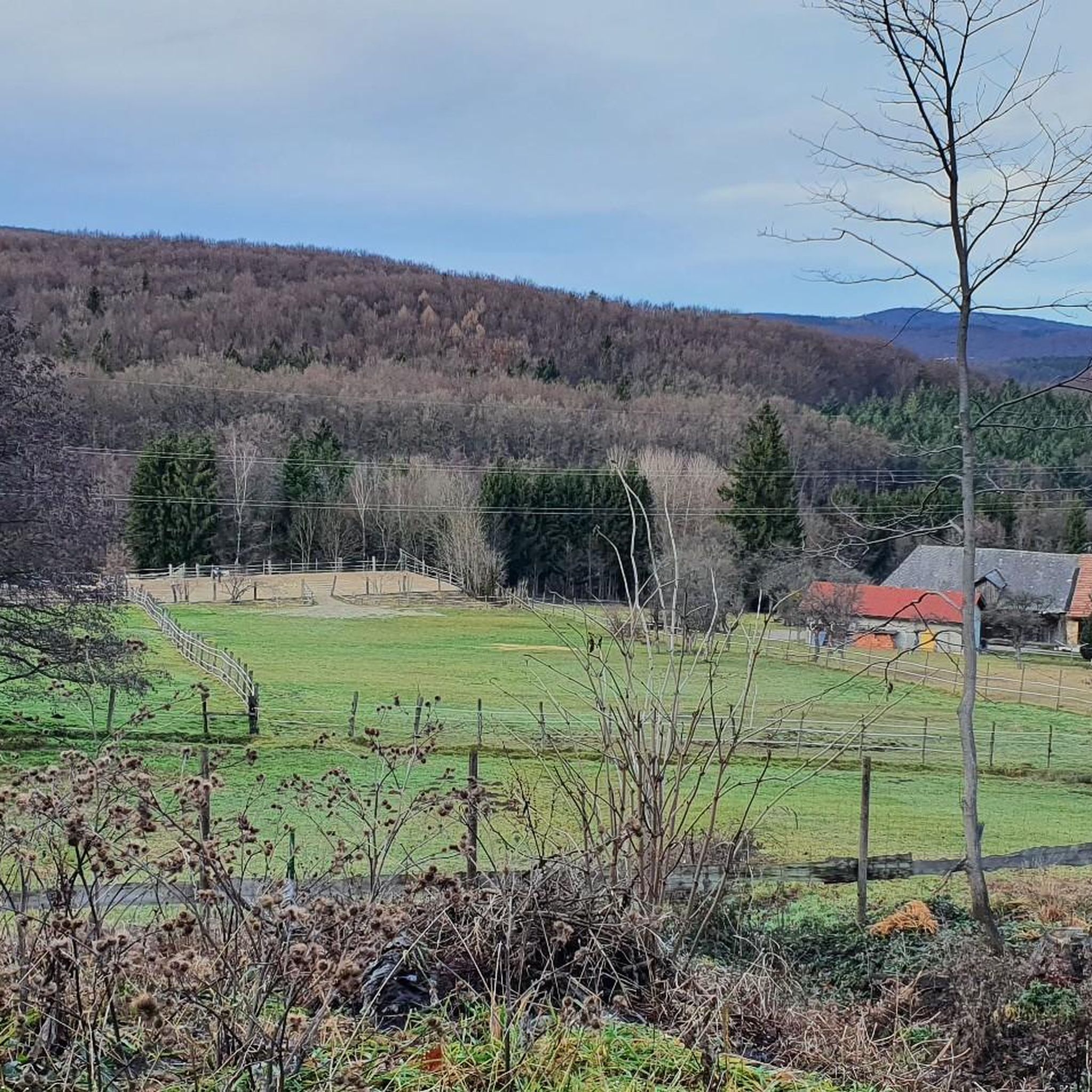
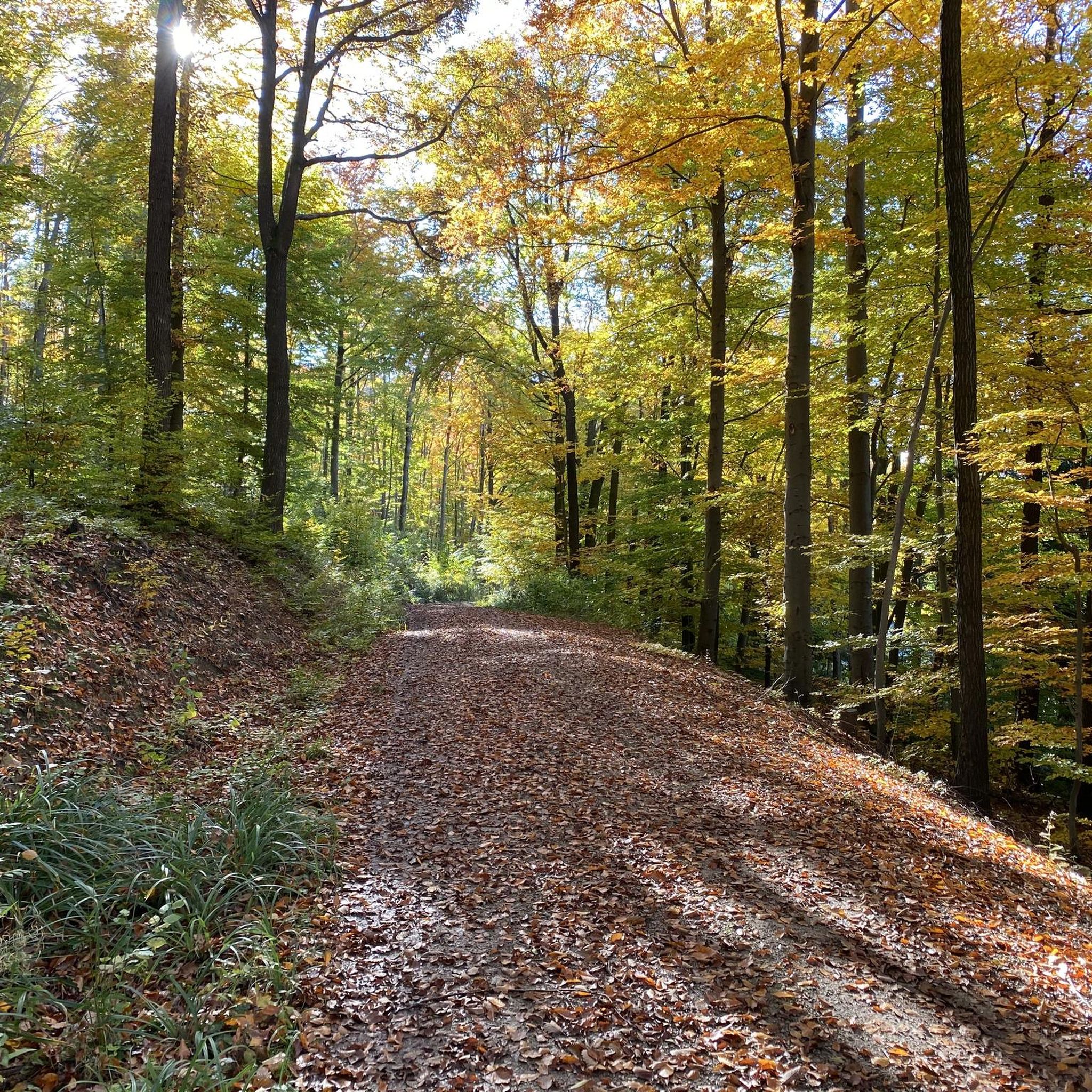
Best natural monuments around Wolfsgraben are found within the Vienna Woods (Wienerwald) Biosphere Reserve, a UNESCO-protected area known for its high biodiversity. The landscape features rolling hills, dense forests, meadows, and streams, offering a rich environment for various species. This region provides a well-preserved, biodiverse cultural landscape for nature enthusiasts. It is an excellent destination for those seeking tranquility and outdoor experiences.
Best natural monuments around Wolfsgraben
- The most popular natural monuments is Troppberg Observation Tower, a viewpoint that…
Last updated: August 17, 2026
Troppberg Observation Tower
Highlight • Viewpoint
Translated by Google •
Tip by

Dehnepark Pond
Highlight • Lake
Translated by Google •
Tip by

Sign up now to discover places like this
Get recommendations on the best single tracks, peaks, & plenty of other exciting outdoor places.
Sign up for free
Hubertuswarte Observation Tower
Highlight • Viewpoint
Translated by Google •
Tip by

Silver Lake
Highlight • Lake
Translated by Google •
Tip by

Deer Enclosure Penzinger Meadow
Highlight • Natural
Translated by Google •
Tip by

Sign up for free to discover even more natural monuments around Wolfsgraben.
Sign up for free
Already have an account?
Start today with a free account
Your next adventure awaits.
Login or Signup
Tips from the Community

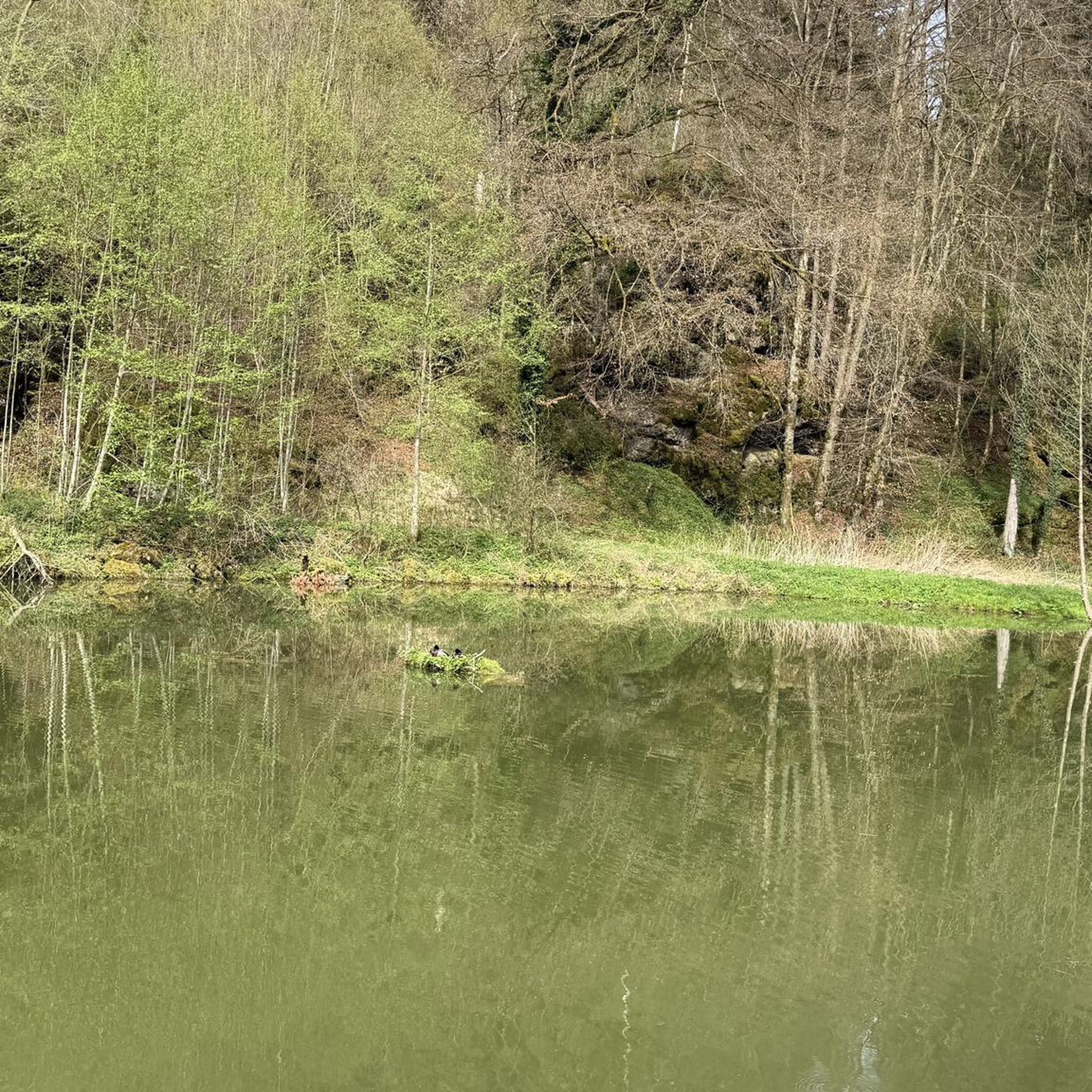
The Silbersee, also referred to as Silberteich in the official route description, is located directly on the Wiener Stadtwanderweg 4 above Dehnepark. Surrounded by forest and dense greenery, the lake forms a quiet and idyllic stopover on the way to the Jubiläumswarte. A beautiful place to pause briefly and enjoy the almost enchanted atmosphere.
3
0
The small pond lies quietly and idyllically in Dehnepark, surrounded by old trees and dense greenery. The water and the overgrown surroundings give the place an almost enchanted atmosphere. A beautiful stopover for a short break on the Vienna City Hiking Trail 4.
5
0

In the former landscape park of Princess Paar, families will find spacious meadows, a playground, camping and picnic areas, the Silberteich (Silver Pond), as well as gentle to steep hills.
2
0
The lake was once the open-cast mine of a gypsum quarry, into which water broke in overnight, allowing the lake to form.[2] Since then, the lake has been able to develop undisturbed and is home to, for example, the roach, a native fish species, but also introduced fish such as goldfish, koi carp, and sunfish. The shore is lined with reeds and cattails, and the water surface is largely covered with hornwort.
2
0
The Hubertuswarte is a historic observation tower in the Lainz Tiergarten park, offering impressive panoramic views of Vienna and the surrounding forests. Named after Hubertus, the patron saint of hunters, the lookout is a popular vantage point for hikers and nature lovers. From here, you can enjoy the natural beauty and, on clear days, glimpse all the way to the Alps.
6
0


Frequently Asked Questions
What are some of the most appreciated natural monuments around Wolfsgraben?
Visitors particularly appreciate the Troppberg Observation Tower, which offers expansive views in all directions. Another favorite is the romantic Dehnepark Pond, where you can observe fish and turtles. The Hubertuswarte Observation Tower also provides a wonderful all-round view, extending as far as the Ötscher on clear days.
Are there family-friendly natural monuments or activities in the Wolfsgraben area?
Yes, several spots are great for families. The Deer Enclosure Penzinger Meadow is a wonderful place for children to see red deer up close. The Dehnepark Pond is also family-friendly, with a children's playground nearby and opportunities to watch fish and turtles. Additionally, the region research mentions a fairy-tale-themed 'Hecke' (Hedge) trail that engages children with local flora through stories and rhymes.
What kind of outdoor activities can I do near the natural monuments in Wolfsgraben?
The Wolfsgraben area, being part of the Wienerwald Biosphere Reserve, is ideal for various outdoor activities. You can find numerous routes for hiking, including easy and moderate trails like the 'Florianimarterl – Parish Church of Wolfsgraben loop'. There are also options for cycling and mountain biking, with routes like the 'Wienfluss Gravel Path' for cyclists and the 'Path Along the Wien River' for MTB enthusiasts.
What makes the Wienerwald Biosphere Reserve, where Wolfsgraben is located, ecologically significant?
The Wienerwald Biosphere Reserve is recognized by UNESCO for its high biodiversity and diverse landscapes. It features rolling hills, dense forests (including beech and sub-Mediterranean pine forests), meadows, and clear streams. This rich environment supports a wide array of species, making it a 'biodiversity hotspot' in Central Europe. The area's ecological value is further highlighted by the presence of habitats for rare species like the yellow-bellied toad. You can learn more about its significance on the UNESCO website.
Are there any historical sites or features within the natural monuments around Wolfsgraben?
Yes, some natural monuments also have historical significance. For instance, the Hubertuswarte Observation Tower was built on the site of a former military observation tower from World War I. The Maurer Wald, while primarily a forest, contains the oldest traces of settlement in Vienna's urban area, dating back to the Paleolithic period, found on the Antonshöhe within its bounds.
What kind of views can I expect from the observation towers in the region?
The observation towers in the Wolfsgraben area offer spectacular panoramic views. From the Troppberg Observation Tower, you get a great view in all directions. The Hubertuswarte Observation Tower provides a wonderful all-round view, and on clear days, you can even see as far as the Ötscher mountain.
Can I spot wildlife in the natural monuments around Wolfsgraben?
Yes, wildlife spotting is possible. The Deer Enclosure Penzinger Meadow is specifically designed for observing red deer. The general area of the Wienerwald Biosphere Reserve is a biodiversity hotspot, so you might encounter various species during your hikes. The Dehnepark Pond is also home to fish and turtles.
What is the best time to visit the natural monuments around Wolfsgraben?
The natural monuments around Wolfsgraben, being part of the Wienerwald, are beautiful year-round. Spring and autumn offer pleasant temperatures for hiking and vibrant foliage. Summer is great for longer days and outdoor activities, while winter can provide a serene, snow-covered landscape for winter walks, though some paths might be less accessible. The observation towers are generally freely accessible all year round.
Are there easy hiking trails suitable for beginners or those looking for a relaxed walk?
Absolutely. The area offers a range of hiking trails for various fitness levels. For an easy and relaxed walk, you can explore routes like the 'Florianimarterl – Parish Church of Wolfsgraben loop' which is just over 3.7 km. The paths around Dehnepark Pond also offer diverse, yet manageable, trails suitable for a leisurely stroll.
How can I reach the natural monuments around Wolfsgraben using public transport?
While specific public transport details for each monument vary, the region research indicates that parts of the Wienerwald, such as the Lainzer Tiergarten (where the Deer Enclosure Penzinger Meadow and Hubertuswarte Observation Tower are located), are easily reachable by public transport from Vienna. For example, the Dehnepark is accessible via tram line 49 or U4. It's advisable to check local transport schedules for specific routes to your chosen destination.
What are some of the unique natural features of the Wolfsgraben area?
Beyond specific monuments, Wolfsgraben is characterized by its diverse landscape within the Wienerwald Biosphere Reserve. This includes extensive beech forests, sub-Mediterranean pine forests, rolling hills, and clear streams. The area also boasts unique geological conditions and varied climatic zones, contributing to its status as a significant ecological region. The presence of the yellow-bellied toad habitat highlights its importance for rare species.
Most popular routes around Wolfsgraben
Most popular attractions around Wolfsgraben

Get inspired with the komoot mobile app


Explore more
Extend your search for the best caves by checking out these guides of the top ones around Wolfsgraben:
