Top 11 Natural Monuments around Gramatneusiedl
Best natural monuments around Gramatneusiedl are found in Lower Austria, offering insights into the region's biodiversity and natural heritage. This municipality features protected areas notable for their ecological significance, including unique habitats like meadows and fens. The landscape provides opportunities for nature observation and exploring diverse natural features.
Best natural monuments around Gramatneusiedl
- The most popular natural monument is Confluence of the Triesting and the Schwechat rivers, a river and natural monument where several rivers and streams meet. This…
Last updated: June 24, 2026
Confluence of the Triesting and the Schwechat rivers
Highlight • River
Translated by Google •
Tip by

Emperor Franz Joseph Park, Laxenburg
Highlight • Natural Monument
Translated by Google •
Tip by

Sign up now to discover places like this
Get recommendations on the best single tracks, peaks, & plenty of other exciting outdoor places.
Sign up for free
Kaskadenbrücke (Cascade Bridge) at Schloss Laxenburg
Highlight • Bridge
Translated by Google •
Tip by

Kalter Gang
Highlight • River
Translated by Google •
Tip by

Knight’s Column in Laxenburg Palace Park
Highlight • Monument
Translated by Google •
Tip by
Sign up for free to discover even more natural monuments around Gramatneusiedl.
Sign up for free
Already have an account?
Start today with a free account
Your next adventure awaits.
Login or Signup
Tips from the Community

This bridge was once the people's entrance to the castle park and was created in its current form around 1800. The two lions were created by the sculptor Wilhelm Beyer. As a symbol of majesty, they flank and guard this former park entrance.
1
0

Forstmeisterkanal feeds the large castle pond with water and is a cool place in summer
5
0

Great place for a short rest.
1
0

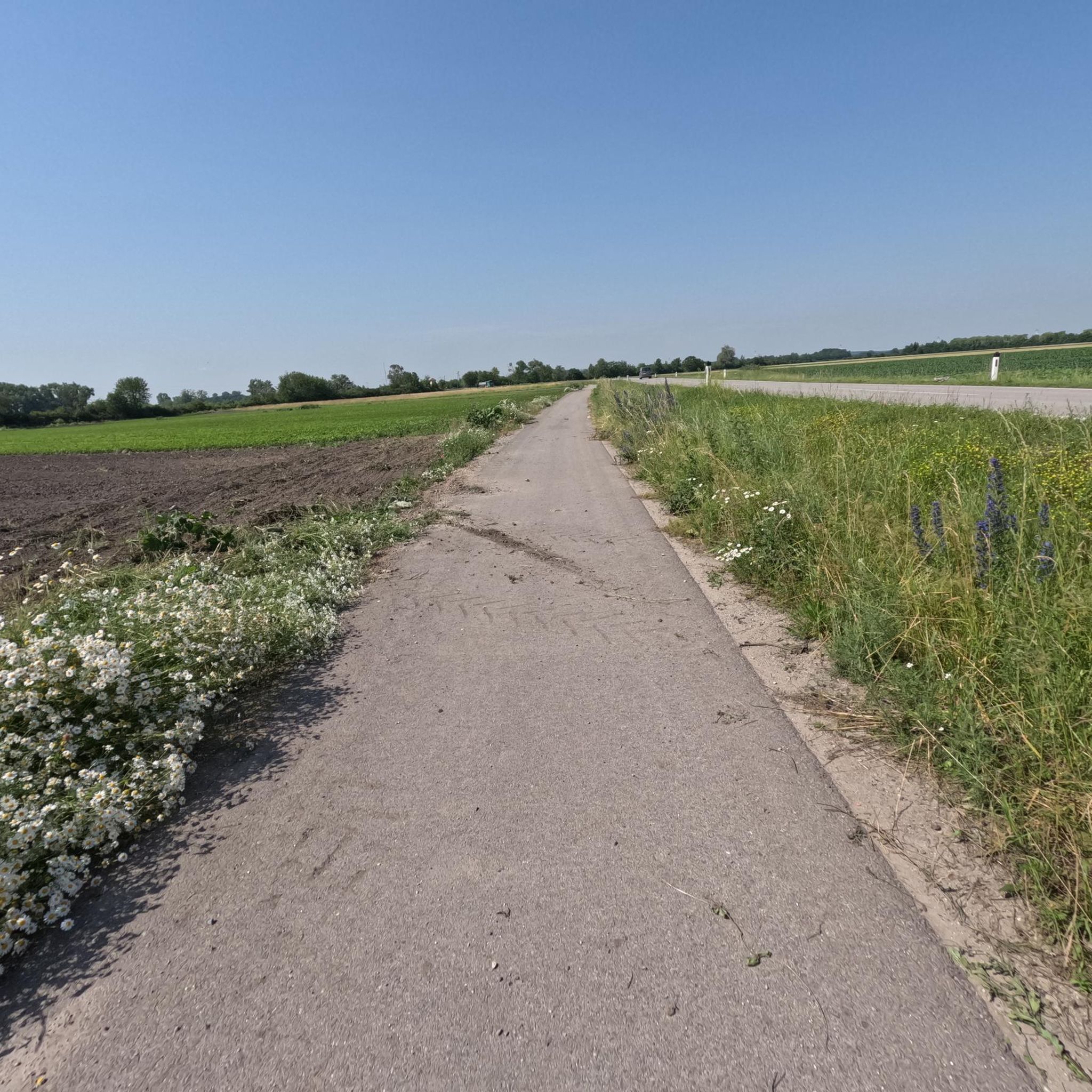
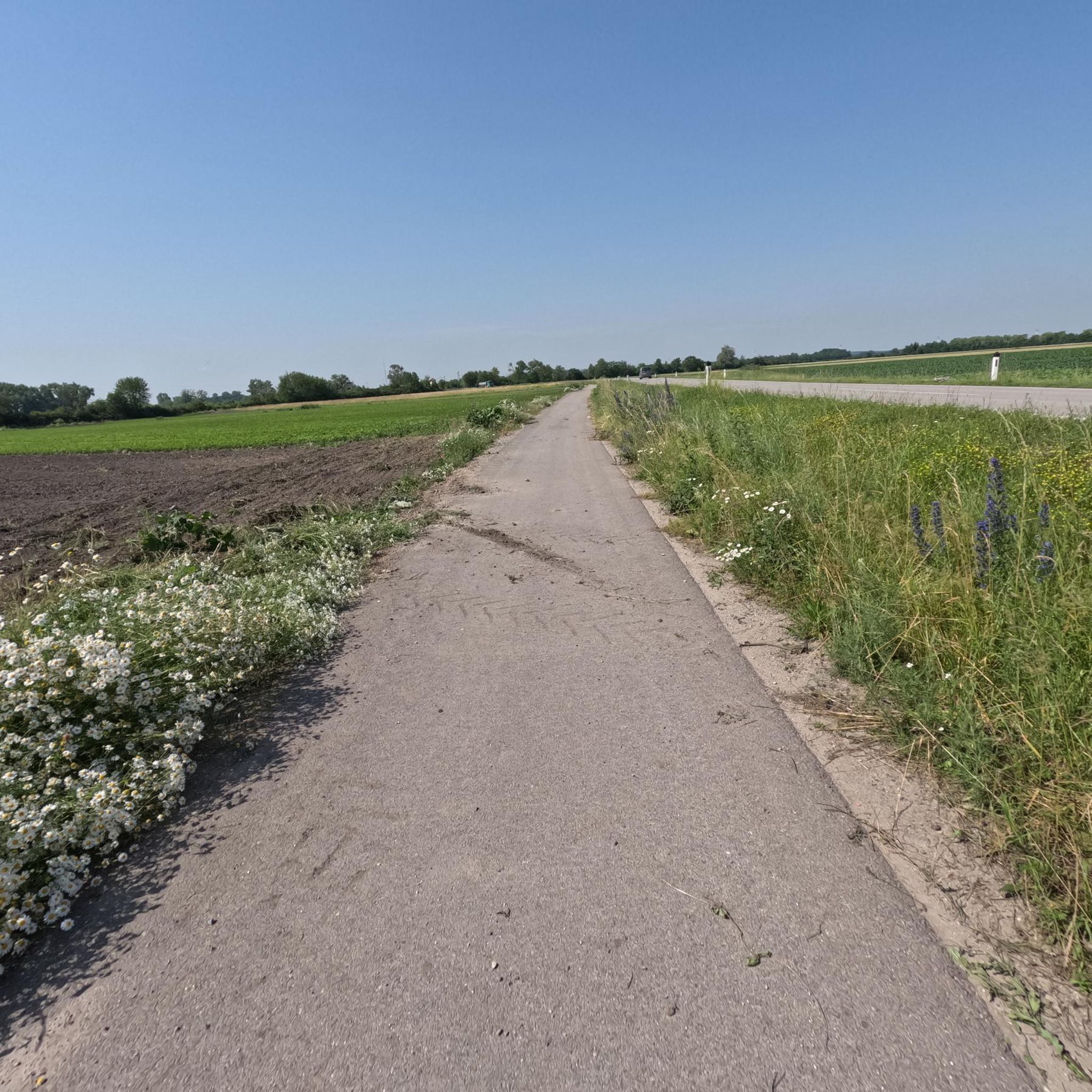
The Triesting - Schwechat estuary is the place where the Triesting flows into the Schwechat. The Triesting is a river in the southeastern Vienna Woods, which rises near Kaumberg and is 60 km long. The Schwechat is a tributary of the Danube that rises near Schottwien and is 62 km long. The estuary is near Achau in the Mödling district and is a popular resting place for cyclists. You can reach the estuary on various cycle paths, for example from Wiener Neudorf or from Wien Meidling. The area is very rich in water and also offers other highlights such as the Laxenburg Palace Park or the Kaiser Franz Joseph Park.
1
1
The Triesting is a river in the southeastern Vienna Woods, which flows into the Schwechat near Achau. The Schwechat is a tributary of the Danube that rises in the Vienna Alps. The Triesting is 60 km long and has a catchment area of 388 km². The Schwechat is 62 km long and has a catchment area of 678 km². The mouth of the Triesting in the Schwechat is a bike highlight that you can reach on various bike paths. There is a cycle and footpath along the flood protection wall, which can also be used as a viewing platform. You can take a nice break here and enjoy nature. You can also observe the water that divides here: the Schwechat continues to flow as the Mitterbach and the Schwechat-Werksbach, which only reunite in Schwechat. I hope this information was helpful to you. If you want to learn more about the Triesting or the Schwechat, you can also have a look at the Wikipedia pages. There you will also find information about the history, culture and sights along the rivers. Or you look at some bike tours that lead you to beautiful places like Berndorf, Laxenburg or Lanzendorf Castle.
1
1
The confluence of the Triesting and the Schwechat is an interesting place where several rivers and streams meet. The Triesting is a river in the south-eastern Vienna Woods, which flows into the Schwechat near Achau. The Schwechat has two rivers, the Mitterbach and the Schwechat-Werksbach, which only reunite in Schwechat itself. At the mouth of the Triesting, the Mödlingbach and the Krottenbach also flow into the old Schwechatlauf coming from Laxenburg. The estuary is a popular destination for bike tours and offers a nice rest area with the opportunity to swim.
3
1
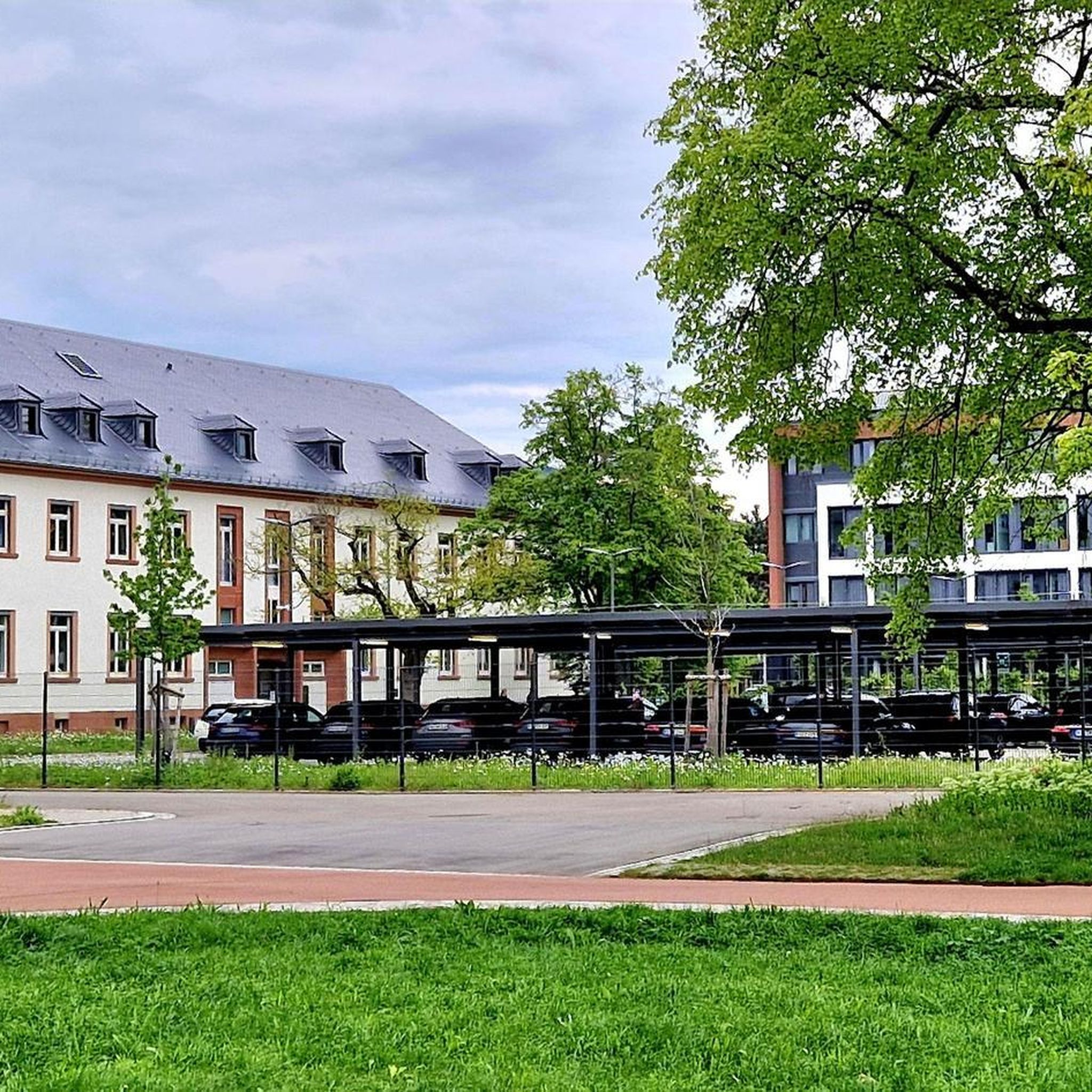
The Kaiser Franz Joseph Park is a garden characterized by its wild, romantic, varied and green recreational areas that comply with the "Nature in the Garden" guidelines. It has regional flowering plants, a snack garden, old stone and wooden elements, dry walls and flower-attracting perennial beds. The park is located in Laxenburg, Austria1 and was built in the style of a cottage garden.
5
1
This monument was built as part of the Rittergau in 1798 to glorify knightly virtues. Column figures of this type were very popular in landscape gardens, since these gardens were often enriched with numerous monuments.
2
0
Frequently Asked Questions
What unique natural features can I discover in Gramatneusiedl's natural monuments?
Gramatneusiedl is home to several distinct natural features. You can explore the Urzeitkrebswiese Gramatneusiedl, a meadow known for prehistoric shrimp species like Triops cancriformes and Branchipus schaefferi, along with other unique flora and fauna. Another significant site is the Naturdenkmal Brunnlust, a protected spring and fen ecosystem vital for rare plants. Additionally, the region features river confluences, such as the Confluence of the Triesting and the Schwechat rivers, and varied green recreational areas like Emperor Franz Joseph Park, Laxenburg.
Are there specific natural monuments known for rare plants or animals?
Yes, the Urzeitkrebswiese Gramatneusiedl is particularly notable for its prehistoric shrimp species, including Triops cancriformes and Branchipus schaefferi, which have existed for over 500 million years. It also supports other unique species like the copepod Mixodiaptomus kupelwieseri and the green alga Volvox globator. The Naturdenkmal Brunnlust is recognized as a crucial area for rare plants that thrive in its spring and fen environment.
What kind of ecosystems are protected in Gramatneusiedl?
The natural monuments in Gramatneusiedl protect diverse ecosystems. These include unique meadow habitats, such as the Urzeitkrebswiese Gramatneusiedl, which is a haven for ancient crustaceans. The Naturdenkmal Brunnlust preserves a significant spring and fen (Quell- und Niedermoor) ecosystem. The region also features riverine environments, like the Confluence of the Triesting and the Schwechat rivers, where multiple waterways meet.
Are there hiking or cycling paths near the natural monuments in Gramatneusiedl?
Yes, the area around Gramatneusiedl offers various routes for hiking and cycling. You can find numerous trails suitable for different activities. For example, there are hiking routes and MTB trails that allow you to explore the natural surroundings, often passing by or near these protected sites. Many of these routes are well-suited for nature observation.
What outdoor activities can I do near these natural monuments?
Near the natural monuments in Gramatneusiedl, you can enjoy a variety of outdoor activities. Hiking is popular, with options ranging from easy walks to more moderate trails. Cycling, including mountain biking, is also a great way to explore the region's natural beauty. The Confluence of the Triesting and the Schwechat rivers is a popular destination for bike tours and offers a resting area, with opportunities for swimming.
Are the natural monuments around Gramatneusiedl suitable for families with children?
Many of the natural monuments and nearby attractions are family-friendly. For instance, the Confluence of the Triesting and the Schwechat rivers is a popular spot for families, offering a resting area. Emperor Franz Joseph Park, Laxenburg, and the Kaskadenbrücke (Cascade Bridge) at Schloss Laxenburg are also noted as family-friendly locations, providing varied green spaces and interesting historical elements for exploration.
What historical or cultural sites are near the natural monuments?
While focusing on natural heritage, the area also features historical elements. The Kaskadenbrücke (Cascade Bridge) at Schloss Laxenburg is a significant historical site, reflecting Baroque-era architectural capture of water power within the park's landscape. The broader Castle Park in Laxenburg is also under monument protection and is one of Austria's most important landscape gardens, offering a blend of natural beauty and historical design.
What is the best time to visit the natural monuments in Gramatneusiedl?
The best time to visit depends on what you wish to experience. Spring and summer are ideal for observing the unique biodiversity of the Urzeitkrebswiese Gramatneusiedl, when the prehistoric shrimp are active, and for enjoying the lush greenery of the fens and parks. These seasons are also perfect for hiking and cycling. Autumn offers beautiful foliage, while winter can provide a serene, quiet experience, though some areas might be less accessible or active.
Are there any easy walks suitable for all fitness levels around Gramatneusiedl's natural monuments?
Yes, there are several easy hikes available around Gramatneusiedl that are suitable for various fitness levels. These routes often take you through pleasant landscapes, allowing you to enjoy nature without strenuous effort. Many parks and river paths, such as those near the Confluence of the Triesting and the Schwechat rivers, offer gentle terrain for a relaxed stroll.
What do visitors enjoy most about the natural monuments in Gramatneusiedl?
Visitors particularly appreciate the unique ecological significance and the tranquil beauty of the natural monuments. The Confluence of the Triesting and the Schwechat rivers is loved as an interesting meeting point of waterways and a nice resting spot, with possibilities for swimming. The Emperor Franz Joseph Park, Laxenburg, is valued for its wild, romantic, and varied green recreational areas. The overall appeal lies in the opportunity for nature observation, peaceful walks, and exploring the region's biodiversity.
Is there parking available near the natural monuments?
For some locations, such as the Castle Park in Laxenburg, parking facilities are available, making it convenient for visitors arriving by car. For other natural monuments like the Urzeitkrebswiese Gramatneusiedl or Naturdenkmal Brunnlust, it's advisable to check local signage or municipality information for designated parking areas nearby, as they are often integrated into the natural landscape.
Can I bring my dog to the natural monuments and trails?
Generally, many outdoor areas and trails in Lower Austria are dog-friendly, provided dogs are kept on a leash and owners clean up after them. For specific natural monuments like the Urzeitkrebswiese Gramatneusiedl and Naturdenkmal Brunnlust, which are protected ecological sites, it's recommended to check for any specific regulations regarding pets to ensure the preservation of sensitive habitats. Parks and general hiking routes typically welcome well-behaved dogs.
Most popular routes around Gramatneusiedl
Most popular attractions around Gramatneusiedl

Get inspired with the komoot mobile app


Explore more
Extend your search for the best caves by checking out these guides of the top ones around Gramatneusiedl:
