Top 20 Natural Monuments around Traiskirchen
Natural monuments around Traiskirchen are characterized by the diverse landscapes of the Vienna Woods Biosphere Reserve, including the Föhrenberge Nature Park. The region features extensive pine and beech forests, gentle hills, and significant waterways. These areas offer opportunities for recreation and experiencing the local natural environment. Traiskirchen's surroundings provide a blend of historical sites and natural beauty.
Best natural monuments around Traiskirchen
- The most popular natural monuments is Liechtenstein Castle, a castle that represents 900 years of family history.…
Last updated: May 11, 2026
Breite Föhre Rest Area
Highlight • Rest Area
Breite Föhre was a popular excursion destination on the slopes of the Anninger near Mödling, from which there is a wide view down to the …
Translated by Google •
Tip by

On Harzberg
Highlight • Viewpoint
Refuge with the sun terrace and the wonderful view is awesome.
Then the visit to …
Translated by Google •
Tip by

Sign up now to discover places like this
Get recommendations on the best single tracks, peaks, & plenty of other exciting outdoor places.
Sign up for free
Liechtenstein Castle
Highlight • Castle
Translated by Google •
Tip by

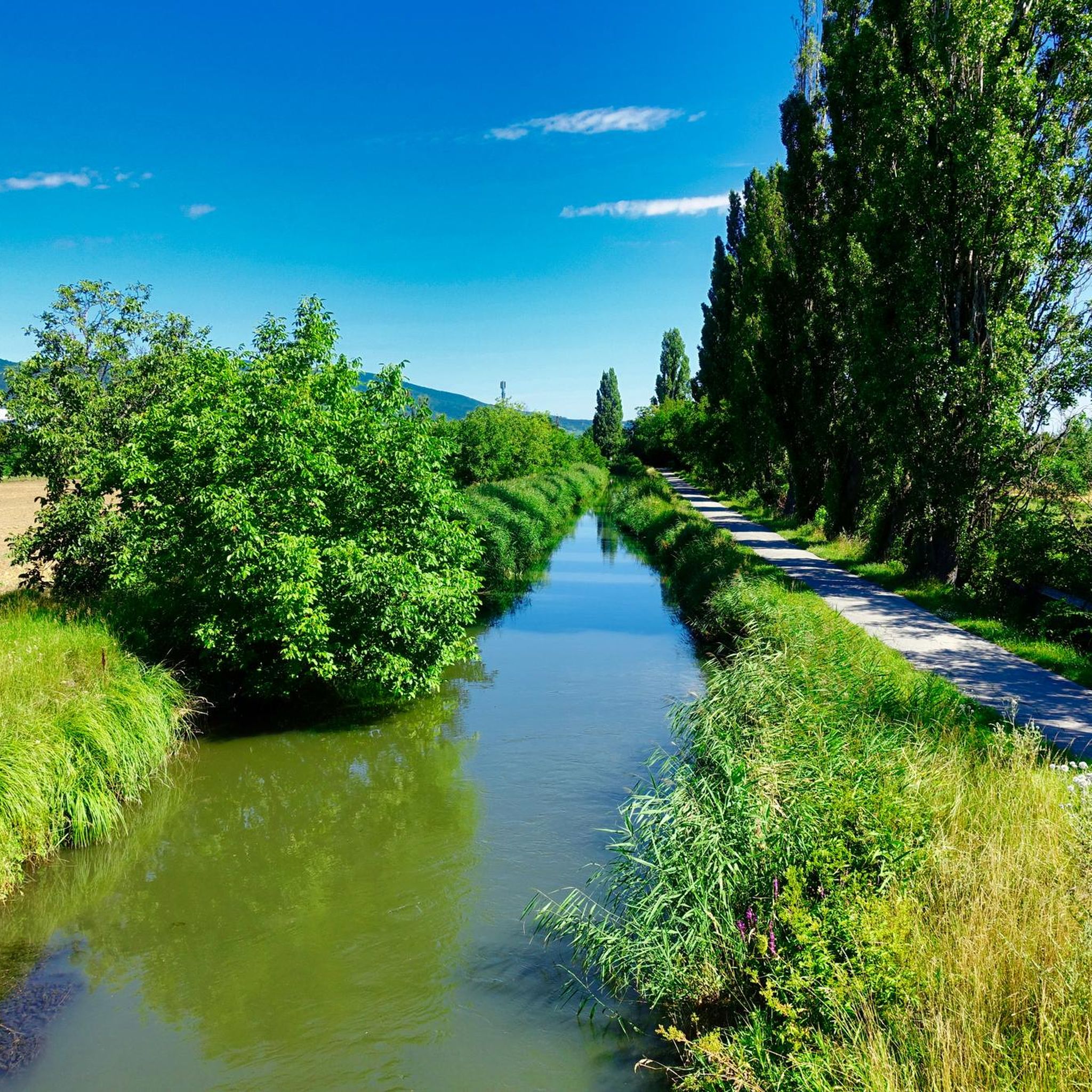
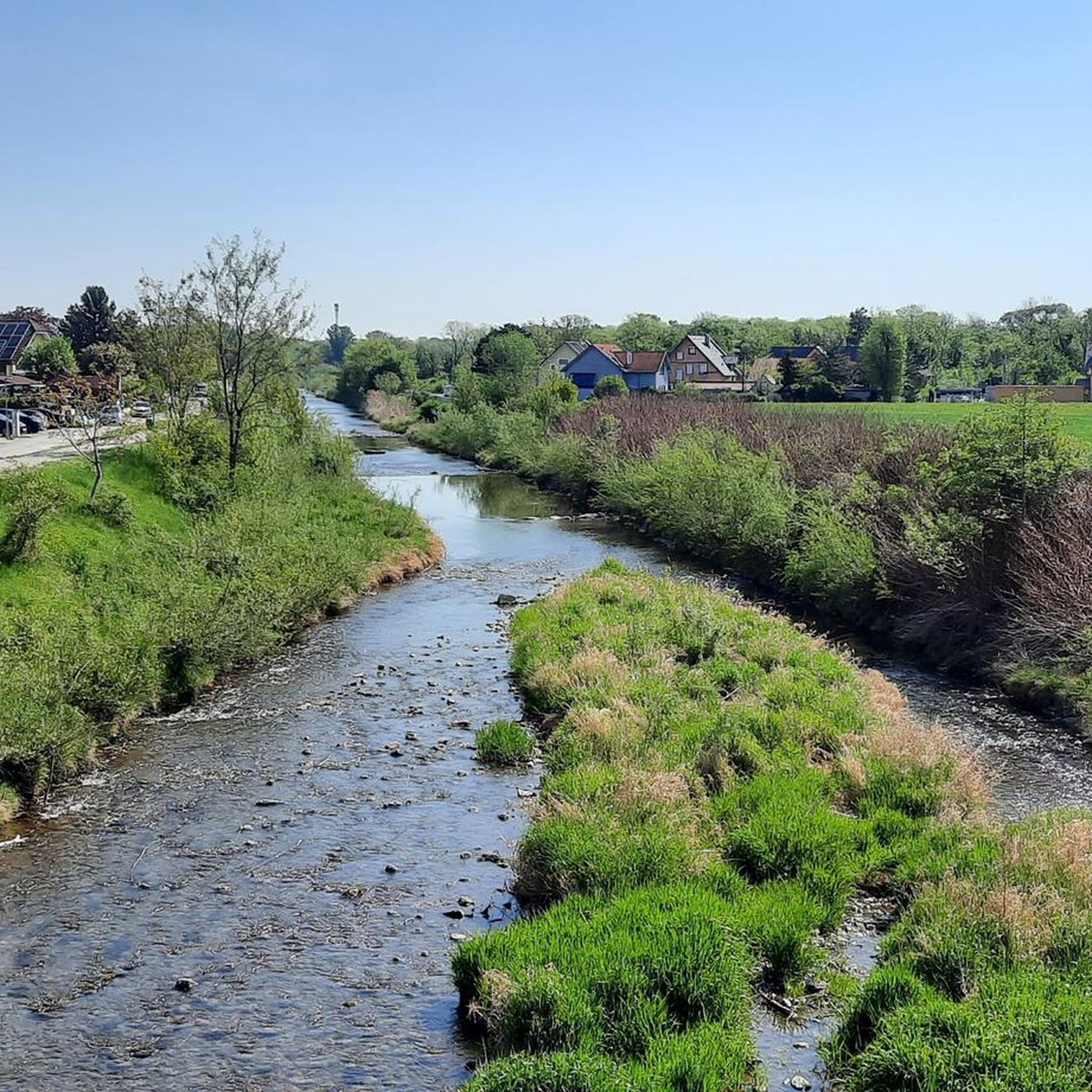
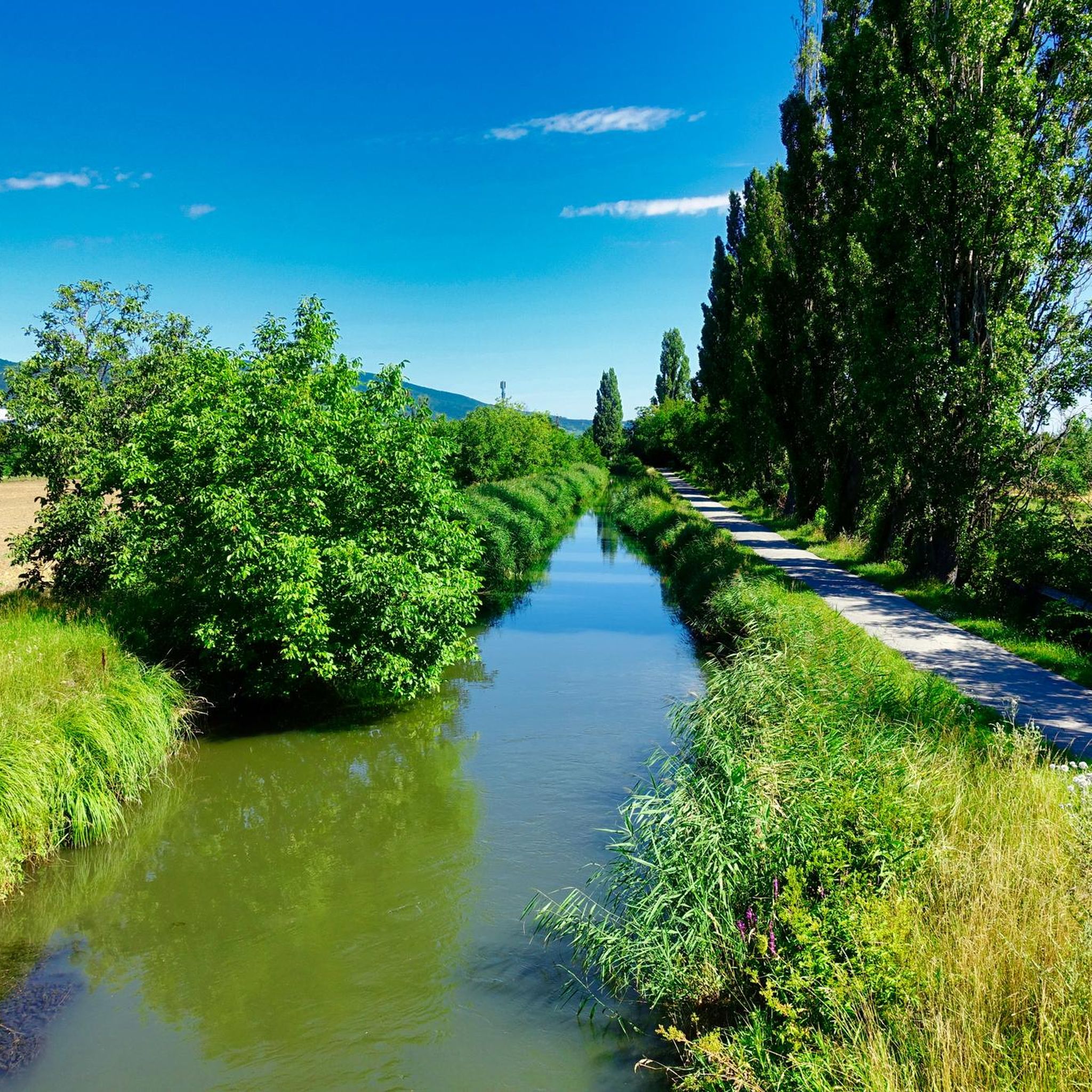
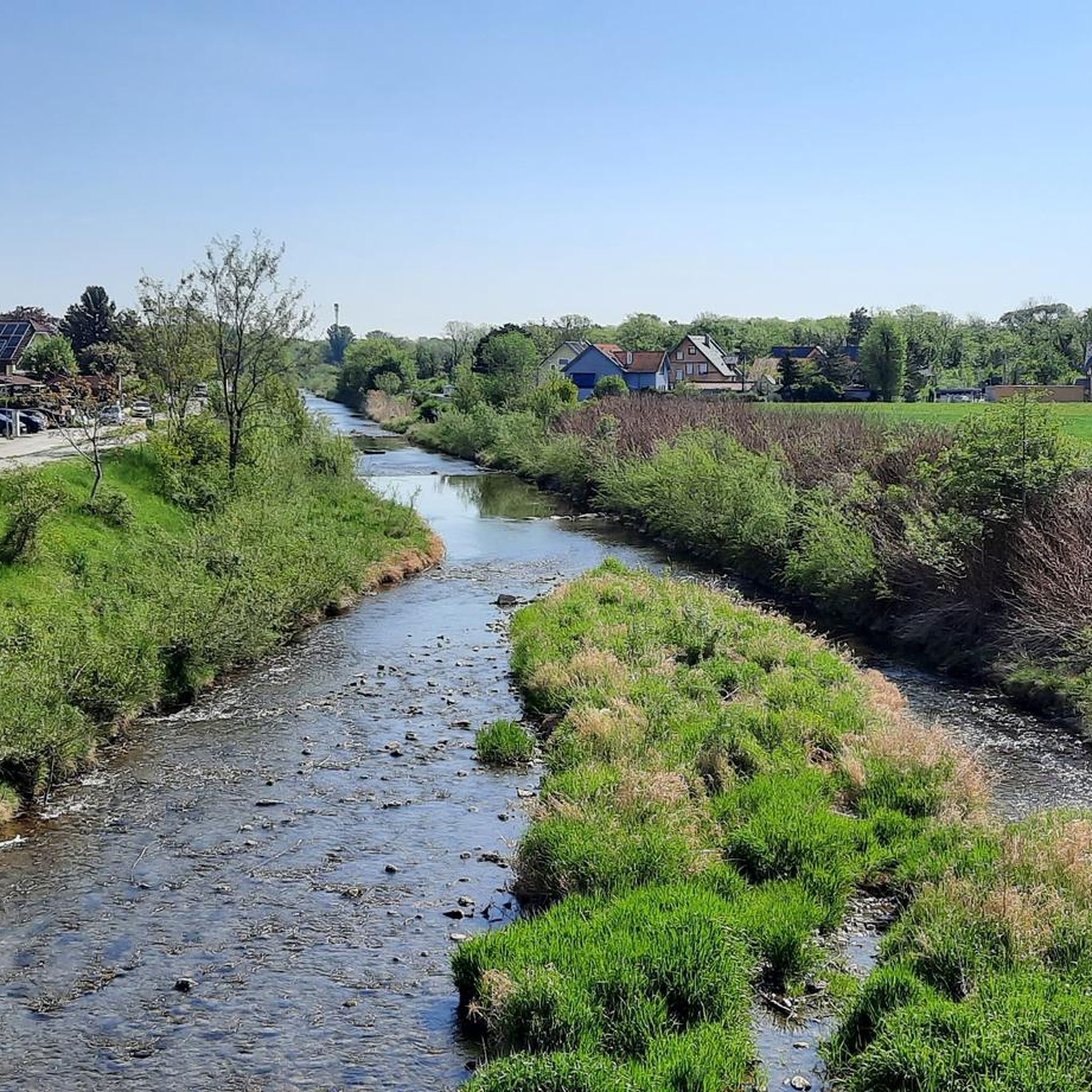
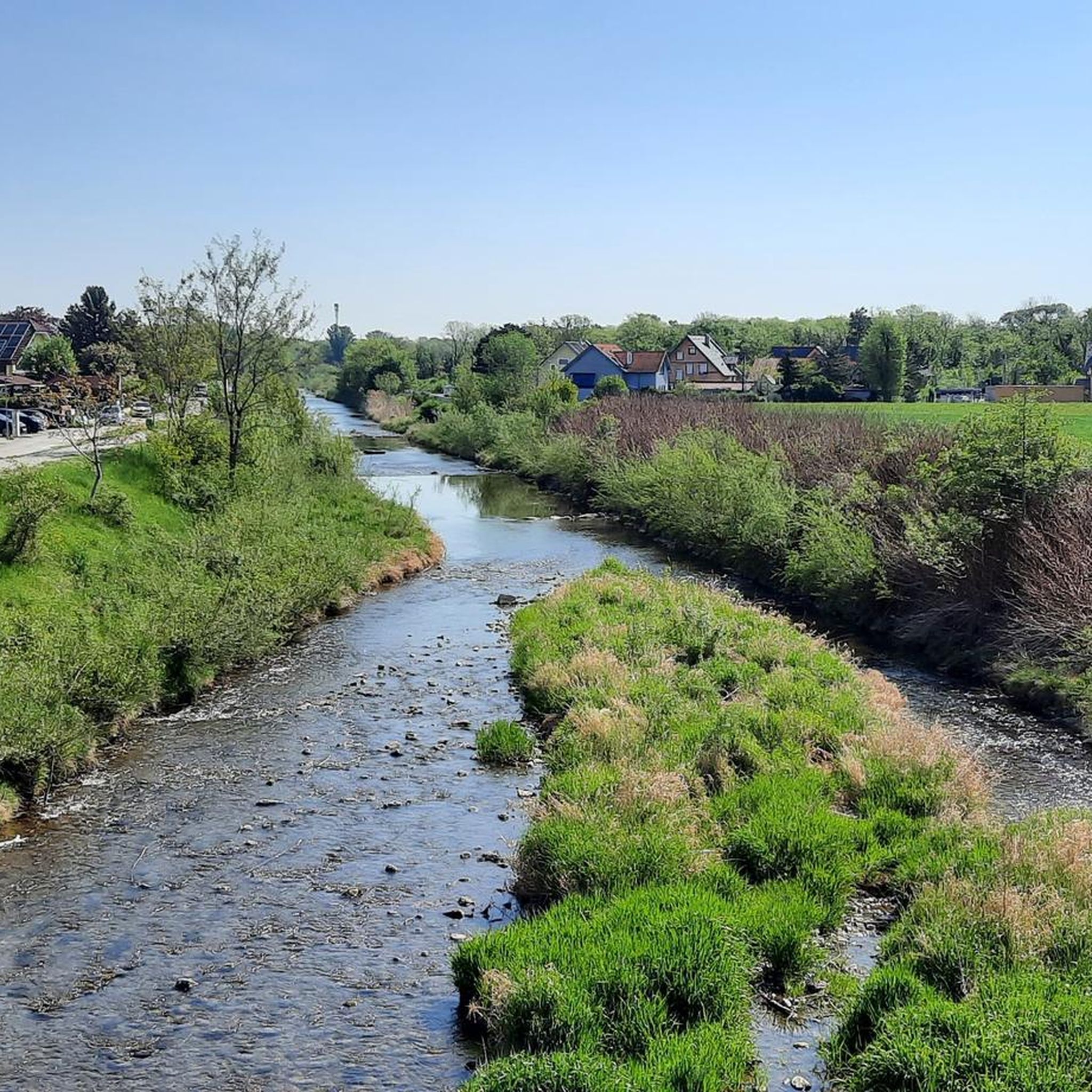
Confluence of the Triesting and the Schwechat rivers
Highlight • River
Translated by Google •
Tip by

Matterhörndl
Highlight • Natural Monument
Translated by Google •
Tip by

Sign up for free to discover even more natural monuments around Traiskirchen.
Sign up for free
Already have an account?
Start today with a free account
Your next adventure awaits.
Login or Signup
Popular around Traiskirchen

Other adventures around Traiskirchen

Tips from the Community

Impressive ancestral castle of the Liechtenstein family. The tour is highly recommended, and admission is included in the NÖ Card.
7
2


Great place for a short rest.
1
0

The Matterhörndl is a small but impressive rock in the Vienna Woods that is perfect for a short rest. It is a little hidden away from the main path and easy to miss, but it is worth the visit. With a small opening through and the opportunity to climb around a bit, it is a mystical place for photographers, children and nature lovers. I visited this mountain as part of my Dwarf Mountain Tours series. My goal is to climb every mountain in the Vienna Woods. Find my tours here: https://www.komoot.com/de-de/collection/2517195/-zwergbergtouren-im-wienerwald
7
1

The Triesting - Schwechat estuary is the place where the Triesting flows into the Schwechat. The Triesting is a river in the southeastern Vienna Woods, which rises near Kaumberg and is 60 km long. The Schwechat is a tributary of the Danube that rises near Schottwien and is 62 km long. The estuary is near Achau in the Mödling district and is a popular resting place for cyclists. You can reach the estuary on various cycle paths, for example from Wiener Neudorf or from Wien Meidling. The area is very rich in water and also offers other highlights such as the Laxenburg Palace Park or the Kaiser Franz Joseph Park.
1
1
The Triesting is a river in the southeastern Vienna Woods, which flows into the Schwechat near Achau. The Schwechat is a tributary of the Danube that rises in the Vienna Alps. The Triesting is 60 km long and has a catchment area of 388 km². The Schwechat is 62 km long and has a catchment area of 678 km². The mouth of the Triesting in the Schwechat is a bike highlight that you can reach on various bike paths. There is a cycle and footpath along the flood protection wall, which can also be used as a viewing platform. You can take a nice break here and enjoy nature. You can also observe the water that divides here: the Schwechat continues to flow as the Mitterbach and the Schwechat-Werksbach, which only reunite in Schwechat. I hope this information was helpful to you. If you want to learn more about the Triesting or the Schwechat, you can also have a look at the Wikipedia pages. There you will also find information about the history, culture and sights along the rivers. Or you look at some bike tours that lead you to beautiful places like Berndorf, Laxenburg or Lanzendorf Castle.
1
1
The confluence of the Triesting and the Schwechat is an interesting place where several rivers and streams meet. The Triesting is a river in the south-eastern Vienna Woods, which flows into the Schwechat near Achau. The Schwechat has two rivers, the Mitterbach and the Schwechat-Werksbach, which only reunite in Schwechat itself. At the mouth of the Triesting, the Mödlingbach and the Krottenbach also flow into the old Schwechatlauf coming from Laxenburg. The estuary is a popular destination for bike tours and offers a nice rest area with the opportunity to swim.
3
1
Location description Liechtenstein Castle is located south of Maria Enzersdorf on the edge of the former Liechtenstein Landscape Park about 300 m above sea level on the edge of the Vienna Woods in the Föhrenberge Nature Park, about 75 meters above the center of Maria Enzersdorf. It is built on an extremely narrow rock ridge north of the Kalenderberg, which runs east-west and consists of dark (but light weathering) Gutenstein limestone, Reichenhall Rauhwacke and Steinalm limestone. At the southern foot of the castle hill, in a Baden conglomerate gully on the northeast edge of the Gaaden Basin, stands Liechtenstein Castle, which was built at a later date.
14
3
Frequently Asked Questions
What natural features can I explore around Traiskirchen?
The region around Traiskirchen, particularly the Föhrenberge Nature Park, offers diverse natural features. You'll find extensive pine and beech forests, gentle hills, and distinctive umbrella pines (Schirmföhren). The area also features dry grasslands, home to ground squirrels, and significant waterways like the Schwechat and Triesting rivers, which meet at the Confluence of the Triesting and the Schwechat rivers.
Are there any historical natural monuments or sites of interest?
Yes, the area boasts several historical sites. Liechtenstein Castle is a prominent example, representing 900 years of family history with over 60% Romanesque building material. Another significant historical natural monument is the Breite Föhre Rest Area, once home to a famous 450-year-old umbrella pine and offering wide views of the Vienna Basin.
What outdoor activities can I do near these natural monuments?
You can enjoy a variety of outdoor activities. For hiking, explore routes like the Fitness Trail on the Schwechat or the Wooden Bench in the Forest loop. Cyclists can follow the Thermenradweg along the Wiener Neustädter Canal or the Helenental Cycle Path. There are also dedicated hiking trails, cycling routes, and running trails available around Traiskirchen.
Are there family-friendly natural monuments or trails?
Absolutely. Many natural monuments and areas are suitable for families. The Confluence of the Triesting and the Schwechat rivers offers a nice resting area and even swimming opportunities. The Helenental is known for its easy-to-walk paths through forests and streams, perfect for families. Additionally, the Liechtenstein Castle and the Breite Föhre Rest Area are also considered family-friendly.
Where can I find scenic viewpoints around Traiskirchen?
For breathtaking views, head to the Föhrenberge Nature Park, where elevated points offer panoramic vistas of the Vienna Woods, extending to the Rax and Schneeberg mountains. The Breite Föhre Rest Area provides wide views down to the Vienna Basin, and the Jubilee Cross is known for its dream views, including snow-capped mountains.
What is the Wiener Neustädter Canal and what does it offer?
The Wiener Neustädter Canal is a historic, man-made waterway that has become a significant recreational highlight. It features the Thermenradweg, a beautiful and leisurely cycling path running alongside it. This route offers pleasant scenery and is an excellent option for easy cycling and walking, allowing visitors to enjoy the local environment at a relaxed pace.
What is the best time to visit the natural monuments around Traiskirchen?
Spring is particularly recommended for visiting the Helenental, as nature is vibrant and the paths are idyllic. Generally, spring and autumn offer pleasant temperatures for hiking and cycling. Summer is also great for outdoor activities, especially near water features like the Confluence of the Triesting and the Schwechat rivers where swimming is possible.
Are there any unique geological formations to see?
While the region is not primarily known for large-scale geological formations, you can discover the Matterhörndl. This small but impressive 10-meter high limestone rock in the Vienna Woods is said to resemble the Matterhorn in miniature and offers a mystical spot for nature lovers and photographers.
What do visitors enjoy most about the natural monuments in this area?
Visitors frequently praise the diverse landscapes, from the extensive forests of the Föhrenberge Nature Park to the scenic river confluences. The historical significance of sites like Liechtenstein Castle and the wide views from places like the Breite Föhre Rest Area are also highly appreciated. Many enjoy the peaceful escape and the opportunities for hiking, cycling, and observing local flora and fauna.
Can I observe wildlife in the natural areas around Traiskirchen?
Yes, the Föhrenberge Nature Park, part of the Vienna Woods Biosphere Reserve, is known for its diverse flora and fauna. You might spot ground squirrels (Ziesel) in the dry grasslands and emerald lizards. The extensive forests and natural waterways provide habitats for various other species, making it a good area for wildlife observation.
Are there options for easy walks or short hikes?
Certainly. The Helenental is described as easy to walk with resting places, making it ideal for leisurely strolls. The Thermenradweg along the Wiener Neustädter Canal also offers a relaxed path for walking. For short hikes, consider easy routes like the Wooden Bench in the Forest loop or the Single-person bunker loop, both found in the hiking guide for Traiskirchen.
Most popular routes around Traiskirchen
Most popular attractions around Traiskirchen

Get inspired with the komoot mobile app


Explore more
Extend your search for the best caves by checking out these guides of the top ones around Traiskirchen:
