Top 20 Natural Monuments around Theresienfeld
Natural monuments around Theresienfeld offer a unique blend of historical significance and ecological value, primarily shaped by the Tirolerbach irrigation system. This artificial canal, essential since the town's founding, transformed the landscape into agriculturally productive land and fostered a rich cultural heritage. The system, with its approximately 30 km network, provides crucial habitats and watering holes for various animal species, making it an important ecological corridor. Exploring these sites offers insight into the region's human ingenuity and natural integration over…
Last updated: June 24, 2026
Engelsberg Marble Quarry
Highlight • Structure
Translated by Google •
Tip by

Pottendorf Castle
Highlight • Castle
Translated by Google •
Tip by

Sign up now to discover places like this
Get recommendations on the best single tracks, peaks, & plenty of other exciting outdoor places.
Sign up for free
Einhornhöhle (Unicorn Cave)
Highlight • Cave
More information is available at wieneralpen.at/urlaubszielen-in-den-wiener-alpen-discoveren/a-einhorn-tropfsteinhoehle.
Translated by Google •
Tip by

Eisenstein Cave
Highlight • Cave
Translated by Google •
Tip by
Steinerner Stadl
Highlight • Natural Monument
Translated by Google •
Tip by
Sign up for free to discover even more natural monuments around Theresienfeld.
Sign up for free
Already have an account?
Start today with a free account
Your next adventure awaits.
Login or Signup
Tips from the Community

Inside the stone barn, remains of stone tools and ceramics have been found, and it is now assumed that this cave also served as a cult room from the Neolithic to the Iron Age (and possibly later). Its proximity to the Hoffmannshöhle suggests a resonance/connection.
1
0
The cave was discovered in 1927 by Otto Langer sen. and opened as a show cave in 1930. During World War II, the cave served as a place of refuge. In 1958, it was accessible again as a show cave. In 1964, the installations were modernized by Otto Langer jun.
0
0
In the cave there is a thermal spring, whose water temperature is indicated to be between 13 and 16.5 degrees Celsius.[1][2] The Eisensteinhöhle is located in a fault zone striking NNE-SSW and dipping at an average of 47°, directly at the edge of the Eastern Alps against the Vienna Basin and shows up to 5 superimposed gangways; its maximum horizontal extent is 147 m.
1
0
The tour is also a prime example of what great places there are to discover in eastern Austria and what unknown paths and adventures await right on your doorstep.
1
0

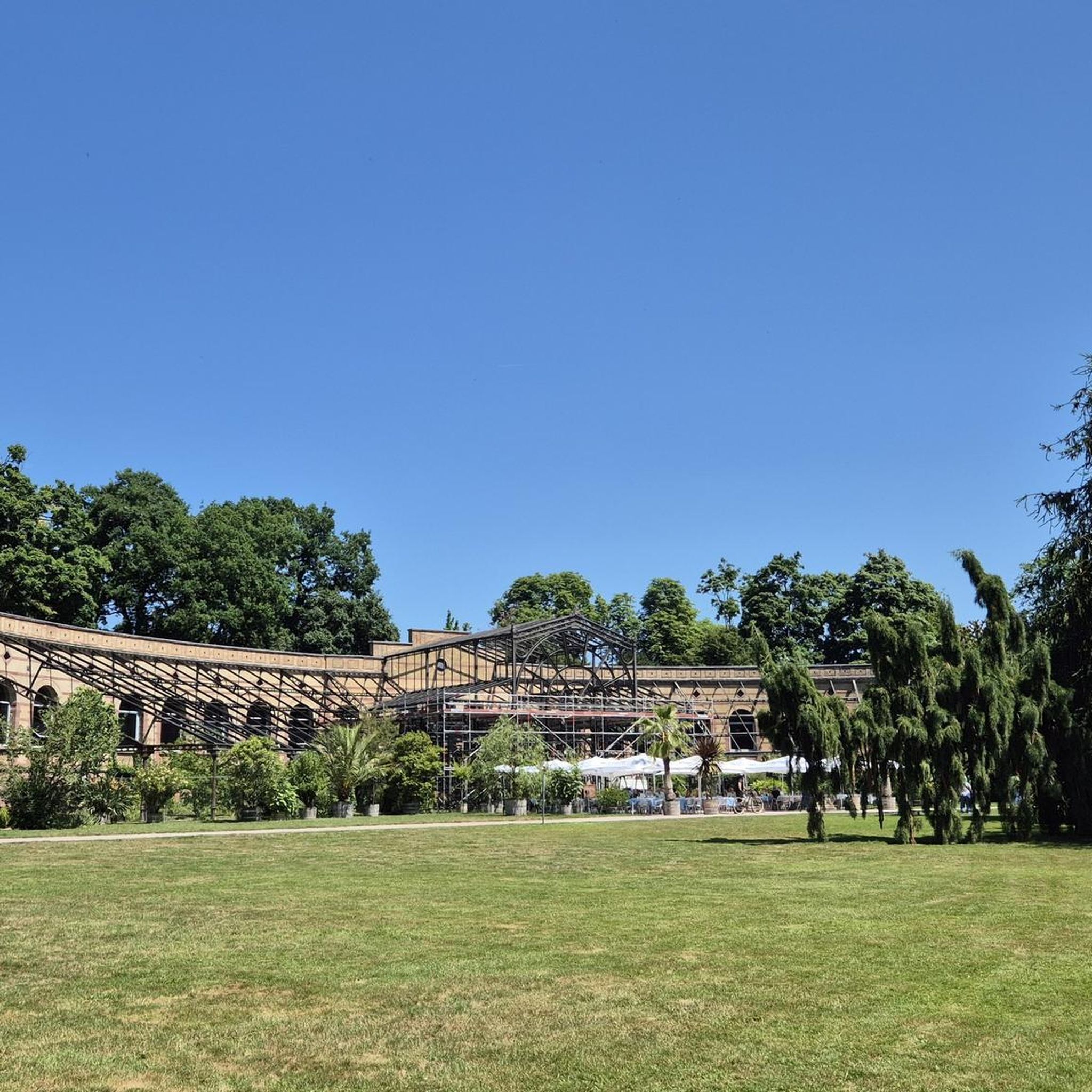
Experience the castle island in Pottendorf! Mayor Thomas Sabbata-Valteiner cordially invites you to explore the otherwise inaccessible castle island on select days throughout the year. This exclusive opportunity offers you the chance to walk in the footsteps of a bygone era and experience the fascinating history of the castle ruins and the restored castle chapel firsthand. Join us on this historical journey and let yourself be enchanted by the atmosphere of this place. The meeting point is the castle island bridge, right by the castle island in Pottendorf. Here your excursion into the past begins! Admission is by voluntary donation to support the upkeep of Pottendorf Castle Park, and registration is not required. Take advantage of this unique opportunity to bring history to life and experience the beauty of the castle island. https://www.pottendorf.at/Schlossinselfuehrung_im_Schlosspark_Pottendorf
2
0

A super great place that you should see
0
0

The Unicorn Cave was closed and locked with a gate.
4
0
The Steinerne Stadl is a natural rock bridge that originates from a collapsed cave. This is also called a passage cave. Remains of stone tools and ceramics have been found inside the Steinerne Stadel and it is now assumed that this cave also served as a cult room from the Neolithic period to the Iron Age (and possibly later). Its proximity to the Hoffmannshöhle indicates a resonance/connection. In front of the cave you can find a free-standing stone with two deep, artificially created stone bowls. The position and arrangement of the bowls (at the top, in a free-standing stone, so very impractical for grinding grain - without protection from rainwater ...) and their shape give rise to mystical speculations about their use. Source: https://kultkraftplatz.com/steinerne-stadl-malleiten/
5
1
Frequently Asked Questions
What is the most significant natural-cultural feature in Theresienfeld?
The most significant natural-cultural feature in Theresienfeld is the Tirolerbach irrigation system. This artificial canal, approximately 5.3 km long, originates from the Piesting river and has been essential for the agricultural development and daily life of Theresienfeld since its founding in 1763. It transformed the once barren area into productive land and continues to be a vital water source.
Are there any historical sites among the natural monuments around Theresienfeld?
Yes, several sites combine natural beauty with historical significance. For instance, Engelsberg Marble Quarry is a former quarry where marble was extracted from the 17th century, now presented as a "geotope" and technical monument. Another notable historical site is Pottendorf Castle, a historical ruin with a renovated chapel accessible for events, and its park open to visitors.
What unique geological features can be explored in the area?
The region offers fascinating geological formations. The Steinerner Stadl is a natural rock bridge formed from a collapsed cave, believed to have served as a cult room from the Neolithic period. Additionally, the Einhornhöhle (Unicorn Cave) is a stalactite cave with unique formations, and the Eisenstein Cave is a thermal cave, offering a rare underground experience.
What is the ecological importance of the Tirolerbach irrigation system?
Beyond its historical and cultural roles, the Tirolerbach irrigation system and its associated infiltration ponds provide crucial habitats and watering holes for various animal species. It acts as an important ecological corridor, supporting biodiversity in the region.
Are there family-friendly natural monuments or activities in Theresienfeld?
Yes, several natural monuments are considered family-friendly. Both the Engelsberg Marble Quarry and Pottendorf Castle are suitable for families. The quarry offers views and sculptures, while the castle's park is open for exploration. For outdoor activities, there are easy hiking routes around the Tirolerbach Irrigation Channel, which are generally suitable for families.
What kind of hiking trails are available near Theresienfeld's natural monuments?
You can find a variety of hiking trails near the natural monuments. For instance, there are easy routes like the "Tirolerbach Irrigation Channel – Main Weir of the Tirolerbach loop from Theresienfeld" which is 6.38 km long. More challenging mountain hikes are also available, such as the "Drobilsteig – Einhornhöhle (Unicorn Cave) loop from Dreistetten," which is 10.75 km and considered difficult. You can explore more options in the Hiking around Theresienfeld guide.
Can I visit the caves in the Theresienfeld area?
Yes, you can visit some caves. The Einhornhöhle (Unicorn Cave) is typically open from Easter to the end of September on Sundays and public holidays, often offering guided tours. The Eisenstein Cave also offers guided tours, where visitors, equipped with helmets and lamps, can explore its unique thermal features. It's advisable to check specific opening times and tour availability beforehand.
What is the cultural significance of the Tirolerbach irrigation system?
The Tirolerbach system fostered a unique set of "water supply regulations" that are still practiced today, including an annual cleaning of the main canal where water-right holders participate. This communal effort has strengthened social ties within the Theresienfeld community for centuries, making it a living piece of cultural heritage.
What do visitors enjoy most about the natural monuments around Theresienfeld?
Visitors frequently appreciate the blend of natural beauty and historical context. The Engelsberg Marble Quarry is praised for its fine views and available amenities like tables and a fireplace. The atmospheric ruins of Pottendorf Castle and the mystical Steinerner Stadl also receive positive feedback for their unique charm and historical intrigue.
Are there mountain hiking opportunities near Theresienfeld?
Yes, for those seeking more challenging terrain, there are mountain hiking opportunities. Routes like the "Piestinger Cross – Drobilsteig loop from Dreistetten" (6 km, difficult) or the "Einhornhöhle (Unicorn Cave) – Drobilsteig loop from Dreistetten" (7.8 km, difficult) offer mountaineering experiences. You can find more details in the Mountain Hikes around Theresienfeld guide.
How can I learn more about the Tirolerbach irrigation system?
The water cooperative managing the Tirolerbach is actively working to safeguard this system. They offer cultural trails with information boards, brochures, and guided tours. A digital village archive is also being developed to highlight its importance and history.
Most popular routes around Theresienfeld
Most popular attractions around Theresienfeld

Get inspired with the komoot mobile app


Explore more
Extend your search for the best caves by checking out these guides of the top ones around Theresienfeld:
