Top 20 Natural Monuments around Tobaj
Best natural monuments around Tobaj are found in Burgenland, Austria, a region known for its unique geological features. The area features remnants of past volcanic activity, such as the Tobajer Kogel, an 80-meter high porphyry cone composed of tuffite. This landscape supports diverse ecosystems, including species-rich semi-dry and dry grasslands. The fertile soils, resulting from weathered tuffite rock, contribute to the region's biodiversity.
Best natural monuments around Tobaj
- The most popular natural monuments is Güssing Castle, a castle and…
Last updated: May 11, 2026
Güssing Castle
Highlight • Castle
Translated by Google •
Tip by

Roman Burial Mounds of Strem
Highlight • Historical Site
Translated by Google •
Tip by

Sign up now to discover places like this
Get recommendations on the best single tracks, peaks, & plenty of other exciting outdoor places.
Sign up for free
Moor Lookout
Highlight • Viewpoint
Translated by Google •
Tip by

Ulrich Chapel and Holy Spring (Ulrichskapelle and Ulrichquelle) Heiligenbrunn
Highlight • Religious Site
Translated by Google •
Tip by

Giant oak
Highlight • Natural Monument
Translated by Google •
Tip by
Sign up for free to discover even more natural monuments around Tobaj.
Sign up for free
Already have an account?
Start today with a free account
Your next adventure awaits.
Login or Signup
Tips from the Community


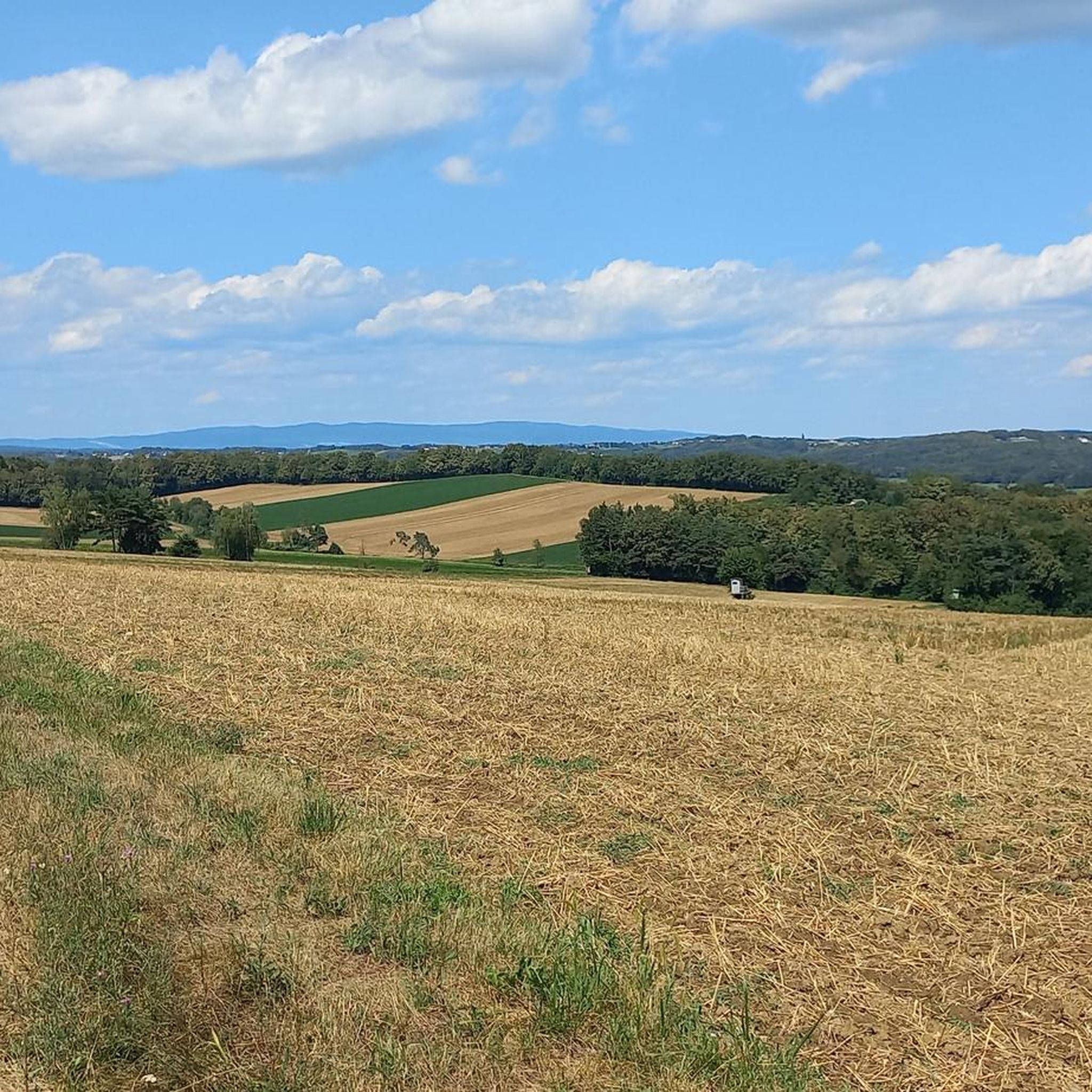
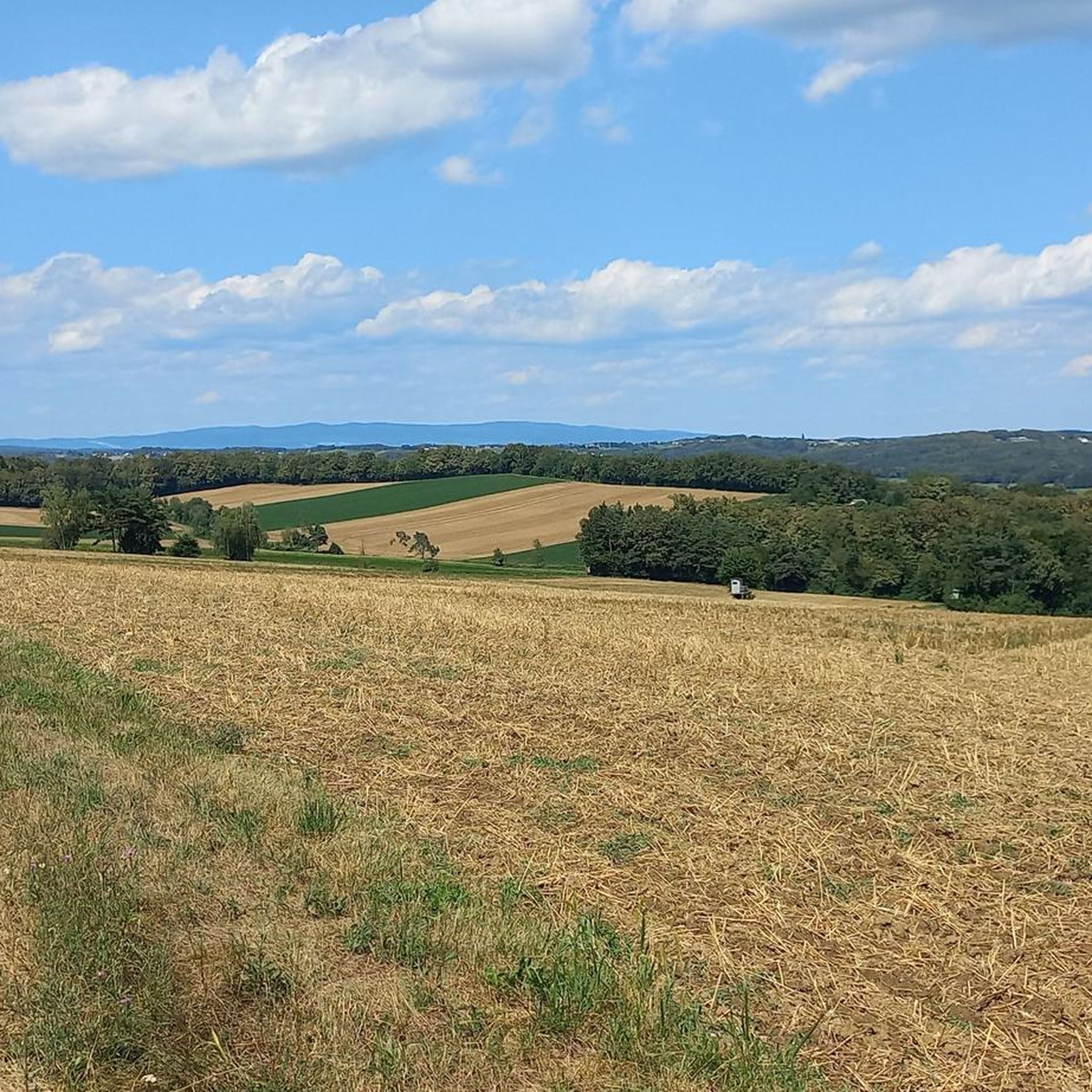
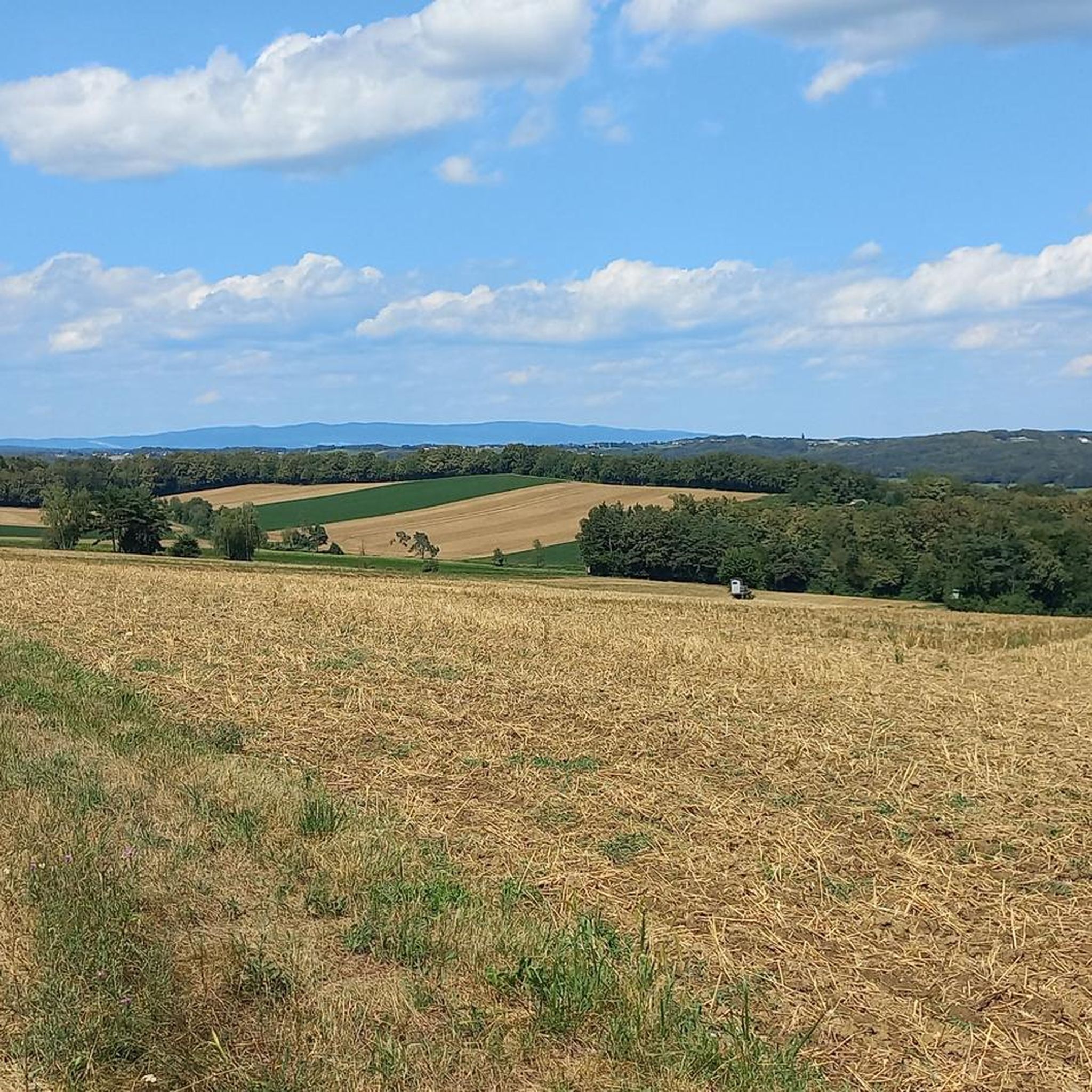
Here, at the starting point of the "Moor in Rohr" hike, you'll find this viewing terrace with a view of the moor. Right next to it are a few information boards and plenty of parking for cars. The church and war memorial are also in the immediate vicinity.
0
0

The Moorwarte offers some interesting information about the moor and a beautiful view. A drinking fountain is included.
0
0
This time we visited in spring and it has leaves again, which makes it a lot more impressive.
0
0

View of the moor from the Moor-Warte including some interesting information
0
0
There are some burial mounds hidden here in the forest. An information board provides information about them.
1
0

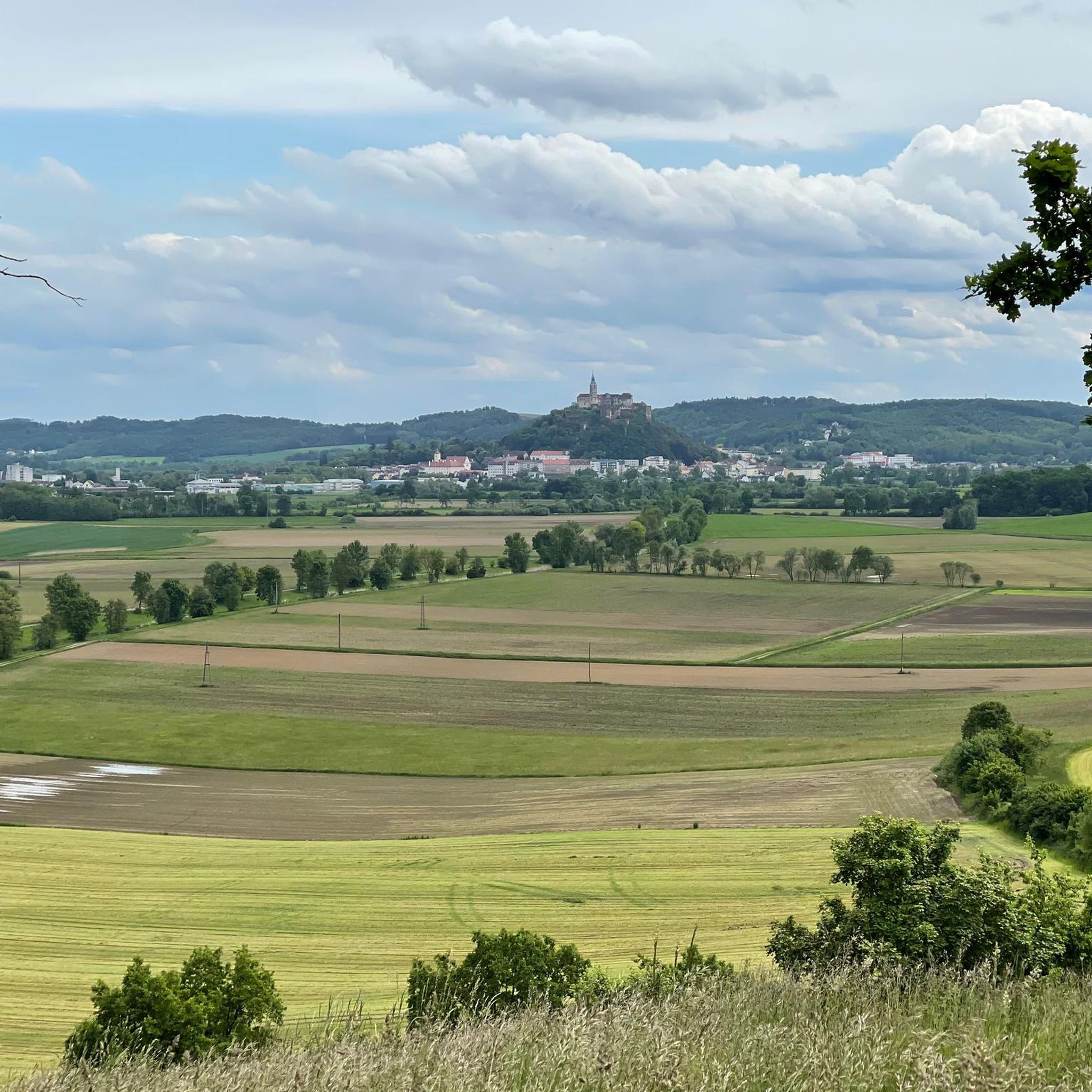
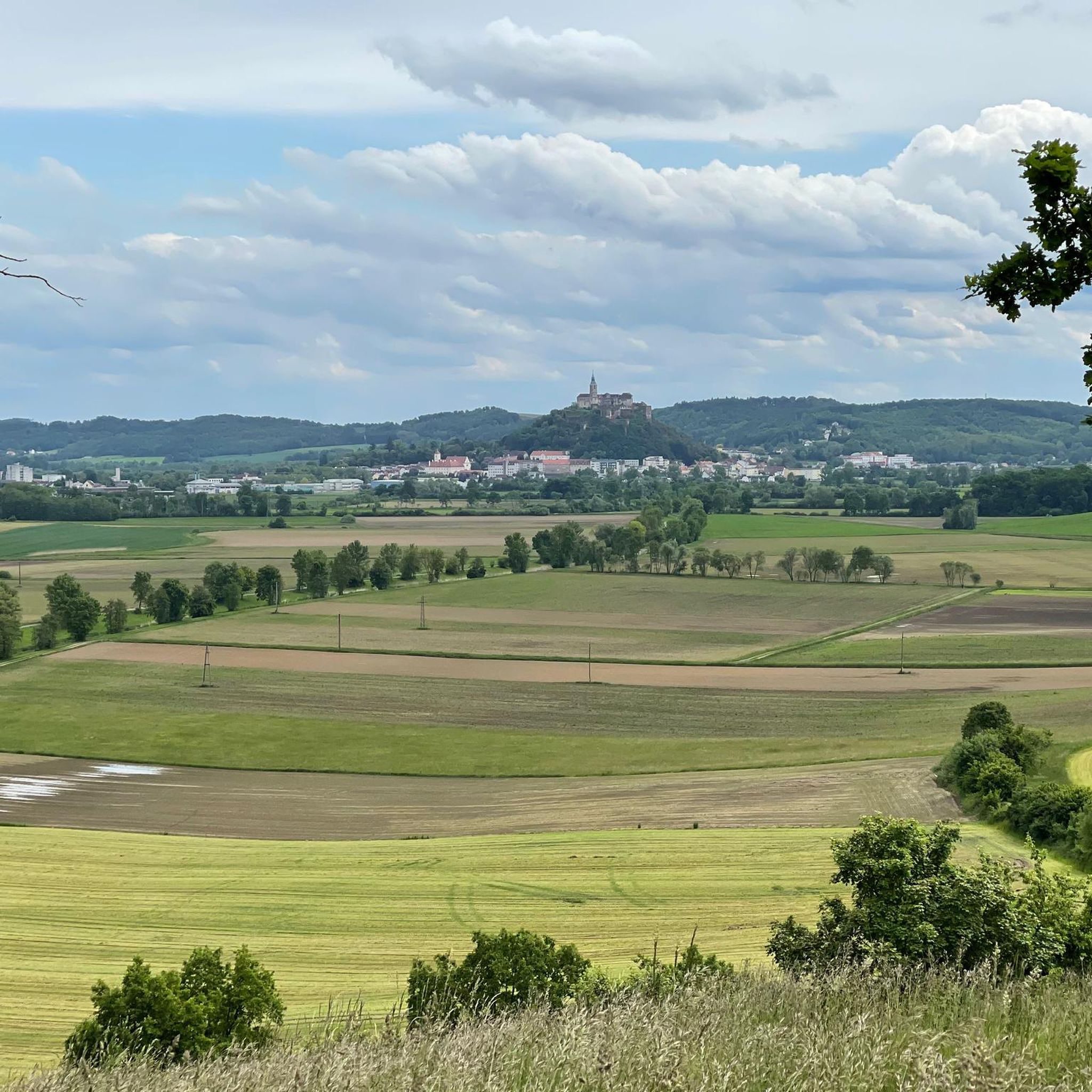
I love this castle! I am happy that it can be visited freely and there is less interference from posterity than in the case of other larger castles in the area. ... there will be good summer programs for sure and I will also award the creative exhibition... Wheelbarrows!😄👍
0
0

A castle with history... We were unable to see the exhibition this time due to time constraints, but we will of course do so later, but we enjoyed the castle and its aura. A beautiful place where you can enjoy the view.
9
0
Frequently Asked Questions
What unique geological features can I explore around Tobaj?
The Tobaj region is notable for its volcanic past. You can visit the Tobajer Kogel, an 80-meter high porphyry cone that is a remnant of ancient volcanic activity. This hill is composed of tuffite and contains interesting inclusions like amphibolite and olivine crystals. Another significant site is Güssing Castle, which sits majestically on an extinct volcanic cone, offering both historical and geological interest.
Are there natural monuments suitable for families with children?
Yes, several natural monuments around Tobaj are family-friendly. The Güssing Castle, situated on a volcanic cone, is accessible and offers an elevator to reach the top. The Moor Lookout provides interesting information about the moor and has facilities, including a drinking fountain. Additionally, the Ulrich Chapel and Holy Spring and the Giant oak are also suitable for family visits, offering historical context and peaceful resting spots.
What kind of natural ecosystems can be observed in the Tobaj area?
The region boasts diverse ecosystems, particularly around the Tobajer Kogel. This area is designated as a biotope protection zone, featuring species-rich semi-dry and dry grasslands. The fertile soils, a result of weathered tuffite rock, support a rich variety of flora, including continental nutrient-poor grasslands. You can also experience forest environments near the Roman Burial Mounds of Strem and the Giant oak.
Are there historical natural monuments or sites with cultural significance?
Absolutely. Güssing Castle is not only a natural monument due to its volcanic cone foundation but also the oldest castle in Burgenland, dating back to 1157. The Ulrich Chapel and Holy Spring in Heiligenbrunn features a historic spring noted for its water since 1198, giving the village its name. You can also find the Roman Burial Mounds of Strem, which offer interesting traces of ancient burial practices in the forest.
What outdoor activities can I do near the natural monuments around Tobaj?
The area around Tobaj offers various outdoor activities. You can find numerous hiking opportunities, including easy hikes like the 'Crucifix in Hasendorf – St. Florian Church Tobaj loop'. For cyclists, there are gravel biking routes and road cycling routes, such as the 'Güssing Castle – Kellerviertel Heiligenbrunn loop'. Many of these routes allow you to experience the natural beauty and pass by some of the monuments.
Where can I find good viewpoints to appreciate the landscape?
For panoramic views, Güssing Castle offers a wonderful vantage point over the surrounding area from its elevated position on an extinct volcanic cone. The Moor Lookout provides a specific view of the moor, complete with informative displays. The Tobajer Kogel itself, with its pyramid shape, is a prominent feature in the landscape and offers opportunities to appreciate the natural contours of the region.
Are there any natural monuments that are particularly good for resting or picnicking?
Yes, several spots offer a chance to relax. The Giant oak, a listed natural monument, has a bench nearby, inviting visitors to rest and enjoy the peaceful forest setting. Similarly, near the Roman Burial Mounds of Strem, you'll find a bench, making it a suitable spot for a short break amidst nature.
What do visitors enjoy most about the natural monuments around Tobaj?
Visitors frequently appreciate the blend of natural beauty and historical significance. The majestic presence of Güssing Castle on its volcanic cone and the views it offers are highly praised. The tranquility and unique geological aspects of sites like the Tobajer Kogel, along with the historical context of the Holy Spring and Roman Burial Mounds, are also highlights for many.
Can I find information about the natural monuments on-site?
Yes, at some locations, you can find informative displays. For instance, the Moor Lookout provides interesting information about the moor. Similarly, an information board is available near the Roman Burial Mounds of Strem, detailing their historical significance.
Are there any natural monuments related to water features?
Yes, the Ulrich Chapel and Holy Spring in Heiligenbrunn is centered around a historic spring. This spring has been noted for its water since 1198 and was historically believed to have healing properties. While Badesee Rauchwart is a recreational lake nearby, the Holy Spring is the primary natural monument directly associated with a unique water feature in the area.
What is the best time to visit the natural monuments in Tobaj?
The natural monuments around Tobaj can be enjoyed throughout the year, but spring and autumn offer particularly pleasant conditions for hiking and exploring the outdoor sites. During these seasons, the weather is generally mild, and the natural landscapes, especially the grasslands around the Tobajer Kogel, are vibrant. Summer is also suitable, though it can be warmer, while winter offers a different, often serene, perspective, especially for sites like the Giant oak.
Most popular routes around Tobaj
Most popular attractions around Tobaj

Get inspired with the komoot mobile app


Explore more
Extend your search for the best caves by checking out these guides of the top ones around Tobaj:
