Top 9 Natural Monuments around Untersiebenbrunn
Best natural monuments around Untersiebenbrunn benefit from the region's proximity to the Donau-Auen National Park, a major natural preserve in Central Europe. This area is characterized by a dynamic interplay of lowland forests, meadows, and wetlands, preserving a unique floodplain landscape along the Danube River. The park is a vital habitat for a wide array of animal and plant species, offering significant ecological value. Visitors can explore diverse natural environments and learn about the importance of floodplains.
Best natural monuments…
Last updated: June 24, 2026
Orth an der Donau in the Donau-Auen National Park
Highlight (Segment) • Settlement
Translated by Google •
Tip by

Weikendorfer Remise Nature Reserve
Highlight • Natural Monument
Translated by Google •
Tip by

Sign up now to discover places like this
Get recommendations on the best single tracks, peaks, & plenty of other exciting outdoor places.
Sign up for free
Adventure Forest Gänserndorf
Highlight • Forest
Translated by Google •
Tip by

Storchenhaus Marchegg – March-Auen Nature Reserve
Highlight • Natural Monument
Translated by Google •
Tip by

The Proud Pine in Strasshof
Highlight • Natural Monument
The pine …
Translated by Google •
Tip by

Sign up for free to discover even more natural monuments around Untersiebenbrunn.
Sign up for free
Already have an account?
Start today with a free account
Your next adventure awaits.
Login or Signup

Tips from the Community

The Danube-Auen National Park is a 9,600 hectare national park that stretches from Vienna to the mouth of the March in Lower Austria on the border with Slovakia. It is one of the largest, largely intact floodplain landscapes in Central Europe along the Danube. The area is 38 kilometers long and measures barely four kilometers at its widest point.
3
0

Weikendorf depot, wide country
3
0

The first documented mention comes from a deed of donation from the year 1021. When large areas of the country were depopulated after the Ottoman invasion in 1529, Croats were settled. These formed the majority of the population for centuries. The castle, which was destroyed during the raids, was rebuilt by Count Salm from 1550 onwards. The so-called Neuschloss was built by Count Auersperg in 1679. In the Oberau settlers' putsch in 1926, unemployed people from Vienna occupied the Au between Orth and Mannsdorf on the Danube.
1
1
The first documented mention comes from a deed of donation from the year 1021. When large areas of the country were depopulated after the Ottoman invasion in 1529, Croats were settled. These formed the majority of the population for centuries. The castle, which was destroyed during the raids, was rebuilt by Count Salm from 1550 onwards. The so-called Neuschloss was built by Count Auersperg in 1679. Sightseeing features: - Orth Castle: A mighty three-storey, three-wing complex with four dominating corner towers. The west wing dates from the 12th century. After severe damage caused by the first Austrian-Turkish War in 1529, the complex was rebuilt in 1550 while retaining the floor plan and the existing type of system. - Donau-Auen National Park: Since 1996, the castle has served as the seat and visitor center of the Donau-Auen National Park. - MuseumORTH: local museum Castle park with a plane tree as a natural monument - Catholic parish church Orth an der Donau hl. Michael: A former fortified church. After severe damage caused by the first Austrian-Turkish War in 1529, the medieval church was rebuilt and in 1689 it was baroque-style, retaining the late-Gothic core. - Marian Column mortuary, built in the form of a pyramid according to plans by the architect Richard Gach - Ship mill Orth on the Danube: Of the originally up to 60 ship mills that were in operation along the Danube below the city of Vienna, one functioning ship mill has been preserved. After the mill sank, it was raised again in 2008 and repaired.
2
1

The Weikendorfer Remise is the oldest nature reserve in Austria!
2
0

The "Weikendorfer Remise" is the oldest nature reserve in Austria and was founded in 1927. The so-called inland dunes are unique to this area in the Marchfeld. Until the first half of the 18th century, the Marchfeld was a barren landscape dominated by steppe-like pastures and sandy hills. It was not until Maria Theresa that wind protection belts were created, which made the area arable. The "Weikendorfer Remise" is a last remnant of these unique sand dunes.
0
0

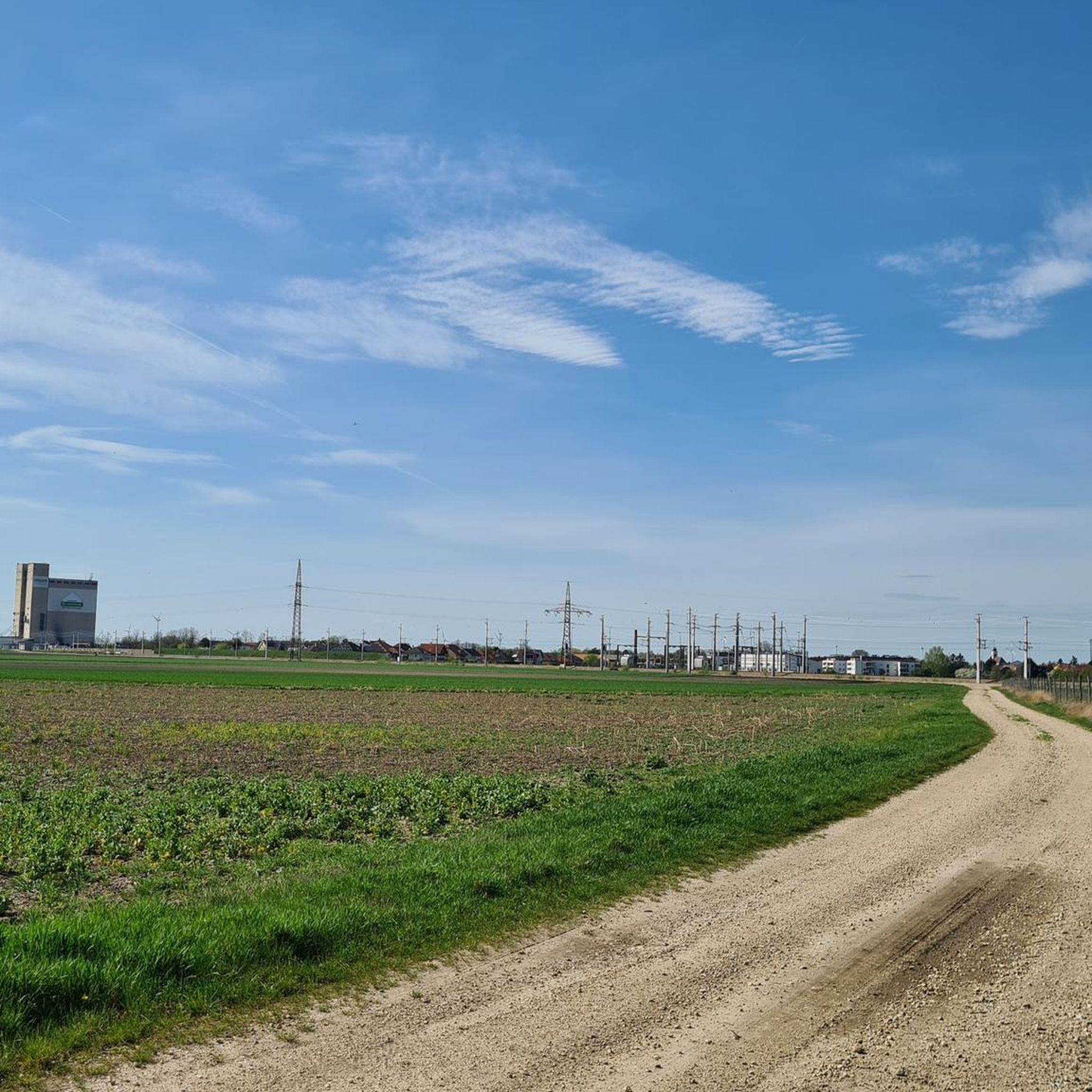
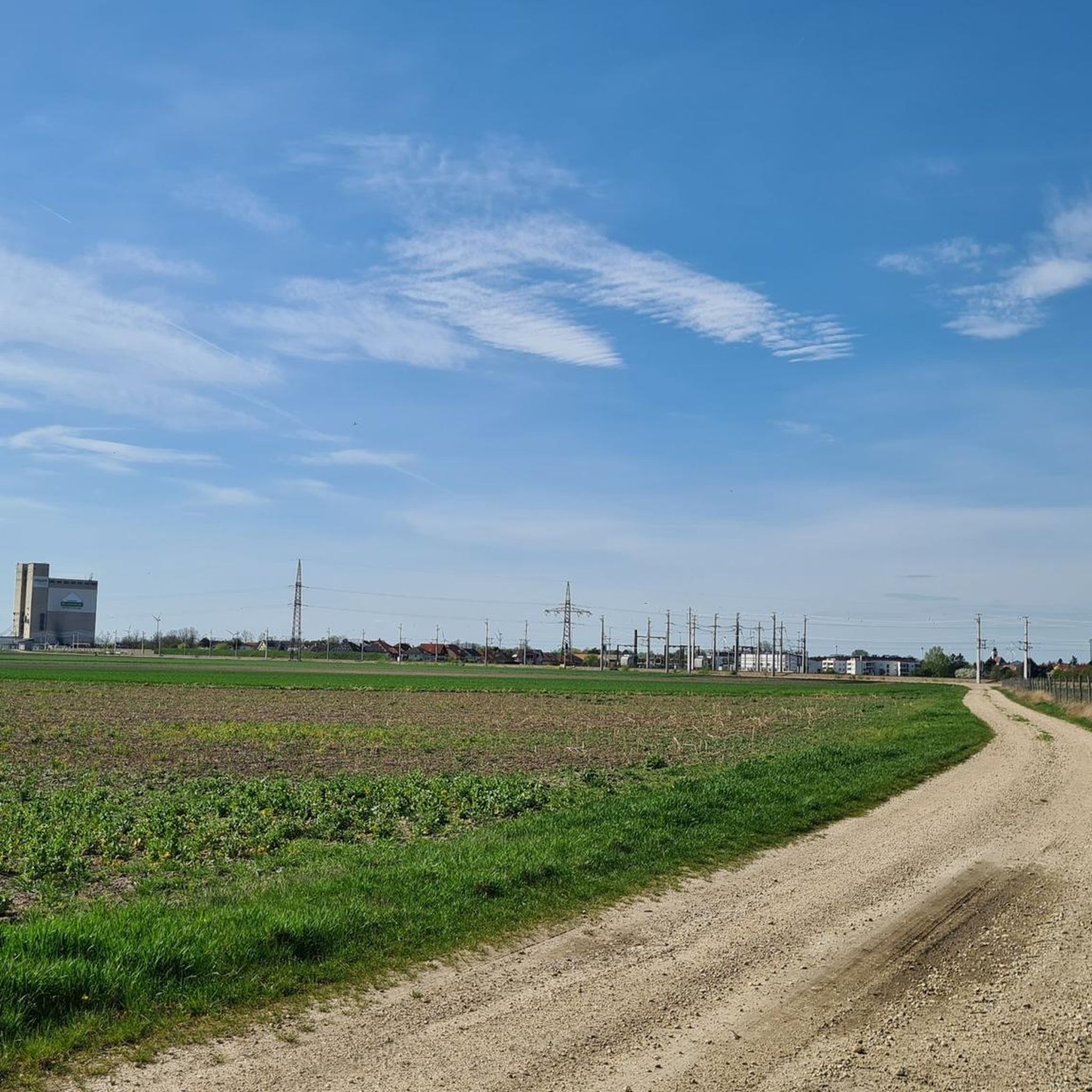
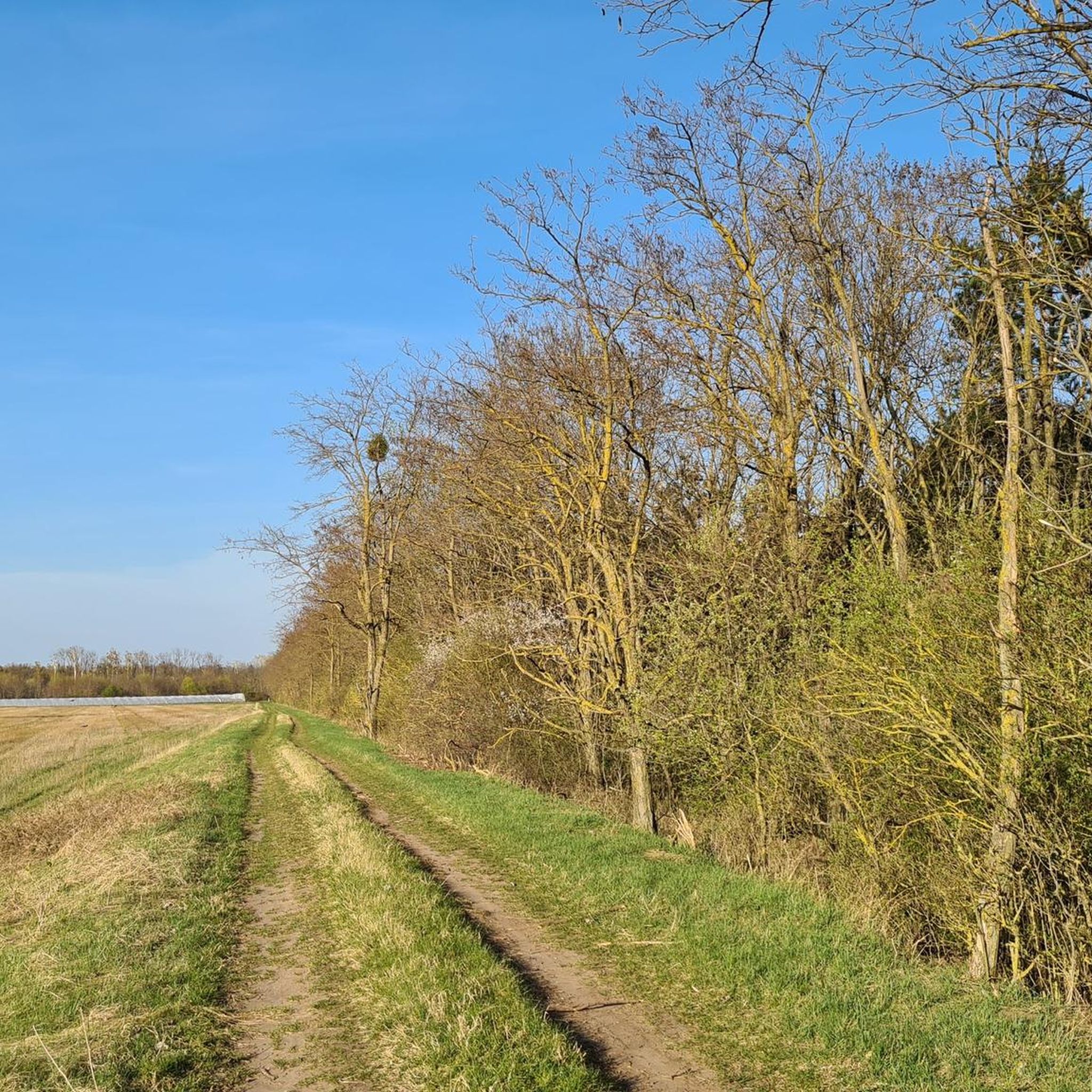
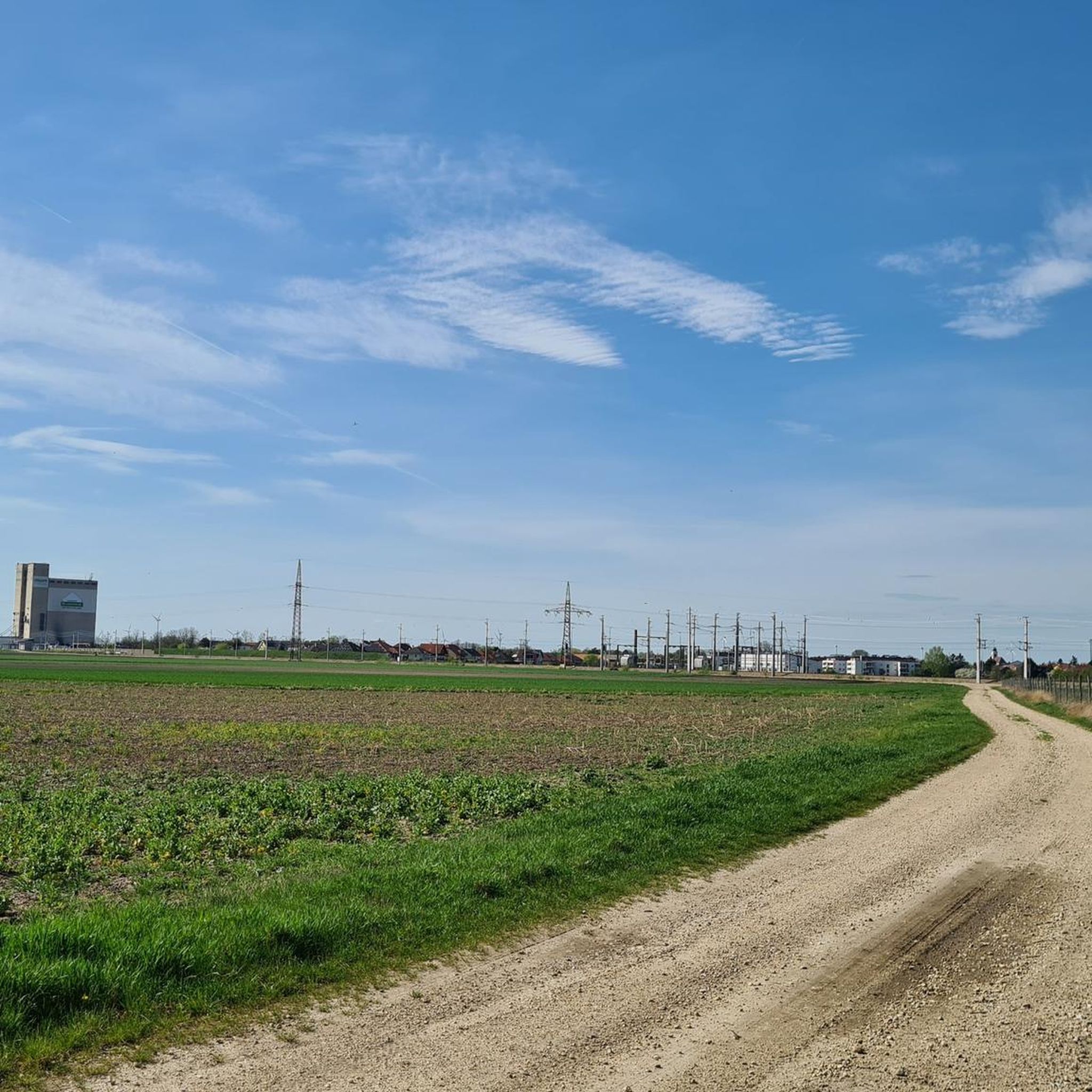
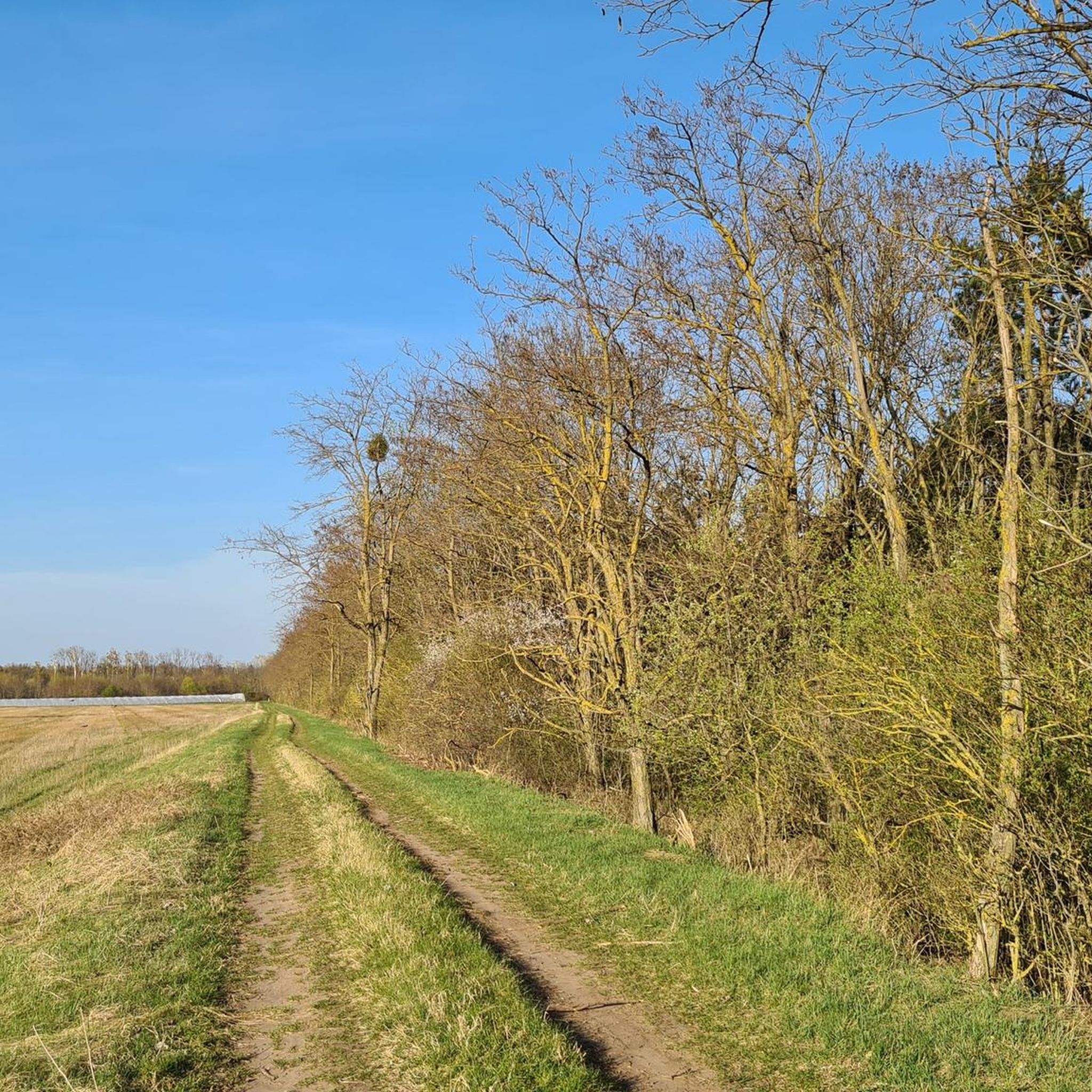
Really nice gravel paths through small woods, meadows and fields.
1
0
Wild animal feed place, for rabbits, deer
5
0
Frequently Asked Questions
What types of natural monuments can I explore near Untersiebenbrunn?
The area around Untersiebenbrunn is rich in diverse natural monuments, primarily benefiting from its proximity to the Donau-Auen National Park. You can explore unique floodplain landscapes, lowland forests, meadows, and wetlands. Specific highlights include nature reserves like Weikendorfer Remise Nature Reserve, adventure forests such as Adventure Forest Gänserndorf, and significant natural areas like Storchenhaus Marchegg – March-Auen Nature Reserve.
Are there family-friendly natural monuments around Untersiebenbrunn?
Yes, several natural monuments in the region are ideal for families. Adventure Forest Gänserndorf offers a well-landscaped area with many paths and an educational trail. Weikendorfer Remise Nature Reserve is also family-friendly, providing opportunities for nature observation. Additionally, Orth an der Donau in the Donau-Auen National Park serves as a visitor center with educational insights into the floodplain landscape, suitable for all ages.
What outdoor activities can I do near these natural monuments?
The region offers a variety of outdoor activities. You can enjoy easy hikes, such as the 'Hiking loop from Leopoldsdorf im Marchfeld' or the 'Weikendorfer Remise Heath loop'. For cyclists, there are numerous road cycling routes like the 'Schloss Hof Gardens – Schloss Hof loop' and mountain biking trails, including the 'Marchfeld Canal – Steinspornbrücke bridge loop'. Many of these routes pass through or near the natural monuments and the Donau-Auen National Park. You can find more details on these activities in the easy hikes, road cycling routes, and MTB trails guides for Untersiebenbrunn.
Where can I learn more about the Donau-Auen National Park?
The Donau-Auen National Park is a central feature of the region's natural landscape. You can visit Orth an der Donau in the Donau-Auen National Park, which hosts a visitor center dedicated to the unique flora and fauna of this protected floodplain. This center provides insights into the ecological importance of the area. For more general information about the National Park, you can also visit the official website: nationalparksaustria.at.
Are there any historical sites combined with natural beauty?
Yes, the region offers a blend of natural beauty and history. Orth an der Donau in the Donau-Auen National Park features Orth Castle, which serves as the National Park's visitor center, combining historical architecture with environmental education. Similarly, Storchenhaus Marchegg – March-Auen Nature Reserve is an information center for the March floodplains, located near historical sites and offering insights into the natural landscape.
What kind of wildlife can I expect to see in the Donau-Auen National Park?
The Donau-Auen National Park is a vital habitat for a rich array of animal and plant species, many of which are endangered. Visitors might encounter pond turtles, grass snakes, ground squirrels, and various bird species, including kingfishers, gray herons, and marsh harriers. The park's diverse flora also includes specific orchid species and magnificent carnations.
What is the best time to visit the natural monuments around Untersiebenbrunn?
The Donau-Auen National Park and surrounding natural monuments offer unique experiences throughout the year. Spring and autumn are particularly pleasant for hiking and cycling, with milder temperatures and vibrant natural colors. Summer allows for water-based activities and longer daylight hours, while winter offers a serene, often snow-covered landscape, suitable for quiet walks, though some facilities might have reduced hours.
Is there an educational trail for children in the area?
Yes, Adventure Forest Gänserndorf is known for its well-landscaped paths and includes an educational trail, making it a great option for children to learn about nature in an engaging way.
What makes the Weikendorfer Remise Nature Reserve special?
Weikendorfer Remise Nature Reserve is a natural monument known for its wide country and opportunities for observing nature. It features forests and viewpoints, offering a peaceful environment to enjoy the local flora and fauna.
Can I see any unique trees or specific natural features?
Yes, you can visit The Proud Pine in Strasshof, a black pine that has been under nature protection since 1968. This impressive tree is part of a reforestation effort initiated by Empress Maria Theresa over 220 years ago to protect the Marchfeld against drifting sand.
Are there guided tours or excursions available in the Donau-Auen National Park?
The Donau-Auen National Park offers various guided excursions, both on land and water, providing deeper insights into its unique ecosystems. Information on these tours can often be found at visitor centers like the one at Orth an der Donau or through the National Park's official channels.
What is the significance of the floodplain landscape in this region?
The floodplain landscape of the Donau-Auen National Park is one of the last great, largely intact floodplains along the Danube River in Central Europe. It is characterized by a dynamic interplay of ecosystems, with the river's natural flow shaping an abundance of diverse habitats. This makes it an excellent place to understand the ecological importance of floodplains and their role in supporting rich biodiversity.
Most popular routes around Untersiebenbrunn
Most popular attractions around Untersiebenbrunn

Get inspired with the komoot mobile app


Explore more
Extend your search for the best caves by checking out these guides of the top ones around Untersiebenbrunn:
