Top 13 Natural Monuments around Sankt Georgen am Längsee
Natural monuments around Sankt Georgen am Längsee offer a blend of natural landscapes and outdoor activities in Carinthia, Austria. The region features the Längsee, a natural swimming lake known for its water quality and Ice Age origins, and the Sörger Waterfall, an impressive natural monument. These sites provide opportunities for hiking, nature observation, and exploring geological formations. The area is characterized by gentle hills and lush greenery, making it suitable for various outdoor pursuits.
Best natural monuments around Sankt Georgen…
Last updated: July 7, 2026
Sörger Waterfall
Highlight • Waterfall
Translated by Google •
Tip by

Hochosterwitz Castle
Highlight • Castle
Translated by Google •
Tip by

Sign up now to discover places like this
Get recommendations on the best single tracks, peaks, & plenty of other exciting outdoor places.
Sign up for free
Abenteuer Wasser Weg Liebenfels Trailhead
Highlight • Trail
Translated by Google •
Tip by

Goddess of Time by Andre Heller
Highlight • Monument
Translated by Google •
Tip by

Field of Stone Lenses
Highlight • Natural Monument
Translated by Google •
Tip by
Sign up for free to discover even more natural monuments around Sankt Georgen am Längsee.
Sign up for free
Already have an account?
Start today with a free account
Your next adventure awaits.
Login or Signup
Popular around Sankt Georgen am Längsee
Listening to stone witnesses – cultural walks in Central Carinthia
Even more spectacular from above – hikes with a view in Central Carinthia
Refreshing Trails – hiking trails on the water in Central Carinthia
You don't need the sea when you’re Austria – hikes to incredible water spots
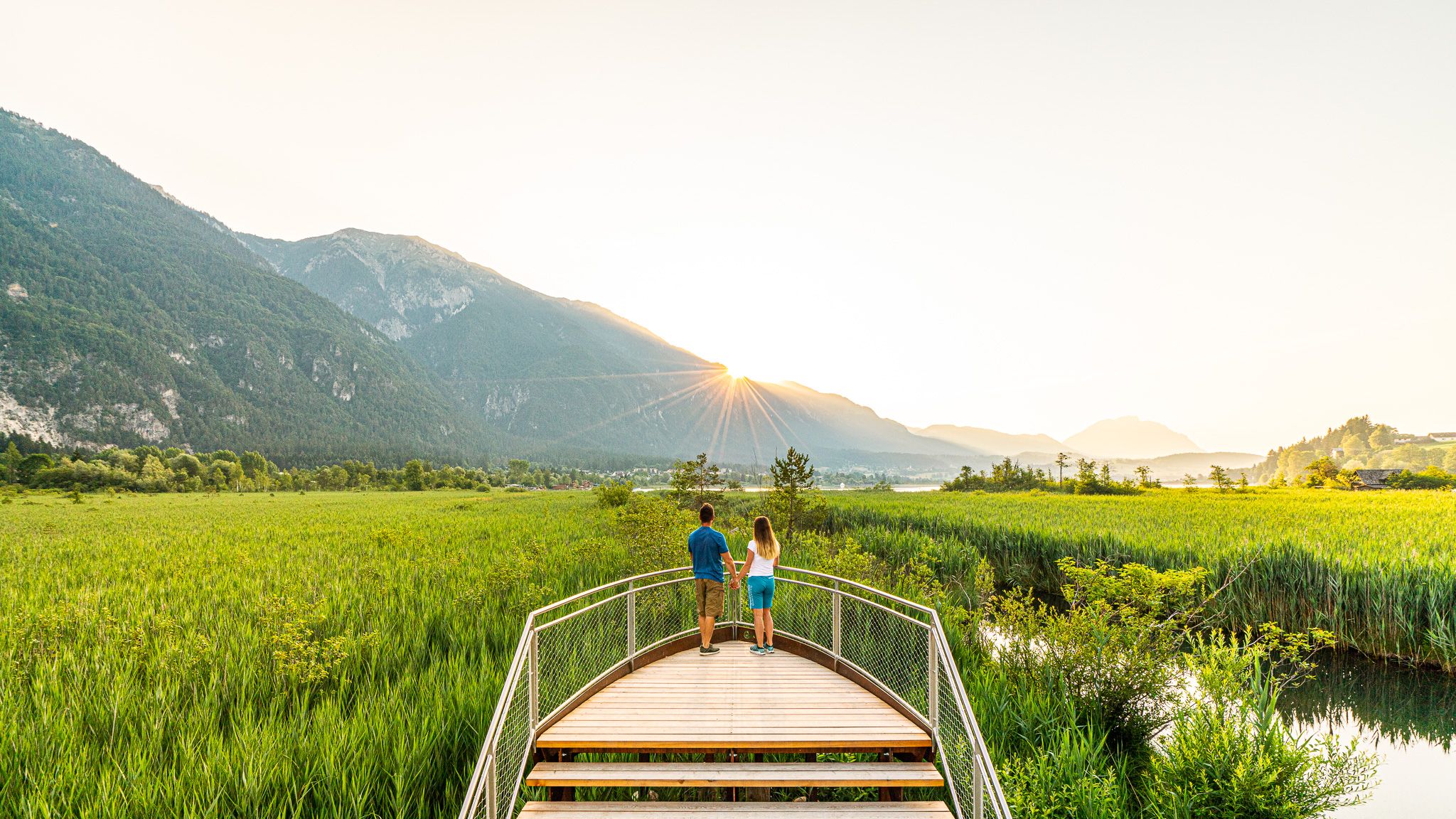
Relaxed hiking — discover the Slow Trails in Carinthia
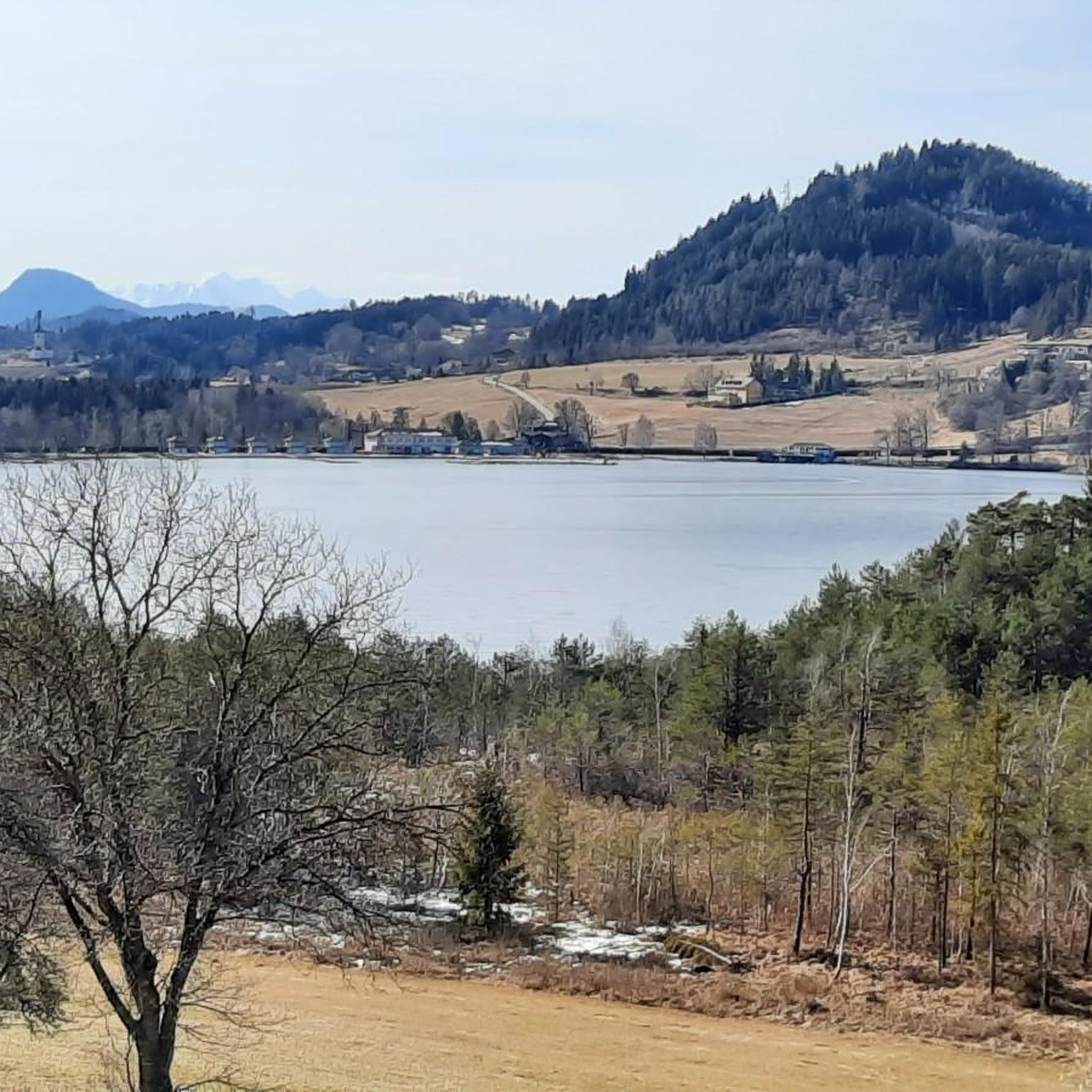
Hiking around Sankt Georgen am Längsee

Gravel biking around Sankt Georgen am Längsee
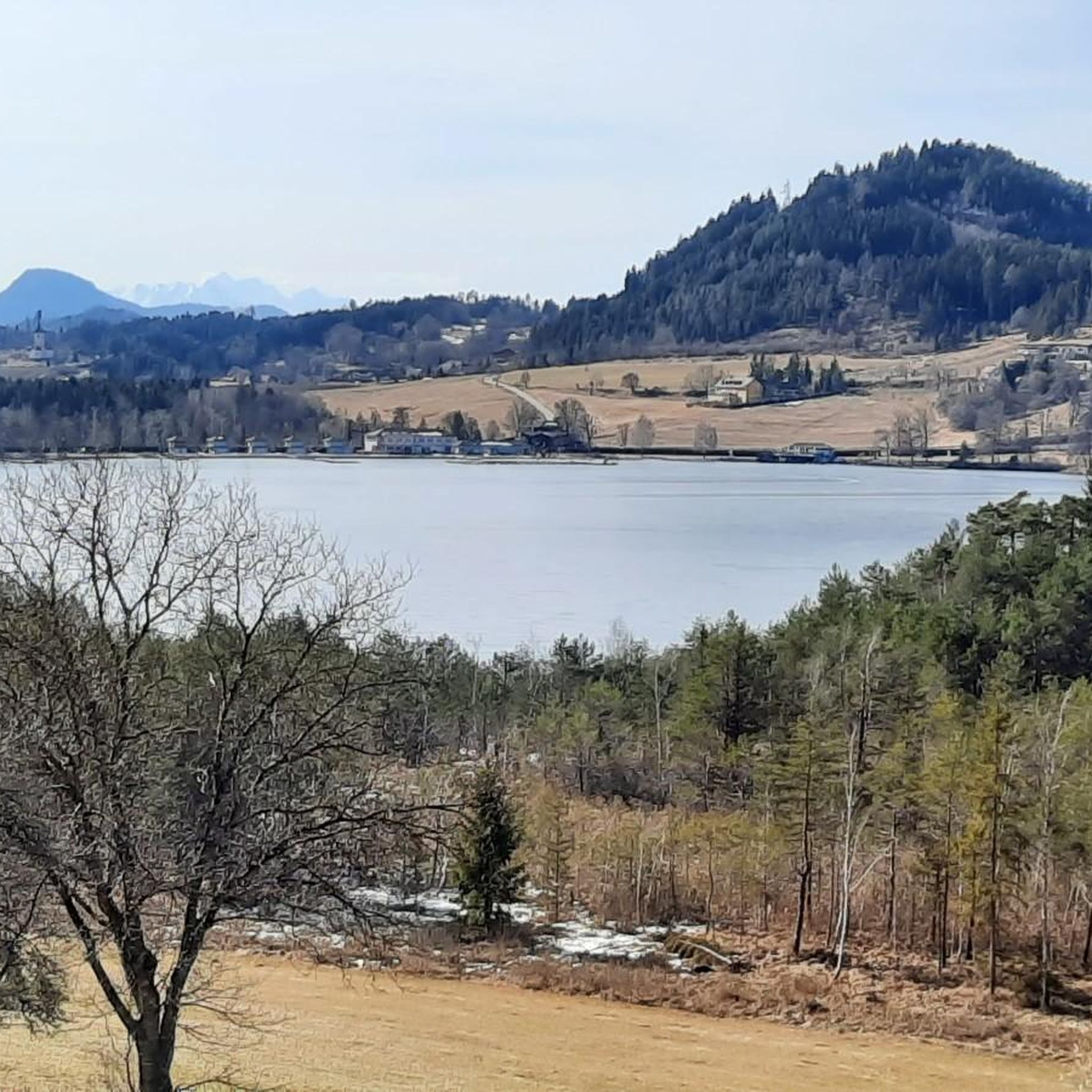
Cycling around Sankt Georgen am Längsee
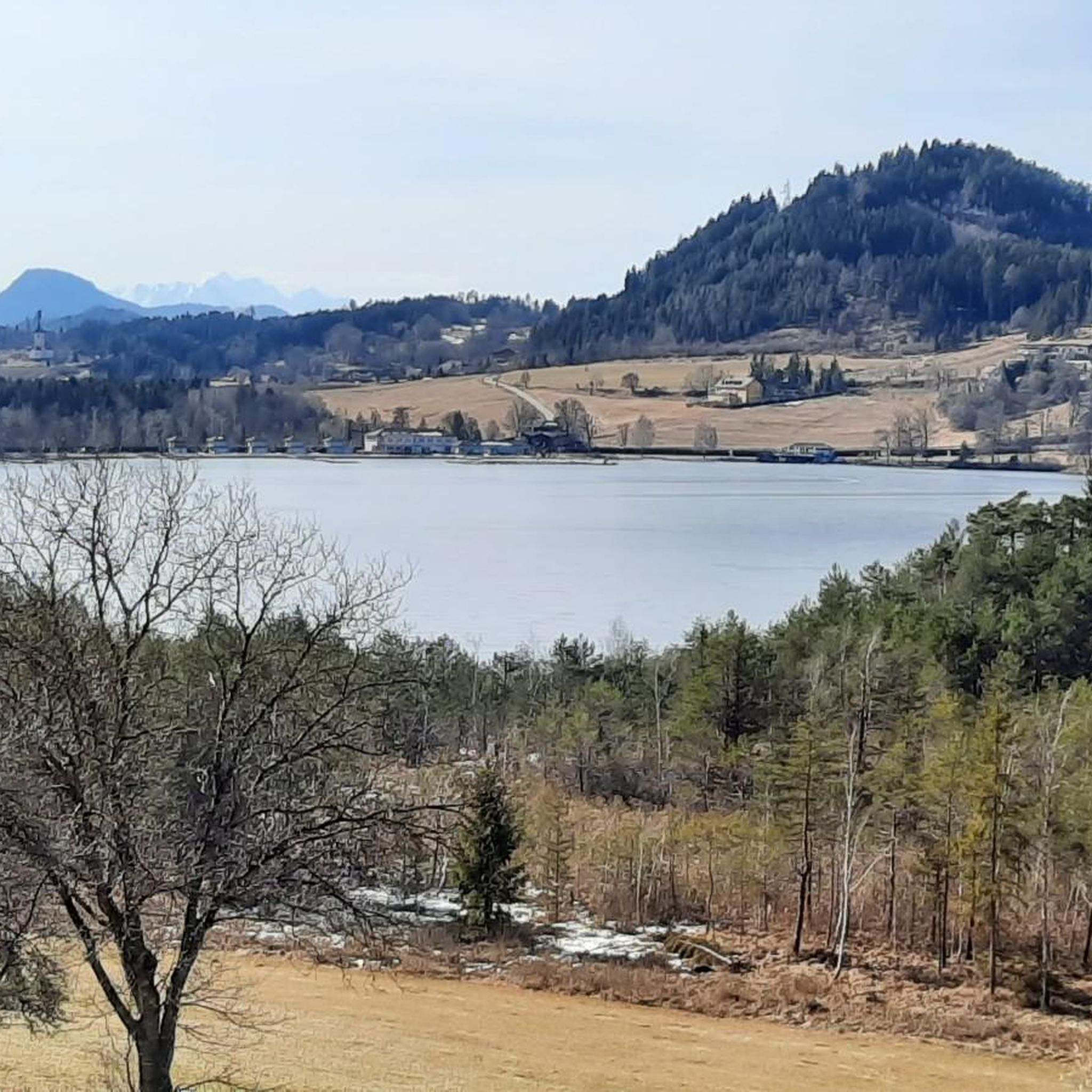
MTB Trails around Sankt Georgen am Längsee
Road Cycling Routes around Sankt Georgen am Längsee
Other adventures around Sankt Georgen am Längsee


Tips from the Community

A striking, 12-meter-high sculpture by André Heller on the castle grounds
2
0

Great tour. There is a lot to see and experience for young and old. Clear recommendations.
0
0

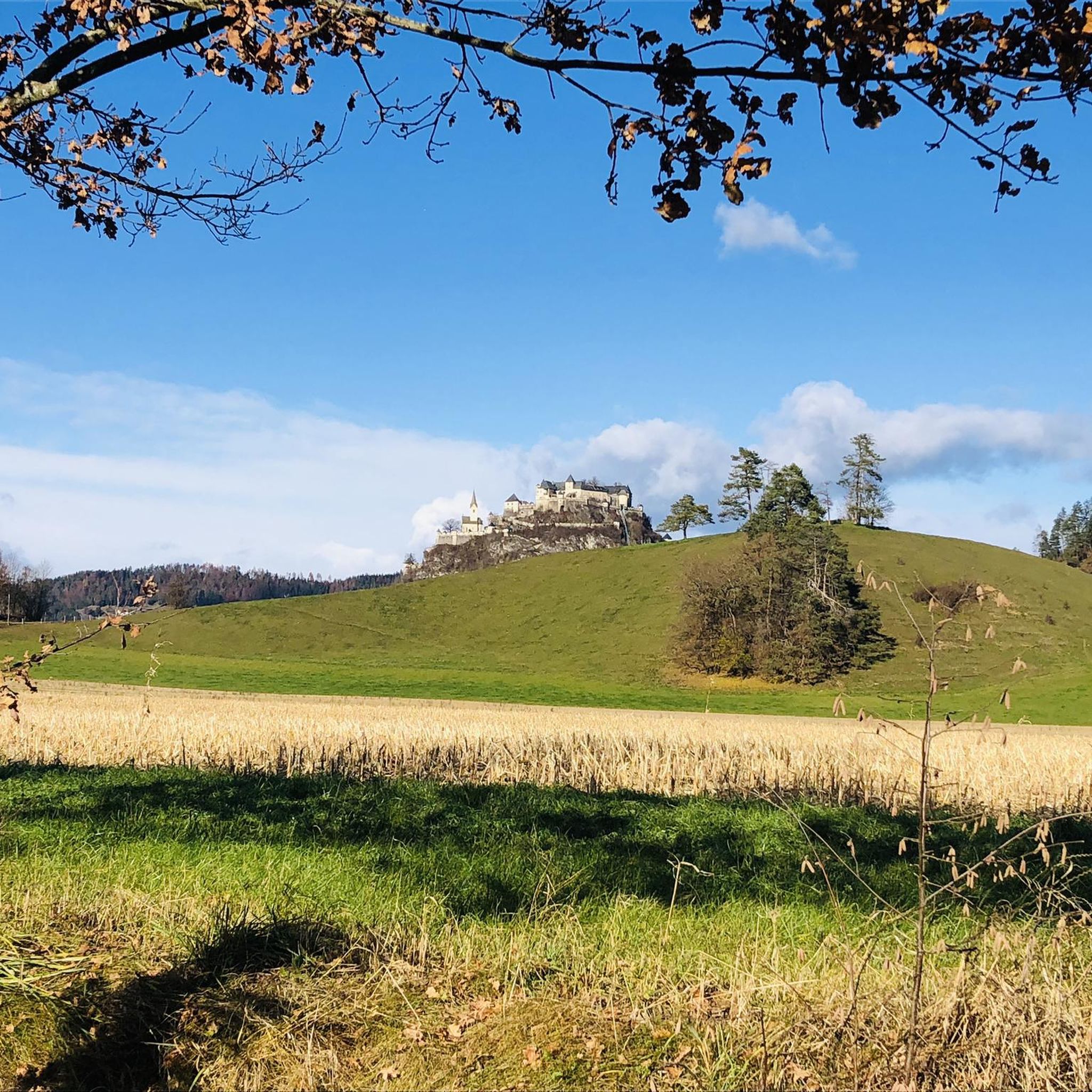
The fortifications of the Burgweg with 14 large gate structures leading in several turns through the rocky terrain to the top are characteristic and interesting from a fortress point of view. This road overcomes deeper rock notches at a moderate incline, occasionally leads along carved rock walls or widens to weapon sites until it reaches the main castle. A second approach, called the Narrensteig, leads up the steep, rocky western slope, is partly carved into the rock and leads into the castle without touching the gates of the main path. This access was blocked off by a defensive transverse wall erected at the lowest part with a few additions that no longer exist today. Both defensible approaches existed in earlier times, as reported by the 13th-century chronicler Unrest. Due to its age, the castle can be found both as a medieval fortress and as a fortress in the modern sense. A document from 1388 mentions the original design, consisting of a square tower or keep, the adjoining living quarters (palas), the small castle chapel and protective walls with battlements (wintperge) and embrasures, when the crossbow was still the main weapon. The actual core of the complex, the stronghold, is an independent defense body that includes older parts. The gates, partly in red sandstone, partly in green chlorite slate and enriched with white limestone or marble, are noteworthy as Mannerist architecture.
3
0

The goddess of time, created by the universal artist André Heller, seems to watch over the entire estate. She represents a powerful nature spirit entrusted with the protection of Taggenbrunn Castle, its vineyards, and all its visitors. The elaborate twelve-meter-high sculpture was designed by the versatile artist André Heller. The work of art was created with plants, rock crystals, metal, light, and water. The sculpture is a magical reminder of our responsibility towards planet Earth and, in particular, nature. It invites its viewers to wonder and reflect.
3
0
It's hard to imagine that you're actually wading in the primeval sea near the center of Guttaring: Here, on a gently sloping slope, you'll find small, round stones that were alive around 60 million years ago. These are petrified protozoa from the ocean that once surged here. After it dried out, they were deposited in the ground as a layer of lime and marl. In Guttaring, the mini-fossils (also called nummulites) emerge on the surface. And because their shape is strikingly reminiscent of this, they were called "stone lenses". A perfect experience place for hobby geologists. And easy to reach!
0
0

The Goddess of Time, a 15 m high sculpture by André Heller, is not only the patron goddess of the largest Carinthian winery, but also a new, artistic landmark of Central Carinthia
3
0
The water adventure path deserves its name. The kids love this hike.
1
0
Frequently Asked Questions
What unique geological formations can be explored near Sankt Georgen am Längsee?
You can discover the fascinating Field of Stone Lenses. This site features small, round stones that are petrified protozoa from the primeval sea, offering a unique experience for geology enthusiasts.
Are there any impressive waterfalls to visit in the area?
Yes, the Sörger Waterfall is an impressive natural monument. It's a highlight of the Adventure Water Trail, leading you through a gorge with rushing water and tranquil pools.
Where can I find panoramic views of the region's natural landscapes?
For wonderful panoramic views, visit the Zauberkogel in Diex. As the highest point of the southern Saualm foothills, it offers extensive vistas of the Jauntal, Klagenfurt Basin, and the Karawanken peaks on clear days.
What natural features make the Längsee special?
The Längsee is a picturesque natural swimming lake known for its excellent water quality and pleasant temperatures. Originating from the Ice Age, its almost undeveloped shores are crucial resting and breeding grounds for migratory birds, making it a haven for nature enthusiasts.
Are there family-friendly natural monuments around Sankt Georgen am Längsee?
Absolutely. The Sörger Waterfall and the associated Abenteuer Wasser Weg Liebenfels Trailhead are highly recommended for families, with visitors noting that kids love the trail and waterfalls. The Goddess of Time by Andre Heller and the Field of Stone Lenses are also considered family-friendly.
What outdoor activities can I do near these natural monuments?
The region offers a variety of outdoor activities. You can enjoy hiking on trails like the Taggenbrunn Wine Trail or a Längsee loop. Cycling is also popular, with routes such as the 'Längsee – Friesach Main Square loop' or 'Pisweger Saddle – Lake Längsee loop'. For more options, explore the hiking guide or cycling guide for Sankt Georgen am Längsee.
Are there specific hiking trails that lead to natural monuments?
Yes, the Abenteuer Wasser Weg Liebenfels Trailhead is an optimal starting point for the Adventure Water Trail, which leads directly to the impressive Sörger Waterfall. This trail follows old mill paths and offers a unique nature experience.
What do visitors enjoy most about the natural monuments in this region?
Visitors particularly enjoy the immersive nature experience offered by the Adventure Water Trail, especially the Sörger Waterfall. The naturalness and beauty of the streams, the wild nature, and the opportunity to track down the past on old paths are frequently highlighted. The Längsee is also appreciated for its serene beauty and excellent water quality.
Is there a good time of year to visit the natural monuments around Sankt Georgen am Längsee?
The region is beautiful year-round. In warmer months, the Längsee is perfect for swimming, and hiking trails like the Adventure Water Trail are ideal. In winter, the Längsee often freezes over, allowing for ice skating, and many trails remain accessible for winter hiking, offering a different kind of natural beauty.
Are there any unique artistic installations considered natural monuments in the area?
Yes, the Goddess of Time by Andre Heller is a man-made monument considered a natural monument. This 12-meter-high sculpture, designed with plants, rock crystals, metal, light, and water, serves as an artistic landmark and a magical reminder of our responsibility towards nature.
Can I find information about the local habitat while exploring the natural monuments?
Yes, along the Adventure Water Trail, which leads to the Sörger Waterfall, display boards provide information about the special features of this unique habitat, allowing visitors to learn more about the local flora and fauna.
Most popular routes around Sankt Georgen am Längsee
Most popular attractions around Sankt Georgen am Längsee

Get inspired with the komoot mobile app


Explore more
Extend your search for the best caves by checking out these guides of the top ones around Sankt Georgen am Längsee:
