Top 15 Natural Monuments around Poggersdorf
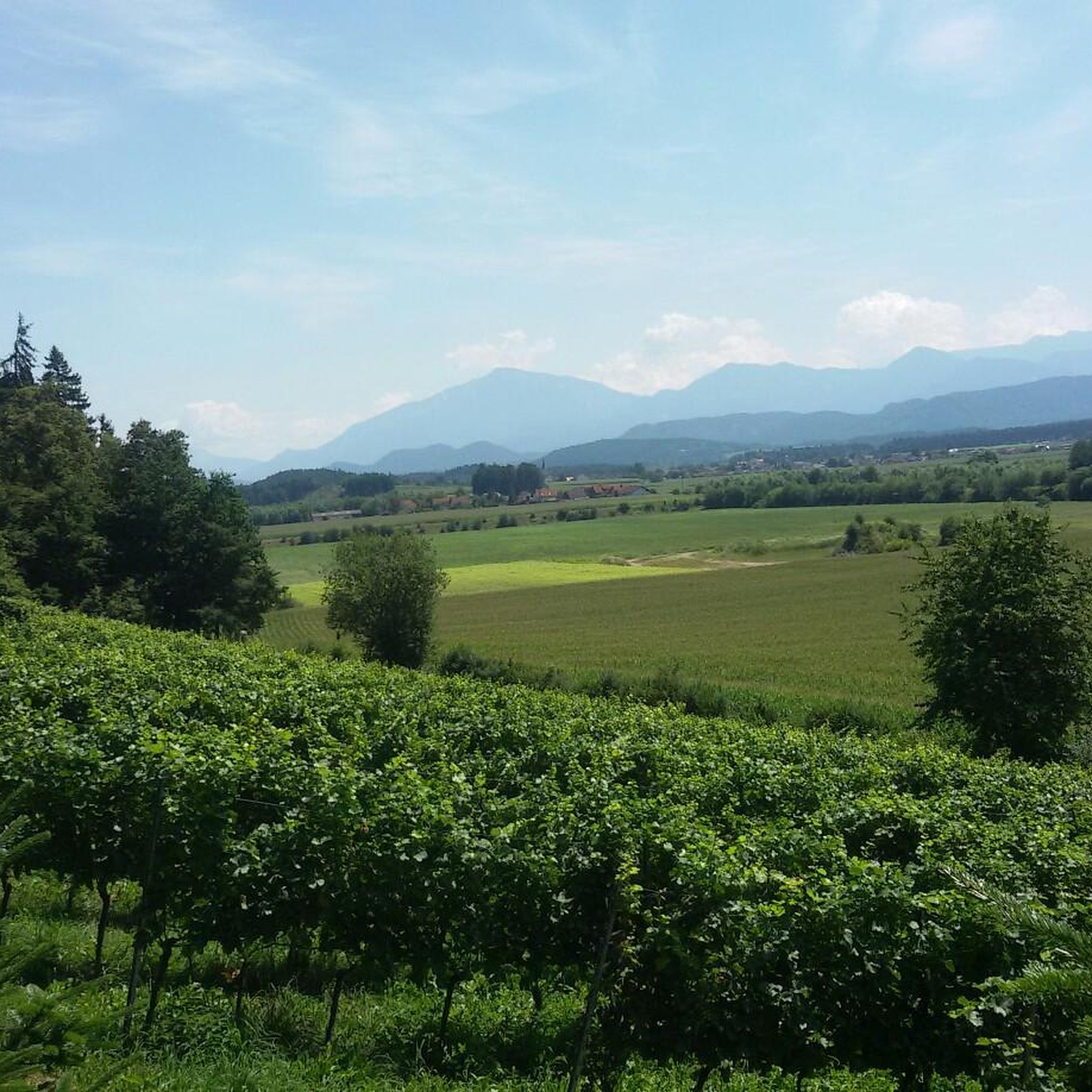
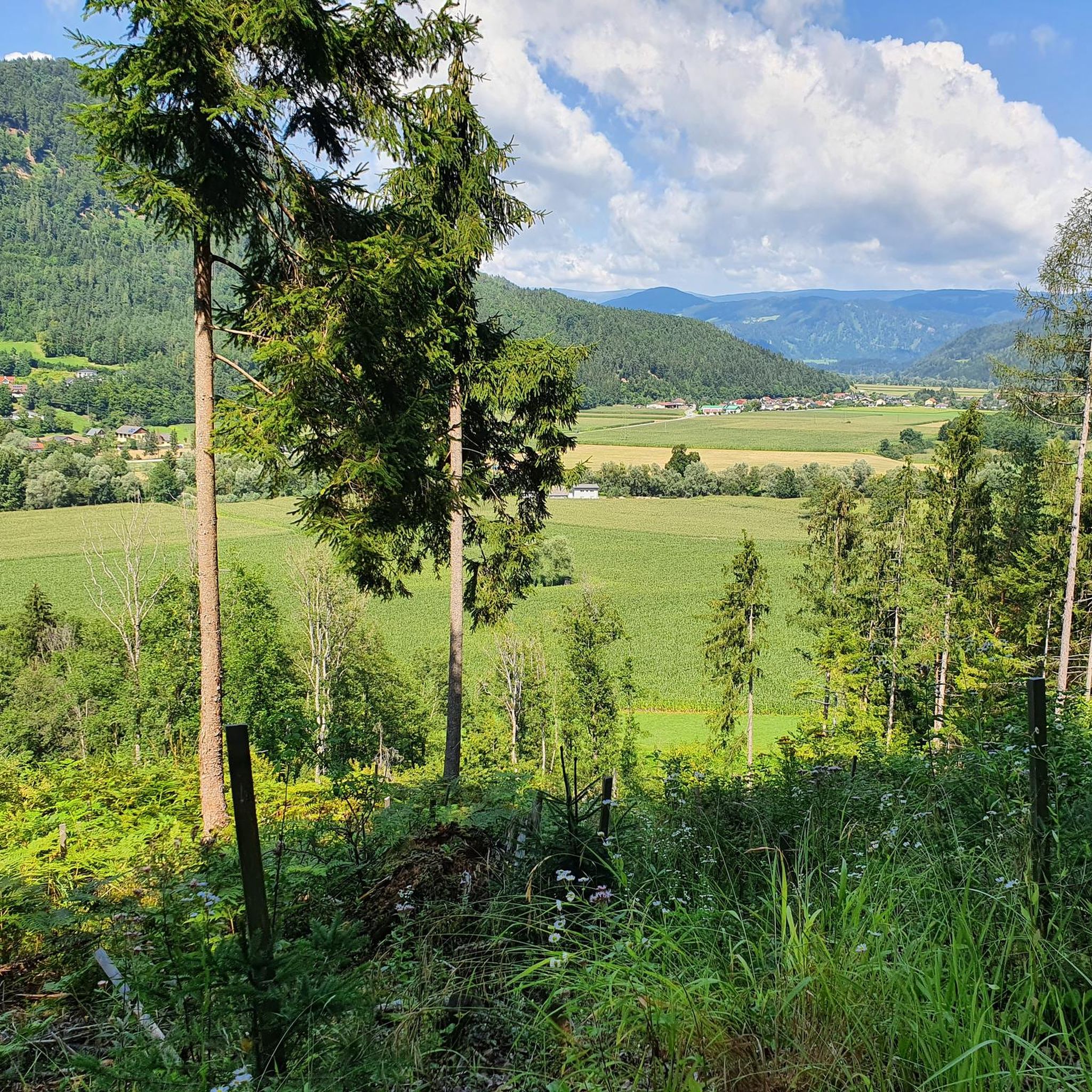
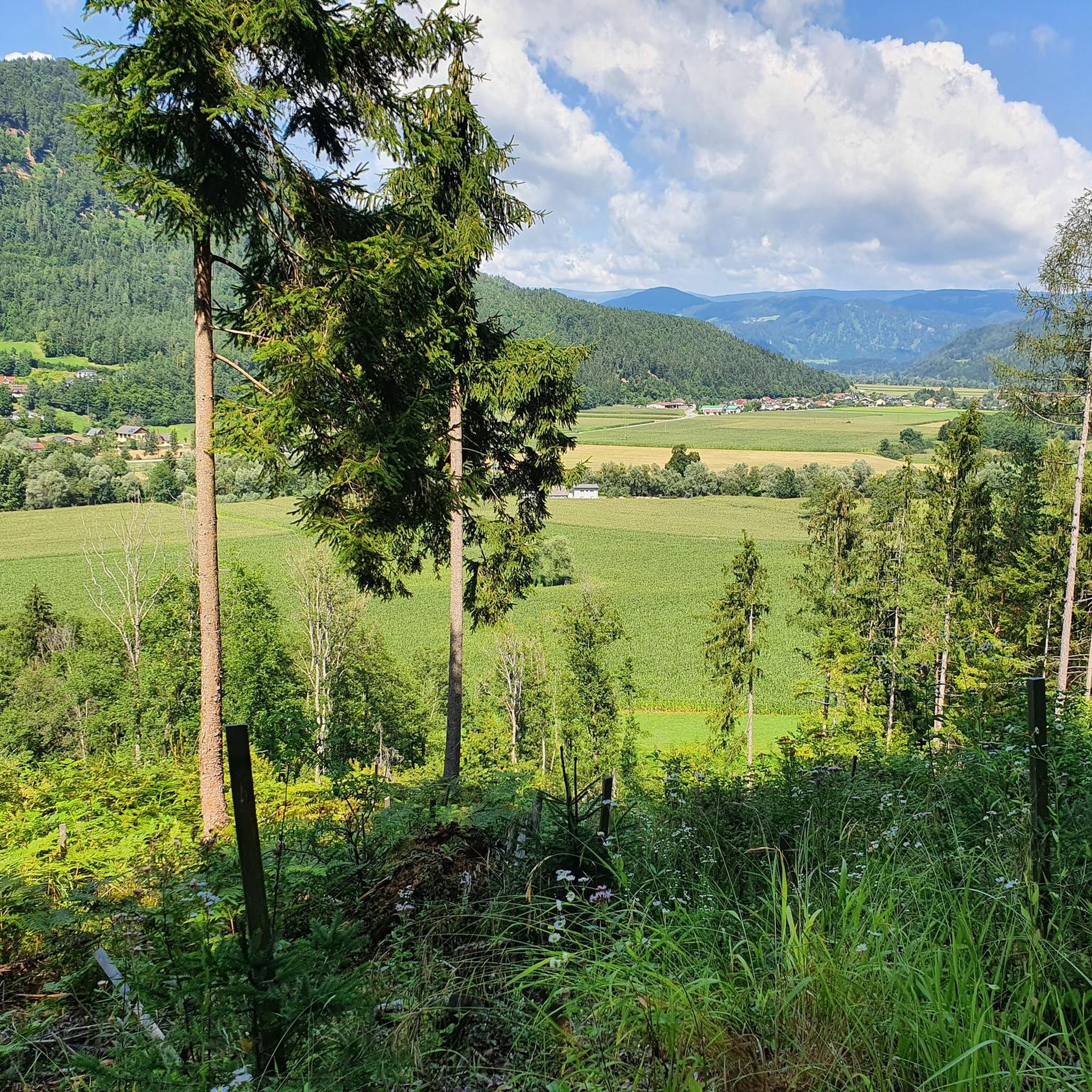
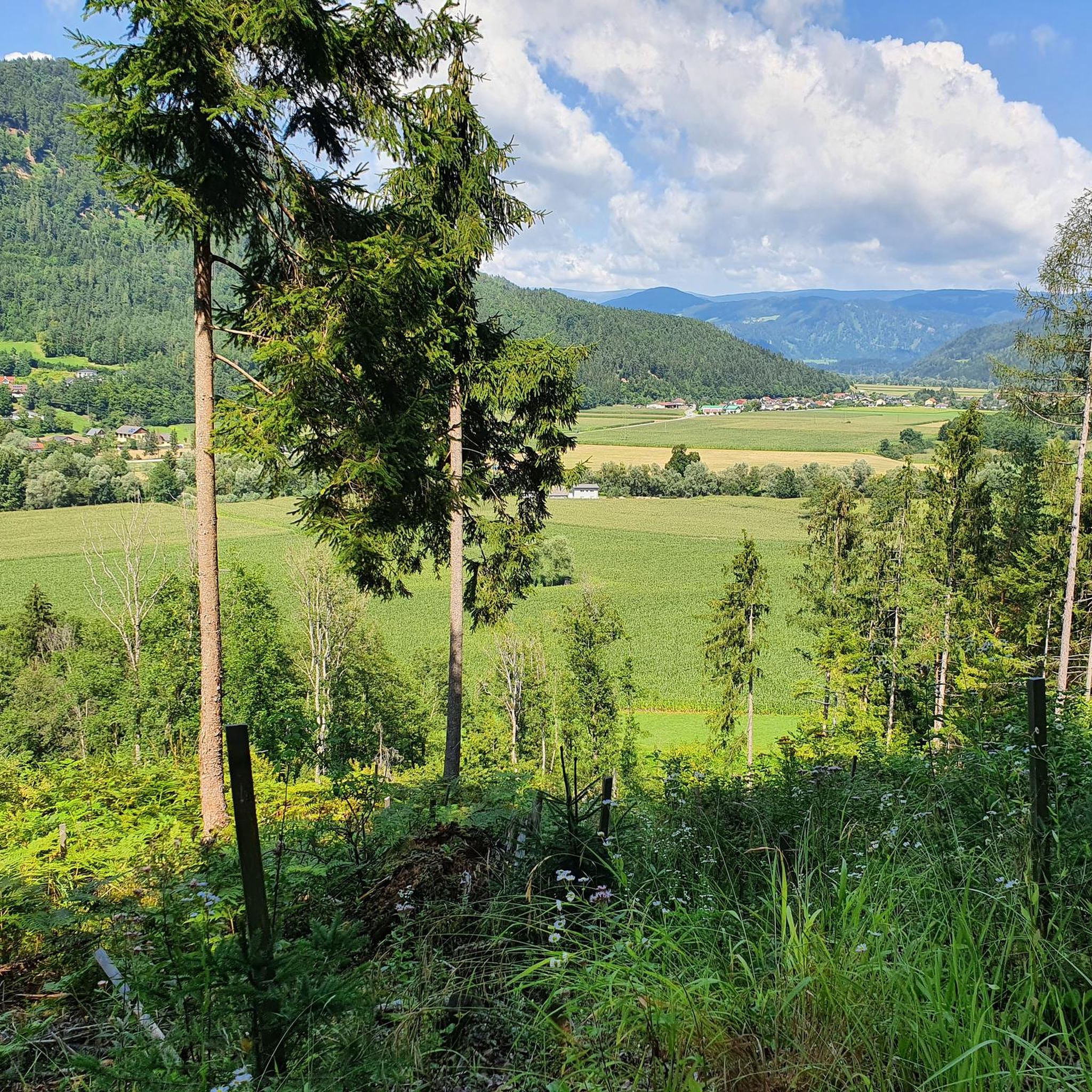
Best natural monuments around Poggersdorf are characterized by wide green spaces and wooded knolls, offering a diverse natural landscape. The region provides an idyllic setting for various outdoor activities. Notable natural features and attractions in and around Poggersdorf include ancient sites, serene lakes, and panoramic viewpoints. This area is suitable for exploring natural features and engaging in recreational opportunities.
Best natural monuments around Poggersdorf
- The most popular natural monuments is Lindwurm Fountain, New Square (Neuer Platz), Klagenfurt, a natural…
Last updated: November 21, 2026
Kitzelberg viewpoint
Highlight • Viewpoint
Translated by Google •
Tip by

Hochosterwitz Castle
Highlight • Castle
Translated by Google •
Tip by

Sign up now to discover places like this
Get recommendations on the best single tracks, peaks, & plenty of other exciting outdoor places.
Kleinsee
Highlight • Lake
Translated by Google •
Tip by

Confluence of the Vellach and Drava Rivers
Highlight • River
Translated by Google •
Tip by
Ebenthal Waterfall
Highlight • Waterfall
Translated by Google •
Tip by

Sign up for free to discover even more natural monuments around Poggersdorf.
Already have an account?
Start today with a free account
Your next adventure awaits.


Tips from the Community

The route to the waterfall is largely unmarked. The village of Kalmusbad serves as a guide.
0
0

The wild Vellach flows into the gentle Drau, here is a wedding and lots of animals are visiting
3
0
The fortifications of the Burgweg with 14 large gate structures leading in several turns through the rocky terrain to the top are characteristic and interesting from a fortress point of view. This road overcomes deeper rock notches at a moderate incline, occasionally leads along carved rock walls or widens to weapon sites until it reaches the main castle. A second approach, called the Narrensteig, leads up the steep, rocky western slope, is partly carved into the rock and leads into the castle without touching the gates of the main path. This access was blocked off by a defensive transverse wall erected at the lowest part with a few additions that no longer exist today. Both defensible approaches existed in earlier times, as reported by the 13th-century chronicler Unrest. Due to its age, the castle can be found both as a medieval fortress and as a fortress in the modern sense. A document from 1388 mentions the original design, consisting of a square tower or keep, the adjoining living quarters (palas), the small castle chapel and protective walls with battlements (wintperge) and embrasures, when the crossbow was still the main weapon. The actual core of the complex, the stronghold, is an independent defense body that includes older parts. The gates, partly in red sandstone, partly in green chlorite slate and enriched with white limestone or marble, are noteworthy as Mannerist architecture.
3
0
This natural lake with a sandy bottom is surrounded by a 20 to 40 m wide belt of water lilies and reeds. The deepest point is about 9 m. Water lilies and mud prevail in the shore area, the lake is therefore only accessible via a few jetties, but all the more an "angler's paradise".
2
0
The Kleinsee is a lake in the municipality of St. Kanzian in Carinthia, Austria. It comes from the last Ice Age. This natural lake with a sandy bottom is surrounded by a 20 to 40 m wide belt of water lilies and reeds. The deepest point is about 9 m. Wikipedia Altitude above sea level: 447 m Altitude above sea level: 448 m above sea level. A Maximum depth: 9 m
2
0
The Kleinsee is a lake in the municipality of St. Kanzian in Carinthia, Austria. It comes from the last Ice Age. This natural lake with a sandy bottom is surrounded by a 20 to 40 m wide belt of water lilies and reeds. The deepest point is about 9 m. Wikipedia
2
0

Frequently Asked Questions
What are some of the most popular natural monuments around Poggersdorf?
Visitors frequently enjoy the Lindwurm Fountain, New Square (Neuer Platz), Klagenfurt, which is both a natural and man-made monument, serving as a landmark and heraldic animal of Klagenfurt. Another favorite is Kleinsee, the smallest of three lakes in St. Kanzian, known for its reed belt and as a haven for water birds and fish. The Confluence of the Vellach and Drava Rivers is also highly regarded for its idyllic setting where the wild Vellach meets the gentle Drau.
Are there any historical natural sites in Poggersdorf?
Yes, within Poggersdorf, you can visit the Celtic Well in Wabelsdorf. This site, uncovered in 1930, holds ancient significance, often revered as a sacred spring. While its specific features are not detailed, such wells were historically believed to possess healing properties or provide spiritual insight, offering a serene atmosphere and a glimpse into the region's past.
What kind of natural features can I expect to see in the Poggersdorf area?
The Poggersdorf area is characterized by wide green spaces and wooded knolls. You'll find diverse natural landscapes including serene lakes like Kleinsee, rivers such as the Vellach and Drava, and picturesque viewpoints. The region offers an idyllic setting for various outdoor activities amidst its natural beauty.
Are there family-friendly natural monuments or attractions near Poggersdorf?
Many natural monuments in the area are family-friendly. The Ebenthal Waterfall is a worthwhile destination for families, easily reachable on foot or by bike, where children can play in the streambed. The general landscape of Poggersdorf, with its numerous trails winding through forests and past streams, often includes playgrounds and resting places, making it suitable for families. Additionally, the nearby Pyramidenkogel offers an adventure slide and panoramic views that children often enjoy.
What outdoor activities can I do near these natural monuments?
The region around Poggersdorf is excellent for outdoor activities. You can find numerous hiking trails, such as those leading to the St. Vitus Chapel on Vitushöhe, offering sun and views. For cycling, there are options for both road cycling and gravel biking. You can explore routes like the 'Kalmusbad on the Sattnitz – At Friedlstrand loop' for road cycling or the 'Glan Floodplain – Glanauen Nature Trail loop' for gravel biking. More details on these activities can be found in the Hiking around Poggersdorf, Road Cycling Routes around Poggersdorf, and Gravel biking around Poggersdorf guides.
What is the best time of year to visit the natural monuments around Poggersdorf?
The best seasons for exploring the natural monuments and engaging in outdoor activities around Poggersdorf are generally spring and autumn. During these times, nature is vibrant, and the weather is mild, making it ideal for hiking and enjoying the scenic landscapes. While specific winter access details are not available for all sites, the general landscape remains beautiful year-round.
Are there any notable viewpoints or panoramic spots?
Yes, the St. Vitus Chapel on Vitushöhe offers a perfect place to enjoy the sun and views. Additionally, the nearby Pyramidenkogel features the world's tallest wooden observation tower, providing breathtaking panoramic views of Lake Wörthersee and the surrounding Alpine landscape from an altitude of 905 meters.
What do visitors enjoy most about the natural monuments in this region?
Visitors particularly appreciate the serene idyll of places like Kleinsee, especially in the morning. The Confluence of the Vellach and Drava Rivers is noted for its constant change and the abundance of wildlife, making it a favorite for nature lovers. Many also enjoy the peaceful atmosphere and historical context of sites like the Celtic Well, and the rewarding views from spots like the St. Vitus Chapel on Vitushöhe.
Can I find hiking trails that include natural monuments?
Absolutely. The region offers numerous hiking opportunities. For example, a trail leads to the St. Vitus Chapel on Vitushöhe, which marks the end of the St. Veiter Way of the Cross. There's also the 'Three Lakes Hiking Trail' in the broader region, allowing you to explore Lake Maltschach, Lake Längsee, and Lake Keutschach, offering fantastic views and opportunities for swimming or picnicking. You can find more hiking routes in the Hiking around Poggersdorf guide.
Are there any lakes suitable for recreation near Poggersdorf?
Yes, the region is known for its lakes. Kleinsee, while small, is an idyllic spot for anglers and nature observation. In the broader region, the 'Three Lakes Hiking Trail' connects Lake Maltschach, Lake Längsee, and Lake Keutschach, which is the sixth-largest lake in Carinthia. These lakes offer diverse natural experiences and are popular for their scenic beauty and recreational options like swimming and picnicking.
Is the Pyramidenkogel observation tower considered a natural monument, and what does it offer?
While not directly in Poggersdorf, the Pyramidenkogel is a highly recommended natural attraction nearby. It features the world's tallest wooden observation tower, providing breathtaking panoramic views of Lake Wörthersee and the surrounding Alpine landscape. Beyond the views, visitors can enjoy a spectacular 120-meter-long adventure slide down from the tower, and a circular hiking trail directly behind it.
Most popular attractions around Poggersdorf

Get inspired with the komoot mobile app


Explore more
Extend your search for the best caves by checking out these guides of the top ones around Poggersdorf:
