Top 13 Natural Monuments in Nicaragua
Best natural monuments in Nicaragua showcase a landscape shaped by volcanic activity and rich biodiversity. The country, often referred to as the "Land of Lakes and Volcanoes," features diverse geological formations. These sites offer insights into Nicaragua's natural heritage, from active volcanoes to serene crater lakes and dense cloud forests. The region provides varied terrain for exploration.
Best natural monuments in Nicaragua
- The most popular natural monuments is Telica Volcano, a volcano known for its active status. Visitors can…
Last updated: July 7, 2026
Concepción Volcano
Highlight • Summit
Already when boarding the ferry on the mainland in Rivas, he …
Translated by Google •
Tip by

Telica Volcano
Highlight • Volcano
Tip by

Sign up now to discover places like this
Get recommendations on the best single tracks, peaks, & plenty of other exciting outdoor places.
Sign up for free
Viewpoint over Isletas, Granada, and Laguna de Apoyo
Highlight • Viewpoint
Tip by
Crater Lake of Maderas Volcano
Highlight • Lake
Translated by Google •
Tip by

Santiago Crater (Volcán Masaya)
Highlight • Volcano
Translated by Google •
Tip by

View of Concepción Volcano
Highlight • Viewpoint
Tip by

Steep Ascent to Mombacho Volcano Crater
Highlight (Segment) • Volcano
Tip by
Concepción Volcano (1,610 m) on Ometepe Island
Highlight • Volcano
Already when boarding the ferry on the mainland in Rivas, he …
Translated by Google •
Tip by
Mogotón Summit (2,085 m) – Nicaragua/Honduras Border
Highlight • Summit
Tip by
Viewpoint at Volcán Mombacho
Highlight • Viewpoint
Tip by

Sign up for free to discover even more natural monuments in Nicaragua.
Sign up for free
Already have an account?
Start today with a free account
Your next adventure awaits.
Login or Signup

Tips from the Community

Watch the weather; you won't want to go in the rain
0
0

ou can to do the trek easily by yourself. The way is easy to find, And you did it to Kommoot ;-) Take a bus to Malpaisillo leaving at León bus station. It takes approx. 30 minutes, 15 C$. The way back to León is also easy. I took a bus at 3.30 pm. I guess the have later ones. Just ask in the village at starting point. After the trek you can enjoy a beer in the village. Just ask around for the bar if you are interested. Your early breakfast and your lately lunch you can join at León bus station. For guided tour It seems there are no many treks due most visit Cerro Negro. A tour would approx. $50 per pax for at least 2. For just me the offered $90. I do not check other just go.
0
0
If you're going to climb hiking, my recommendation is to buy the ticket including the transport, so you can come down seated.... Climbing down is too tiring
0
0

You will need good weather to see anything
0
0

A worthwhile hiking destination! Surrounded by dry jungle, the volcanic massif rises in the center of the Masaya National Park. From the crater rim you have a fascinating panoramic view of the surrounding country!
0
0
One of the few volcanoes on our planet where you can see the magma from the crater rim!
0
0

Amazing spot to see the active Vulcano, especially before and while it's getting dark. Definitely worth a visit!
0
0
It's worth to hike it up, a nice Viewpoint to see the Vulcano Conception
0
0
Frequently Asked Questions
What unique geological features define Nicaragua's natural monuments?
Nicaragua, known as the "Land of Lakes and Volcanoes," is characterized by its dramatic geological formations. You'll encounter active volcanoes like Telica Volcano and the iconic Concepción Volcano, serene crater lakes such as Laguna de Apoyo, and unique cloud forests found on dormant volcanoes like Mombacho. The country also features impressive canyons like Somoto Canyon National Monument, carved by rivers.
Are there opportunities for challenging hikes among Nicaragua's natural monuments?
Absolutely. Many natural monuments offer challenging hiking experiences. For instance, climbing Concepción Volcano on Ometepe Island is an 8-12 hour ascent through various climatic zones, often requiring a guide due to its steep terrain. Similarly, the trek to the Crater Lake of Maderas Volcano is described as steep, muddy, and strenuous, but highly rewarding. You can find more challenging routes, including those around Concepción Volcano, in the Hiking in Nicaragua guide.
What kind of wildlife can I expect to see in these natural areas?
Nicaragua's natural monuments are rich in biodiversity. Cloud forests, like those on Mombacho Volcano, are home to endemic flora and fauna, including orchids, bromeliads, howler monkeys, sloths, and rare birds. Larger reserves such as Indio Maíz Biological Reserve and Bosawás Biosphere Reserve protect jaguars, giant anteaters, tapirs, spider monkeys, and hundreds of bird species, offering unparalleled wildlife encounters for those willing to venture deeper.
Are there any natural monuments suitable for family visits?
Yes, several natural monuments can be enjoyed by families. Laguna de Apoyo Natural Reserve, a warm, clear crater lake, is ideal for swimming, kayaking, and relaxing in a calm environment. Masaya Volcano National Park offers visitors the chance to drive close to the crater and observe an active lava lake, which can be a captivating experience for all ages, especially at night. The park also has a museum about the volcano's formation.
What are the best times to visit Nicaragua's natural monuments?
The dry season, generally from December to April, is often considered the best time to visit. During these months, the weather is typically sunny with less rain, making hiking trails more accessible and providing clearer views of volcanoes and landscapes. However, visiting during the green season (May to November) can offer lush scenery, though some trails might be muddier.
Can I explore the natural monuments on my own, or do I need a guide?
It depends on the monument and your experience level. For some, like Telica Volcano, experienced hikers can find the way easily. However, for more challenging ascents like Concepción Volcano, a guide is highly recommended due to steep terrain, extreme temperatures, and the need for sufficient hydration. For unique experiences like exploring Somoto Canyon, guided tours are often part of the adventure, involving swimming and short climbs.
What activities are available at Laguna de Apoyo Natural Reserve?
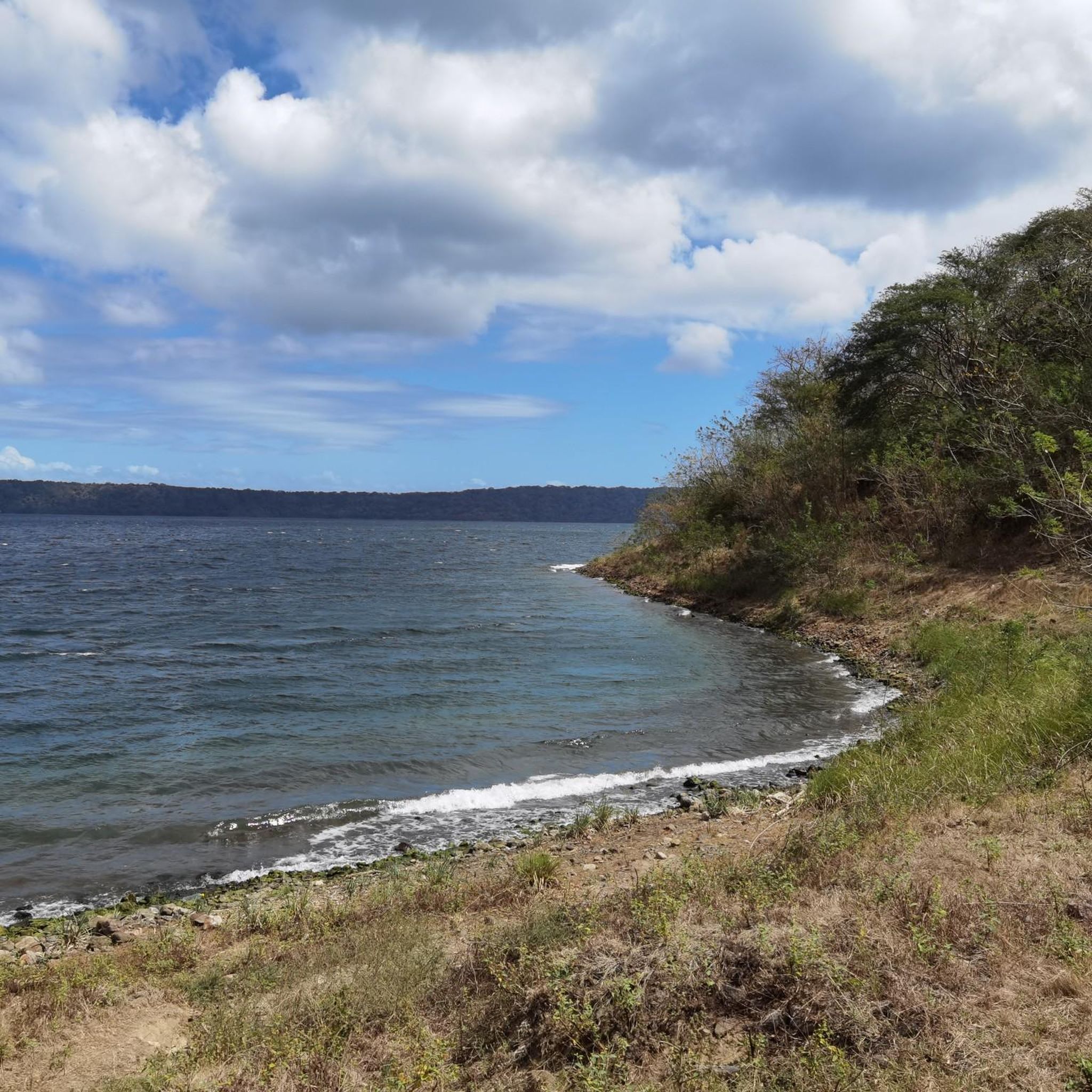
Laguna de Apoyo, a beautiful crater lake, is perfect for water-based activities and relaxation. You can enjoy swimming in its warm, clear, mineral-rich waters, kayaking, and paddleboarding. The tranquil atmosphere, surrounded by forested crater walls, makes it an excellent spot to unwind and enjoy nature.
Where can I find panoramic views of Nicaragua's landscapes?
Nicaragua offers numerous viewpoints showcasing its stunning natural beauty. The Viewpoint over Isletas, Granada, and Laguna de Apoyo provides perspectives of Mombacho Volcano and the surrounding area. For an iconic sight, the View of Concepción Volcano offers magnificent vistas of the prominent volcano on Ometepe Island. Many volcano summits, like Telica, also provide expansive panoramic views.
Are there any unique adventure activities related to volcanoes in Nicaragua?
Yes, Nicaragua is famous for volcano boarding on Cerro Negro Volcano. This thrilling activity involves sliding down the volcano's black ash slopes on a wooden board at high speeds. It's a unique and adrenaline-pumping way to experience one of Nicaragua's youngest volcanoes, offering a different perspective than traditional hiking.
What are the options for cycling near Nicaragua's natural monuments?
Cycling is a popular way to explore the areas around many natural monuments. For example, you can find challenging cycling routes around Ometepe Island, such as the "Playa Monkey Island – Playa San Ramón loop from San José del Sur." There are also moderate routes like the "Masaya Volcano National Park loop from La Pintura." You can discover more cycling routes in the Cycling in Nicaragua guide.
What makes Ometepe Island a special natural monument?
Ometepe Island is unique as the world's largest freshwater island, formed by two volcanoes, Concepción and Maderas, rising from Lake Nicaragua. It's a UNESCO Biosphere Reserve, offering a blend of volcanic landscapes, lush forests, and tranquil beaches. Visitors can hike to volcanic craters, explore petroglyphs, and experience a slower pace of life, making it a truly distinctive destination.
What is the significance of Masaya Volcano National Park?
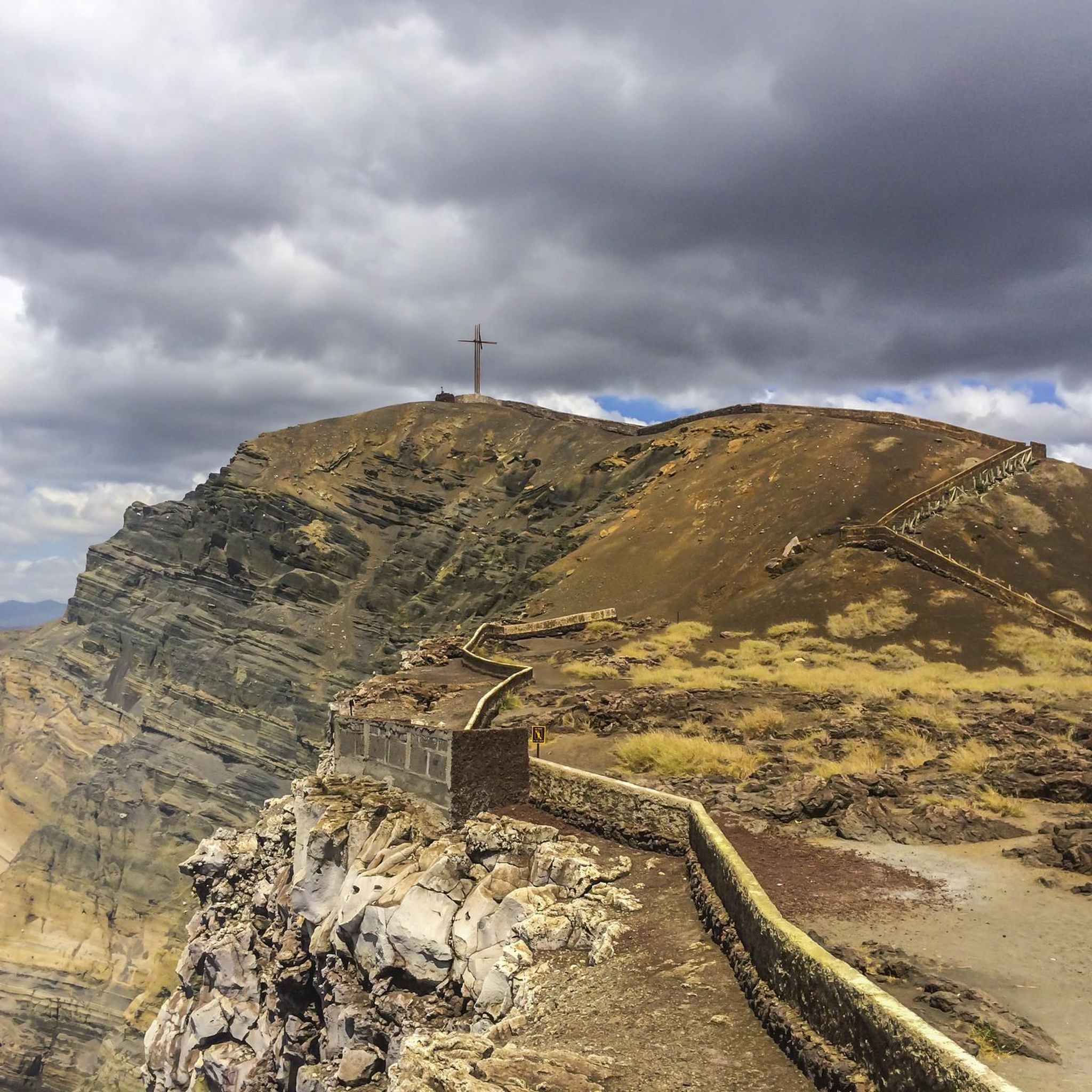
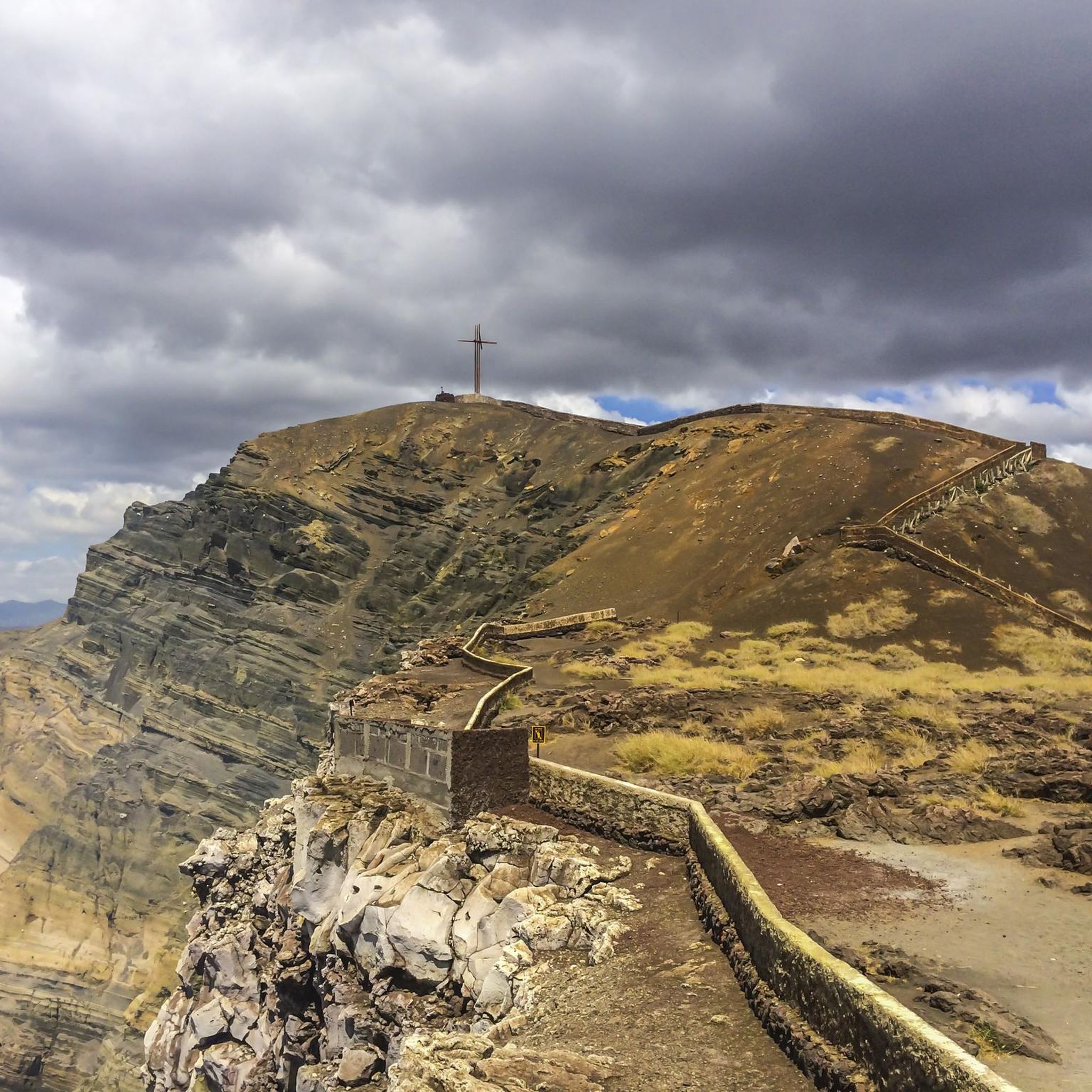
Masaya Volcano National Park is Nicaragua's first and largest national park, home to one of the country's most active volcanoes. It's one of the few places globally where visitors can safely observe an active lava lake, especially impressive at night. The park's rugged, lunar-like landscape, dry lava fields, and constant sulfur emissions offer a raw and unforgettable geological experience.
Are there any natural monuments that are considered 'hidden gems' or less known?
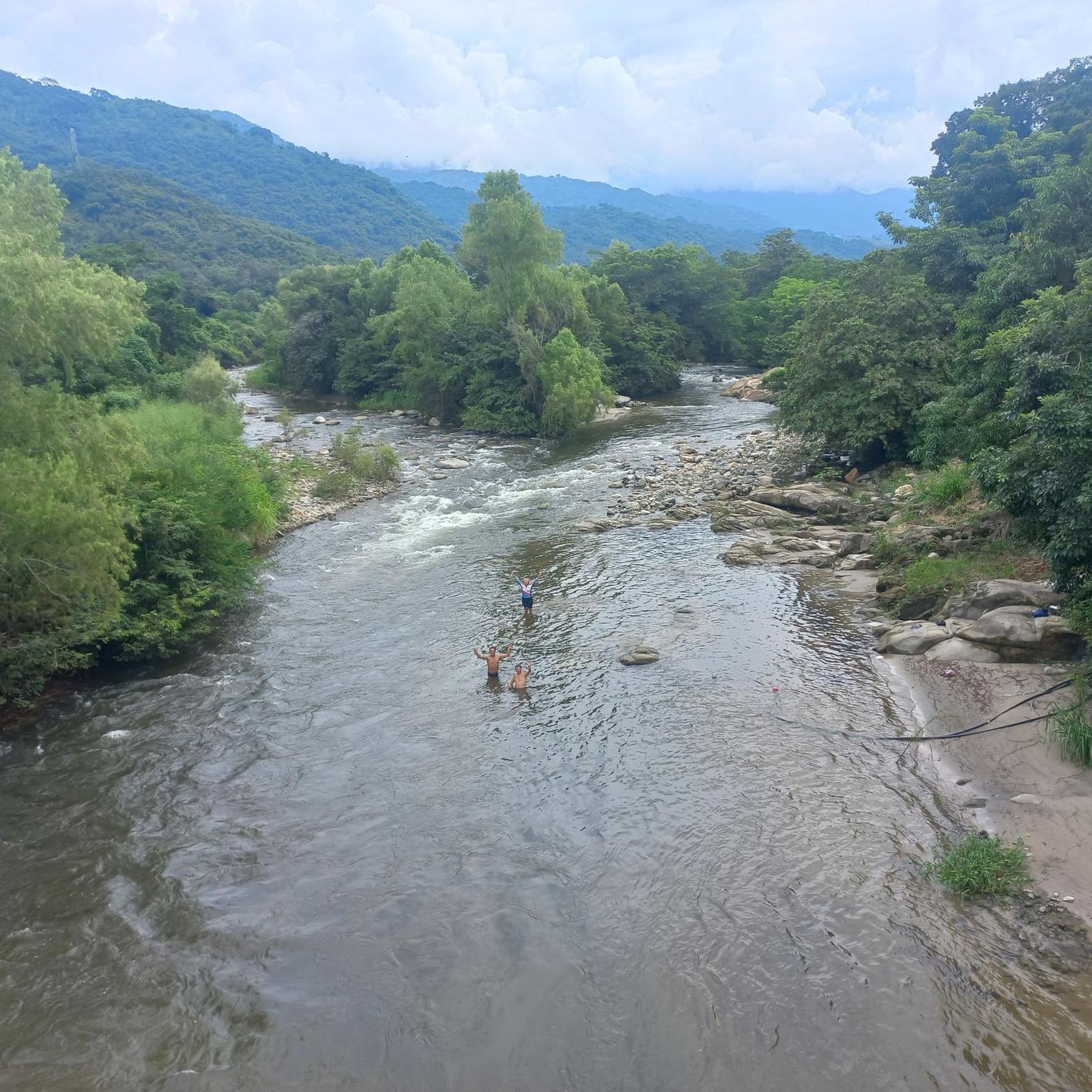
While many natural monuments are well-known, Somoto Canyon National Monument in northern Nicaragua was only 'discovered' by geologists in 2004, making it a relatively newer attraction. Its dramatic, narrow limestone walls carved by the Coco River offer an adventurous and immersive experience involving swimming, floating, and short climbs, providing a sense of discovery away from the more frequented sites.
Most popular attractions in Nicaragua

Get inspired with the komoot mobile app


Explore more
Extend your search for the best caves by checking out these guides of the top ones in Nicaragua:
