Top 20 Mountain Passes in Nepal
Best mountain passes in Nepal are high-altitude crossings in the Himalayan range. These passes historically served as vital trade routes connecting Nepal with Tibet. The region offers diverse landscapes and cultural experiences. Many passes provide access to remote areas and views of some of the world's highest mountains.
Best mountain passes in Nepal
- The most popular mountain passes is Thorong La Pass, a mountain pass that is the highest point of the Annapurna Circuit Trek. It is situated at…
Last updated: July 7, 2026
Thorong La Pass
Highlight • Mountain Pass
Tip by

Thorong High Camp
Highlight • Mountain Hut
Translated by Google •
Tip by

Sign up now to discover places like this
Get recommendations on the best single tracks, peaks, & plenty of other exciting outdoor places.
Sign up for free
Everest Memorials at Thukla Pass
Highlight • Monument
Translated by Google •
Tip by

Cho La Pass
Highlight • Mountain Pass
Translated by Google •
Tip by
Renjo La Pass
Highlight • Mountain Pass
Translated by Google •
Tip by
Kongma La Pass
Highlight • Mountain Pass
Translated by Google •
Tip by
Thapla Pass (3,165 m)
Highlight • Mountain Pass
Translated by Google •
Tip by

Mountain Scenery Near Lukla
Highlight • Viewpoint
Translated by Google •
Tip by
Upper Pisang Village
Highlight • Settlement
Translated by Google •
Tip by
Churi Ledar (Letdar)
Highlight • Trail
About 20 minutes after starting a path turning upwards steeply to your right can take you to Chulu West Basecamp.
Tip by

Sign up for free to discover even more mountain passes in Nepal.
Sign up for free
Already have an account?
Start today with a free account
Your next adventure awaits.
Login or Signup
Popular around Nepal
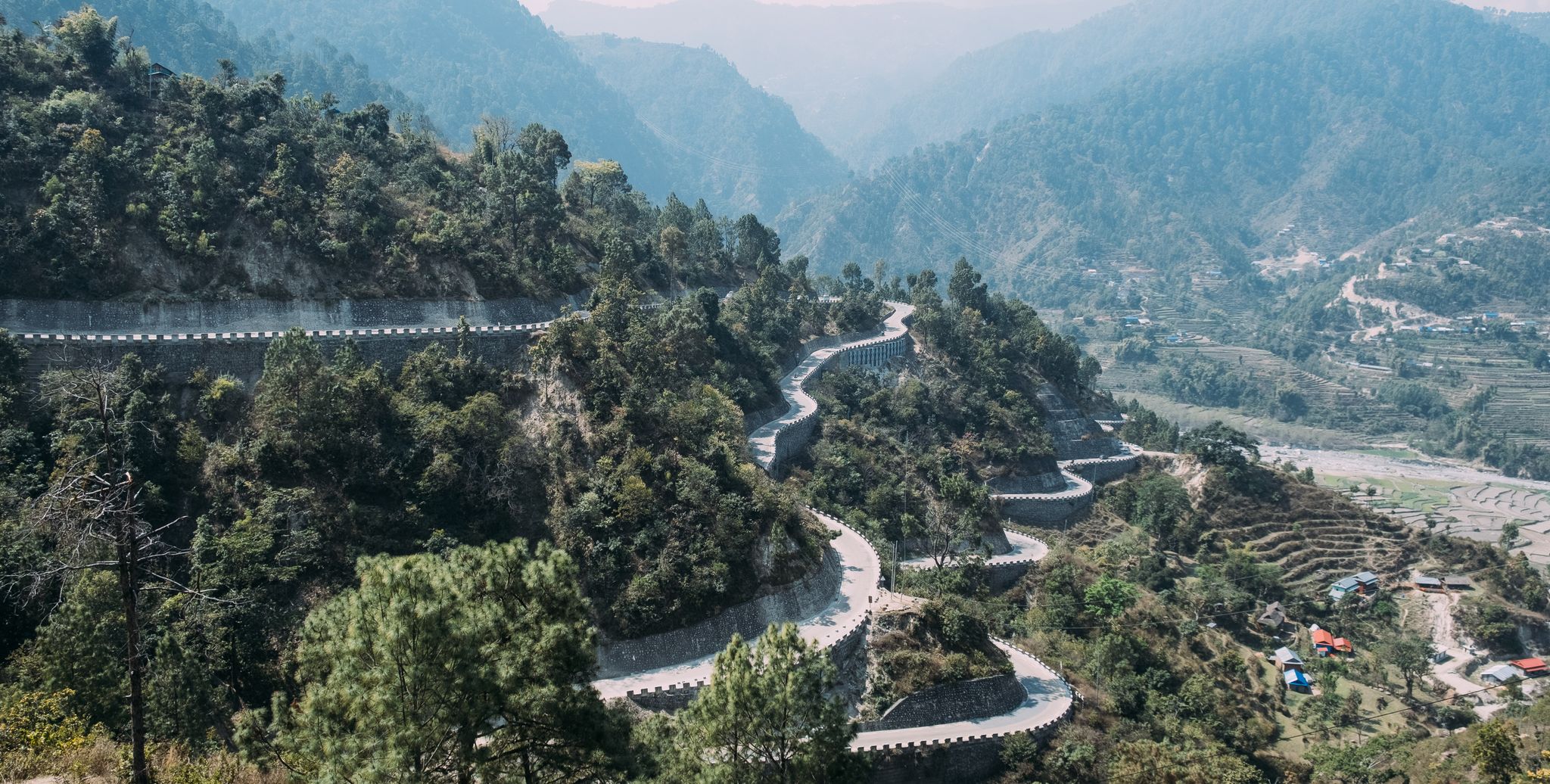
An unforeseen incredible journey – cycling from India to Nepal
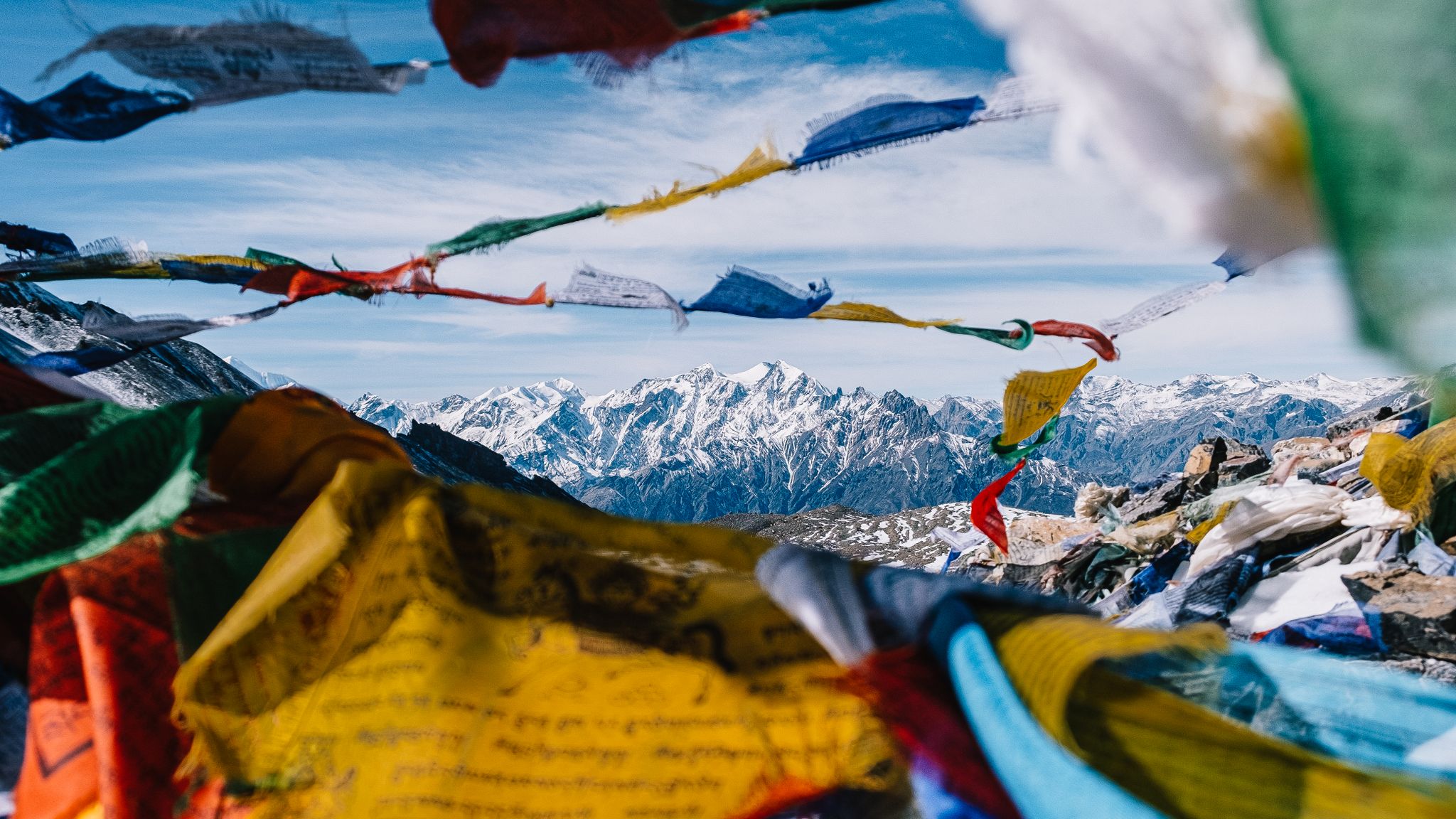
Annapurna Circuit in Nepal – Bikepacking the roof of the world
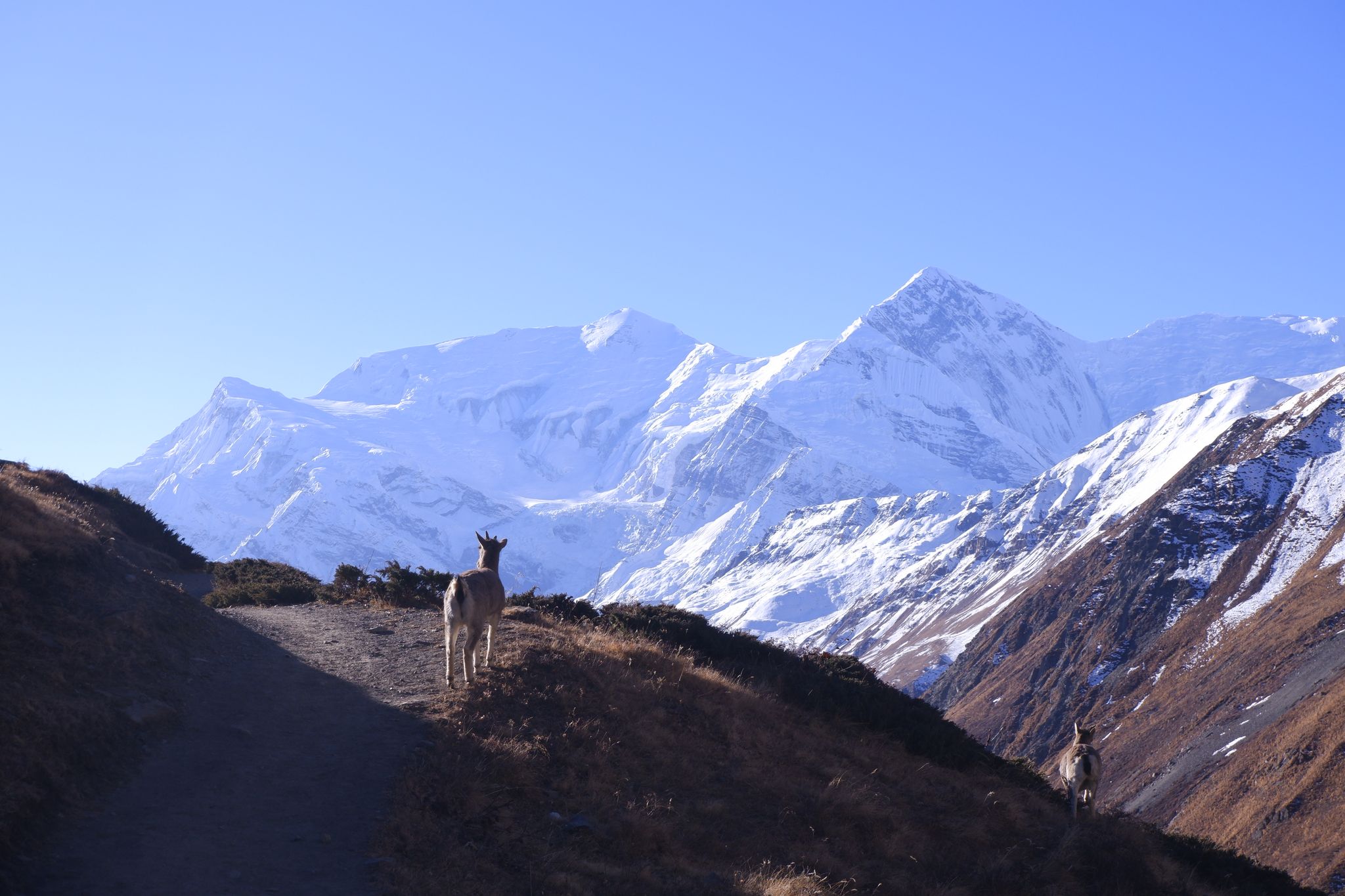
Annapurna Circuit – History and culture at high altitude in Nepal
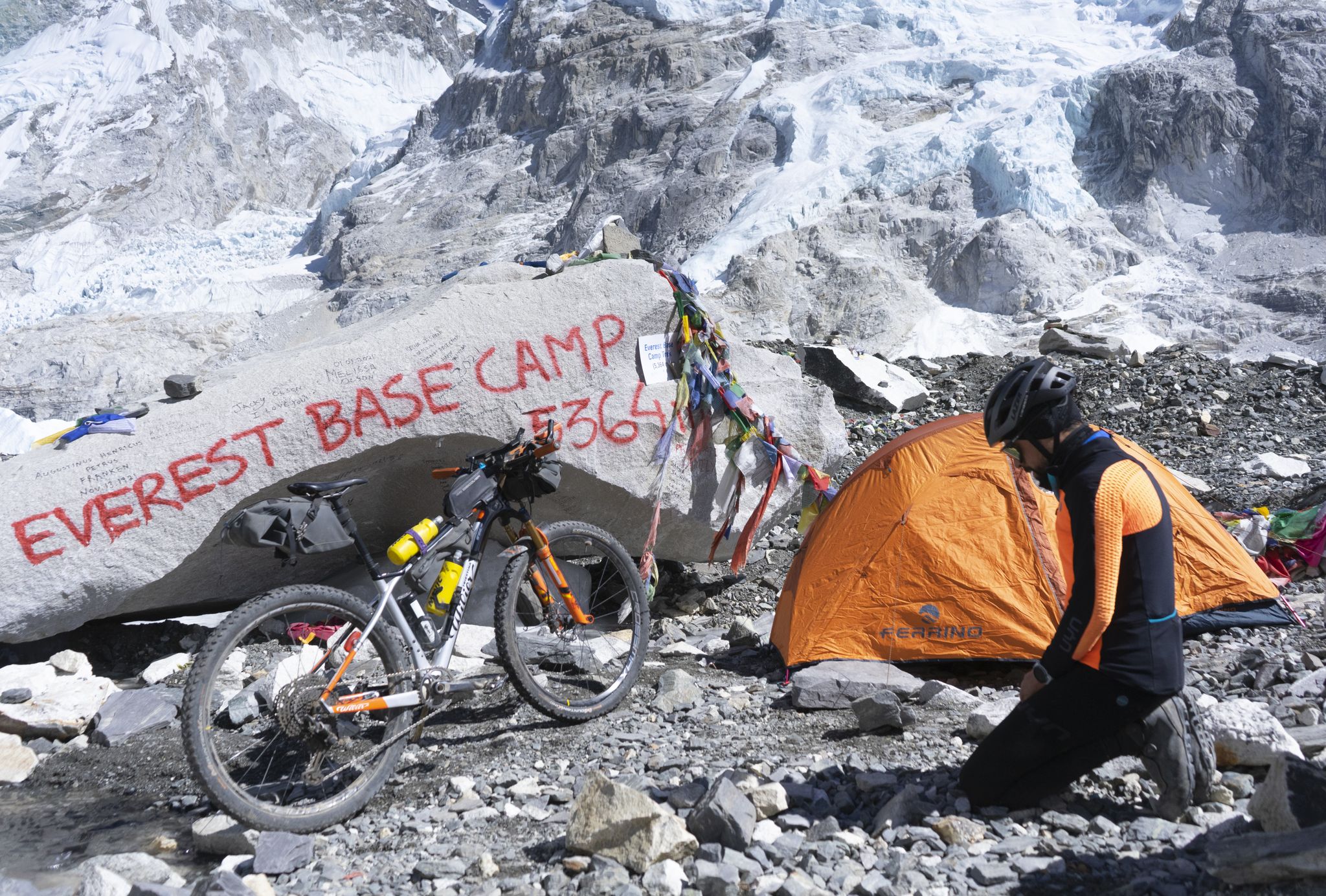
Winter Himalaya: My road to Everest Base Camp at 5364 meters
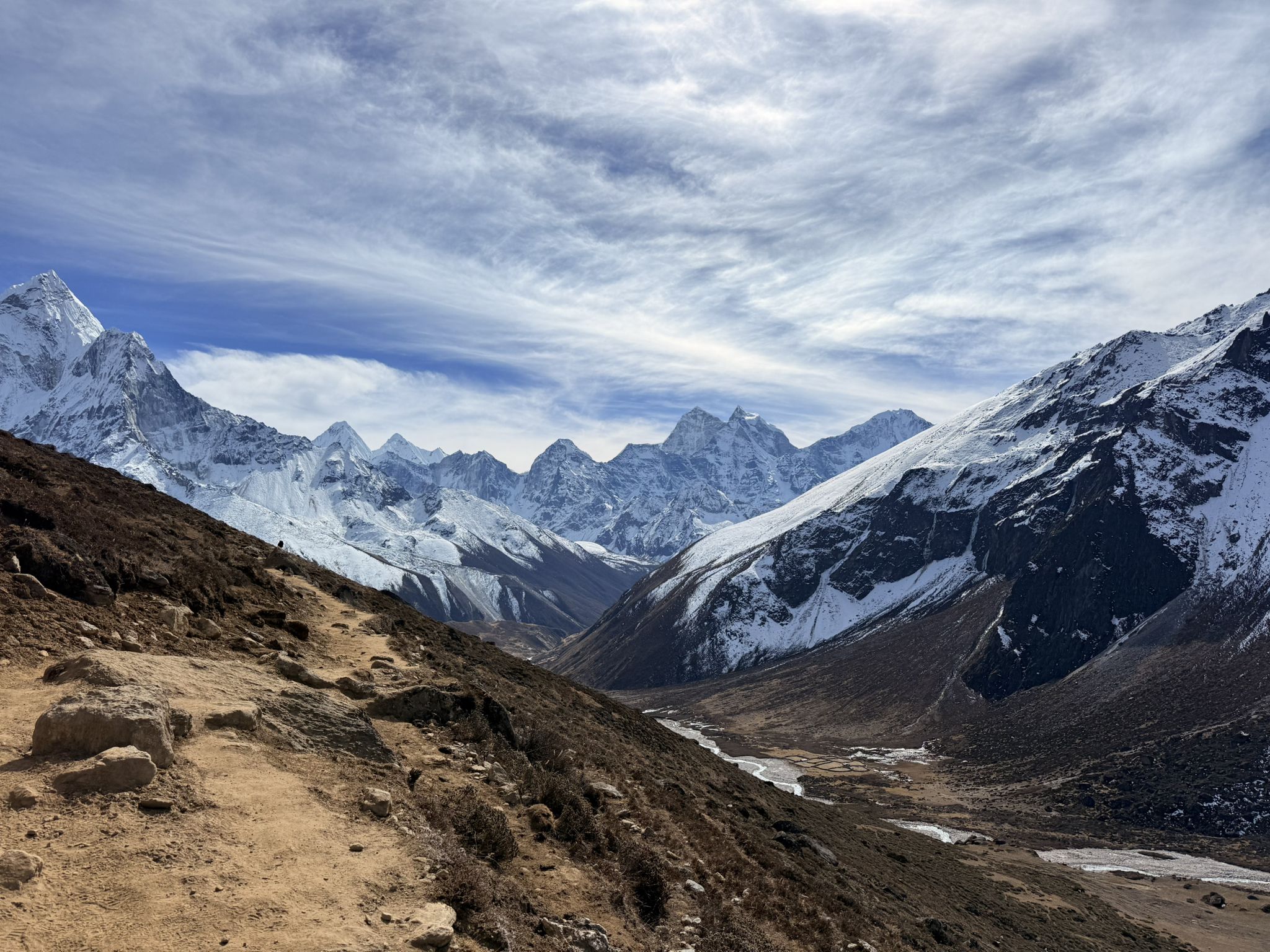
Beneath mighty Everest – fastpacking and running passes in the Khumbu
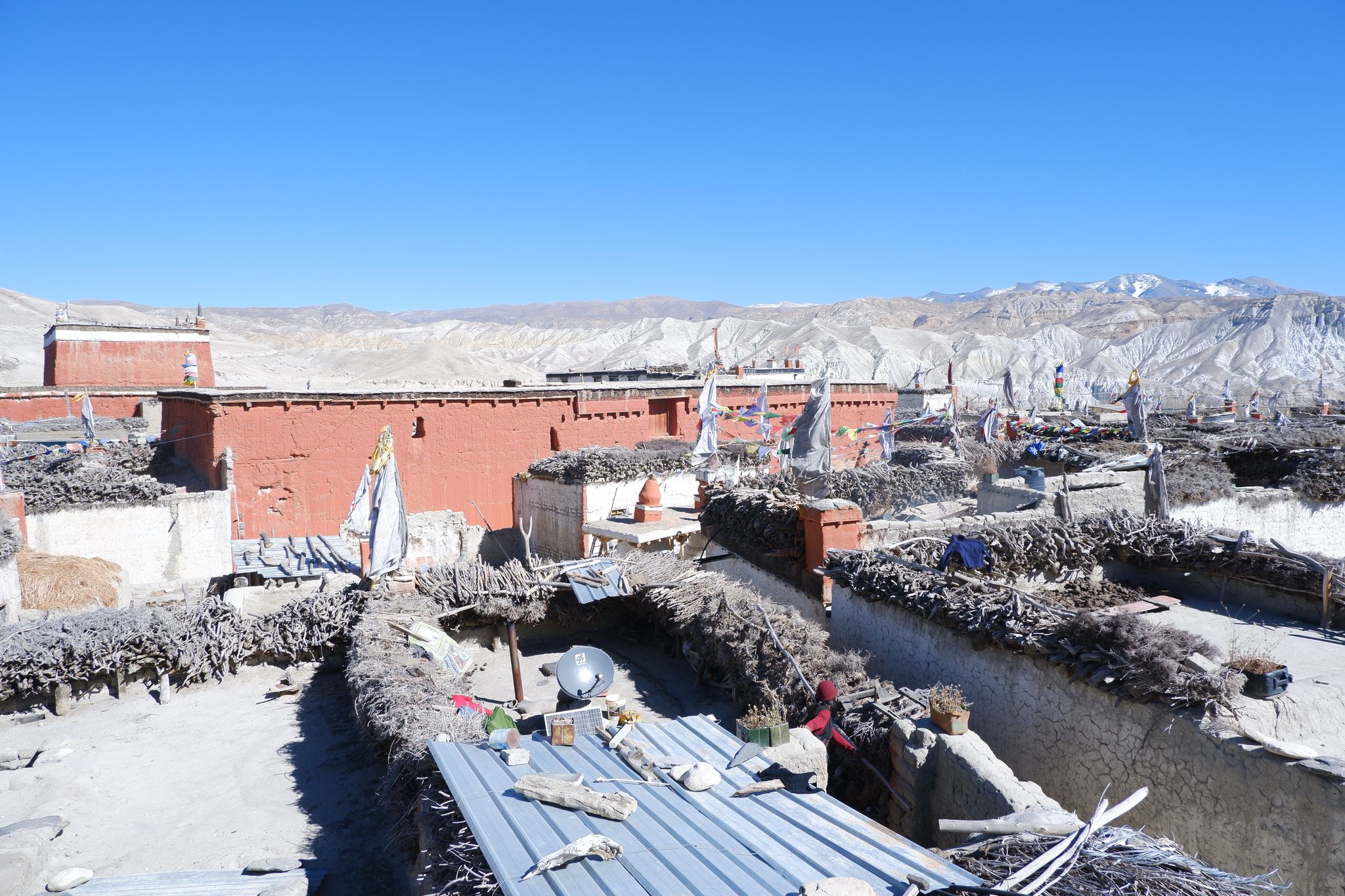
Authentic Nepal – trekking in the history of Mustang
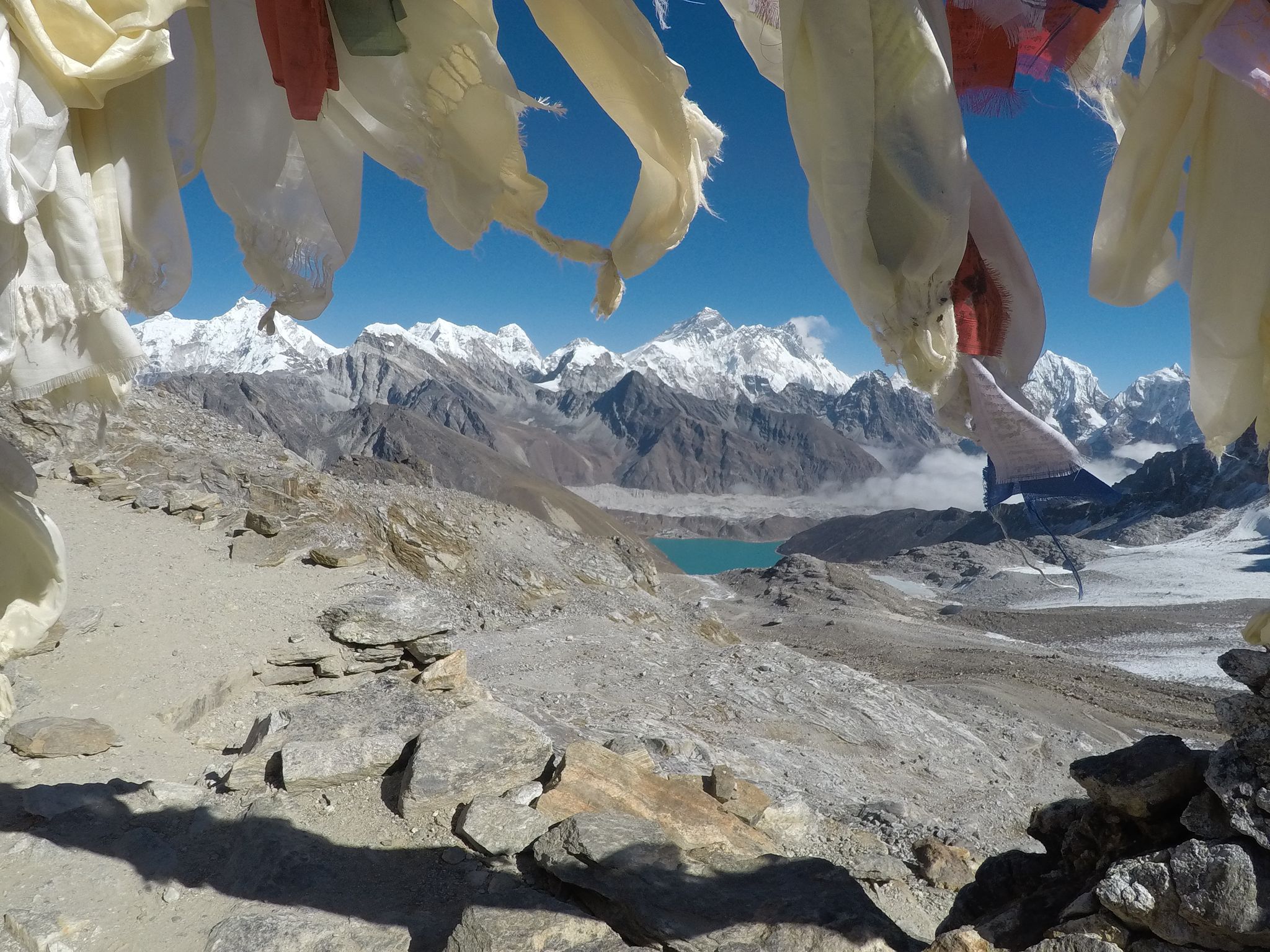
At the foot of Everest – Everest Base Camp with the three passes
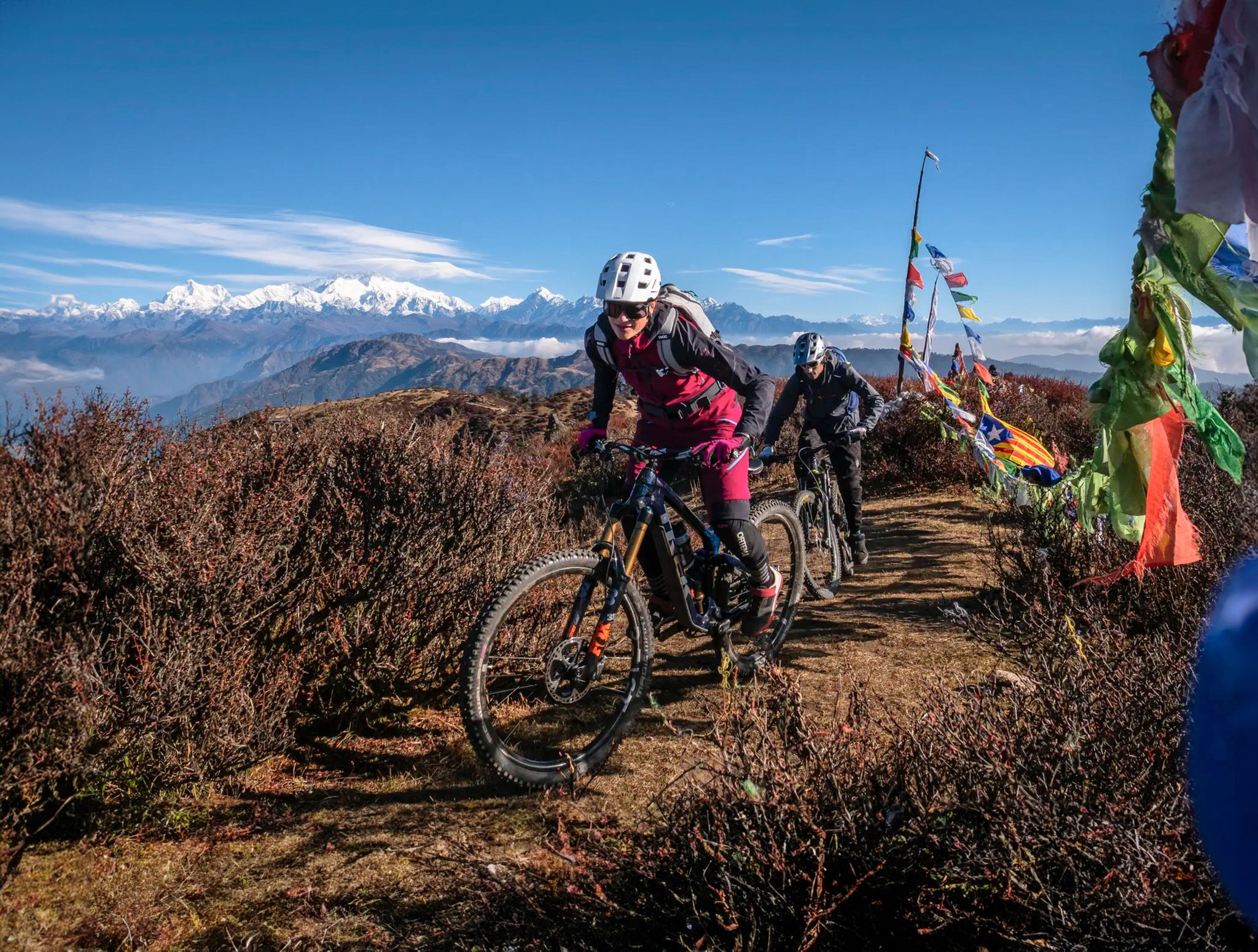
Discover India – an MTB adventure with Steffi Marth
The stairway to heaven – Mardi Himal and Annapurna base camp
Adventure in Nepal: Part 1 – Manaslu Circuit Trek
Other adventures in Nepal


Tips from the Community

The highest pass that can be crossed in the world. It is an experience that will not be forgotten anytime soon.
1
0

Ascent between heaven and earth: the Renjo La Pass 🙏 It's one of the three highest passes in the Himalayas at 5360m. We started the ascent on November 13th, 2025, at 5:00 AM, so we weren't walking up through mud, but rather on frozen ice. Due to the amount of snow, we couldn't take the secured route, but instead had to take the direct path up, which was quite strenuous. Finally at the top 🔝 Renjo La greets you not with triumph, but with awe. Lohtse, Makalu, Nupste, Everest—the giants have once again put on a beautiful display and stand still. What a sight! Namaste 🙏 Fanjo
0
0

It's very, very strenuous to hike up there, especially because of the cold, the thin air, and the altitude. But the view is worth it 🤩.
12
0


An indescribable feeling to reach the pass.
1
0
The highest point of the Annapurna Circuit and also the highest point that can be reached without climbing and without spending a lot of money. We were traveling without a porter or guide. It was a unique experience to cross the pass under our own steam and without assistance.
2
0

A wonderful view. Rest and enjoy.
0
0

A beautiful place with a view and from there it goes downhill
0
0
Frequently Asked Questions
What are some of the most popular mountain passes in Nepal?
Nepal is home to many renowned mountain passes. Among the most popular is Thorong La Pass, the highest point of the Annapurna Circuit Trek, situated at over 5,400 meters. Another highly frequented pass is Cho La Pass, a challenging route in the Everest region connecting Gokyo Valley with the Everest Base Camp trail. Renjo La Pass, also in the Everest region, offers stunning panoramic views and is considered relatively easier than other Everest passes.
What is the best time of year to trek Nepal's mountain passes?
The best time to trek Nepal's mountain passes generally falls during the spring (March to May) and autumn (September to November) seasons. During these periods, the weather is typically stable with clear skies, offering excellent visibility of the Himalayan peaks and more comfortable trekking conditions. Winter trekking (December to February) is possible for some passes but involves colder temperatures, more snow, and requires specialized gear and experience.
What permits are required for trekking mountain passes in Nepal?
Trekking through Nepal's mountain passes often requires specific permits, depending on the region. For example, the Annapurna Circuit, which includes Thorong La Pass, requires an Annapurna Conservation Area Permit (ACAP) and a Trekkers' Information Management System (TIMS) card. Similarly, the Everest region, home to Cho La, Renjo La, and Kongma La passes, requires a Sagarmatha National Park Entry Permit. Restricted areas, like the Nar Phu Valley (near Kang La Pass), may require additional special permits and often mandate trekking with a registered guide.
Are there any particularly challenging mountain passes in Nepal?
Yes, Nepal features several highly challenging mountain passes. Kongma La Pass, at 5,535 meters, is considered the most strenuous of the Everest Three Passes due to significant snow and ice. Amphu Lapcha Pass, at a tremendous height of 5,845 meters, is the highest and most technically demanding pass, often requiring climbing skills and remaining frozen for much of the year. Kang La Pass, at 5,320 meters, is also known for its difficulty and unpredictable weather.
What kind of accommodation can I expect along the major mountain pass treks?
Along popular trekking routes like the Annapurna Circuit and Everest Three Passes, you'll find teahouses and lodges offering basic accommodation. These typically provide simple rooms with beds, blankets, and shared bathroom facilities. Some higher-altitude locations, such as Thorong High Camp, offer more rudimentary shelter. It's advisable to book ahead during peak seasons, especially for larger groups.
What historical significance do Nepal's mountain passes hold?
Historically, many of Nepal's mountain passes served as vital trade routes, connecting Nepal with Tibet. These high-altitude crossings facilitated the exchange of goods, culture, and ideas between the two regions for centuries. They were crucial pathways for local communities and continue to offer insights into the diverse cultures of ethnic groups like the Gurungs and Magar who inhabit these mountainous areas.
What natural features and views can I expect from these passes?
Nepal's mountain passes offer unparalleled natural beauty. From passes like Thorong La, you can witness stunning panoramic views of Annapurna I-IV, Manaslu, Dhaulagiri, and Machhapuchhre. The Everest region passes, including Cho La and Renjo La, provide breathtaking vistas of Mount Everest, Lhotse, Makalu, and Cho Oyu. Trekkers often encounter diverse landscapes, from lush valleys to barren, high-altitude terrain, and glaciers like the Khumbu Glacier.
Are there any less-traveled or 'hidden gem' mountain passes in Nepal?
While many passes are part of well-known treks, some offer a more remote experience. Larkya La Pass, the highest point of the Manaslu Circuit Trek, provides dramatic scenery and a rich cultural experience around Mount Manaslu, often considered less crowded than the Annapurna or Everest regions. The Nar Phu Valley, accessed via Kang La Pass, was only opened to trekkers in 2003 and offers a unique, less-traveled route through a restricted area.
What outdoor activities can I do near Nepal's mountain passes?
Beyond trekking, the regions around Nepal's mountain passes offer various outdoor activities. You can find numerous hiking trails, ranging from easy day hikes to multi-day expeditions. For those interested in cycling, there are road cycling routes, particularly in the lower regions. Additionally, some areas offer opportunities for running trails, allowing you to explore the diverse landscapes at a faster pace.
What do visitors enjoy most about trekking Nepal's mountain passes?
Visitors consistently highlight the breathtaking views of the Himalayan Annapurna mountains and other peaks as a major draw. The sense of accomplishment after reaching high-altitude passes like Thorong La Pass is often mentioned. Trekkers also appreciate the exposure to local culture, the hospitality of ethnic groups, and the unique experience of traversing challenging yet rewarding terrain. The memorials at places like Everest Memorials at Thukla Pass also leave a lasting impression.
Is public transport available to the starting points of major mountain pass treks?
Yes, public transport options are generally available to the starting points of major treks. For the Annapurna Circuit, you can typically find buses or jeeps from Kathmandu or Pokhara to Besisahar, the traditional starting point. For the Everest region treks, the most common approach is a flight to Lukla, though local buses can take you to Jiri or Phaplu, from where longer treks begin. The Manaslu Circuit also has public transport connections to its starting points from Kathmandu.
Most popular attractions in Nepal

Get inspired with the komoot mobile app


Explore more
See even more epic mountain passes by checking out these guides in Nepal:
