Top 20 Natural Monuments in India
Best natural monuments in India showcase the country's diverse geography, from towering mountain ranges to ancient geological formations. India features a variety of natural landscapes, including waterfalls, caves, and high-altitude passes. These sites highlight the country's natural beauty and offer distinct ecosystems. The region provides numerous opportunities for exploring unique natural features.
Best natural monuments in India
- The most popular natural monuments is Neer Garh Waterfall, a waterfall that is reached after an easy hike from the road. This waterfall features natural pools and is suitable for swimming.
- Another must-see spot is Saheliyon Ki Bari, a large garden and natural monument. This site in Udaipur, Rajasthan, features fountains, kiosks, a lotus pool, and marble elephants.
- Visitors also love Khandagiri and Udayagiri Caves, ancient caves and a protected heritage site. These caves are a place for Buddhist monks and offer a relaxing experience for visitors.
- India is known for its waterfalls, caves, and mountain passes. The country offers a variety of natural monuments to see and explore, from geological formations to diverse ecosystems.
- The natural monuments in India are appreciated by the komoot community, with 12 upvotes and 5 photos shared by visitors.
Last updated: July 7, 2026
Bhagsu Waterfall
Highlight • Waterfall
Translated by Google •
Tip by

Neer Garh Waterfall
Highlight (Segment) • Waterfall
Tip by

Sign up now to discover places like this
Get recommendations on the best single tracks, peaks, & plenty of other exciting outdoor places.
Sign up for free
Saheliyon Ki Bari
Highlight • Natural Monument
Translated by Google •
Tip by

Ranigumpha Cave, Odisha
Highlight • Cave
Ranigumpha, meaning "Queen's Cave," is a significant archaeological site located near the Udayagiri and Khandagiri caves in Odisha. These caves are primarily Jain rock-cut shelters dating back to the 2nd century BCE. What makes Ranigumpha particularly interesting is its double-storied structure, a relatively unique feature among the Udayagiri and Khandagiri complex. The carvings and sculptures found within these caves offer valuable insights into the art, religion, and society of ancient Odisha during that era. You can see intricate depictions of human figures, animals, religious symbols, and scenes that likely illustrate Jataka tales or Jain principles.
Exploring Ranigumpha gives you a tangible connection to India's rich historical and religious past. Imagine the Jain ascetics who once sought refuge and practiced their faith within these very rock-cut chambers. The simplicity of the architecture, juxtaposed with the detailed carvings, speaks volumes about their way of life and the artistic expressions of the time. The site's proximity to other significant caves like Udayagiri and Khandagiri makes it part of a larger historical tapestry, offering a comprehensive look at the ancient heritage of the region. Have you had a chance to explore these caves in person?
Tip by

Kongmaru La Pass (5,236 meters)
Highlight • Mountain Pass
Translated by Google •
Tip by

Jallianwala Bagh Memorial, Amritsar
Highlight • Monument
en.wikipedia.org/wiki/Jallianwala_Bagh_massacre
de.wikipedia.org/wiki/Massaker_von_Amritsar
Translated by Google •
Tip by

Khandagiri and Udayagiri Caves
Highlight • Cave
Tip by

Surajkund Baoli
Highlight • Lake
Translated by Google •
Tip by

Aurangabad Caves
Highlight • Cave
Translated by Google •
Tip by

Tiruchirappalli Rockfort
Highlight • Historical Site
It is located in the city of Tiruchirappalli, Tamil Nadu, India.
It is constructed on a 83 metres high rock.
There are two Hindu temples inside, the Ucchi Pillayar Temple, Rockfort and the Thayumanaswami Temple, Rockfort.
Tip by
Sign up for free to discover even more natural monuments in India.
Sign up for free
Already have an account?
Start today with a free account
Your next adventure awaits.
Login or Signup
Popular around India
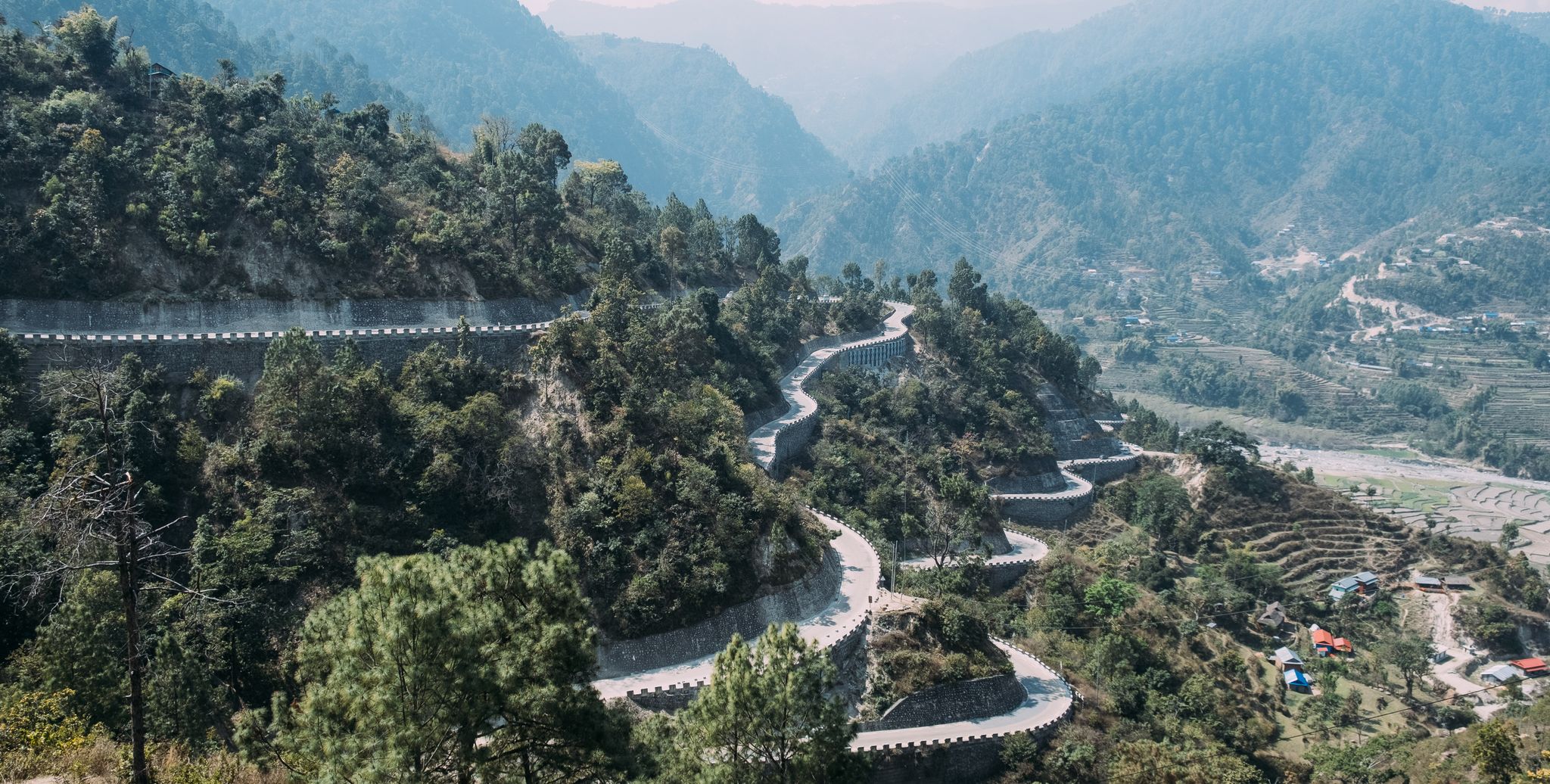
An unforeseen incredible journey – cycling from India to Nepal
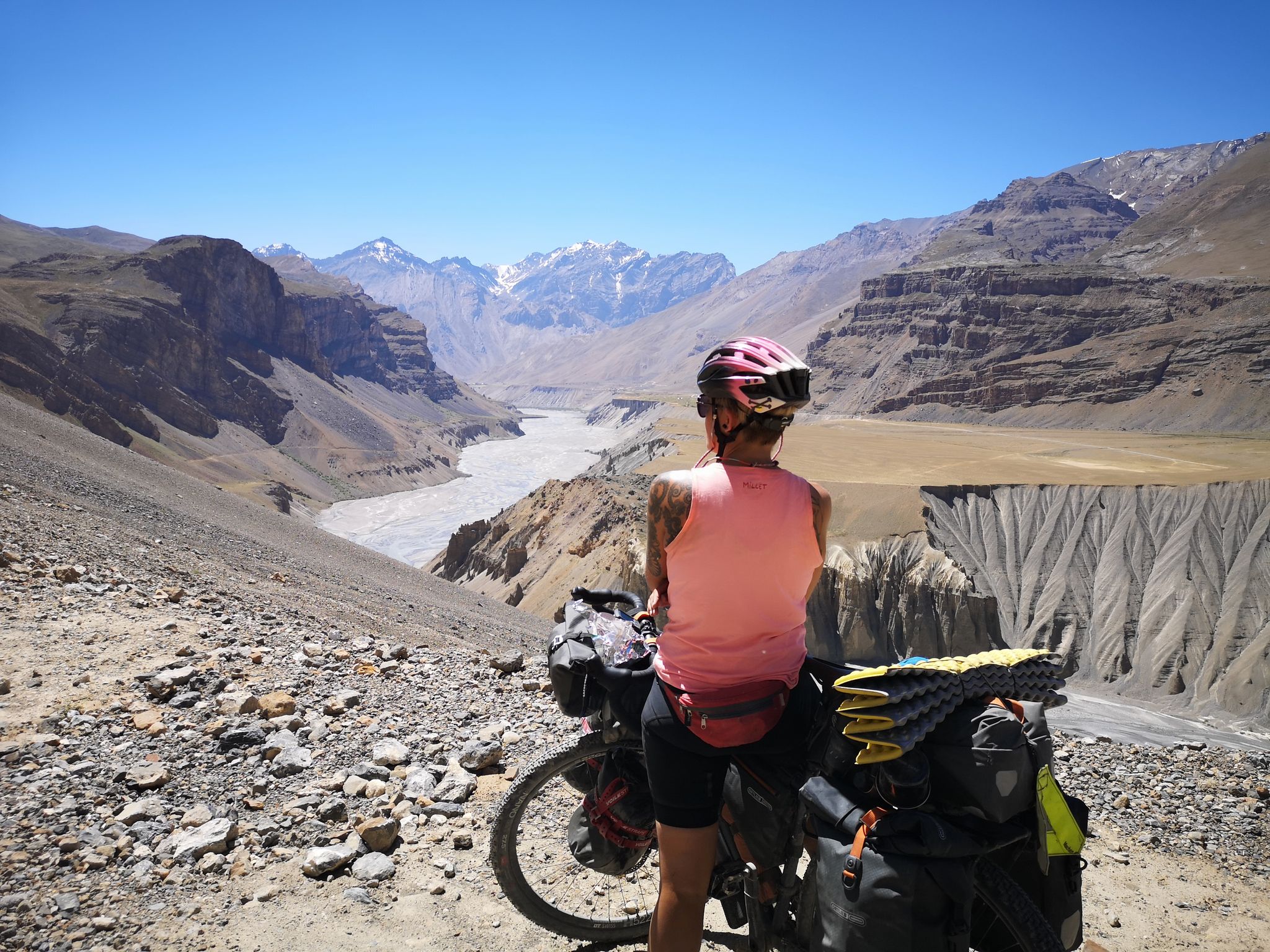
The Spiti Valley – Bikepacking in India
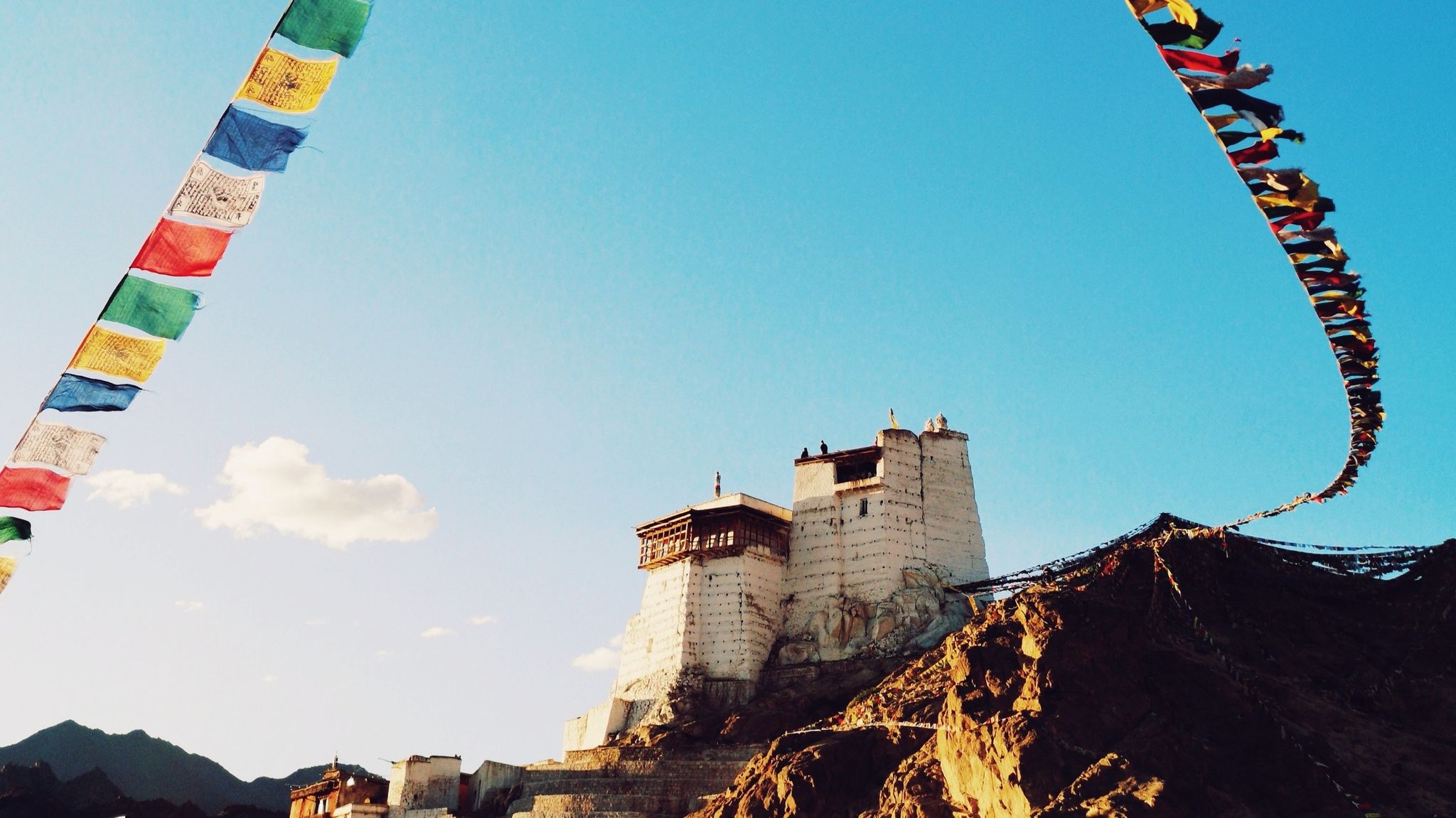
The Leh-Manali Highway – Cycling India

Discover India – an MTB adventure with Steffi Marth

India – Darjeeling: Riding between tea gardens, India & Nepal
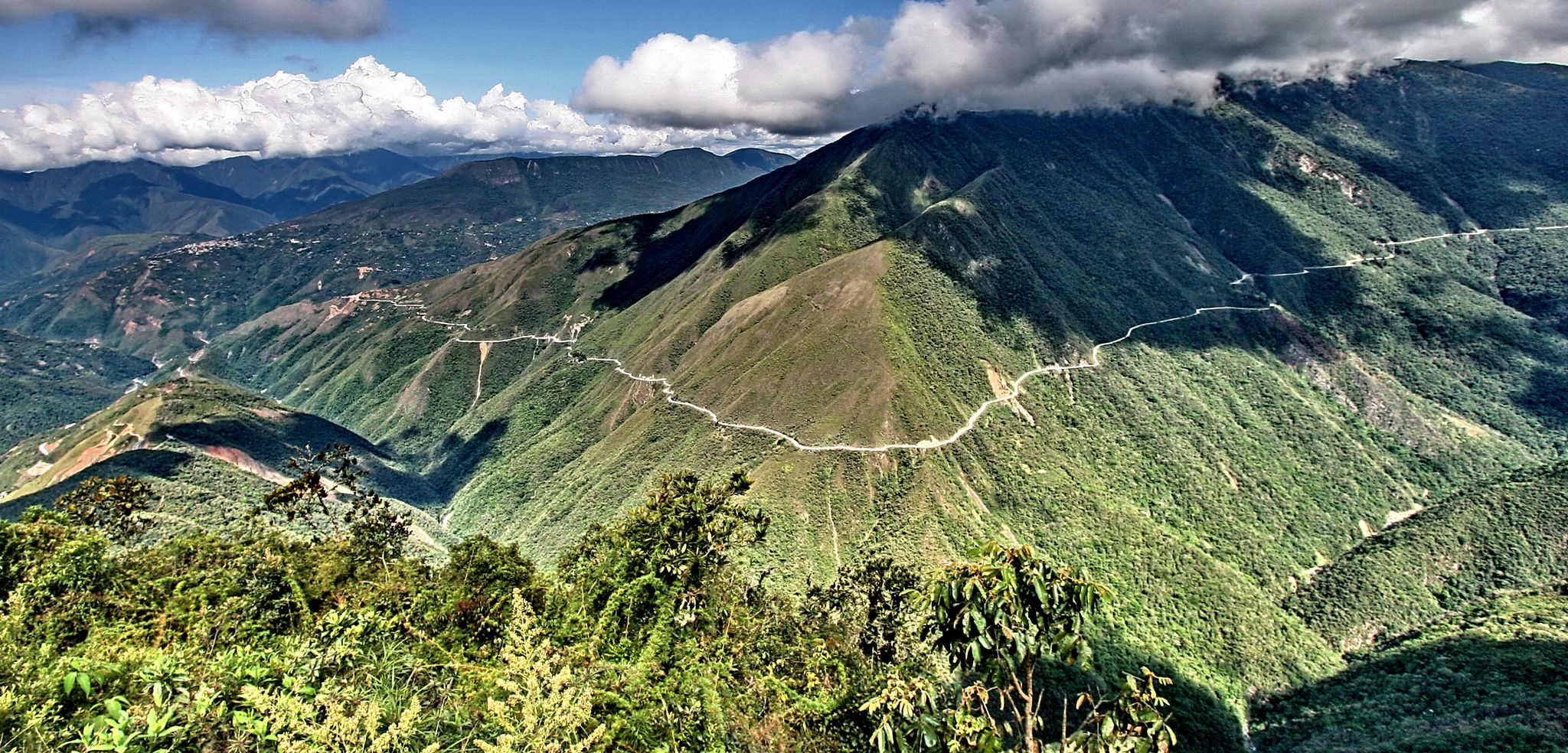
The world's most adventurous cycling passes
Running Trails in India
Hiking in India
Road Cycling Routes in India
Cycling in India
Other adventures in India


Tips from the Community

Ah, Ranigumpha in Odisha, India! That name conjures images of ancient rock-cut architecture and a glimpse into a fascinating historical period. Ranigumpha, meaning "Queen's Cave," is a significant archaeological site located near the Udayagiri and Khandagiri caves in Odisha. These caves are primarily Jain rock-cut shelters dating back to the 2nd century BCE. What makes Ranigumpha particularly interesting is its double-storied structure, a relatively unique feature among the Udayagiri and Khandagiri complex. The carvings and sculptures found within these caves offer valuable insights into the art, religion, and society of ancient Odisha during that era. You can see intricate depictions of human figures, animals, religious symbols, and scenes that likely illustrate Jataka tales or Jain principles. Exploring Ranigumpha gives you a tangible connection to India's rich historical and religious past. Imagine the Jain ascetics who once sought refuge and practiced their faith within these very rock-cut chambers. The simplicity of the architecture, juxtaposed with the detailed carvings, speaks volumes about their way of life and the artistic expressions of the time. The site's proximity to other significant caves like Udayagiri and Khandagiri makes it part of a larger historical tapestry, offering a comprehensive look at the ancient heritage of the region. Have you had a chance to explore these caves in person?
1
0

Dharamshala is the center of Buddhism and the exile of the 14th Tibetan Dalai Lama since 1959. His Holiness is also home to a large community of Tibetan refugees. This area lies on the border of the Himalayas and translates to "refuge". It is home to the Kangra Art Museum, which houses miniature paintings from the Kangra school, examples of local embroidery and traditional costumes, and photos of Kangra devastated by the 1905 earthquake.
1
0
A short walk takes you from the center of Dharmasala to the waterfalls.
1
0

12 caves for 300 Ruphias (approx. 3.30€) entrance fee, highly recommended. If you have seen the Ellora Caves before, then it won't blow you away, so it's better to go here first :).
0
0

Neer Garh Waterfall is a very beautiful waterfall with some natural pools. Dont forget your swimming clothes. There is a small entrance fee (50 Rupees for foreigners) and in the way are a lot of small tea and snack stolls.
0
0

One of the ponds in the Chittorgarh Fort. I suspect it faces (not exactly) the Surya Temple, hence the name Surajkund bawadi. This could have served as a water reserve during the hot summers for the henchmen who lived at Fort Arena. This region was previously affected by many droughts and the water reserves from torrential rains served as an oasis. Here you will feel the importance of water. We are privileged to have plenty of water for our daily needs.
0
0

Saheliyon-ki-Bari is a large garden and a popular tourist spot in Udaipur in the Indian state of Rajasthan. Located in the northern part of the city, it has fountains and kiosks, a lotus pool and marble elephants. It was built by Rana Sangram Singh. Wikipedia
0
0

Memorial to a massacre in 1919: https://en.wikipedia.org/wiki/Jallianwala_Bagh_massacre https://de.wikipedia.org/wiki/Massaker_von_Amritsar
0
0
Frequently Asked Questions
What are some of the most popular natural monuments in India?
Among the highly appreciated natural monuments in India, you'll find the Neer Garh Waterfall, known for its natural pools and easy accessibility. Another favorite is Saheliyon Ki Bari in Udaipur, a beautiful garden with fountains and marble elephants. Visitors also frequently explore the ancient Khandagiri and Udayagiri Caves, which offer a relaxing historical experience.
Are there natural monuments in India that are particularly family-friendly?
Yes, several natural monuments are great for families. Neer Garh Waterfall is family-friendly, offering natural pools for swimming after an easy hike. Saheliyon Ki Bari, a large garden in Udaipur, is also suitable for families with its fountains and open spaces. Additionally, Krishna's Butter Ball, a unique balancing rock, provides an intriguing and fun stop for all ages.
What unique geological features can I explore among India's natural monuments?
India offers a range of unique geological formations. You can visit the Lonar Crater Lake in Maharashtra, formed by a meteorite impact, or the stunning Marble Rocks in Jabalpur, where the Narmada River carves a gorge through white marble. The Borra Caves in Andhra Pradesh showcase spectacular stalagmite and stalactite formations, while the vast Rann of Kutch in Gujarat is one of the world's largest salt deserts. For a curious optical illusion, the Magnetic Hill in Ladakh makes vehicles appear to roll uphill.
What kind of outdoor activities can I do near these natural monuments?
Many natural monuments in India are excellent starting points for outdoor adventures. You can find numerous hiking trails, such as those near the Himalayas, offering routes like the 'Munnar Tea Plantations' or the 'Triund Trail'. Mountain biking is also popular, with trails like the 'Great View of Gurgaon' or 'Aravalli Loop'. For more details on routes, you can explore hiking in India or MTB trails in India.
Are there specific hiking trails that lead to or are near natural monuments?
Yes, several natural monuments are accessible via hiking trails. For instance, a short walk leads to Bhagsu Waterfall from Dharmasala. The Neer Garh Waterfall is also reached after an easy hike. For more challenging options, trails like the 'View of Dharamsala – Triund Trail' are near mountainous natural features. You can find more information on specific routes in the hiking guide for India.
What is the best time to visit India's natural monuments?
The best time to visit largely depends on the specific monument and region. Generally, the cooler, dry months from October to March are ideal for most parts of India, especially for exploring deserts like the Rann of Kutch or caves. For mountainous regions like the Himalayas or the Valley of Flowers, May to October is often preferred, avoiding heavy snow or monsoon rains. Waterfalls like Dudhsagar are most spectacular during the monsoon season (June to September), though accessibility might be challenging.
Are there any historical or cultural sites integrated with natural monuments?
Absolutely. The Saheliyon Ki Bari in Udaipur is a historical garden that functions as a natural monument. The ancient Khandagiri and Udayagiri Caves are protected heritage sites that served as residences for Buddhist monks. Even the Jallianwala Bagh Memorial, while primarily man-made, is considered a significant historical site within a natural setting. The Living Root Bridges of Meghalaya are also a testament to indigenous bio-engineering and cultural heritage.
What should I pack for a trip to natural monuments in India?
Packing essentials depend on the specific monument and season. Generally, comfortable walking shoes or hiking boots are crucial. For waterfalls like Neer Garh Waterfall, don't forget your swimming clothes. Sun protection (hat, sunscreen), insect repellent, and a reusable water bottle are always recommended. If visiting during monsoon, waterproof gear is essential. For higher altitudes or caves, layers of clothing are advisable.
Are there any lesser-known natural monuments in India worth exploring?
Beyond the most famous sites, India holds many hidden gems. While not explicitly listed in the top highlights, regions like the Sundarbans Mangrove Forests offer a unique ecosystem and critical habitat for wildlife. The Borra Caves, with their intricate formations, provide a fascinating underground experience. Exploring areas off the main tourist routes can reveal stunning natural beauty and tranquility.
What do visitors enjoy most about India's natural monuments?
Visitors frequently express awe at the sheer scale and diversity of India's natural monuments. Many appreciate the tranquility and breathtaking views, such as those found in the Himalayas. The opportunity to swim in natural pools at waterfalls like Neer Garh Waterfall is a highlight for some. Others enjoy the historical and cultural context intertwined with sites like Khandagiri and Udayagiri Caves, finding them relaxing and insightful.
Can I find natural monuments that are easy to visit for beginners or those seeking less strenuous experiences?
Yes, there are options for all activity levels. Neer Garh Waterfall is accessible via an easy hike from the road. Saheliyon Ki Bari is a garden that offers a leisurely stroll. For those interested in unique geological formations without strenuous activity, the Magnetic Hill in Ladakh provides an intriguing roadside stop. Many of these sites offer a chance to appreciate nature without demanding physical exertion.
Are there any mountain passes considered natural monuments in India?
Yes, India's vast mountain ranges feature several significant passes. The Kongmaru La Pass, at 5,236 meters, is a notable example that offers challenging trails and stunning viewpoints, making it a natural monument for those seeking high-altitude experiences within the Himalayas.
Most popular attractions in India

Get inspired with the komoot mobile app


Explore more
Extend your search for the best caves by checking out these guides of the top ones in India:
