Top 4 Caves in India
Best caves in India showcase a rich tapestry of history, art, and spirituality, reflecting the artistic brilliance and religious devotion of ancient civilizations. Many of these rock-cut wonders are not just natural formations but serve as cultural time capsules. The region offers a diverse range of cave experiences, from ancient monastic sites to prehistoric rock shelters. These sites provide insights into India's geological formations and its profound cultural heritage.
Best caves in India
- The most popular caves is Kailasa Temple…
Last updated: July 7, 2026
Kailasa Temple (Cave 16)
Highlight • Religious Site
Tip by

Ranigumpha Cave, Odisha
Highlight • Cave
Ranigumpha, meaning "Queen's Cave," is a significant archaeological site …
Tip by
Sign up now to discover places like this
Get recommendations on the best single tracks, peaks, & plenty of other exciting outdoor places.
Sign up for free
Khandagiri and Udayagiri Caves
Highlight • Cave
Tip by

Aurangabad Caves
Highlight • Cave
Translated by Google •
Tip by

Naida Caves
Highlight • Cave
Translated by Google •
Tip by

Koteshwar Temple
Highlight • Religious Site
Translated by Google •
Tip by
Phuktal Monastery
Highlight • Religious Site
Tip by

Vaishno Devi Temple and Cave Shrine
Highlight • Religious Site
Showing Translation
Tip by

Ajanta Caves
Highlight • Cave
This UNESCO World Heritage Site is located about 107 kms from Aurangabad in Maharashtra, India.
Tip by
Start today with a free account
Your next adventure awaits.
Login or Signup
Popular around India
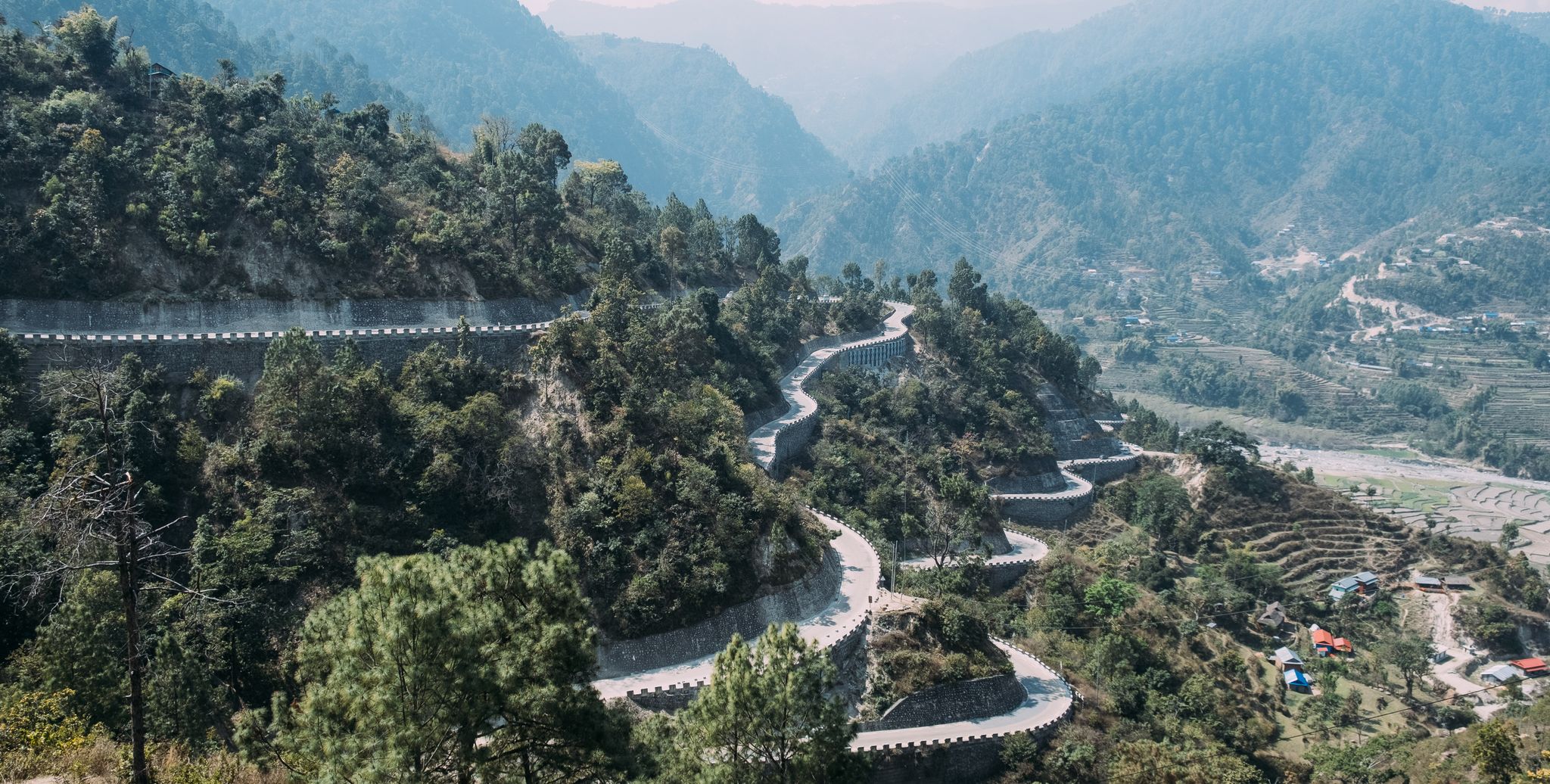
An unforeseen incredible journey – cycling from India to Nepal
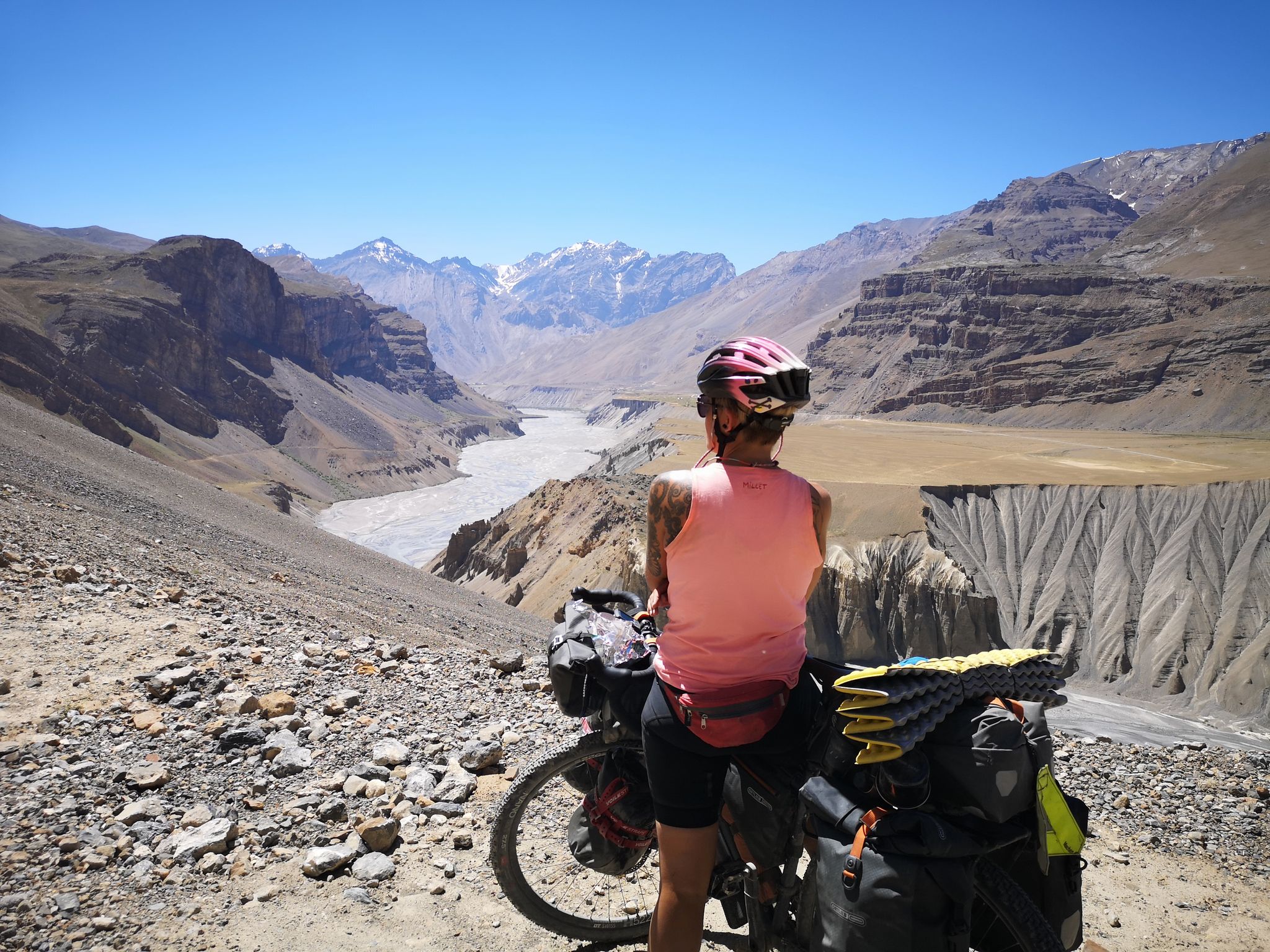
The Spiti Valley – Bikepacking in India
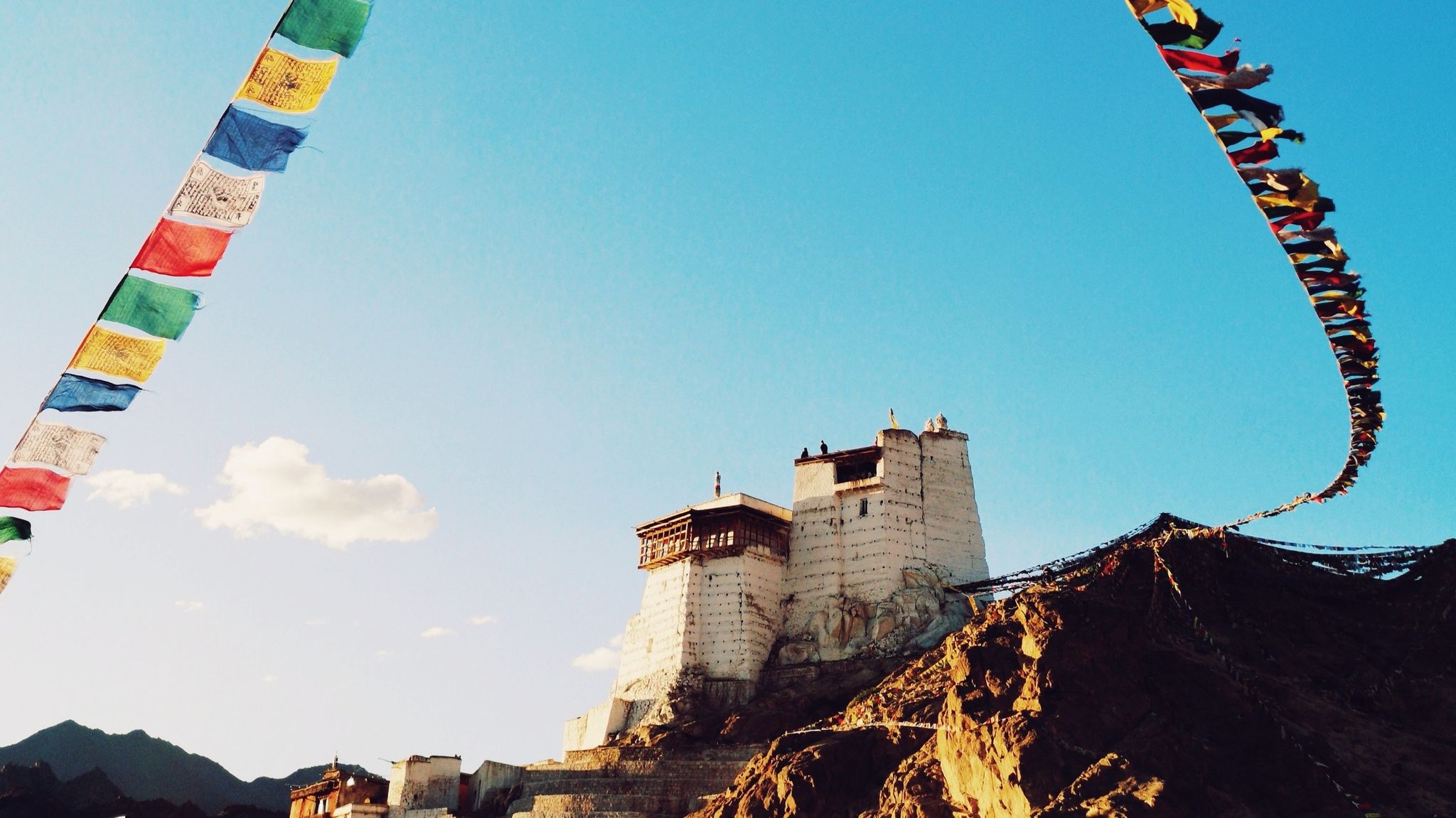
The Leh-Manali Highway – Cycling India

Discover India – an MTB adventure with Steffi Marth

India – Darjeeling: Riding between tea gardens, India & Nepal
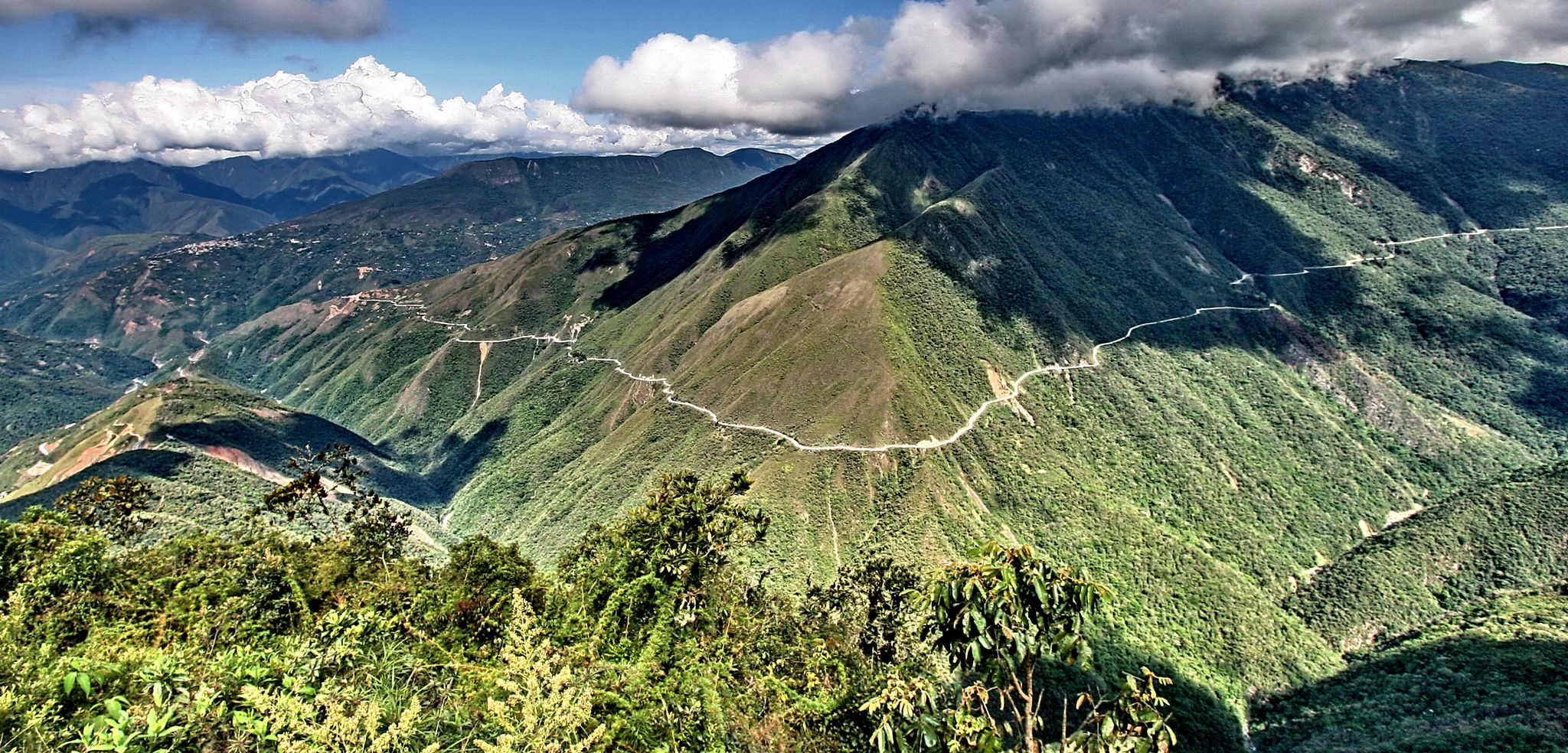
The world's most adventurous cycling passes
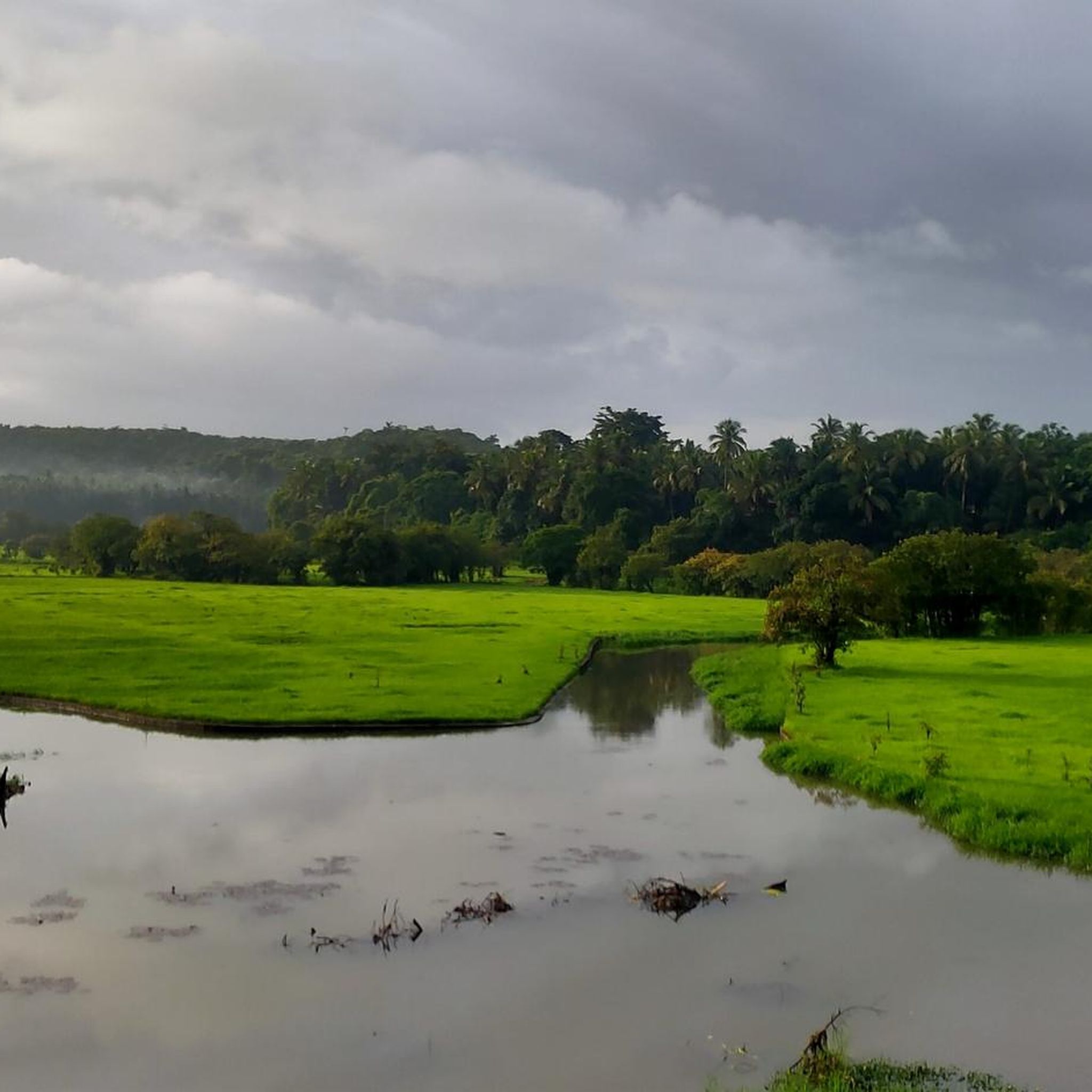
Running Trails in India
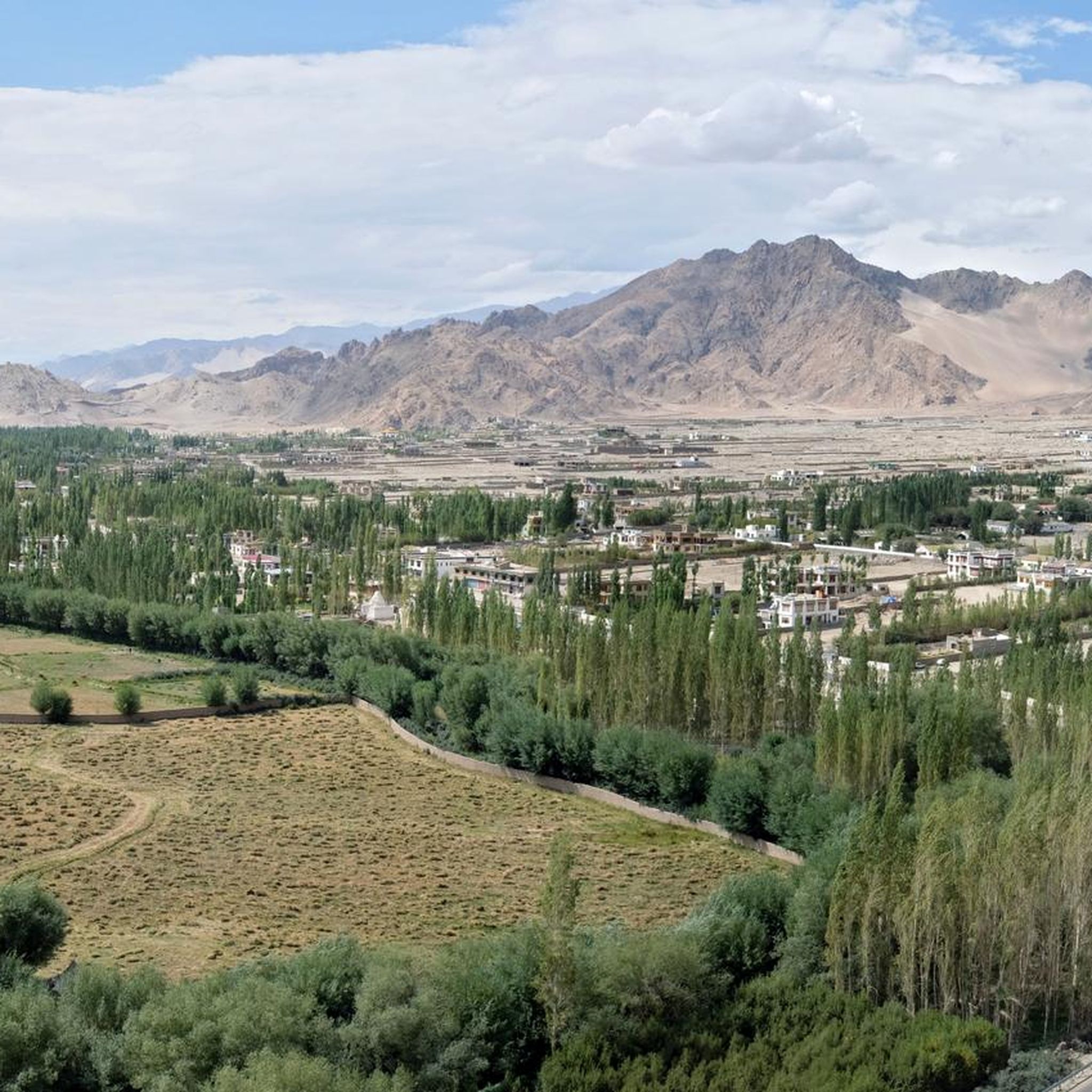
Hiking in India
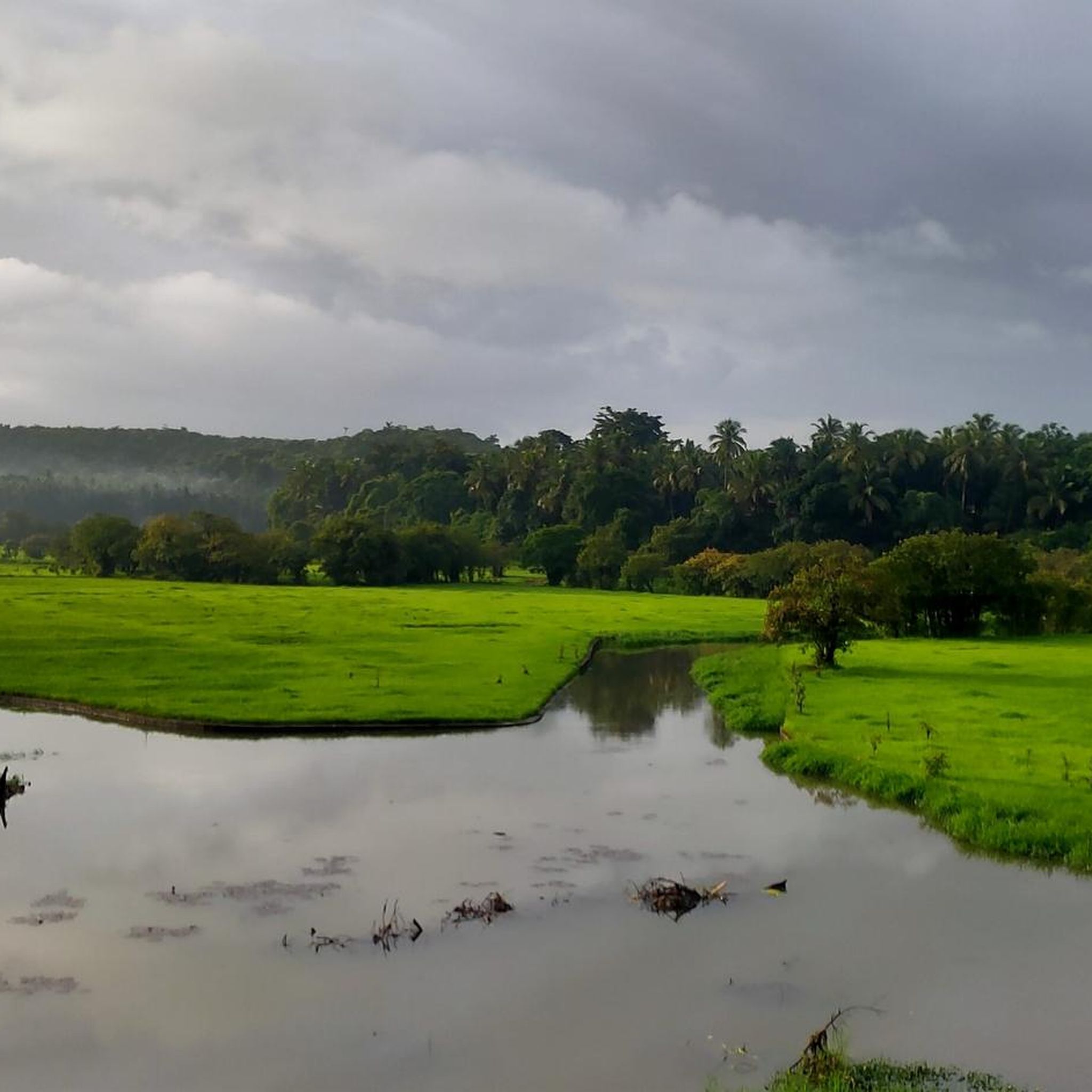
Road Cycling Routes in India
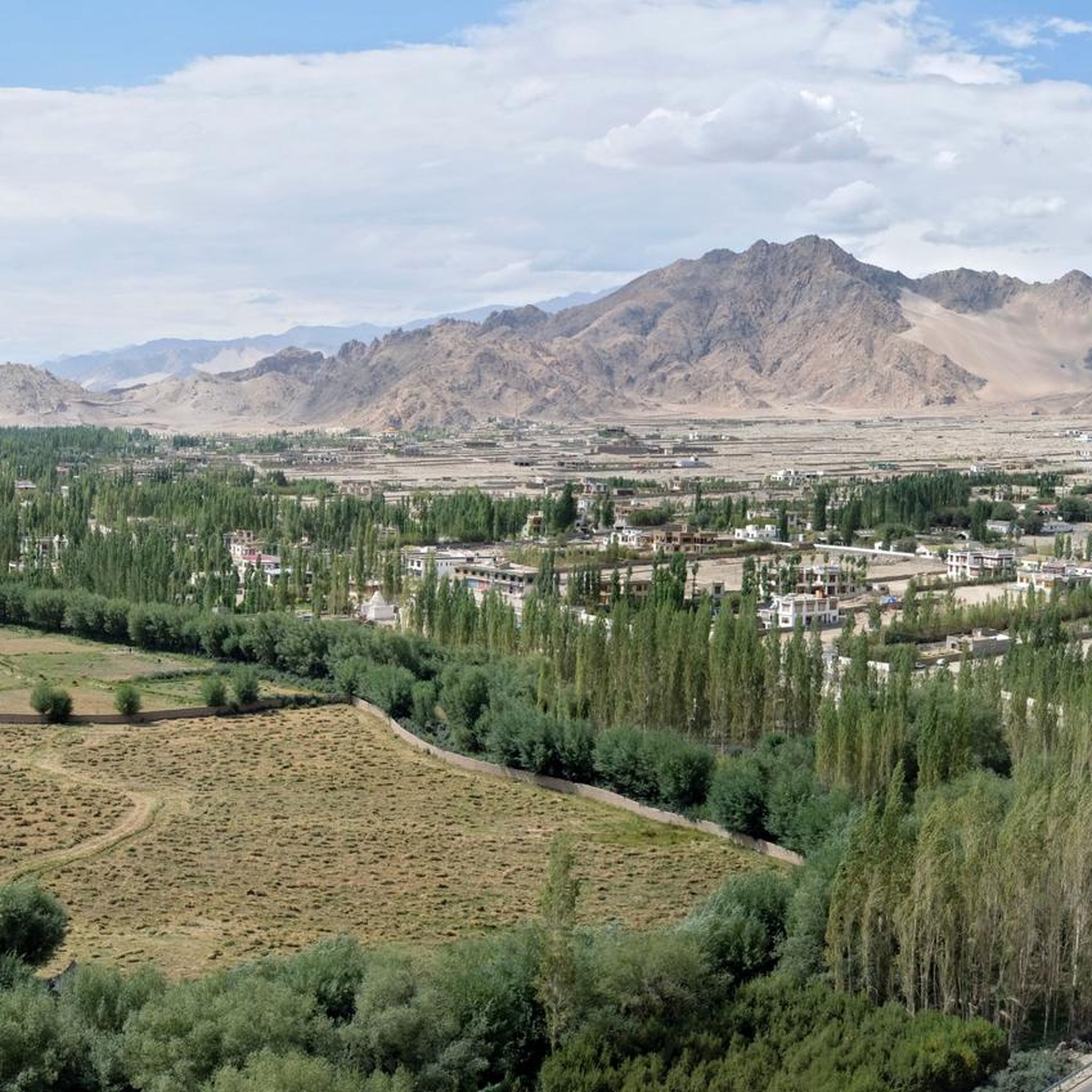
Cycling in India
Other adventures in India


Tips from the Community

Ascent from Katra approx. 12 km on foot, by horse or with porters. Only with registration and pilgrim ID card from Katra / online. Open 24/7.
0
0

The Naida Caves in Diu lie outside the city walls of the Diu Fort. They consist of an extensive tunnel system with square steps hewn into the rock, which has not yet been fully explored. It is believed that the Portuguese extracted building materials for the Diu Fort from these caves during their rule.
3
0
The Koteshwar Mahadev Temple is located in a cave. The Alaknanda River flows just a few meters away. Legend says that the god Shiva meditated in the cave on his way to Kedarnath. Pilgrims from faraway places visit the Koteshwar Temple to receive the blessings of the god Shiva.
1
0

Ah, Ranigumpha in Odisha, India! That name conjures images of ancient rock-cut architecture and a glimpse into a fascinating historical period. Ranigumpha, meaning "Queen's Cave," is a significant archaeological site located near the Udayagiri and Khandagiri caves in Odisha. These caves are primarily Jain rock-cut shelters dating back to the 2nd century BCE. What makes Ranigumpha particularly interesting is its double-storied structure, a relatively unique feature among the Udayagiri and Khandagiri complex. The carvings and sculptures found within these caves offer valuable insights into the art, religion, and society of ancient Odisha during that era. You can see intricate depictions of human figures, animals, religious symbols, and scenes that likely illustrate Jataka tales or Jain principles. Exploring Ranigumpha gives you a tangible connection to India's rich historical and religious past. Imagine the Jain ascetics who once sought refuge and practiced their faith within these very rock-cut chambers. The simplicity of the architecture, juxtaposed with the detailed carvings, speaks volumes about their way of life and the artistic expressions of the time. The site's proximity to other significant caves like Udayagiri and Khandagiri makes it part of a larger historical tapestry, offering a comprehensive look at the ancient heritage of the region. Have you had a chance to explore these caves in person?
1
0
The Kailasa Temple, also known as Cave 16 at the Ellora Caves in Maharashtra, India, stands as a breathtaking testament to ancient artistry and engineering. Carved entirely from a single, colossal rock, this monolithic structure is the largest of its kind in the world. Generations of skilled artisans meticulously chiseled away tons of stone to reveal an intricate complex featuring not just the main temple, but also gateways, smaller shrines, courtyards, and pillars, all seamlessly integrated into the original rock face. Adorned with elaborate carvings depicting scenes from Hindu epics like the Ramayana and Mahabharata, as well as a multitude of deities, the temple showcases an astonishing level of detail and narrative storytelling in stone. The aerial view highlights the immense scale of the Kailasa Temple in relation to its surroundings, underscoring the monumental effort and visionary design behind its creation. As part of the UNESCO World Heritage-listed Ellora Caves, which represent a harmonious coexistence of Hindu, Buddhist, and Jain faiths, the Kailasa Temple remains an awe-inspiring symbol of India's rich cultural and architectural heritage.
0
0

12 caves for 300 Ruphias (approx. 3.30€) entrance fee, highly recommended. If you have seen the Ellora Caves before, then it won't blow you away, so it's better to go here first :).
0
0

Phuktal Monastery or Phuktal Gompa (often transliterated as Phugtal) is a Buddhist monastery located in the remote Lungnak Valley in south-eastern Zanskar. The Phuktal Monastery is built around a natural cave, which is believed to have been visited by numerous sages, scholars, translators, and monks around 2,550 years ago.
0
0
Hewn out of a living rock, the Ajanta Caves are a famous cluster of 32 Buddhist caves. This UNESCO World Heritage Site is located about 107 kms from Aurangabad in Maharashtra, India.
2
0
Frequently Asked Questions
What makes the Kailasa Temple (Cave 16) so unique among India's caves?
The Kailasa Temple (Cave 16) at Ellora Caves is a monolithic structure carved entirely from a single, colossal rock. It is the largest of its kind globally, featuring intricate carvings depicting scenes from Hindu epics and deities, showcasing an astonishing level of detail and narrative storytelling in stone.
What historical and religious significance do the Khandagiri and Udayagiri Caves hold?
The Khandagiri and Udayagiri Caves are ancient, protected heritage sites near Bhubaneswar, dating back to the 2nd century BCE. They are significant for their Jain heritage, offering valuable insights into ancient Jain monastic life and early rock-cut architecture in India.
Are there any caves in India known for their prehistoric art?
Yes, the Bhimbetka Rock Shelters in Madhya Pradesh are a UNESCO World Heritage Site with over 500 natural caves adorned with Old Stone Age rock paintings, some estimated to be around 30,000 years old. The Edakkal Caves in Kerala also feature prehistoric petroglyphs dating back to 6,000 BCE.
Which caves in India showcase a blend of different religious architectures?
The Ellora Caves in Maharashtra are unique for their harmonious blend of Buddhist, Hindu, and Jain rock-cut architecture within a single complex. This demonstrates the religious tolerance prevalent in ancient India, with structures carved between the 6th and 10th centuries CE.
What are some other notable rock-cut caves to explore in India?
Beyond the most famous, you can explore the Badami Cave Temples in Karnataka, known for their intricate carvings of Hindu and Jain deities. The Undavalli Caves in Andhra Pradesh are renowned for their monolithic architecture and a grand reclining Vishnu statue. Additionally, the Barabar Caves in Bihar are considered the oldest surviving rock-cut caves in India, dating back to the Mauryan period.
What kind of views can I expect from the Aurangabad Caves?
The Aurangabad Caves offer a glimpse into ancient Buddhist rock-cut architecture and are particularly noted for providing a good view of the city of Aurangabad from their location.
What is the best time to visit caves in India?
Generally, the cooler, drier months from October to March are ideal for visiting most caves in India. This avoids the intense heat of summer and the heavy monsoon rains, which can make some cave access difficult or uncomfortable. For specific sites like the Elephanta Caves, the pleasant weather during these months enhances the ferry ride experience.
Are there family-friendly caves in India?
Many of India's caves, especially those with well-maintained paths and historical significance like the Ajanta and Ellora Caves, can be family-friendly. Sites like the Bhimbetka Rock Shelters, with their ancient paintings, can also be engaging for children interested in history and art. Always check specific site accessibility and conditions before visiting with young children.
What outdoor activities can I do near the caves in India?
Many cave regions offer opportunities for outdoor activities. For instance, you can find various hiking trails in India, ranging from moderate to difficult, near places like Munnar or Dharamsala. There are also numerous cycling routes around cities like Pune and Leh, and running trails in urban and natural settings.
What is the significance of the Elephanta Caves?
The Elephanta Caves, located on Elephanta Island near Mumbai, are a UNESCO World Heritage Site renowned for their colossal sculptures of Lord Shiva, particularly the Trimurti, a three-faced representation. Dating back to the 6th and 7th centuries A.D., these caves offer a fascinating insight into Shaivite iconography and ancient Indian art.
Are there any caves in India with a connection to Lord Shiva?
Yes, several caves in India have strong connections to Lord Shiva. The Koteshwar Temple is located in a cave where legend says Lord Shiva meditated. The Kailasa Temple (Cave 16) at Ellora is also dedicated to Lord Shiva and is a monumental rock-cut temple.
What are the Naida Caves known for?
The Naida Caves in Diu are known for their extensive tunnel system with square steps hewn into the rock. It is believed that the Portuguese extracted building materials for the Diu Fort from these caves during their rule, making them a site of historical and geological interest.
What do visitors appreciate most about India's caves?
Visitors often appreciate the profound historical and artistic value of India's caves. The intricate carvings, ancient paintings, and the sheer architectural marvel of rock-cut structures like the Kailasa Temple leave a lasting impression. Many also enjoy the serene atmosphere and the insights these sites provide into ancient Indian civilizations and religious practices.
Most popular attractions in India

Get inspired with the komoot mobile app


Explore more
Extend your search for the best caves by checking out these guides of the top ones in India:
