Top 20 Natural Monuments in China
Best natural monuments in China showcase a diverse range of geological formations and unique ecosystems. The country's vast landscape features towering karst peaks, colorful sandstone mountains, and serene alpine environments. Many of these sites are recognized for their outstanding universal value, attracting visitors globally. China offers numerous opportunities for exploring its natural heritage.
Best natural monuments in China
- The most popular natural monuments is Yu Garden (Yuyuan Garden), a historical site that was built as early as the Ming…
Last updated: July 7, 2026
Dragon's Back Trail
Highlight (Segment) • Trail
Translated by Google •
Tip by

Yu Garden (Yuyuan Garden)
Highlight • Historical Site
Translated by Google •
Tip by

Sign up now to discover places like this
Get recommendations on the best single tracks, peaks, & plenty of other exciting outdoor places.
Sign up for free
Teapot Mountain
Highlight • Summit
Translated by Google •
Tip by

Tai Mo Shan Summit
Highlight • Summit
Being the highest point in HK Tai Mo Shan was supposedly a …
Tip by

Golden Pavilion, Nan Lian Garden
Highlight • Monument
Translated by Google •
Tip by
Heavenly Book Wall (Tianshu Wall)
Highlight • Natural Monument
Tip by

West Lake (Xi Hu), Hangzhou
Highlight • Lake
Translated by Google •
Tip by

Qixing Main Peak (1,120 m)
Highlight • Summit
Translated by Google •
Tip by
Moon Hill
Highlight • Natural Monument
Tip by

Mt. Qixing — Main Peak (Cising Main Peak)
Highlight • Summit
Translated by Google •
Tip by
Sign up for free to discover even more natural monuments in China.
Sign up for free
Already have an account?
Start today with a free account
Your next adventure awaits.
Login or Signup
Popular around China
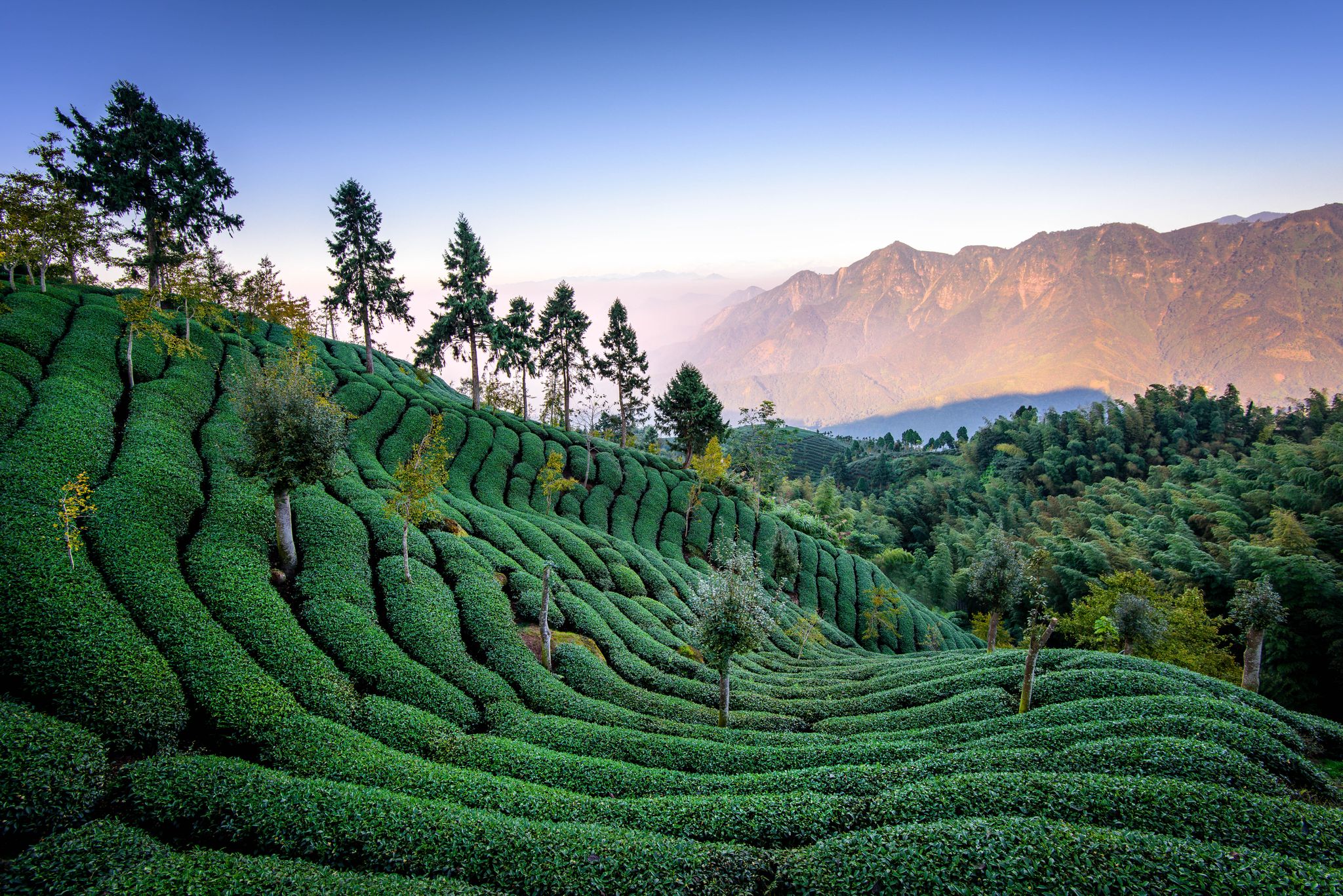
Nature at its best – hiking holidays in Taiwan

Around the World in 80 Days

Kailash — trekking on the Path of the Enlightened
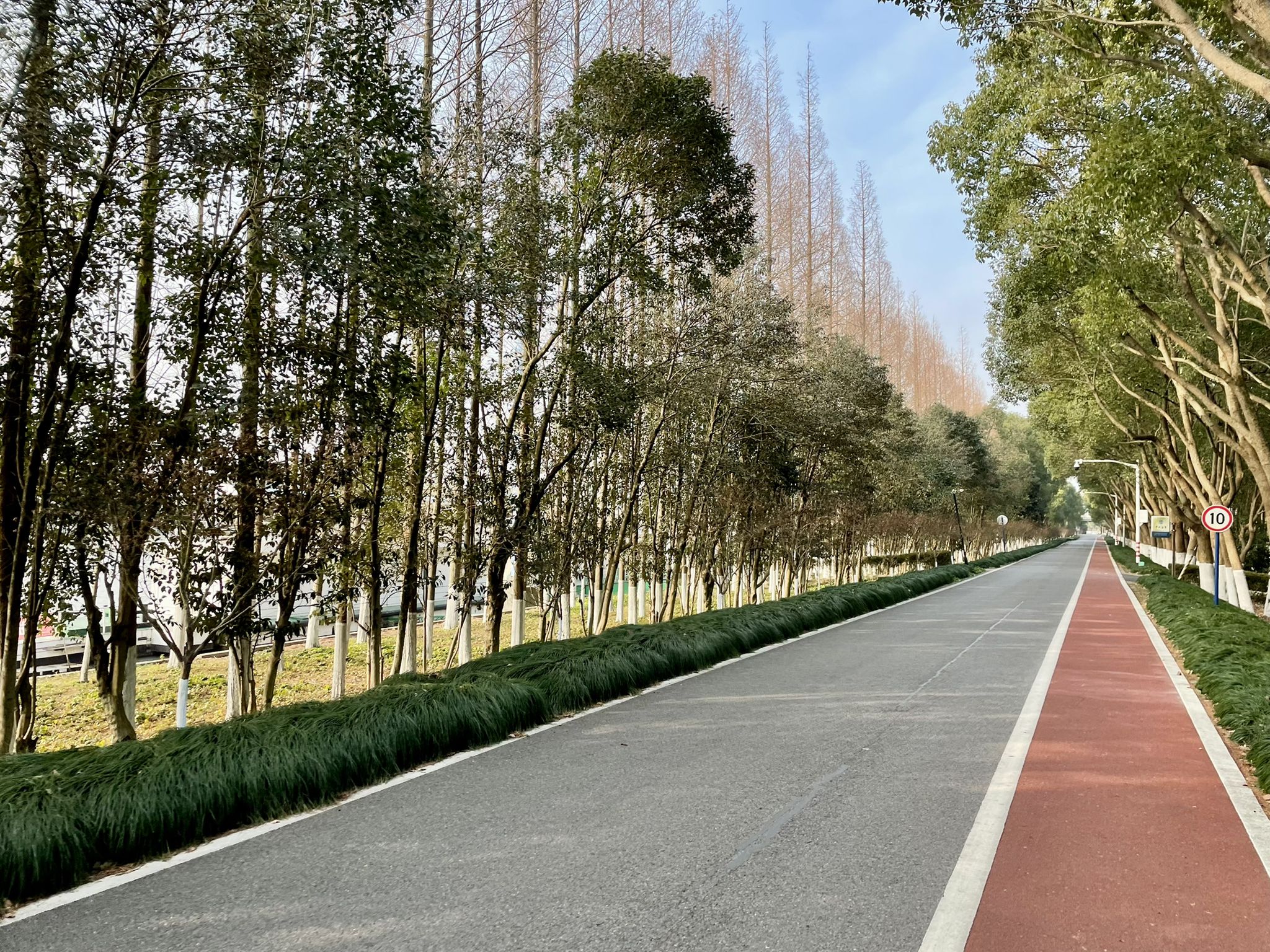
Downtown riding and day tripping — Shanghai's cycling essentials

At the roof of the world — mountain biking in China's Yunnan province

The world's most epic cycling roads
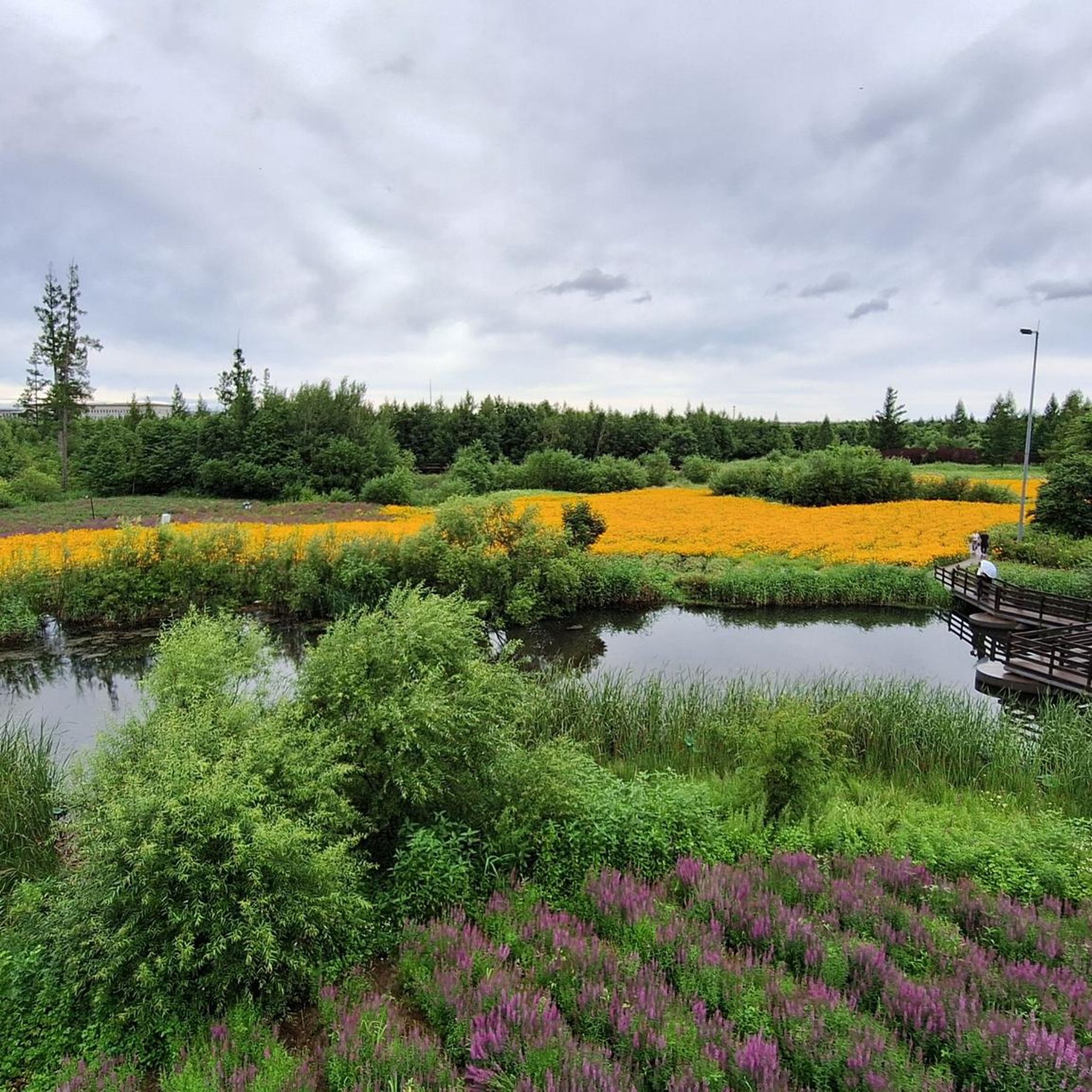
Running Trails in China
Road Cycling Routes in China
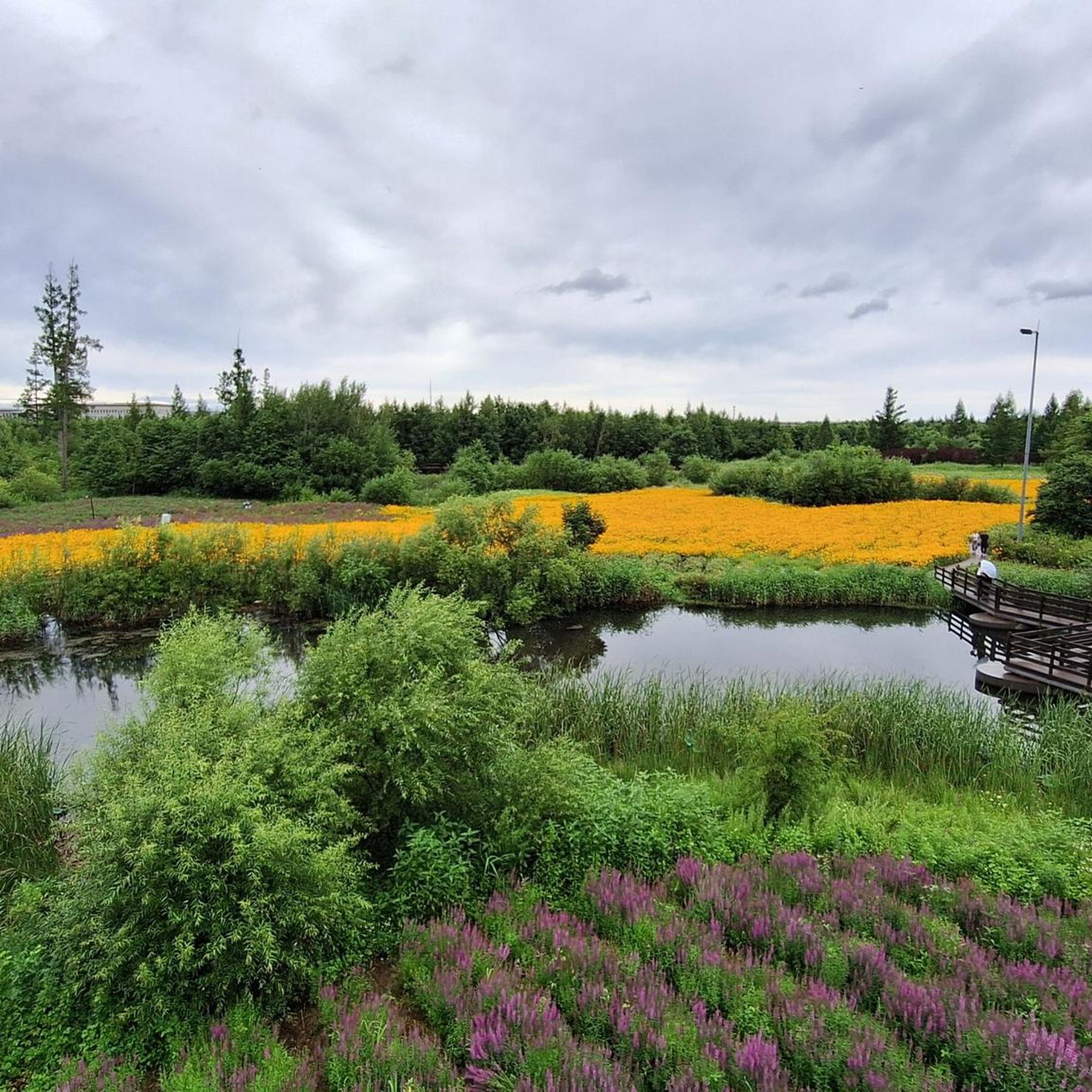
Cycling in China
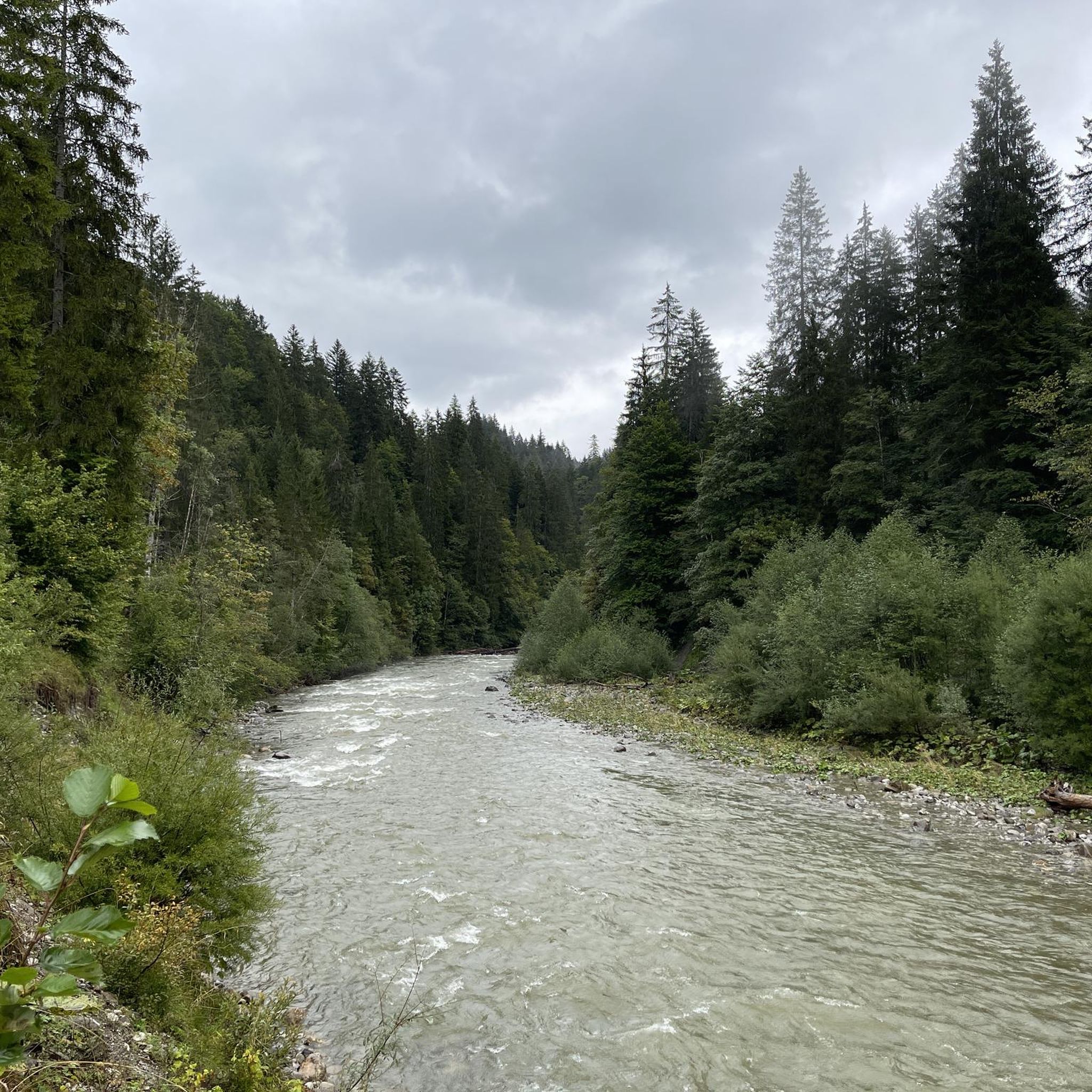
Mountain Hikes in China
Other adventures in China


Tips from the Community

Need professional assistance with your security shutters? <a href="https://londonshutterandshopfront.co.uk/">London Shutter and Shopfront</a> offers comprehensive shutter repair and professional shutter installation services throughout London. We help business owners maintain secure and attractive shopfronts with durable materials and expert maintenance. Explore our full range of services here: https://londonshutterandshopfront.co.uk/
0
0
Access to the starting point by bus or taxi (easier). Beautiful, well-maintained, and marked trails. Impossible to get lost. Pay attention to the weather; if it's cloudy, you won't see anything... frustrating. Don't do the loop; finish at the visitor center, you'll find it easier to get transport.
0
0

A beautiful place with lotus blossoms on the lake and right by the path.
0
0

Awesome route! Hällarna Visättra ängar looks like a fantastic adventure with those scenic views. Tip: Pack a lightweight rain jacket, as the weather in this area can shift quickly, especially in open meadows. As a travel blogger at www.urbanchats.com I love discovering guides like this for outdoor adventures thanks for sharing such a great trail!
1
0

A hidden gem in the heart of the bustling city, Yu Garden is a masterpiece of classical Chinese garden architecture, created in the Ming Dynasty (1559). With graceful pavilions, winding paths, ponds teeming with koi, and elaborate rockeries, this garden offers an oasis of tranquility and refinement. Every corner reveals a new view—a philosophy of "landscape with every step."
2
0


Throughout history the West Lake (西湖 = XiHu) has been an inspiration to painters and poets. Since 2011 it is also a World Heritage site for the influence the lake and its surrounding landscape had on gardens and garden design in China, Korea and Japan. Today it is a hugely popular tourist destination - and I do recommend to avoid it on weekends and holidays, as it can become very crowded. You can walk around and over the causeways. There are also electric carts that offer rides (I think they are 20RMB per person). If you want to ride around the lake, you are limited only to the ring road, the causeways are strictly off limits.
1
0

historic garden, very winding and there is something new to discover around every corner
1
0
Frequently Asked Questions
What are some of the most popular natural monuments to visit in China?
China offers a breathtaking array of natural monuments. Among the most popular are Jiuzhaigou National Park, renowned for its multi-colored lakes and waterfalls, and Zhangjiajie National Forest Park, famous for its towering quartz sandstone pillars. Other highly acclaimed sites include Huangshan (Yellow Mountain) with its unique pines and sea of clouds, and the vibrant 'rainbow-hued' rock formations of Zhangye National Geopark.
What unique geological formations can I expect to see at China's natural monuments?
China's natural monuments showcase incredible geological diversity. You can witness the stunning karst topography of Jiuzhaigou National Park and the Li River, characterized by dramatic limestone peaks and caves. Zhangjiajie National Forest Park features thousands of unique quartz sandstone pillars, while Zhangye National Geopark is famous for its vividly colored layered sandstone mountains. Additionally, Huangshan presents peculiar rock formations alongside its iconic peaks.
What is the best time to visit China's natural monuments?
The best time to visit varies by location. For Jiuzhaigou National Park, autumn is particularly stunning when the leaves change color. Huangshan is popular for its 'sea of clouds' and sunsets, which can be enjoyed during various seasons, though clear days are best. The Yunhe Rice Terraces are breathtaking during planting season (May to June) for water reflections, or at sunrise for a 'sea of clouds' effect. Generally, spring and autumn offer pleasant weather for exploring many sites.
Are there family-friendly natural monuments in China?
Yes, many natural monuments in China offer family-friendly options. For instance, Jiuzhaigou National Park and the Li River cruises provide accessible ways to enjoy nature. While some trails can be challenging, sites like West Lake (Xi Hu), Hangzhou and Golden Pavilion, Nan Lian Garden are noted as family-friendly in the komoot community. When planning, look for parks with well-maintained paths or scenic drives.
What kind of outdoor activities can I do near these natural monuments?
Near many of China's natural monuments, you can find a variety of outdoor activities. For instance, you can explore mountain hikes, with options ranging from moderate to difficult, as detailed in the Mountain Hikes in China guide. There are also easy hikes available, such as those listed in the Easy hikes in China guide, and even MTB trails for cycling enthusiasts, which you can find in the MTB Trails in China guide. Specific highlights like Heavenly Book Wall (Tianshu Wall) offer intermediate to challenging climbs.
Which natural monuments are known for their dramatic viewpoints and photography opportunities?
Many of China's natural monuments are celebrated for their stunning viewpoints. Zhangjiajie National Forest Park offers surreal vistas of its towering sandstone pillars, especially when shrouded in mist. Huangshan (Yellow Mountain) is famous for its 'sea of clouds' views from peaks like Bright Summit. The 'rainbow-hued' mountains of Zhangye National Geopark are a photographer's dream. Additionally, the Li River provides picturesque scenes of karst peaks rising from the water, ideal for capturing unique landscapes.
Are there any natural monuments that are less crowded or considered 'hidden gems'?
While many famous sites attract large crowds, exploring lesser-known areas or visiting during off-peak seasons can offer a more tranquil experience. For instance, Siguniangshan, known as the 'Oriental Alps,' offers stunning alpine scenery and wildlife in Sichuan and might be less frequented than other major parks. The Yunhe Rice Terraces, while popular, can offer serene moments, especially at sunrise. Researching specific local guides or visiting during weekdays can also help avoid peak crowds.
What are the permit requirements for visiting natural monuments like Zhangjiajie or Jiuzhaigou?
Most major national parks and natural monuments in China, including Zhangjiajie National Forest Park and Jiuzhaigou National Park, require entrance tickets and may have specific permit or reservation systems, especially during peak seasons. It's highly recommended to check the official websites of the specific park you plan to visit well in advance for the most up-to-date information on ticket purchases, entry procedures, and any required permits. Some parks may also limit daily visitor numbers.
Can I find wildlife at China's natural parks and monuments?
Yes, several natural monuments in China are also important wildlife sanctuaries. Jiuzhaigou National Park is a sanctuary for endangered species like giant pandas and Sichuan golden monkeys. Siguniangshan also protects giant pandas and other wildlife. While sightings are never guaranteed, these parks offer opportunities to observe diverse ecosystems and their inhabitants in their natural habitats.
What are the public transport and parking options for accessing these natural monuments?
Access to China's natural monuments varies. Major sites like Jiuzhaigou National Park and Zhangjiajie National Forest Park often have well-developed public transport links, including buses from nearby cities or train stations. Many parks also provide internal shuttle services to navigate within the vast areas. Parking facilities are typically available for private vehicles, but they can be extensive and sometimes require a fee. For specific details, it's best to consult the official park websites or local tourism information for the monument you intend to visit.
What are the terrain and difficulty levels for exploring natural monuments like Huangshan or Zhangjiajie?
The terrain and difficulty levels vary significantly. Huangshan (Yellow Mountain) involves extensive stair climbing, which can be challenging but is manageable for most with good fitness. Cable cars are available to reduce the ascent. Zhangjiajie National Forest Park also features many stairs and walking paths, with some areas requiring significant physical exertion due to elevation changes. The Heavenly Book Wall (Tianshu Wall) is specifically noted for offering intermediate to challenging climbs. Always check specific trail descriptions for the monument you plan to visit to match your fitness level.
Which natural monuments are recognized as UNESCO World Heritage Sites?
Many of China's natural monuments hold UNESCO World Heritage status due to their outstanding universal value. These include Jiuzhaigou National Park, the Wulingyuan Scenic Area (which encompasses Zhangjiajie National Forest Park), Huangshan (Yellow Mountain), and the South China Karst (which includes the Guilin Karst and Li River area). Siguniangshan is also a UNESCO World Heritage Site, recognized for its alpine scenery and biodiversity.
Most popular routes in China
Most popular attractions in China

Get inspired with the komoot mobile app


Didn’t find what you were looking for?
Find even more amazing natural monuments in China by checking out the top Highlights region by region:
Explore more
Extend your search for the best caves by checking out these guides of the top ones in China:
