Top 20 Natural Monuments in Indonesia
Natural monuments in Indonesia encompass a diverse array of geological and ecological features across its archipelago. The country's landscape is characterized by active volcanoes, vast crater lakes, and unique ecosystems. These sites offer varied terrain, from volcanic peaks to ancient forests and terraced agricultural lands. Indonesia's natural monuments reflect its geological dynamism and rich biodiversity.
Best natural monuments in Indonesia
- The most popular natural monuments is Bromo Crater, a volcano known for its ash plains and volcanic sand. This…
Last updated: May 27, 2026
Bromo Crater
Highlight • Volcano
Translated by Google •
Tip by

Sacred Monkey Forest Sanctuary
Highlight • Forest
Translated by Google •
Tip by

Sign up now to discover places like this
Get recommendations on the best single tracks, peaks, & plenty of other exciting outdoor places.
Sign up for free
Tegallalang Rice Terraces
Highlight • Natural Monument
Translated by Google •
Tip by
Summit Trail to Mount Rinjani
Highlight (Segment) • Summit
Translated by Google •
Tip by

Sarang Walet Waterfall
Highlight • Waterfall
Translated by Google •
Tip by
Sunrise at the Ijen Crater
Highlight • Volcano
Translated by Google •
Tip by

Tirta Gangga Water Palace
Highlight • Monument
Translated by Google •
Tip by

Pura Tirta Empul Water Temple
Highlight • Religious Site
Translated by Google •
Tip by
Gunung Kawi Temple Complex
Highlight • Religious Site
Tip by

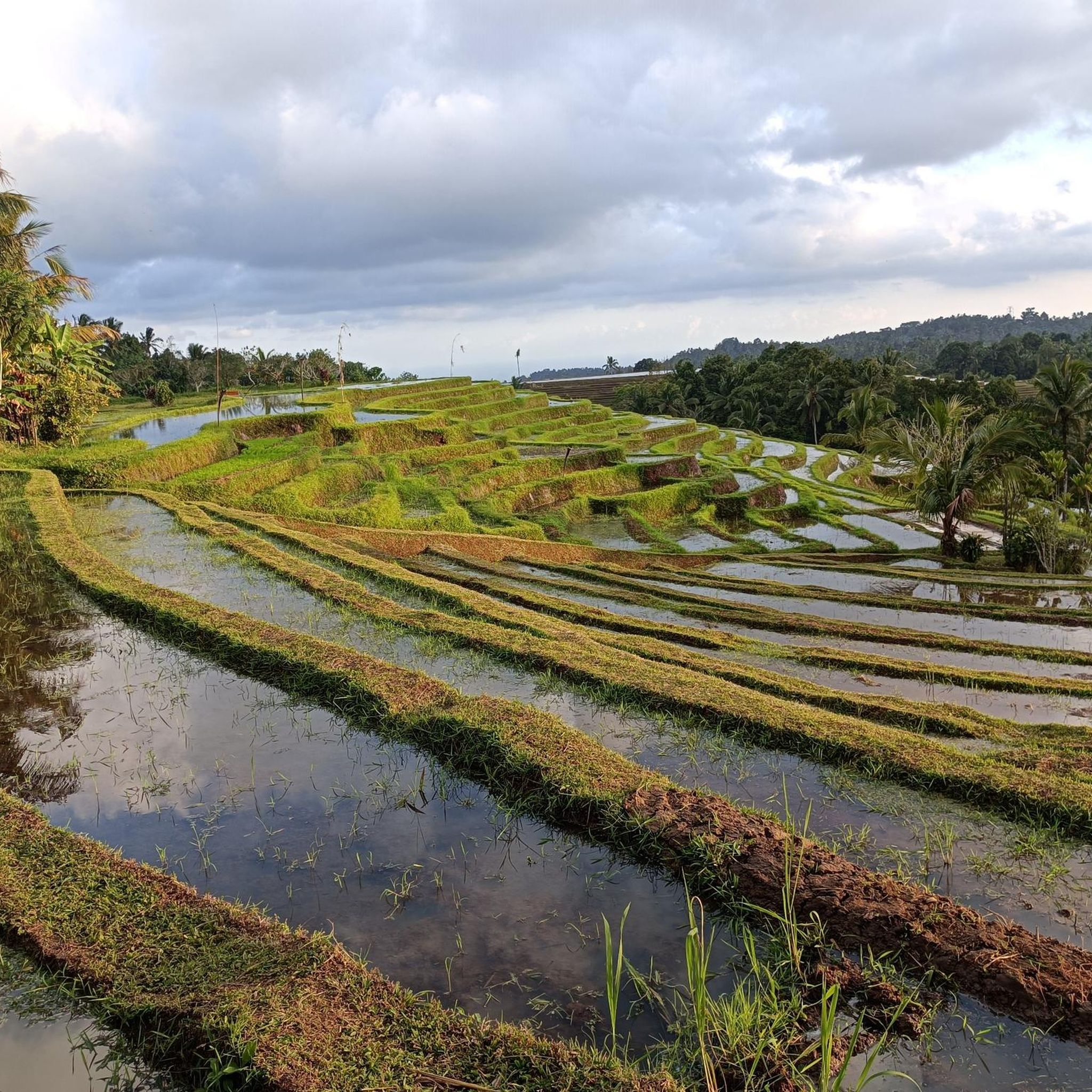
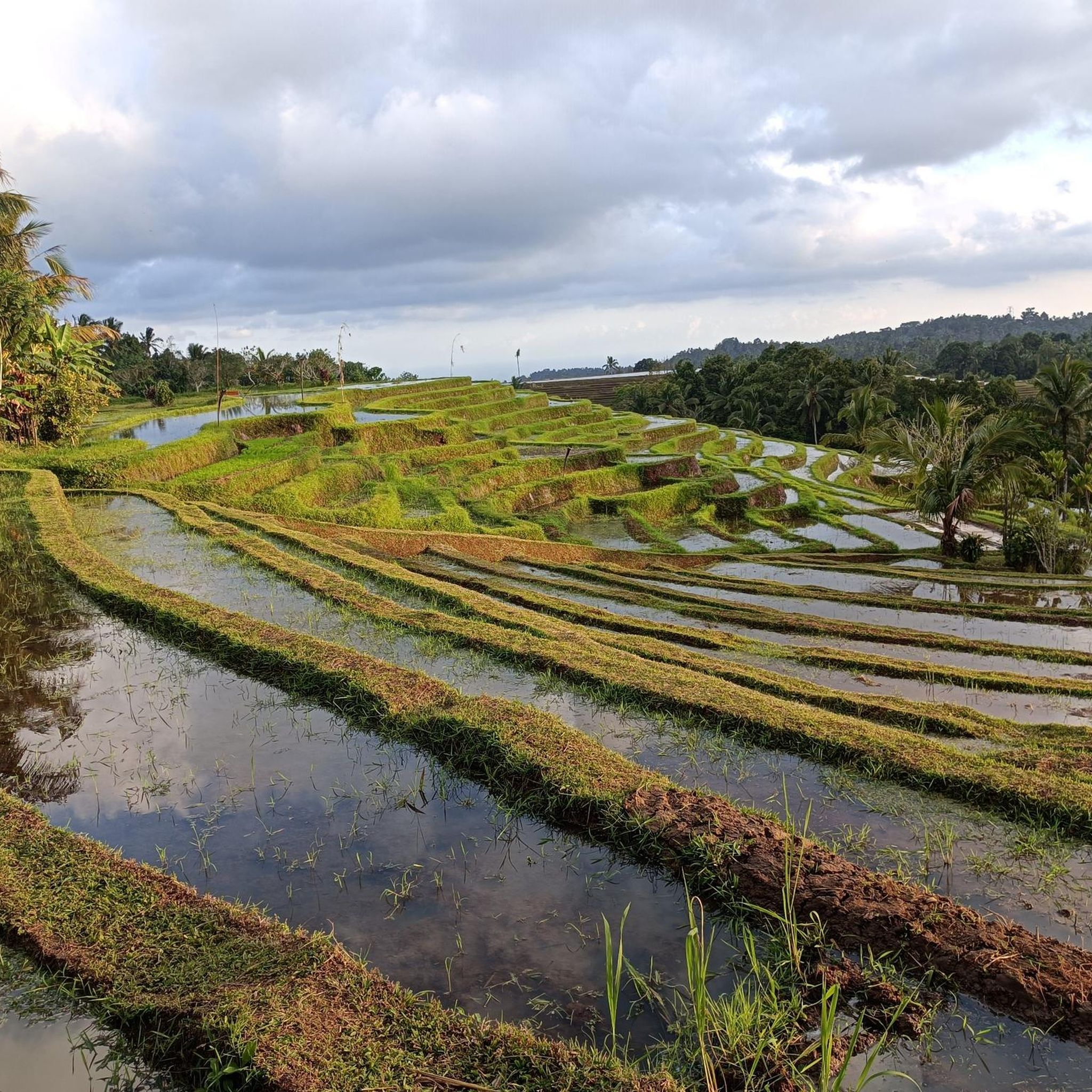
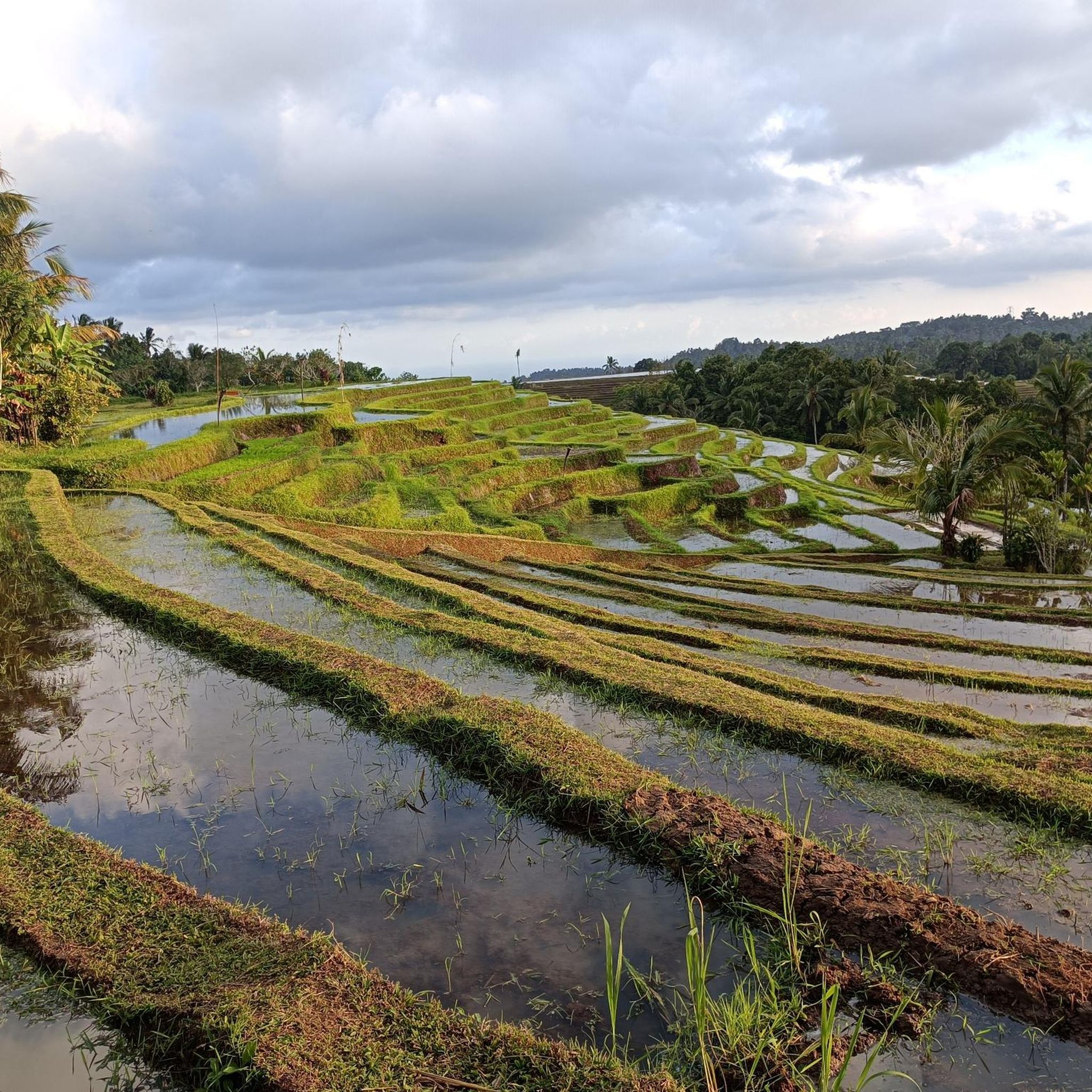
Jatiluwih Rice Terraces Entrance
Highlight • Natural Monument
Translated by Google •
Tip by

Sign up for free to discover even more natural monuments in Indonesia.
Sign up for free
Already have an account?
Start today with a free account
Your next adventure awaits.
Login or Signup

Other adventures in Indonesia

Tips from the Community

Mount Bromo is an active volcano and a Hindu pilgrimage site. The volcano lies within the Sandsea caldera, which formed several thousand years ago. The last major eruption, classified as category 3 (out of a maximum VIE 8), occurred in 2010/2011. Moderate and explosive eruptions (VIE 1-2) occur regularly, most recently in December 2023. During volcanic activity, access to the popular volcano is closed. Visits are usually made from Cemorolawang, a village situated on the rim of the Sandsea caldera. Visitors travel by jeep, on horseback, or on foot down the caldera and across the flat Tengger Sand Sea to the base of Mount Bromo. From there, a path leads uphill, or visitors can ride horses to the bottom of the concrete staircase that ascends to the crater rim. Hundreds of people make the journey to the crater rim daily. Caution and consideration are therefore advised on the narrow path at the top. (Visited on April 16, 2006 and May 12, 2018) https://volcano.si.edu/volcano.cfm?vn=263310&vtab=Eruptions
2
0

It's about 1km from the parking lot to the crater rim, with the last section up a flight of stairs. There's a great view into the crater, with Semeru Volcano in the background. Those sensitive to sulfur may want to wear a mask – it smells of sulfur! You can also ride a horse with a guide to the stairs and back.
2
0
If you want to see the Blue Fire and the sunrise, you should set off early. The gates open at 2:00 a.m., and you can begin the climb up Ijen. It's about 4 km to the top and 600 meters in elevation. The path is wide and well-maintained, with some steep climbs. You'll definitely need a headlamp. Then you can descend into the crater to see the natural phenomenon known as the Blue Fire, which is caused by the combustion of sulfur gases. The path is rocky and requires some surefootedness—but I found it manageable in sneakers. The fire wasn't big when I was there, but it was still fascinating! You definitely need a mask, as it smells strongly of sulfur down there! Masks and headlamps are available for rent. Afterward, you climb back up and can watch the sunrise. You need a bit of luck, as fog often rises from the crater, and you can't see much. Truly beautiful, BUT it's a mass event! Many of those who climb up, and especially those who descend into the crater, don't have the fitness for it, and especially not the surefootedness. So, you have to set off right away at two o'clock! People are also crowding around the blue fire.
0
0


It was fantastic. The smell was sometimes very sulfurous, but looking into the bubbling crater was amazing.
1
0

21-02-3025 with guide entrance Benang kelambu / 'small' waterfall 10,000Rp. Doing the whole tour with a guide is recommended in my opinion. From Haikiki bungalows for 3 people 600K and the tour is adjusted along the way in consultation regarding the route to be chosen from the many options through the rice fields. And as a bonus: guides are in contact with each other to report where the black monkeys are foraging at that moment. It would be a shame if you were to miss it if you went on your own. You get slippers on the spot at the waterfall, because the tour goes through the water in the gorge to the waterfall. Rainy season so sometimes wading through water for at least 1m, where in the eddy the guide points out where the really deep point is and how to avoid it. Condition requirement: still able to climb a bit. You can swim in the waterfall and if your clothes are wet you can get behind it, beautiful waterfall curtain... to jump through. Possibly a plastic bag to protect your mobile phone. Bring some extra money to buy local organic products at the coffee break: vanilla etc. Bersenang!
3
1

Frequently Asked Questions
Which are some of the most popular natural monuments to visit in Indonesia?
Among the most popular natural monuments, you'll find Bromo Crater, an active volcano known for its ash plains and volcanic sand. Another highly visited spot is Tegallalang Rice Terraces, showcasing traditional Subak irrigation. Visitors also frequently enjoy the Sacred Monkey Forest Sanctuary, home to a large monkey population amidst ancient trees and temples.
Are there family-friendly natural monuments in Indonesia?
Yes, several natural monuments are suitable for families. The Sacred Monkey Forest Sanctuary offers an engaging experience with wildlife. The Tegallalang Rice Terraces and Jatiluwih Rice Terraces Entrance provide beautiful, accessible landscapes for walks. Additionally, the Tirta Gangga Water Palace and Pura Tirta Empul Water Temple offer cultural insights in serene settings.
What kind of outdoor activities can I do near Indonesia's natural monuments?
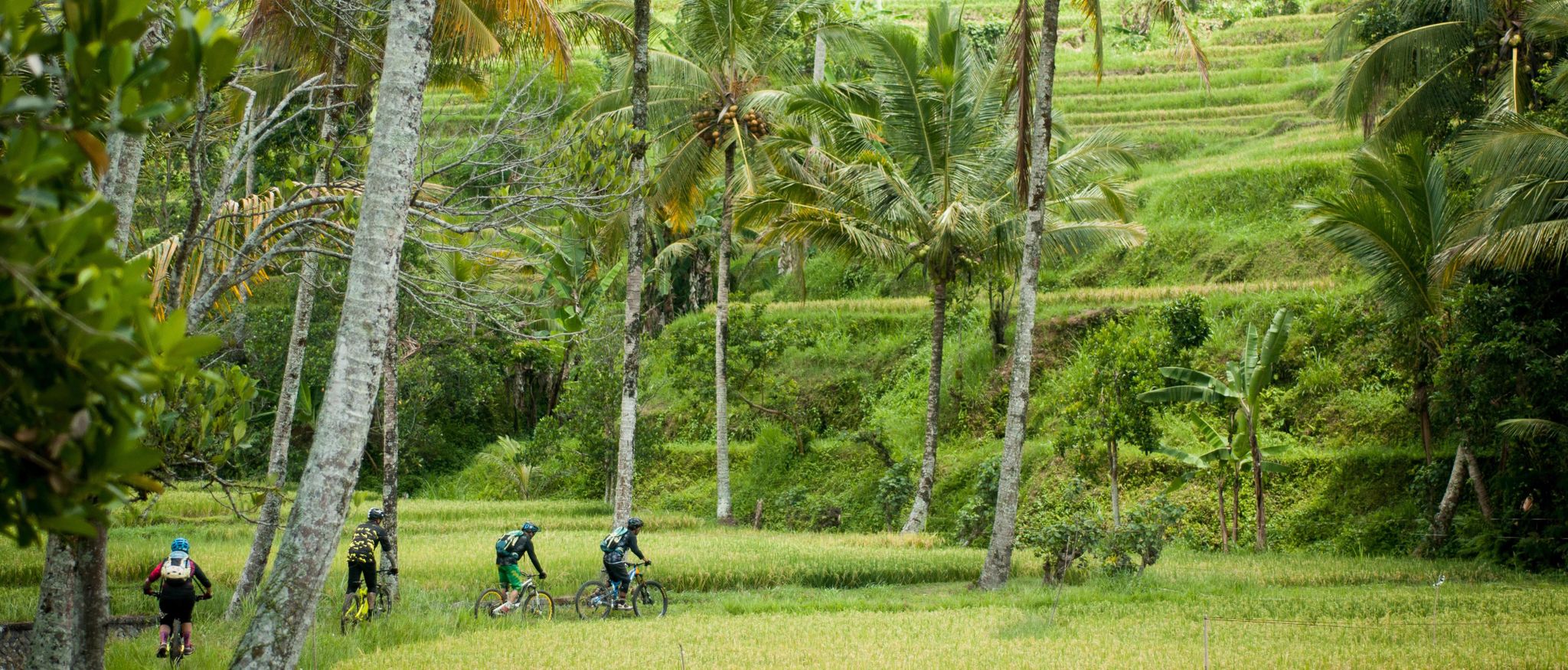
Indonesia's diverse landscapes offer a wide range of outdoor activities. You can explore easy hikes through rice fields, such as those around Ubud, or embark on more challenging mountain hikes to volcanic summits like Mount Bromo or Mount Rinjani. There are also mountain biking trails, including scenic loops around the Tegalalang Rice Terrace.
Which natural monuments are best for adventure seekers?
Adventure seekers will find thrilling experiences at several sites. The Bromo Crater offers challenging treks to its rim, especially for sunrise. The Summit Trail to Mount Rinjani is a demanding multi-day hike to a volcanic peak. For a unique experience, consider the Sunrise at the Ijen Crater, known for its blue flames and acidic lake. The Sarang Walet Waterfall also presents a challenging trek through a gorge.
What unique geological features can be found among Indonesia's natural monuments?
Indonesia is a geological hotspot. You can witness the dramatic volcanic landscapes of Bromo Crater, surrounded by a vast sea of volcanic sand. The Ijen Crater features an active volcano with a stunning turquoise acidic lake. The country is also home to UNESCO Global Geoparks like Batur Geopark with its caldera lake and Gunung Sewu Geopark, renowned for its extensive karst landscapes and ancient caves.
Are there any natural monuments in Indonesia that are less crowded?
While popular sites can draw crowds, exploring regions beyond the main tourist hubs can offer a more serene experience. Consider visiting less-trafficked areas within larger national parks or seeking out local recommendations. For instance, while the main rice terraces are popular, exploring smaller, local rice paddies might offer a quieter experience. Researching specific times of day or off-peak seasons can also help avoid crowds at well-known locations.
What kind of wildlife can I expect to see at Indonesia's natural monuments?
Indonesia is a biodiversity hotspot. The Sacred Monkey Forest Sanctuary is famous for its playful macaques. Beyond the highlights, Komodo National Park is the exclusive home of the Komodo dragon. Tanjung Puting National Park is a crucial sanctuary for orangutans, and Ujung Kulon National Park protects the critically endangered Javan rhinoceros. Raja Ampat Islands boast unparalleled marine biodiversity, including over 1,300 species of fish and various coral species.
What cultural or historical sites are often found near natural monuments in Indonesia?
Many natural monuments in Indonesia are intertwined with rich cultural and historical sites. The Sacred Monkey Forest Sanctuary, for example, features ancient temples within its forest. The Tirta Gangga Water Palace and Pura Tirta Empul Water Temple are significant religious and historical sites. The Gunung Kawi Temple Complex, carved into a river valley, also combines natural beauty with ancient architecture.
What is the best time of year to visit Indonesia's natural monuments?
Generally, the dry season, which runs from May to September, is considered the best time to visit Indonesia's natural monuments. During these months, you can expect less rainfall, clearer skies, and more comfortable conditions for hiking and exploring. However, specific regions or activities might have slightly different optimal times. For instance, volcanic treks are safer and more enjoyable in dry weather, while some marine activities might be less affected by seasonal changes.
What should I pack for a trip to Indonesia's natural monuments?
Packing essentials depend on the specific monument and activity. For volcanic treks like Bromo Crater or Mount Rinjani, warm clothing, sturdy hiking shoes, and a headlamp are highly recommended. For general exploration, light, breathable clothing, sun protection (hat, sunscreen), insect repellent, and comfortable walking shoes are advisable. Always carry enough water, especially in tropical climates. If visiting temples, modest attire covering shoulders and knees is often required.
Are there any natural monuments in Indonesia recognized by UNESCO?
Yes, Indonesia is home to several UNESCO World Heritage Sites and Global Geoparks. Komodo National Park is a UNESCO World Heritage Site and Biosphere Reserve, famous for its Komodo dragons. Ujung Kulon National Park, a UNESCO World Heritage Site, is vital for the Javan rhinoceros. Lorentz National Park, the largest in Southeast Asia, is also a UNESCO World Heritage Site. Raja Ampat Islands were recently designated a UNESCO Global Geopark, and Lake Toba is also recognized as a UNESCO World Heritage Site. Additionally, Batur Geopark and Gunung Sewu Geopark are UNESCO Global Geoparks.
Most popular routes in Indonesia
Most popular attractions in Indonesia

Get inspired with the komoot mobile app


Didn’t find what you were looking for?
Find even more amazing natural monuments in Indonesia by checking out the top Highlights region by region:
Explore more
Extend your search for the best caves by checking out these guides of the top ones in Indonesia:
