Top 5 Natural Monuments in Saint Lucia
Best natural monuments in Saint Lucia include diverse geological formations and lush ecosystems. The island nation is characterized by its volcanic origins, which have shaped its dramatic peaks and geothermal areas. These natural features contribute to Saint Lucia's unique landscape, offering varied environments for exploration. The region is recognized for its biodiversity and distinct natural landmarks.
Best natural monuments in Saint Lucia
- The most popular natural monuments is Gros Piton Summit, a summit that rises 771 meters above sea…
Last updated: June 24, 2026
Derek Walcott Square
Highlight • Monument
Translated by Google •
Tip by

Sulphur Springs (Drive-In Volcano)
Highlight • Volcano
Translated by Google •
Tip by

Sign up now to discover places like this
Get recommendations on the best single tracks, peaks, & plenty of other exciting outdoor places.
Sign up for free
Gros Piton Summit
Highlight • Summit
Translated by Google •
Tip by

Diamond Botanical Gardens and Waterfall
Highlight • Waterfall
Translated by Google •
Tip by
View of Petit Piton
Highlight • Viewpoint
Translated by Google •
Tip by

Start today with a free account
Your next adventure awaits.
Login or Signup
Popular around Saint Lucia
Tips from the Community

Entry, including a short guided tour, costs 22.50 ECD. Combined with a swim, it costs 37.50 ECD. There are several stalls selling drinks, snacks, and souvenirs, as well as changing rooms and toilets.
0
0

Great views of both the Petit Piton and the Gros Piton; at the highest point of the trail there is a small snack bar and souvenir shop.
1
0

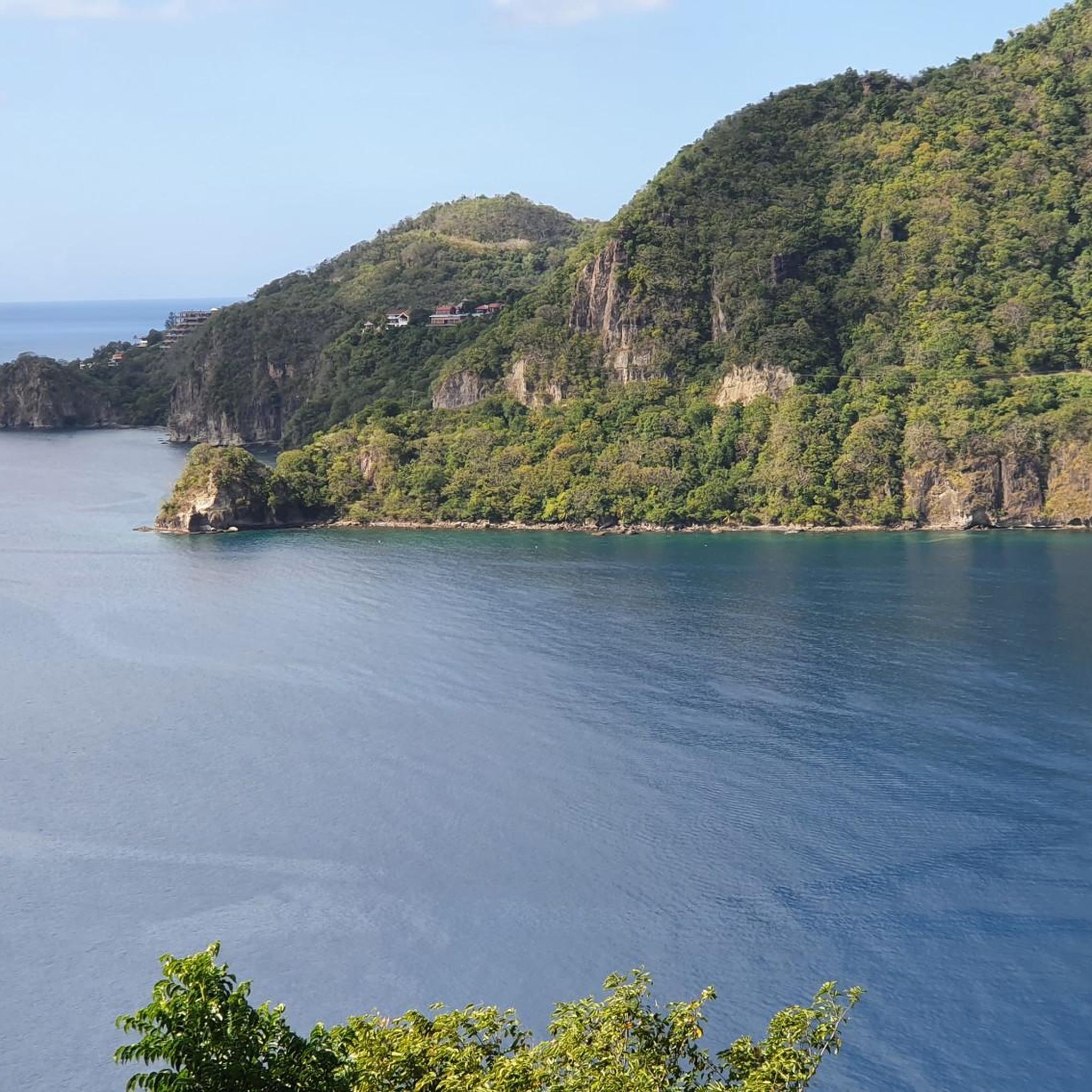
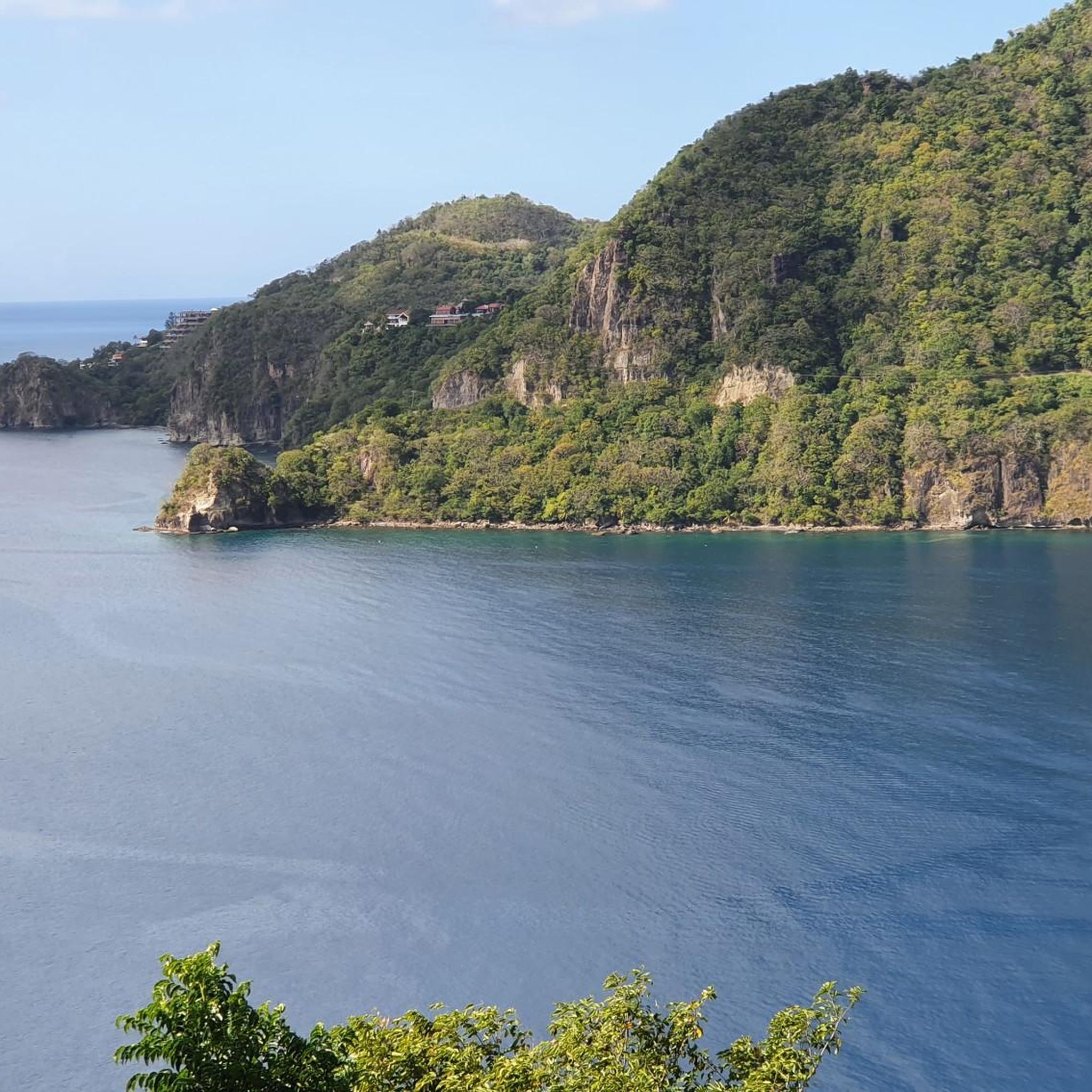
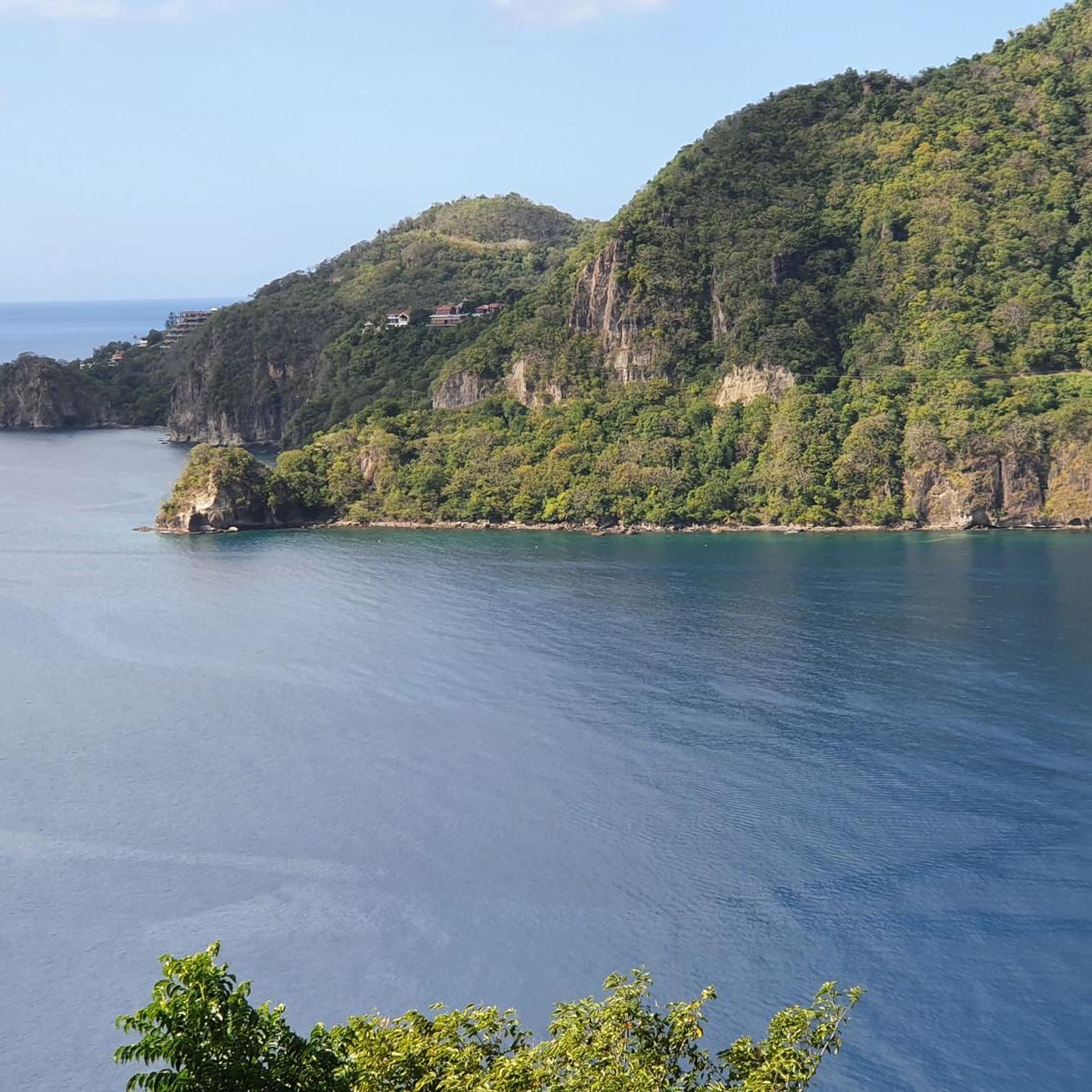
Very nice view of the Petit Piton
1
0

Derek Walcott Square is considered the cultural heart of Castries. It is named after the local Nobel laureate in Literature, Derek Walcott.
8
1

Memorial to Nobel Prize winner (economics) Derek Walcott who comes from here.
3
0

The landmark of the island of St. Lucia are the twin mountains Grand Piton (798 m) and Petit Piton (736 m).
2
0
There are still a number of old houses in Dereck Walcott Square in the center of Castries. In the middle of the square there is a supposedly 400-year-old rain tree, which is considered a landmark of Castries.
3
1
There are still a number of old houses in Derek Walcott Square in the center of Castries. In the middle of the square there is a supposedly 400-year-old rain tree, which is considered a landmark of Castries.
4
0
Frequently Asked Questions
What are some of the most popular natural monuments to visit in Saint Lucia?
Among the most popular natural monuments in Saint Lucia are the iconic Gros Piton Summit, offering breathtaking views across the entire island, and the unique Sulphur Springs (Drive-In Volcano), where you can observe active geothermal fields. Visitors also highly appreciate the challenging ascent to Petit Piton Summit for its stunning vistas.
Are there any family-friendly natural monuments in Saint Lucia?
Yes, the Diamond Botanical Gardens and Waterfall is an excellent family-friendly option. It features a unique waterfall with changing colors due to mineral deposits, lush flora, and tranquil surroundings. Additionally, Pigeon Island National Park offers a blend of historical exploration and natural relaxation with beaches and easy trails.
What kind of unique natural features can I expect to see in Saint Lucia?
Saint Lucia is renowned for its diverse natural features. You can explore dramatic volcanic peaks like the Pitons, active geothermal areas at Sulphur Springs with steaming vents and mud basins, and vibrant waterfalls such as Diamond Falls, known for its mineral-tinted waters. The island also boasts lush rainforests and rich marine ecosystems.
Can I go hiking near the natural monuments in Saint Lucia?
Absolutely! Saint Lucia offers numerous hiking opportunities. For instance, you can find trails like the 'Summit of Gros Piton – Gros Piton Summit loop' near the Pitons. The Edmund Rain Forest Reserve also provides various trails for nature lovers. You can discover more hiking options in the Hiking in Saint Lucia guide.
What is the best time to visit Saint Lucia's natural monuments?
The best time to visit Saint Lucia's natural monuments is generally during the dry season, which runs from December to May. During these months, the weather is typically sunny with lower humidity, making outdoor activities like hiking and exploring more comfortable. This period also offers clearer views from viewpoints like the Pitons.
Are there any natural monuments where I can swim?
Yes, while swimming is not permitted at Diamond Falls, you can enjoy a refreshing dip at the base of Toraille Falls, a 50-foot-high waterfall near Soufrière. This offers a natural and invigorating experience.
What are the difficulty levels for exploring Saint Lucia's natural monuments?
Difficulty levels vary. Climbing Gros Piton Summit and Petit Piton Summit are considered challenging and often require a guide. However, sites like the Diamond Botanical Gardens and Waterfall offer easier, more accessible paths. The Tet Paul Nature Trail is an easy to moderate hike with rewarding views.
Are there any marine natural monuments for snorkeling or diving?
Yes, the Anse Chastanet Marine National Park is a vibrant underwater natural monument. It's considered one of the best diving and snorkeling destinations in the Caribbean, featuring rich coral reefs teeming with diverse marine life, including sponges, corals, and various fish species.
What kind of wildlife can I expect to see in Saint Lucia's natural areas?
Saint Lucia's natural monuments are rich in biodiversity. In the Edmund Rain Forest Reserve, you might spot various bird species, including the endemic St. Lucian parrot. The Maria Islands Nature Reserve is home to rare reptile species like the St. Lucia racer snake and serves as a nesting site for migratory birds. Marine parks like Anse Chastanet host a wide array of fish, lobsters, crabs, and eels.
Are there any natural monuments that offer panoramic views?
Definitely! The Gros Piton Summit provides spectacular views across the entire island. The Tet Paul Nature Trail, with its 'stairway to heaven,' offers breathtaking 360-degree panoramic views of the Pitons, Soufrière, and even neighboring islands on clear days. Pigeon Island National Park also offers panoramic coastal views from Fort Rodney.
Do I need permits or guides for visiting certain natural monuments?
For challenging hikes like the Pitons, it is highly recommended, and often required, to go with a local guide. For instance, you can only ascend Petit Piton Summit with a local guide. Similarly, hiking in the Edmund Rain Forest Reserve requires a permit and a guide.
What are the options for running or road cycling near Saint Lucia's natural monuments?
You can find various routes for running and road cycling across Saint Lucia. For running, options include loops around Castries and Gros Islet, as well as a 'Gros Piton loop'. Road cyclists can explore scenic routes like the 'Roadbike loop from Castries' or the 'Scenic Route in Saint Lucia loop'. More details are available in the Running Trails in Saint Lucia and Road Cycling Routes in Saint Lucia guides.
Most popular attractions in Saint Lucia

Get inspired with the komoot mobile app


Explore more
Extend your search for the best caves by checking out these guides of the top ones in Saint Lucia:
