Top 20 Natural Monuments around Appenzell
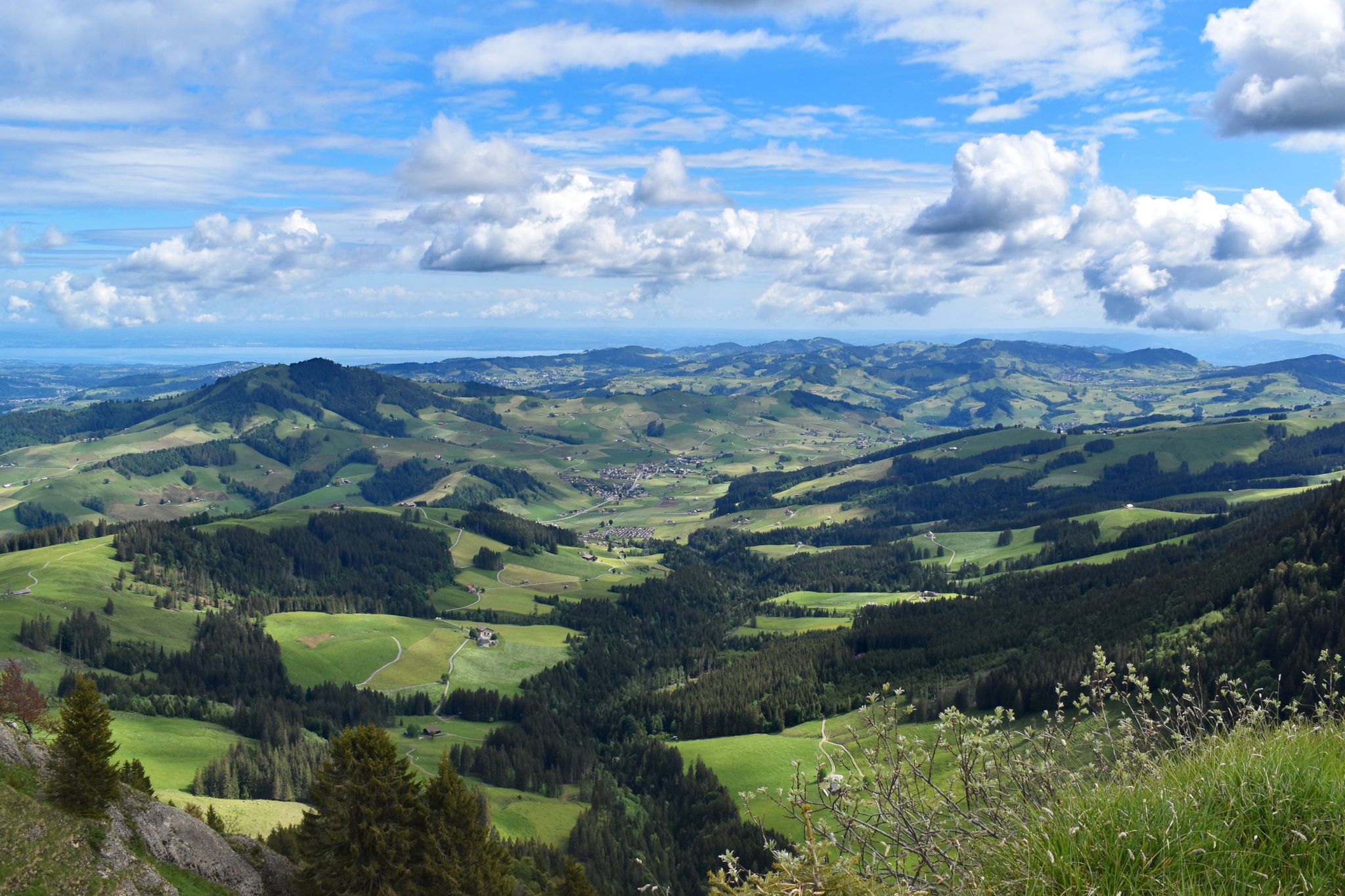
Natural monuments around Appenzell feature a landscape of rolling hills, dramatic peaks, and alpine lakes. This region in Eastern Switzerland is known for its unique geological formations and diverse natural attractions. Visitors can explore a variety of sites that offer panoramic views and opportunities for outdoor activities. The area provides a range of natural landmarks for exploration.
Best natural monuments around Appenzell
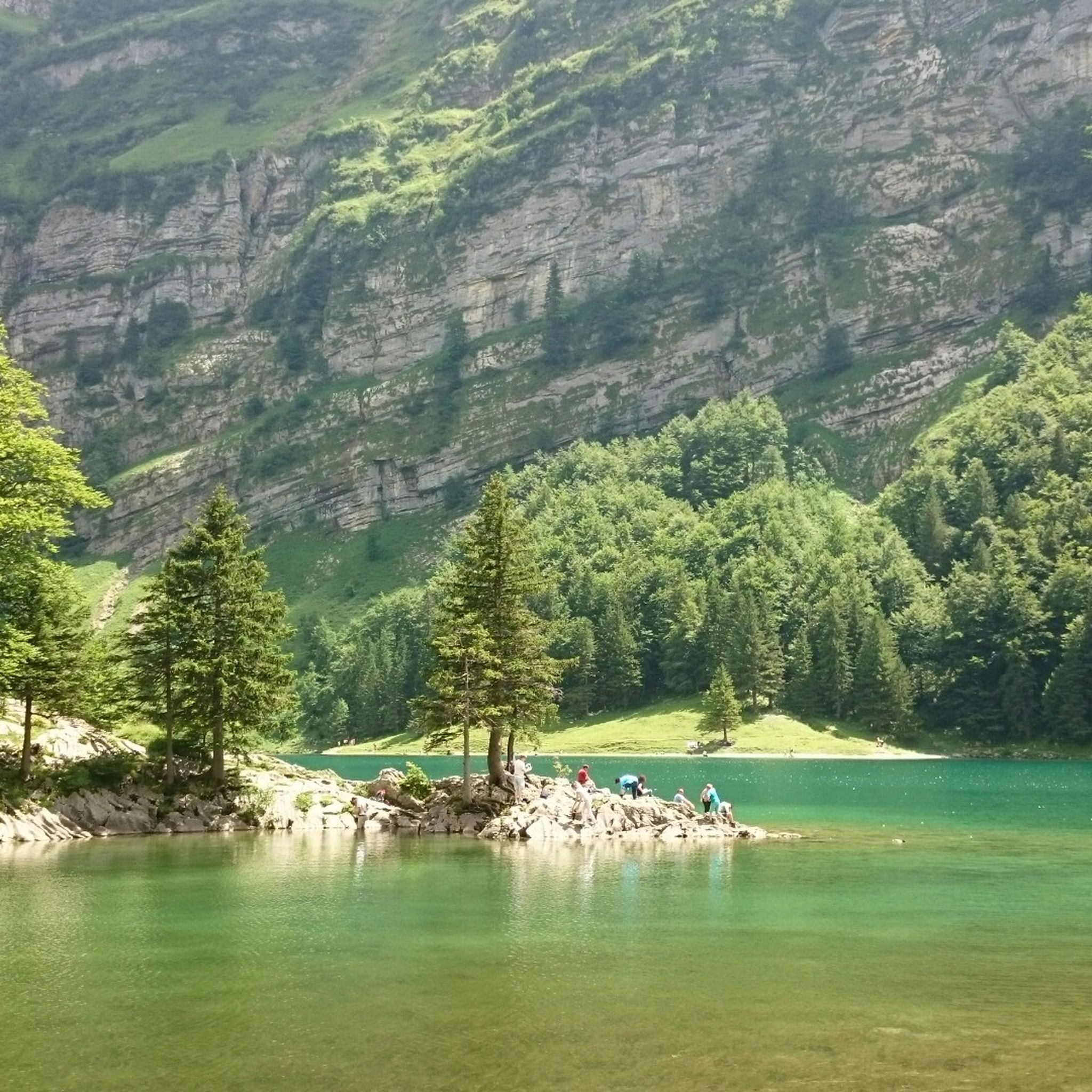
- The most popular natural monuments is Seealpsee, a lake known for its clear blue-green waters reflecting the surrounding mountains. It is only accessible on foot, offering a rewarding hiking experience.
- Another must-see spot is Fählensee, a mountain lake situated in a narrow valley. This lake is ideal for cooling off after a hike, with surrounding mountains often reflected in its waters.
- Visitors also love Saxer Lücke, a mountain pass with a unique geological formation. It offers various routes and is appreciated for its views.
- Appenzell is known for its mountains, lakes, and geological formations. The region offers a variety of natural monuments to see and explore, from high peaks to ancient caves.
- The natural monuments around Appenzell are appreciated by the komoot community, with more than 2000 upvotes and over 1900 photos shared.
Last updated: September 27, 2026
Aescher-Wildkirchli Mountain Inn
Highlight • Mountain Hut
Translated by Google •
Tip by

Seealpsee
Highlight • Lake
Translated by Google •
Tip by
Sign up now to discover places like this
Get recommendations on the best single tracks, peaks, & plenty of other exciting outdoor places.
Hoher Kasten Summit
Highlight • Summit
Accordingly, you are rarely alone here.
Translated by Google •
Tip by

Säntis Summit (2,502 m)
Highlight • Summit
Translated by Google •
Tip by

Fählensee
Highlight • Lake
Translated by Google •
Tip by

Sign up for free to discover even more natural monuments around Appenzell.
Already have an account?
Start today with a free account
Your next adventure awaits.
Popular around Appenzell
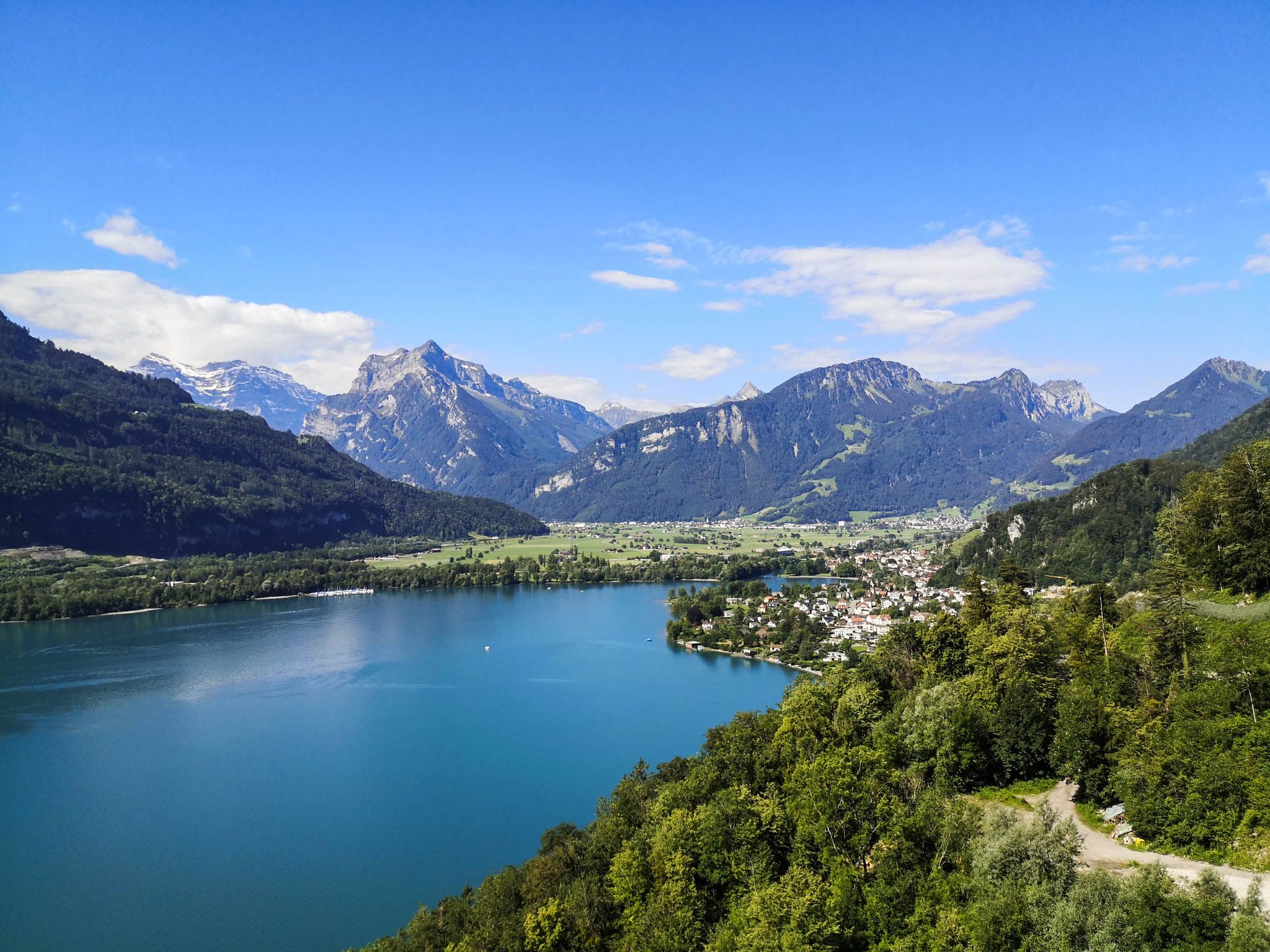
Alpine Panorama Trail in Switzerland – Keep your eyes on the mountains
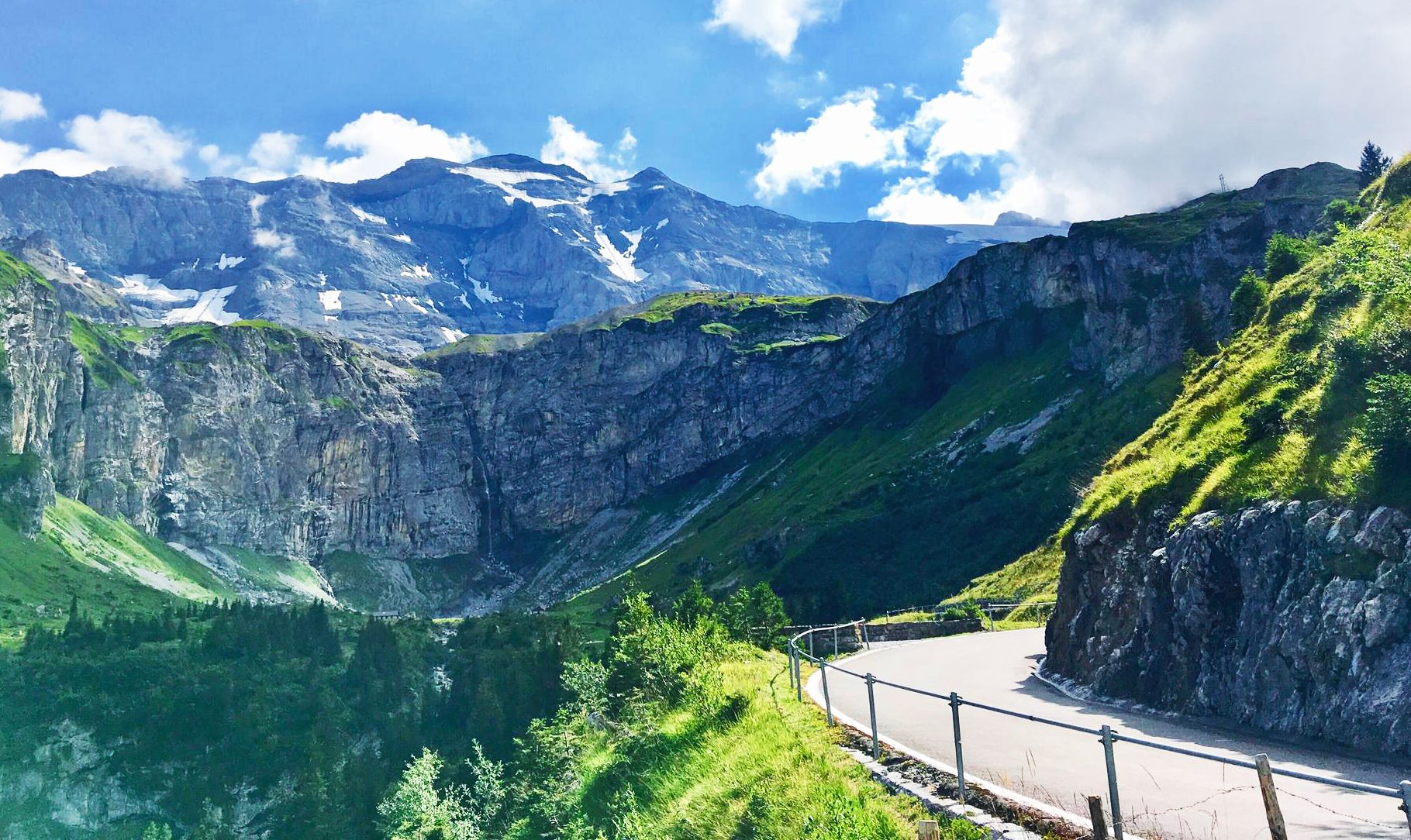
Alpine Panorama Route — 8 stages through the foothills of the Alps
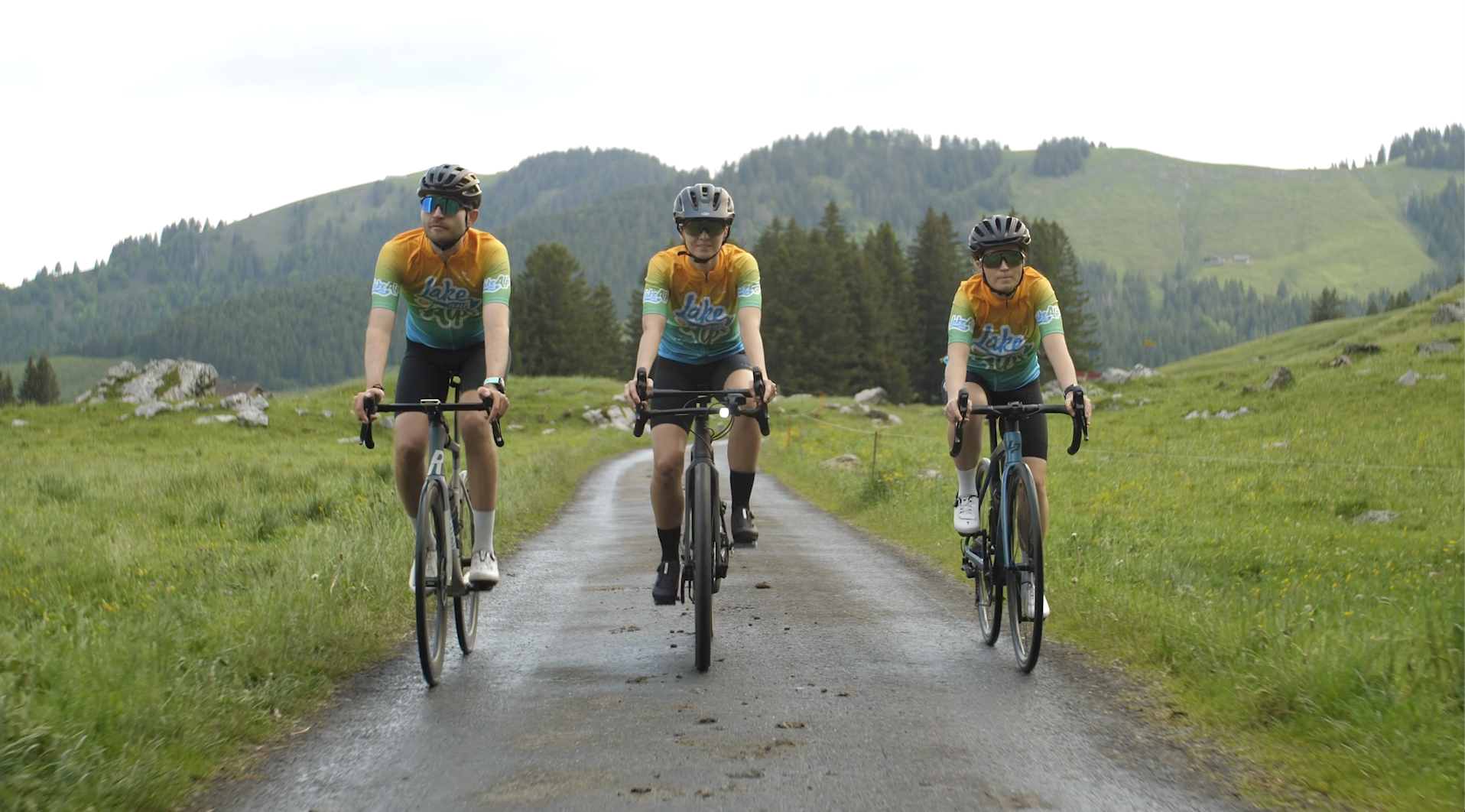
Lake and Alps Adventure – explore 100 dreamy places in our cycling region!
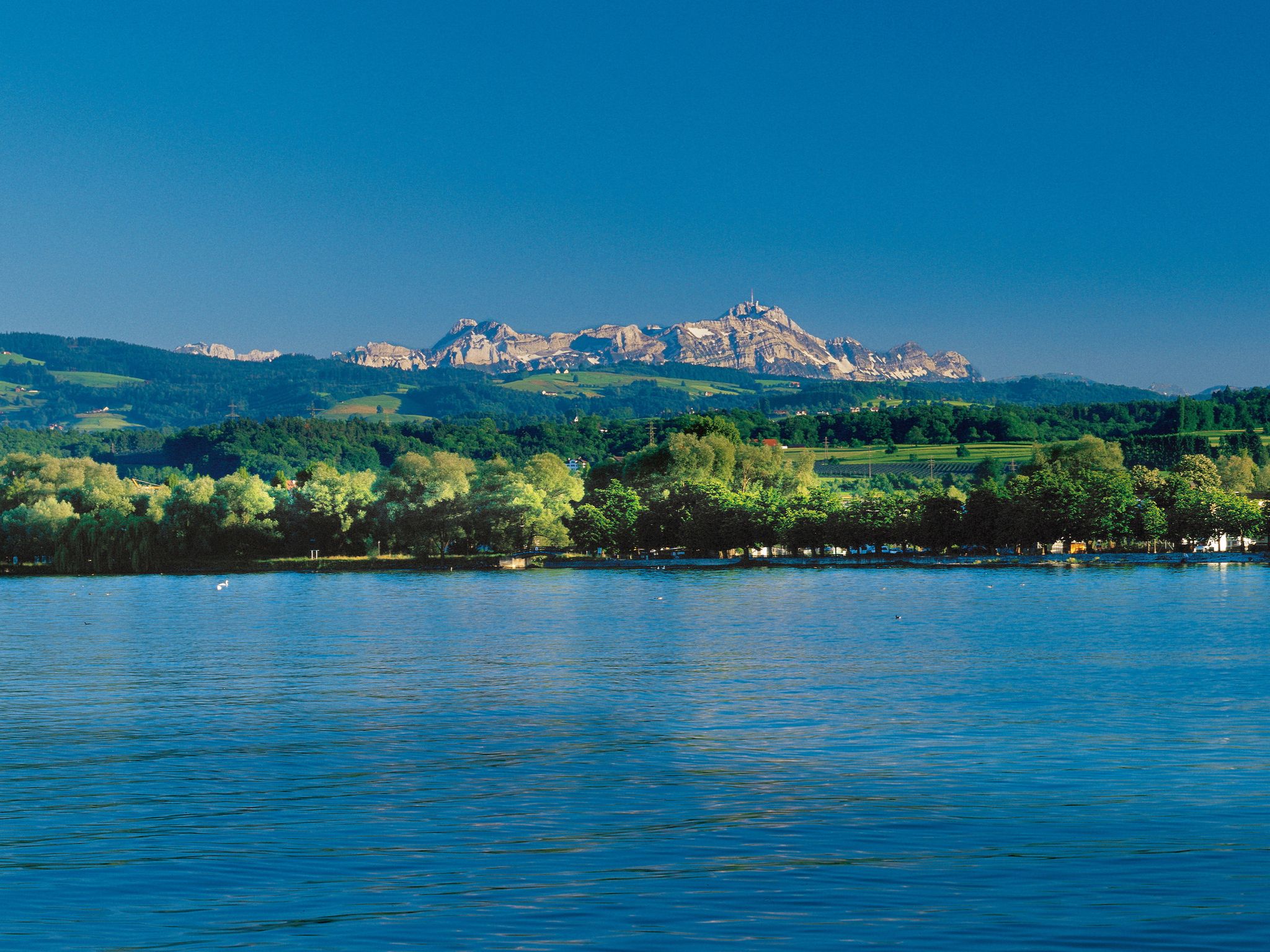
Lake and Alps Route – Cycling between Lake Constance and the Appenzell Alps
From Lake Constance to Lake Geneva
Appenzeller Weg – pilgrimage routes from Austria to Switzerland
Hiking around Appenzell
MTB Trails around Appenzell
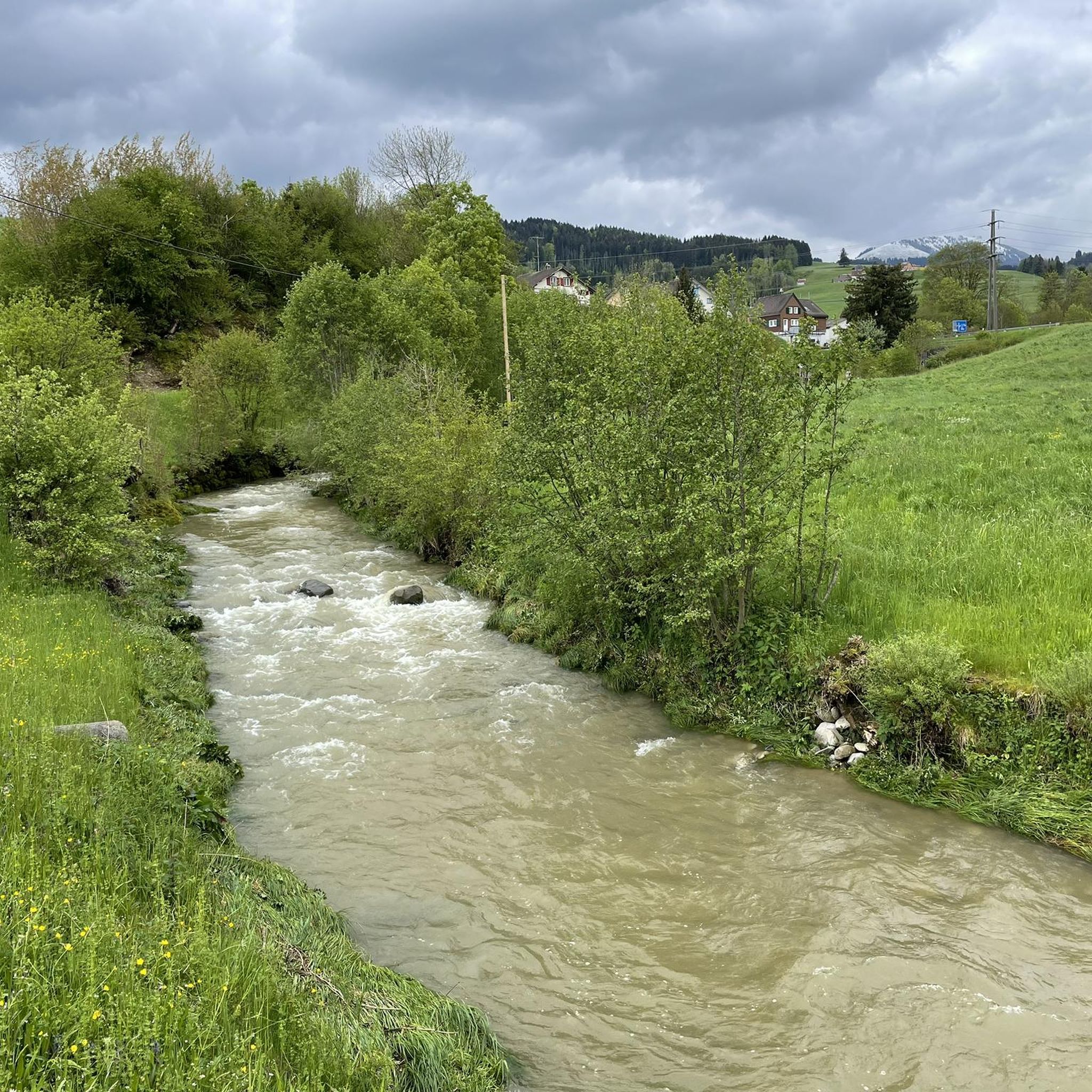
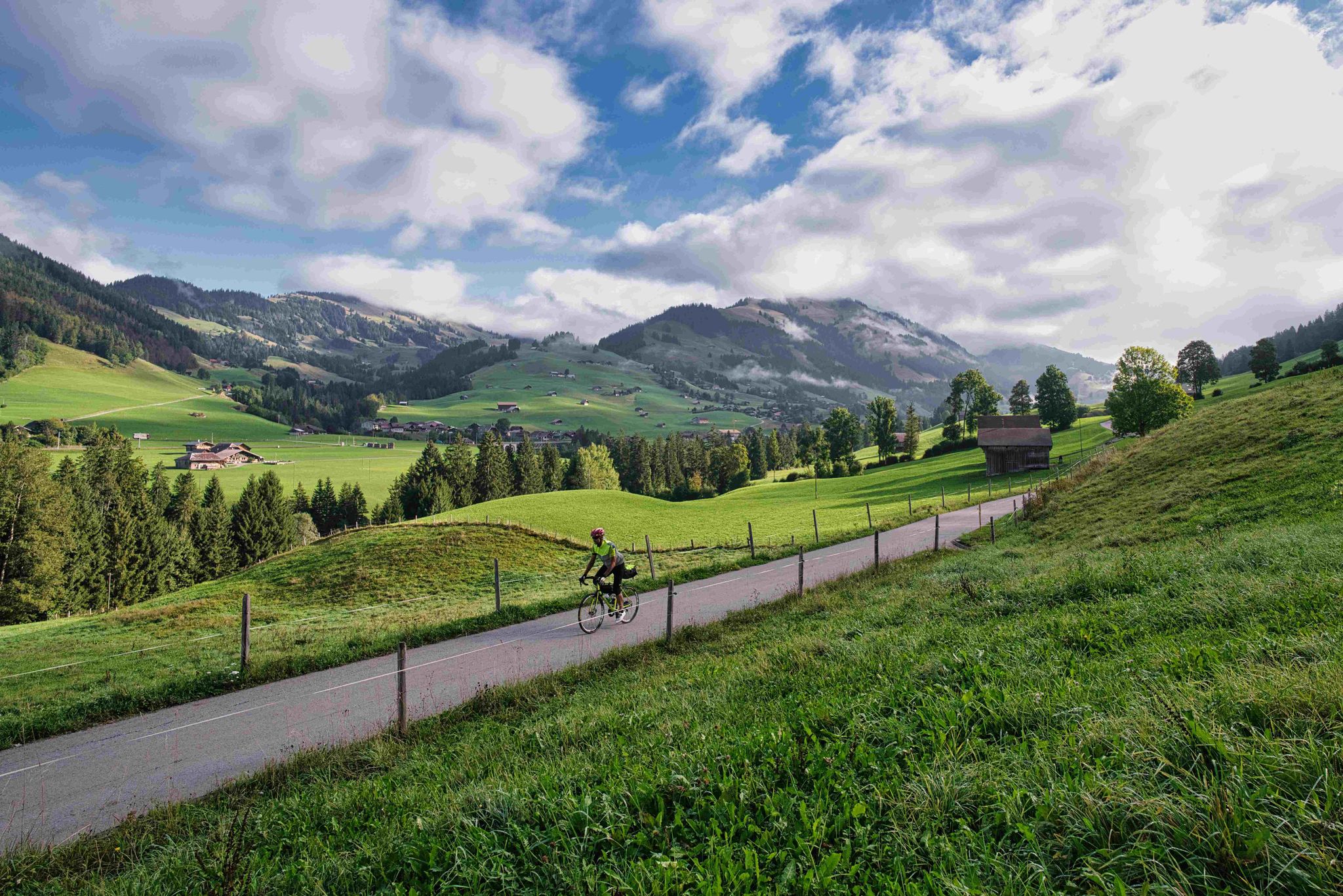
Cycling around Appenzell
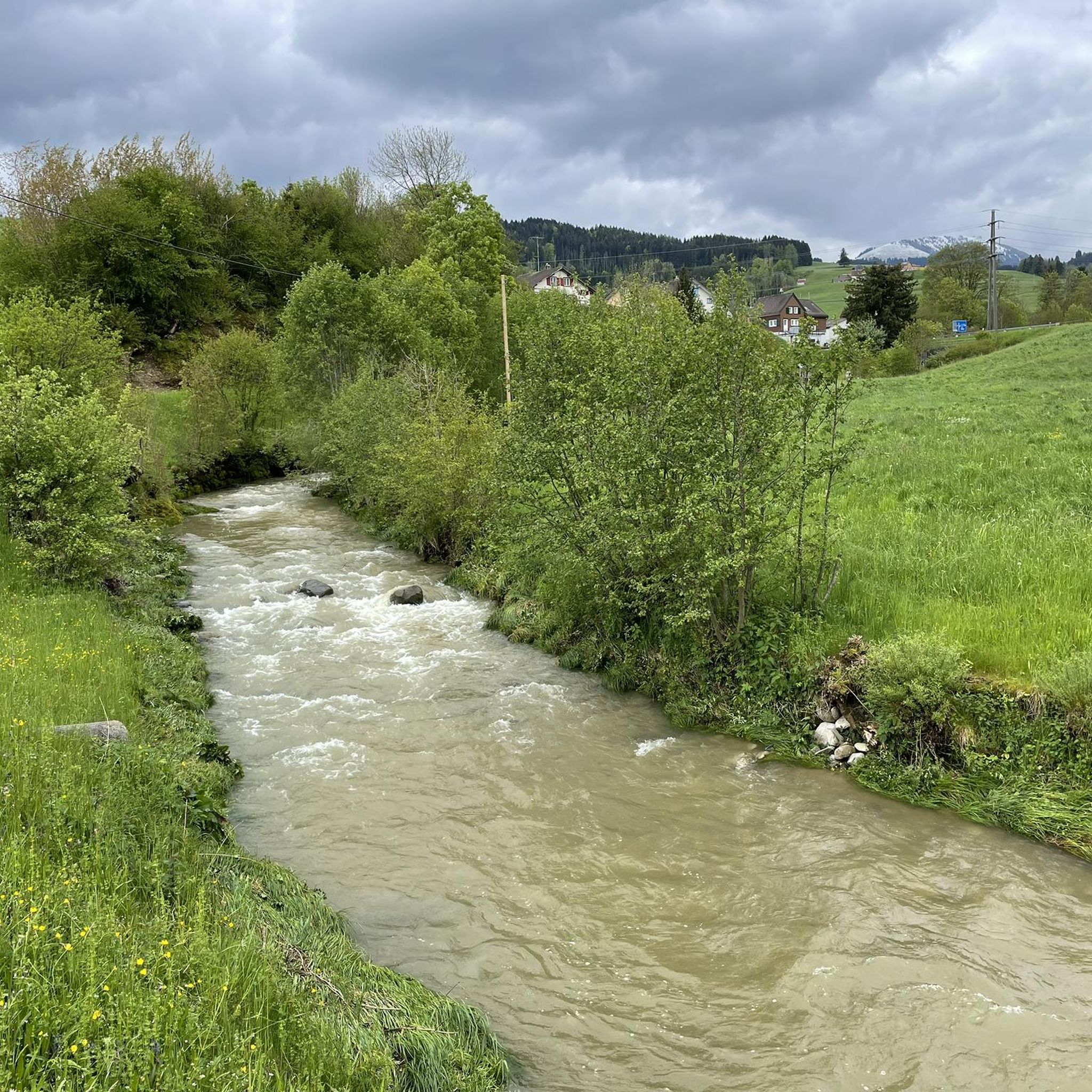
Road Cycling Routes around Appenzell
Other adventures around Appenzell


Tips from the Community

Our mountain guesthouse has seen many a proud face after the steep climb. The guesthouse, in its current form, has existed since 1860, making it one of the oldest mountain inns in Switzerland. Pastor Ulmann was the first hermit to live in the hermitage in the Wildkirchli in 1658. More than 20 men followed his example until 1853, shaping the history of the Wildkirchli as hermits and first hosts. Since then, this mystical place has fascinated generations. Stories are told of little wild people who are said to have once lived in the Wildkirchli caves and come to the aid of the herdsmen. The Aescher inspires poets and artists to create new works. Bones of cave bears and stone tools bear witness to the cave as an ancient shelter. Source: https://aescher.ch/
14
1
Very beautiful mountain lake at 1447 m above sea level, which, like the Sämtiser and Seealpsee, is part of the Alpstein. Ideal for cooling off after a hike. When there is no wind, the mountains are beautifully reflected in the water.
5
0

Hoher Kasten – TOP OF APPENZELL On the Hoher Kasten, the Swiss lookout mountain, the mountains are at your feet. The Hoher Kasten cable car takes you from Brülisau to 1,794 meters above sea level in eight minutes, where unique views of six countries await you. You can experience the 360° panorama not only on the barrier-free European circular route, but also in the only revolving restaurant in Eastern Switzerland – culinary delights included. The Alpine Garden, the plant paradise on the summit, also leaves a lasting impression. Or do you want to discover the most beautiful hiking trails in the Alpstein from the Hoher Kasten? Text / Source: Hoher Kasten revolving restaurant, and cable car AG, Dorf 22, 9058 Brülisau https://www.hoherkasten.ch/
17
3
Hoher Kasten revolving restaurant Just sit down and enjoy "rondom". In the only revolving restaurant in Eastern Switzerland on the Hoher Kasten, guests experience a limitless, changing 360° view. While the view stretches from the impressive backdrop of the Alpstein, across the lovely Appenzellerland to the expanse of Lake Constance, we spoil you with seasonal and regional specialties. The revolving restaurant is open daily from April to February during the cable car's operating hours and is easily accessible by lift for guests with limited mobility. Text / Source: Appenzellerland Tourismus AI, Hauptgasse 38, CH-9050 Appenzell https://www.appenzell.ch/de/alpstein/berggasthaeuser/drehrestaurant-hoher-kasten.html
14
2
Walk up and enjoy the 360° view twice.
8
2

At 2,502 meters, the Säntis is the highest mountain in the Alpstein Mountains. The Säntis lies on the border between the cantons of Appenzell Innerrhoden, Aargau, and St. Gallen. The mountains are composed of limestone and marl. The cable car takes hikers from Schwägalp up the mountain. Even in June, snow lies here and temperatures are icy. From the Säntis, you can enjoy a panoramic view of the Alpstein Mountains, the Appenzellerland, Lake Lucerne, and Lake Constance.
7
0

Actually a nice tour - until you get to the top of the building, because this clearly disturbs the view. The all-round view on the summit is good again, only often a bit crowded.
5
0

The perfect end to his hike. Great restaurant. And worth a stop even in bad weather.
6
0
Frequently Asked Questions
What unique geological features can I explore in the Appenzell region?
The Appenzell region offers several distinct geological formations. You can visit Saxer Lücke, a mountain pass known for its unique geological structure, with a board explaining its formation. The prehistoric Wildkirchli cave near Ebenalp, once inhabited by cave bears and early humans, provides a glimpse into ancient history. Additionally, the highest peak, Säntis, is composed of limestone and marl, contributing to its dramatic appearance.
Are there any natural monuments in Appenzell that are easily accessible by cable car?
Yes, several natural monuments in Appenzell are conveniently accessible via cable car. You can take a cable car from Schwägalp directly to the summit of Säntis, offering panoramic views. Ebenalp, home to the Aescher-Wildkirchli Mountain Inn and cave, is also reached by cable car. Hoher Kasten and Kronberg, both mentioned in regional research, also feature cable car access to their summits.
What are the best natural monuments for hiking and enjoying scenic views?
For hiking and scenic views, Seealpsee is an excellent choice, as it's only accessible on foot and offers clear blue-green waters reflecting the surrounding mountains. Fählensee, nestled in a narrow valley, is ideal for cooling off after a hike, with beautiful reflections on calm days. The summit of Säntis provides a breathtaking panorama encompassing up to six countries.
What kind of outdoor activities can I do near these natural monuments?
The Appenzell region offers a variety of outdoor activities near its natural monuments. You can find numerous road cycling routes, such as the 'View of Säntis – View of the Alpstein loop from Appenzell' or the 'Landsgemeindeplatz Appenzell – View of Säntis loop from Sammelplatz'. For running enthusiasts, trails like the 'Hüslibrugg Sitter – Trinity Chapel Rapisau loop from Appenzell' are available. There are also cycling routes like the 'Culinary Appenzeller Route' and the 'View of Ebenalp – Old Town of Appenzell loop from Appenzell'. You can explore more options on the Road Cycling Routes around Appenzell, Running Trails around Appenzell, and Cycling around Appenzell guide pages.
Are there family-friendly natural monuments or activities in Appenzell?
Yes, the Appenzell region has family-friendly options. The Aescher-Wildkirchli Mountain Inn is categorized as family-friendly, offering a unique experience with its historical cave and dramatic setting. Kronberg, while not a highlight in the provided data, is known for its family attractions, including a tree climbing course and a large playground, in addition to hiking trails.
What is the best time of year to visit the natural monuments in Appenzell?
The best time to visit Appenzell's natural monuments largely depends on your preferred activities. Summer and early autumn are ideal for hiking to places like Seealpsee and Fählensee, and for enjoying the full alpine scenery. Even in June, snow can still be found on Säntis, which offers year-round cable car access and an interactive weather exhibition. Winter offers opportunities for activities like tobogganing on Kronberg.
Can I combine a visit to Seealpsee with other natural monuments?
Yes, a visit to Seealpsee can be combined with other natural monuments. Many hikers choose to combine it with a trip to Ebenalp, which is home to the Wildkirchli cave and the Aescher restaurant. The hike to Seealpsee typically starts from Wasserauen, making it a central point for exploring the surrounding Alpstein massif.
What do visitors enjoy most about the natural monuments in Appenzell?
Visitors frequently praise the breathtaking panoramic views and the pristine natural beauty. For instance, Seealpsee is loved for its 'bright green sparkling water' and 'panorama that couldn't have been created better on the computer.' The Aescher-Wildkirchli Mountain Inn is described as 'a sensational mountain inn carved into the rock.' The 'grand all-round view' from Säntis is also a major draw, with many finding the 'view from and into the distance is breathtakingly beautiful'.
Are there any historical or cultural sites integrated with the natural monuments?
Yes, the Aescher-Wildkirchli Mountain Inn and its surroundings offer a unique blend of natural and historical elements. The Wildkirchli cave was inhabited 40,000 years ago, and a chapel is nestled within the rocks. The inn itself has a rich history, with hermits living there until the mid-19th century. Bones of cave bears and stone tools found in the caves bear witness to its ancient past.
What should I know about hiking difficulty around Appenzell's natural monuments?
Hiking difficulties vary across Appenzell's natural monuments. While Seealpsee is only accessible on foot, offering a rewarding experience, some routes to it can be steep. The ascent to Säntis is considered challenging if hiked, though a cable car provides an easier option. Many trails, like those around Ebenalp or leading to Fählensee and Saxer Lücke, are generally intermediate. Always check specific route details for elevation and terrain before you go.
Are there opportunities for longer hikes that connect multiple natural monuments?
Yes, the Appenzell region is well-suited for longer hikes connecting several natural monuments. For example, the Hoher Kasten – Saxer Lücke – Fählensee Trail offers spellbinding views and links Fählensee with the scenic Saxer Lücke. You can also combine a hike to Seealpsee with a visit to Ebenalp and the Wildkirchli cave, creating a diverse and memorable day out.
What kind of views can I expect from the mountain summits in Appenzell?
From the mountain summits in Appenzell, you can expect expansive and diverse views. From Säntis, you can see a panorama that can stretch across six countries: Switzerland, Germany, Liechtenstein, Austria, Italy, and France. Hoher Kasten offers broad views including Säntis, the Appenzell region, and Lake Constance. Kronberg also provides magnificent panoramic views of Säntis, Hoher Kasten, the Appenzell region, and Lake Constance.
Most popular routes around Appenzell
Most popular attractions around Appenzell

Get inspired with the komoot mobile app


Explore more
Extend your search for the best caves by checking out these guides of the top ones around Appenzell:
