Top 20 Natural Monuments around Bezirk Mistelbach
Natural monuments around Bezirk Mistelbach offer a diverse landscape in Lower Austria. The region is home to 61 designated natural sites, protected for their unique characteristics and ecological value. These include significant wetland areas, ancient trees, and unique geological formations. The area provides opportunities to explore protected ecosystems and notable natural features.
Best natural monuments around Bezirk Mistelbach
- The most popular natural monuments is Buschberg Summit Cross, a summit that offers panoramic views and is near Austria's lowest mountain…
Last updated: September 27, 2026
Buschberg Summit Cross
Highlight • Summit
The Buschberghütte, Austria's lowest mountain shelter, is nearby.
Translated by Google •
Tip by

Ruins of Staatz Castle
Highlight • Castle
Translated by Google •
Tip by

Sign up now to discover places like this
Get recommendations on the best single tracks, peaks, & plenty of other exciting outdoor places.
Baumkreis Cellar Kettlasbrunn
Highlight • Natural
The tree circle provides interesting information about the individual tree species and is intended to promote the intimate relationship between humans and trees and nature.
Translated by Google •
Tip by

Marienbründl Spring on Heiligen Berg (Hautzendorf)
Highlight • Natural Monument
Translated by Google •
Tip by

Staatz Castle Ruins and Staatzer Berg
Highlight • Castle
The Staatzer Berg belongs to the Waschberg zone, which divides …
Translated by Google •
Tip by

St. Francis of Assisi Chapel on Buschberg
Highlight • Religious Site
Translated by Google •
Tip by

Mistelquelle (Source of the Mistelbach)
Highlight • Natural Monument
Translated by Google •
Tip by
Buschberg Radar Dome (Goldhaube)
Highlight • Monument
Translated by Google •
Tip by

Picture Pine Kettlasbrunn
Highlight • Natural Monument
Translated by Google •
Tip by
Lourdes Grotto Falkenstein
Highlight • Religious Site
Translated by Google •
Tip by
Sign up for free to discover even more natural monuments around Bezirk Mistelbach.
Already have an account?
Start today with a free account
Your next adventure awaits.
Popular around Bezirk Mistelbach
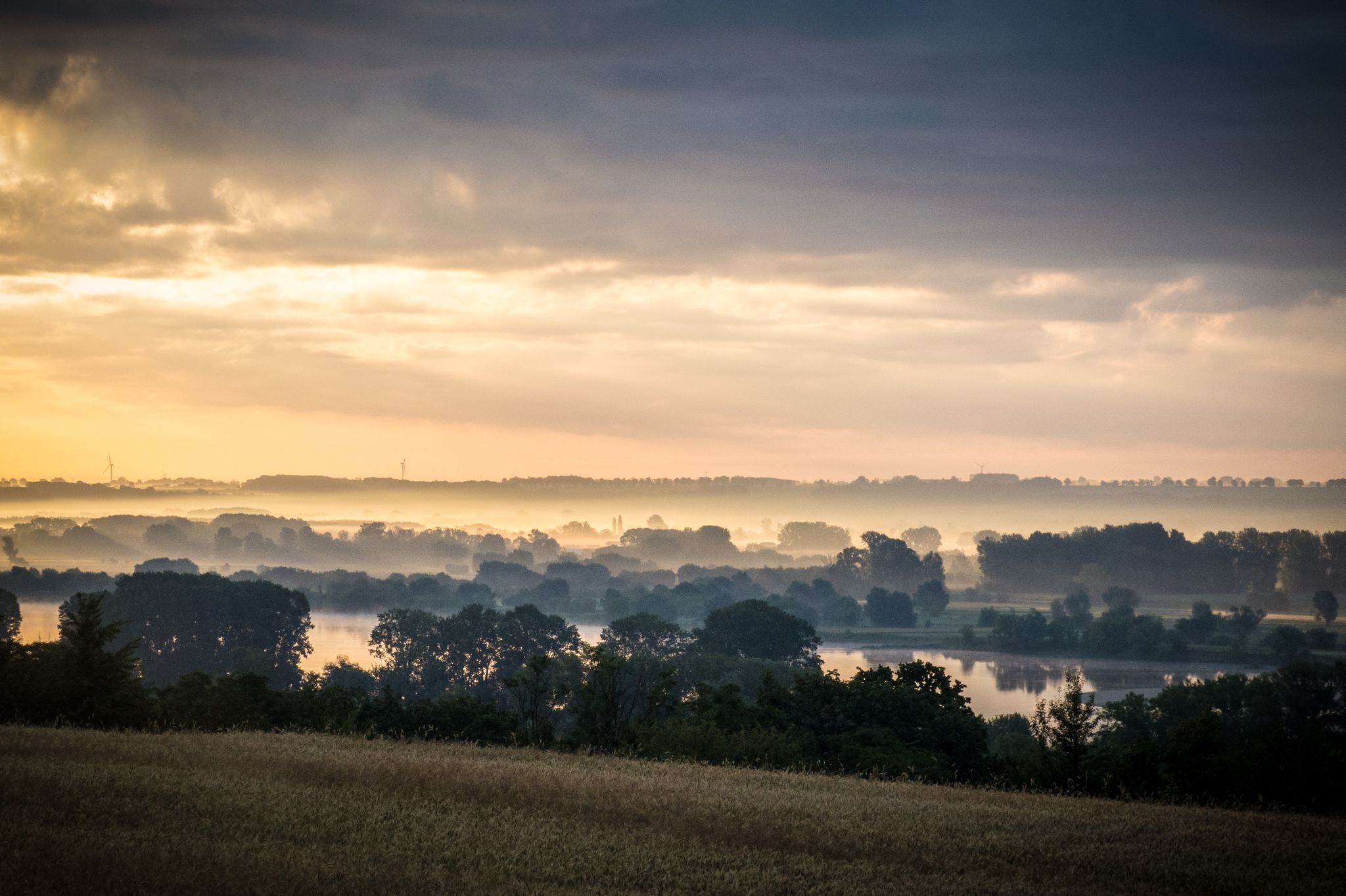
EuroVelo 9 – The Amber Route from the Baltic to Adriatic Sea
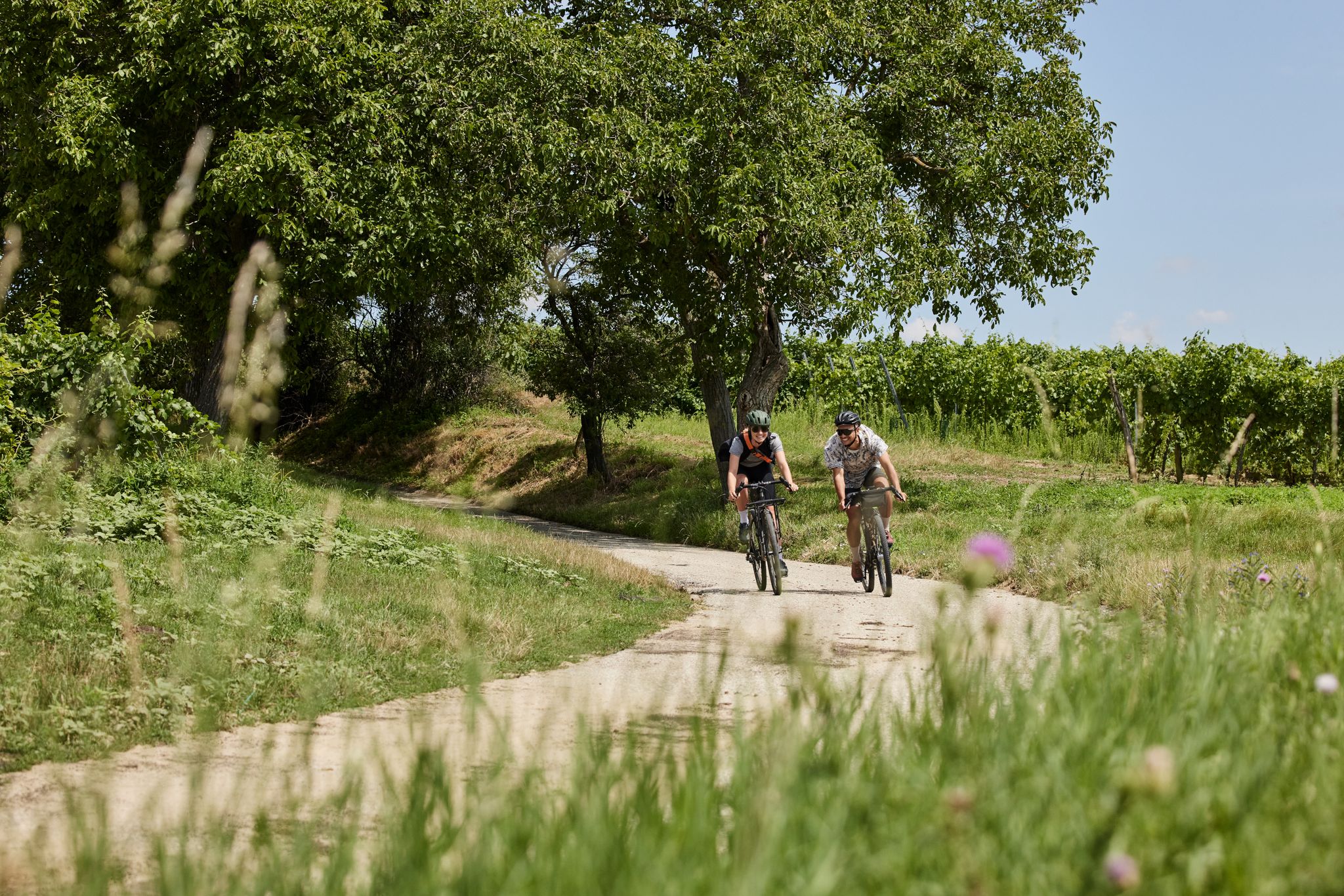
Cycling between the vines – wine routes in the Weinviertel
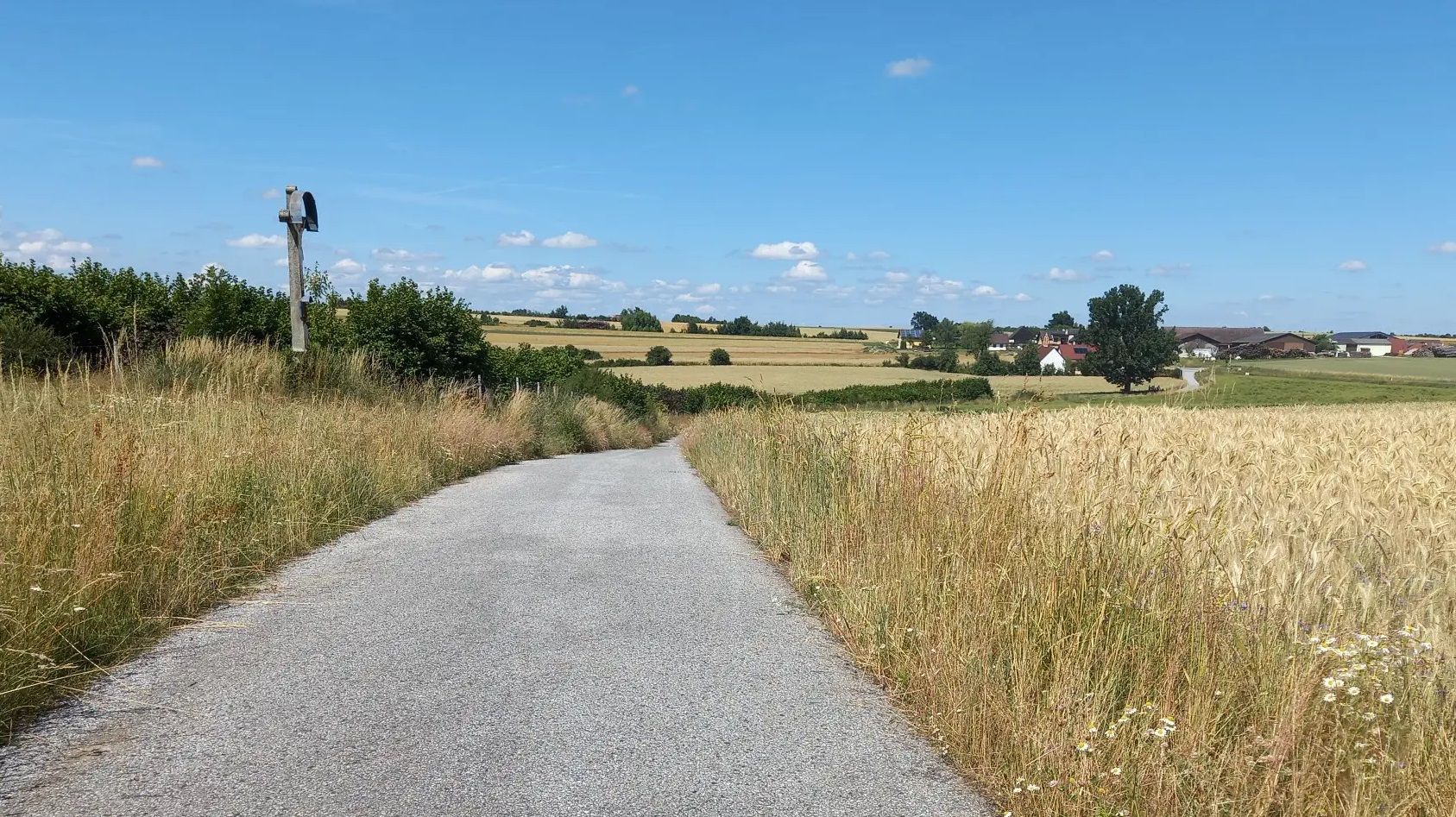
Cycling away from the crowds – Austria’s Kamp-Thaya-March Cycle Route
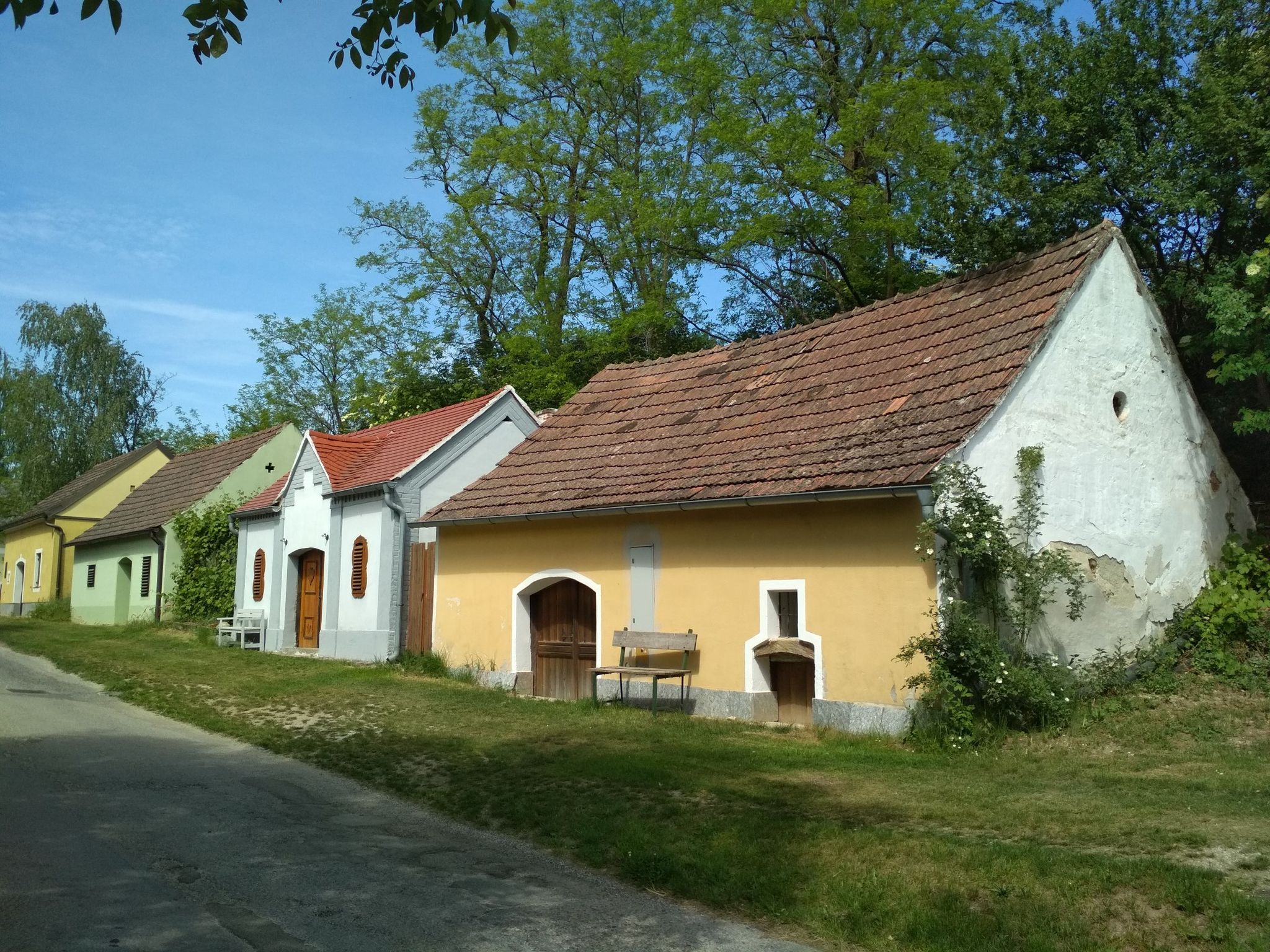
The most beautiful wine cellar lanes along the Jakobsweg Weinviertel
Jakobsweg Weinviertel
Die besten Orte der Stille
Natur erleben: Dein Wanderurlaub am Bauernhof
Die besten Orte der Inspiration
Die besten Orte für Genießer
Cycling around Bezirk Mistelbach
Other adventures around Bezirk Mistelbach


Tips from the Community

First of all, we would like to thank you for your extremely interesting comments and now share our opinion. As a nature- and culture-friendly community, we have come to the conclusion that the term "desertification" is, in our opinion, a mere exaggeration and that you, dear Mr. Laurenz, have merely used it as a vague umbrella term for the precious, fertile agricultural soil of the Weinviertel. Consider this fountain in this little corner of Eden, but as a timeless testament to the important agricultural advances that have taken place in northern Lower Austria in recent decades. Technical advances in these sectors have revolutionized agriculture and forestry and made life in the countryside easier. Let us leave these primitive times behind us, and with them this spring, which serves as a monument to the past, and look forward with joy to a future full of luxury and abundance.
0
0

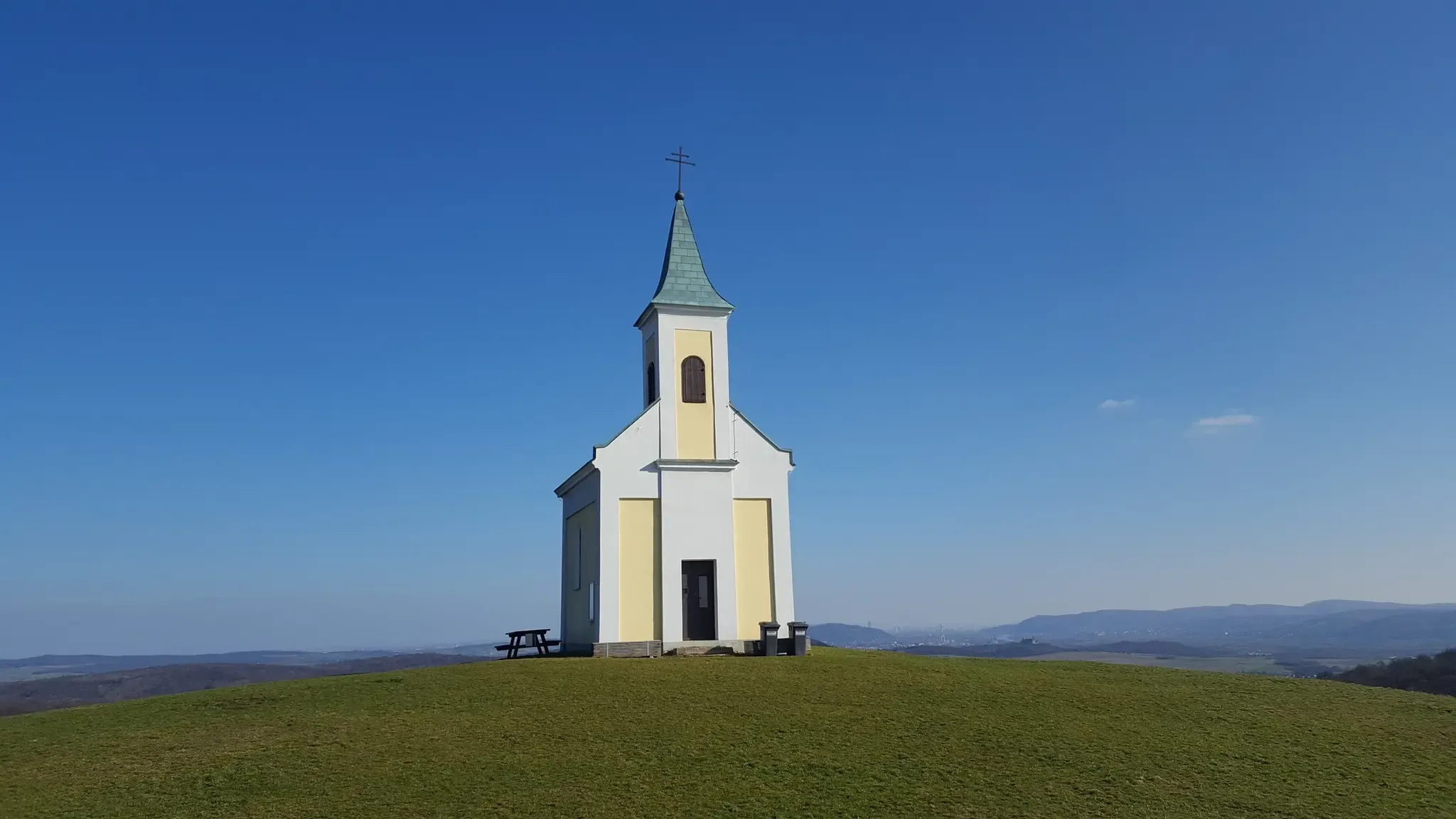
A special architectural feature is the 12-sided pyramidal roof. In the tower hangs a bell weighing approximately 35 kg, cast at the Grassmayr bell foundry in Innsbruck and bearing an image of St. Francis.
1
0
The chapel is named after Saint Francis of Assisi, the patron saint of animals, nature, and the environment – fittingly for its location in the nature park. The chapel is located directly on the Weinviertel Way of St. James and serves as a spiritual place of tranquility for pilgrims, hikers, and nature lovers. Today, the chapel is a popular tourist destination and hosts events such as the annual animal blessing ceremony around World Animal Day.
1
0
The chapel was planned and built by the Buschberg local group of the Lower Austrian Mountain and Nature Watch, together with numerous volunteers. The groundbreaking ceremony took place in February 2022, and it was officially inaugurated in the summer of the same year.
1
0
The St. Francis of Assisi Chapel on the Buschberg in the Weinviertel region of Lower Austria was built in 2022. It is located in the Leiser Berge Nature Park near the radar station on the Buschberg, which, at 491 m, is the highest elevation in the region.
1
0

Completely open chapel
0
0


The Mariengrotte is a 15-meter-high half-cave beneath the Falkenstein castle ruins, which was designed as a Lourdes grotto in 1889. The larger-than-life statues - of the Mother of God and St. Bernadette - are the work of Theodor Haf from Pfronten, a sculptor in Munich.
1
0
Frequently Asked Questions
What types of natural monuments can I explore in Bezirk Mistelbach?
Bezirk Mistelbach is home to 61 designated natural sites, offering a diverse range of experiences. You can find significant wetland areas like the Zayawiesen, ancient trees, and unique geological formations such as the limestone cliff supporting the Ruins of Staatz Castle. Other examples include protected dry grasslands and reed-willow areas, showcasing the region's varied ecosystems.
Are there any unique wetland areas to visit in Bezirk Mistelbach?
Yes, the Zayawiesen wetland area in Mistelbach an der Zaya is a notable natural monument. This 16-hectare site is one of the last remaining wet meadow landscapes in the Weinviertel region. It's a crucial stepping stone biotop, supporting unique flora like Great Yellow Rattle and Marsh Sow-thistle, making it an important area for biodiversity and nature conservation.
Which natural monuments offer the best views in the region?
For panoramic views, consider visiting the Buschberg Summit Cross, which is the highest elevation in the Leiser mountains. Another excellent spot is the Ruins of Staatz Castle, situated on a limestone cliff that rises about 100 meters above the surrounding area, providing extensive vistas, even into the Czech Republic on clear days.
Are there family-friendly natural monuments or activities in Bezirk Mistelbach?
Several natural monuments are suitable for families. The Baumkreis Cellar Kettlasbrunn features a tree circle with information about different tree species, a show wine garden, and a self-service room with refreshments, making it a pleasant stop for all ages. The Marienbründl Spring on Heiligen Berg (Hautzendorf) is also considered family-friendly, offering a tranquil natural setting with a historic chapel.
What kind of hiking opportunities are available near the natural monuments?
Bezirk Mistelbach offers various hiking opportunities. You can find easy hikes around the region, such as the 'Swing Set in the Vineyard – View of Buschberg loop from Mistelbach' or the 'Buschberg Singletrack – Buschberg Summit Cross loop from Buschberg'. For more moderate options, consider routes like the 'Buschberg Summit Cross – Buschberg Hut loop from Buschberg'. You can explore more hiking trails in the region by visiting the Hiking around Bezirk Mistelbach guide.
Can I find any historical sites combined with natural monuments?
Yes, the Ruins of Staatz Castle is a prime example, where a significant historical ruin sits atop a unique geological limestone cliff. Another interesting site is the Lourdes Grotto Falkenstein, which combines a religious site with a natural cave formation, offering both historical and natural appeal.
What are some lesser-known natural gems in Bezirk Mistelbach?
Beyond the more popular sites, the region holds many smaller, protected natural monuments. These include individual ancient trees like the '1 Platane' in Asparn an der Zaya, or specific 'Baumgruppe' (tree groups) recognized for their age and size. Areas like 'Gersttalen' and 'Galgenberg' Trockenrasenflächen (dry grassland areas) in Altlichtenwarth also represent unique ecological formations worth discovering for their local biodiversity.
Are there any cycling routes near the natural monuments?
Yes, the region provides gravel biking opportunities that can take you near some natural monuments. Routes like 'MAMUZ Castle Asparn/Zaya – Picnic Area by the Cycle Path loop from Mistelbach Interspar' offer a chance to explore the landscape by bike. For more options, refer to the Gravel biking around Bezirk Mistelbach guide.
What do visitors particularly enjoy about the natural monuments in Bezirk Mistelbach?
Visitors appreciate the diverse natural beauty and the opportunities for outdoor activities. Many enjoy the panoramic views from summits like Buschberg Summit Cross and the historical ambiance of sites like the Ruins of Staatz Castle. The tranquil settings, unique flora, and well-maintained facilities at places like Baumkreis Cellar Kettlasbrunn are also frequently highlighted by the komoot community.
Is there a specific natural monument related to water sources in the area?
Yes, the Mistelquelle (Source of the Mistelbach) is a designated natural monument. Additionally, the Marienbründl Spring on Heiligen Berg (Hautzendorf) is a significant site, known for its clear, cold water and historical association as a place of healing and power.
What is the geological significance of the natural monuments in Bezirk Mistelbach?
The region's natural monuments include sites with notable geological features. For instance, the Staatzer cliff, home to the Ruins of Staatz Castle, is a unique limestone formation that 'floats' on a merglingen cliff shell, rising significantly above the surrounding area. This cliff is part of the Waschberg zone, a characteristic geological unit of the Weinviertel, found only in a few locations.
Most popular routes around Bezirk Mistelbach
Most popular attractions around Bezirk Mistelbach

Get inspired with the komoot mobile app


Didn’t find what you were looking for?
Find even more amazing natural monuments around Bezirk Mistelbach by checking out the top Highlights region by region:
Explore more
Extend your search for the best caves by checking out these guides of the top ones around Bezirk Mistelbach:
