Top 20 Natural Monuments around Bad Vöslau
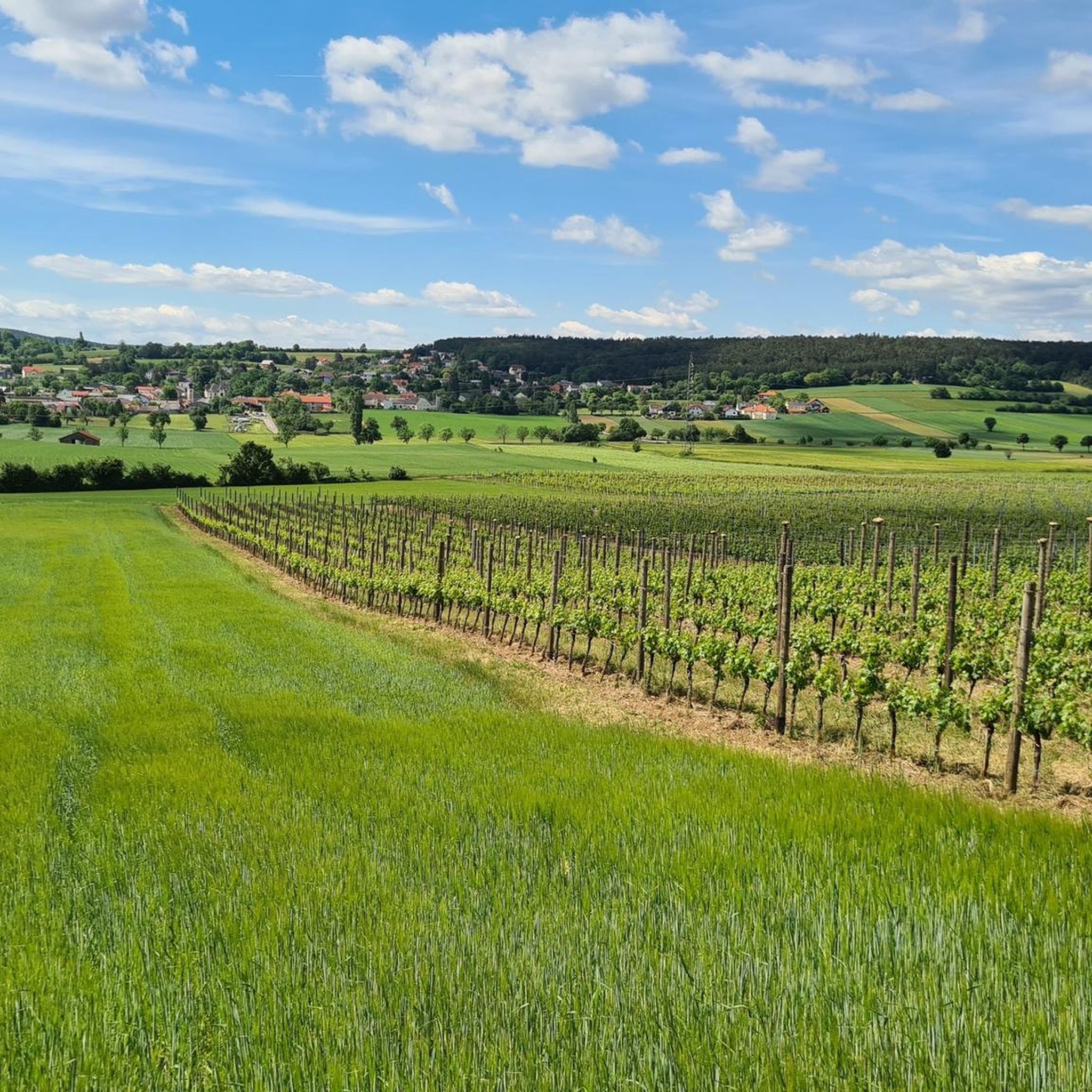
Best natural monuments around Bad Vöslau are situated within the Vienna Woods Biosphere Reserve, offering diverse ecological and historical insights. The region features a landscape of natural pine and mixed forests, alongside cultivated dry grasslands. These areas provide habitats for various plant and animal species, including endangered aquatic snails and multiple bat species. The municipality of Bad Vöslau is home to 13 natural monuments, preserving unique natural features and ecosystems.
Best natural monuments around Bad Vöslau
- The most popular natural…
Last updated: July 7, 2026
On Harzberg
Highlight • Viewpoint
Refuge with the sun terrace and the wonderful view is awesome.
Then the visit to …
Translated by Google •
Tip by

Jubilee Cross
Highlight • Viewpoint
Translated by Google •
Tip by
Sign up now to discover places like this
Get recommendations on the best single tracks, peaks, & plenty of other exciting outdoor places.
Sign up for free
Peilstein Summit Cross
Highlight • Summit
Translated by Google •
Tip by

King's Cave
Highlight • Cave
Translated by Google •
Tip by
Anton's Grotto
Highlight • Cave
Translated by Google •
Tip by
Sign up for free to discover even more natural monuments around Bad Vöslau.
Sign up for free
Already have an account?
Start today with a free account
Your next adventure awaits.
Login or Signup

Tips from the Community

The people who lived in the Baden region around 3000 years ago were referred to as the "Baden culture" due to the sensational finds made around the so-called "Königshöhle" (King's Cave).
1
0

The summit cross is not at the highest point, but it does offer a good view.
6
1

The Antonsgrotte opposite the Cholera Chapel in Helenental is a popular destination. The place of worship, always decorated with candles, now has another attraction. Bird feeding is carried out there with particular passion, and indeed: the birds eat a lot and happily. BADEN. Bird feeding at the Antonsgrotte is a tradition. Elisabeth Werkmann - she has been looking after the Antonsgrotte for five years - took over this task last year from her predecessor, who suddenly dropped out. Source: www.meinbezirk.at/baden/c-lokales/kerzerln-vogerln-und-baeume-mit-gesichtern_a7034811
9
1

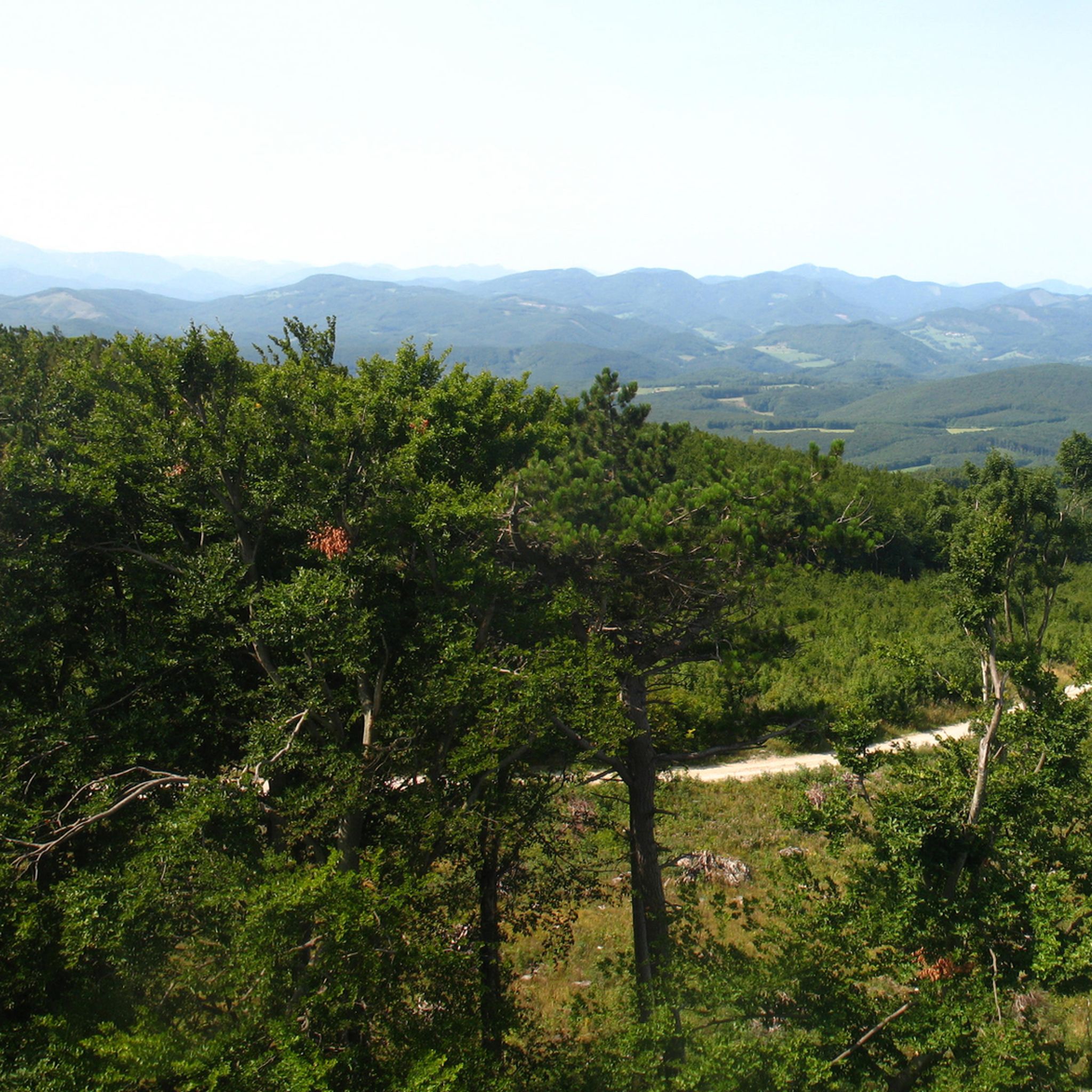
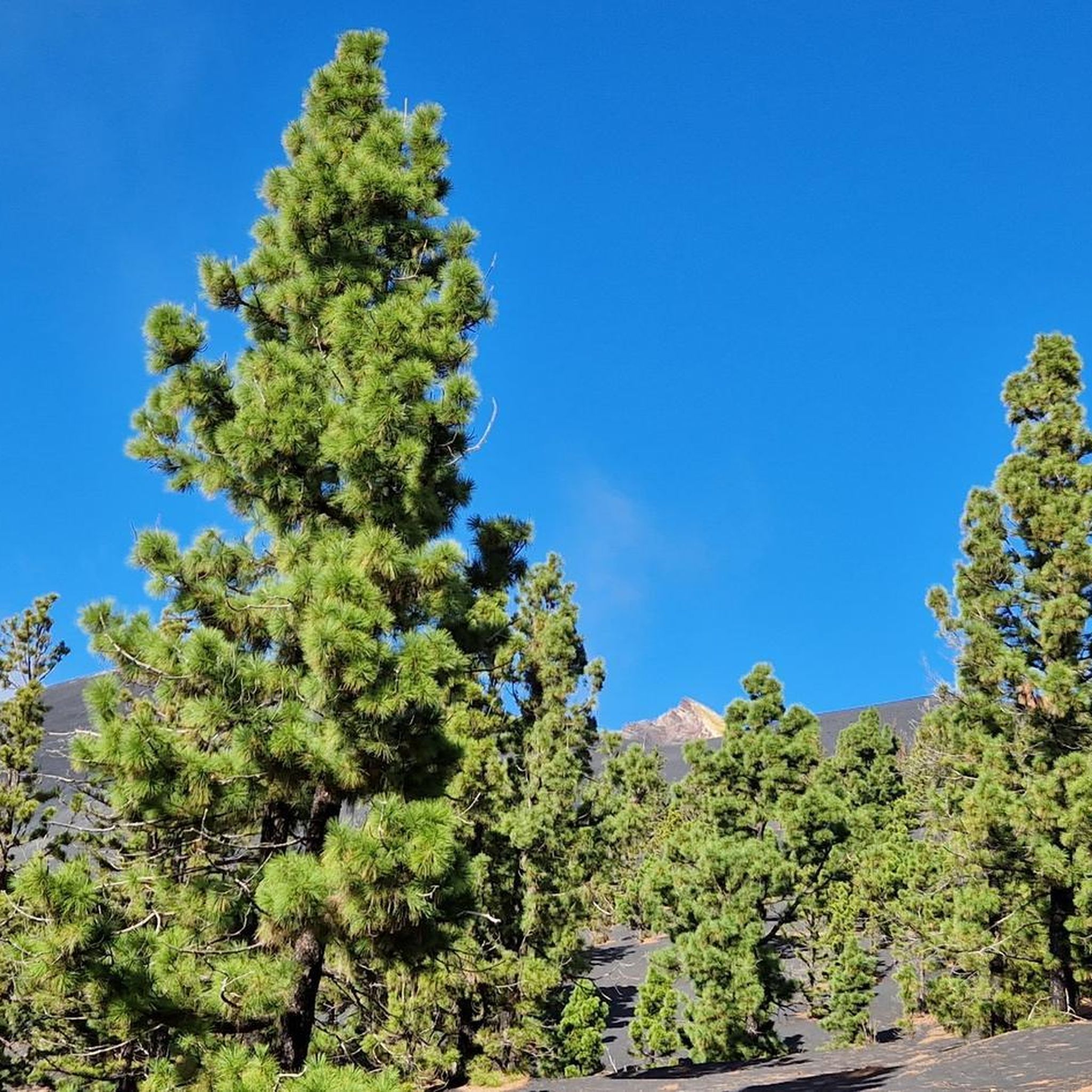
Great view over the pines to the Schneeberg and the surrounding mountains.
1
0
The network of promenades dates back to Archduke Anton (1779–1835), who had it built in the years up to 1829. The highlight was the Antonsgrotte, which stands roughly opposite the Cholera Chapel, which did not yet exist at the time. The approximately 2.2 km long section of the Helenental from Antonsbrücke to Antonsgrotte is therefore called Antonstal. Source: https://de.m.wikipedia.org/wiki/Helenental
9
0

The Antonsgrotte is located on the Wegerl in the Helenental, near the cholera chapel.
8
8
10/02/2022 - Near the former Rauheneck Castle, which together with the Rauhenstein controlled the entrance to the picturesque Helenental near Baden, lies the bizarre royal cave, which was already inhabited in the Neolithic Age (2200 to 1800 BC). Archaeological excavations made such important finds that the entire period is called the "Baden culture". The presence of humans in the La Tène and Hallstatt periods has also been proven; individual finds date from Roman times and the Middle Ages. Just listing the scientific publications about the cave fills a whole book page. It is not surprising that there are many legends about the cave. King Bela IV of Hungary is said to have sought refuge there, and there are also reports of evil dwarves and wild people. Here and there, the royal cave still serves as a bivouac site, as some traces in the natural monument show.
8
1
October 2nd, 2022 - After a short hike, we reach the half-open Antonsgrotte - a small, decorated place of worship.
17
9
Frequently Asked Questions
What are some of the most unique natural monuments to visit in Bad Vöslau?
Bad Vöslau offers several unique natural monuments. The Schneckenreservat Hansybach is a special reserve dedicated to endangered aquatic snails, including the Vöslau spring snail found nowhere else. You can also explore the Schlosspark Bad Vöslau, home to an over 200-year-old plane tree and several redwood trees, or visit the Arnstein Cave, known for its historical significance and unique rock formations.
Are there natural monuments in Bad Vöslau that offer scenic views?
Yes, several natural monuments provide excellent panoramic views. The Peilstein Summit Cross offers breathtaking views over the Yspertal and Laimbach am Ostrong from 1,024 meters. Another popular spot is the Jubilee Cross, which serves as a rest area with extensive views, often including snow-capped mountains.
Can I explore caves in the Bad Vöslau area?
Bad Vöslau is known for its caves. The Arnstein Cave, located below castle ruins, is 128 meters long and historically used as stables, with findings of cave bears. The King's Cave is significant for its archaeological finds from the Neolithic Age. Additionally, the Schelmenhöhle is a natural monument known for its biodiversity, hosting nine bat species and 40 arthropod species, including the cave cricket.
Are there family-friendly natural monuments or activities in Bad Vöslau?
The Schlosspark Bad Vöslau is a great family-friendly option, offering 6 hectares of parkland with ancient trees and special folders like 'Abenteuer Schlosspark' to guide visitors to mysterious spots. The Anton's Grotto is also considered family-friendly and is a popular destination along the Helenental.
What kind of wildlife can I expect to see around Bad Vöslau's natural monuments?
The natural monuments and surrounding areas, part of the Vienna Woods Biosphere Reserve, are rich in biodiversity. You might encounter unique aquatic snails at the Schneckenreservat Hansybach. The Schelmenhöhle is home to various bat species and arthropods. The diverse forests and dry grasslands provide habitats for rabbits, deer, and numerous songbirds and birds of prey.
Are there natural monuments with significant historical importance in Bad Vöslau?
Yes, several natural monuments have historical ties. The King's Cave was inhabited during the Neolithic Age, with archaeological finds leading to the naming of the 'Baden culture'. The Arnstein Cave was historically used by castle residents, and the Schlosspark Bad Vöslau features historical 'Zauner-Vases' alongside its ancient trees.
What outdoor activities can I do near the natural monuments in Bad Vöslau?
The region around Bad Vöslau offers a variety of outdoor activities. You can find numerous cycling routes, including easy and moderate options like the 'Fuchsensteg Bridge – View of the vineyards loop'. For running, trails like the 'Jubilee Cross – Vöslauer Hut loop' are popular. You can explore more options for cycling, road cycling, and running in the area.
What is the best time to visit the natural monuments in Bad Vöslau?
The natural monuments in Bad Vöslau can be enjoyed throughout the year, with each season offering a different experience. Spring and autumn are ideal for hiking and exploring the forests and dry grasslands due to pleasant temperatures and vibrant colors. Summer allows for full enjoyment of the outdoor activities, while winter can offer a serene, snow-covered landscape, especially around viewpoints like the Jubilee Cross.
Are there any natural monuments focused on water resources or geological features?
Yes, Bad Vöslau is part of a larger Heilquellen-Schongebiet (Healing Spring Protection Area), which safeguards the region's natural water resources, crucial for the famous Vöslauer mineral water. While specific details are less prominent, the Hexenstein is mentioned as a natural point of interest, suggesting a unique geological formation to discover.
What do visitors enjoy most about the natural monuments in Bad Vöslau?
Visitors frequently praise the stunning panoramic views from spots like the Peilstein Summit Cross and the Jubilee Cross, often describing them as 'dream views' and 'places of power'. The historical and natural intrigue of the caves, such as the Arnstein Cave, also captivates many, with some enjoying the adventure of exploring them.
Are there specific trails or routes to explore the natural monuments?
Many natural monuments are integrated into Bad Vöslau's extensive network of hiking trails within the Wienerwald Biosphere Reserve. For instance, the Anton's Grotto is part of a promenade network. You can find various running routes, such as the 'Rauheneck Ruins – Bad Vöslau Spa Park loop', which may pass by or near several natural features. For detailed routes, refer to the running trails guide for the area.
Where can I find more information about the Schlosspark Bad Vöslau?
For more details about the Schlosspark Bad Vöslau, including its ancient trees and cultural elements, you can visit the Bad Vöslau Tourism website: badvoeslau-tourismus.at/schlosspark-voeslau.
Most popular routes around Bad Vöslau
Most popular attractions around Bad Vöslau

Get inspired with the komoot mobile app


Explore more
Extend your search for the best caves by checking out these guides of the top ones around Bad Vöslau:
