Heiligenblut am Großglockner
Heiligenblut am Großglockner
Top 20 Natural Monuments around Heiligenblut am Großglockner
Best natural monuments around Heiligenblut am Großglockner are found within the Hohe Tauern National Park in Carinthia, Austria. This alpine region is characterized by high mountains, glaciers, and waterfalls. The area offers a diverse natural landscape with geological formations and impressive views. Visitors can explore more than 20 natural monuments here.
Best natural monuments around Heiligenblut am Großglockner
- The most popular natural monuments is Dabaklamm Gorge, a gorge that features a path hewn into the cliff. It is considered…
Last updated: July 7, 2026
Großglockner summit
Highlight • Summit
Translated by Google •
Tip by

Böses Weibl
Highlight • Summit
From the conical summit you …
Translated by Google •
Tip by

Sign up now to discover places like this
Get recommendations on the best single tracks, peaks, & plenty of other exciting outdoor places.
Sign up for free
Dabaklamm Gorge
Highlight (Segment) • Gorge
Translated by Google •
Tip by

Großes Wiesbachhorn Summit
Highlight • Summit
Translated by Google •
Tip by

Kaiser Franz Josef's Viewpoint
Highlight • Viewpoint
Translated by Google •
Tip by

Sign up for free to discover even more natural monuments around Heiligenblut am Großglockner.
Sign up for free
Already have an account?
Start today with a free account
Your next adventure awaits.
Login or Signup
Popular around Heiligenblut am Großglockner
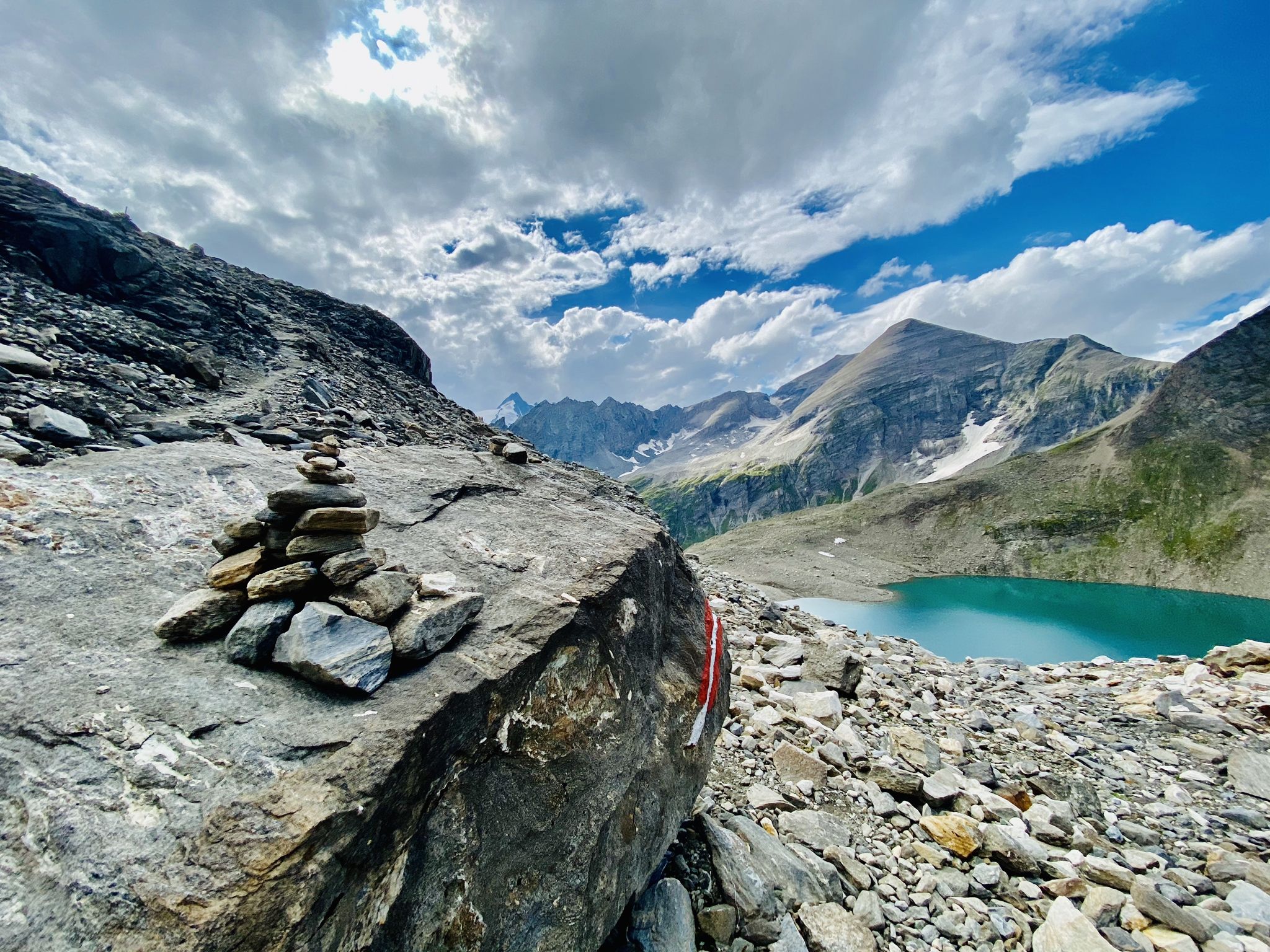
The Tauernhöhenweg – Once across the Hohe Tauern
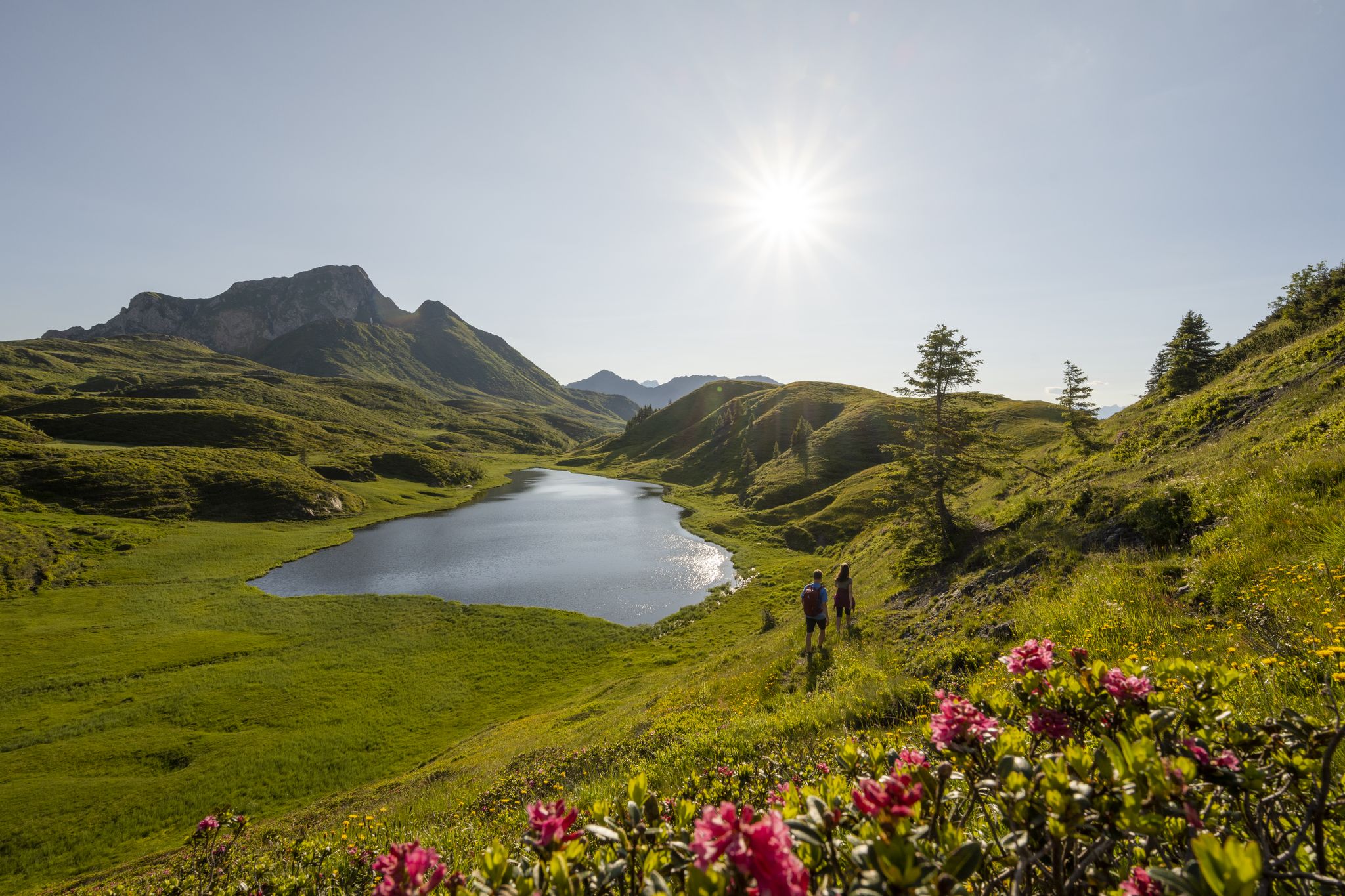
Long hikes on the southern side of the Austrian Alps – in Carinthia
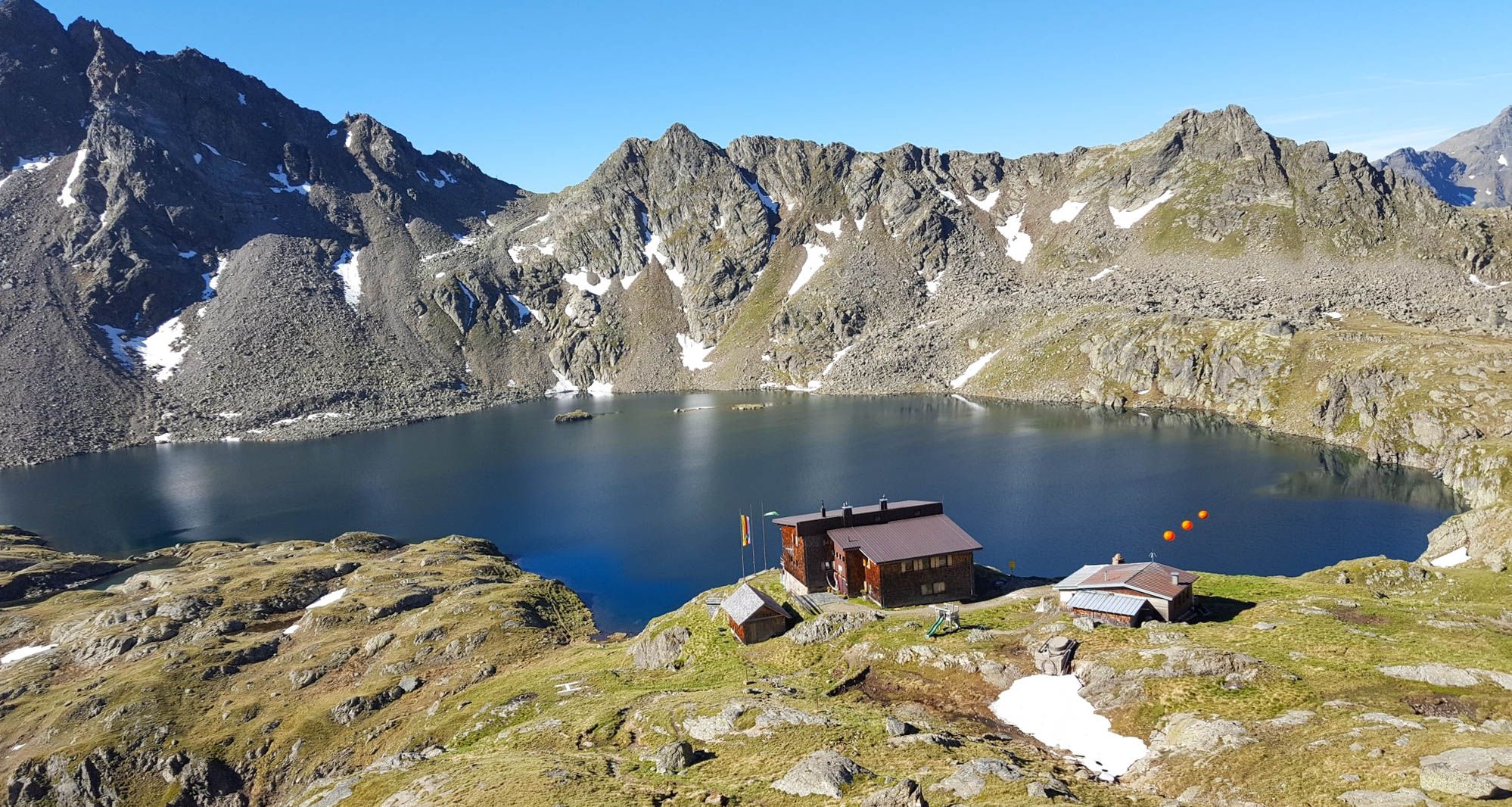
Wiener Höhenweg in Austria – 6 stages in the Schober Group
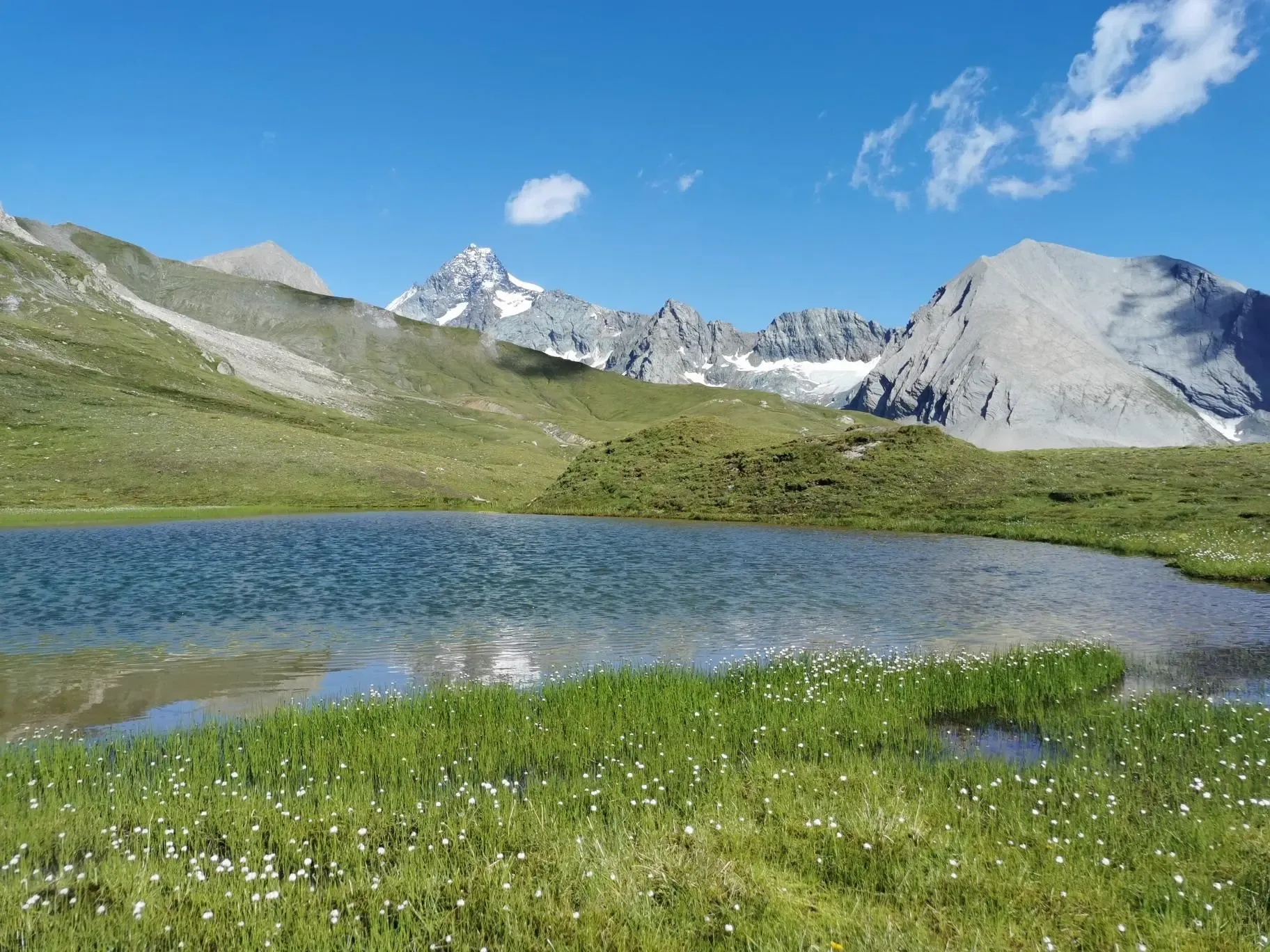
The Glockner Trek – Exploring Austria's highest peak
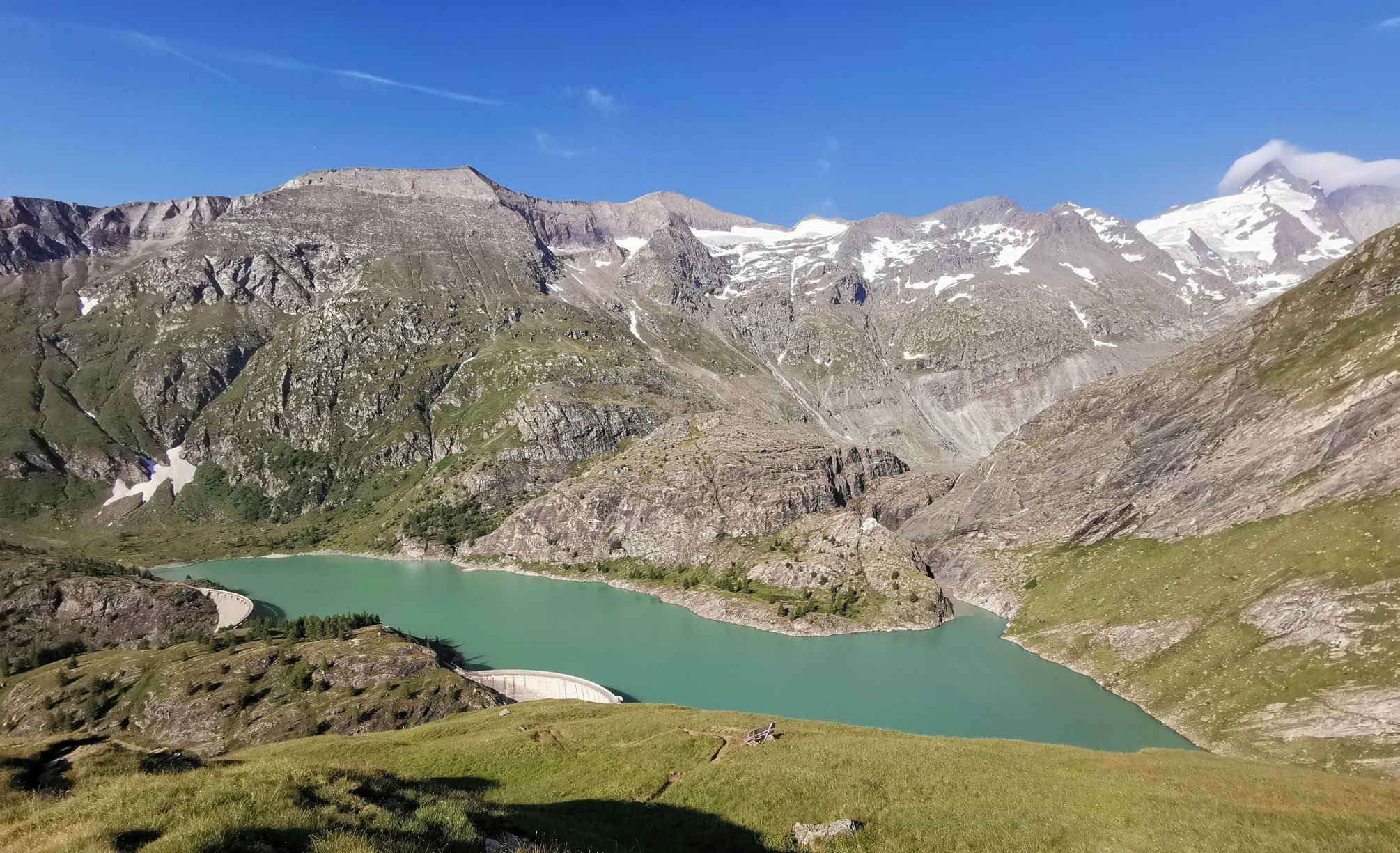
The Grossglockner – Circumnavigate Austria's highest mountain
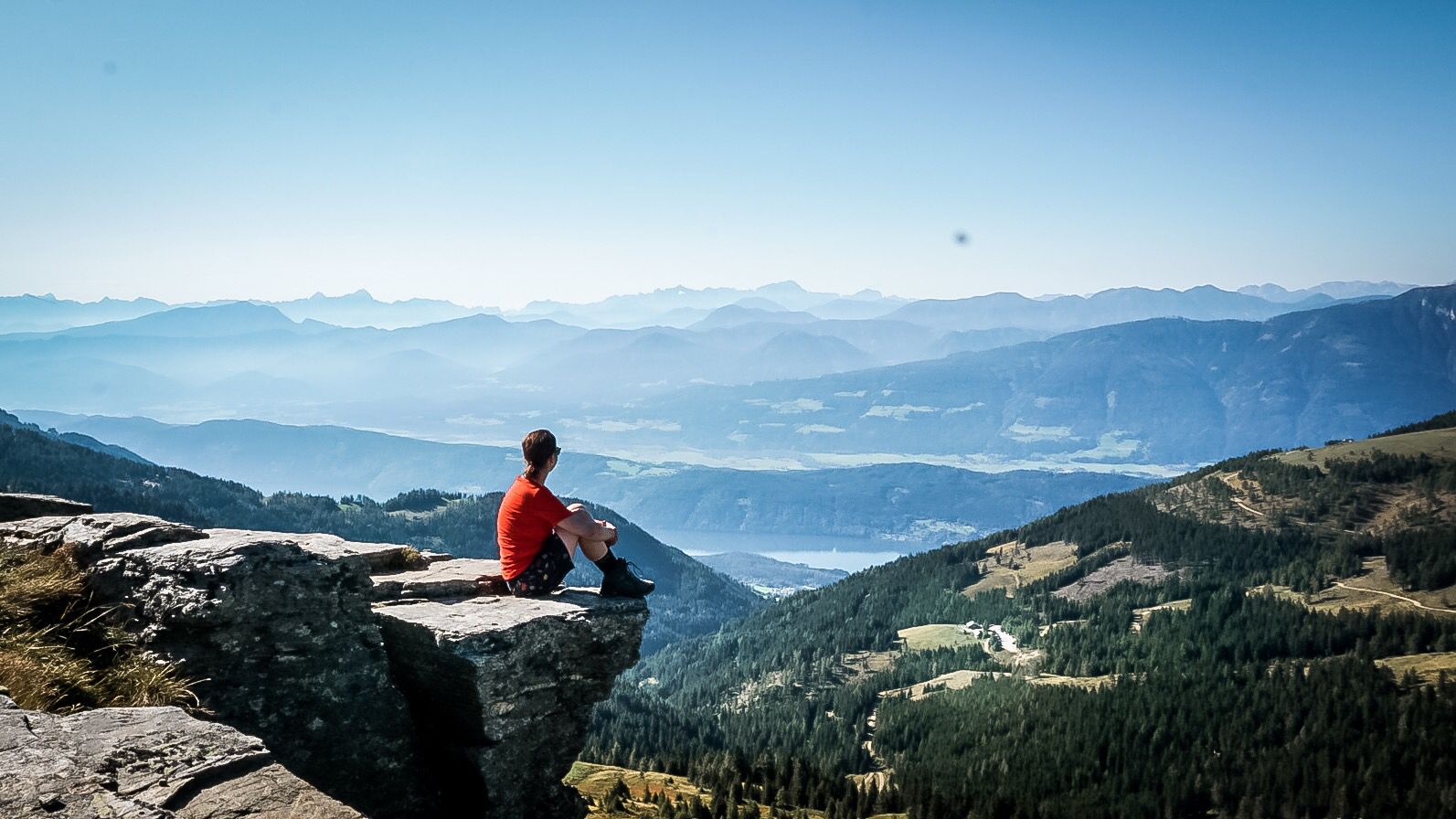
Alpe-Adria-Trail: My long-distance hike from the glacier to the sea
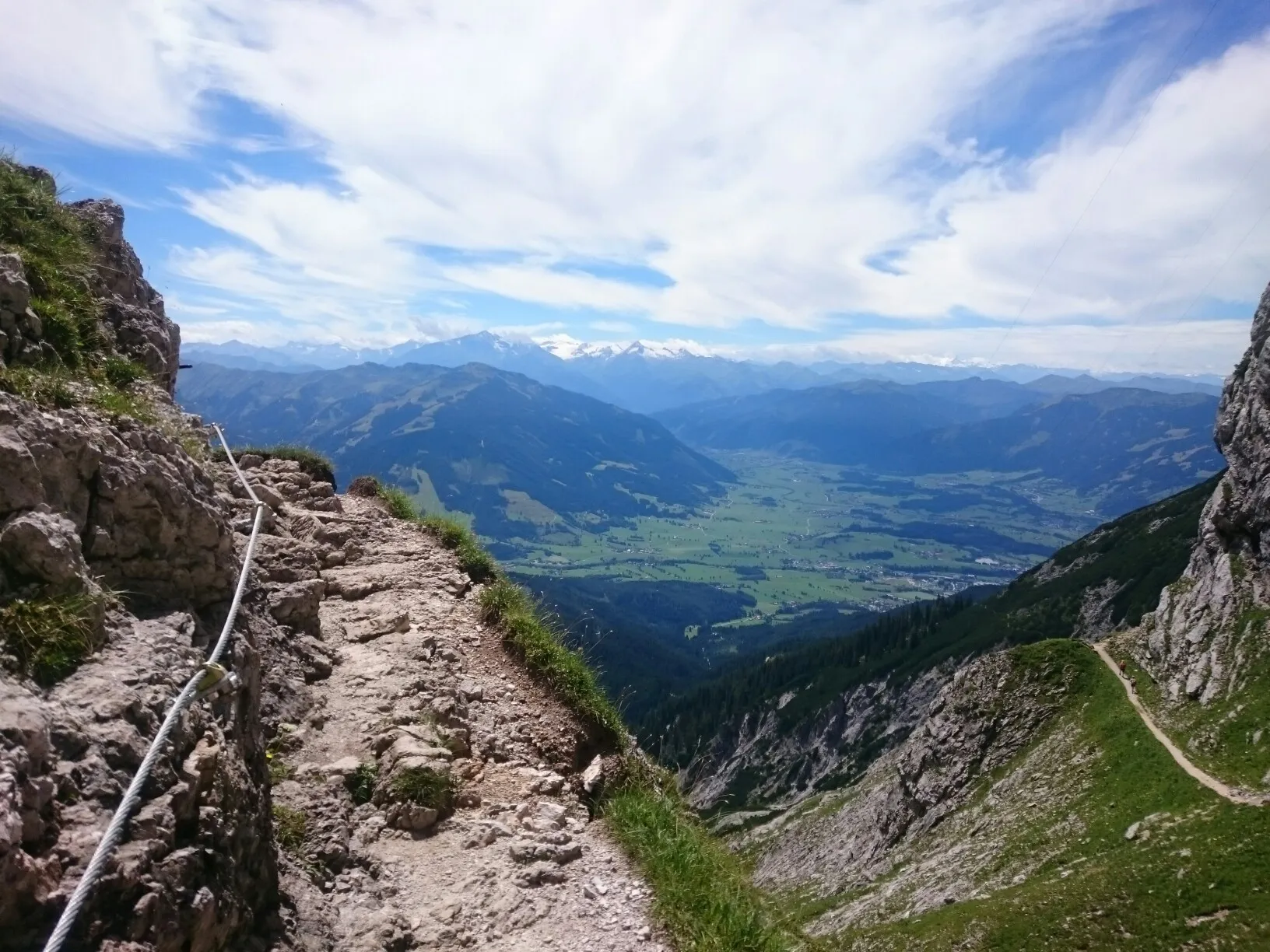
Alpine Crossing — 9 days across the Alps to Lienz
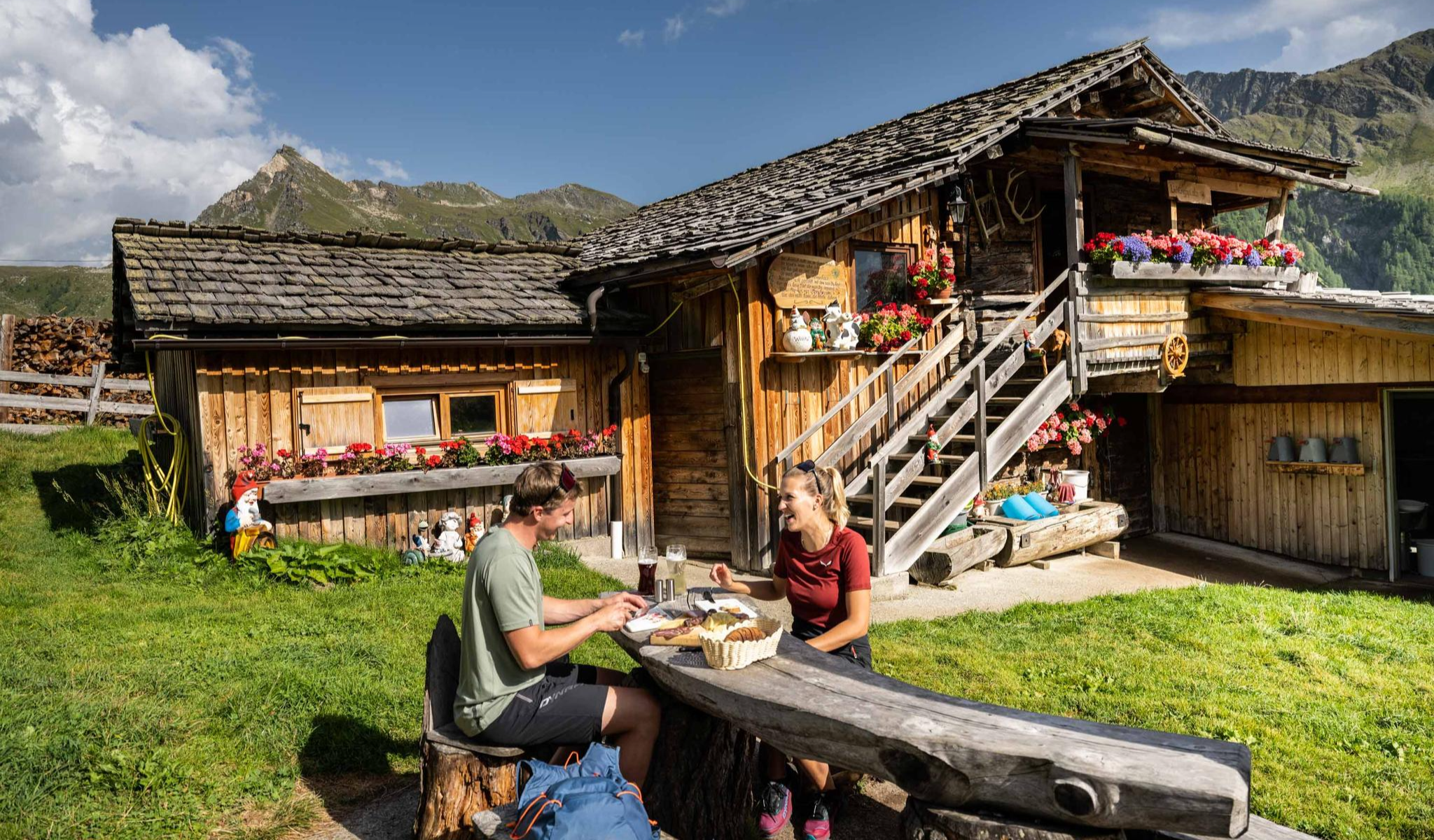
Peak happiness – hut hikes in the High Tauern
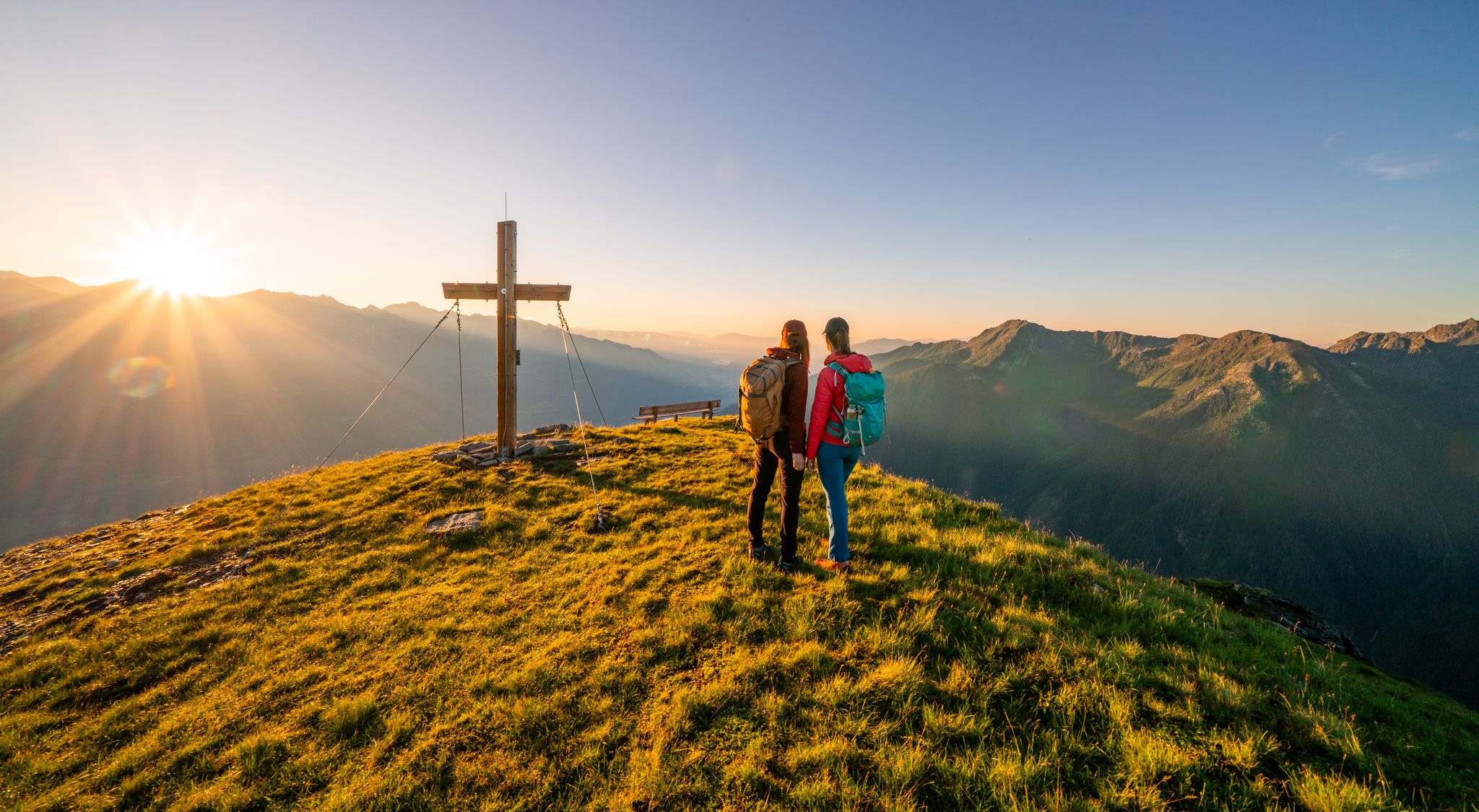
Your time out – long-distance hiking trails in the High Tauern
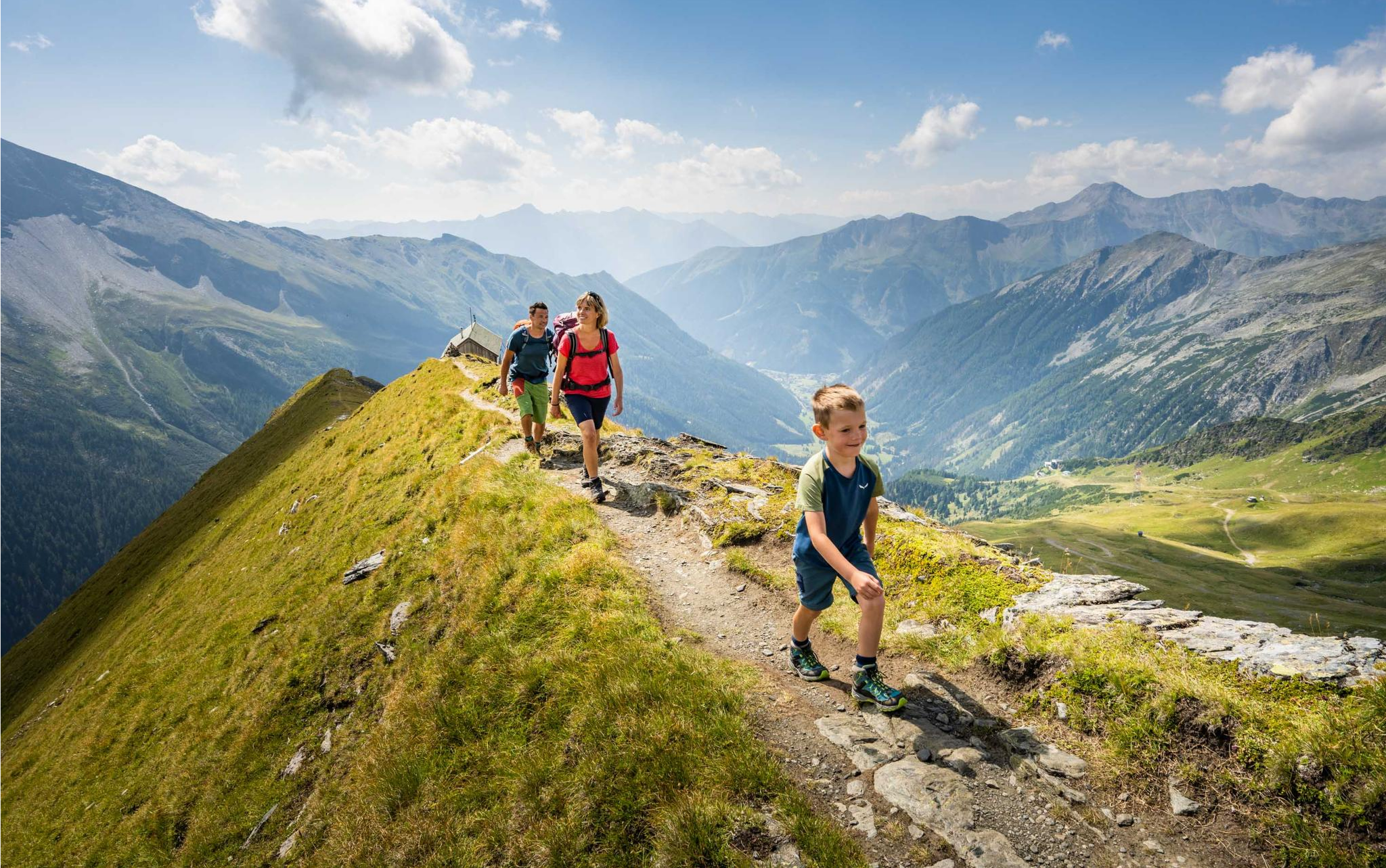
Varied family hiking in the High Tauern
Other adventures around Heiligenblut am Großglockner


Tips from the Community

Impressive gorge, please wear good shoes, from the Alm onwards the path becomes stony
0
0

Super accessible from the Taurer hiking parking lot. No problem even with a stroller. For those who choose the path through the tunnel! Don't forget a flashlight!
0
0
Easily reachable from the Traurer hiking parking lot. No problem even with a stroller. If you take the path through the tunnel!!! Don't forget your flashlight.
1
0

Magnificent views - Kitzsteinhorn, Grossglockner and at your feet the turquoise reservoirs of the Mooserboden. An absolute dream peak (2 highest in the Glockner group) in the state of Salzburg. For a safe ascent, absolutely safe weather conditions, surefootedness and a head for heights are necessary.
6
0

Magnificent! Great view! There is information about the snow situation on the Heinrich-Schwaiger-Haus website. At the end of July there was no snow at all.
1
0

Beautiful walk, in the beginning along the fence, then it becomes more relaxed. In winter, the section after the tunnel is closed. It is doable with shoes under your shoes, but it is very dangerous on the frozen snow with those precipices.
3
0

One of the major transnational long-distance hiking trails in this region is the "ALPE-ADRIA-Trail", which leads from the Großglockner over the Nockberge Mountains to Slovenia and further south of Trieste, then to the Mediterranean Sea. Anyone who would like to take a closer look at the first glimpse can follow the route in the ARD media library: there is a two-part (one-hour total) documentary about this tour as part of the Bavarian television program "freizeit. Schmidt Max ...". with their scenic and cultural features. Link to Part 1: https://www.ardmediathek.de/video/freizeit/schmidt-max-wandert-1-2/br-fernsehen/Y3JpZDovL2JyLmRlL3ZpZGVvLzJiMWY5OTIwLWQxY2ItNDVlNy05NzUwLTk1ZDkxZDk2Y2Y4ZA Link to part 2: https://www.ardmediathek.de/video/freizeit/schmidt-max-wandert-von-den-alpen-zum-meer-2-2/br-fernsehen/Y3JpZDovL2JyLmRlL3ZpZGVvLzEyODRjYmFiLWUxNTUtNDM2Ny1iODQwLTA3MTY4OWM0YWNhOQ Of course, there is also a suitable hiking collection on Komoot itself: https://www.komoot.de/collection/314/grenzenlos-wandern-am-alpe-adria-trail
10
0

10th highest mountain in Austria. It's a fabulous place. From there you can see a beautiful panorama of the Großglockner Hochalpenstraße and of the Großglockner if the weather is clear. Can be done without glacier contact, if your start point is Heinrich-Schwaiger-Haus. Crampons and ice axe are recommended, especially in the early summer. I recommend making it 2 days tour because, on the first day, you can get to the Heinrich-Schwaiger-Haus from the Kaprun Kesselfall and see beautiful lakes and after a delightful oversleep with an amazing view on the lakes, make the summit and return via the bus.
2
1
Frequently Asked Questions
Which natural monuments are easily accessible for families or those seeking gentle walks?
For an easy and family-friendly experience, the Dabaklamm Gorge offers a path hewn into the cliff, making it an accessible and impressive natural monument. Another excellent option is the Kaiser Franz Josef's Viewpoint, which provides stunning views of the Pasterze Glacier and is wheelchair accessible with ample parking. The Gössnitzfall waterfall is also reached via an easy 30-minute walk from a parking area near Winklern.
Are there any natural monuments that are wheelchair accessible?
Yes, the Kaiser Franz Josef's Viewpoint is noted as wheelchair accessible. It offers panoramic views of the Pasterze Glacier and the surrounding alpine landscape, making it a great option for visitors with mobility needs.
What are the best natural monuments for challenging hikes and mountaineering?
For those seeking a challenge, the Großglockner summit, Austria's highest mountain, offers a varied mountain tour with glacier sections and rock climbing. Another challenging option is the Großes Wiesbachhorn Summit, the tenth highest peak in Austria, known for its magnificent views. The Böses Weibl is also a popular 3,000-meter peak with panoramic views, considered a more accessible challenge.
When is the best time to visit the natural monuments around Heiligenblut am Großglockner?
The best time to visit is generally from late spring to early autumn (May to October) when the weather is milder and most trails and attractions are fully accessible. Waterfalls like the Gössnitzfall are particularly powerful in late spring or early summer due to snowmelt. For high alpine areas and glacier views, summer offers the most favorable conditions. Winter visits are possible for specific trails, but many high-altitude areas may be covered in snow and require specialized equipment.
What kind of outdoor activities can I do near these natural monuments?
The region offers a wide range of outdoor activities. You can find numerous mountain hikes, including challenging routes to summits like the Großglockner. There are also many easy hikes suitable for families, such as the Geotrail Tauernfenster or the Natura Mystica trail. For cyclists, there are various cycling routes, including scenic rides along the Großglockner High Alpine Road.
Are there any natural monuments with historical or cultural significance?
While primarily natural, some sites have historical connections. The Kaiser Franz Josef's Viewpoint is named after Emperor Franz Josef I, who visited the area, adding a historical layer to its natural grandeur. The path through the Dabaklamm Gorge was historically used by alpine farmers and for trade, connecting it to the region's past.
What unique natural features can I expect to see?
You can expect to see a diverse range of natural features. The Pasterze Glacier, Austria's longest, offers a unique opportunity to witness a receding glacier and its impact on the landscape. Impressive waterfalls like the Gössnitzfall and Jungfernsprung cascade dramatically through rock faces. The Stausee Margaritze reservoir showcases striking turquoise waters formed by glacial melt, set against a backdrop of high alpine scenery. The Möllschlucht (Möll Gorge) provides a dramatic example of water-carved rock formations.
What are some lesser-known or 'hidden gem' natural monuments in the area?
While many natural monuments are well-known, the Möllschlucht (Möll Gorge) was once considered hidden and offers an impressive experience, especially with its via ferrata. Exploring parts of the 'Natura Mystica on Kachlmoor' nature trail, which includes the Gössnitzfall, can also lead to more secluded and mystical natural spots away from the main crowds.
What facilities are available at the natural monuments?
Facilities vary by location. The Kaiser Franz Josef's Viewpoint is well-equipped with a large, free parking garage and other facilities. Many popular trailheads and viewpoints will have parking. For longer hikes, mountain huts like the Erzherzog Johann Hütte (Adlersruhe) near the Großglockner summit offer places to stop for a break or even overnight stays.
Can I see wildlife near the natural monuments?
Yes, the Hohe Tauern National Park is rich in wildlife. While specific sightings are never guaranteed, you might spot marmots, especially around the Kaiser Franz Josef's Viewpoint where there's a dedicated marmot path. The high alpine environment is also home to ibex, chamois, and various bird species, including golden eagles. Guided hikes with national park rangers can enhance your chances of observing local fauna and learning about the ecosystem.
How long should I plan for a visit to the natural monuments?
The duration of your visit depends on the specific monument and your activity. An easy walk to the Gössnitzfall might take an hour or two, including viewing time. Exploring the Dabaklamm Gorge or Kaiser Franz Josef's Viewpoint could be a half-day excursion. For challenging summit ascents like the Großglockner, you should plan for a full day or even a multi-day tour, often involving an overnight stay in a mountain hut.
Most popular routes around Heiligenblut am Großglockner
Most popular attractions around Heiligenblut am Großglockner

Get inspired with the komoot mobile app


Explore more
Extend your search for the best caves by checking out these guides of the top ones around Heiligenblut am Großglockner:
