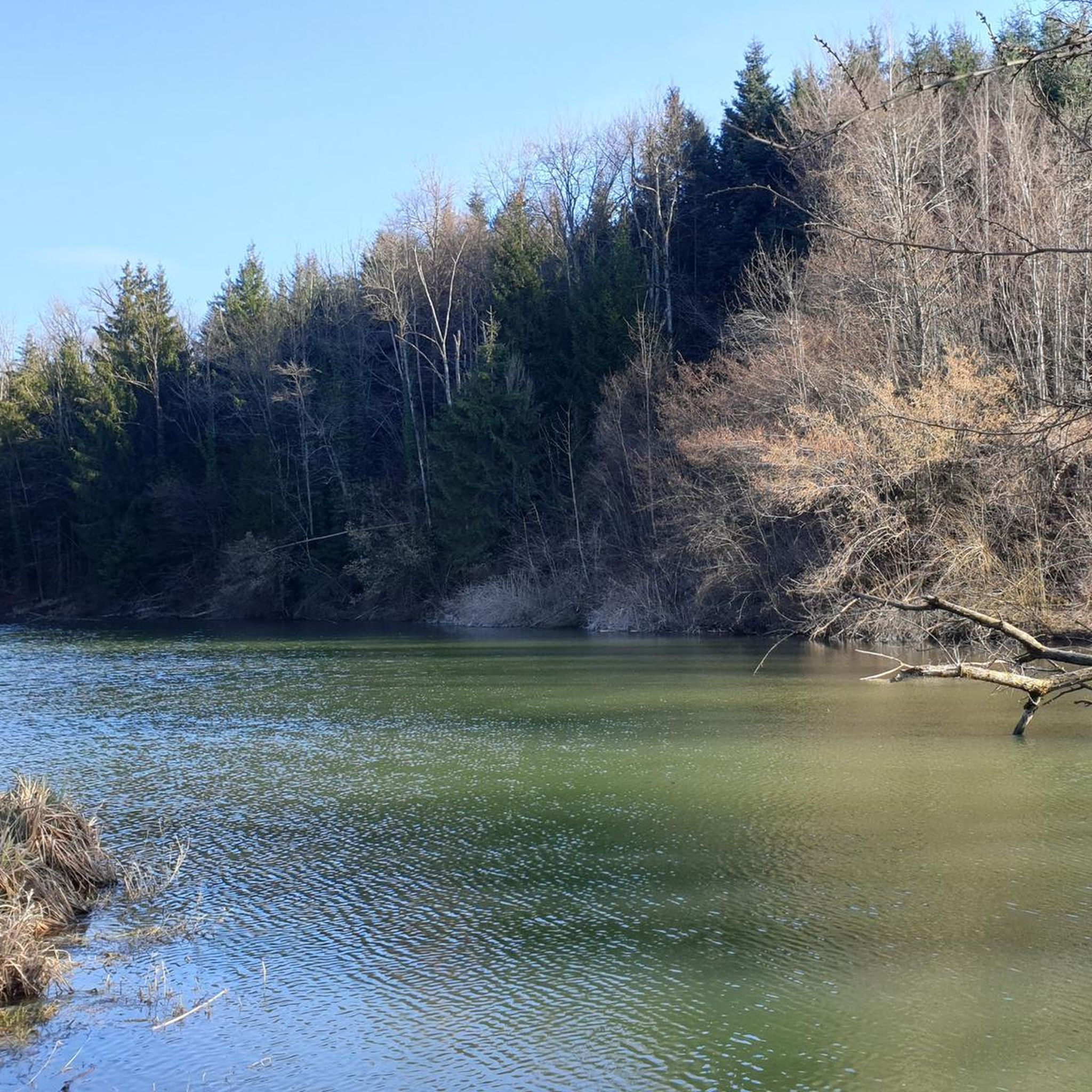
Best attractions and places to see around Münchwilen (TG) include a variety of historical landmarks, scenic natural features, and cultural sites. The region is situated on the historic Schwabenweg pilgrimage route and is characterized by its diverse landscape of forests, rivers, and lakes. Münchwilen (TG) offers extensive opportunities for outdoor activities, particularly hiking and cycling, across its varied terrain.
Last updated: May 9, 2026
Highlight • Castle
Translated by Google •
Tip by
Highlight • Lake
Translated by Google •
Tip by
Sign up now to discover places like this
Get recommendations on the best single tracks, peaks, & plenty of other exciting outdoor places.
Sign up for free
Highlight • Bridge
Translated by Google •
Tip by
Highlight (Segment) • Waterfall
Translated by Google •
Tip by
Highlight • Religious Site
Translated by Google •
Tip by
Sign up for free to discover even more attractions around Münchwilen (TG).
Sign up for free
Already have an account?
Start today with a free account
Your next adventure awaits.
Login or Signup
Brauerei Kloster Fischingen AG Enjoy beers in the only Swiss monastery brewery The Brauerei Kloster Fischingen AG is the first and only Swiss monastery brewery. It brews a range of high-quality beers in the Ökonomiegebäude under the PILGRIM brand – a reference to the countless pilgrims who came to Fischingen over the centuries on the Way of St. James. Text / Source: Kloster Fischingen, 8376 Fischingen https://klosterfischingen.ch/
14
0
Brauerei Kloster Fischingen – PILGRIM Pilgrimage Station - founded in 1138 by Bishop Ulrich II of Constance as a pilgrimage station A SIP OF HEAVEN ON EARTH! In the Benedictine monastery Fischingen, we brew handmade gourmet beers according to traditional recipes with modern knowledge and technology. The beers are made from the best monastery water, select malt, aroma hops, wild herbs, and spices. The use of rare yeasts and extensive maturation creates a unique, full flavor. Text / Source: BRAUEREI KLOSTER FISCHINGEN AG, Im Kloster, CH-8376 Fischingen https://www.pilgrim.ch/
14
0
St. Katharinakapelle - Kloster Fischingen Built in 1635 - Restored from 1998 - 2000 and placed under federal protection. Behind this door lies a true gem. Step inside and let yourself be enchanted by the atmosphere. Meditations, evening prayers, or early masses regularly take place there. Text / Source: Kath. Pfarrei St. Idda Fischingen, Kurhausstr. 29a, 8374 Dussnang https://www.kath-fischingen.ch/de/unsere-kirchen-4/st-katharinakapelle-fischingen-kloster
16
0
Kloster Fischingen History / 900 years of monastery history Since 1879, the monastery properties have been owned by the Kloster Fischingen association. The monastery is home to a small Benedictine community, which is a tenant. In addition, the association ensures that the national monument is open to a wide audience. Thus, for more than one hundred and forty years, it has been responsible for the maintenance and revitalization of the historic complex. Before 1138, Bishop Ulrich II of Constance founded the Fischingen monastery. It experienced its heyday in the Baroque period and was abolished in 1848 by the Thurgau government. In 1879, the St. Iddazell association acquired the monastery complex, where a training center was established in 1982. It remains in its possession to this day. From 1943 onwards, monks from Engelberg came to Fischingen to look after the children's home. In 1977, they were able to re-establish the old Benedictine abbey. Text / Source: Kloster Fischingen https://www.pilgerinfischingen.ch/im-kloster/lageplan-kloster/
15
0
Baroque Church of St. John the Baptist & St. John the Evangelist - Fischingen Monastery History and architecture According to sources from around 1200, Abbot Waltram had the first church and monastery complex built between 1138 and 1144. This Romanesque house of God was followed, probably after a monastery fire dated 1440, by the Gothic church construction. Before the convent chapter decided in 1685 to begin construction work on a new church, Abbot Joachim brought in the hermit architect Brother Kaspar Moosbrugger, whose contribution to the planning is difficult to assess. A first modification was made to the northern nave in connection with the St. Id a Chapel, built from 1704 onwards. The arcades opening to the chapel were adorned with stucco. The extension of the church to the east and the construction of the cheerful organ choir in 1753 onwards had a more decisive effect, forming the transition to the spacious Baroque convent buildings of the same period. Somewhat later, the chancel was reshaped in the emerging style of early Classicism. The Fischingen monastery church had to undergo a comprehensive renovation between 2000 and 2008. The high costs of this conversion, around 8 million Swiss francs, could not possibly be borne by the parish alone. Text / Source: Kath. Pfarrei St. Idda Fischingen, Kurhausstr. 29a, 8374 Dussnang https://www.kath-fischingen.ch/de/unser-pastoralraum-0/unsere-kirchen/st-johannes-der-taeufer-st-johannes-der-evangelist
15
0
Kloster Fischingen History / 900 Years of Monastery History Since 1879, the monastery properties have been owned by the Kloster Fischingen Association. The monastery is home to a small Benedictine community, which is a tenant. Furthermore, the association ensures that the national monument is accessible to a wide audience. Thus, for more than one hundred and forty years, it has been responsible for the maintenance and revitalization of the historic complex. Before 1138, Bishop Ulrich II of Constance founded Fischingen Monastery. It experienced its heyday in the Baroque period and was dissolved by the Thurgau government in 1848. In 1879, the St. Iddazell Association acquired the monastery complex, and an educational center was established there in 1982. It remains in their possession to this day. From 1943 onwards, monks from Engelberg came to Fischingen to look after the children's home. In 1977, they were able to re-establish the old Benedictine abbey. Text / Source: Kloster Fischingen https://www.pilgerinfischingen.ch/im-kloster/lageplan-kloster/
15
0
Kloster Fischingen / A Stroll Through History In 1138, Bishop Ulrich II of Constance founded a proprietary episcopal monastery in his dominion on the upper reaches of the Murg and settled it with Benedictine monks from the Petershausen monastery in Constance. After an initial period of flourishing, the Fischingen convent numbered barely more than 10 monks until the 17th century. In addition to maintaining monastic life, they were responsible for pastoral care in the incorporated parishes of Dussnang (with Au), Bichelsee, Sirnach, and Bettwiesen, as well as in Fischingen itself. The Reformation led to a multi-year cessation of monastic life in Fischingen. Abbot Heinrich Stoll from Zurich converted to the new doctrine in 1526 and married; the remaining four monks soon followed his example. It was the Catholic cantons of the Swiss Diet that brought about the re-establishment of the monastery by postulating P. Markus Schenkli, the vicar of the Abbot of St. Gallen, as the new Abbot of Fischingen in July 1540 at the Diet in Baden. After initial personnel and financial difficulties, the spirit of reform prevailed in Fischingen, and the monastery experienced its long flourishing period throughout the entire Baroque era with an average of 30 monks. Under the saintly Abbot Joachim Seiler of Wil (1672–1688), a prolific spiritual writer and sought-after preacher, monastic spirituality reached such a peak that it was praised in a visitation report with the words "rather to be recommended than to be improved upon." The construction of the new monastery church (1685–1687) also falls within Abbot Joachim's time. Text / Source: Verein Kloster Fischingen, old website https://www.benediktiner-fischingen.ch/unsere-geschichte/
15
0
Fischingen Monastery / A journey through history In 1138, Bishop Ulrich II of Constance founded a proprietary monastery in his territory on the upper reaches of the Murg River and settled it with Benedictine monks from the Petershausen Monastery in Constance. After an initial period of prosperity, the Fischingen convent numbered hardly more than 10 monks until the 17th century. In addition to tending to monastic life, they were responsible for pastoral care in the incorporated parishes of Dussnang (with Au), Bichelsee, Sirnach, and Bettwiesen, as well as in Fischingen. The Reformation led to the monastic life in Fischingen being extinguished for several years. Abbot Heinrich Stoll from Zurich converted to the new doctrine in 1526 and married; the remaining four monks soon followed his example. It was the Catholic cantons of the Swiss Diet that brought about the re-establishment of the monastery by postulating P. Markus Schenkli, the vicar of the Abbot of St. Gallen, as the new Abbot of Fischingen in July 1540 at the Diet in Baden. After initial personnel and financial difficulties, the spirit of reform prevailed in Fischingen, and the monastery experienced its long period of prosperity throughout the entire Baroque era with an average of 30 monks. Under the saintly Abbot Joachim Seiler of Wil (1672–1688), a prolific spiritual writer and sought-after preacher, monastic spirituality reached such a peak that it was praised in a visitation report with the words "rather to be recommended than to be improved." The construction of the new monastery church (1685–1687) also falls within Abbot Joachim's time. Text / Source: Verein Kloster Fischingen, old internet presence https://www.benediktiner-fischingen.ch/unsere-geschichte/
15
0
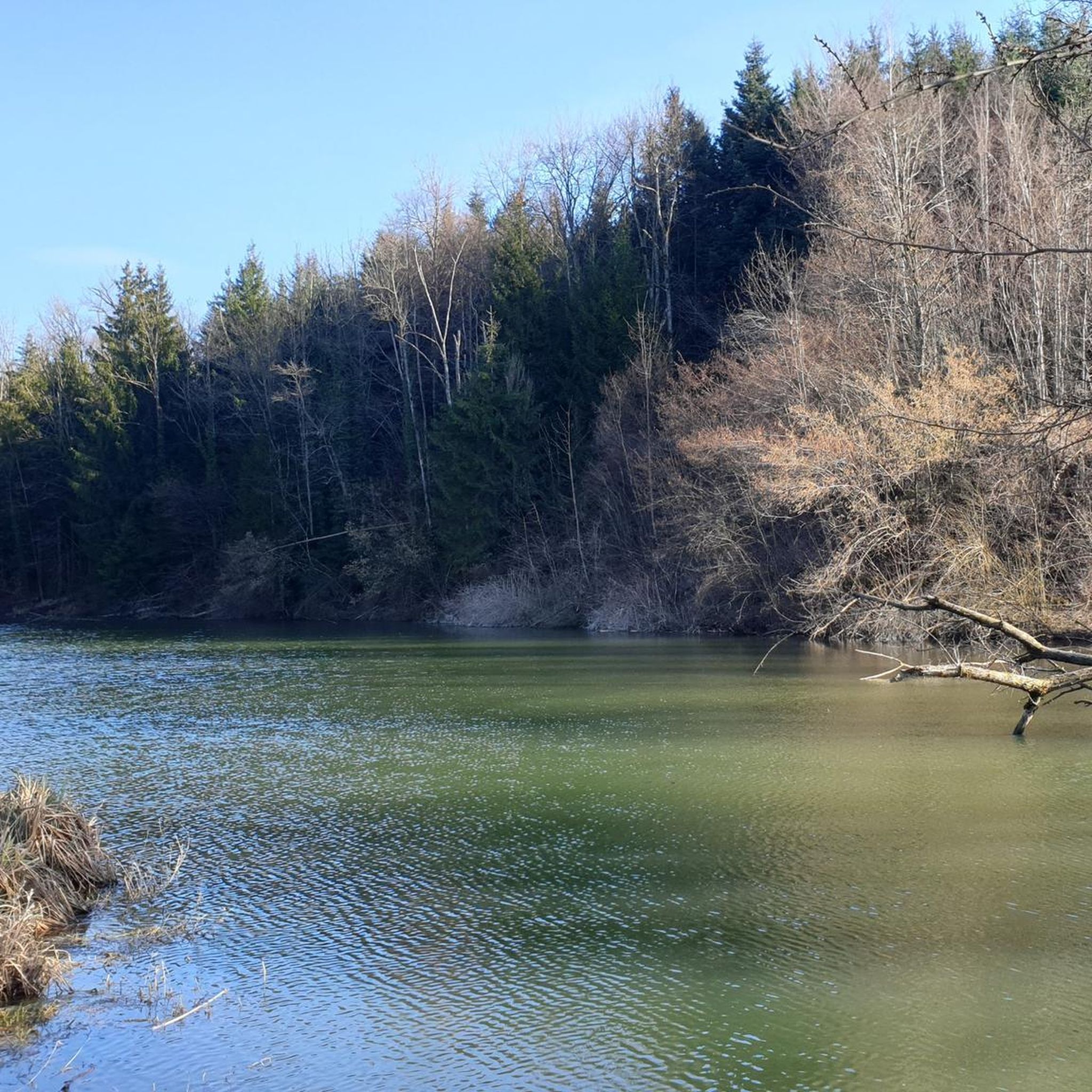
The region offers several beautiful natural spots. You can visit Lake Bichel, which is perfect for swimming in summer and offers peaceful nature year-round. Discover the Hutziker Tobel Waterfalls with a picturesque hiking trail, or seek out the hidden waterfalls at Littenheid-Waldweg. The Murg River Trail also provides pleasant walking paths and picnic spots.
Yes, the area is rich in history. Explore the Schauenberg Ruins and Panoramic Viewpoint, which once served as a high watchtower and offers expansive views. You can also visit the historic Kapelle St. Margarethen, a Swiss heritage site, or the Pilgerhäuschen, a former pilgrim's station on the ancient Schwabenweg pilgrimage route. The Benedictine Kloster Fischingen is also a significant cultural site.
Münchwilen (TG) is excellent for outdoor enthusiasts, especially for hiking and cycling. You'll find an extensive network of trails. For hiking, consider routes like the Häxetobel Gorge or the Murg Riverside and Waterfall trail. Cyclists can enjoy road cycling routes such as the 'Pilgrim Brewery – Fischingen Abbey loop' or MTB trails like the 'Webereiweiher Nature Reserve – Roosetaaler Pond loop'. You can find more details on these activities and routes on our dedicated guides for hiking, road cycling, and MTB trails around Münchwilen (TG).
Absolutely. Lake Bichel is a great spot for families, offering swimming in summer. The Hutziker Tobel Waterfalls trail is also considered family-friendly, featuring stairs and stream-side paths. Additionally, the Thur Suspension Bridge near Thurau is suitable for family walks and easy bike rides. Münchwilen itself has an adventure swimming pool and a pumptrack for recreational fun.
For breathtaking views, head to the Schauenberg Ruins and Panoramic Viewpoint, where you can see distant landscapes, including the Alps. The Chabishaupt Summit also offers views from its mostly treeless peak after a steep climb. The Tanneggergrat Ridge Trail occasionally provides scenic glimpses through the forest.
The region is enjoyable year-round, but for hiking and cycling, spring through autumn offers the most pleasant weather. Summer is ideal for swimming in Lake Bichel. During colder months, the natural areas still provide peaceful escapes, and some trails remain accessible, though conditions may vary.
Yes, within the historic Kloster Fischingen, you'll find the Pilgrim Brewery, known for crafting gourmet beers using traditional methods. This offers a unique taste of local heritage and craftsmanship. The region's location on the historic Schwabenweg pilgrimage route also provides a cultural context for many of its historical sites.
The Gyrenbad Inn is a popular spot, often recommended by visitors as a great place to finish a hike. It's known for its offerings and potentially scenic location. You'll also find various cafes and pubs in Münchwilen and surrounding villages.
Visitors frequently praise the diverse landscape, from the expansive views at Schauenberg Ruins to the tranquil beauty of Lake Bichel. The well-maintained hiking and cycling trails, such as those along the Hutziker Tobel Waterfalls, are also highly appreciated for their natural charm and accessibility.
Münchwilen (TG) is generally well-connected. Many trails and attractions, particularly those within or close to the main town, can be reached via public transport. For specific routes, it's advisable to check local bus and train schedules. Some cycling tours, like the 'Tour de Thurgau', even offer convenient options to cover sections by Thurbo train.
Yes, besides the Hutziker Tobel Waterfalls, you can discover the beautiful waterfalls at Littenheid-Waldweg, hidden within the forest and accessible via a charming path. There's also the Giessenfall Waterfall, an impressive cascade of the Giessenbach, reachable by a somewhat challenging trail.


Still not found the Highlight you’re looking for? See guides of the top attractions in other regions: