Top 20 Natural Monuments around Wurmberg
Best natural monuments around Wurmberg offer diverse natural landscapes in the Harz region. Wurmberg, the highest mountain in Lower Saxony, features striking rock formations, a reclaimed quarry, and a nature reserve. The area provides varied hiking experiences and opportunities to observe local geology and biodiversity. Visitors can explore a range of natural features, from mountain streams to primeval forests.
Best natural monuments around Wurmberg
- The most popular natural monuments is Monbachtal Gorge, a gorge that offers a beautiful hiking…
Last updated: June 24, 2026
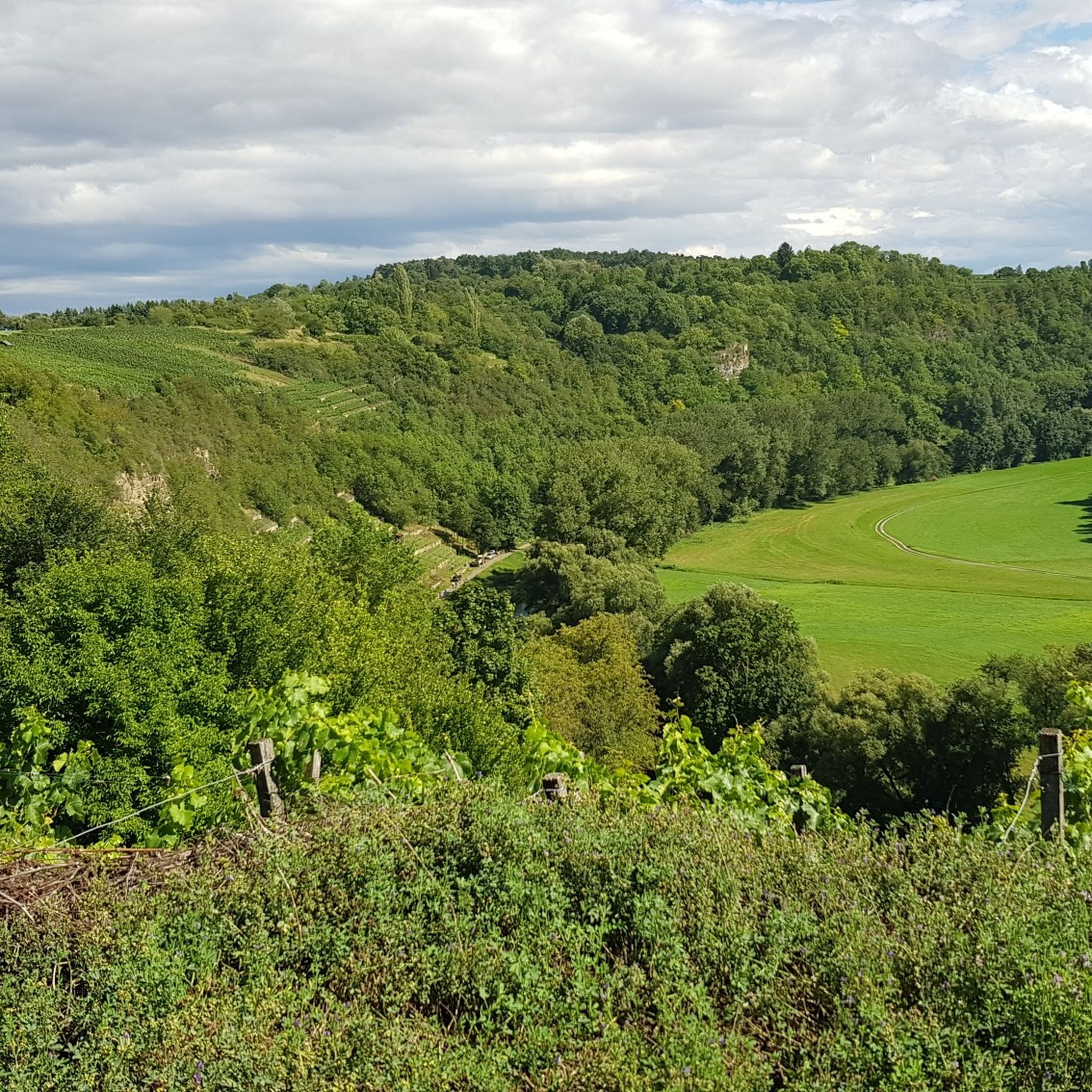
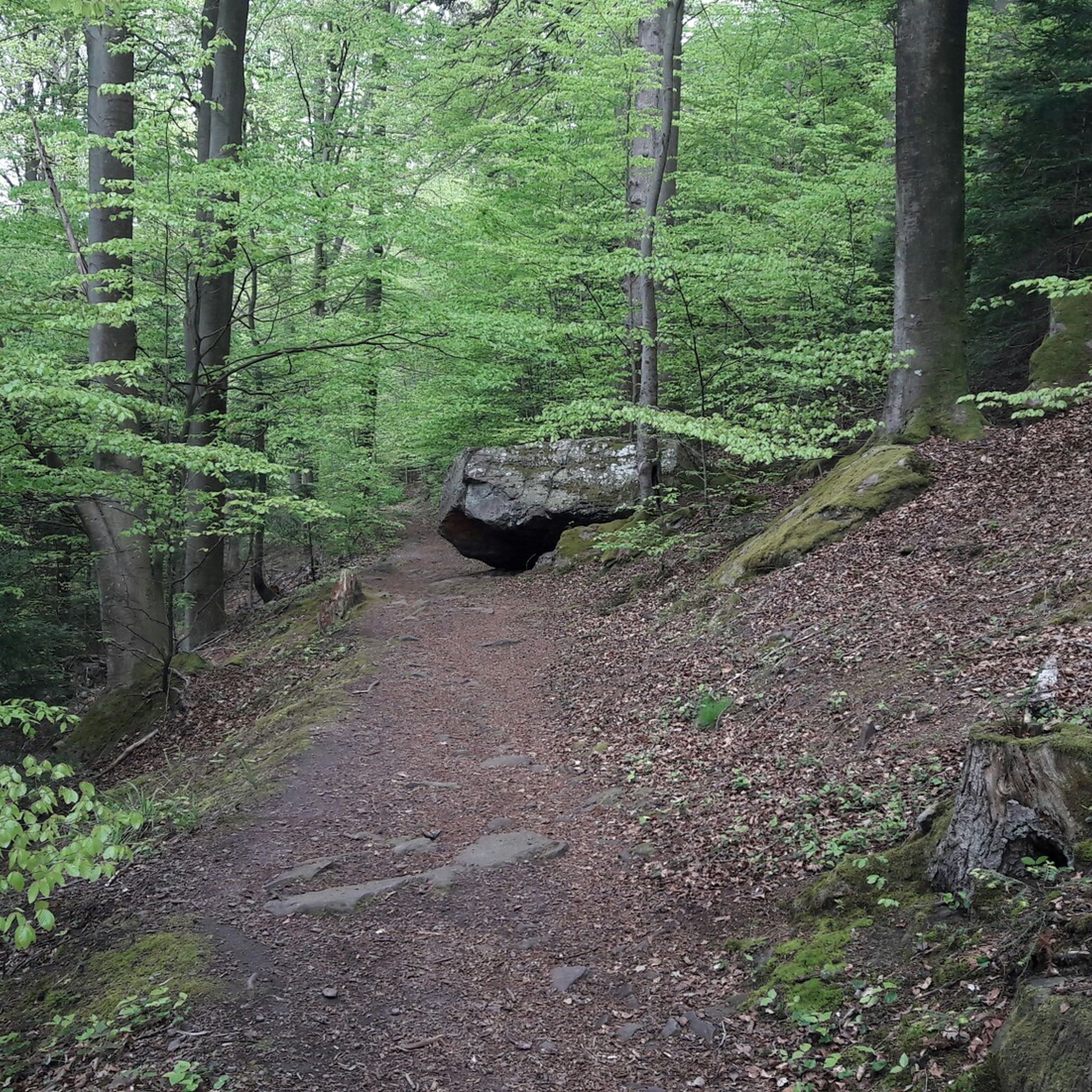
Monbachtal Gorge
Highlight • Gorge
Translated by Google •
Tip by

Rock Gardens Mühlhausen
Highlight • Natural Monument
Translated by Google •
Tip by

Sign up now to discover places like this
Get recommendations on the best single tracks, peaks, & plenty of other exciting outdoor places.
Sign up for free
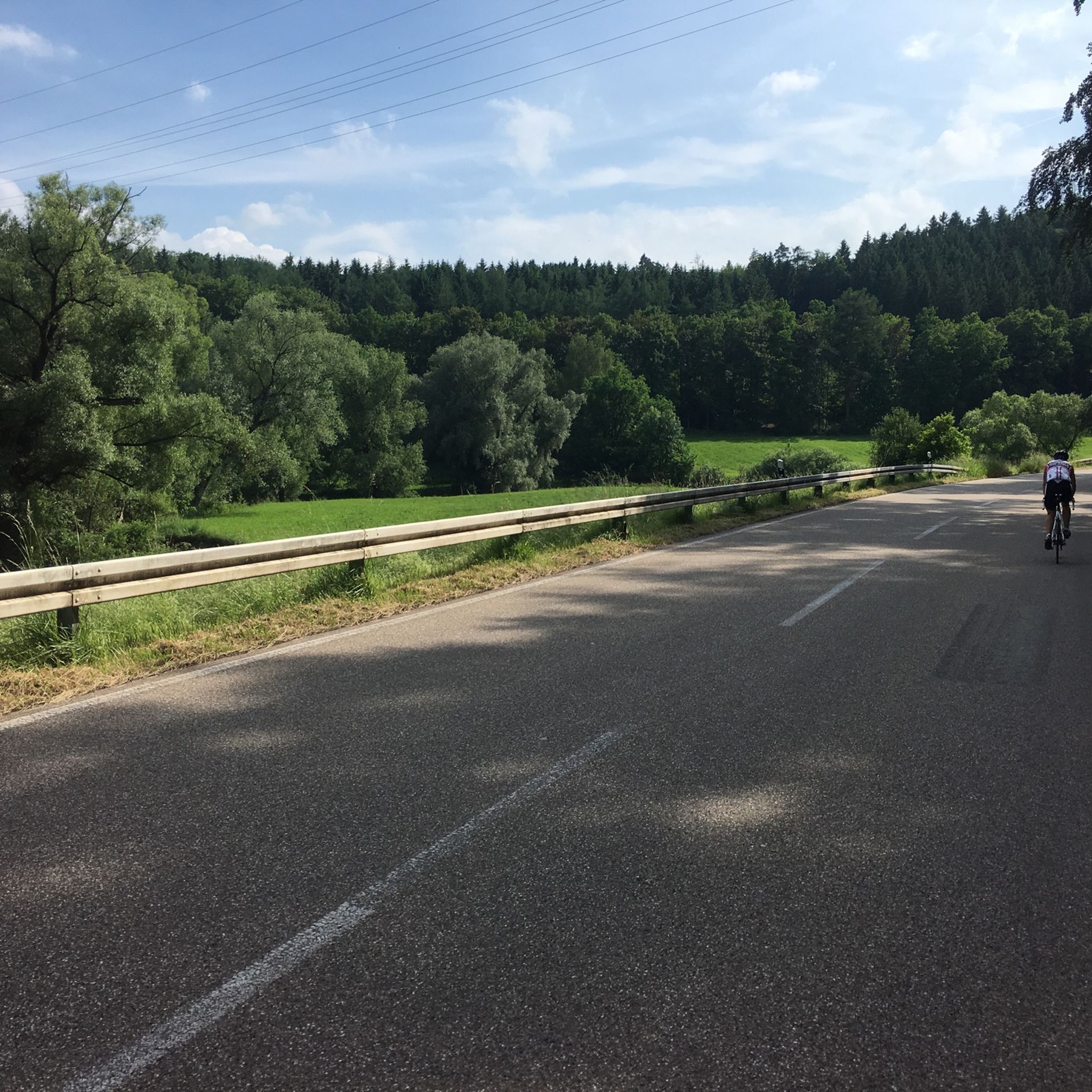
Würm Valley
Highlight • River
Translated by Google •
Tip by

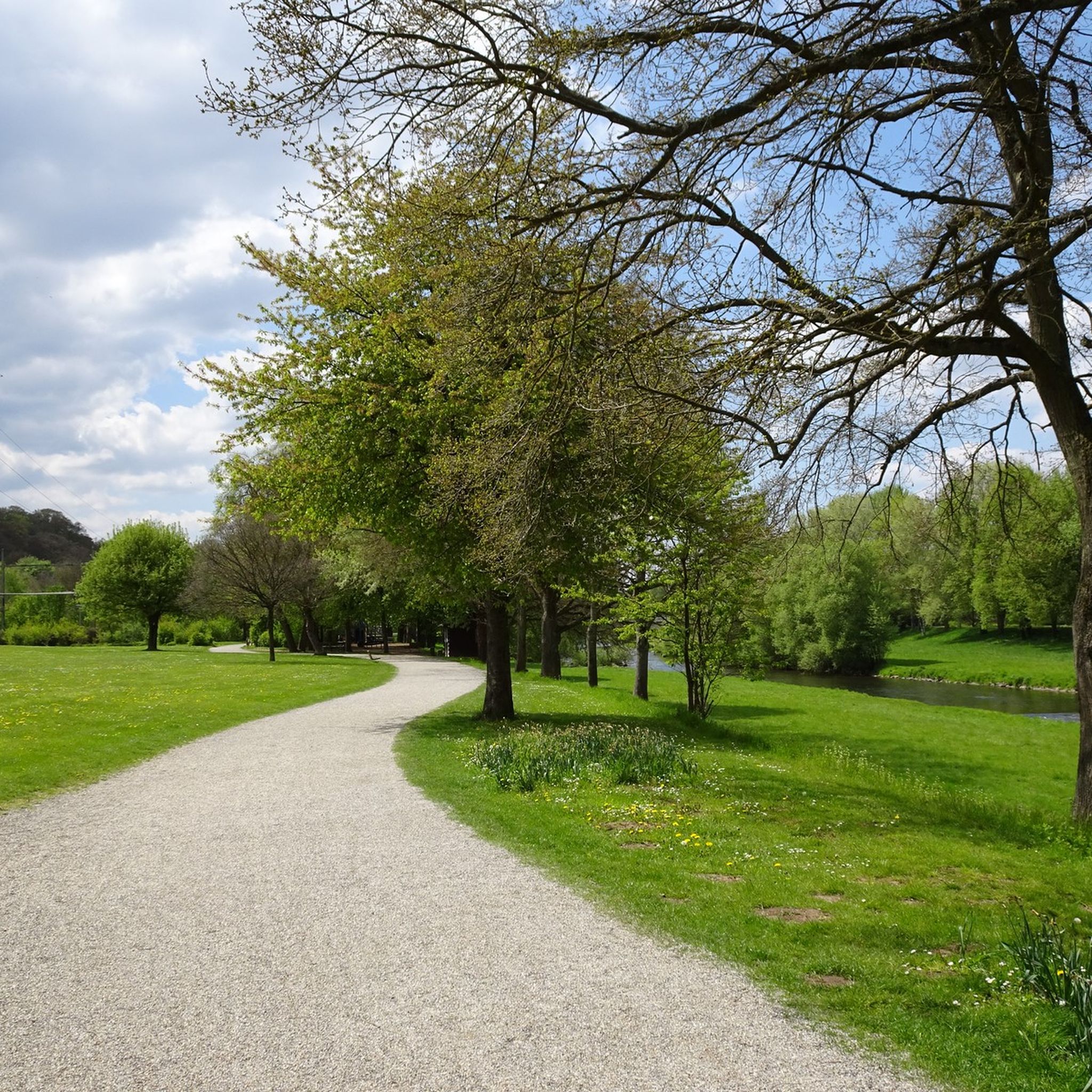
Würm Valley and the Würm River
Highlight • River
Translated by Google •
Tip by

Lake Seehaus
Highlight • Lake
Translated by Google •
Tip by

Sign up for free to discover even more natural monuments around Wurmberg.
Sign up for free
Already have an account?
Start today with a free account
Your next adventure awaits.
Login or Signup
Tips from the Community


The cycle path winds its way through the narrow valley in endless loops on beautiful gravel.
3
0

Others go on holiday to see something like this
4
0
Mühlhausen and Rosswag, it is indescribable
6
1
I've seen it many times and there's always something new
4
0
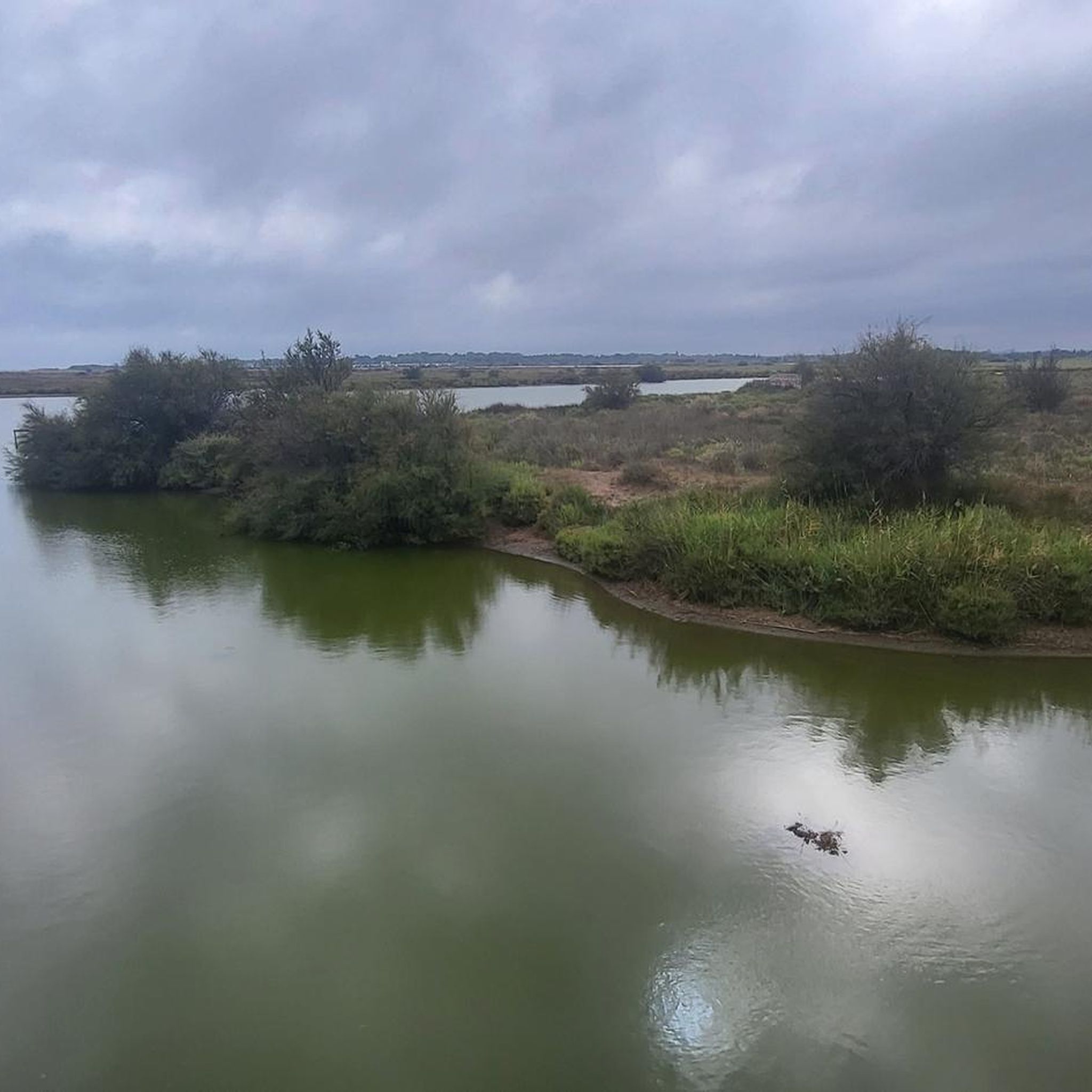
The attentive hiker can observe sea turtles here
3
1

Margrave Karl Wilhelm von Baden had this fish pond created. A path leads once around the lake and is a good option for a digestive walk after a stop.
3
0

The Würmtal cycle path sometimes runs directly along the banks of the Würm. It can be easily combined with the Nagoldtal cycle path.
6
1
Frequently Asked Questions
What unique geological features can I explore around Wurmberg?
The Wurmberg region, part of the Harz mountains, is known for its striking geological formations. You can explore the Wurmbergklippen, which are prominent granite rock formations on the southern flank of Wurmberg, offering picturesque views and a tangible connection to the area's geological history. Another unique site is the Wurmberg-Steinbruch, a reclaimed quarry that now serves as a bird sanctuary with towering rock faces and a quarry pond.
Are there family-friendly natural monuments to visit near Wurmberg?
Yes, several natural monuments around Wurmberg are suitable for families. Monbachtal Gorge offers a beautiful hiking experience with multiple water crossings, suitable for various ages. Lake Seehaus is another family-friendly option, featuring a lake, forest, and a beer garden. The Würm Valley and Würm Valley and the Würm River also offer pleasant cycle paths and natural spots for families to enjoy.
What kind of hiking experiences can I expect at the natural monuments?
The natural monuments around Wurmberg offer diverse hiking experiences. For instance, Monbachtal Gorge involves some scrambling and water crossings, making for an adventurous hike. The Wurmbergklippen are integrated into well-signposted trails, providing scenic routes with views. The Wurmberg Nature Reserve itself features numerous trails of varying difficulty, including sections of the Harzer-Hexenstieg, leading through mountain streams and primeval forests to magnificent vantage points.
What outdoor activities are available near the natural monuments around Wurmberg?
Beyond exploring the natural monuments themselves, the Wurmberg area offers a range of outdoor activities. You can find various MTB trails, easy hiking routes, and running trails. The Würm Valley, for example, is particularly popular for cycling, offering a pleasantly cool experience in summer.
What is the best time to visit the natural monuments around Wurmberg?
The best time to visit depends on your preferred activity. Spring is particularly beautiful at the Rock Gardens Mühlhausen when the fruit trees bloom. Summer offers pleasantly cool conditions for cycling along the Würm Valley. The Wurmberg Nature Reserve and its trails are enjoyable throughout the warmer months, offering diverse flora and fauna. Autumn brings vibrant colors to the vines on the steep slopes of the Rock Gardens.
Are there any natural monuments that offer good viewpoints?
Yes, the Wurmbergklippen, specifically the Große Wurmbergklippe, offer picturesque views over the surrounding landscape. The Wurmberg Nature Reserve also features numerous hiking and walking trails that lead to magnificent vantage points, allowing visitors to enjoy panoramic views over the entire Harz National Park.
What kind of wildlife can I observe at these natural monuments?
The Wurmberg-Steinbruch, a reclaimed quarry, has transformed into a haven for wildlife and is a prime location for observing a diverse array of bird species. The Wurmberg Nature Reserve, with its diverse landscape including primeval forests, supports a rich variety of flora and fauna, making it an ecologically significant destination for nature observation.
What should I bring for hiking the natural monuments in summer?
For hiking in summer, especially in areas like Monbachtal Gorge, it's recommended to wear fixed hiking boots, preferably ankle-high for better support. Hiking poles can also be beneficial. Always bring sufficient water, sun protection, and appropriate clothing for varying weather conditions in the mountains.
Are there places to eat or relax near the natural monuments?
Yes, near Lake Seehaus, you'll find a cozy beer garden under tall chestnut trees, which also offers a favorable daily menu. This provides a scenic spot to relax and enjoy a meal after exploring the natural surroundings.
How long does it typically take to explore the natural monuments around Wurmberg?
The duration varies depending on the monument and your chosen activity. A hike through Monbachtal Gorge might take a few hours, especially if you take your time with the water crossings. Exploring the Wurmbergklippen can be part of a longer hiking route around Wurmberg. For a more extensive experience, the Wurmberg Nature Reserve offers trails that can range from short walks to full-day hikes, depending on the route and your pace.
What makes the Würm Valley a popular natural monument?
The Würm Valley and Würm Valley and the Würm River are popular for their beautiful cycle paths that run directly along the Würm River. Visitors appreciate the natural places, the calming atmosphere with the forest on one side and the lively brook on the other, and the fact that it remains pleasantly cool in summer, making it ideal for cycling and leisurely walks.
What is the significance of the Wurmberg Nature Reserve?
The Wurmberg Nature Reserve is significant as it encompasses the highest mountain in Lower Saxony and protects a diverse landscape of rushing mountain streams, parts of primeval forests, and unique flora and fauna. Established in 2006, it offers a climate comparable to a 1600-meter-high Alpine peak, providing unique conditions for its ecosystem and numerous trails for experiencing the natural paradise of the Harz.
Most popular routes around Wurmberg
Most popular attractions around Wurmberg

Get inspired with the komoot mobile app


Explore more
Extend your search for the best caves by checking out these guides of the top ones around Wurmberg:
