Top 20 Natural Monuments around Stromberg
Best natural monuments around Stromberg are found within a region characterized by diverse landscapes of forested hills, vineyards, and river valleys. The Naturpark Stromberg-Heuchelberg features distinct ridges and a landscape shaped by viticulture. This area offers a sequence of forests, meadows, and water bodies. The natural environment provides varied experiences for outdoor exploration.
Best natural monuments around Stromberg
- The most popular natural monuments is Niederwald monument, a viewpoint that commemorates the unification of Germany in 1871. This monument offers…
Last updated: October 10, 2026
Niederwald monument
Highlight • Viewpoint
Translated by Google •
Tip by

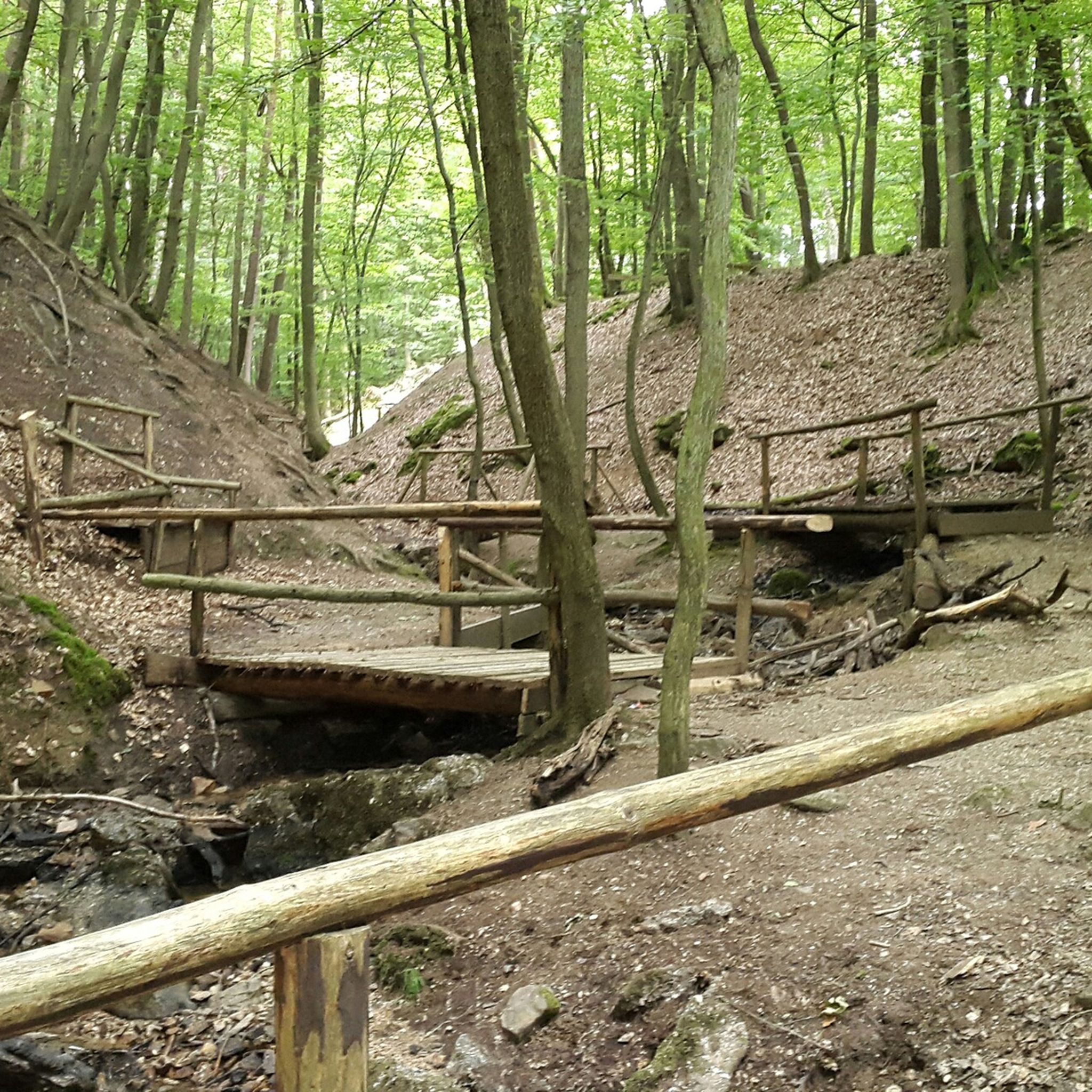
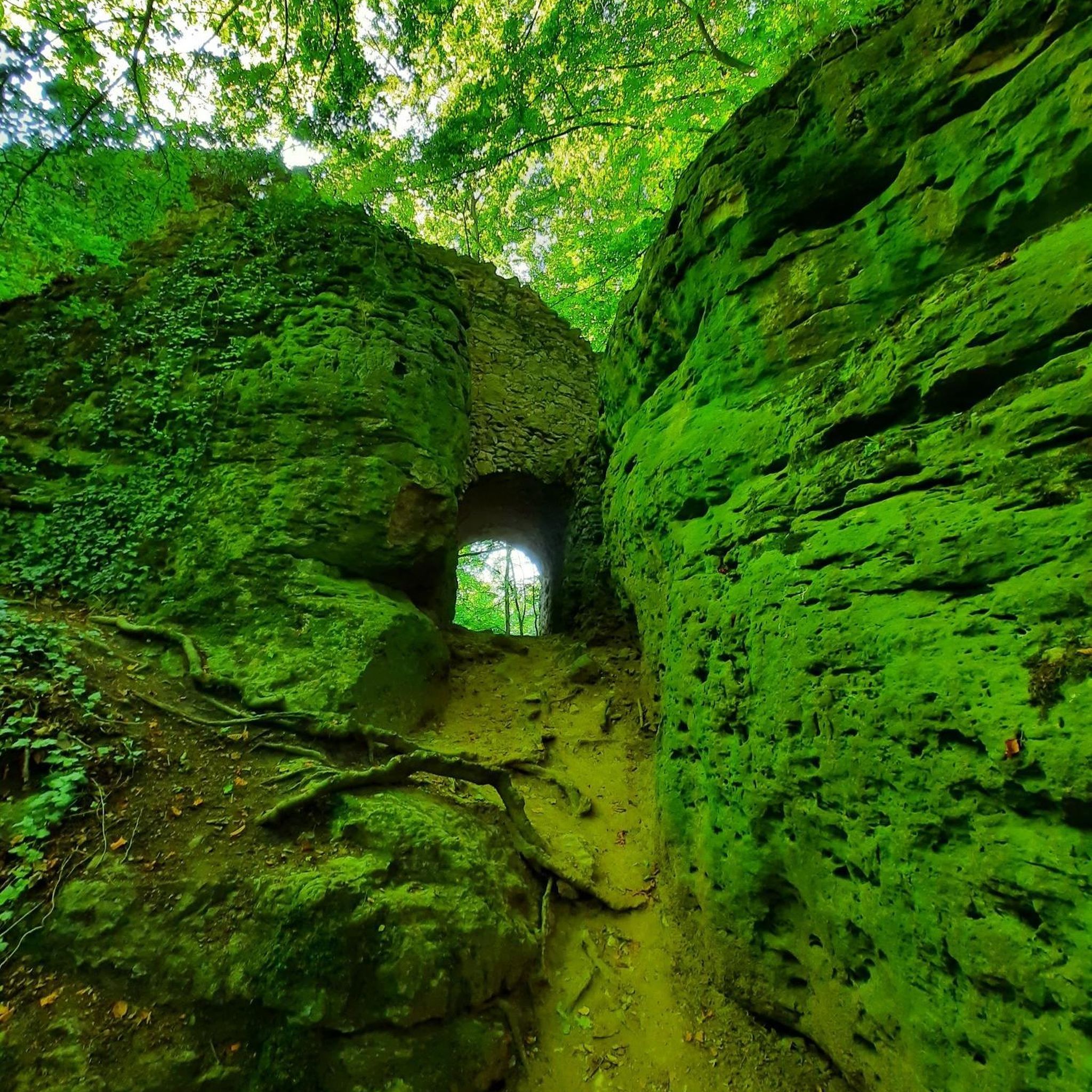
Steckeschlääferklamm — Tree Spirits (Baumgeister) Trail
Highlight (Segment) • Gorge
Translated by Google •
Tip by

Sign up now to discover places like this
Get recommendations on the best single tracks, peaks, & plenty of other exciting outdoor places.
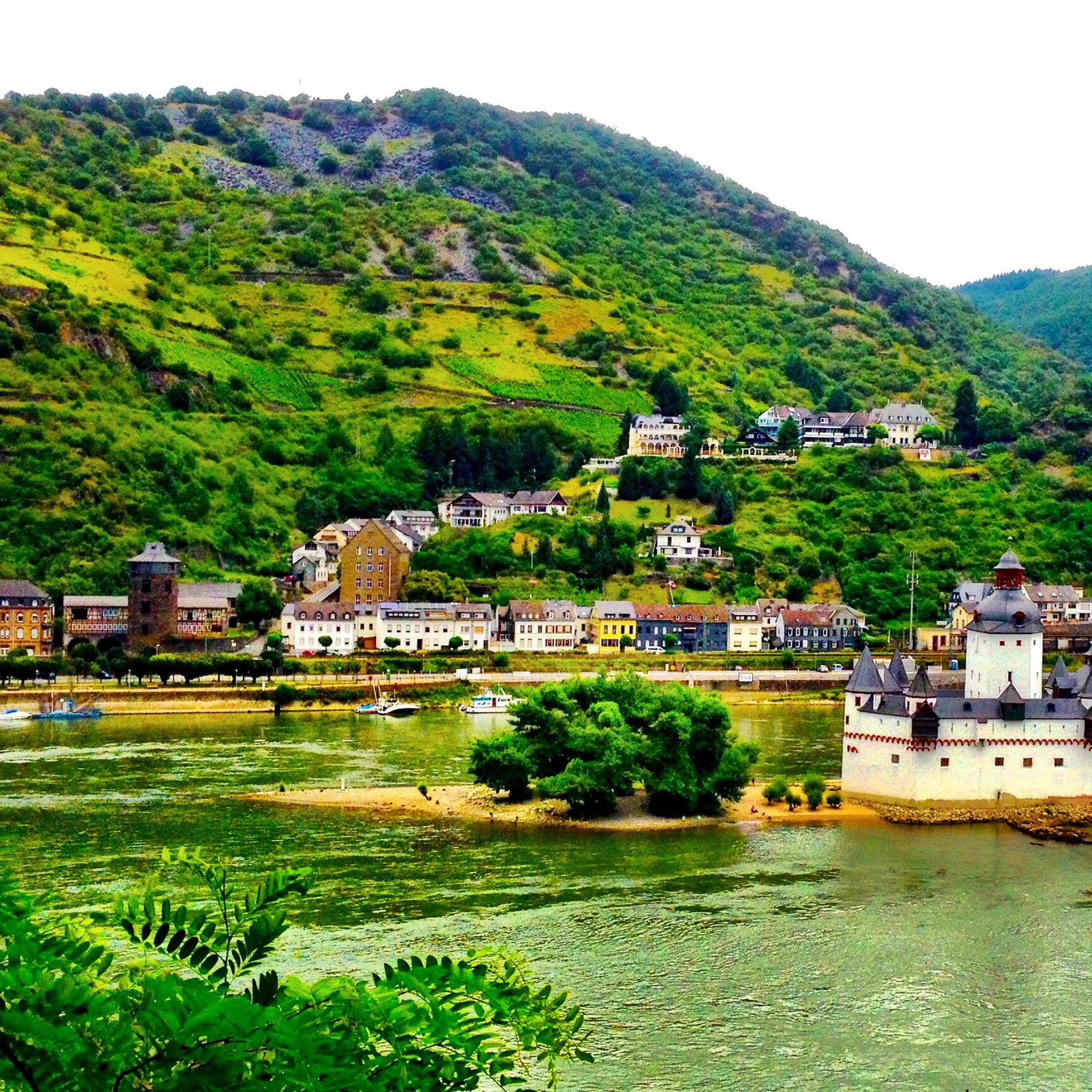
Rheinstein Castle
Highlight • Castle
Translated by Google •
Tip by

Monopteros Temple with View of the Rhine
Highlight • Monument
Translated by Google •
Tip by

Tree Spirits of Steckeschlääferklamm
Highlight • Gorge
Translated by Google •
Tip by

Sign up for free to discover even more natural monuments around Stromberg.
Already have an account?
Start today with a free account
Your next adventure awaits.
Tips from the Community

The castle has its origins in the early 14th century. With its towers and battlements, it really looks like you would imagine a medieval castle to be - a fairytale view directly over the Rhine.
10
0

Ancient pillared temple with a wonderfully open view
10
0

from the castle battlements you always have a great view of the Rhine
15
0
A visit to this castle is worthwhile
12
0

The Goethe Temple built by Count von Ostein in 1790, which was completely destroyed in a bomb attack in November 1944 and rebuilt by the Niederwald Landscape Park Association. The Romantics called it "Monopteros", its rotunda resting on eight Roman columns made of red sandstone, today the columns are white. On September 3, 1814, Johann Wolfgang von Goethe, who was struck by the extremely magnificent beauty of the Rheingau, stood in it.
13
1

The view is really very nice, but the Mouse Tower and the Binger Loch cannot be seen from here.
13
1

The temple itself is a bit bare but a great view.
12
1

"From the Monopteros in the Niederwald, Johann Wolfgang von Goethe admired the "extremely magnificent beauty of the Rheingau" - that was in the late summer of 1814. At that time, the Greek round temple stood in the middle of a landscape park that Count von Ostein had created. The original was destroyed in 1944 and at the beginning of the Rebuilt in the 21st century, so that visitors can now enjoy the view over the Middle Rhine Valley from the Monopteros again. The region has been a UNESCO World Heritage Site since 2002. The unique combination of nature and culture is considered particularly worthy of protection. Not far from the Monopteros, the huge Germania looks towards France. It rises twelve and a half meters from the top base of the Niederwald Monument and weighs 32 tons. Clara, the daughter of the sculptor Johannes Schilling, was the model for the imposing figure, which is intended to commemorate the Franco-Prussian War and the unification of the empire. The bronze statue holds an imperial crown in its right hand, while the left rests on the pommel of a resting sword, which is entwined with laurel as a sign of victory. The dress of Germania is also rich in symbols: eagles, deer, ravens and dragons are reminiscent of old legends, the imperial eagle is considered a symbol of the German Empire. At Germania's feet you can read: "In memory of the unanimous, victorious uprising of the German people and the re-establishment of the German Empire 1870-87". The idea of erecting a monument to the merger of the previously loose alliance of independent principalities had already emerged in 1870. It was quickly agreed that it had to be on the Rhine because the river plays a central role in German history and culture - not least as a border with France, which had ruled on the opposite bank of the Rhine. The location was chosen in the Niederwald near Rüdesheim, located around 80 meters above the river." https://www.kultur-in-hessen.de/projekte/totalkunstwerk-am-rhein-niederwalddenkmal-ruedesheim-teil-1
20
2
Frequently Asked Questions
What kind of natural features can I expect to see in the Stromberg region?
The Stromberg region is primarily defined by the Naturpark Stromberg-Heuchelberg, an enchanting rural nature park. You'll find a diverse landscape characterized by heavily forested hill ridges, extensive vineyards, meadows, and water bodies. This combination creates a unique scenery, especially vibrant during autumn.
Are there any unique natural monuments to explore in the Stromberg area?
Yes, the region offers unique natural experiences. One notable spot is the Steckeschlääferklamm — Tree Spirits (Baumgeister) Trail, a gorge where you can discover over 60 hand-carved forest spirits hidden in trees along the Hasselbach. Another is the Morgenbachtal Gorge and Waterfalls, offering a beautiful natural trail with cascading water features.
What are the best viewpoints to experience the natural beauty of Stromberg?
For expansive views, visit the Niederwald monument, which offers fantastic vistas of the Rheingau and the Rhine Valley. Additionally, Rheinstein Castle, while a historical site, provides picturesque views of the Rhine from its elevated position.
Can I find family-friendly natural monuments or trails in Stromberg?
Absolutely. The Steckeschlääferklamm — Tree Spirits (Baumgeister) Trail is highly recommended for families, as children enjoy searching for the hidden forest spirits. The Morgenbachtal Gorge and Waterfalls also offers family-friendly trails through a scenic natural setting.
What outdoor activities are available near the natural monuments in Stromberg?
The Naturpark Stromberg-Heuchelberg is a paradise for outdoor enthusiasts. You can enjoy an extensive network of hiking and cycling tracks. For hiking, explore routes like the 'Michel's Vitality Tour' or various loops around the 'Stromberg Gorge'. If you prefer gravel biking, there are challenging routes such as the 'Gemünden Castle – View of Gemündener Castle loop'. You can find more details on these activities in the hiking guide and gravel biking guide for Stromberg.
Are there historical or cultural sites integrated with the natural monuments?
Yes, the region blends natural beauty with history. The Niederwald monument commemorates the unification of Germany and offers historical context alongside its stunning views. Rheinstein Castle, dating back to the 14th century, is another historical landmark beautifully situated overlooking the Rhine, providing both cultural insight and scenic appeal.
What is the best time of year to visit the natural monuments in Stromberg?
The Stromberg region is beautiful year-round, but autumn is particularly recommended. The changing leaves create a vibrant 'Indian summer' atmosphere across the forested hills and vineyards. Spring and summer also offer pleasant conditions for outdoor activities, with lush greenery and blooming flora.
What makes the Naturpark Stromberg-Heuchelberg significant?
The Naturpark Stromberg-Heuchelberg is significant for its diverse landscape, rich biodiversity, and viticultural heritage. More than a third of the park is a Natura 2000 area, protecting rare plant and animal species like the European wildcat. Its theme 'Wine. Forest. Feel Good.' perfectly encapsulates the region's character, offering both natural beauty and cultural experiences.
Are there easy hiking trails suitable for all abilities near Stromberg's natural monuments?
Yes, there are several easy hiking options. For instance, you can find various easy loops around the 'Stromberg Gorge' or the 'Forest School loop from Stromberg'. These trails are generally well-maintained and suitable for a relaxed walk. More options are available in the Easy hikes around Stromberg guide.
What do visitors enjoy most about the natural monuments around Stromberg?
Visitors frequently praise the stunning views, especially from the Niederwald monument, and the unique, immersive experience of the Steckeschlääferklamm with its hidden tree spirits. The combination of diverse landscapes, from forests to vineyards, and the extensive network of trails for hiking and cycling are also highly appreciated.
Is there a central point for information about the Naturpark Stromberg-Heuchelberg?
Yes, the modern Nature Park Center is located at the Ehmetsklinge reservoir in Zaberfeld. It offers interactive exhibitions about the region's nature, including information on the wildcat population and a 'WildKräuterWelt' (Wild Herb World), making it an excellent starting point for visitors.
Can I bring my dog to the natural monuments and trails in Stromberg?
Many trails and natural areas within the Naturpark Stromberg-Heuchelberg are dog-friendly. For example, the Steckeschlääferklamm is a popular spot for walks with dogs. However, it's always advisable to keep dogs on a leash, especially in protected areas or near wildlife, and to check local regulations for specific trails.
Most popular routes around Stromberg
Most popular attractions around Stromberg

Get inspired with the komoot mobile app


Explore more
Extend your search for the best caves by checking out these guides of the top ones around Stromberg:
