Top 20 Natural Monuments around Randersacker
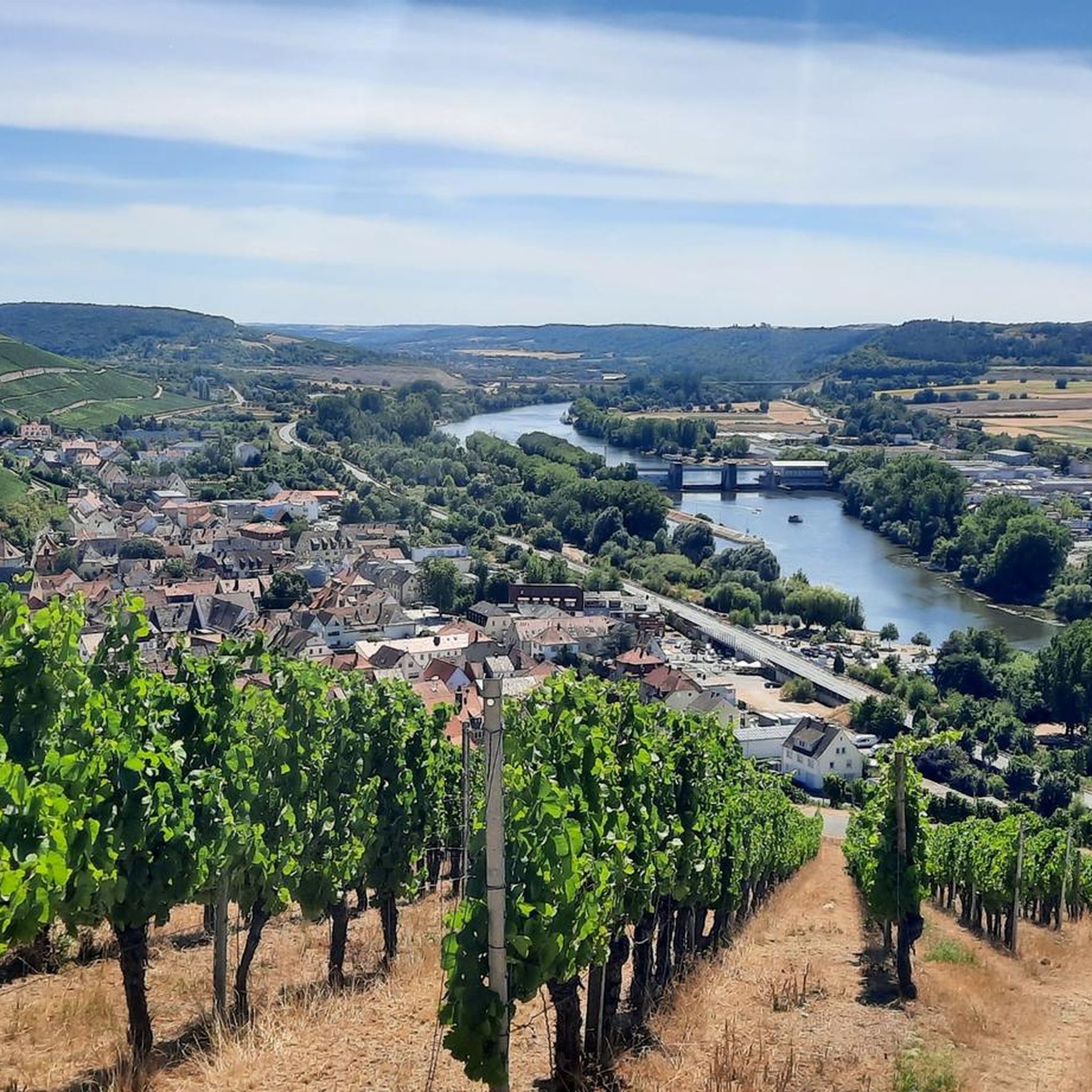
Best natural monuments around Randersacker are found in a charming wine village situated along the Main River. The area features a notable geological natural monument and a captivating natural landscape shaped by its vineyards. Visitors can explore sites that expose significant geological formations and historical stone extraction. The region's natural appeal is further enhanced by its rolling hills covered in vineyards and its location on the Main River.
Best natural monuments around Randersacker
- The most popular natural monuments is Anna…
Last updated: May 10, 2026
Court Garden at the Würzburg Residence
Highlight • Natural Monument
More information: residenz-wuerzburg.de/deutsch/garten/geschichte.htm
Translated by Google •
Tip by

Veitshöchheim Palace and Rococo Garden
Highlight • Castle
Translated by Google •
Tip by

Sign up now to discover places like this
Get recommendations on the best single tracks, peaks, & plenty of other exciting outdoor places.
Sign up for free
Würzburg State Garden Show Park
Highlight • Natural Monument
Translated by Google •
Tip by

Anna Gorge
Highlight (Segment) • Gorge
Translated by Google •
Tip by

Laichsee in the Steinbach Valley
Highlight • Lake
Translated by Google •
Tip by

Sign up for free to discover even more natural monuments around Randersacker.
Sign up for free
Already have an account?
Start today with a free account
Your next adventure awaits.
Login or Signup

Other adventures around Randersacker

Tips from the Community


Fine gorge, well secured… However, it would be nicer left natural and without an asphalt road
12
2

Veitshöchheim is very beautiful, you have to visit it
2
0

Veitshöchheim is a municipality in the Lower Franconian district of Würzburg and is located on the Main. The town is a former summer residence of the Prince-Bishops of Würzburg, later of the Kings of Bavaria. The palace complex with its Rococo garden is well-known. Veitshöchheim was first mentioned in 779. The parish of Veitshöchheim was donated to the monastery of St. Stephan in 1097 by the Würzburg bishop Emehard. Veitshöchheim Palace was built between 1680 and 1682 under Prince-Bishop Peter Philipp von Dernbach and expanded between 1749 and 1753 by Balthasar Neumann. The construction of the court garden, which belongs to the palace, began in 1702. The parish church of St. Vitus, which still exists today, was consecrated in 1691, and the Veitshöchheim synagogue was built between 1727 and 1730. In 1814, the town finally fell to the state of Bavaria, after only nine years earlier it had become part of the Grand Duchy of Würzburg. The municipality was formed in its current form in the course of the Bavarian administrative reforms in 1818. Veitshöchheim train station with the royal pavilion was built in 1853 and 1854 under Maximilian II of Bavaria. Source: Wikipedia
4
0


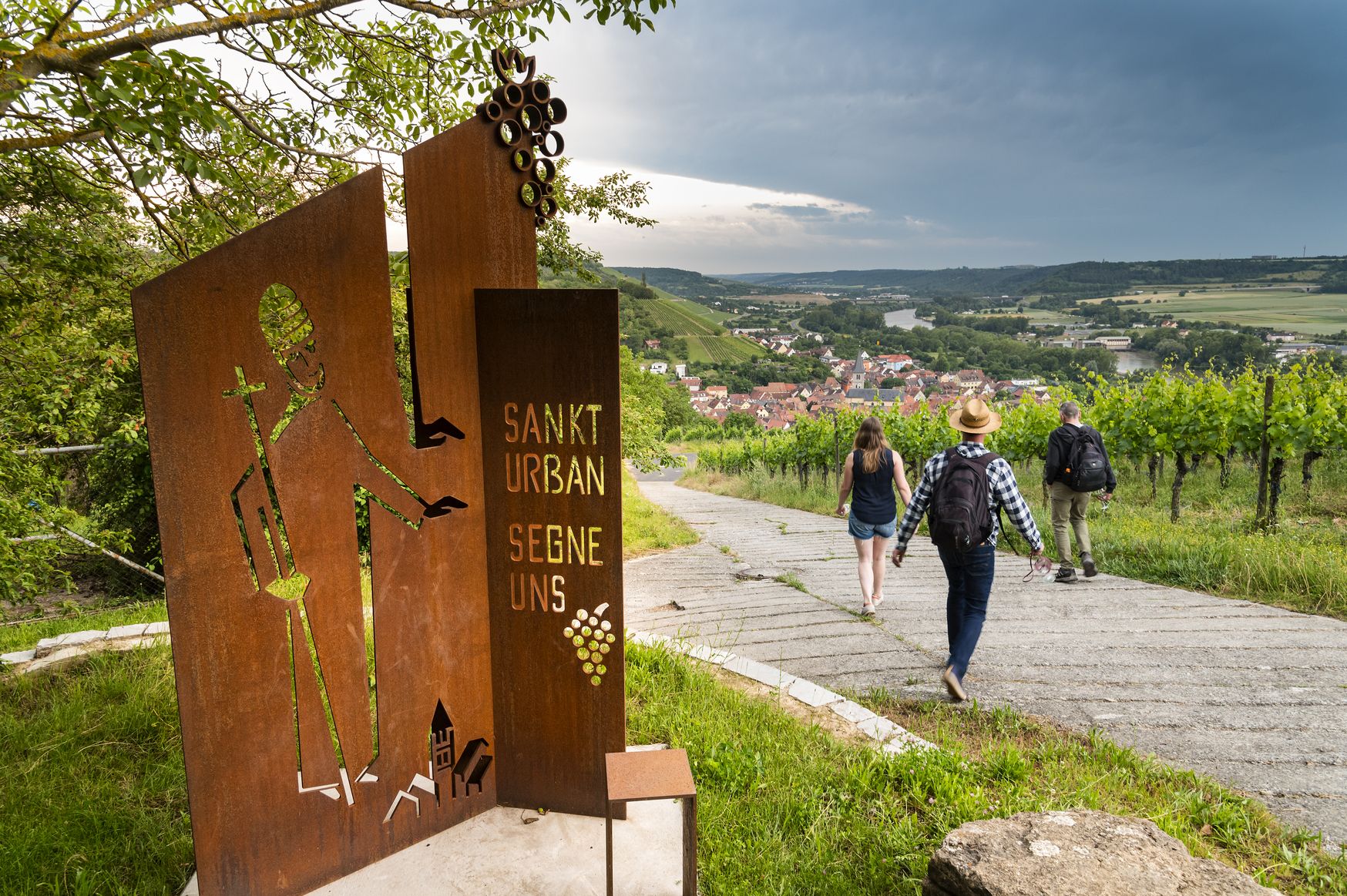
Steep climb in the shade with seating, some descents and a memorial plaque
3
0

Be sure to go to the castle gardens and then have a delicious ice cream at Eis Stephan
2
0

The pond is often colored green by duckweed and is a real frog paradise. Around the pond you will find mystical rocky landscapes, including a small bridge. There is also a hidden, open moat leading to the pond.
1
0
Frequently Asked Questions
What are the most popular natural monuments around Randersacker?
Visitors frequently enjoy the Anna Gorge for its natural hiking experience, the historical and beautifully landscaped Court Garden at the Würzburg Residence, and the scenic Stein Wine Trail (Würzburger Stein), which offers panoramic views of Würzburg.
Are there family-friendly natural monuments in the Randersacker area?
Yes, several natural monuments are suitable for families. The Anna Gorge offers an accessible trail, and the Court Garden at the Würzburg Residence is a barrier-free space for relaxation. Additionally, the Laichsee in the Steinbach Valley is a fascinating spot for children to observe tadpoles and newts in spring.
What unique geological features can be explored near Randersacker?
The region is home to the **Lützelbruch WNW von Lindelbach**, a former quarry designated as a particularly valuable natural monument. Here, you can observe exposed sections of the Upper Muschelkalk and Lower Keuper, distinct right-angled jointing in the 'Quaderkalk,' and a fault line, offering a direct look into the region's geological history.
What outdoor activities can I do near the natural monuments?
Randersacker's location along the Main River and its surrounding vineyards make it ideal for various outdoor activities. You can find numerous cycling routes, such as those along the Main River path, and mountain biking trails. For more detailed routes, explore the MTB Trails around Randersacker or Cycling around Randersacker guides.
Are there hiking trails that incorporate natural monuments?
Absolutely. The Stein Wine Trail (Würzburger Stein) is a panoramic route through renowned vineyards, offering both natural beauty and insights into viticulture. The Anna Gorge also provides a fine gorge for hiking. Many paths through the vineyards, like those leading to the 'Krone' lookout point, offer immersive experiences.
What is the best time to visit the natural monuments and vineyards in Randersacker?
The vineyards and natural monuments are beautiful throughout the year. Spring brings blooming wildflowers along the Mainuferweg and the sight of newts and tadpoles at Laichsee. Summer and early autumn are excellent for hiking through the lush vineyards and enjoying the views, especially during harvest season. The Court Garden at the Würzburg Residence is also noted for its beauty across all four seasons.
Can I find viewpoints offering scenic vistas of the natural landscape?
Yes, Randersacker is rich in viewpoints. The vineyards themselves, such as Pfülben, Sonnenstuhl, and Teufelskeller, offer stunning panoramic views over the Main River and the surrounding hills. The Stein Wine Trail (Würzburger Stein) provides excellent views of Würzburg, and the 'Krone' lookout point is specifically known for its magnificent vistas.
Are there any historical sites combined with natural monuments?
Yes, the Court Garden at the Würzburg Residence is a prime example, being both a natural monument and a significant historical site. Similarly, the Veitshöchheim Palace and Rococo Garden, a former summer residence, combines historical architecture with beautifully landscaped natural elements.
What makes the vineyards of Randersacker a natural highlight?
The vineyards, including Pfülben, Sonnenstuhl, and Teufelskeller, are integral to Randersacker's natural appeal. Their steep, south-facing slopes, fossil-rich limestone soils, and proximity to the Main River create unique microclimates. This geological interaction directly influences the distinct character of the wines, making them a fascinating example of nature's impact on viticulture.
What do visitors appreciate most about the natural monuments in Randersacker?
Visitors often highlight the immersive natural experiences, such as hiking through the fine Anna Gorge. The opportunity to relax and observe seasonal changes in the Court Garden at the Würzburg Residence is also highly valued. Many enjoy the panoramic views of Würzburg from the Stein Wine Trail and the chance to explore the region's geological history.
Are there any natural monuments related to water features?
Yes, the Laichsee in the Steinbach Valley is an artificial lake that serves as a vital spawning ground for toads and newts. It's a peaceful spot to observe aquatic life, particularly in spring when the water is refilled after being drained for winter.
Where can I find information about the geological significance of the region?
For a deeper dive into the geology of the area, the **Lützelbruch WNW von Lindelbach** offers direct insights into the Upper Muschelkalk and Lower Keuper formations. Additionally, you can find more general information about geotopes in the region on Wikipedia's list of geotopes in Lower Franconia.
Most popular routes around Randersacker
Most popular attractions around Randersacker

Get inspired with the komoot mobile app


Explore more
Extend your search for the best caves by checking out these guides of the top ones around Randersacker:
