Top 20 Natural Monuments around Mömbris
Best natural monuments around Mömbris showcase the region's natural beauty, characterized by its surrounding landscape of fields, meadows, and forests. The area features impressive old-growth trees, notable lakes, and scenic viewpoints. These natural features provide opportunities for outdoor activities like hiking and cycling. Mömbris is an appealing destination for those seeking to connect with nature.
Best natural monuments around Mömbris
- The most popular natural monuments is Ludwig Tower (Hahnenkamm), a viewpoint that offers a great panoramic view. Visitors can…
Last updated: June 23, 2026
Ludwig Tower (Hahnenkamm)
Highlight • Viewpoint
Translated by Google •
Tip by

Rückersbach Gorge
Highlight (Segment) • Gorge
Translated by Google •
Tip by

Sign up now to discover places like this
Get recommendations on the best single tracks, peaks, & plenty of other exciting outdoor places.
Sign up for free
Einhard Statue in the Seligenstadt Monastery Garden
Highlight • Monument
Just jetting through with the bike doesn't help. You're missing out on a lot.
Translated by Google •
Tip by

Barbarossa Spring
Highlight • Natural Monument
Translated by Google •
Tip by

Lowest point in Bavaria
Highlight • Natural Monument
Translated by Google •
Tip by

Sign up for free to discover even more natural monuments around Mömbris.
Sign up for free
Already have an account?
Start today with a free account
Your next adventure awaits.
Login or Signup
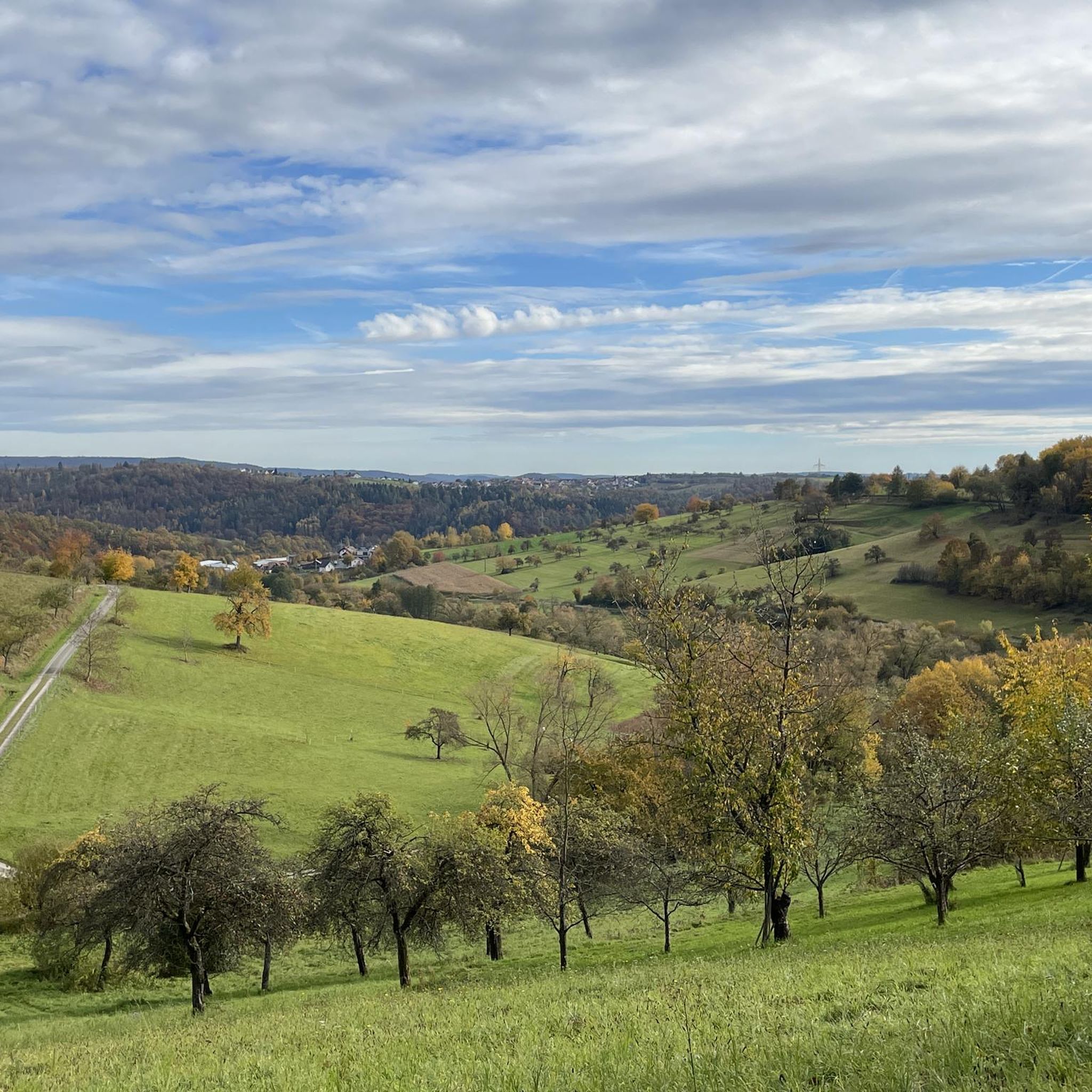
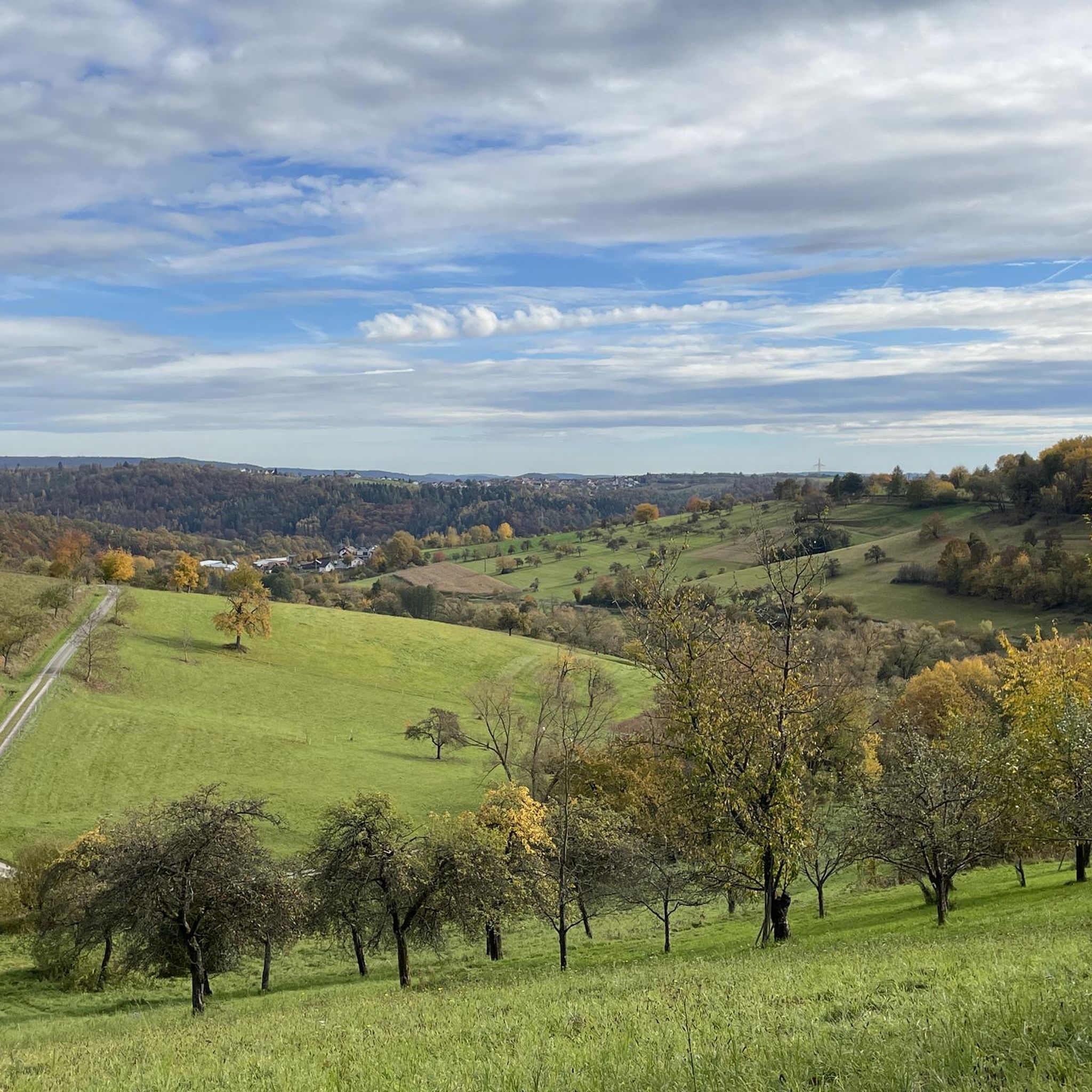
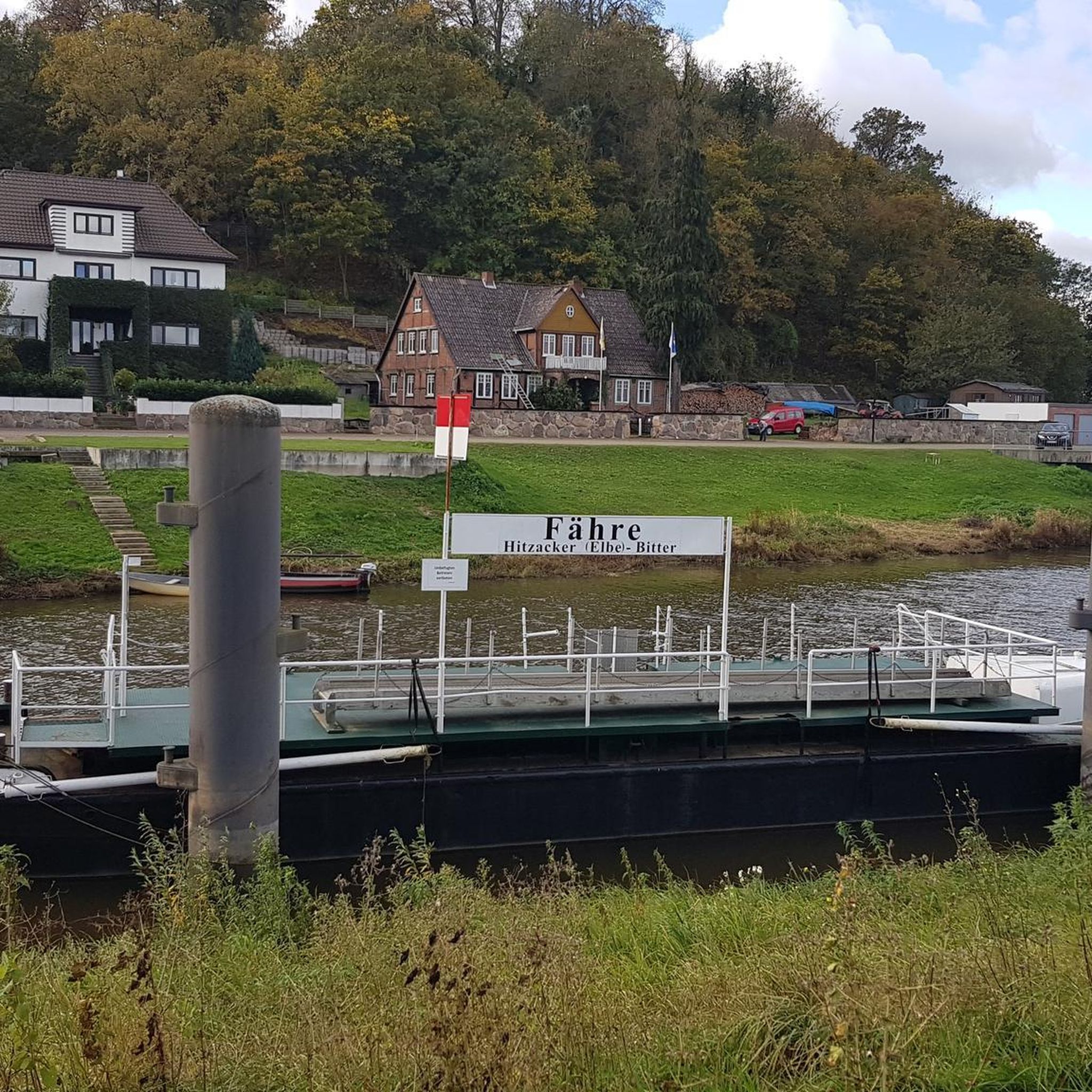
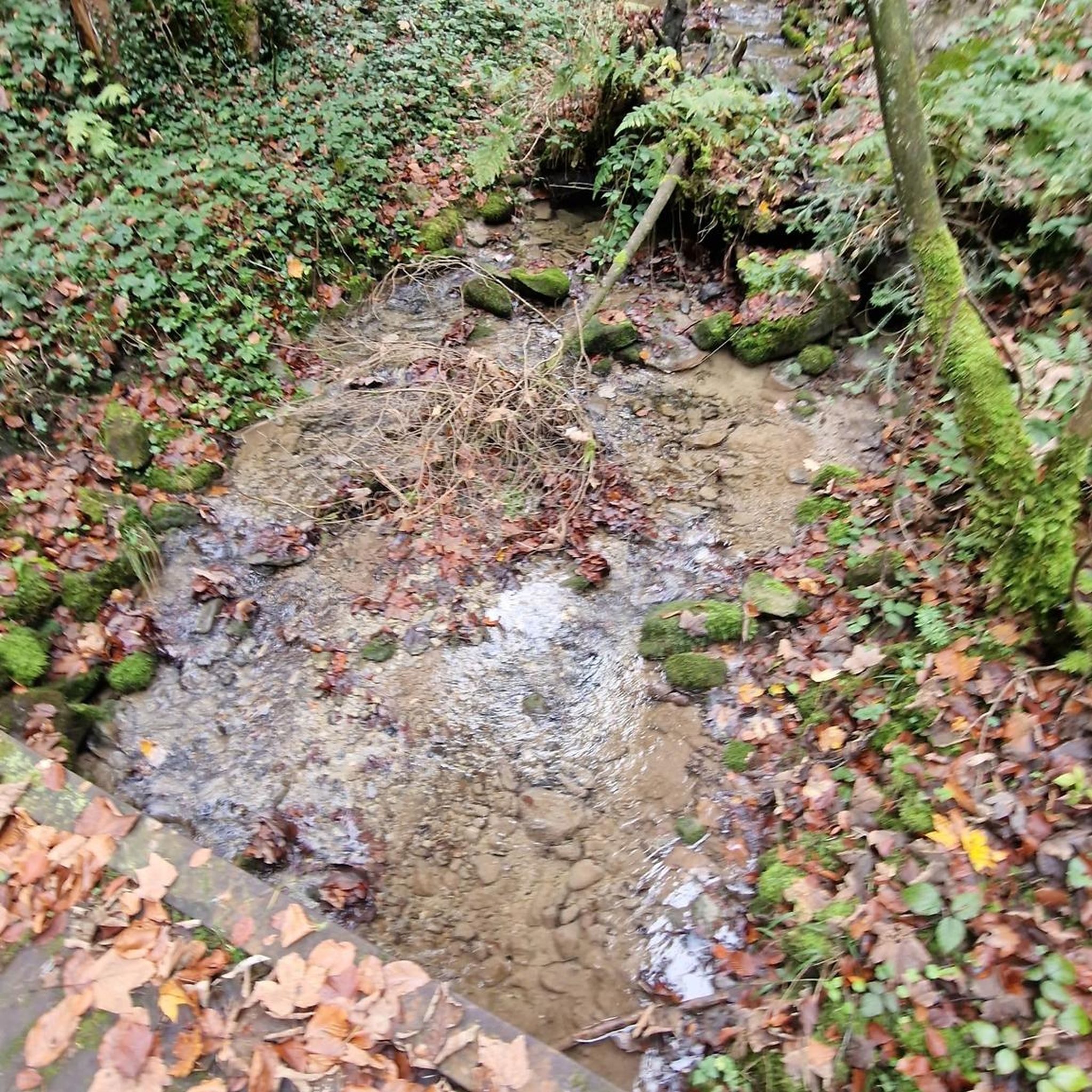
Other adventures around Mömbris

Tips from the Community

You should treat yourself to an extra day for Seligenstadt. Just jetting through with the bike doesn't help. You're missing out on a lot.
27
0

There are still a few meters until the Kahl actually flows into the Main.
6
0

A classic in Seligenstadt, it is a pleasure how beautiful the garden / park and the monastery complex are lively and well-kept. Always worth a trip! There is also an integrative café with a view over the garden of the Main. 👌🏻⛪️🪴⛲️
9
0

At this point you are only 102 meters above sea level. That is the lowest point in Bavaria.
12
2
This is a perfect place to take a break. There are several benches on which you can sit down.
8
0


The source takes its name from Friedrich I, Barbarossa, who often stopped at the source on his hunting expeditions from the Barbarossa town of Gelnhausen to the Bulau.
10
0

A gorge worth seeing between Kleinostheim and Rückersbach
15
0
Frequently Asked Questions
What are some of the most notable natural monuments to visit in Mömbris?
Mömbris offers a variety of impressive natural monuments. Among the most popular are the Ludwig Tower (Hahnenkamm), which provides a great panoramic view, and the Rückersbach Gorge, known for its beautiful forest trail. You can also visit the Barbarossa Spring, a small spring nestled by a forest lake, and the unique Lowest point in Bavaria.
What types of natural features can I expect to see around Mömbris?
The Mömbris region is characterized by its diverse natural landscape, including impressive old-growth trees like the designated Pedunculate and Sessile Oaks, notable lakes such as Bomigsee in Mensengesäß, and scenic viewpoints. You'll also find gorges, rivers, and tranquil springs, all contributing to the area's natural beauty.
Are there family-friendly natural monuments or activities in Mömbris?
Yes, several natural monuments in Mömbris are suitable for families. The Ludwig Tower (Hahnenkamm), Barbarossa Spring, and the Lowest point in Bavaria are all categorized as family-friendly. The surrounding fields, meadows, and forests also offer ample space for children to explore and enjoy nature.
Are any natural monuments in Mömbris wheelchair accessible?
Yes, the Lowest point in Bavaria is noted as being wheelchair accessible, allowing more visitors to experience this unique natural monument.
What outdoor activities can I do near the natural monuments in Mömbris?
The area around Mömbris is excellent for outdoor activities. You can find numerous hiking and cycling routes. For hiking, consider trails like the "Ludwig Tower (Hahnenkamm) – Sunken lane in Naturpark Spessart loop" or the "Pond on the Geiselbach – Teufelsmühle Cabin loop." For cycling, options include the "Anglersee Mensengesäß – Sterzenbach Pond loop" or the "Kahl Springs – Sterzenbach Pond loop." You can find more details on these and other routes in the Hiking around Mömbris and Cycling around Mömbris guides.
Where can I find impressive old-growth trees in Mömbris?
Mömbris is known for its significant old-growth trees, many of which are designated natural monuments. You can find impressive examples like the Stieleiche (Pedunculate Oak) and Traubeneiche (Sessile Oak) within the main Mömbris area, as well as another notable Stieleiche in the Dörnsteinbach district. These trees are local landmarks and showcase the region's enduring nature.
Are there any notable lakes or springs among Mömbris's natural monuments?
Yes, Bomigsee in Mensengesäß is a recognized natural monument, offering a tranquil spot for nature observation. Additionally, the Barbarossa Spring is a small, historically significant spring located in a basin on the edge of a forest lake.
Are there viewpoints offering panoramic views of the Mömbris landscape?
Absolutely. The Ludwig Tower (Hahnenkamm) is a popular viewpoint offering extensive panoramic views. Additionally, the Picnic Area with Panoramic View on Krombacher Höhe provides another excellent spot to appreciate the broader natural landscape of the region.
What is the best time of year to visit the natural monuments in Mömbris?
The natural monuments in Mömbris can be enjoyed throughout the year. Spring and autumn offer pleasant temperatures for hiking and cycling, with vibrant foliage or blooming nature. Summer is ideal for longer outdoor excursions, while winter can provide a serene, snow-covered landscape, though some trails might be more challenging.
What do visitors particularly enjoy about the natural monuments in Mömbris?
Visitors frequently praise the diverse and beautiful scenery, from the splashing waters of the Rückersbach Gorge to the expansive views from the Ludwig Tower. The tranquility of spots like the Barbarossa Spring and the unique experience of visiting the Lowest point in Bavaria are also highly appreciated. The overall appeal lies in connecting with nature in a peaceful, picturesque setting.
Are there any historical or cultural sites near the natural monuments in Mömbris?
While the focus is on natural monuments, the region does have historical connections. For instance, the Barbarossa Spring is named after Friedrich I, Barbarossa, who reportedly stopped there. For a broader historical experience, the Einhard Statue in the Seligenstadt Monastery Garden is a notable man-made monument nearby, offering insights into the region's past.
Can I find information about the official designation of natural monuments in the area?
Yes, many of the significant natural features in Mömbris, such as the specific old-growth oaks and Bomigsee, are officially designated natural monuments. For a comprehensive list of natural monuments in the broader Aschaffenburg district, you can refer to external resources like Wikipedia's list of natural monuments in the Aschaffenburg district.
Most popular routes around Mömbris
Most popular attractions around Mömbris

Get inspired with the komoot mobile app


Explore more
Extend your search for the best caves by checking out these guides of the top ones around Mömbris:
