Top 20 Natural Monuments around Kordel
Natural monuments around Kordel offer a blend of geological formations and historical sites in Rhineland-Palatinate, Germany. The region features sandstone caves, ancient quarries, and waterfalls, shaped by natural processes and human activity over millennia. These sites provide insights into the area's geological past and its historical use, including Roman-era mining and quarrying. Kordel's landscape is characterized by its natural features, making it a destination for exploring designated natural monuments.
Best natural monuments around Kordel
- The most popular natural monuments is…
Last updated: June 23, 2026
Genoveva Cave
Highlight • Cave
Translated by Google •
Tip by

Klausen Cave (Hermit's Cave)
Highlight • Cave
Showing Translation
Tip by

Sign up now to discover places like this
Get recommendations on the best single tracks, peaks, & plenty of other exciting outdoor places.
Sign up for free
Roman copper mine and quarry Pützlöcher
Highlight • Historical Site
Translated by Google •
Tip by

Sirzenich Waterfall
Highlight • Waterfall
Translated by Google •
Tip by

Silvester Cave
Highlight • Cave
Translated by Google •
Tip by

Sign up for free to discover even more natural monuments around Kordel.
Sign up for free
Already have an account?
Start today with a free account
Your next adventure awaits.
Login or Signup
Other adventures around Kordel

Tips from the Community

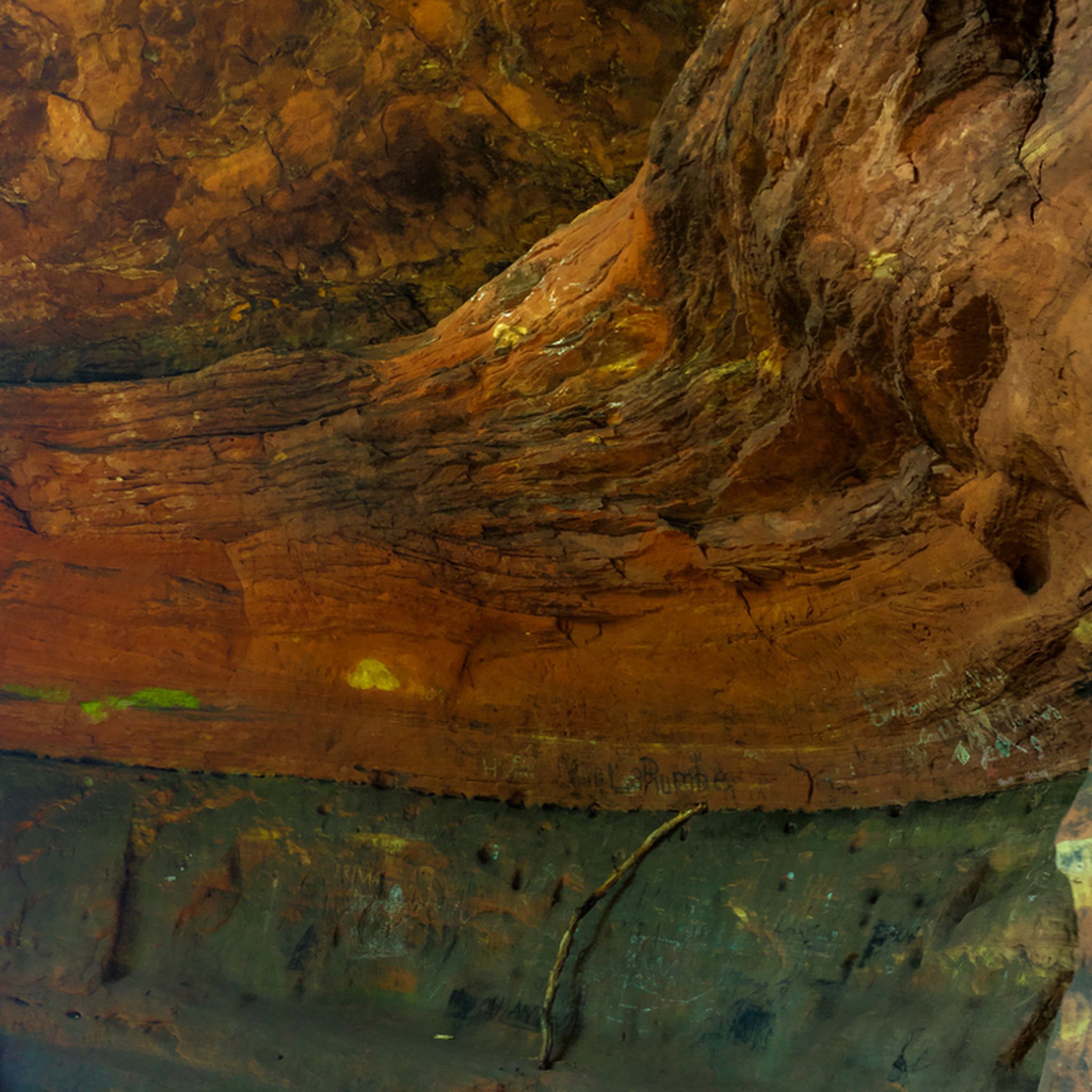
The Klausenhöhle was inhabited in the 18th century by a hermit. Access is via ladders. Particularly impressive is the view through a natural rock opening, which reveals a view of the surrounding landscape. With its exceptional location and special atmosphere, the cave is one of the region's most appealing photo motifs.
40
0
Even today, blocks of stone with Roman numerals and inscriptions can be found in the mine. It is believed that quarrying continued into the 3rd century, as a coin of Emperor Maximinus Thrax was found in the tunnel. Much later, in the 18th century, the search for ore and copper resumed using state-of-the-art blasting techniques, creating new tunnels approximately 114 meters deep. However, the main tunnel collapsed during this process. Source: https://eifelfuehrer.de/touristische-ziele/geschichtliche-zeugnisse/puetzloecher
36
0
The Roman copper mine "Pützlöcher," located between Kordel and Butzweiler, is one of the oldest in Germany and means "waterhole." Here, in the 2nd century, ores such as malachite and azurite were mined at a depth of 20 meters. However, these ores were not found in large deposits, so the Romans later focused on the nearby quarry. The stones from this quarry were used, among other things, for the construction of the Porta Nigra. Source: https://eifelfuehrer.de/touristische-ziele/geschichtliche-zeugnisse/puetzloecher
43
0

The name comes from New Year's Eve 1982/83 when the Kordel local history society celebrated the completion of the work in the Butzerbachtal.
4
0

A nice resting place under a rocky outcrop that offers shelter even in a storm. The father's association, which celebrates its festivals here, has existed for 40 years.
7
0

Great, impressive photo opportunity 🎨📸👍🏻👌🏼 Klausenhöhle KORDEL Visit the Klausenhöhle on the Eifelsteig and Römerpfad premium hiking trails and let the past come to life again. In the 18th century, a Klausener, a hermit, who sought to achieve eternal salvation through a life in complete isolation, probably lived in the Klausenhöhle. It's gigantic to see😵👌🏼
11
0
The Porta Nigra in Trier, the Cologne Cathedral and the Reichstag in Berlin have something in common! The building blocks come from the same area near Butzweiler near Trier. "Pützlöcher" is the popular name for a Roman quarry in which the large blocks for the construction of the Porta Nigra were cut out of the rock. Previously, copper ore was mined here.⚒️
12
1
"Pützlöcher": Roman quarry in which large blocks were cut out of the rock to build the Porta Nigra. Before that, copper ore was mined here.⚒️
8
0
Frequently Asked Questions
What geological features can I explore around Kordel?
The Kordel region is rich in geological formations, primarily featuring sandstone caves and ancient quarries. You can explore the impressive semi-circular sandstone cave, Genoveva Cave, which was formed by the erosive power of the Kyll River. Another notable site is the Roman copper mine and quarry Pützlöcher, where you can see traces of ancient mining and quarrying in the rock.
What is the historical significance of the natural monuments in Kordel?
Many natural monuments in Kordel have deep historical roots. The Genoveva Cave has archaeological findings dating back to the Stone Age and is linked to the medieval legend of Genoveva of Brabant. The Roman copper mine and quarry Pützlöcher was one of Germany's oldest copper mines in the 2nd century AD, later becoming a quarry that supplied stone for structures like the Porta Nigra in Trier and even Cologne Cathedral.
Are there family-friendly natural monuments to visit in Kordel?
Yes, several natural monuments are suitable for families. The Silvester Cave, which is more of a rock overhang, offers a nice resting area with a large table, perfect for a family picnic. The Genoveva Cave is also accessible via steps and offers an engaging historical experience for children.
What hiking trails connect to the natural monuments around Kordel?
Many natural monuments in Kordel are directly accessible via popular hiking trails. Both the Genoveva Cave and the Roman copper mine and quarry Pützlöcher are part of the Premium hiking trail Römerpfad (Roman Path). You can find more hiking options in the area by exploring the Natural Monuments around Kordel guide.
What outdoor activities can I do near the natural monuments around Kordel?
Beyond exploring the monuments themselves, the Kordel region offers various outdoor activities. You can find numerous cycling routes, including those around the Moselle Valley and Kyll River, as detailed in the Cycling around Kordel guide. For mountain biking enthusiasts, there are trails like the one connecting Genoveva Cave to Ramstein Castle, which you can explore in the MTB Trails around Kordel guide.
Are there any waterfalls near Kordel's natural monuments?
Yes, you can visit the Sirzenich Waterfall, which is a beautiful natural monument in the area. It's located in a picturesque stream valley, offering a refreshing experience, especially after rainfall when the water flow is more impressive.
What do visitors particularly enjoy about the natural monuments in Kordel?
Visitors appreciate the blend of natural beauty and historical intrigue. For instance, at Klausen Cave (Hermit's Cave), people find the faces carved into the rock fascinating and enjoy its secluded yet accessible location. The sheer scale and historical context of the Genoveva Cave also leave a lasting impression.
When is the best time of year to visit the natural monuments around Kordel?
The natural monuments around Kordel can be visited year-round, but the spring and autumn months offer particularly pleasant hiking conditions with mild temperatures and vibrant scenery. The Roman copper mine and quarry Pützlöcher is typically open seasonally from May 1st to October 31st by appointment, so plan accordingly if you wish to visit this specific site.
Can I find shelter from bad weather at any of the natural monuments?
Yes, the Genoveva Cave is described as a great shelter in rainy weather due to its large, open structure. Similarly, the Silvester Cave, an overhanging rock formation, also provides some protection from the elements and features a resting area.
Are there any specific Roman traces visible at the Pützlöcher site?
Yes, at the Roman copper mine and quarry Pützlöcher, you can still find quarry stones with Roman numerals and inscriptions. Archaeological finds, including ceramic shards from the 2nd century AD and a coin from Emperor Maximinus Thrax, further attest to its Roman usage.
How can I visit the Roman copper mine and quarry Pützlöcher?
The Roman copper mine and quarry Pützlöcher can be visited seasonally, typically from May 1st to October 31st. Visits are usually by appointment. For current information on visiting hours and arrangements, it's advisable to check local tourism resources or contact the Heimatverein Butzweiler, as mentioned in visitor tips.
What is the Klausen Cave (Hermit's Cave) known for?
The Klausen Cave (Hermit's Cave) is known for its wonderfully secluded yet easily accessible location. Visitors are particularly fascinated by the faces carved into the rock, making it an exciting spot to explore and discover these unique features.
Most popular attractions around Kordel

Get inspired with the komoot mobile app


Explore more
Extend your search for the best caves by checking out these guides of the top ones around Kordel:
