Top 20 Natural Monuments around Herzogenaurach
Best natural monuments around Herzogenaurach offer a diverse landscape characterized by its river systems and surrounding forests. The town is situated along the Aurach River, which integrates natural elements directly into the urban environment. Nearby, extensive forest areas like the Dohnwald and Tennenloher Forest provide significant natural features and recreational opportunities. These areas showcase the region's natural beauty and ecological value.
Best natural monuments around Herzogenaurach
- The most popular natural monuments is Przewalski Horse Enclosure, Tennenloher Forest, a natural…
Last updated: June 23, 2026
Przewalski Horses in Tennenloher Forest
Highlight • Natural
Translated by Google •
Tip by

Confluence of the Rednitz and Pegnitz (the Spitz)
Highlight • River
Translated by Google •
Tip by

Sign up now to discover places like this
Get recommendations on the best single tracks, peaks, & plenty of other exciting outdoor places.
Sign up for free
Western spring of the Märchenweiher
Highlight • Natural
Translated by Google •
Tip by

Märchenweiher near Atzelsberg
Highlight • Lake
Translated by Google •
Tip by

Great Bishop's Pond
Highlight • Lake
Translated by Google •
Tip by

Sign up for free to discover even more natural monuments around Herzogenaurach.
Sign up for free
Already have an account?
Start today with a free account
Your next adventure awaits.
Login or Signup
Tips from the Community

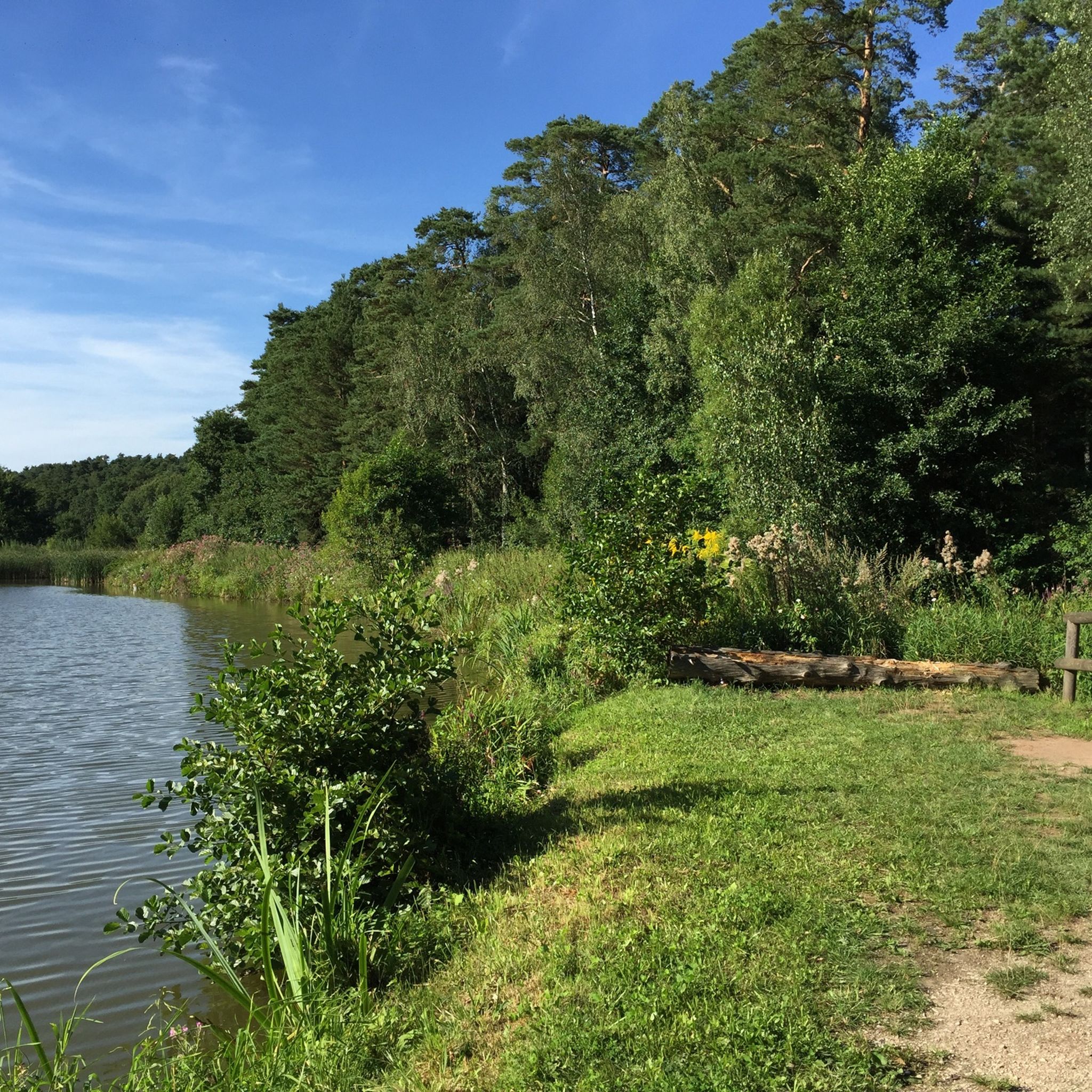
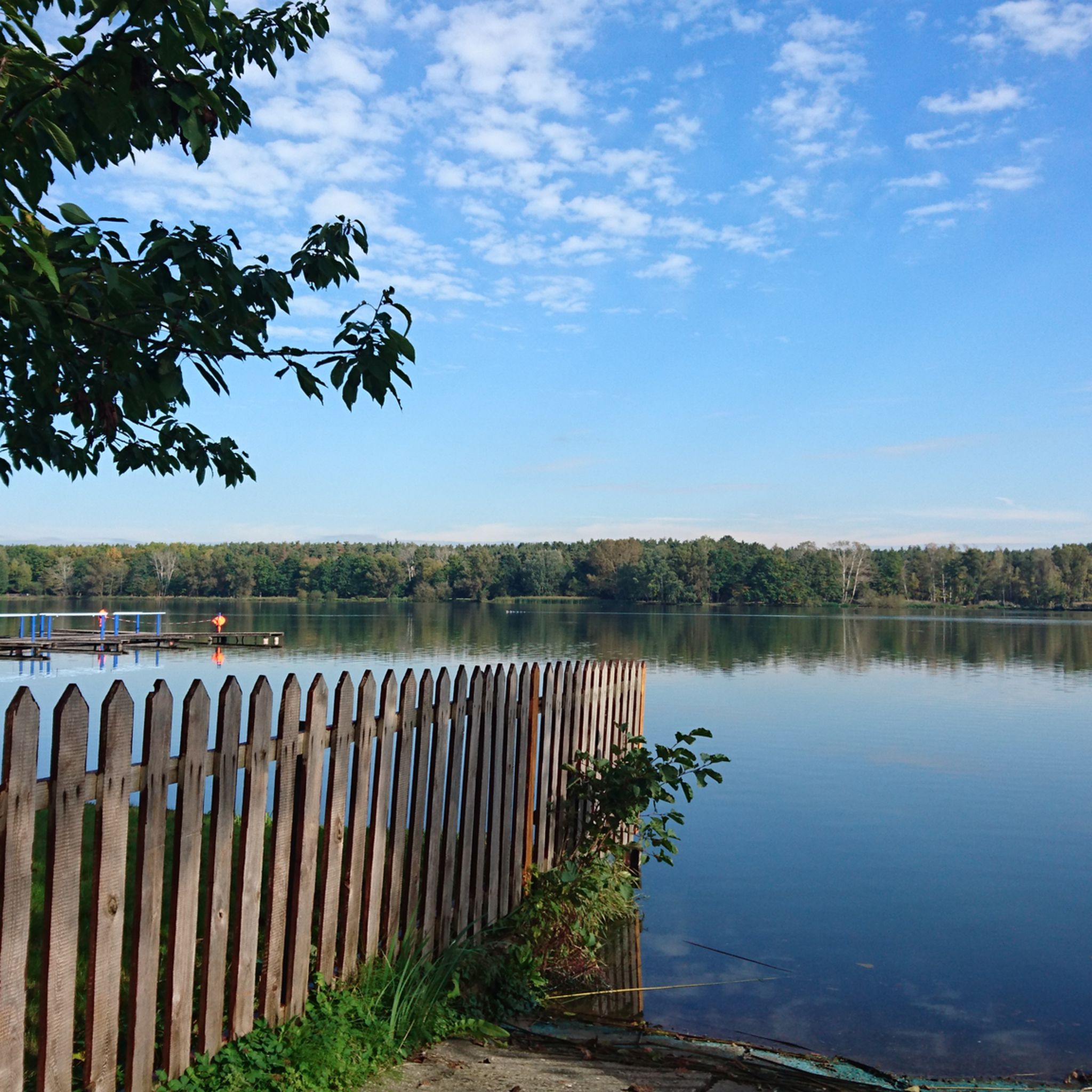
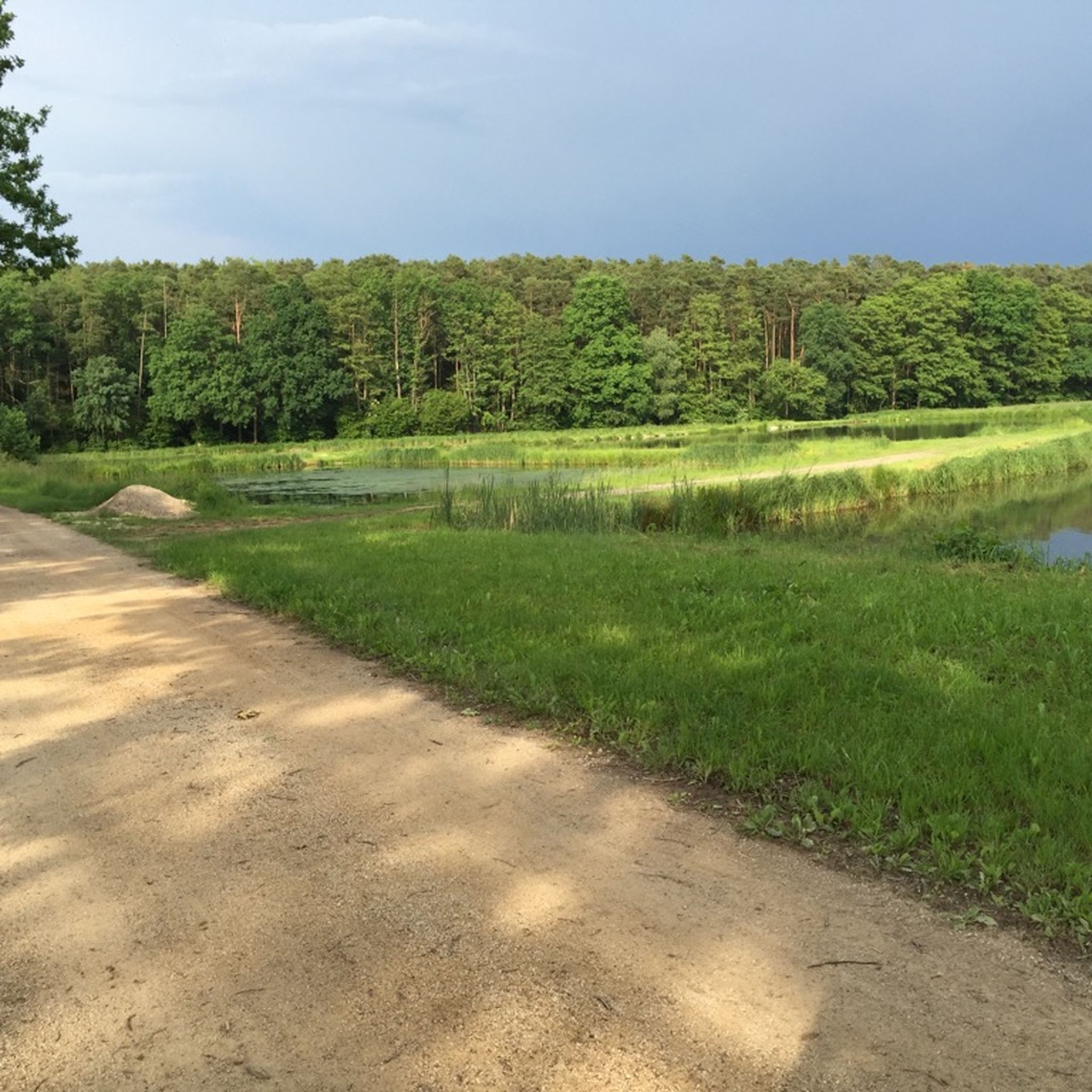
The Dechsendorfer Weiher (Großer Bischofsweiher) and the almost equally large Kleiner Bischofsweiher were created in the Middle Ages by the Bamberg bishops as carp ponds. Due to the large water surfaces and the immediate surroundings, both ponds are of great importance for species and biotope protection, especially for water birds. The Dechsendorfer Weiher are a popular destination for those seeking local recreation due to their proximity and closeness to nature. The pond is used as a bathing pond; however, use was restricted by the algae problem. The bathing ban is also announced locally and by clearly visible signs or signs at the bathing area. The fields to the west of the ponds are in the Sandachse Franken nature conservation project and the forest areas of the Markwald directly adjacent to the east are protected forest. The entire area is a landscape conservation area. The Dechsendorfer Weiher was previously flowed through by the Röttenbach. This has now been created as a new Röttenbach over a length of 1.6 km from the intermediate dam inlet area to the downstream area of the Dechsendorfer Weiher. A near-natural watercourse is intended to improve the previously moderate water structure and create new habitats for the ecological diversity of nature. The lack of passability of the Röttenbach was restored. In the new Röttenbach, nutrients, sediments and also fish from the catchment area of the Dechsendorfer Weiher can be diverted around it into the downstream area of the pond. The pond is no longer in the main tributary but in the bypass and can therefore be managed in terms of the quality and quantity of the incoming water. With the targeted planting of aquatic plants, the pond was returned to a plant-dominated state. [ Source: https://erlangen.de/aktuelles/gewaesserschutz-dechsendorfer-weiher ]
0
0

From here on, the Rednitz, after it has now absorbed the Pegnitz, is called Regnitz. The point of land to Überplanken certainly has the advantage that you don't have to deal with mud or wild growth. The disadvantage is that the boards, despite the corrugations, quickly turn into a slide as soon as they get wet.
7
0

Currently free again. The beaver 🦫 had made himself comfortable under the forest path. Danger of collapse ⚠️
2
0

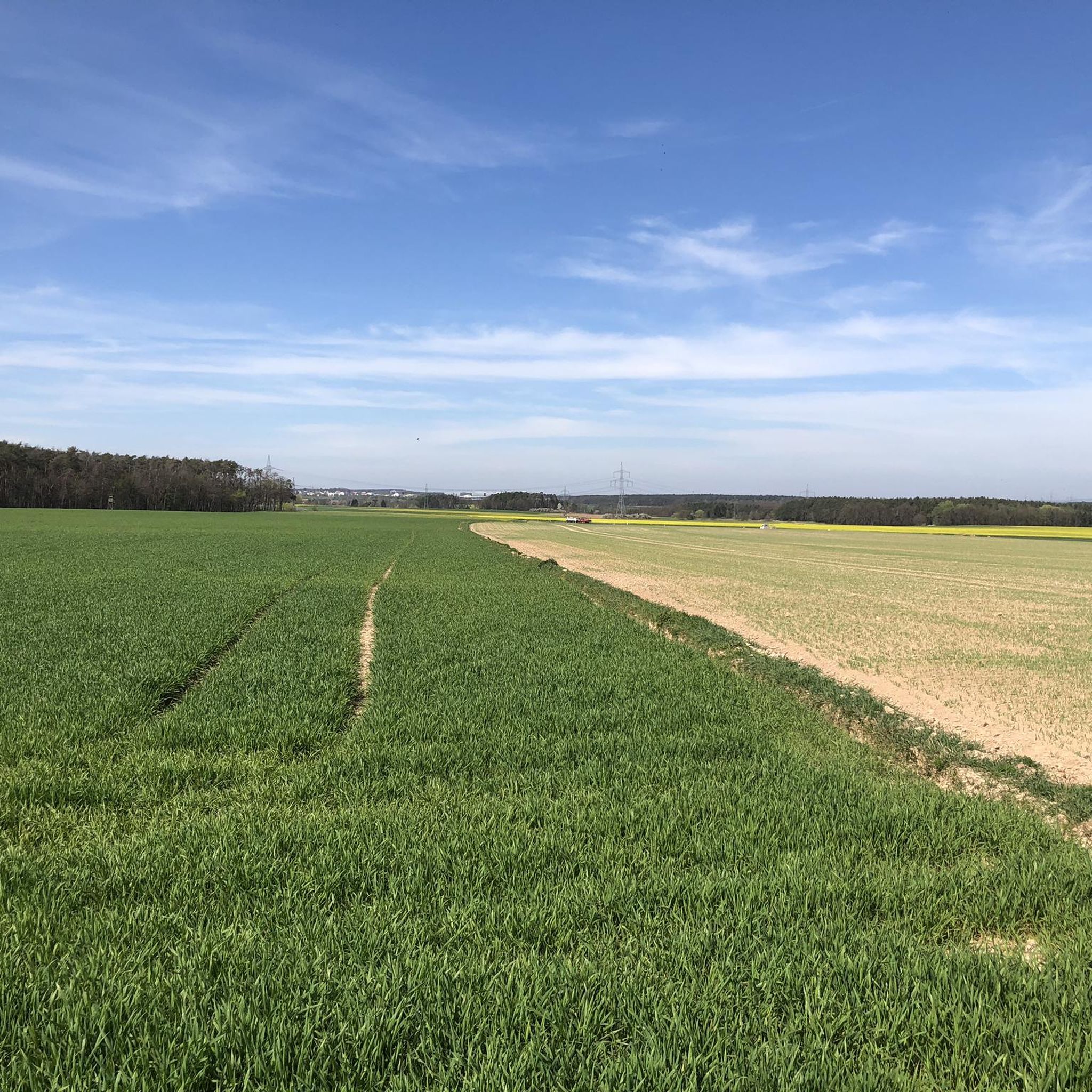
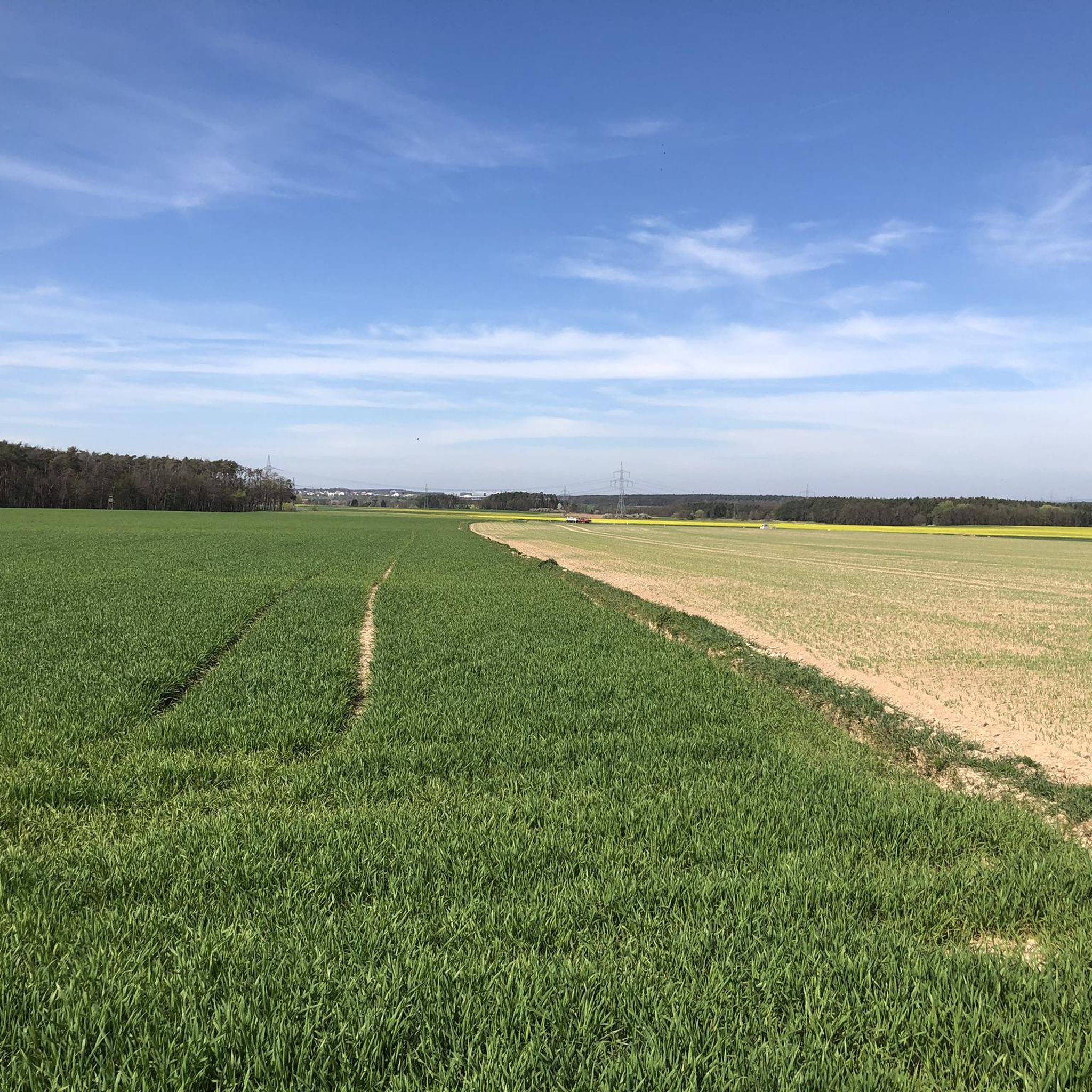
A large enclosure is available to the wild horses, in which they ensure that the open spaces are preserved.
11
0

Beautiful lake for rest, hiking, BBQ and camping
0
0

The confluence of the Rednitz and Pegnitz is located in Wiesengrund in Fürth below today's Fürth main cemetery. It can be reached from the old town, or from the east of the city and from the north via the Friedhofsteg over the Pegnitz and from the west of the city, Kapellenruh, via the Käppnersteg over the Rednitz. The "confluence of the Rednitz and Pegnitz" is also simply called the "river triangle" or popularly simply the "Spitz". From here on, the Rednitz, after it has now absorbed the Pegnitz, is then called the Regnitz. The current location of the "Spitz" was created in the first half of the 20th century (presumably between 1910 and 1930) by straightening the Rednitz. Before that, the Rednitz turned sharply to the right after passing the Käppnersteg and joined the Pegnitz west of the Friedhofsteg (Wikipedia).
4
0

beautiful source
6
0

A very good project! Unfortunately, such open heath landscapes are rarely found in the region.
9
0
Frequently Asked Questions
What are some of the most popular natural monuments to visit around Herzogenaurach?
Among the most appreciated natural monuments are the Przewalski Horse Enclosure, Tennenloher Forest, where you can observe rare wild horses in a unique sandy grassland habitat. Another favorite is the Confluence of the Rednitz and Pegnitz (the Spitz), an idyllic spot where two rivers meet to form the Regnitz. Visitors also enjoy the serene Western spring of the Märchenweiher and the Great Bishop's Pond, known for its recreational facilities.
Are there family-friendly natural monuments around Herzogenaurach?
Yes, several natural monuments are ideal for families. The Przewalski Horse Enclosure, Tennenloher Forest offers a circular path to observe wild horses, which is fascinating for all ages. The Confluence of the Rednitz and Pegnitz (the Spitz) provides a peaceful setting for a family stroll. Additionally, the Great Bishop's Pond features a kiosk and a small playground, making it perfect for a family outing.
What kind of natural features can I expect to see in the Herzogenaurach area?
Herzogenaurach is characterized by its river systems and extensive forests. You'll find serene riverbanks along the Aurach River, which flows directly through the town. The region also boasts significant forest areas like the Dohnwald and the Tennenloher Forest, home to unique sandy grasslands. There are also various ponds and springs, such as the Märchenweiher near Atzelsberg and the historic Eichenbrünnlein spring.
What outdoor activities can I do near these natural monuments?
The area around Herzogenaurach offers diverse outdoor activities. You can enjoy easy hikes through scenic pond landscapes and forests, such as those found in the Dohnwald. For more active pursuits, there are numerous mountain biking trails, including routes through the Hainberg Nature Reserve. Running enthusiasts will find various jogging trails, some passing by the Adidas Campus. You can explore more options in the guides for easy hikes, MTB trails, and running trails around Herzogenaurach.
Are there any historical natural sites in the region?
Yes, the Eichenbrünnlein (Oak Fountain) between Herzogenaurach and Falkendorf is a notable historical natural site. This recently restored monument marks the origin of Herzogenaurach's water supply dating back to 1933, centered around a natural spring that was crucial for the town's development.
What is the best time of year to visit the natural monuments around Herzogenaurach?
The natural monuments around Herzogenaurach can be enjoyed year-round. Spring and autumn offer pleasant temperatures for hiking and exploring the forests. Summer is ideal for visiting the Great Bishop's Pond for swimming and barbecues. Even in winter, robust animals like the Przewalski horses at the Tennenloher Forest enclosure can be observed, as they are well-adapted to cold conditions.
Can I bring my dog to the natural monuments?
Many natural areas around Herzogenaurach, including forest trails and river promenades, are generally dog-friendly. When visiting specific enclosures like the Przewalski Horse Enclosure, it's important to keep dogs on a leash and adhere to any posted regulations to protect wildlife and ensure a safe experience for everyone.
Are there any easy walking trails suitable for all fitness levels?
Absolutely. The promenade along the Aurach River in Herzogenaurach offers an easy, flat path perfect for a leisurely stroll. The 'Mill path around the Dohnwald forest' is an 8 km trail that is generally considered easy, taking about 2.5 hours to complete and offering tranquil forest landscapes. Many of the routes listed in the easy hikes guide are also suitable for various fitness levels.
Where can I find refreshments or facilities near the natural monuments?
For some locations, like the Great Bishop's Pond, there is a kiosk available offering food and drinks. While specific cafes are not always directly adjacent to every natural monument, the town of Herzogenaurach itself has various options. The Aurach River promenade is integrated into the town center, providing easy access to amenities.
What makes the Przewalski Horse Enclosure in Tennenloher Forest special?
The Przewalski Horse Enclosure is special because it's a conservation area for these rare wild horses, which play a crucial role in maintaining the unique sandy grasslands and heathlands of the Tennenloher Forest. Visitors have the opportunity to observe these robust animals in a near-natural environment, contributing to the preservation of a valuable ecosystem and an endangered species.
How long should I plan for a visit to these natural monuments?
The duration of your visit can vary. A leisurely walk along the Aurach River promenade might take an hour or two. Exploring the 'Mill path around the Dohnwald forest' typically takes about 2.5 hours. For the Przewalski Horse Enclosure, allow a couple of hours to walk the circular path and observe the animals. For places like the Great Bishop's Pond, you might spend half a day enjoying the facilities and nature.
Are there any viewpoints or scenic spots among the natural monuments?
Yes, the Confluence of the Rednitz and Pegnitz (the Spitz) is known for its idyllic setting and offers a scenic view of the merging rivers. The Western spring of the Märchenweiher and the Märchenweiher near Atzelsberg are nestled in forest settings, providing picturesque views of the ponds and surrounding nature. Many forest trails also offer tranquil vistas.
Most popular routes around Herzogenaurach
Most popular attractions around Herzogenaurach

Get inspired with the komoot mobile app


Explore more
Extend your search for the best caves by checking out these guides of the top ones around Herzogenaurach:
