Attractions and Places To See around Hüttwilen - Top 20
Best attractions and places to see around Hüttwilen include a diverse range of natural and cultural sites within the canton of Thurgau, Switzerland. The municipality is situated in the Seebachtal, a natural monument of national importance, and on the southern slope of the Seerücken. This region features three lakes, including Hüttwilersee and Nussbaumersee, alongside historical landmarks such as Roman settlements and prehistoric pile dwellings. Hüttwilen offers opportunities to explore natural beauty and cultural heritage.
Best attractions and places to see…
Last updated: August 16, 2026
Old town Stein am Rhein
Highlight • Historical Site
Translated by Google •
Tip by

Town Hall of Stein am Rhein
Highlight • Historical Site
Translated by Google •
Tip by

Sign up now to discover places like this
Get recommendations on the best single tracks, peaks, & plenty of other exciting outdoor places.
Sign up for free
Diessenhofen–Gailingen Wooden Bridge over the Rhine
Highlight • Bridge
Translated by Google •
Tip by

Rhine Bridge at Stein am Rhein
Highlight (Segment) • Bridge
Translated by Google •
Tip by
View of Stein am Rhein
Highlight • Viewpoint
Translated by Google •
Tip by

Sign up for free to discover even more attractions around Hüttwilen.
Sign up for free
Already have an account?
Start today with a free account
Your next adventure awaits.
Login or Signup
Popular around Hüttwilen
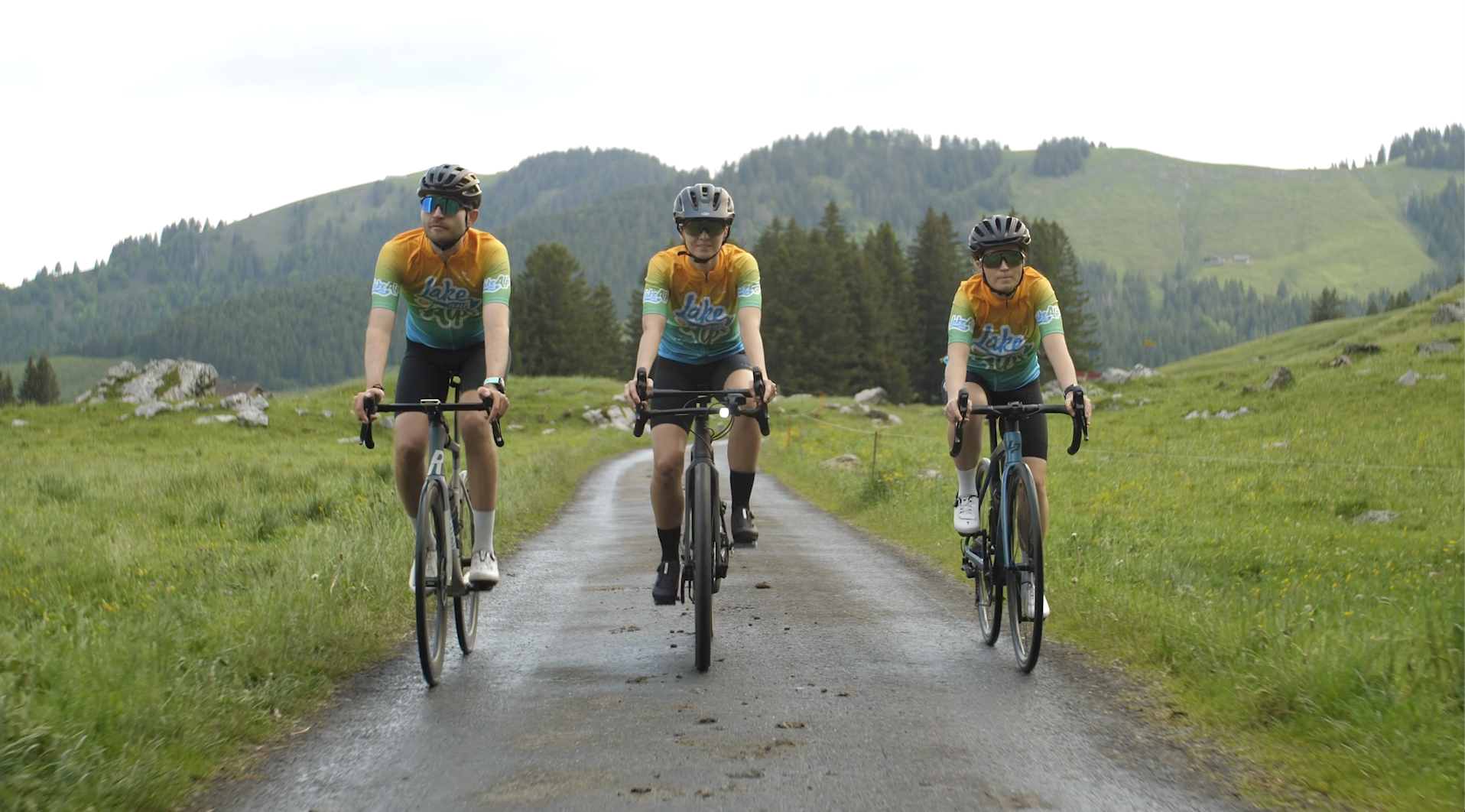
Lake and Alps Adventure – explore 100 dreamy places in our cycling region!
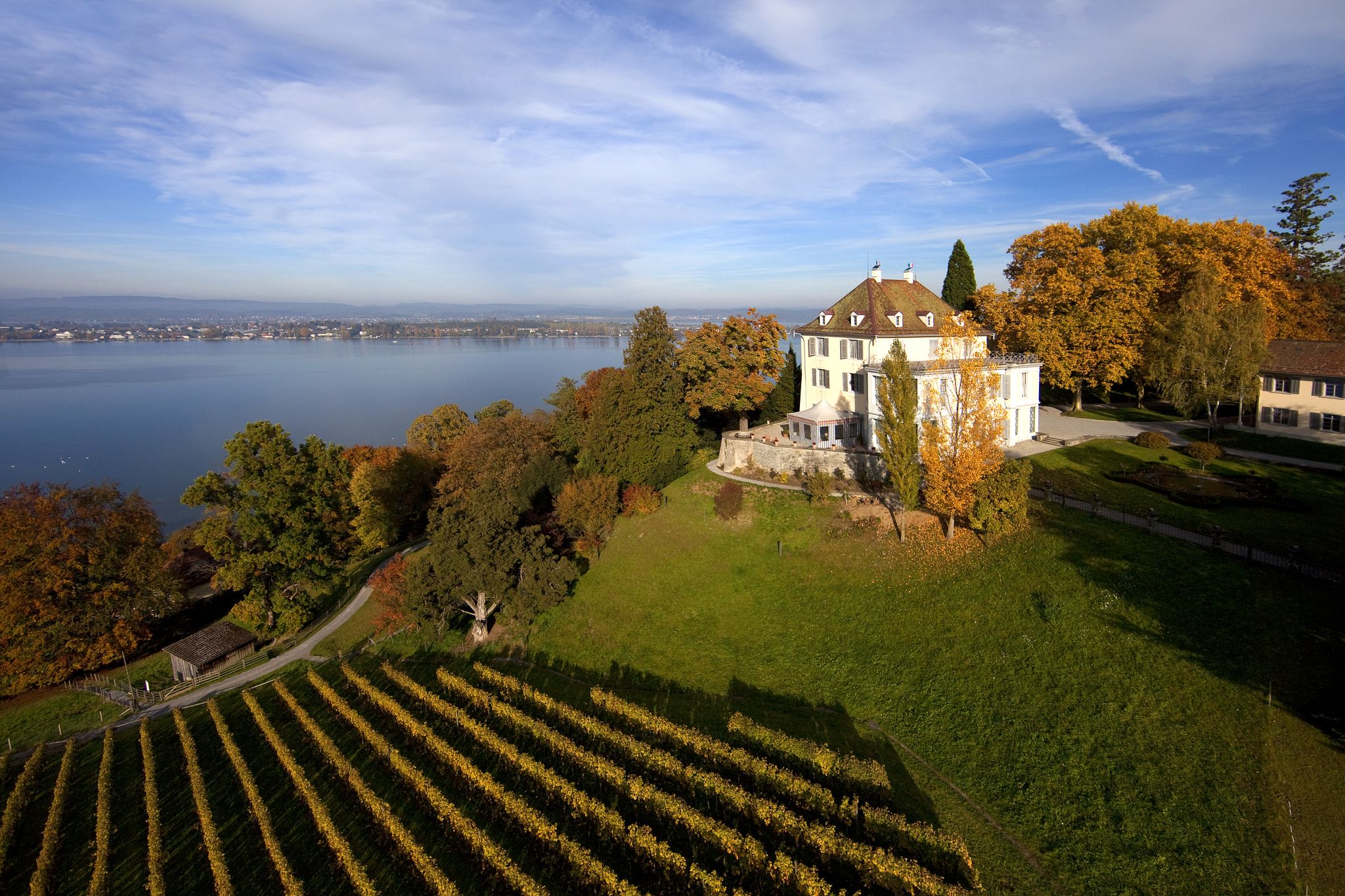
Between wine and water — autumn hikes in Switzerland’s Thurgau
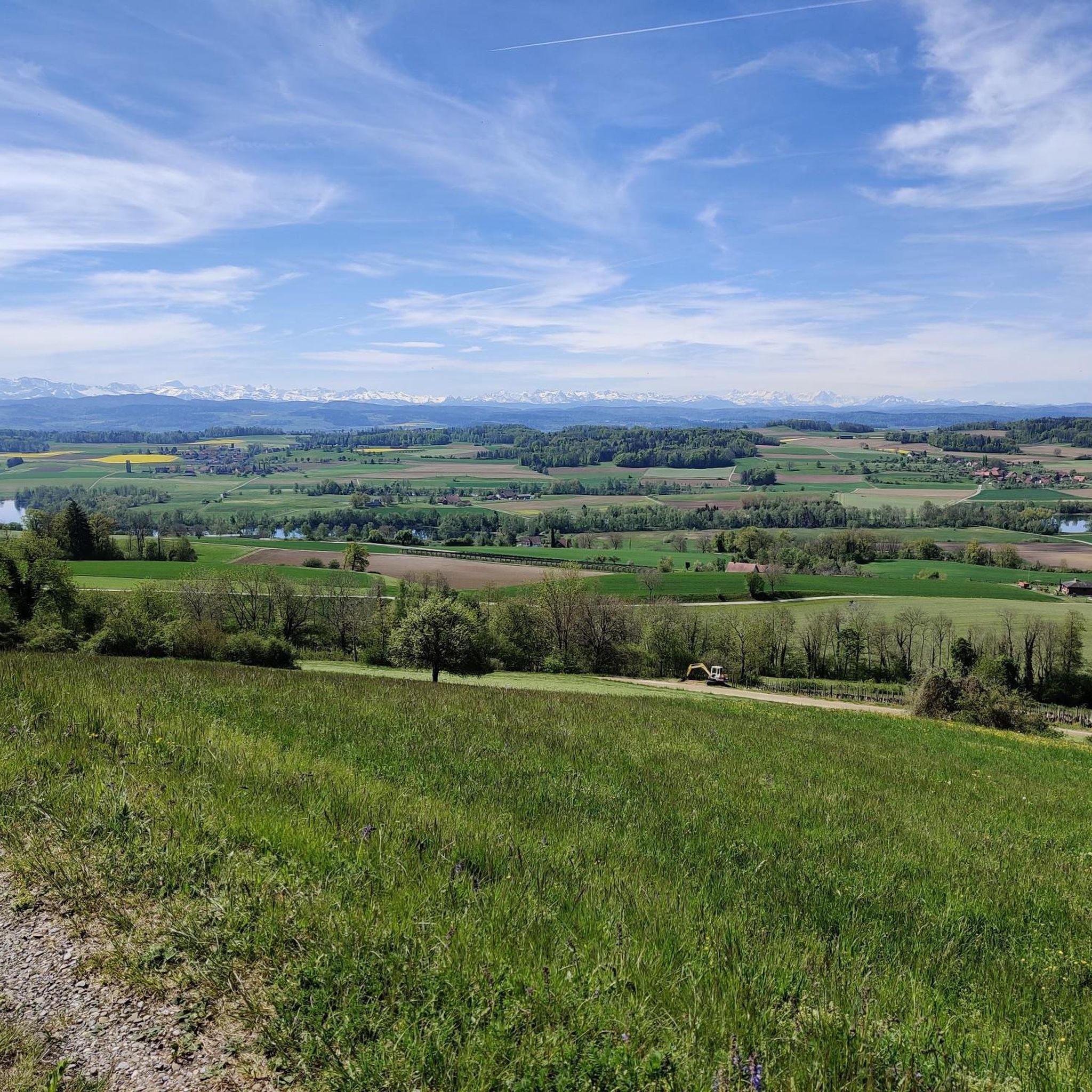
Hiking around Hüttwilen
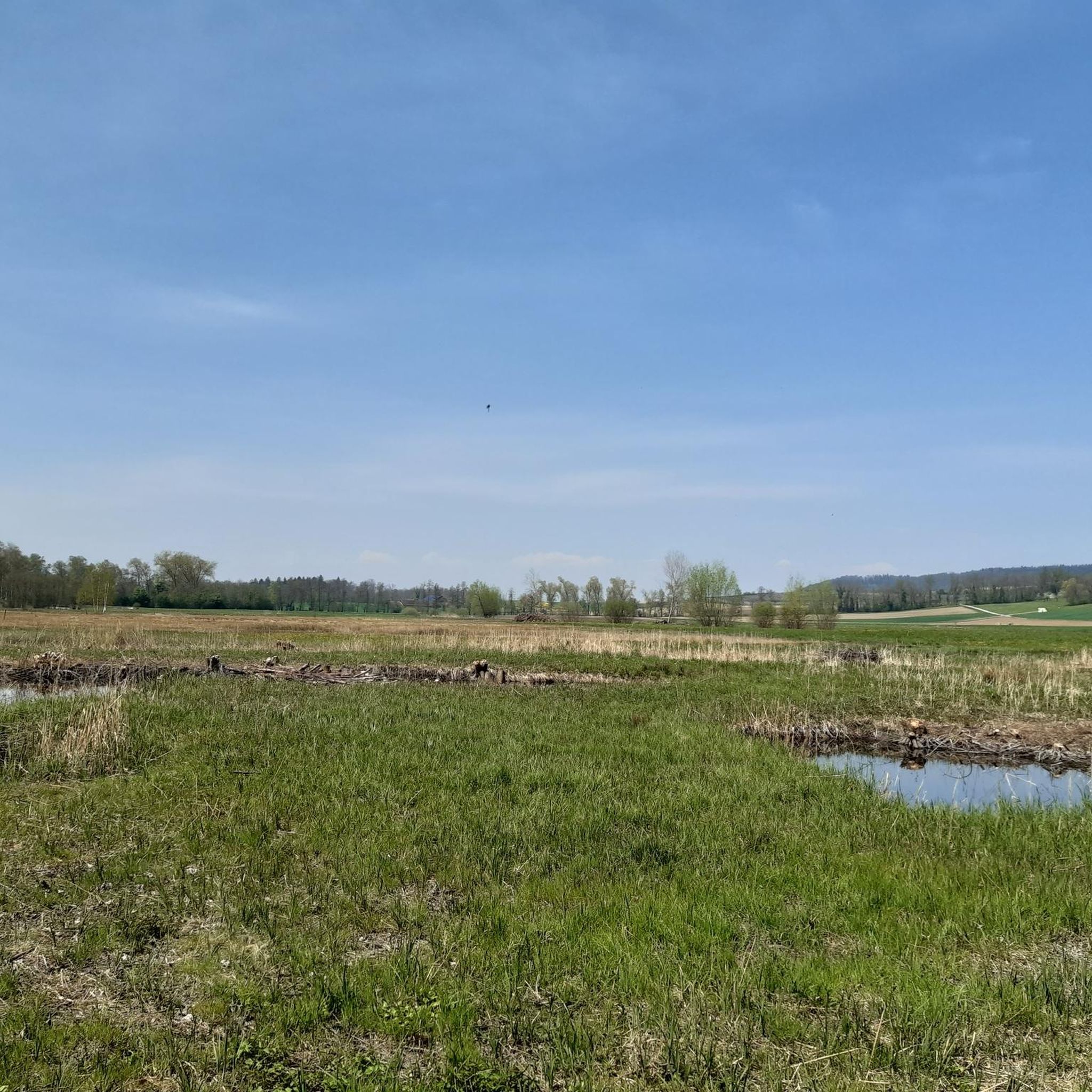
Road Cycling Routes around Hüttwilen
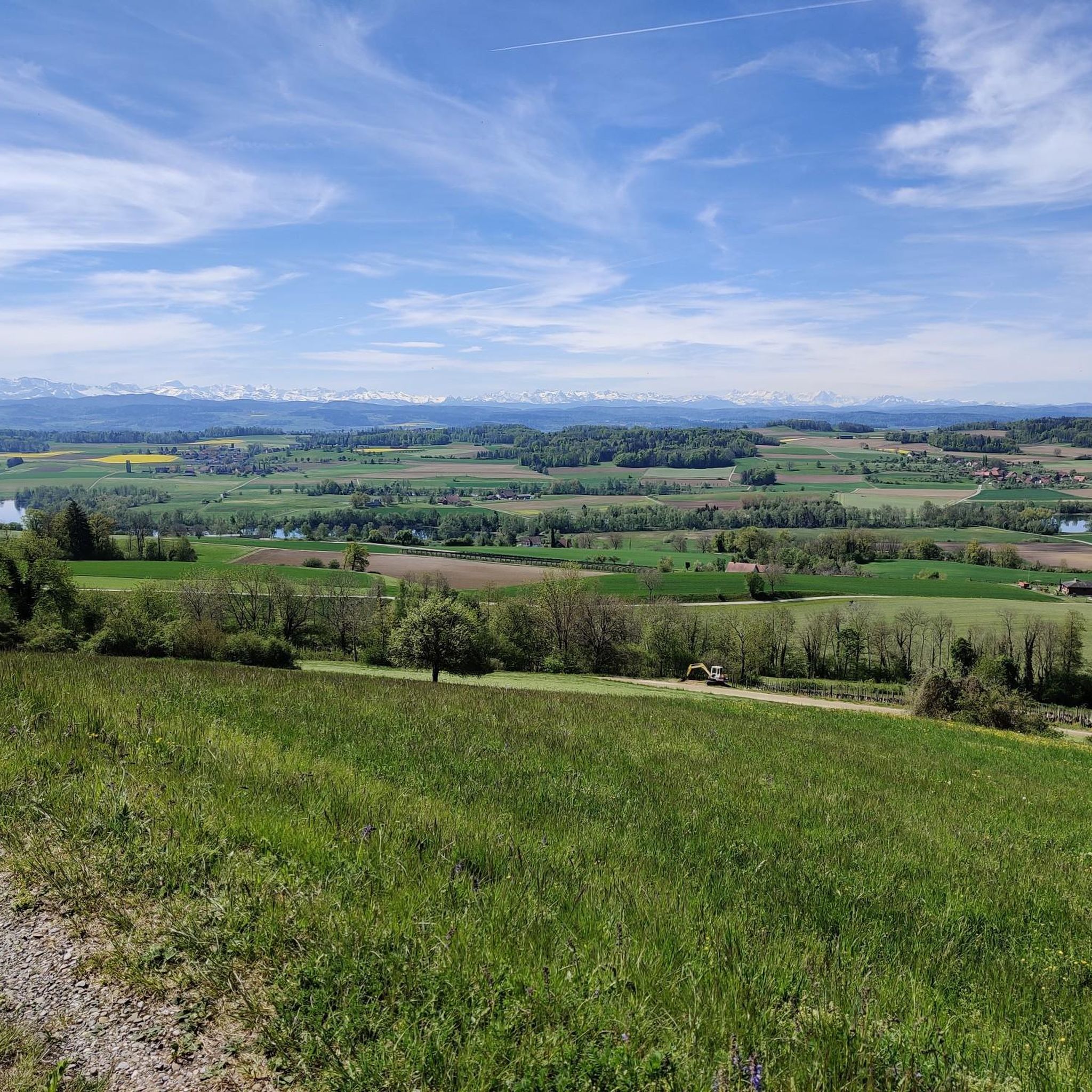
Running Trails around Hüttwilen
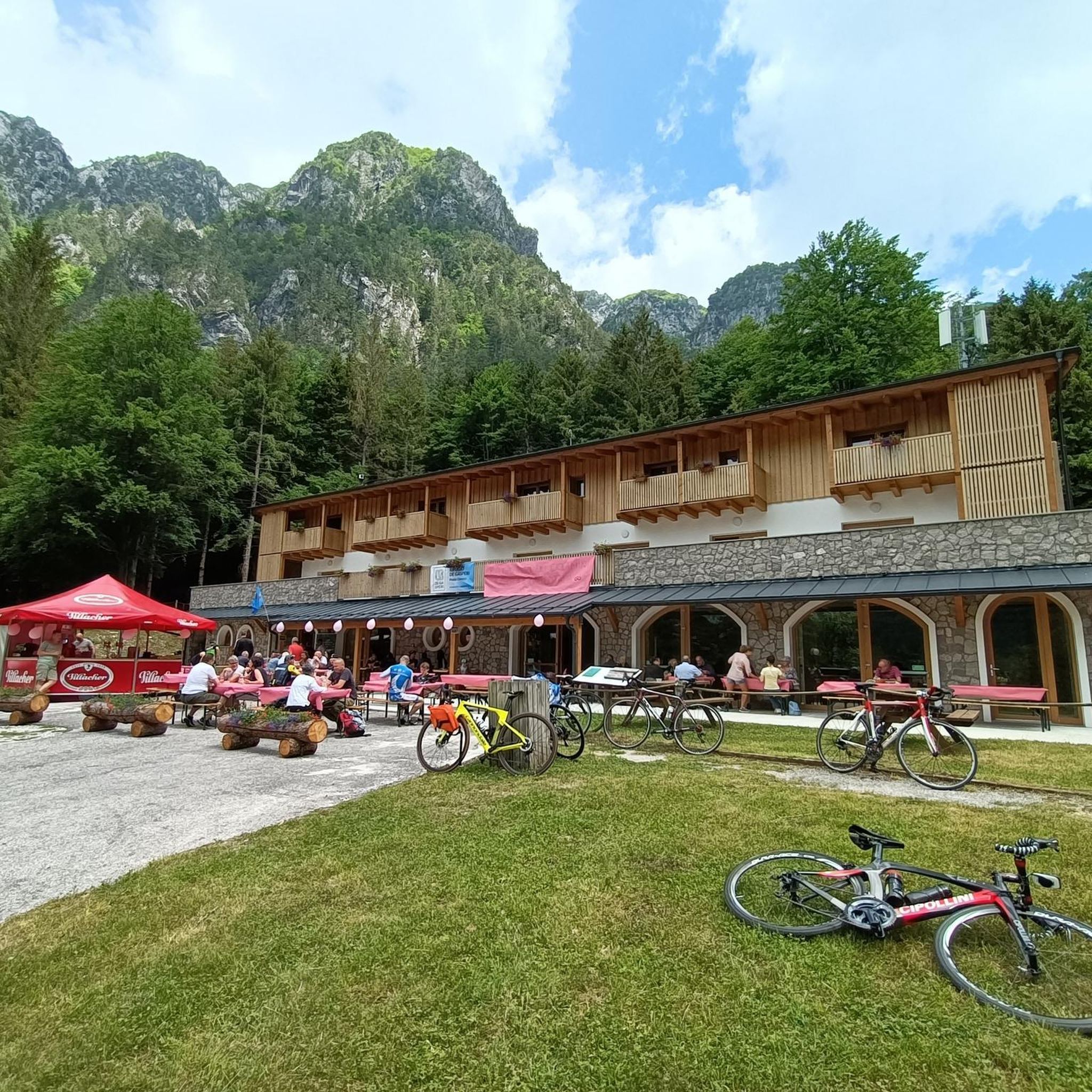
Gravel biking around Hüttwilen
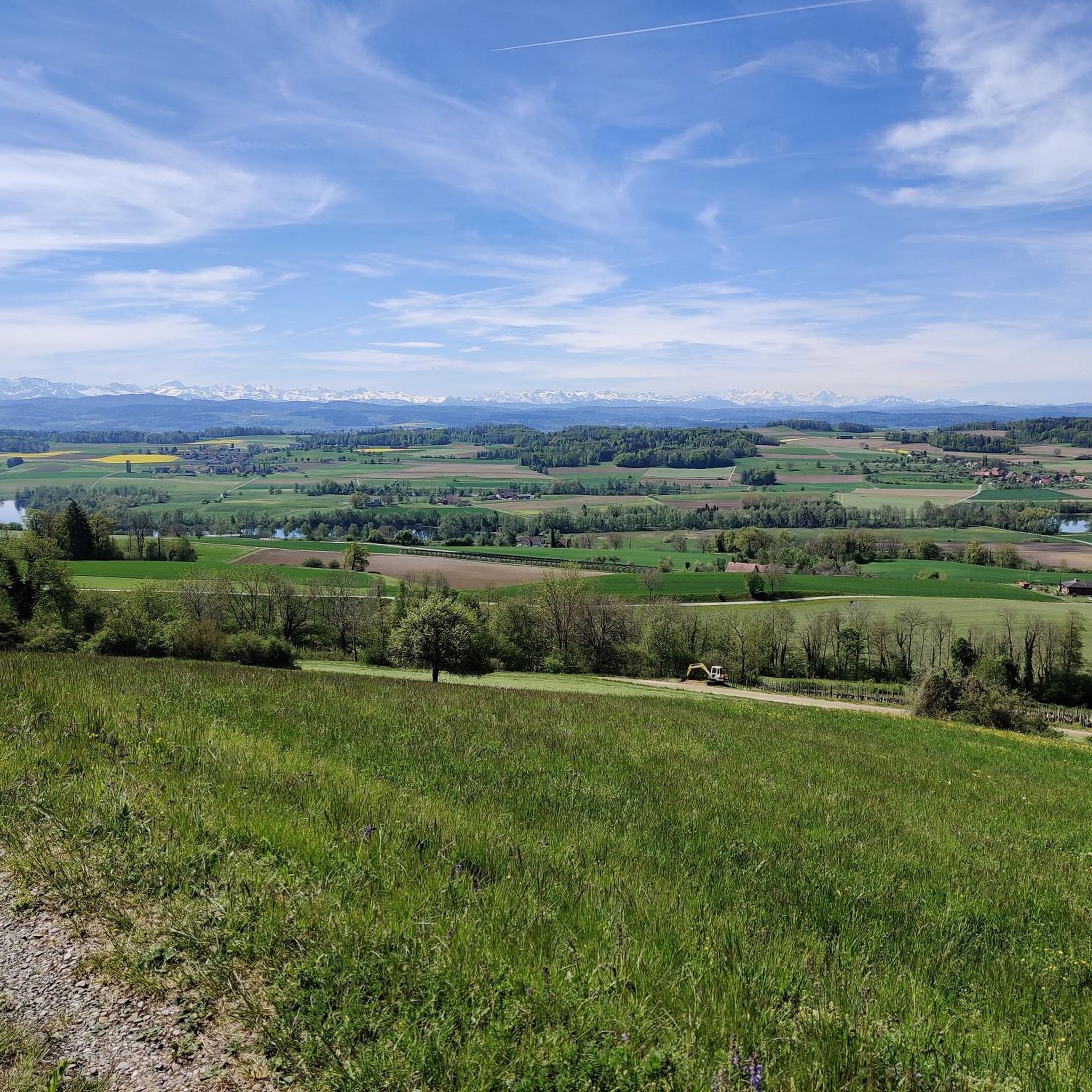
Cycling around Hüttwilen
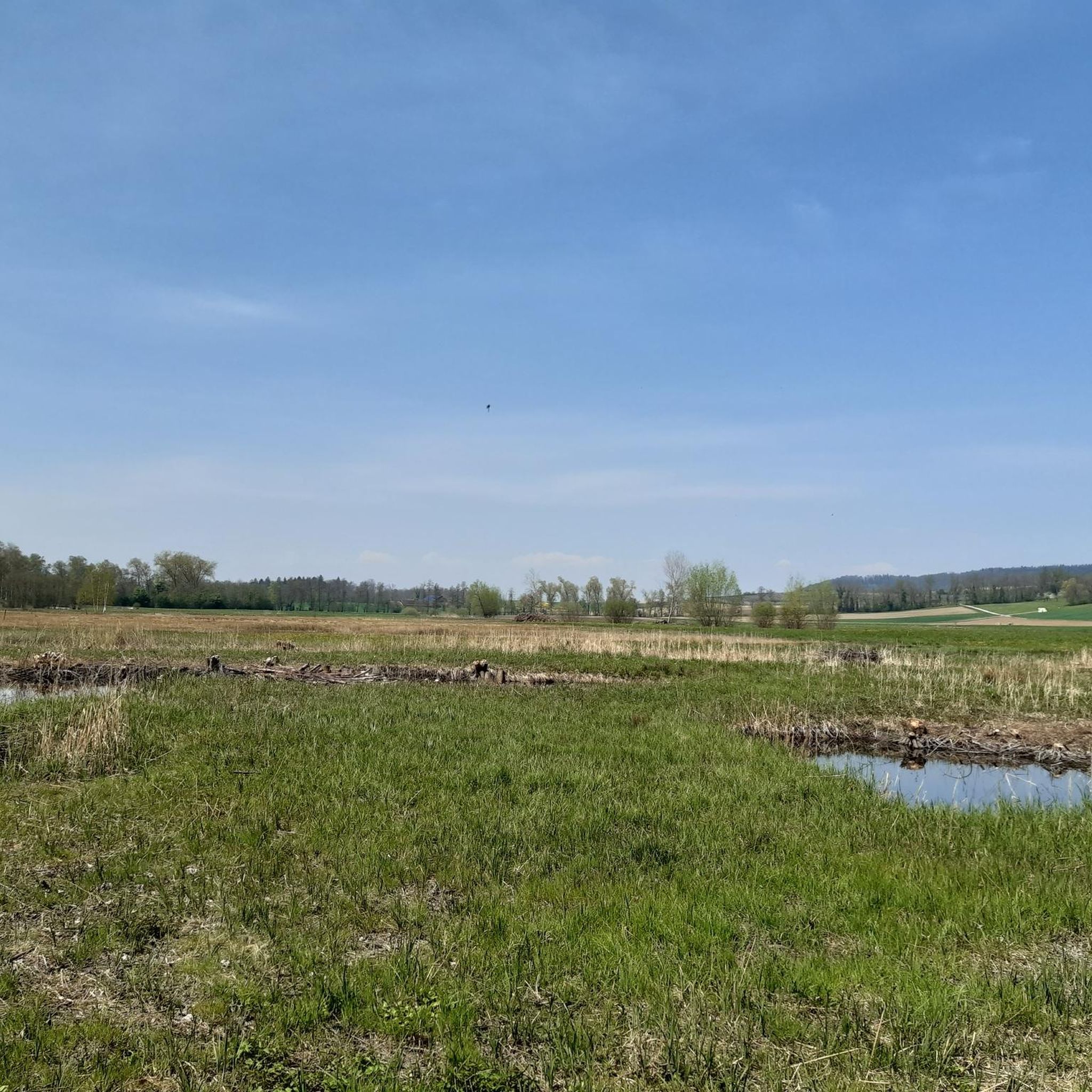
MTB Trails around Hüttwilen


Tips from the Community

Very pretty to look at and a central square in this quaint town.
10
0

The historic town hall of Stein am Rhein was built and renovated in several phases. The first phase took place between 1539 and 1542 when the original building was constructed. Later, in 1746, the truss construction was added. Over the years, the town hall has also served as a cloth, grain and department store. In 1900 it was renovated and given its current appearance with a bay window and impressive paintings.
11
2

The most striking building with great murals. The town hall was built in 1539-1542, the half-timbered construction in 1745/46. For a long time it also served as a cloth, grain and department store. It got its present form in 1898-1900. At that time the market hall was closed and the bay window and the paintings were attached.
7
0

The little town of Stein am Rhein is located where Lake Constance becomes the Rhine again. It is famous for its well-preserved old town with painted facades and half-timbered houses, for which it received the very first Wakker Prize in 1972.
11
0

Beautifully preserved medieval town center where you can linger.
7
0

City Hall, Stein am Rhein The town hall was built in 1542 as a shop, cloth, grain and town hall. Rebuilt between 1898 and 1900 and decorated with historical pictures by C. von Häberlin and coats of arms and figures by C. Schmidt. Houses the historic town hall collection with the famous coat of arms panes. – See museums Text / source: Tourismus Steinamrhein CH www.steinamrhein.ch
13
2

an imposing building with its history
14
2

Stein am Rhein (in the local dialect Staa, formerly Latinized as Lithopolis or Gaunodurum) is a municipality in the upper part of the Swiss canton of Schaffhausen. Stein am Rhein is primarily known for its well-preserved old town center and is therefore very popular with tourists. Archaeological finds and a fragmentary building inscription prove that a Roman border fortress (approximately 90 x 90 meters) called 'Tasgetium' stood on the site of the present-day town in late antiquity. It controlled a Rhine bridge and was garrisoned by limitanei (guards). A settlement of the same name had existed since the 1st century, but the fortress itself was not built until around 300 AD under Emperor Diocletian and was located on the left bank of the Rhine. Remnants of the southern outer wall now form the boundary of a cemetery and are clearly visible. Further work was carried out on the fort as late as the beginning of the 5th century. To the right of the river was a smaller bridgehead, and a late Roman cemetery was discovered during excavations around 1900. (Q: Wikipedia)
15
1
Frequently Asked Questions
What natural features can I explore in and around Hüttwilen?
Hüttwilen is nestled in the picturesque Seebachtal, a natural monument of national importance. You can explore the three beautiful lakes: Hüttwilersee and Nussbaumersee, which offer well-integrated beach areas for swimming. The region also features the scenic Seerücken ridge and idyllic spots like Moorwilen behind the Hörnliwald.
Are there opportunities for hiking and cycling near Hüttwilen's attractions?
Yes, the region around Hüttwilen is excellent for outdoor activities. You'll find numerous hiking and cycling routes throughout the Seebachtal and around its lakes. For specific routes, you can explore options like the Hiking around Hüttwilen guide, which includes trails such as the Birdwatching tower – Lake Hüttwiler loop. Cyclists can find routes in the Gravel biking around Hüttwilen and Road Cycling Routes around Hüttwilen guides.
What historical sites can I visit in Hüttwilen?
Hüttwilen boasts several significant historical sites. You can visit the remains of a Roman villa at Römersiedlung Stutheien, dating back to the late 2nd century AD. The former Cistercian Monastery Kalchrain is another historic site, and the Catholic Church St. Franziskus, built in the 1960s, is a notable architectural landmark. The municipality also features several protected historic buildings, including a stately villa from 1894/95 and a former manor house from the 17th/18th century.
Are there any UNESCO World Heritage sites near Hüttwilen?
Yes, the Prehistoric Pile Dwellings at Nussbaumersee are recognized as a UNESCO World Heritage site. These ancient settlements offer a fascinating glimpse into prehistoric life around the Alps. You can find more information about these sites on Wikipedia.
What cultural landmarks are worth seeing in the broader region around Hüttwilen?
Beyond Hüttwilen, the nearby town of Stein am Rhein is highly recommended. Its beautifully preserved old town center, including the Old town Stein am Rhein and the historic Town Hall of Stein am Rhein, is perfect for strolling. Other regional highlights include Arenenberg Castle – Napoleon Museum and Charterhouse Ittingen.
Are there family-friendly activities or attractions in Hüttwilen?
The natural surroundings of Hüttwilen offer many family-friendly opportunities. The lakes, Hüttwilersee and Nussbaumersee, have beach areas suitable for families. The Seebachtal is ideal for easy walks and cycling with children. You can also explore trails like the VOLG Nature Sensory Trail, which is an easy loop from Hüttwilen.
Where can I go for bird and nature observation in Hüttwilen?
The Seebachtal is a prime location for wildlife enthusiasts. It features dedicated observation stations for birds and other natural wonders, allowing visitors to respectfully observe the diverse flora and fauna of this nationally important natural monument.
What is the best time of year to visit Hüttwilen for outdoor activities?
The warmer months, from spring through early autumn, are generally the best for outdoor activities like hiking, cycling, and swimming in the lakes. During this time, the weather is pleasant, and the natural landscapes are at their most vibrant. Community events also take place throughout the year, adding to the local experience.
Can I swim in the lakes around Hüttwilen?
Yes, both Hüttwilersee and Nussbaumersee offer opportunities for swimming. They feature well-integrated beach areas with parks and kiosks, making them popular spots for relaxation and water activities during the warmer seasons.
Are there dog-friendly trails or areas around Hüttwilen?
Many of the natural trails and paths in the Seebachtal and around the lakes are suitable for walks with dogs. However, it's always advisable to keep dogs on a leash, especially in nature protection areas, and to be mindful of local regulations regarding pets in specific areas or on beaches.
How can I reach the attractions around Hüttwilen using public transport?
Hüttwilen is connected by public transport, making it accessible for visitors. While specific routes vary, local bus services typically connect the municipality to larger transport hubs in the Thurgau canton. It's recommended to check local public transport schedules for the most current connections to reach trailheads and attractions.
Where can I find local gastronomy and shopping in Hüttwilen?
Hüttwilen offers various restaurants that prioritize using local products, providing a taste of regional cuisine. Additionally, a range of local businesses cater to daily necessities, ensuring visitors have access to essential services and goods during their stay.
Most popular routes around Hüttwilen
Most popular attractions around Hüttwilen

Get inspired with the komoot mobile app


Explore more
Still not found the Highlight you’re looking for? See guides of the top attractions in other regions:
