Top 20 Natural Monuments around Hannoversch Münden
Best natural monuments around Hannoversch Münden are found in a region characterized by its diverse natural landscape, including extensive forests and river confluences. The area is situated where the Werra and Fulda rivers merge to form the Weser. This natural setting provides a variety of geological features and ancient woodlands. Visitors can explore a range of natural sites, from historic trees to significant river junctions.
Best natural monuments around Hannoversch Münden
- The most popular natural monuments is Ancient Oaks of…
Last updated: August 30, 2026
Confluence of the Werra and Fulda rivers
Highlight • Monument
Translated by Google •
Tip by

Weserstein (Confluence of Werra and Fulda Rivers)
Highlight • Monument
Where Werra and Fulda kiss
You have to pay for …
Translated by Google •
Tip by

Sign up now to discover places like this
Get recommendations on the best single tracks, peaks, & plenty of other exciting outdoor places.
Sign up for free
Niester Riesen Giant Sequoias
Highlight • Natural Monument
Translated by Google •
Tip by

Ancient Oaks of the Urwald Sababurg
Highlight • Forest
Translated by Google •
Tip by

Rapp Oak
Highlight • Natural Monument
Translated by Google •
Tip by

Sign up for free to discover even more natural monuments around Hannoversch Münden.
Sign up for free
Already have an account?
Start today with a free account
Your next adventure awaits.
Login or Signup
Popular around Hann. Münden
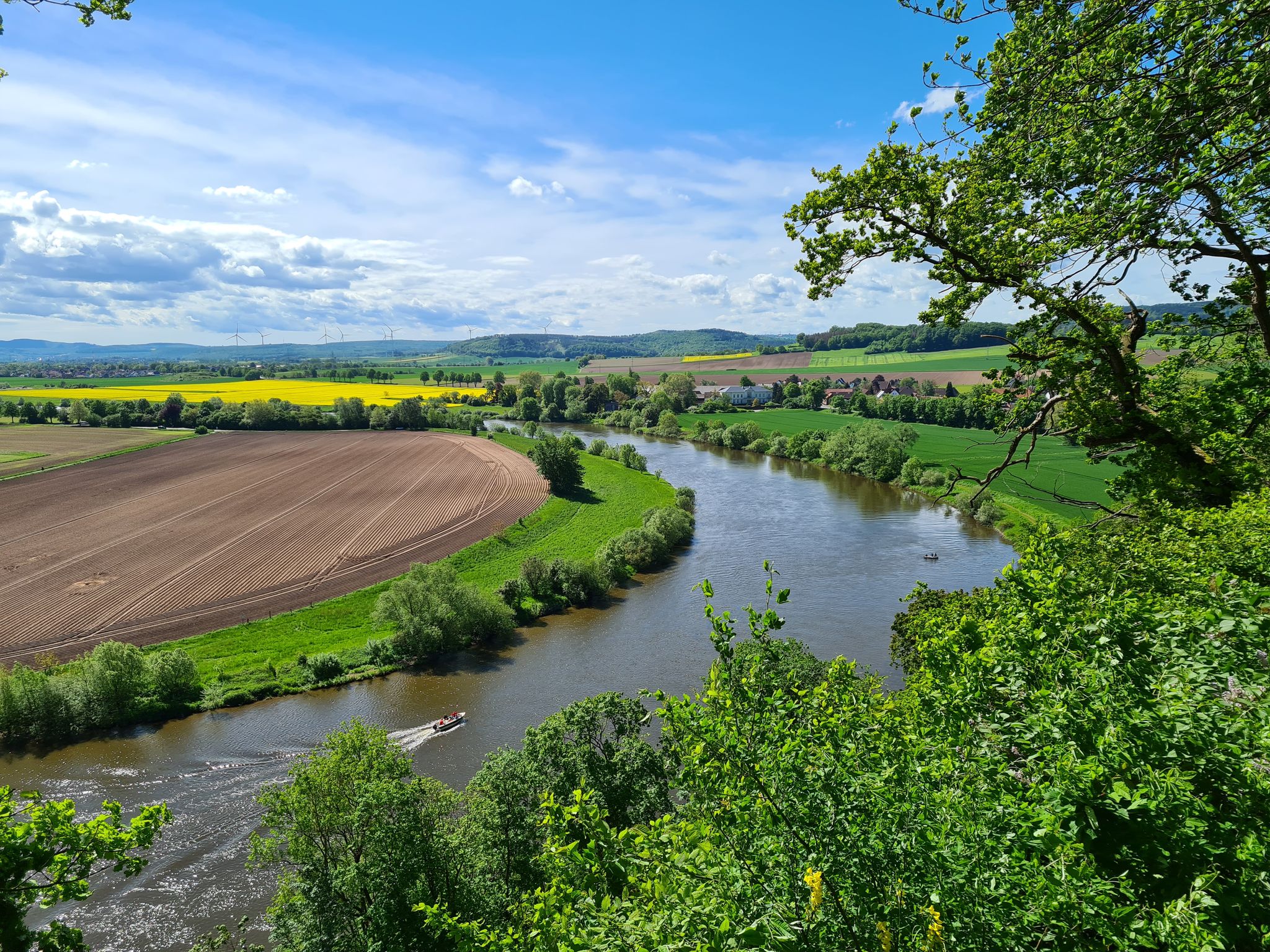
Loccum-Volkenroda pilgrim's way – From monastery to monastery
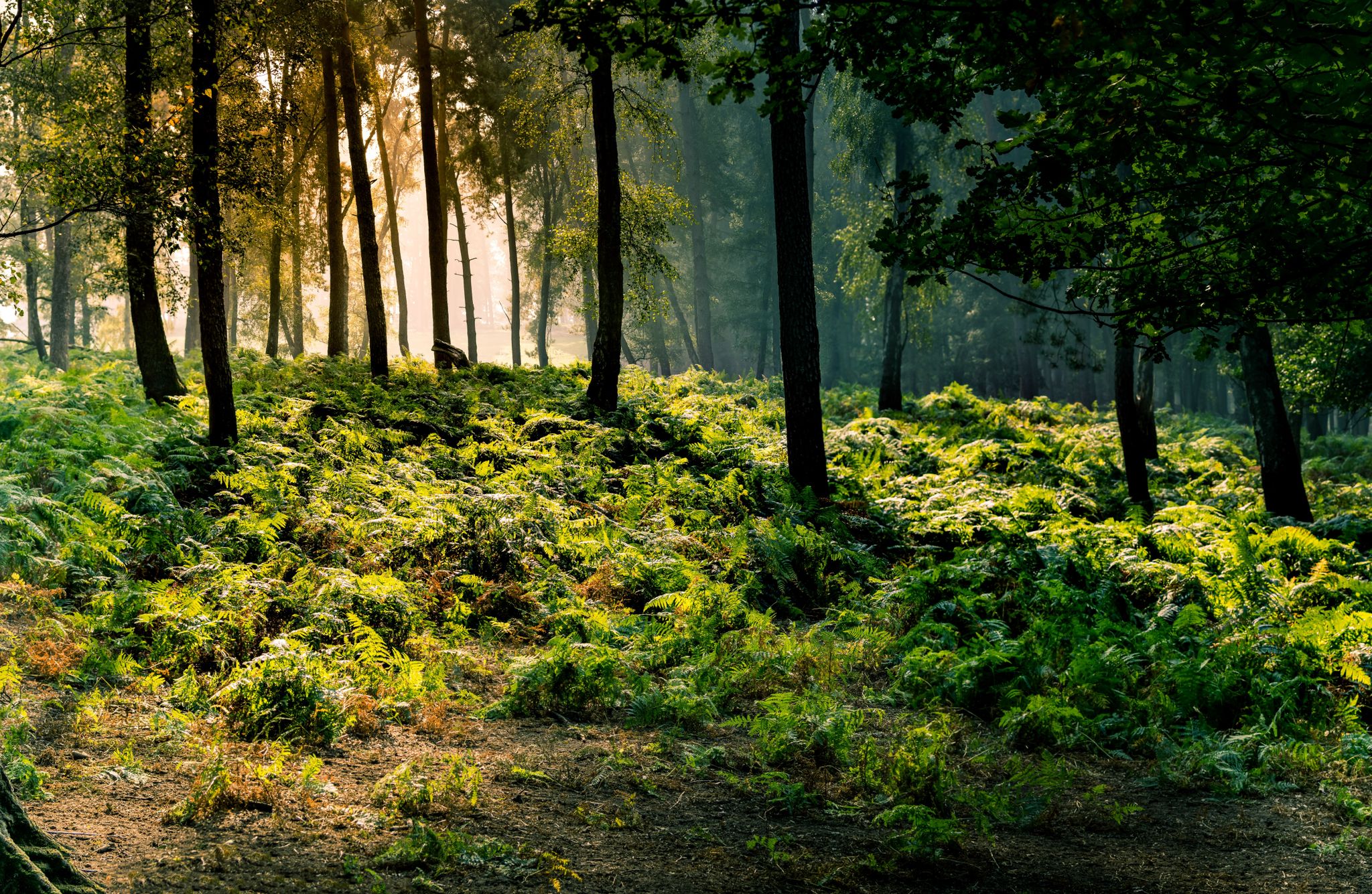
Frau Holle Trail – Nature and fairytales, eight stages
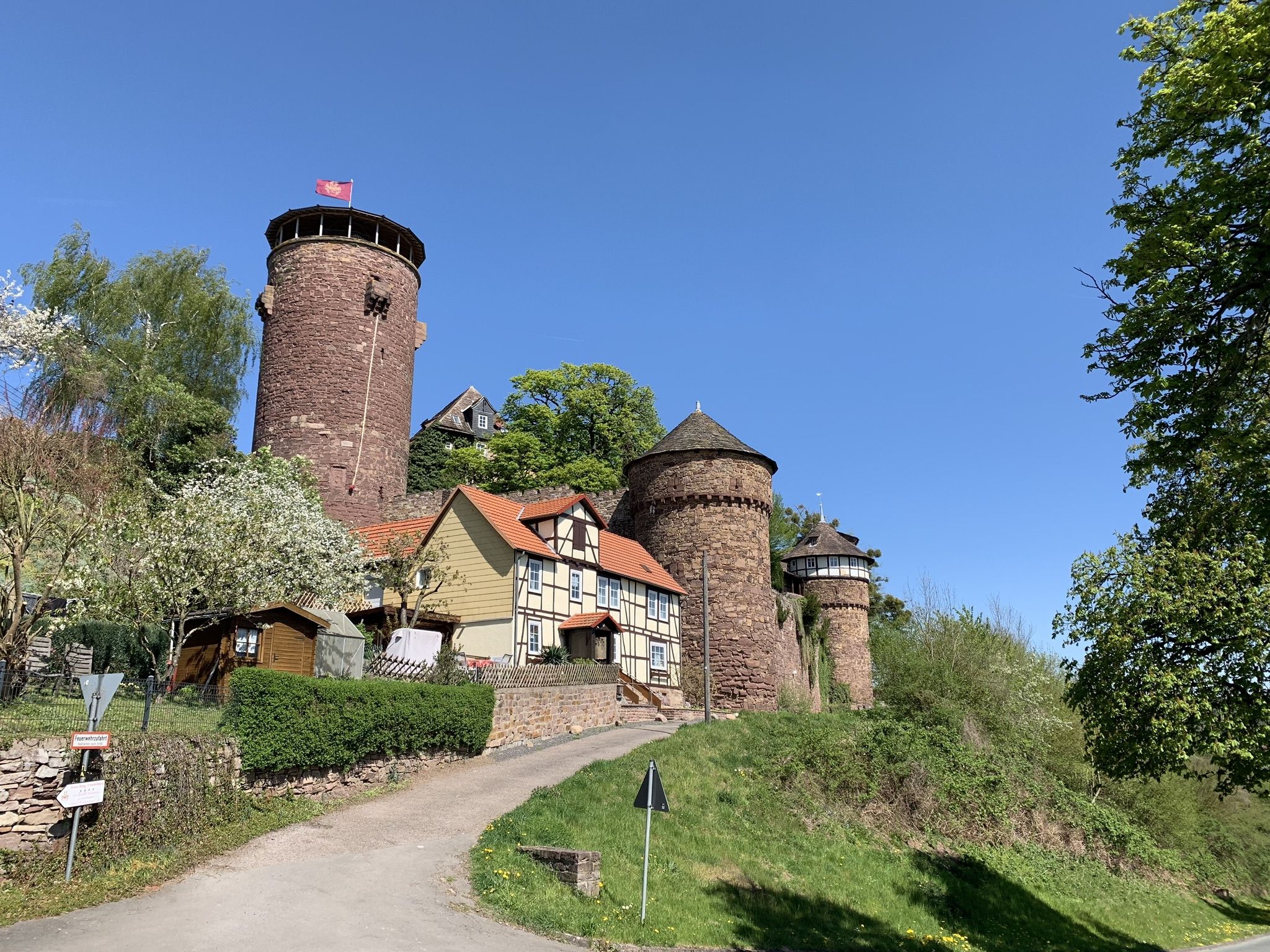
Hike the Fairy Tale Route – Enchanting days in Germany
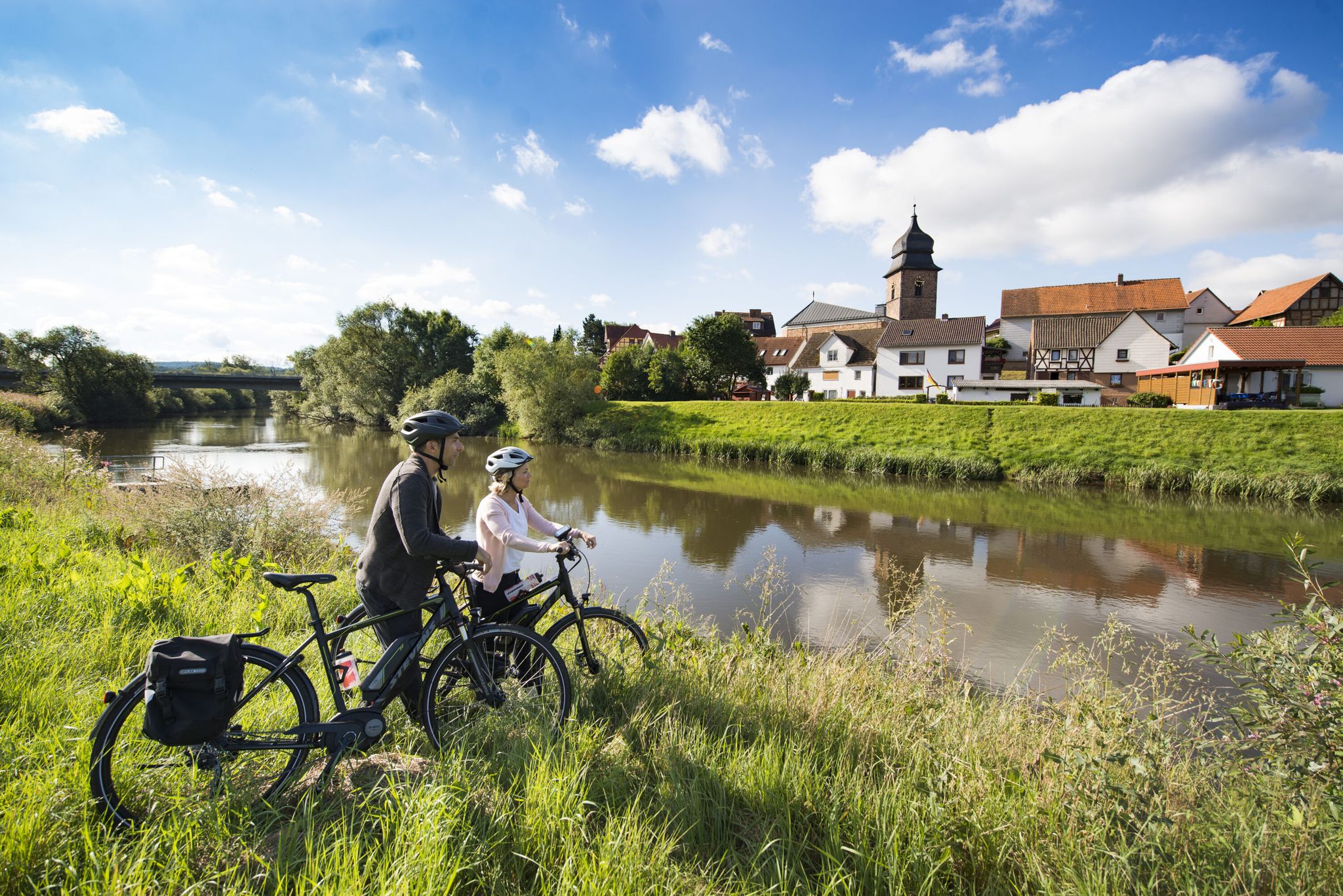
The Fulda cycle path R1 — in 5 stages from the Rhön to the Weser
The Weser Cycle Path
Relaxed rides in the Weser Uplands – E-bike routes with spectacular views
Freedom and pure cycling pleasure – Bike & Camp in the Weser Uplands
Discover Germany's diversity on enchanting cycling routes

The National Natural Landscapes in Niedersachsen

Nature, culture & cycling fun – top 10 Tours in the Weser Uplands
Other adventures around Hannoversch Münden


Tips from the Community

Various trees such as the giant sequoia or a Douglas fir can be admired.
4
0

It's really nice to be standing where Fulda and Werra "kiss" and the Weser is formed. You have an even better overview from the car bridge with bicycle and pedestrian path across the street.
10
0

Here the Weser begins at the confluence of the Fulda and Werra - the cycle path to Bremen is mostly well developed and recommendable.
15
1

For the Niester giants, the giant legend of the two castles Sichelnstein and Sensenstein is spun on. Burg Sensenstein, which prevented Otto the Quaden from invading Hesse, was a thorn in his side. In his anger he made a pact with the devil. In exchange for his soul, the devil threw a huge stone at the Scythe Stone. But he was protected by God and the stone fell into the Niestetal. The devil flew away, but Otto did not give up and made a pact with the giants. At night they should sneak to the scythe stone and smash it. However, the forest around the castle was protected by a ghost and his dwarves and elves. They confronted the giants, but when they attacked anyway, the spirit froze them and grew into mighty trees. The real story, however, is a bit less spectacular. The Niester Riesen is a test area from 1887. At that time, the Kaufunger Forest forestry office planted various exotic species on behalf of Prussia in order to investigate the growth and wood quality of exotic tree species. The Niester giants are actually a scenic highlight, as they are in the middle of the normal forest and the site with the redwoods, Douglas firs and more clearly stands out. The small (yet somehow large) arboretum is enhanced by information boards.
11
2

Every visit to Hann.-Münden also includes a walk to the Weserstein. It has stood on the island of Tanzwerder for a good 110 years and marks the beginning of the Weser at the confluence of the Fulda and Werra. The manufacturer Carl Natermann had the stone erected in 1899 and the well-known verse engraved: "Where Werra and Fulda kiss They have to atone for their names. And here comes from this kiss "German to the sea of the Weser River"
11
1
The Sababurg Primeval Forest in the Reinhardswald Nature Park is one of the most beautiful destinations in northern Hesse! Three different circular trails, two of which can be easily combined, lead through the primeval forest. Strictly speaking, the primeval forest is not a primeval forest, but rather a former grazing forest. The approximately 300-year-old grazing oaks and beeches acquired their current gnarled shape through intensive grazing. Partly over footbridges, you walk through this primeval forest and encounter one special tree after another. Definitely worth a visit! Parking is available right next to the primeval forest. There is also a well-serviced bus stop.
4
0

Named after Hermann-Josef Rapp, former deputy forest manager of the forest office in Reinhardshagen
15
2
From the lightning oak to the coat of arms oak to the snake beech
13
1
Frequently Asked Questions
What are some of the most popular natural monuments to visit around Hann. Münden?
Visitors frequently enjoy the unique Ancient Oaks of the Urwald Sababurg, known for their gnarled, 300-year-old shapes. Another popular spot is the Confluence of the Werra and Fulda rivers, where the Weser begins, offering a picturesque setting. The impressive Niester Riesen Giant Sequoias also draw many, providing a unique sight of very old, non-native trees.
Are there family-friendly natural monuments in the Hann. Münden area?
Yes, several natural monuments are suitable for families. The Ancient Oaks of the Urwald Sababurg offer circular trails that are enjoyable for all ages. The Confluence of the Werra and Fulda rivers is a pleasant spot for a family outing, and the Niester Riesen Giant Sequoias provide an awe-inspiring experience for children and adults alike. Additionally, the Barefoot Path in Nienhagen offers a unique sensory experience for families.
What kind of geological features can I explore near Hann. Münden?
The region offers interesting geological sites. The Confluence of the Werra and Fulda rivers is a significant geographical point. You can also visit the Quarzitblockfeld (Quartzite Block Field) near Hemeln, which is a field of silicified quartz sand with archaeological significance, offering a glimpse into the area's geological and prehistoric past.
What outdoor activities can I do near these natural monuments?
The area around Hann. Münden is excellent for various outdoor activities. You can find numerous hiking trails, including easy hikes, and explore the Münden Nature Park with over 450 kilometers of marked trails. Cycling is also popular, with routes like those found in the Cycling around Hannoversch Münden guide, including the Weser Cycle Path starting from the river confluence. For runners, there are dedicated running trails available.
Are there any ancient trees or forests worth visiting?
Absolutely. The Ancient Oaks of the Urwald Sababurg are a prime example, featuring 300-year-old grazing oaks and beeches with unique gnarled shapes. You can also see the imposing Rapp Oak, estimated to be 220 years old, along a jungle path. Another notable ancient tree is the Ancient Oak near Jugendburg Sensenstein, a massive trunk that invites visitors to pause and recharge.
What is the Münden Nature Park and what does it offer?
The Münden Nature Park, one of Germany's oldest, spans approximately 45,000 hectares. It features extensive oak and beech forests, diverse landscapes, and is traversed by the Werra, Fulda, and Weser rivers. The park is known for its charming low mountain range scenery, including the Kaufunger Wald and Bramwald forests. It offers over 450 kilometers of marked hiking trails, cycling paths, and opportunities for boat trips, making it ideal for nature lovers and active recreation.
Where can I find panoramic views of the region?
For magnificent panoramic views, consider visiting Hoher Hagen near Dransfeld. This ancient volcano, one of the highest elevations in the region, offers extensive vistas that can reach as far as the Harz Mountains on clear days. The Weserliedanlage, near the Confluence of the Werra and Fulda rivers, also provides wonderful views.
Is there a unique sensory experience available in the natural surroundings?
Yes, the Barefoot Path (Barfußpfad) in Nienhagen (Staufenberg) offers a unique sensory experience. This 2.5-kilometer path allows you to walk barefoot through various natural textures like mud, cones, wood, gravel, and clay balls, providing a refreshing way to reconnect with nature. A small, cool river at the end helps clean your feet.
What is the best time of year to visit the natural monuments around Hann. Münden?
The natural monuments around Hann. Münden can be enjoyed throughout the year, but each season offers a different experience. Spring brings blooming flora, while summer is ideal for hiking and cycling. Autumn showcases vibrant fall foliage, particularly in the extensive forests of the Münden Nature Park. Even winter offers opportunities for peaceful walks, though some paths might be less accessible.
Are there any natural monuments with historical significance?
Beyond their natural beauty, some sites hold historical interest. The Hoher Hagen, for instance, was historically used by mathematician Carl Friedrich Gauß for surveying. The Quarzitblockfeld near Hemeln is significant for its archaeological findings, including arrowheads from the Middle Palaeolithic period, indicating its use by Stone Age people.
Can I find natural areas close to the city center of Hann. Münden?
Yes, the Blümer Berg is often referred to as Hann. Münden's 'green lung' due to its proximity to the city. This area, primarily characterized by beech trees, is part of the Münden city forest and is easily accessible, offering opportunities for relaxation and distant views without venturing far from the town.
Most popular routes around Hannoversch Münden
Most popular attractions around Hannoversch Münden

Get inspired with the komoot mobile app


Explore more
Extend your search for the best caves by checking out these guides of the top ones around Hannoversch Münden:
