Top 20 Natural Monuments around Bad Bentheim
Best natural monuments around Bad Bentheim are found in Lower Saxony, Germany, a region characterized by its unique geological formations and diverse natural landscapes. The town is known for its high-quality Bentheimer sandstone, which shapes much of its natural environment, including cliffs and gorges. This area offers a blend of historical significance and natural beauty, providing various outdoor exploration opportunities.
Best natural monuments around Bad Bentheim
- The most popular natural monuments is Bentheim Sandstone Cliffs, a natural monument that…
Last updated: July 7, 2026
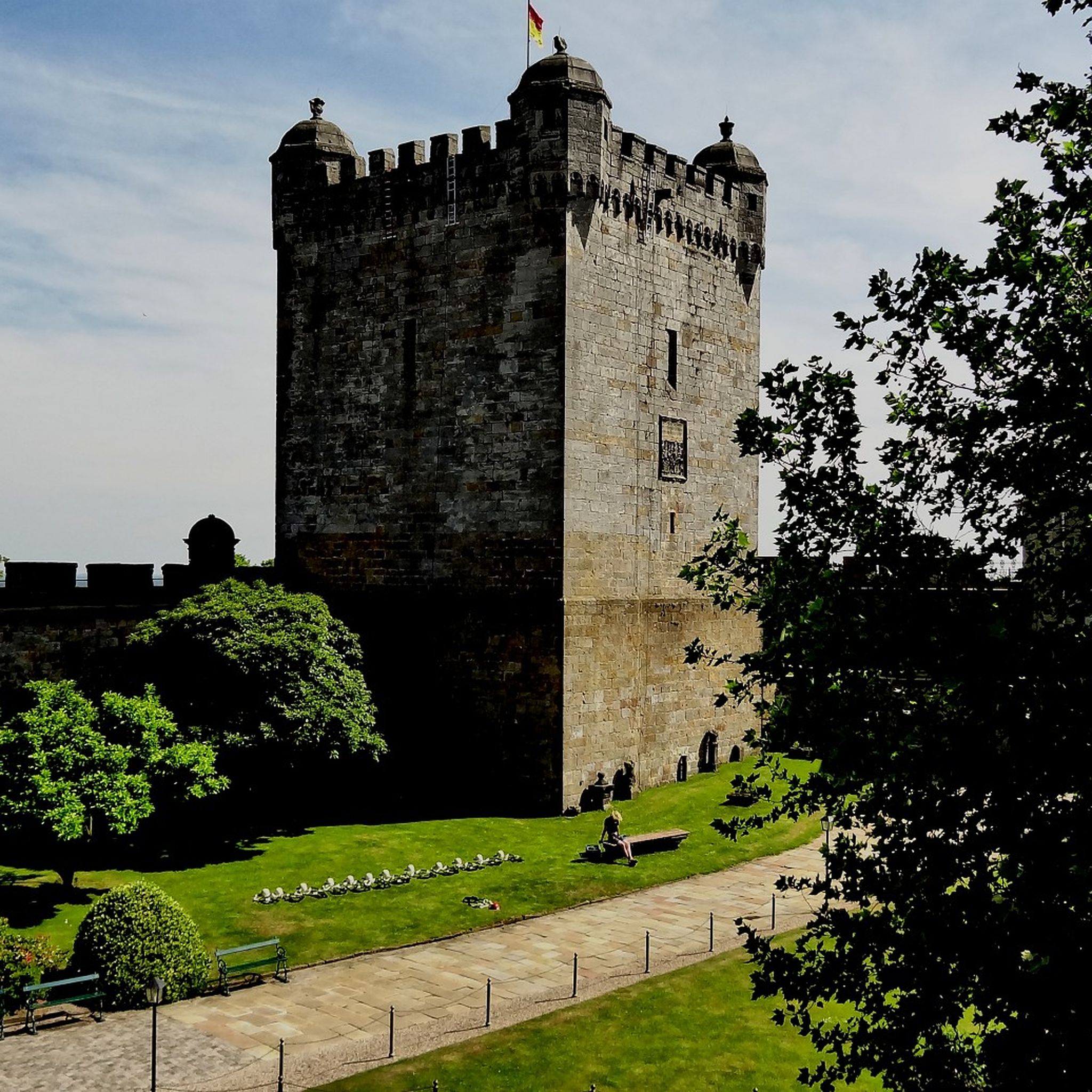
Bentheim Castle
Highlight • Castle
Translated by Google •
Tip by

Bentheim Sandstone Cliffs
Highlight • Natural Monument
Translated by Google •
Tip by

Sign up now to discover places like this
Get recommendations on the best single tracks, peaks, & plenty of other exciting outdoor places.
Sign up for free
Bentheim Cliffs — Old Quarry
Highlight • Gorge
Translated by Google •
Tip by

Dinkel River Beach in Lutterzand
Highlight • Beach
Translated by Google •
Tip by

Rüenberger Venn
Highlight • Natural
Translated by Google •
Tip by

Sign up for free to discover even more natural monuments around Bad Bentheim.
Sign up for free
Already have an account?
Start today with a free account
Your next adventure awaits.
Login or Signup
Popular around Bad Bentheim
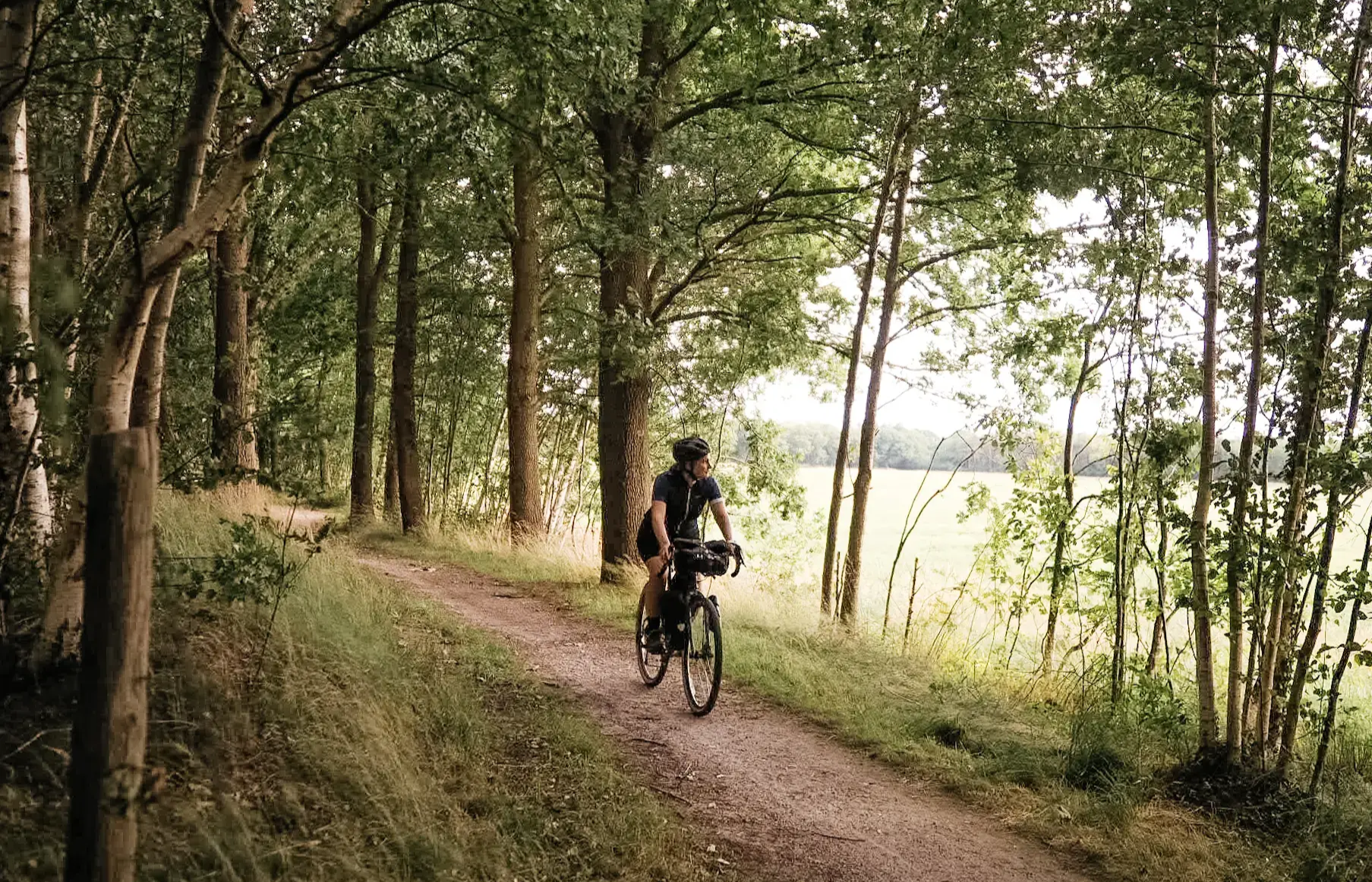
On the go with Fräulein Draußen on the Grafschafter Fietsentour
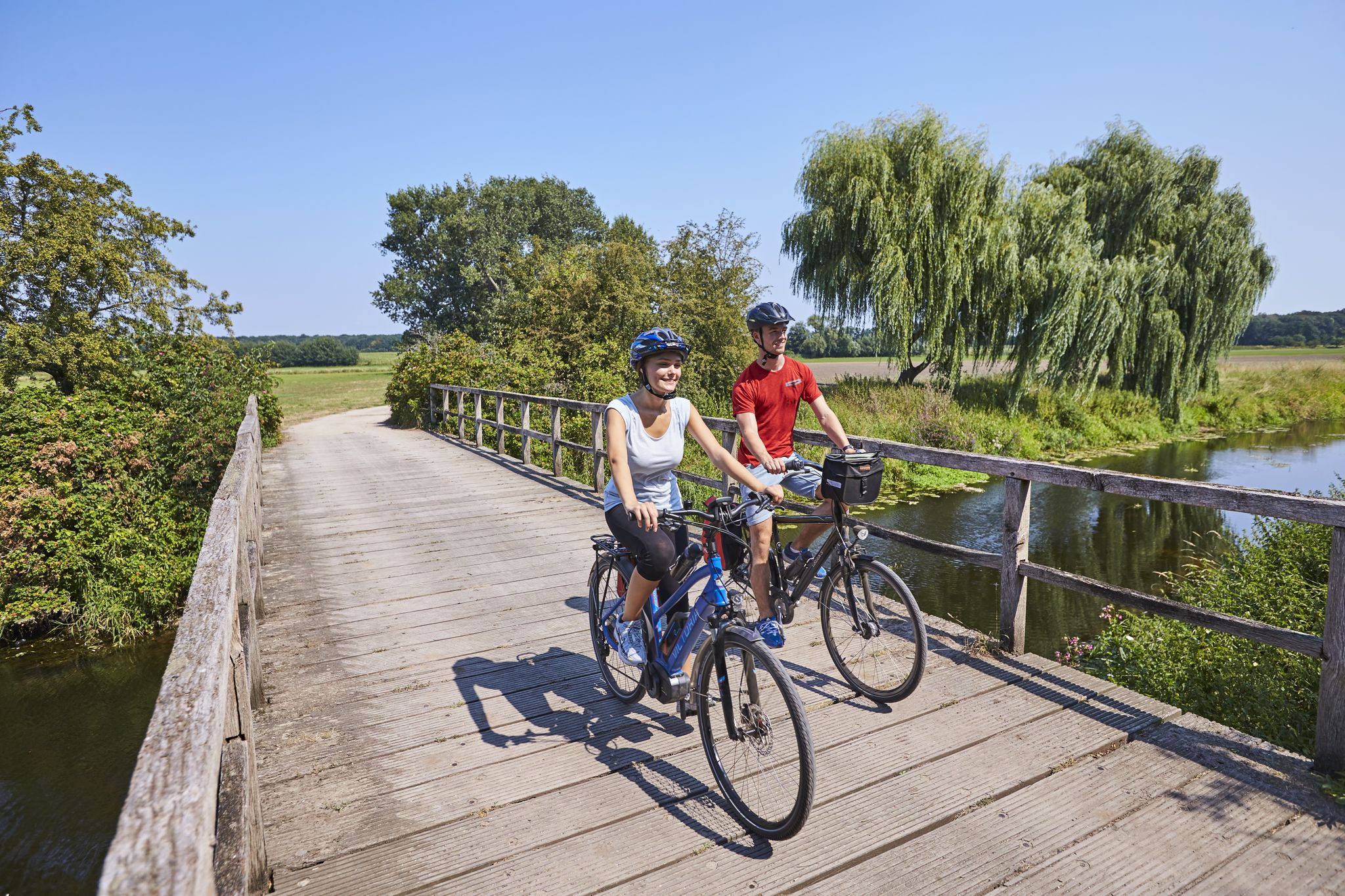
Grafschafter Fietsentour – cycling paradise on the green border
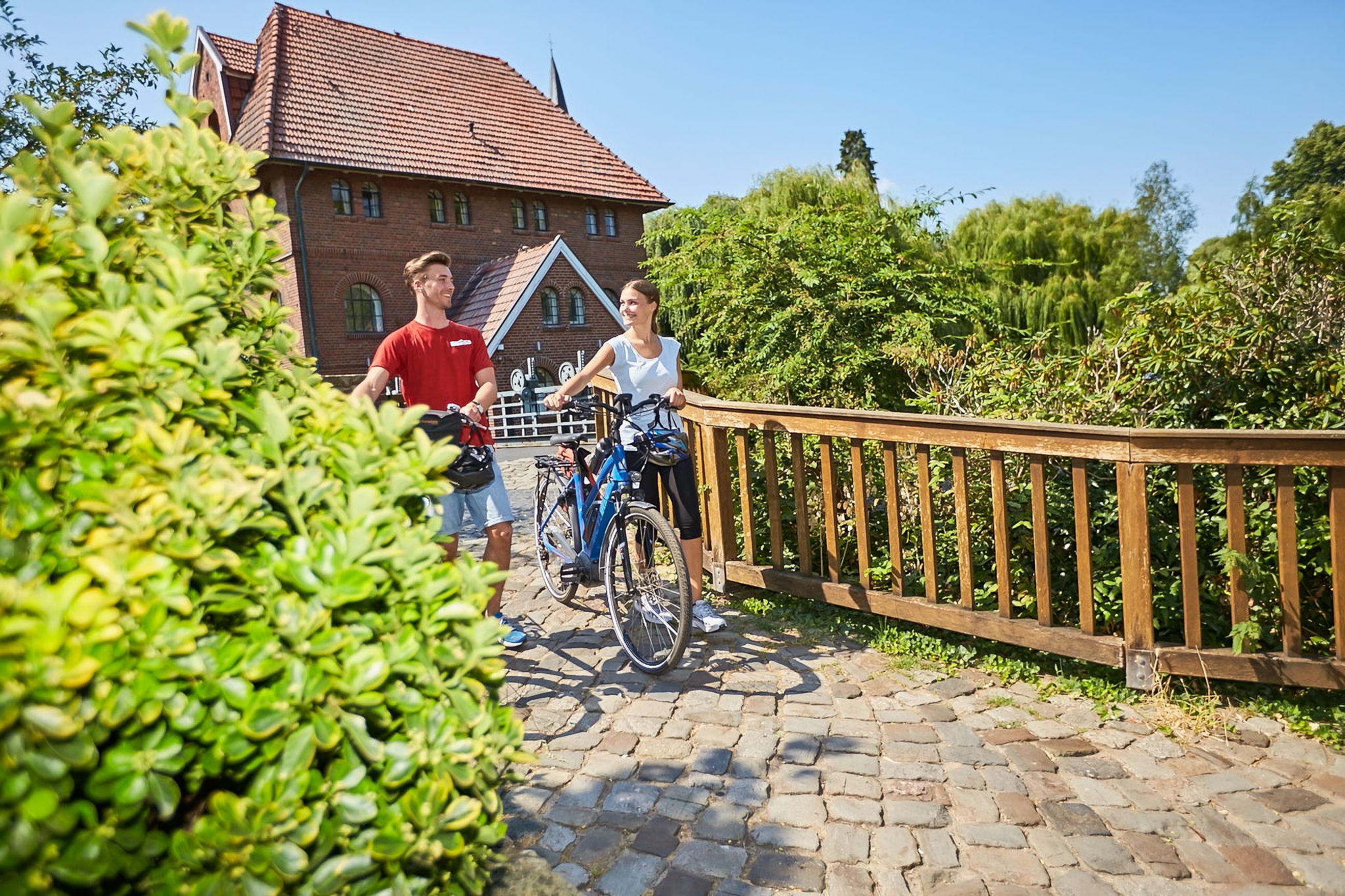
Cycling in the county of Bentheim – pursuit of happiness
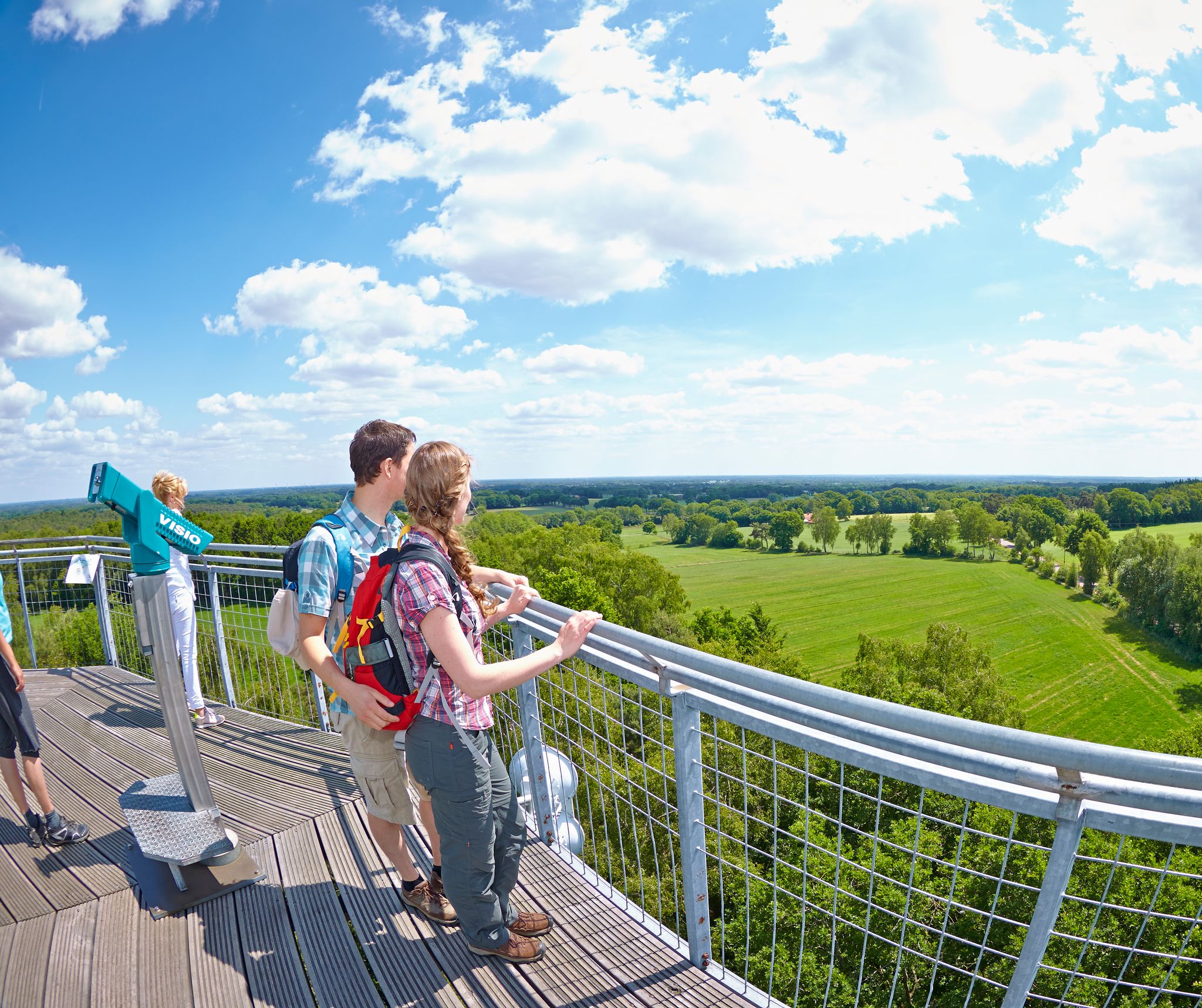
On the trail of gold, bronze and sheep in Grafschaft Bentheim
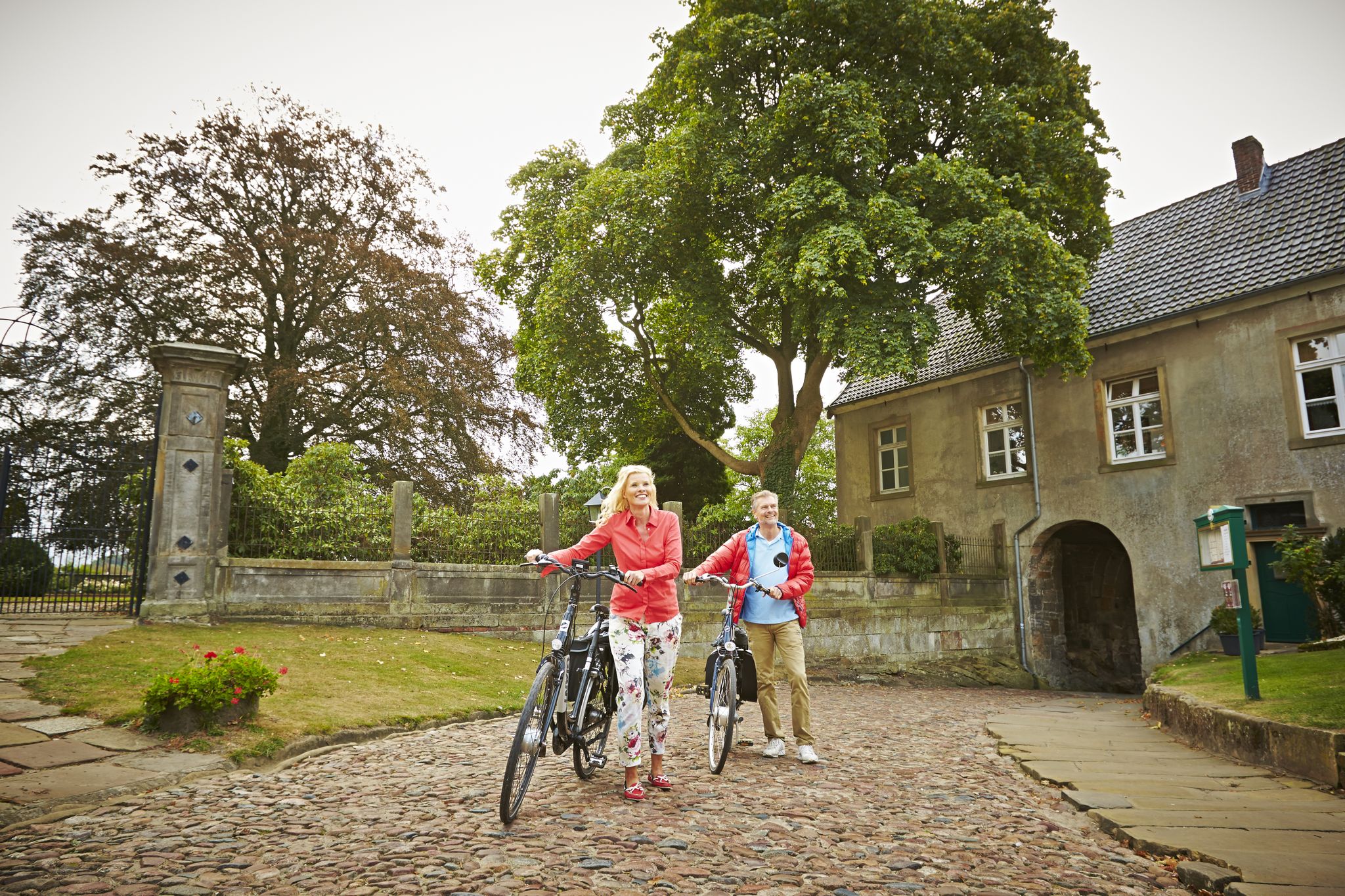
Just get going from Bad Bentheim!
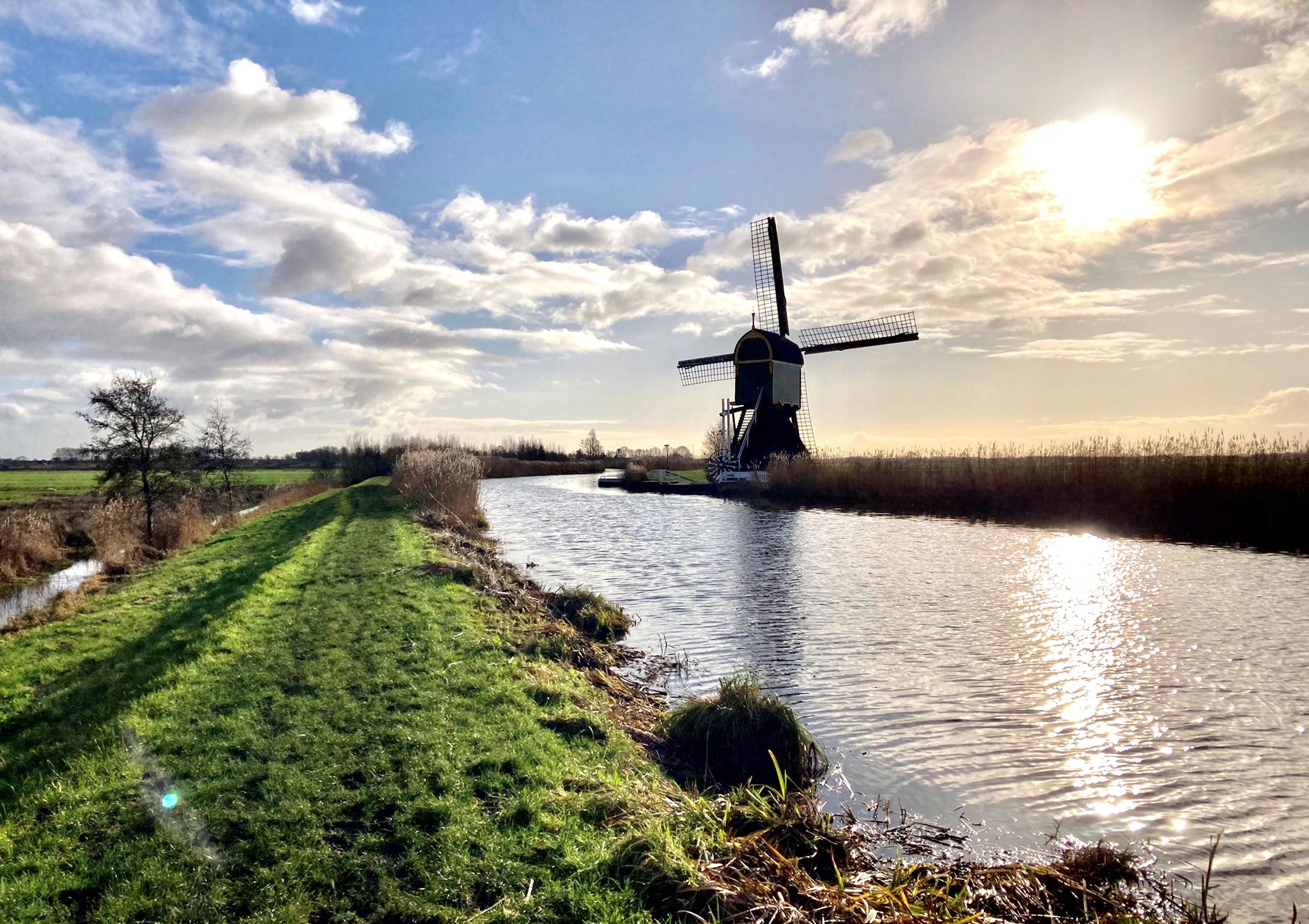
From the German border to the Dutch coast – Marskramerpad (LAW 3)
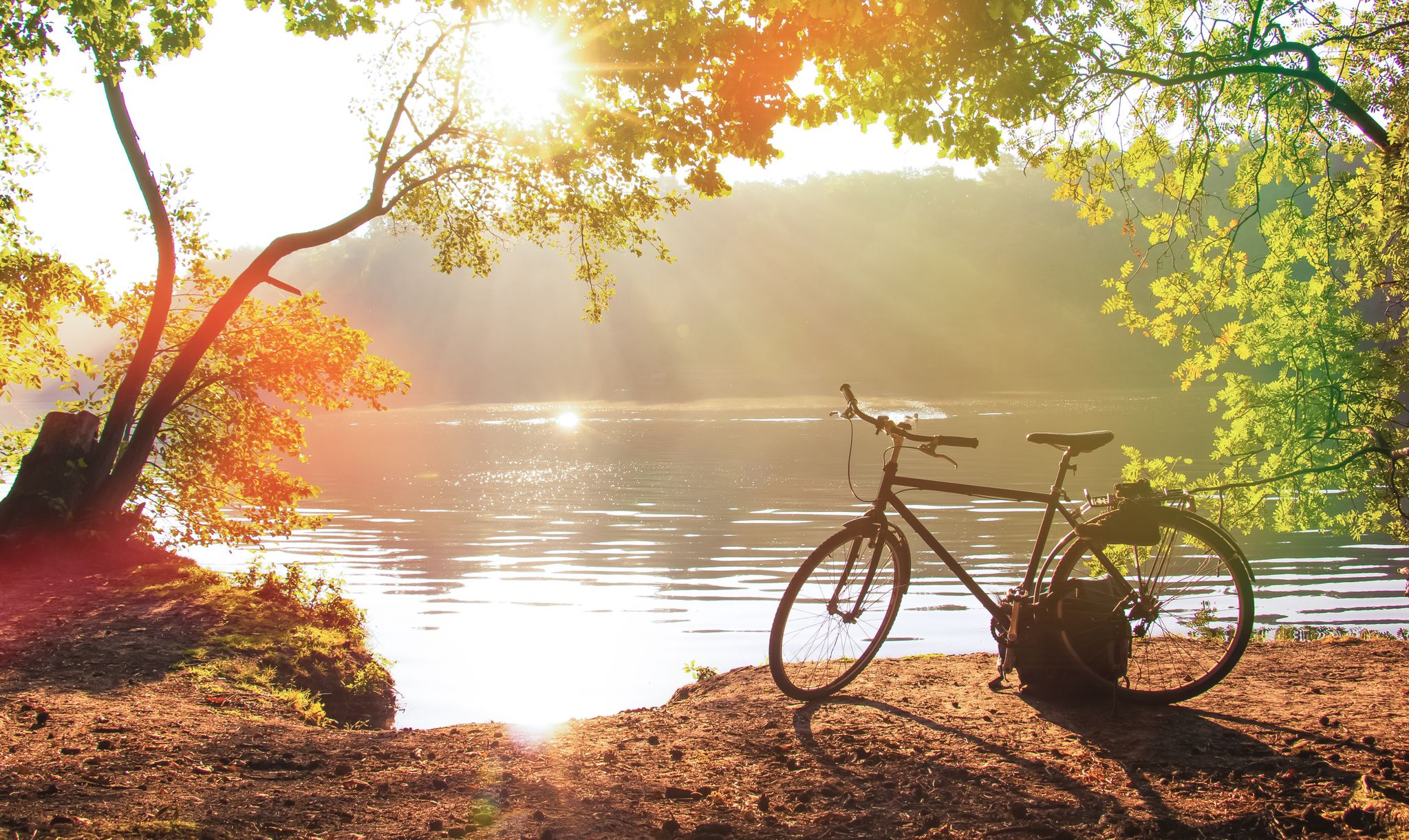
Cycling without borders — Fietsen in the Grafschaft Bentheim
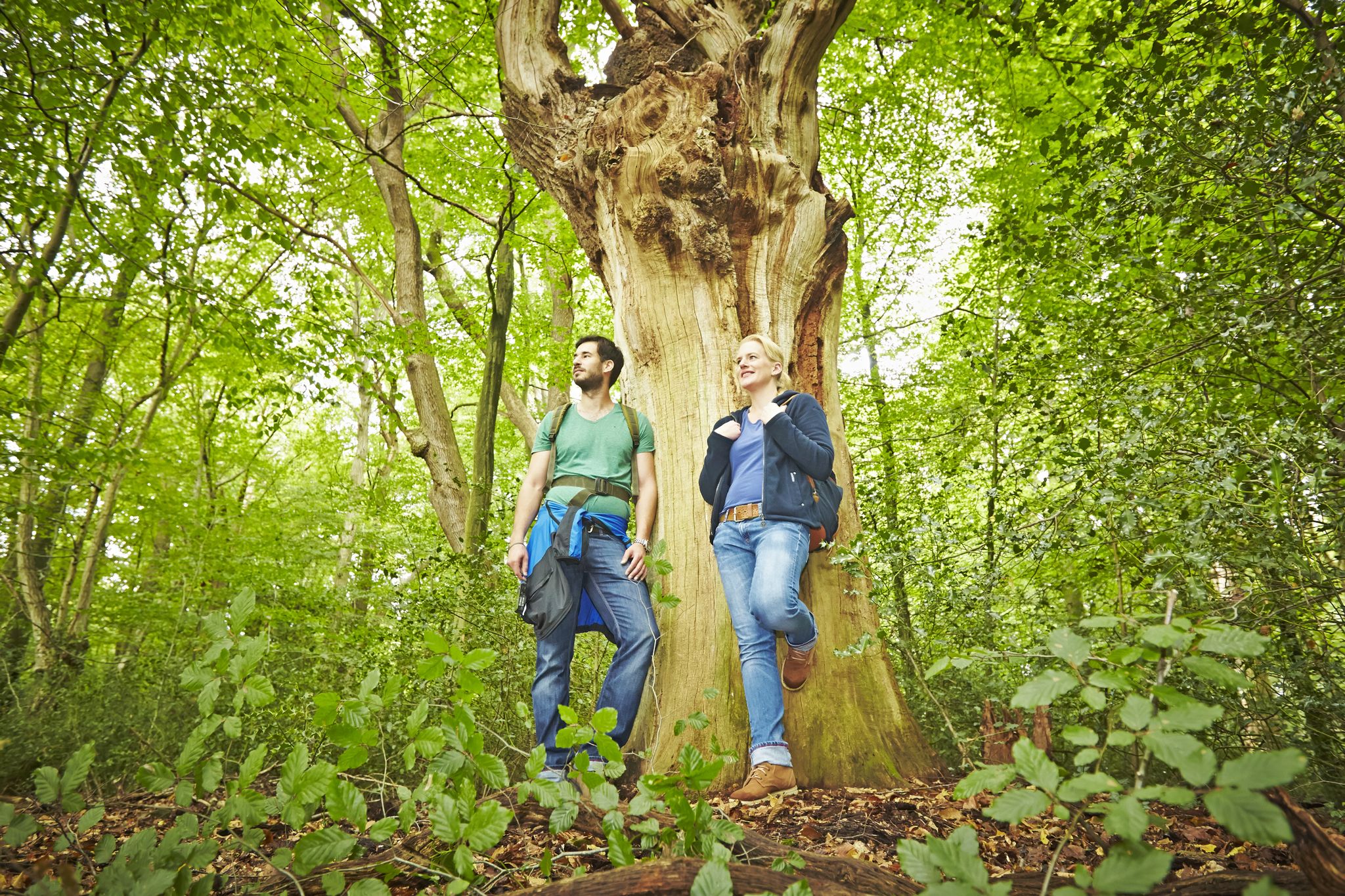
Einfach losgehen rund um Bad Bentheim!
Cycling around Bad Bentheim
Hiking around Bad Bentheim
Other adventures around Bad Bentheim


Tips from the Community

In the Franzosenschlucht near Bad Bentheim you can climb over sandstone rocks and walk through a hilly landscape. Behind the open-air stage in Bad Bentheim there is a forest area that is ideal for a walk and climbing: the Franzosenschlucht. The name comes from the fact that in 1795 French troops conquered Bentheim Castle. The soldiers are said to have set up camp in the hidden gorge. Today a road (B 403) runs through the gorge, with two hills rising on either side. On one is the open-air stage, on the other the forest area, both connected by a bridge. The hills owe their rock formations to a former quarry, the origins of which date back even further than the French siege. Sandstone has been mined in quarries in Bad Bentheim since the 11th century.
5
0

The Rüenberger Venn nature reserve is located in the town of Gronau (Westf.) in the Borken district in North Rhine-Westphalia. The area extends northeast of the core town of Gronau. It borders directly on the Gildehauser Venn to the north, which lies in the Grafschaft Bentheim district of Lower Saxony. To the west of the area lies the 28-hectare Dreiländersee and to the southeast lies the 170.44-hectare Tütenvenn nature reserve. To the west runs the L 572 state road and the state border with the Netherlands.
8
0

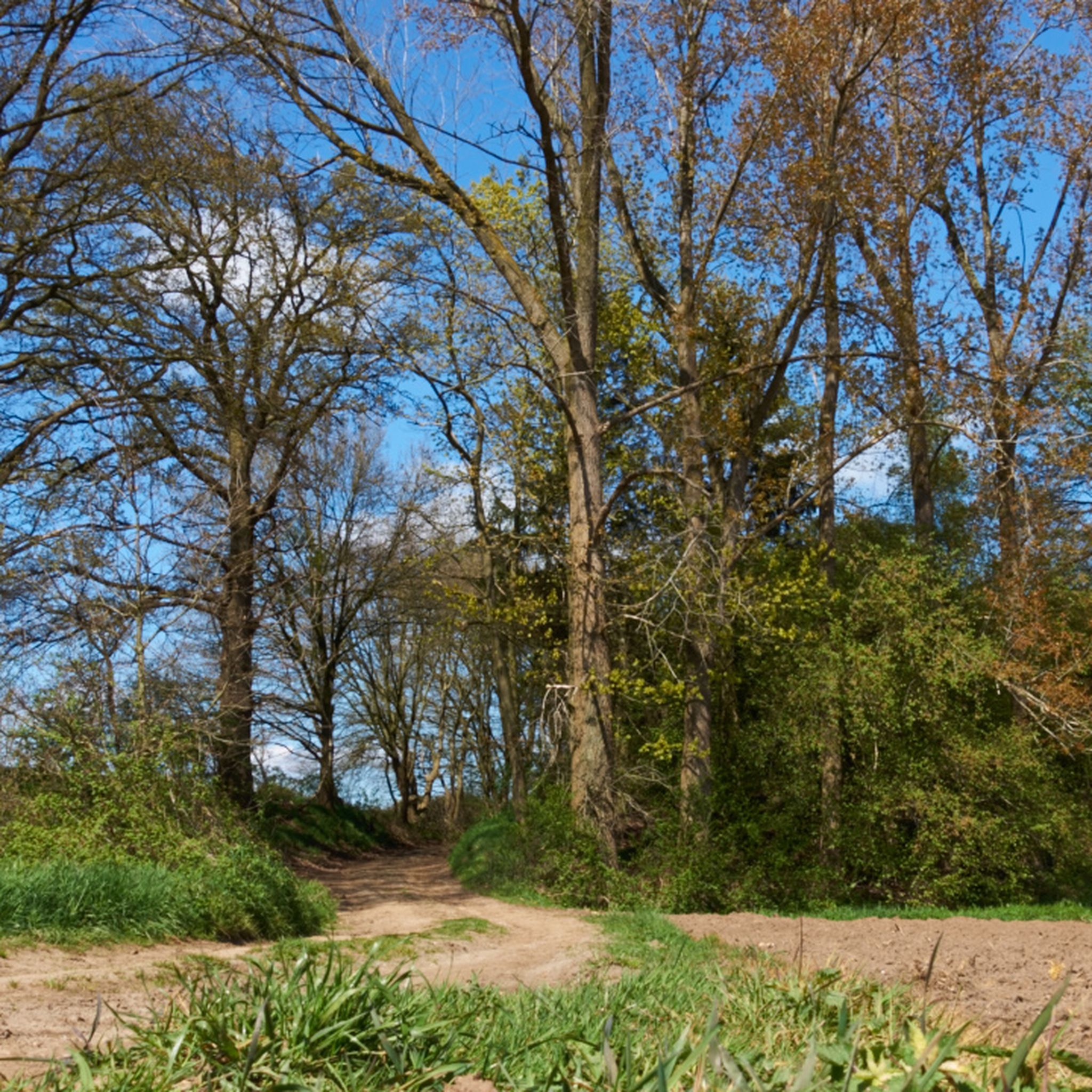
A beautiful path that is most beautiful in spring when everything is green.
11
0

Narrow path along the top, down to the right and left. Beautiful view. No bike path. Soft forest floor. Nice for walking.
5
0


Great narrow ridge path that I highly recommend.
4
0

Are there also outdoor options there, e.g. camping ⛺ in the forest etc, because just walking is too boring for me.
5
0
Frequently Asked Questions
What are some other significant natural monuments to explore beyond the most popular ones?
Beyond the well-known Bentheim Sandstone Cliffs and Bentheim Cliffs — Old Quarry, you can discover the unique Hute- und Schneitelwald (Hute and Pollarding Forest) north of the Bentheim Kurzentrum. This 26-hectare forest showcases traditional grazing and pollarding practices, managed by Nordhorn Zoo, where Galloway cattle and Dutch land goats roam freely. Another notable site is the Isterberg, offering distinctive rock formations and a 22-meter-high observation tower with panoramic views.
Are there family-friendly natural monuments around Bad Bentheim?
Yes, several natural monuments are suitable for families. The Pond with fountain in Kurpark Bad Bentheim offers a pleasant and relaxing environment for walks. The Hute- und Schneitelwald is also family-friendly, allowing children to observe free-roaming animals and learn about nature. The Franzosenschlucht (French Gorge) is popular with children for climbing its sandstone rocks.
What unique geological features can I find in the natural monuments of Bad Bentheim?
Bad Bentheim is renowned for its high-quality Bentheimer sandstone, which forms the basis of many natural monuments. You'll find impressive sandstone cliffs and gorges, such as the Bentheim Sandstone Cliffs and the Franzosenschlucht. The Isterberg also features unique sandstone rock formations like the 'Siebenschläfer' and 'Teufelsfelsen' (Devil's Rock), shaped over millions of years.
What kind of wildlife can be observed in the natural monuments?
The Hute- und Schneitelwald is a habitat for rare birds, insects, and bats, and you can observe Galloway cattle and Dutch land goats grazing freely. The Gildehauser Venn Nature Reserve, a significant wetland in the broader region, is a haven for diverse flora and fauna, including rare plant species like carnivorous sundew and various bird species such as the short-eared owl and Eurasian golden oriole.
Are there historical elements associated with the natural monuments?
Indeed. The Bentheim Sandstone itself has been quarried for centuries and used in historic buildings across Europe. The Franzosenschlucht (French Gorge) is named after a legend that French troops camped there in 1795 during the siege of Bentheim Castle. The Hute- und Schneitelwald represents ancient forest management practices, reviving a cultural landscape. Even the Ostmühle, a Dutch windmill from 1749 built from Bentheimer sandstone, is found within the Gildehauser Venn.
What are the best times to visit the natural monuments around Bad Bentheim?
The natural monuments are enjoyable year-round, but spring and autumn offer pleasant temperatures for hiking and exploring. From March to October, you can observe the Galloway cattle and Dutch land goats grazing in the Hute- und Schneitelwald. Birdwatching is particularly rewarding in the Gildehauser Venn during migration seasons. Always check local weather conditions before your visit, as some paths can be slippery in less favorable weather.
Are there hiking opportunities near these natural monuments?
Yes, there are numerous hiking opportunities. You can find varied paths over stones and roots along the Bentheim Sandstone Cliffs and short hikes in the Bentheim Cliffs — Old Quarry. For more options, explore routes like 'On the trail of Bentheim gold' or the 'Bentheim Sandstone Cliffs – Bentheim Cliffs loop' which are part of the hiking guide for Bad Bentheim.
What other outdoor activities can I do near the natural monuments?
Besides hiking, the region offers excellent cycling and gravel biking opportunities. You can explore routes like 'Cycling with a wide view and mill magic' from the cycling guide for Bad Bentheim, or 'Borderland loop: Schüttorf, Gildehauser Venn & Bad Bentheim' from the gravel biking guide. The Dinkel River Beach in Lutterzand is also a great spot for cooling off and playing in the sand during warmer months.
Are there any accessible natural trails for visitors with mobility needs?
The Pond with fountain in Kurpark Bad Bentheim is noted as wheelchair accessible, offering a pleasant environment for walks. While many natural trails involve varied terrain, the Kurpark provides a more accessible option for enjoying nature.
Where can I find panoramic viewpoints of the region?
The Isterberg features a 22-meter-high observation tower that provides expansive panoramic views of the surrounding landscape. Additionally, the Bentheim Sandstone Cliffs offer scenic paths along the edge of old quarries, providing views into the forest below and occasional vantage points where you can look out over the treetops.
What do visitors enjoy most about the natural monuments in Bad Bentheim?
Visitors frequently praise the varied and beautiful hiking experiences, especially along the Bentheim Sandstone Cliffs and in the Bentheim Cliffs — Old Quarry. The unique geological formations, the historical context, and the opportunities for nature observation, such as seeing the grazing animals in the Hute- und Schneitelwald, are also highly appreciated. The tranquil atmosphere of the Kurpark is also a favorite.
Is there information available about the Hute- und Schneitelwald?
Yes, the Hute- und Schneitelwald is a valuable relic of ancient forest pastures. Since 2012, Nordhorn Zoo has managed this area, reintroducing Galloway cattle and Dutch land goats. Guided tours by Nordhorn Zoo rangers are regularly available, explaining the forest's special features to all ages. You can find more information about this unique project on the Grafschaft Bentheim Tourism website: grafschaft-bentheim-tourismus.de.
Most popular routes around Bad Bentheim
Most popular attractions around Bad Bentheim

Get inspired with the komoot mobile app


Explore more
Extend your search for the best caves by checking out these guides of the top ones around Bad Bentheim:
