Top 20 Natural Monuments around Bad Iburg
Best natural monuments around Bad Iburg are situated at the intersection of the Teutoburg Forest and the Münsterland plain, a region characterized by its geological history. The area is part of the TERRA.vita Nature and Geopark, showcasing distinct geological features such as two Teutoburg Forest ridges. These formations, including the Iburger Sattel, highlight the impact of geological processes on the landscape. The region offers natural attractions for exploration, from forests to unique rock formations.
Best natural monuments around Bad Iburg
…Last updated: July 7, 2026
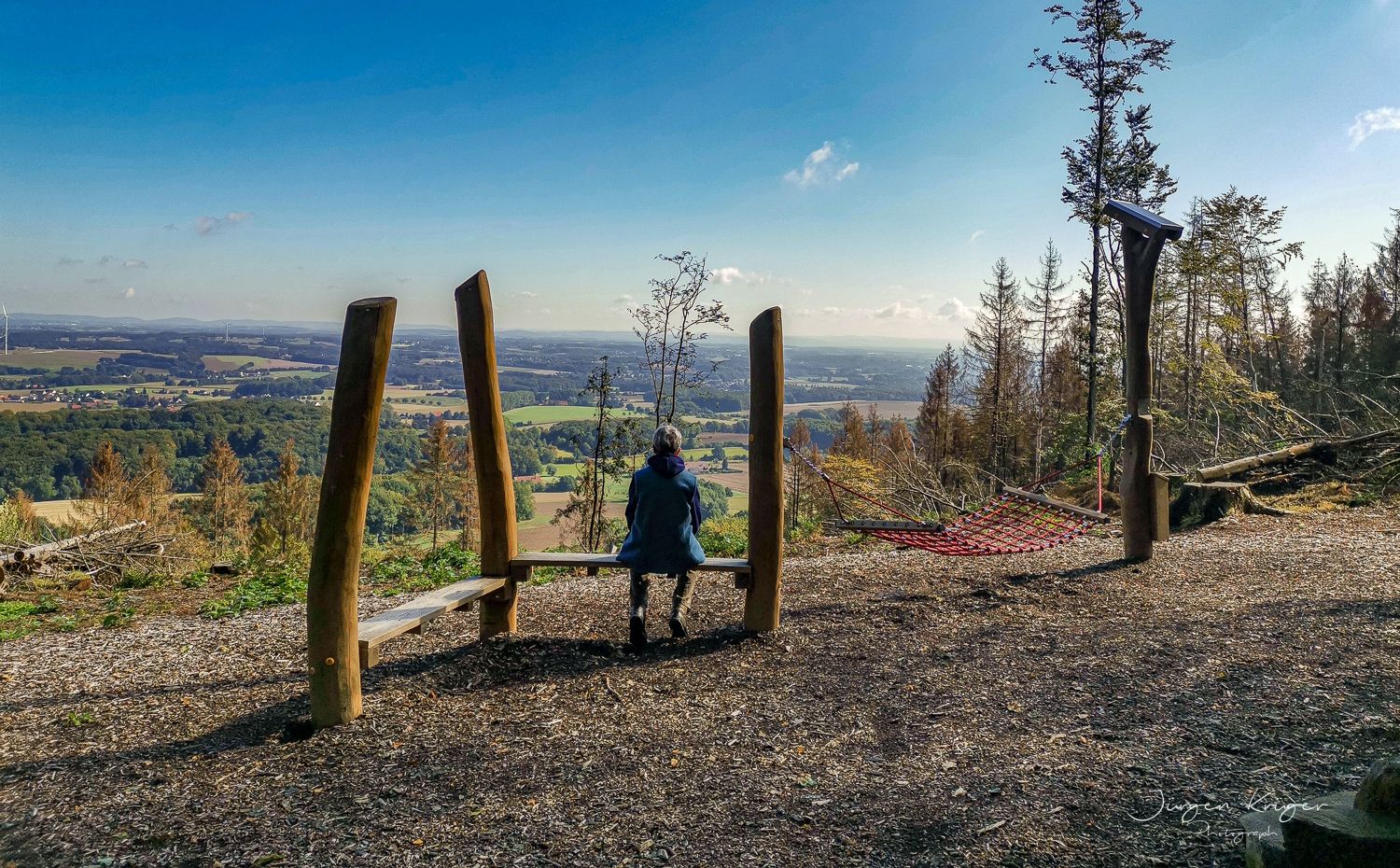
Bad Iburg Treetop Walk
Highlight • Viewpoint
Translated by Google •
Tip by

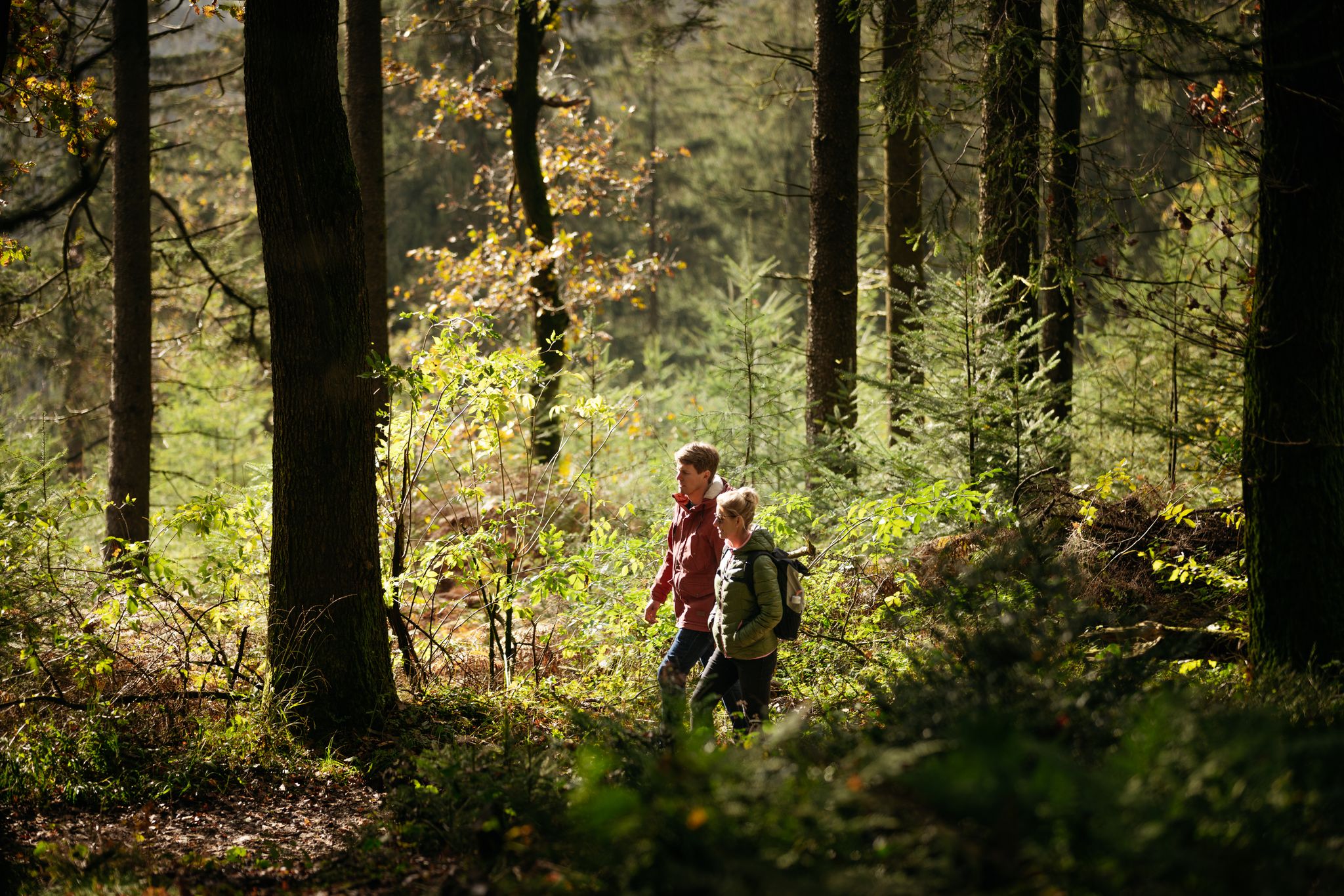
Freeden Nature Reserve
Highlight • Forest
Translated by Google •
Tip by

Sign up now to discover places like this
Get recommendations on the best single tracks, peaks, & plenty of other exciting outdoor places.
Sign up for free
Great Roe Spring
Highlight • Natural Monument
Translated by Google •
Tip by

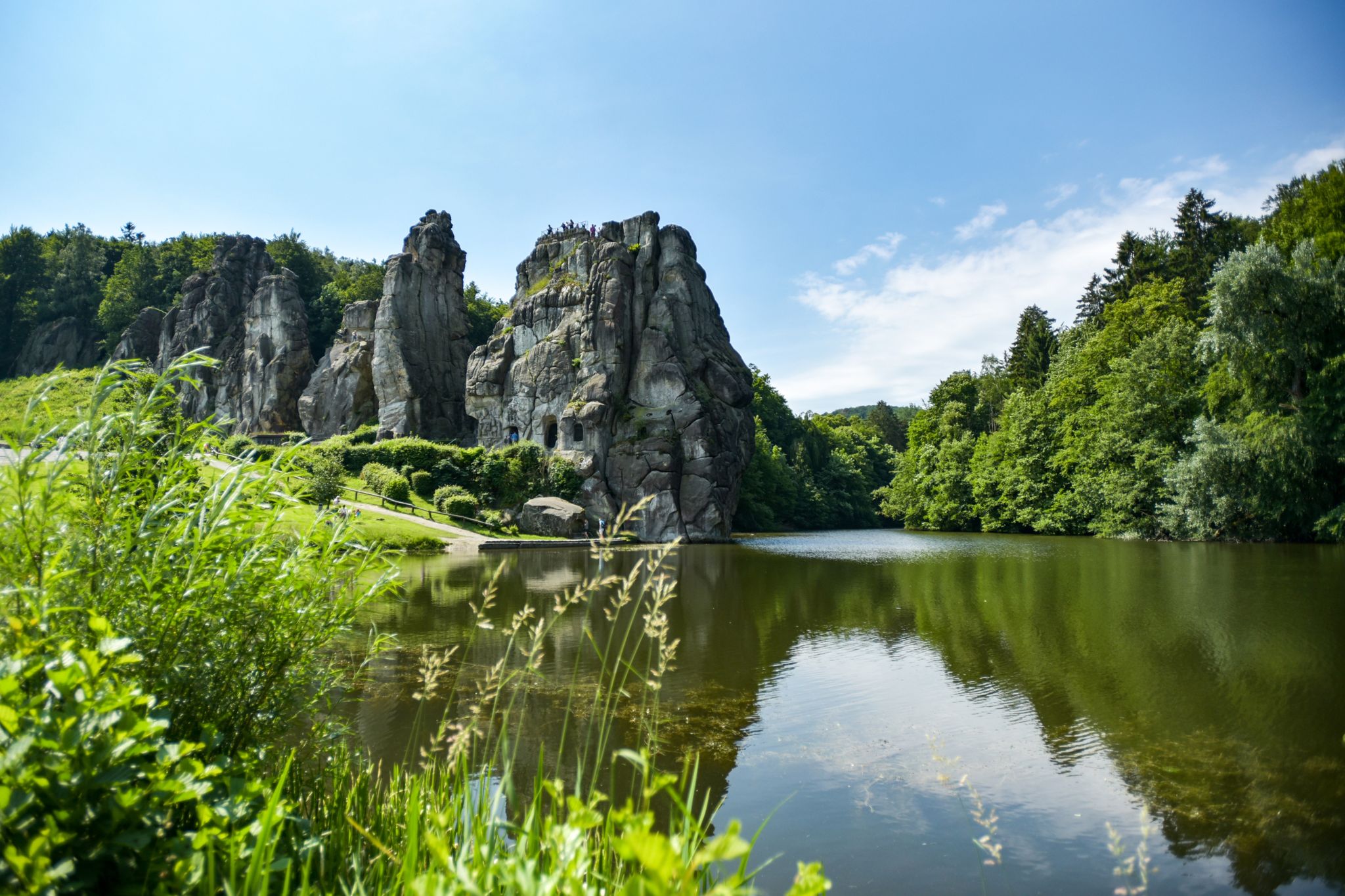
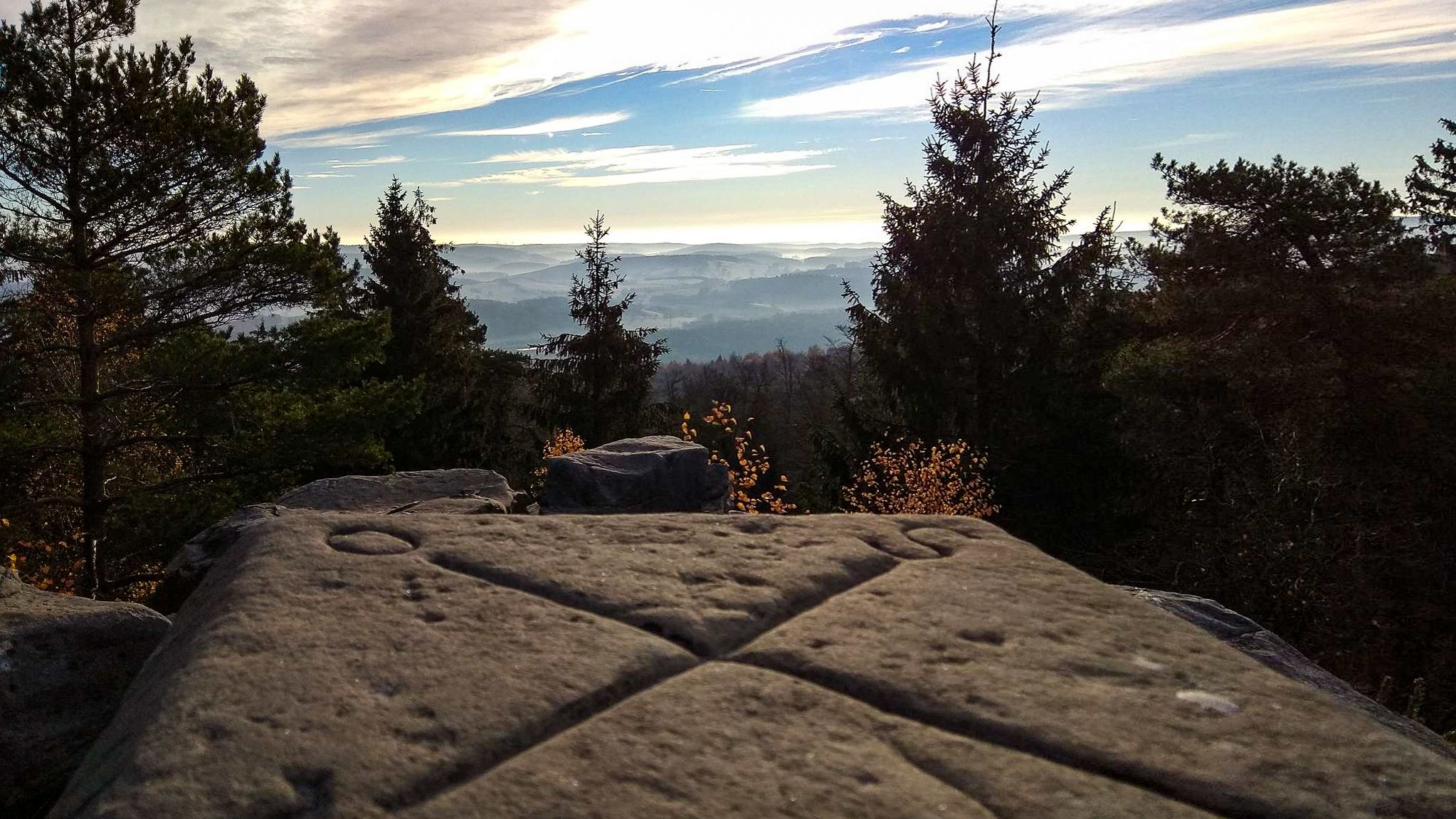
Duvensteine rock formation
Highlight • Natural Monument
Translated by Google •
Tip by

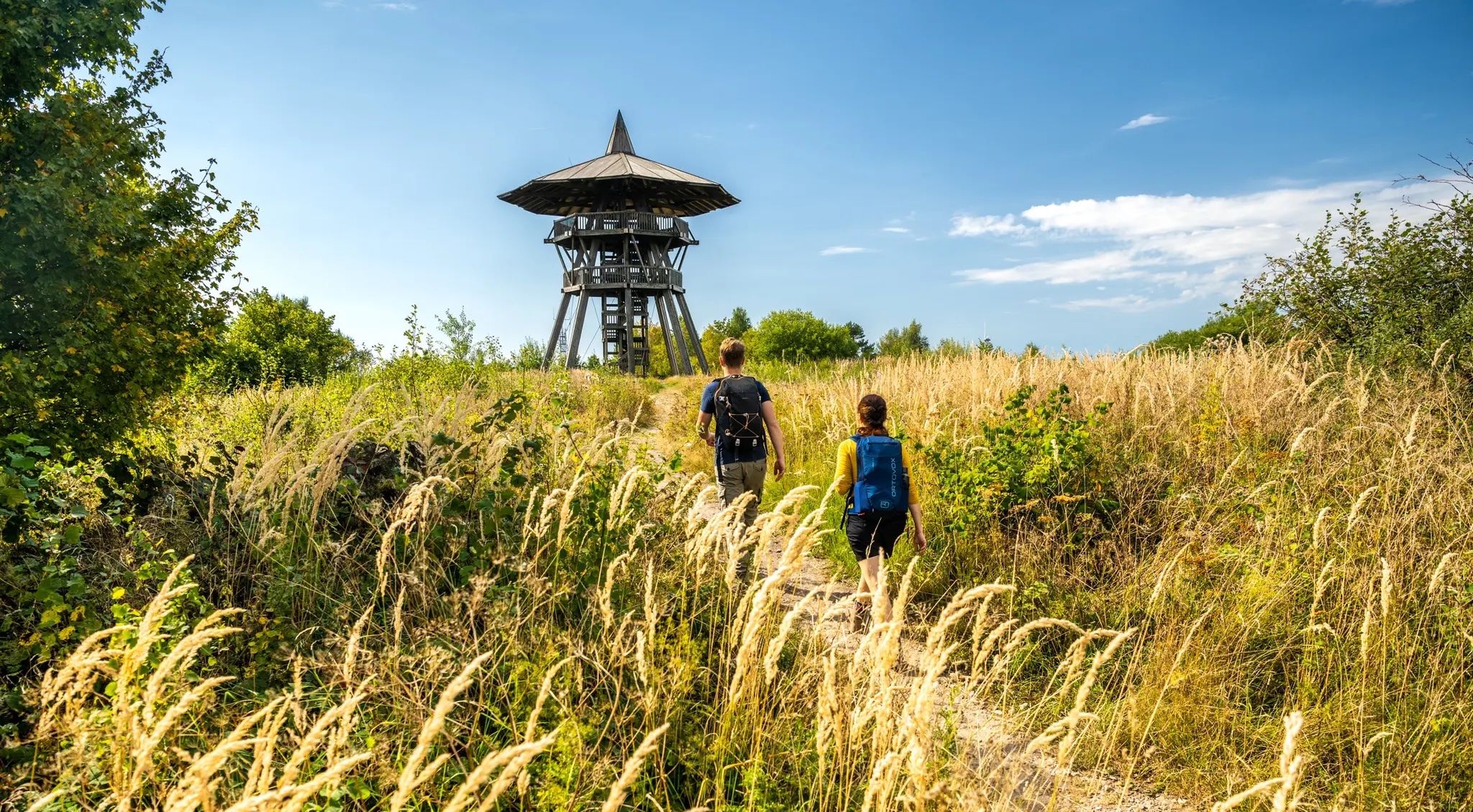
Hermannsturm on the Dörenberg
Highlight • Viewpoint
Translated by Google •
Tip by

Sign up for free to discover even more natural monuments around Bad Iburg.
Sign up for free
Already have an account?
Start today with a free account
Your next adventure awaits.
Login or Signup
Popular around Bad Iburg
Hiking Germany's Hermannsweg – In the footsteps of the Cheruscan
In the wild, old country – wonderful Tours around Germany’s Osnabrück
Germany’s Ahornweg – hiking among trees, blossoms and spas
Forest, water, hiking pleasure — Germany’s Osnabrück Land
Culture and nature from Rheine to Marsburg – Hermann Heights Trail
Close to the Hermann Heights Trail – 18 circulars in the Teutoburg Forest
Natural, rural and diverse – hiking in the Osnabrück Land
TransTeuto — explore the Teutoburg Forest by mountain bike
Abkühlung inklusive – Erfrischende Radtouren rund um Osnabrück
Hiking around Bad Iburg
Other adventures around Bad Iburg


Tips from the Community

A little break is mandatory here 💚
5
0

Great treetop path
17
0

Fascinating experience to walk between the treetops
16
0

Nice path through an even more beautiful forest. You have to avoid the Great Freeden (nature protection), the continuation of the ridge path from there to the east is simply fantastic.
15
1
Designed for LGS. Lower Saxony Approx. 500 meters long
18
0
Class treetop path, created To the LGS. Lower Saxony
18
0

The sandstone ridge lies on the north side of the Holperdorper valley. In some places parts of the sandstone come to the surface and form rock formations that have always attracted people's attention. The name of the rocks suggests ancient places where the gods were worshiped.
7
0

A little further along the path, the Duvensteine are a little higher up in the forest. There is interesting information on the information board.
8
0
Frequently Asked Questions
What are some of the most popular natural monuments to visit in Bad Iburg?
Visitors frequently enjoy the Freeden Nature Reserve, known for its lime-beech forests and abundant Corydalis flowers in spring. Other popular spots include the serene Great Roe Spring, the mystical Duvensteine rock formation, and the Hermannsturm on the Dörenberg, which offers panoramic views.
Are there family-friendly natural monuments in the Bad Iburg area?
Yes, several natural monuments are suitable for families. The Great Roe Spring offers a nice picnic area with tables and benches. The Duvensteine rock formation is also considered family-friendly, offering an intriguing natural landmark. Additionally, the Brüggelieth Spring provides a fantastic place to rest and enjoy the forest.
What kind of geological features can I expect to see around Bad Iburg?
Bad Iburg is situated within the TERRA.vita Nature and Geopark, showcasing fascinating geology. You'll find distinct geological features like two Teutoburg Forest ridges: a northern ridge of sandy sandstones and a southern ridge of Upper Cretaceous limestones, separated by the 'Iburger Sattel' (Iburg Saddle). The Dörenberg, for instance, is founded on thick Osning sandstone from the Lower Cretaceous period, with Münder Marls and Jurassic claystones at its base. Former quarries also highlight the region's geological significance.
Where can I find panoramic views of the region?
For expansive views, head to the Hermannsturm on the Dörenberg. From this viewpoint and summit, you can enjoy panoramic vistas over Georgsmarienhütte up to Osnabrück. The Dörenberg itself is the highest elevation in the Teutoburg Forest within the Osnabrück region.
What is the best time of year to visit the natural monuments in Bad Iburg?
The Freeden Nature Reserve is particularly beautiful in spring when white and violet Corydalis flowers bloom abundantly on the slopes. Generally, spring and autumn offer pleasant temperatures for hiking and enjoying the natural beauty, with autumn providing vibrant foliage.
Can I bring my dog to the natural monuments and hiking trails?
While specific dog rules for each natural monument are not detailed, many hiking trails in the region are dog-friendly. It's always advisable to keep dogs on a leash and respect local signage, especially in nature reserves like the Freeden Nature Reserve, to protect wildlife.
Are there easy hiking trails near the natural monuments?
Yes, there are several easy hiking options. For example, you can find easy routes like the 'View of Bad Iburg Castle – Tree Spirits Art Trail loop' or the 'Freeden Nature Reserve – View of Dörenberg loop'. You can explore more easy hikes in the area on the Easy hikes around Bad Iburg guide.
What outdoor activities can I do near the natural monuments in Bad Iburg?
The region offers diverse outdoor activities. Besides exploring the natural monuments, you can enjoy hiking, running, and mountain biking. There are numerous routes, such as the 'Dörenberg Observation Tower – Hermannsturm on the Dörenberg loop' for easy hiking, or more challenging MTB trails like the 'View of Teutoburg Forest – Hermannsturm lookout tower loop'. Find more options in the Easy hikes around Bad Iburg, Running Trails around Bad Iburg, and MTB Trails around Bad Iburg guides.
Is there parking available at the natural monuments?
Parking is generally available near popular natural monuments and trailheads. For instance, you can start various hiking tours from the hiking car park at the foot of the Kleinen Freeden, which provides access to the Freeden Nature Reserve.
Are there any unique or less-known natural gems in the area?
Beyond the well-known spots, the Tegelwiese, located north of Iburg Castle, is a wetland biotope that was formerly a bleaching area for linen production. It now offers educational activities and insights into local ecosystems and the historical connection between human activity and the natural environment.
What makes the Freeden Nature Reserve special?
The Freeden Nature Reserve is a 224-hectare protected area within the Teutoburg Forest, particularly renowned for its lime-beech forests. It's a spectacle in spring when white and violet Corydalis flowers bloom profusely on the slopes. It offers diverse hiking opportunities and a tranquil natural experience.
Are there any natural monuments with historical significance?
The Duvensteine rock formation is considered a mystical place with historical significance. It was a procession site before the Reformation, and its rugged appearance led ancestors to believe mysterious forces were at work there. The Tegelwiese also has historical ties as a former linen bleaching area.
Are there any natural monuments that are wheelchair accessible?
While many natural monuments in the Teutoburg Forest region involve uneven terrain and hiking trails, the Baumwipfelpfad Bad Iburg (treetop path) offers an accessible experience, allowing visitors to enjoy nature from a unique perspective. You can find more information about it on the Niedersachsen Tourism website.
Most popular routes around Bad Iburg
Most popular attractions around Bad Iburg

Get inspired with the komoot mobile app


Explore more
Extend your search for the best caves by checking out these guides of the top ones around Bad Iburg:
