Top 20 Natural Monuments around Bad Schwalbach
Natural monuments around Bad Schwalbach are situated within the Rhine Taunus Nature Park, offering a diverse natural landscape. The region features lush forests, rolling hills, and significant natural features such as mineral springs and rock formations. Bad Schwalbach is known for its traditional healing waters and extensive parklands. These natural sites provide opportunities for outdoor activities and appreciation of the local environment.
Best natural monuments around Bad Schwalbach
- The most popular natural monuments is View over the Rhine Valley from…
Last updated: September 26, 2026
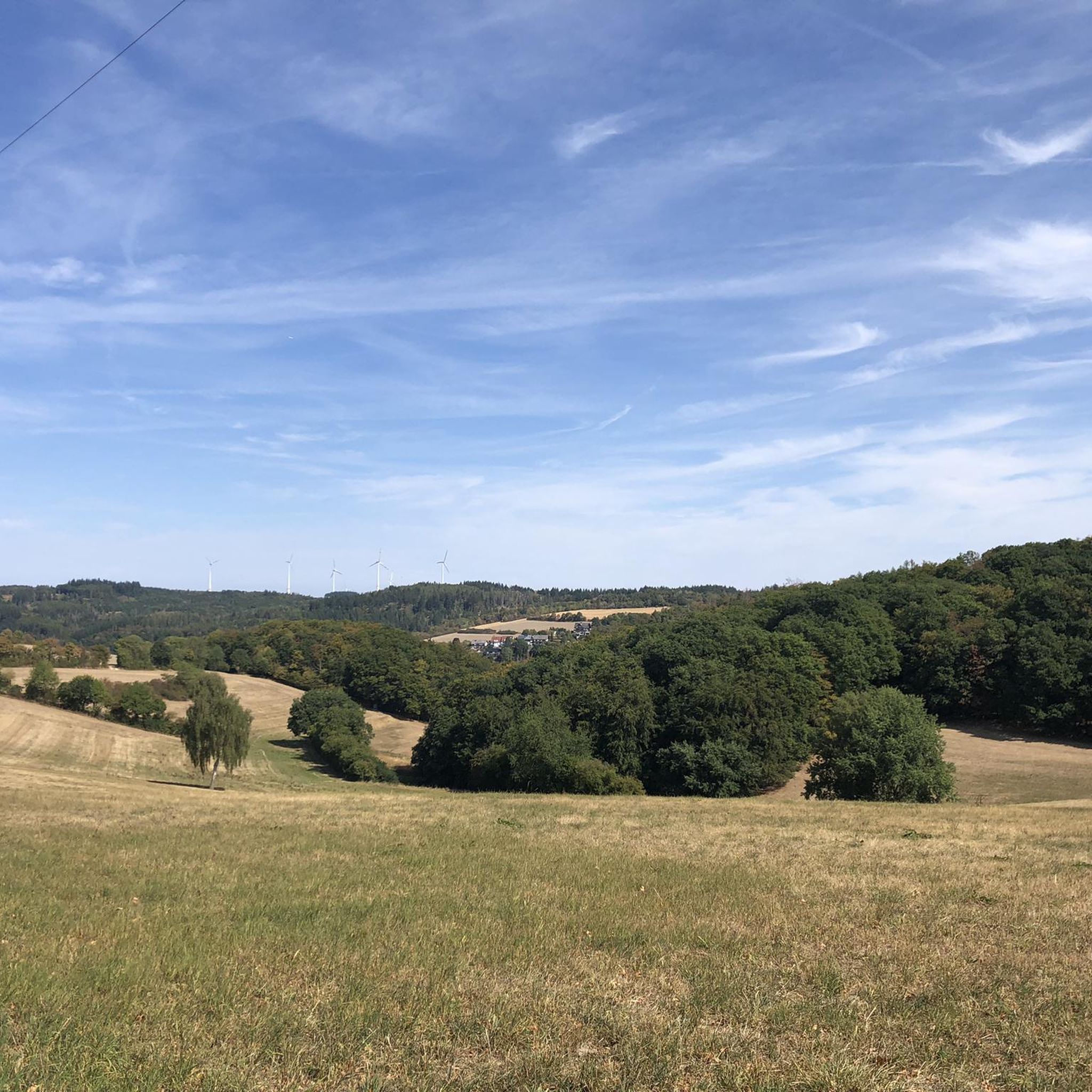
View over the Rhine Valley from Bubenhäuser Höhe
Highlight • Viewpoint
Translated by Google •
Tip by

Grauer Stein Climbing Crag
Highlight • Climb
Showing Translation
Tip by

Sign up now to discover places like this
Get recommendations on the best single tracks, peaks, & plenty of other exciting outdoor places.
Snake Trail Sommerberg near Frauenstein
Highlight • Trail
Translated by Google •
Tip by

Leichtweiß Cave
Highlight • Cave
Translated by Google •
Tip by

Goethestein Monument and Rhine Valley View
Highlight • Monument
Showing Translation
Tip by

Sign up for free to discover even more natural monuments around Bad Schwalbach.
Already have an account?
Start today with a free account
Your next adventure awaits.
Popular around Bad Schwalbach
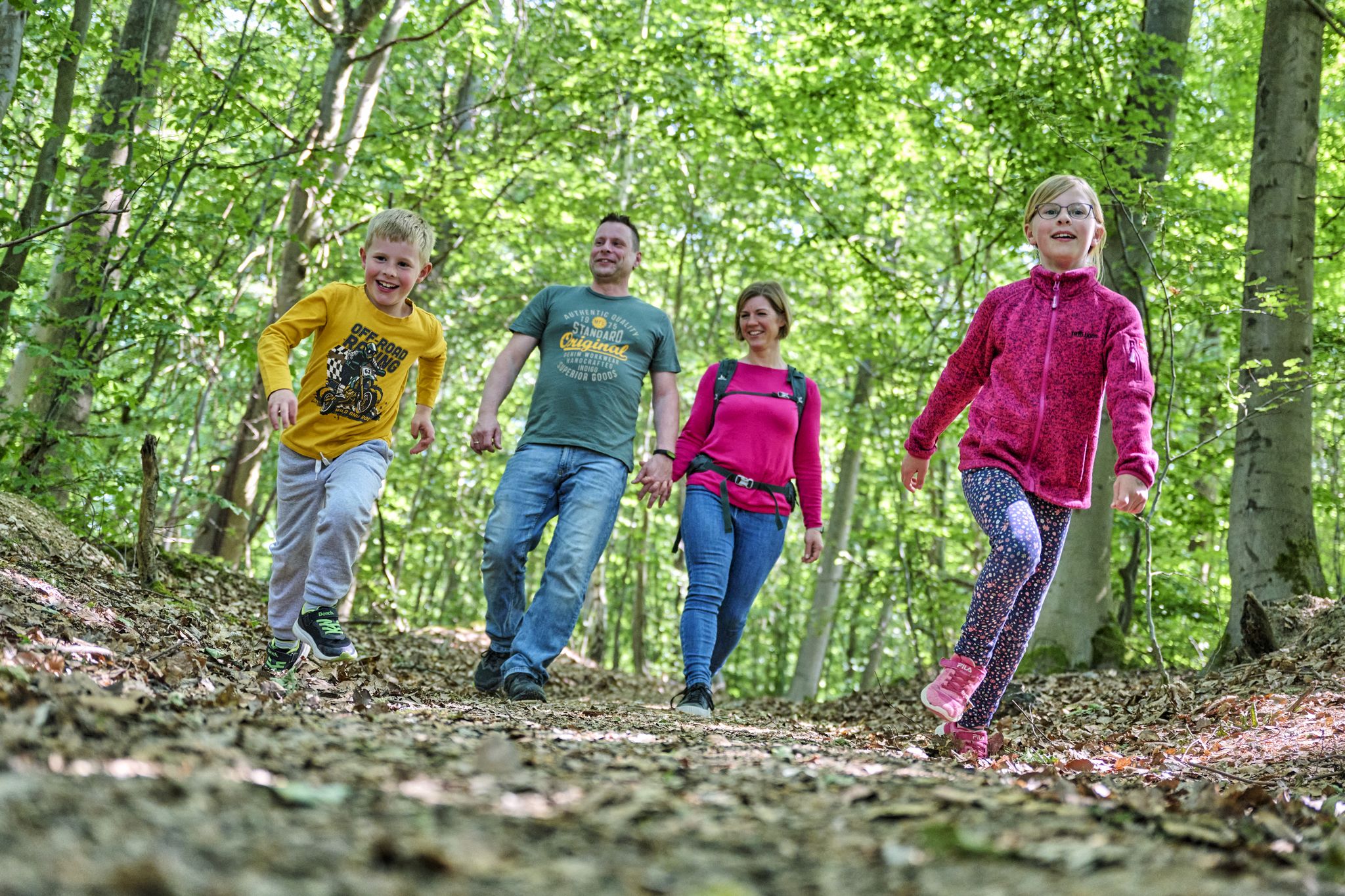
The journey is the adventure – hikes in Germany’s Taunus Mountains
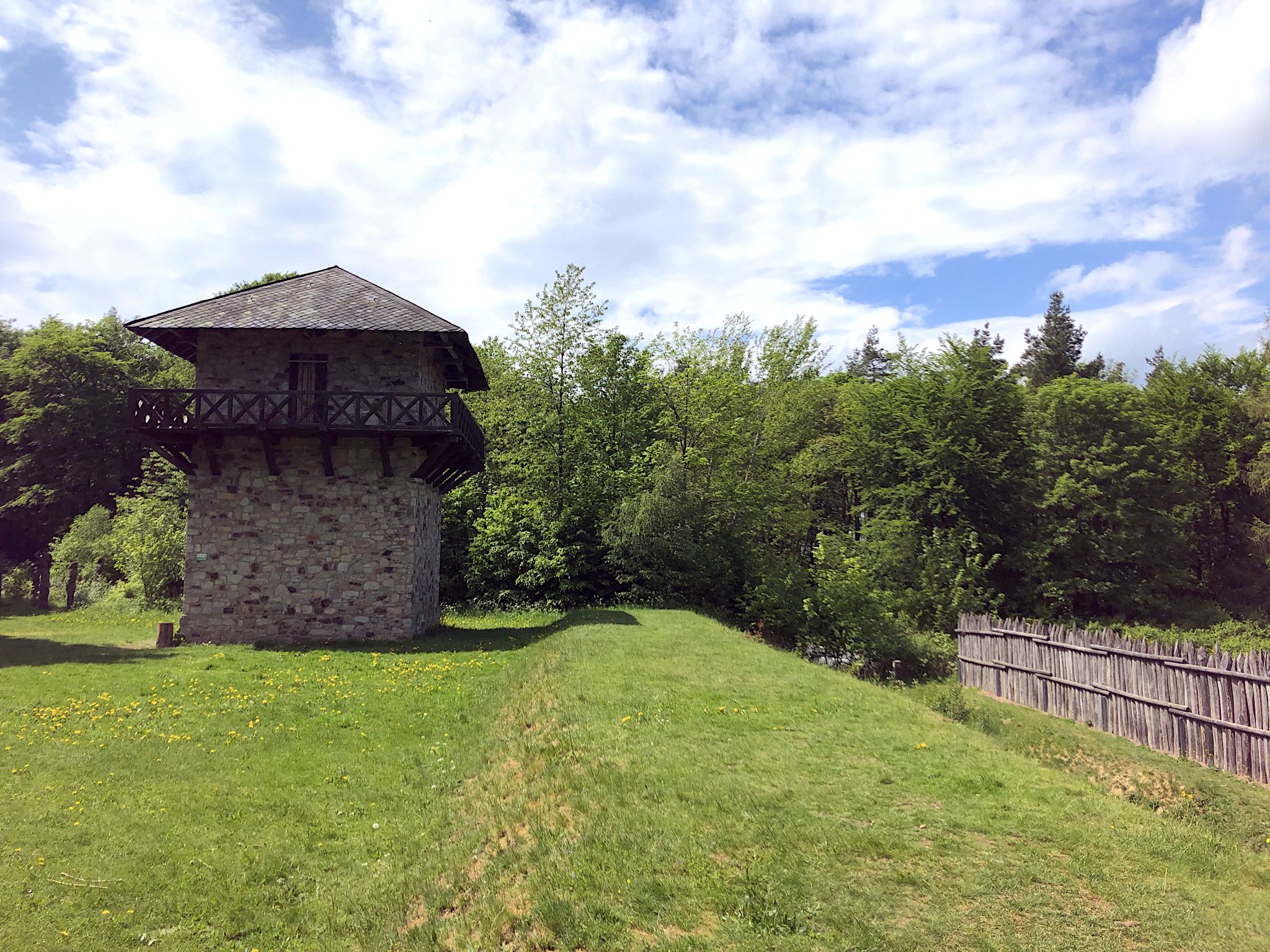
From the Limes to the Lahn – 4 days on the Aar-Höhenweg

Spring is here – hiking with family by bus & train in Rhine-Main
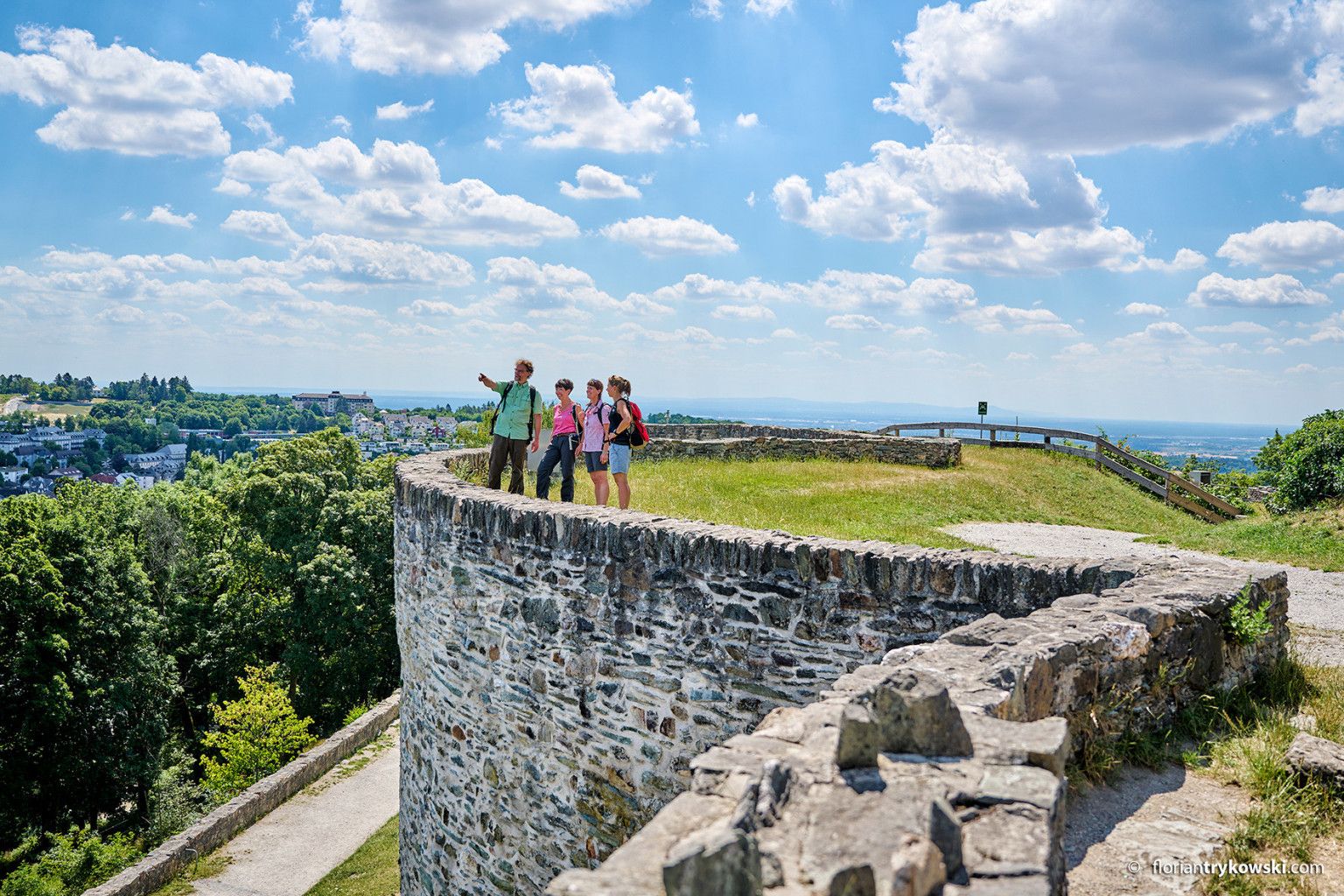
Experience nature and culture — hiking in Germany’s Taunus region
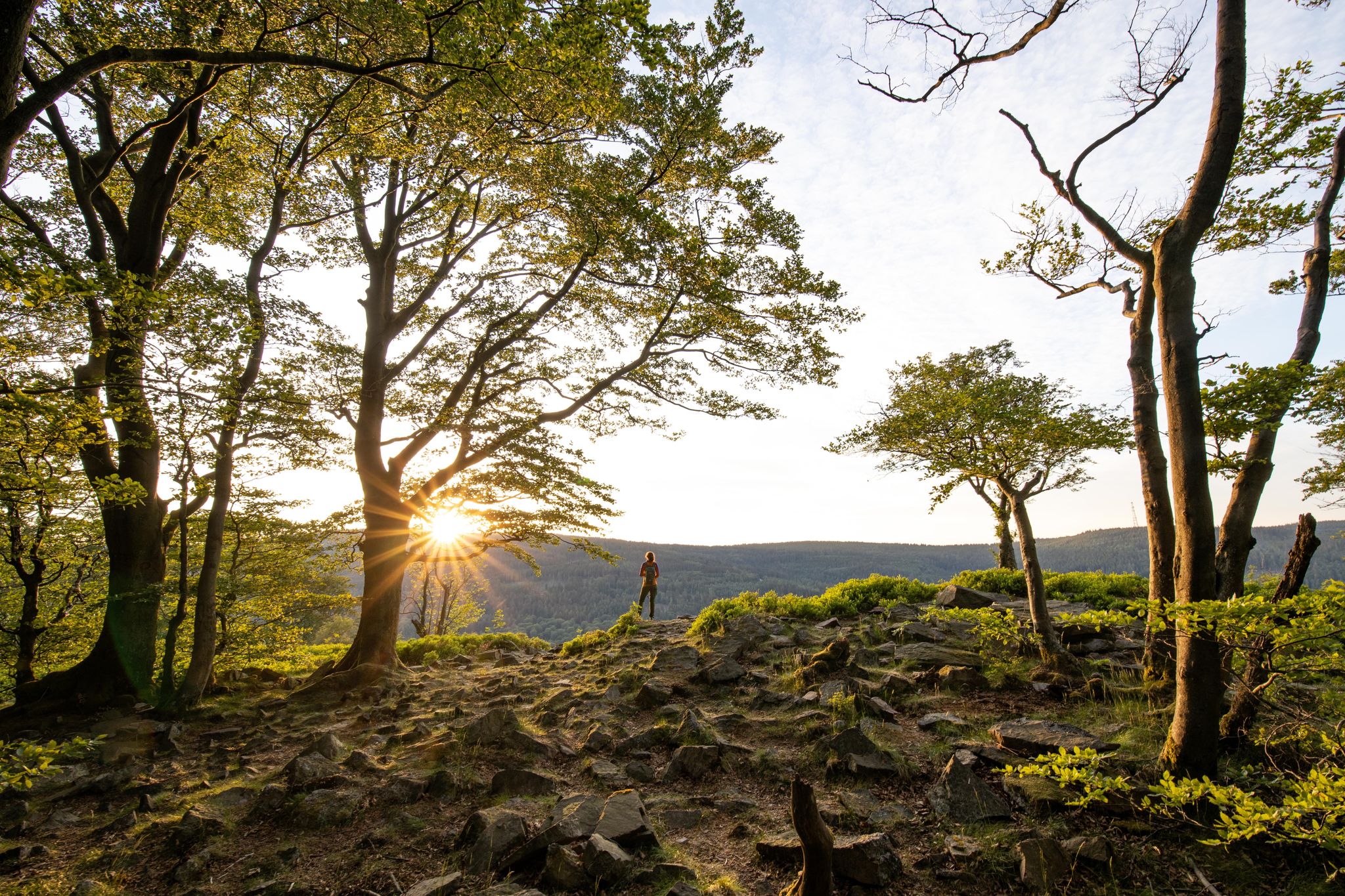
Deep valleys and airy heights – the most beautiful hikes in the Taunus in Germany
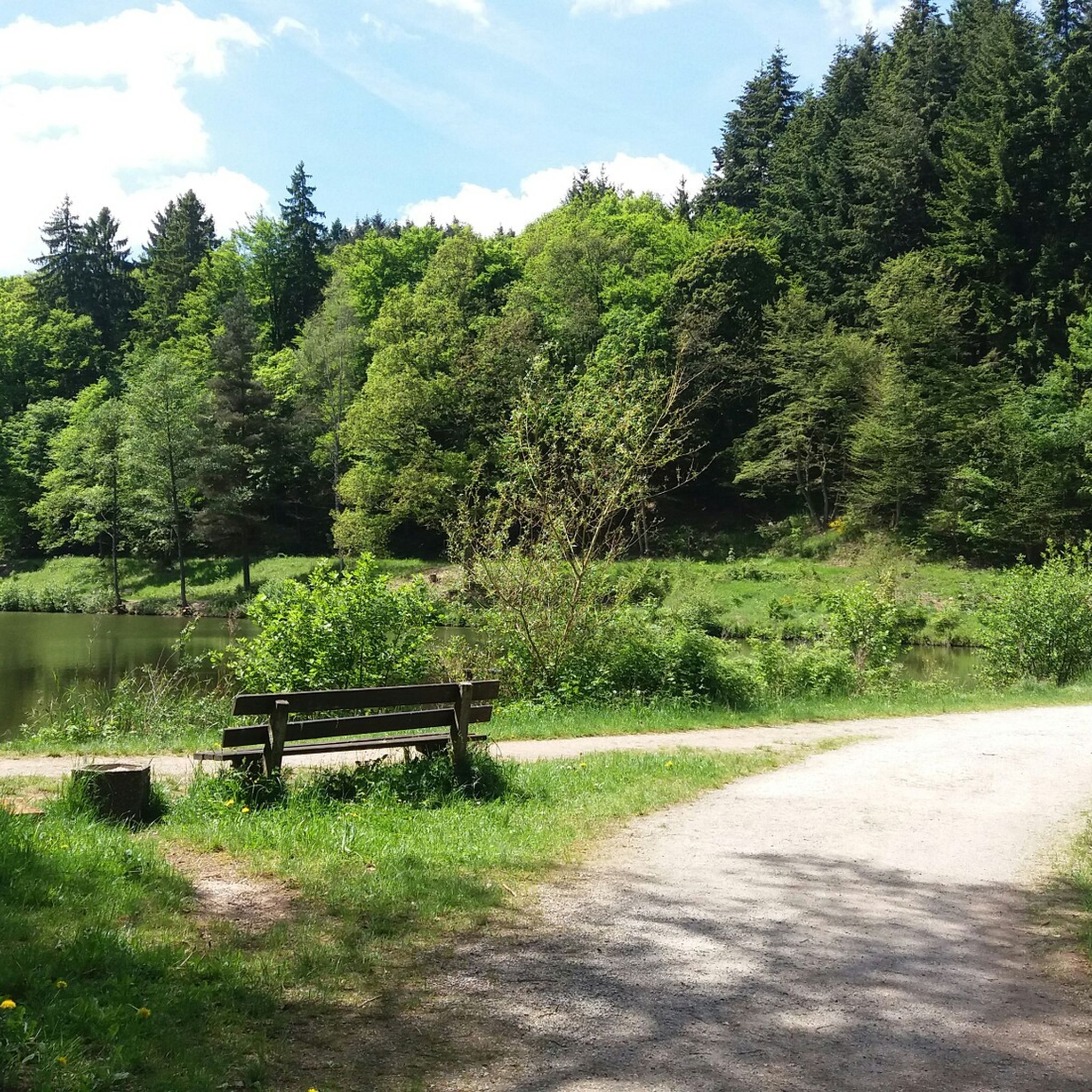
Hiking around Bad Schwalbach
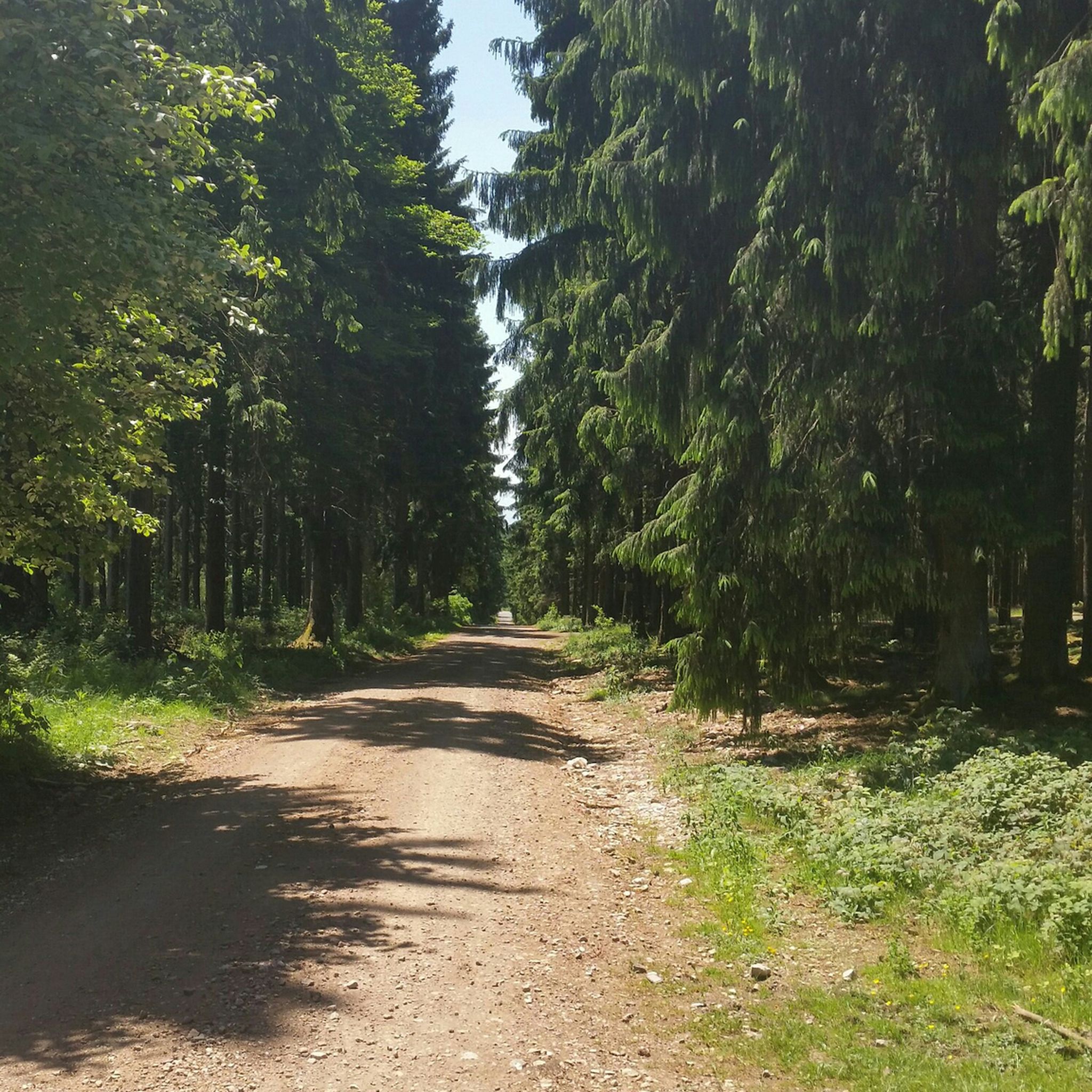
MTB Trails around Bad Schwalbach
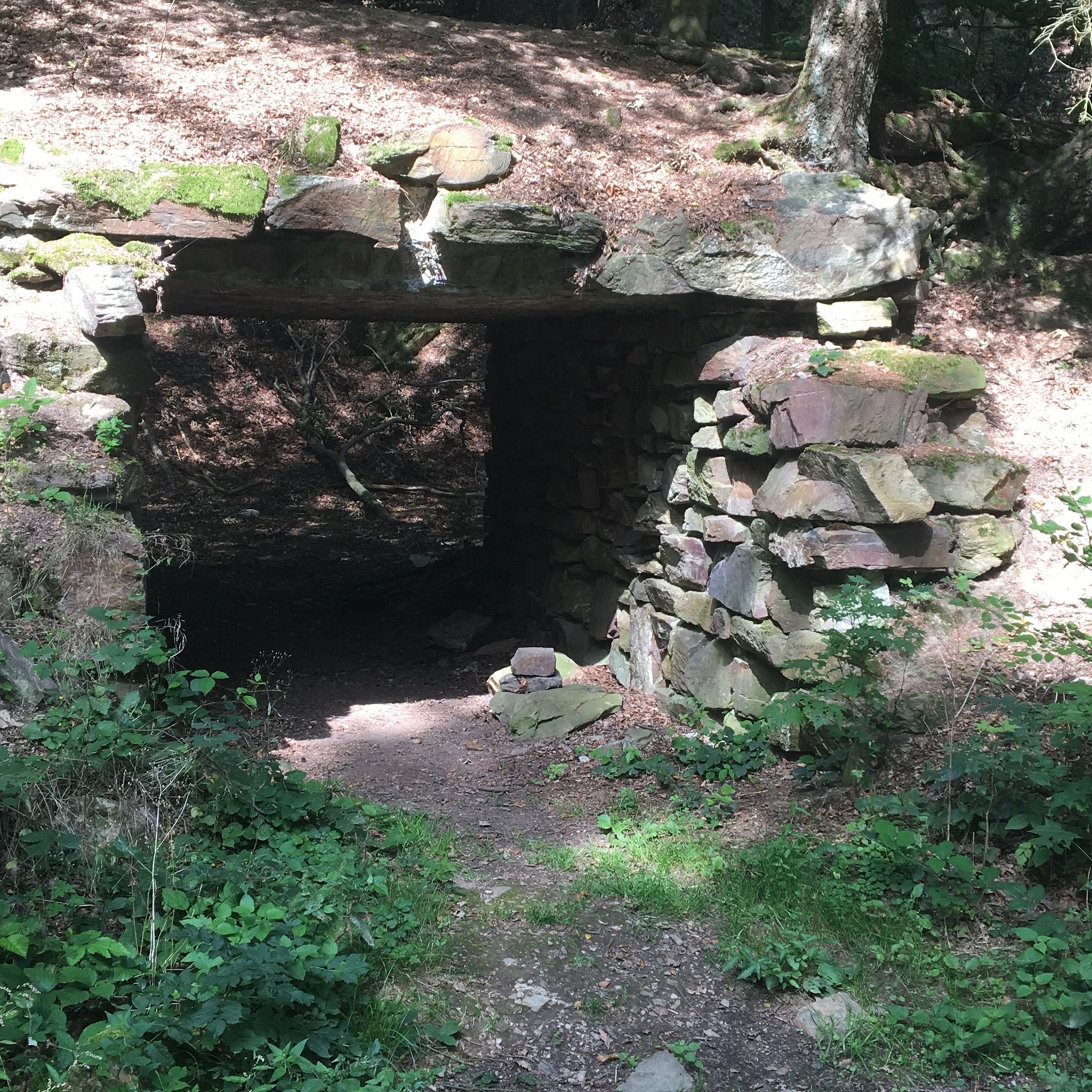
Cycling around Bad Schwalbach
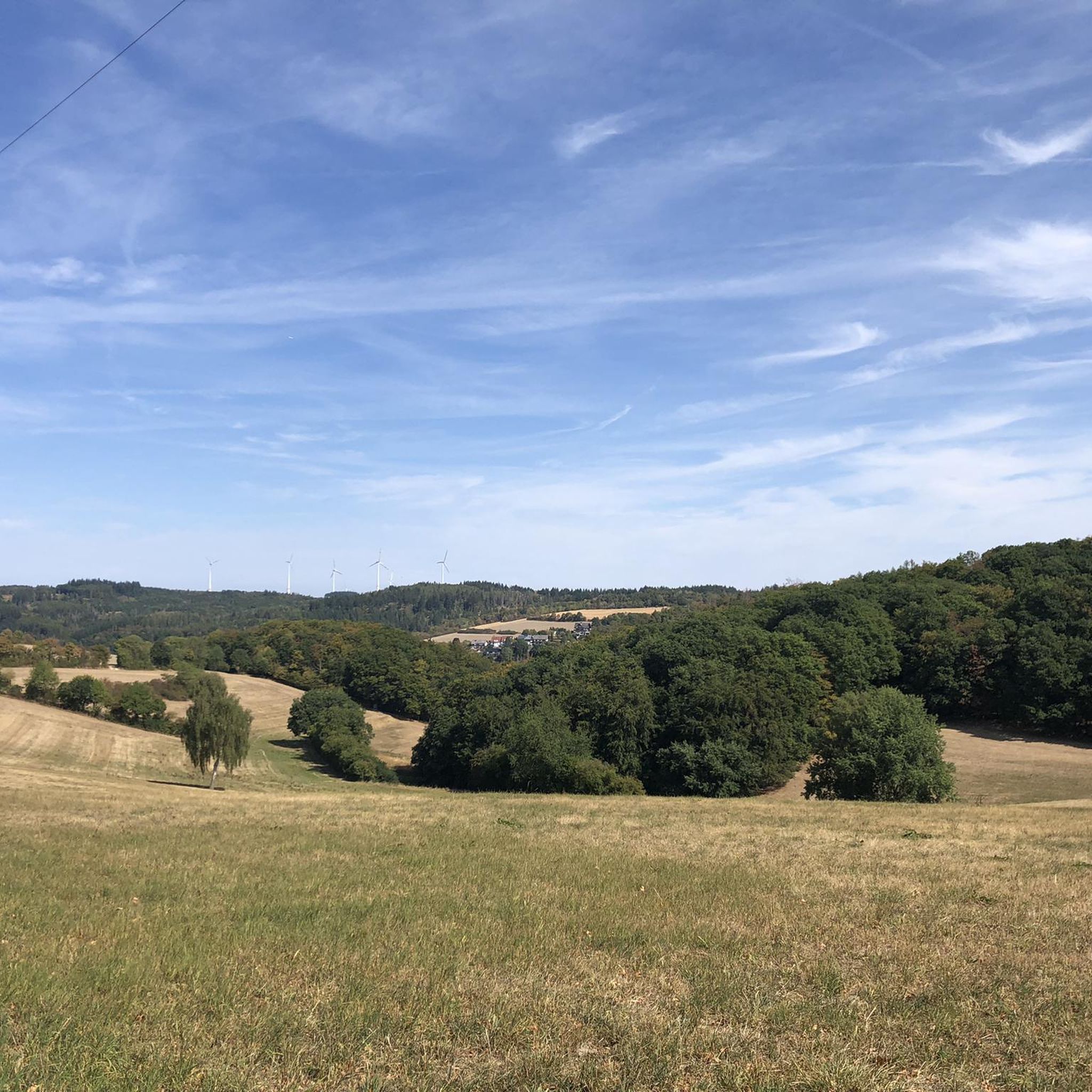
Road Cycling Routes around Bad Schwalbach
Running Trails around Bad Schwalbach
Other adventures around Bad Schwalbach


Tips from the Community

The Goethestein near the Wiesbaden district of Frauenstein is a tetrahedron erected in 1932 in memory of Johann Wolfgang von Goethe's stay at this location.
10
1
The Goethestein near the Wiesbaden district of Frauenstein is a tetrahedron erected in 1932 to commemorate Johann Wolfgang von Goethe's stay at this location. The Goethestein in Frauenstein, erected in 1932 On the southeast flank of the Spitzen Stein, an elevation of the Rheingaugebirge mountains 254.5 m above sea level, southeast of the Frauenstein castle ruins, sits the Hof Nürnberg, a popular excursion restaurant and winery, from which one has a good view of the Rhine and the Rheingau with its vineyards. In 1815, Johann Wolfgang von Goethe stopped here during his second stay in Wiesbaden to conduct geological studies. In 1932, a monument was erected in his honor next to the Hof, above the vineyards, 230 meters above sea level, with a view of Frauenstein, Walluf, and the Mainz Rhine side: the so-called Goethestein, a tetrahedron built on the base of an equilateral triangle made of blocks, whose soaring tip is reminiscent of an obelisk.
12
1

The vantage point offers a fantastic view over the Rhine plain, the Rheingau region, and the surrounding vineyards. 🍇Erected in 1932 in honor of Johann Wolfgang von Goethe, the striking tetrahedron commemorates his spa stay in Wiesbaden in 1815. At that time, Goethe wandered through the vineyards and returned to this place again and again – fascinated by the landscape and its geological features.
5
0

several rest areas with good views
4
0

The cave can be visited; this is where the robber actually lived before he was discovered and executed.
5
0
His story is not a "tall tale", he actually lived here, in this cave, before he was discovered and executed.
5
0

Interesting information about native snake species.
3
0

Beautiful view over the vineyards
4
0
Frequently Asked Questions
What natural features can I explore in the Bad Schwalbach area?
The Bad Schwalbach area, nestled within the Rhine Taunus Nature Park, offers diverse natural features. You can find lush forests, rolling hills, and significant natural elements like mineral springs. The region is also known for its extensive parklands, including the tranquil Spa Park with its Kneipp facilities and a unique walk-in moor. Notable rock formations such as the Grauer Stein Climbing Crag and the Leichtweiß Cave add to the geological interest.
Where can I find the best viewpoints of the Rhine Valley and surrounding landscapes?
For expansive vistas, visit the View over the Rhine Valley from Bubenhäuser Höhe, which offers stunning views directly over the grapevines towards the Rhine. Another excellent spot is the Goethestein Monument and Rhine Valley View, where you can look out over the vineyards and villages near Wiesbaden.
Are there family-friendly natural monuments or trails in Bad Schwalbach?
Yes, several natural monuments and trails are suitable for families. The View over the Rhine Valley from Bubenhäuser Höhe is family-friendly with benches and a shelter. The Snake Trail Sommerberg near Frauenstein is a circular route with informative boards, making it engaging for children. The Leichtweiß Cave and the Goethestein Monument are also categorized as family-friendly.
What kind of outdoor activities can I do near the natural monuments?
The region around Bad Schwalbach offers a variety of outdoor activities. You can enjoy extensive trails for hiking and biking within the Rhine Taunus Nature Park. For cycling, consider routes like the 'Wehen Castle – View Towards Neuhof loop' or the 'Aartal Cycle Path'. Mountain biking enthusiasts can explore trails such as the 'S0 singletrack in Taunus' or routes around the Grauer Stein Climbing Crag. For more details on routes, you can explore the Cycling around Bad Schwalbach, Gravel biking around Bad Schwalbach, and MTB Trails around Bad Schwalbach guides.
Are there specific hiking trails that highlight the natural beauty of the area?
Absolutely. The Snake Trail Sommerberg near Frauenstein is a popular circular route through a biotope, offering insights into local wildlife. Additionally, the Wisper Trails and Aar-Höhenweg are networks of circular hiking trails that traverse the natural landscapes, providing varied routes and scenic views of the Taunus. The 'Hoher Hahn' Nature Reserve is also identified as a charming area for tours.
What is the significance of Bad Schwalbach's healing springs?
Bad Schwalbach is historically renowned for its mineral springs, which have a long tradition as healing waters. These drinking fountains deliver water rich in iron and other minerals. Visitors can experience the therapeutic properties of the water through drinking cures and baths, which are central to Bad Schwalbach's identity as a mineral and mud spa.
What makes the Spa Park (Kurpark) a natural highlight?
The Spa Park is a central natural highlight due to its extensive and beautifully manicured landscapes. It features lush walkways, historic fountains, and various wellness facilities like Kneipp facilities, a barefoot path, a medicinal herb garden, and a bee house. The park also includes a spa pond, a walk-in moor, and a forest lake, offering a tranquil setting for relaxation and leisurely strolls.
What is the 'Hoher Hahn' Nature Reserve, and why should I visit it?
The 'Hoher Hahn' Nature Reserve is an identified charming area for tours around Bad Schwalbach. As a nature reserve, it likely protects significant ecological features, offering visitors a chance to experience an undisturbed natural environment and its biodiversity. Its charm suggests picturesque landscapes and enjoyable walking opportunities for nature lovers.
What do visitors enjoy most about the natural monuments around Bad Schwalbach?
Visitors particularly appreciate the stunning views, such as those from the View over the Rhine Valley from Bubenhäuser Höhe, often noting the beauty directly over the grapevines. The Grauer Stein Climbing Crag is popular for its climbing opportunities and for observing climbers. Informative trails like the Snake Trail Sommerberg are also highly rated for their educational value and pleasant walks.
Are there any historical natural sites in the region?
Yes, the Leichtweiß Cave is a notable historical natural site, known for its romantic setting and occasional guided tours. The Goethestein Monument also combines natural beauty with historical significance, commemorating Goethe's visit to the area.
What is the best time to visit the natural monuments in Bad Schwalbach?
The natural monuments around Bad Schwalbach are enjoyable throughout much of the year. Spring and autumn offer pleasant temperatures for hiking and exploring the trails, with spring bringing blooming flora and autumn showcasing vibrant foliage. The Spa Park and healing springs can be enjoyed year-round for relaxation and wellness. For specific viewpoints like the Goethestein Monument, good weather enhances the expansive views.
Most popular routes around Bad Schwalbach
Most popular attractions around Bad Schwalbach

Get inspired with the komoot mobile app


Explore more
Extend your search for the best caves by checking out these guides of the top ones around Bad Schwalbach:
