Top 20 Natural Monuments around Bad Salzschlirf
Best natural monuments around Bad Salzschlirf are found within a landscape embedded in the gentle hills of the Hessian Central Uplands. The region features a varied natural environment with dense forests, green meadows, and idyllic streams. The area is also part of the Rhön biosphere reserve, recognized for its unique flora and fauna. This setting provides a range of natural features for outdoor exploration.
Best natural monuments around Bad Salzschlirf
- The most popular natural monuments is Wartenberg Castle Ruins, a castle and natural monument that offers panoramic views from its keep. This historical site is located in the geologically significant Lauterbacher Graben.
- Another must-see spot is Sängersberg Summit Cross (494 m), a summit and natural monument. It is the highest mountain in the municipality of Bad Salzschlirf and features historical burial mounds.
- Visitors also love Sattelstein Rock Formation, a natural monument known for its legend of the saddle stone and three horseshoe imprints. It provides a viewpoint on the Steinberg.
- Bad Salzschlirf is known for its diverse natural monuments, including historical castle ruins, river confluences, and unique rock formations. The region offers a variety of natural features to explore.
- The natural monuments around Bad Salzschlirf are appreciated by the komoot community. Over 360 upvotes and more than 590 photos have been shared for these 8 highlights.
Last updated: October 10, 2026
Wartenberg Castle Ruins
Highlight • Castle
Translated by Google •
Tip by

Confluence of the Schlitz and Fulda Rivers
Highlight • River
Translated by Google •
Tip by

Sign up now to discover places like this
Get recommendations on the best single tracks, peaks, & plenty of other exciting outdoor places.
Sängersberg Summit Cross (494 m)
Highlight • Summit
Translated by Google •
Tip by

Sattelstein Rock Formation
Highlight • Natural Monument
There is a large sandstone slab on the Steinberg with the imprints of three horseshoes. The legend tells that a monk rolled the devil for a human soul.
The devil started and, as would be expected when the devil is in play, had three sixes. Hopeless for the monk. He tried anyway and won. He had rolled 19 eyes with three dice.
The monk also had three sixes, but in addition a stone had fallen out of one of the cubes and lay next to the cubes with the three sixes. The soul was saved.
The devil had a tantrum and angrily stepped on the saddle stone three times before going to hell.
Translated by Google •
Tip by

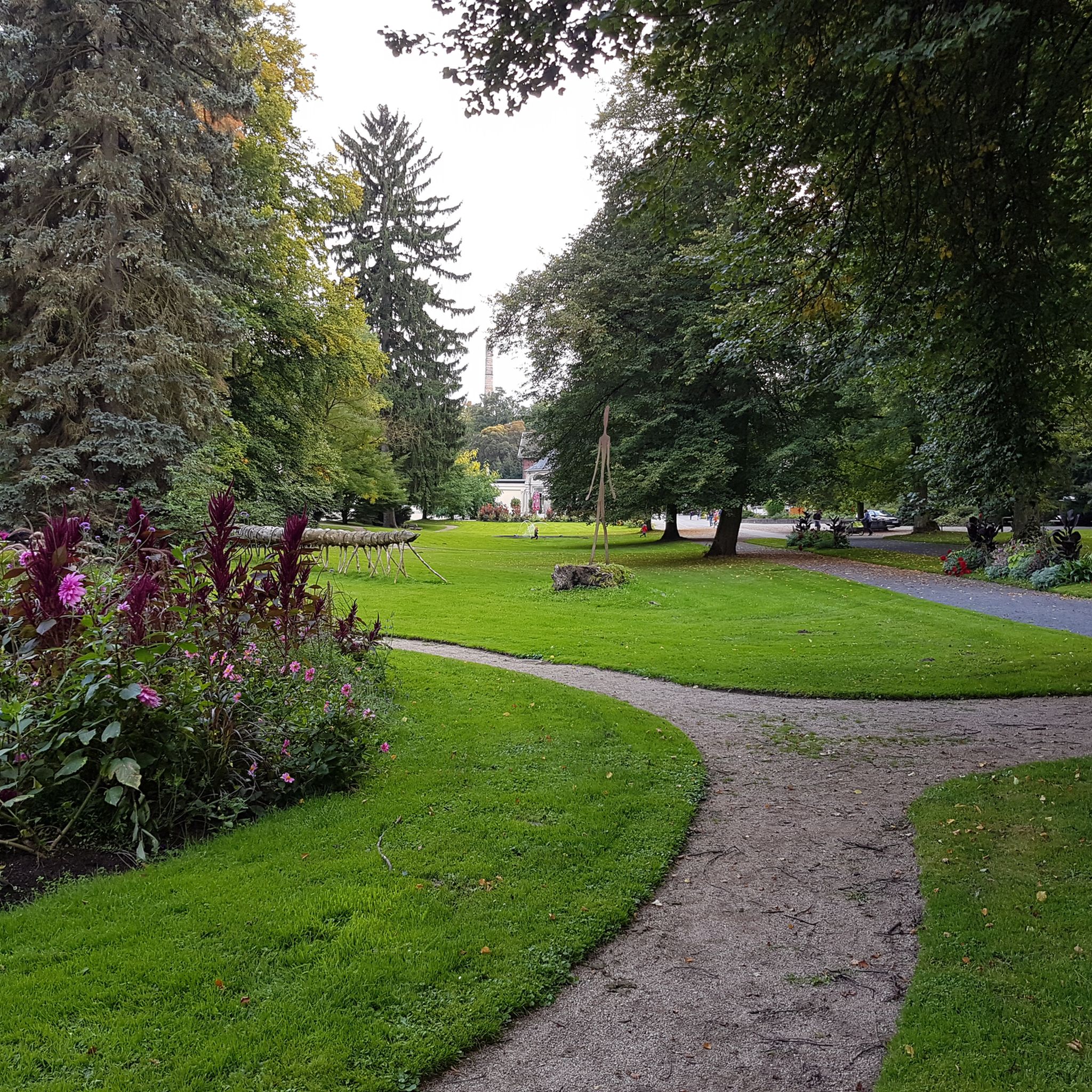
Sodegarten Historic Nature Park
Highlight • Historical Site
Translated by Google •
Tip by

Sign up for free to discover even more natural monuments around Bad Salzschlirf.
Already have an account?
Start today with a free account
Your next adventure awaits.
Popular around Bad Salzschlirf
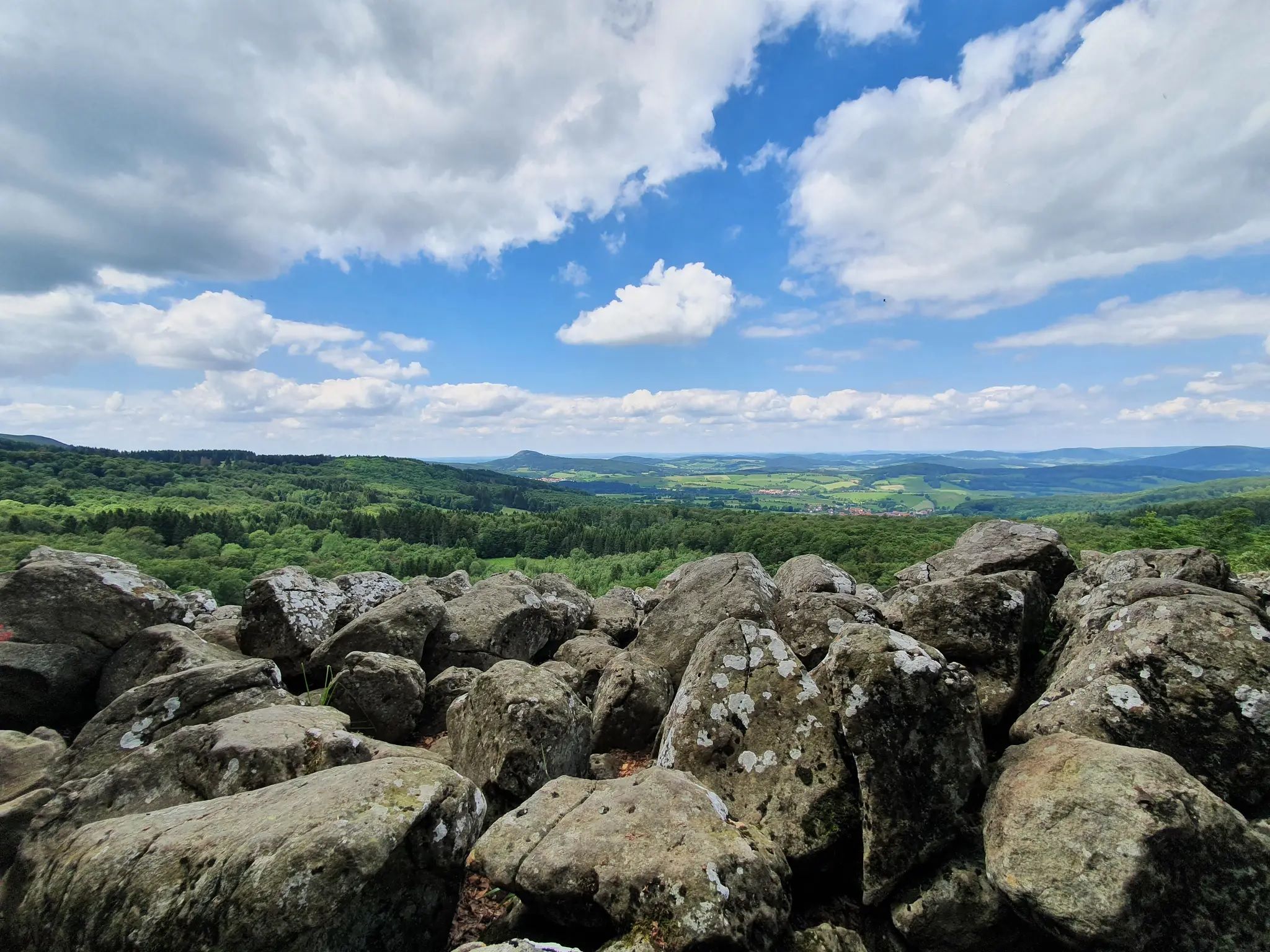
Discover Rhön - Half-day tours through the biosphere reserve
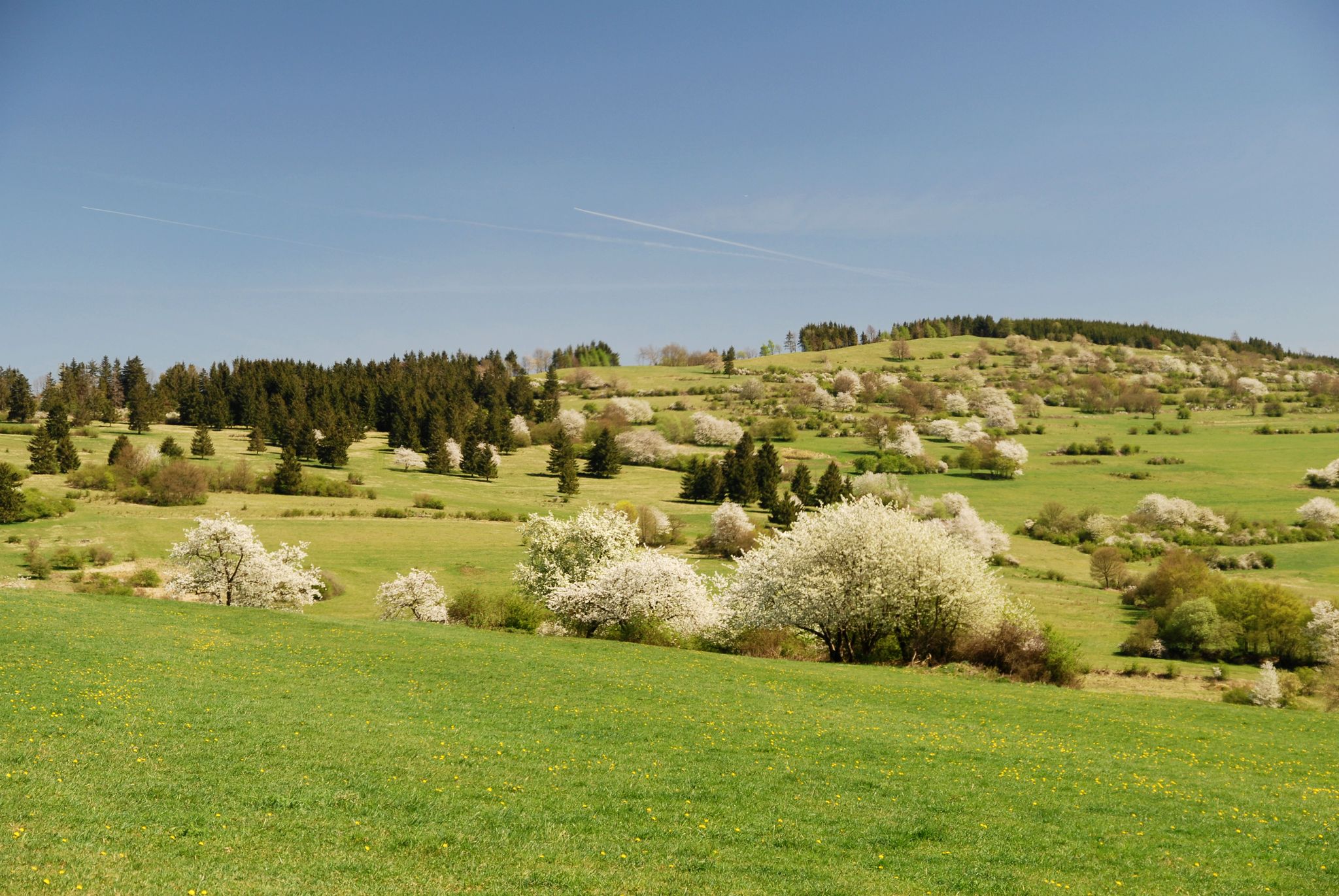
Extra tours North - excellent premium hiking trails of Rhön
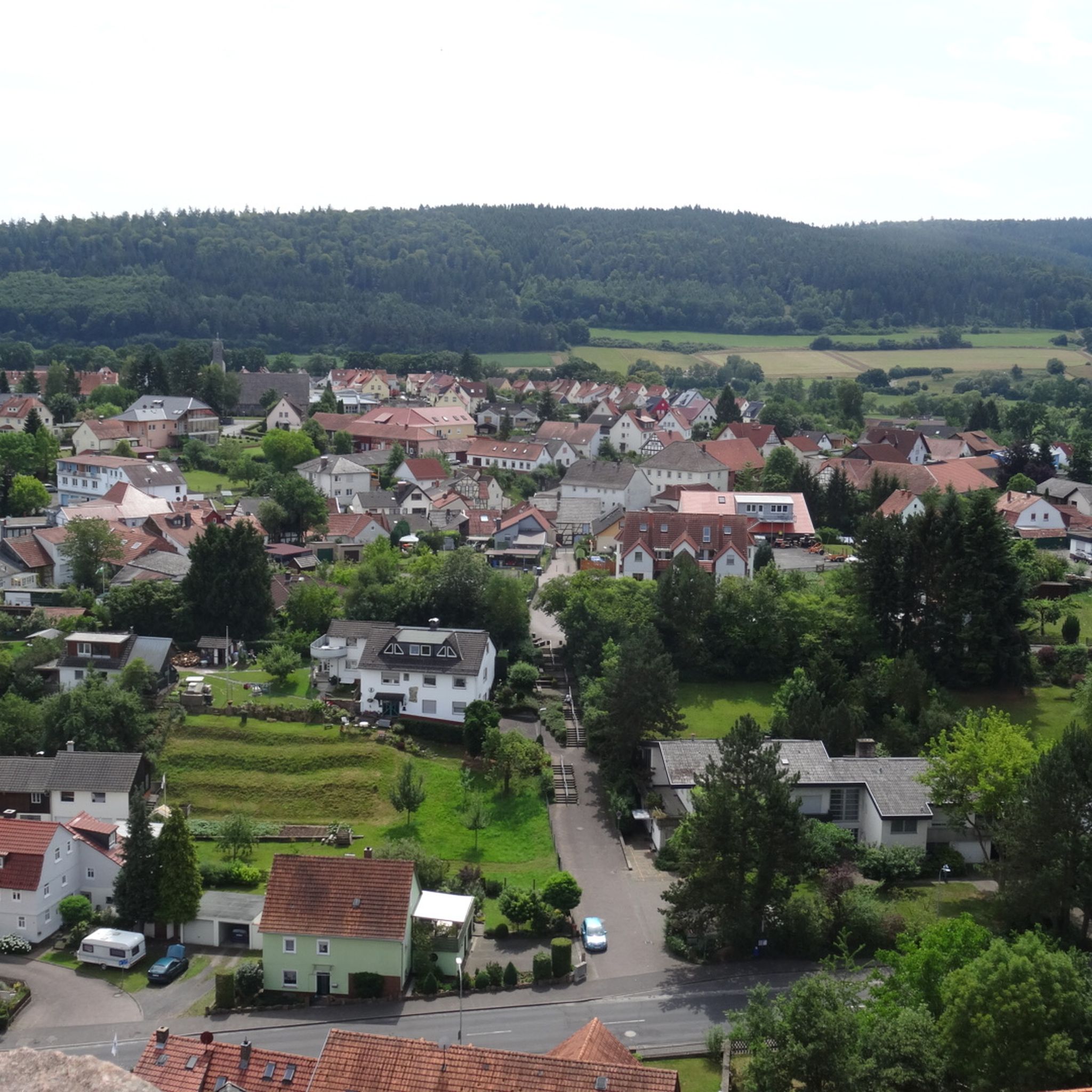
Hiking around Bad Salzschlirf
Cycling around Bad Salzschlirf
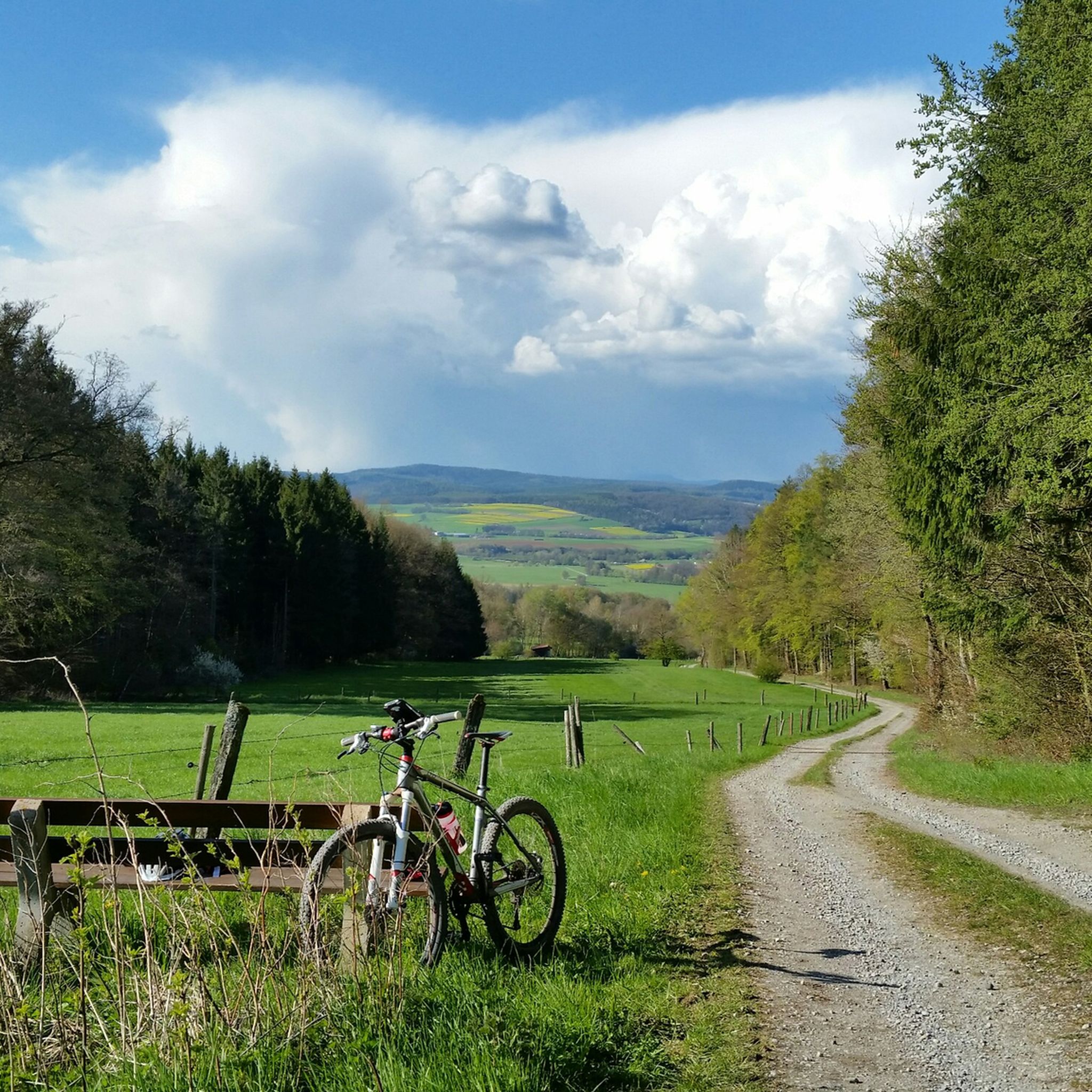
MTB Trails around Bad Salzschlirf
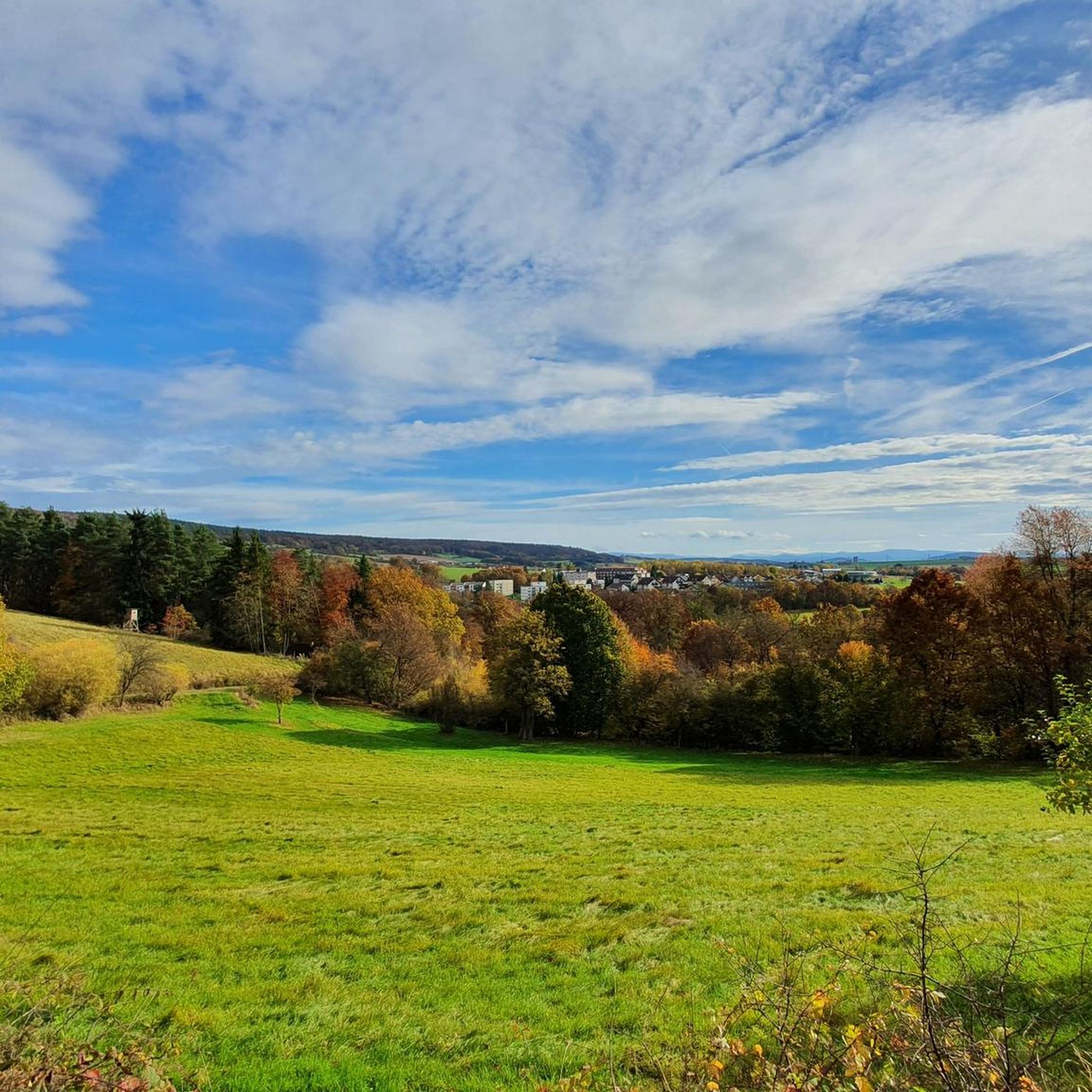
Running Trails around Bad Salzschlirf
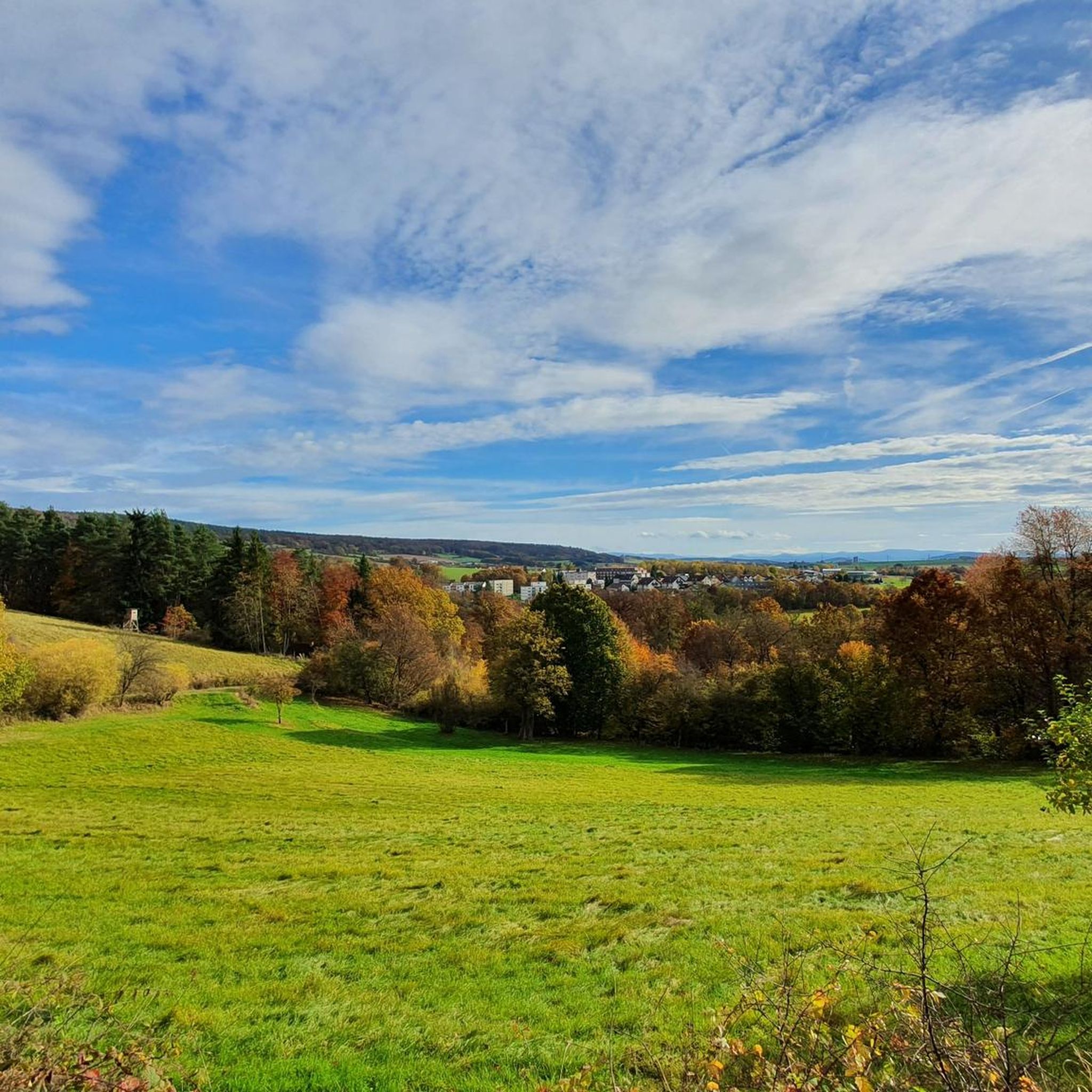
Road Cycling Routes around Bad Salzschlirf
Gravel biking around Bad Salzschlirf

Tips from the Community

During the planning and construction phase for the redevelopment of the site, archaeological investigations and excavations brought important parts of Großenlüder's history to light - a saltworks from the Early Modern period was rediscovered. The exposed findings belonged to a saltworks – a facility for extracting salt from salt-containing water. Furthermore, the soil contained ceramic vessels and fragments, as well as remnants of glass and iron objects, which provide an insight into the daily life of the saltworks. The findings were then incorporated into the planning, so that this Großenlüder history is visible on the site today. The result is an "oasis of history and recreation", which is always open to citizens and visitors. Source: https://www.grossenlueder.de/freizeit-tourismus/freizeit/oeffentliche-parkanlagen/historischer-naturpark-sodegarten/
0
0

The trees have grown so tall now that the beautiful view is almost completely obscured. What a shame!
0
0

Interesting
3
0

The Schlitz flows into the Fulda here in the Hutzdorf district at 218 m above sea level. The Schlitz is formed in Bad Salzschlirf by the confluence of the Lauter and the Altefeld at 238.7 m above sea level. At around 12 km long, the Schlitz is one of the shortest rivers in Germany.
3
0
Very close to the mouth there is a bench directly on the Fulda cycle path, from which you unfortunately cannot see the mouth because the grass is tall.
3
0

Before the park was created, there were gardens here for growing vegetables.
0
0
A legendary place that you should definitely visit. You will be rewarded with a wonderful view.
1
0

The tower is freely accessible at any time and offers a great all-round view of the entire surrounding area.
7
0
Frequently Asked Questions
What are some of the most unique natural monuments to explore around Bad Salzschlirf?
Beyond the well-known spots, you can discover unique natural monuments like the Sattelstein Rock Formation, known for its legend of the saddle stone and three horseshoe imprints. It also offers a great viewpoint on the Steinberg. Another special place is the Mariengrotte Bad Salzschlirf, a replica of the Lourdes Grotto, offering a peaceful retreat and views over the spa town.
Are there natural monuments with historical significance in the Bad Salzschlirf area?
Yes, several natural monuments in the region also hold historical importance. The Wartenberg Castle Ruins, for instance, is a historical site located in the geologically significant Lauterbacher Graben, offering panoramic views from its keep. The Sängersberg Summit Cross (494 m), the highest mountain in the municipality, features historical burial mounds.
Which natural monuments are suitable for families with children?
Many natural monuments around Bad Salzschlirf are family-friendly. The Wartenberg Castle Ruins and the Confluence of the Schlitz and Fulda Rivers are both categorized as family-friendly. The Sattelstein Rock Formation with its intriguing legend is also a great spot for families to explore.
What kind of natural features can I expect to see in the region?
The Bad Salzschlirf region is characterized by a diverse natural environment. You'll find dense forests, green meadows, and idyllic stream valleys. Notable features include river confluences like the Confluence of the Schlitz and Fulda Rivers, unique rock formations such as the Sattelstein Rock Formation, and prominent summits like the Sängersberg Summit Cross (494 m). The area is also part of the Rhön biosphere reserve, known for its unique flora and fauna.
Are there accessible natural monuments for visitors with mobility needs?
Yes, the St. George Park (Park and Memorial Site) in Grossenlüder is wheelchair accessible. This redesigned former cemetery offers a place to relax and commemorate, with features like a new fountain, a Bible garden, and a renovated chapel. Its access is suitable for the disabled and seniors.
What outdoor activities can I do near the natural monuments?
The area around Bad Salzschlirf offers a variety of outdoor activities. You can explore numerous hiking trails, including the 'Extratour "Tour de Natur": Bad Salzschlirf – Rhön', which is a moderate 11 km hike. There are also dedicated hiking routes, MTB trails, and running trails that lead through dense forests, over green meadows, and along idyllic streams like the Fulda and Lauter.
Can I find specific hiking routes that include natural monuments?
Absolutely. For instance, the 'Lourdes Grotto Bad Salzschlirf – View of Bad Salzschlirf loop' is a moderate 13.2 km hike that takes you past the Mariengrotte. You can find more detailed hiking routes and their difficulties on the hiking guide for Bad Salzschlirf.
What is the Rhön biosphere reserve and how is it connected to Bad Salzschlirf?
The Rhön is a renowned biosphere reserve recognized internationally for its unique flora and fauna, serving as an example of sustainable development. Bad Salzschlirf is embedded in the gentle hills of the Hessian Central Uplands, and the region is part of this significant biosphere reserve, offering visitors a chance to experience its protected natural beauty.
What do visitors particularly enjoy about the natural monuments in Bad Salzschlirf?
Visitors appreciate the combination of natural beauty and historical context. For example, the Wartenberg Castle Ruins are loved for their fantastic panoramic views from the keep and the synthesis of nature and man-made history. The Confluence of the Schlitz and Fulda Rivers is praised for its beautiful landscape and being an easy spot to relax by the bank.
Are there any cycling routes that pass by natural features in the area?
Yes, the Vulkanradweg (Volcano Cycle Path) is a highlight for nature enthusiasts. It follows a former railway line through a fascinating volcanic landscape, showcasing impressive basalt formations. This path offers interesting information panels about the region's geological features along the way. You can also find various MTB trails in the area.
What is the best time of year to visit the natural monuments around Bad Salzschlirf?
The region's diverse natural environment, with its dense forests and green meadows, makes it appealing throughout the warmer months. Spring and autumn offer particularly beautiful scenery with blooming flowers or vibrant foliage. While specific winter conditions are not detailed, the landscape can also be enjoyed during colder months, though some paths might be more challenging.
Most popular routes around Bad Salzschlirf
Most popular attractions around Bad Salzschlirf

Get inspired with the komoot mobile app


Explore more
Extend your search for the best caves by checking out these guides of the top ones around Bad Salzschlirf:
