Top 20 Natural Monuments in Friesland (District)
Best natural monuments in Friesland (District) are individual natural creations or areas up to five hectares, designated for their scientific, natural historical, or regional significance. The Landkreis Friesland, located on the East Frisian peninsula, features diverse landscapes including extensive forested areas, wetlands, and coastal views. These monuments are protected for their rarity, age, beauty, or scientific interest, contributing to the region's natural heritage. Visitors can explore a variety of natural formations and ancient trees within this area.
Best natural monuments…
Last updated: August 16, 2026
Eis-Mann-Frau (Stone Snowman Sculpture) at Varel Harbor Lock
Highlight • Monument
Translated by Google •
Tip by

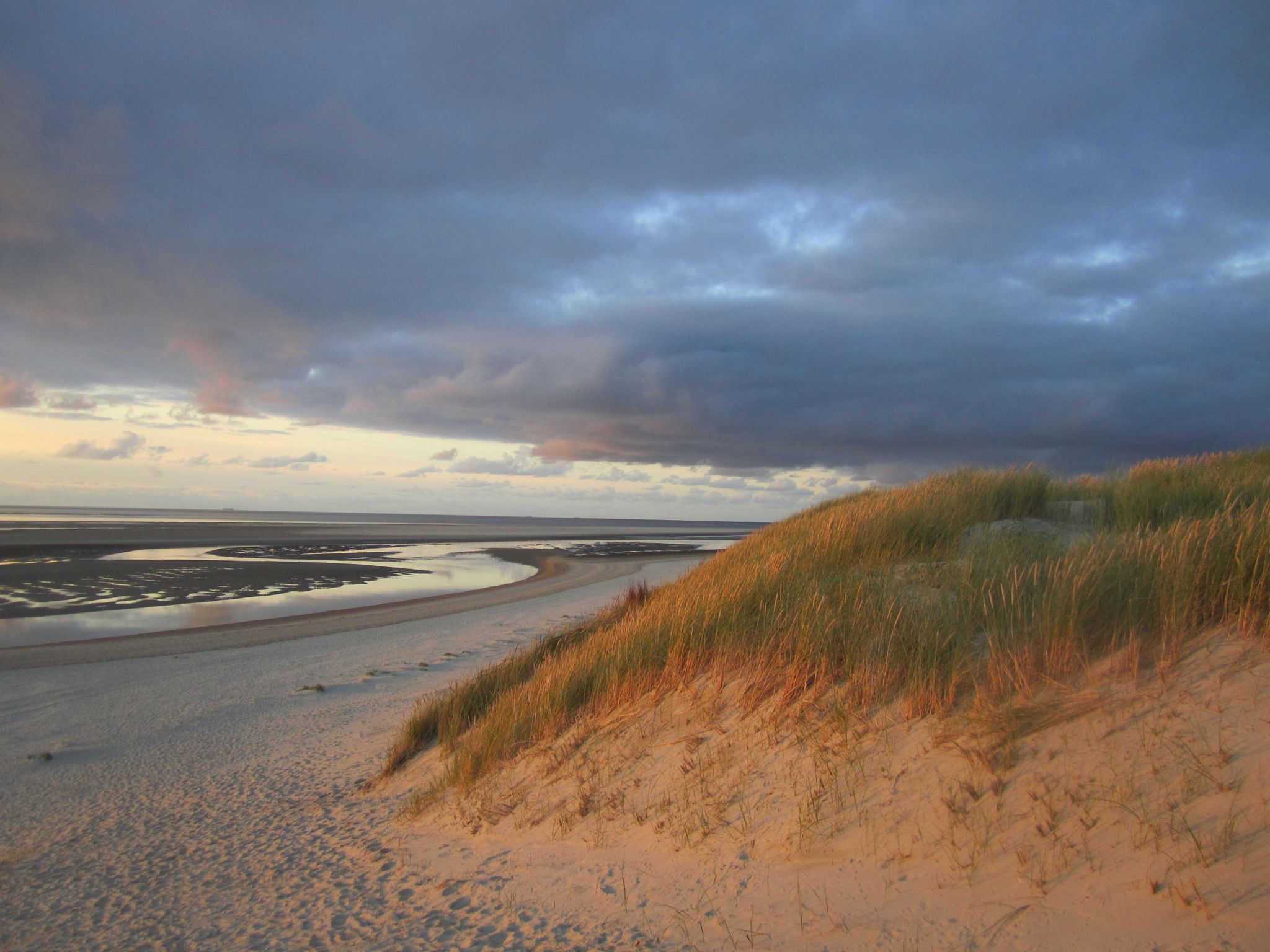
View of the Jade Bight
Highlight • Viewpoint
Translated by Google •
Tip by

Sign up now to discover places like this
Get recommendations on the best single tracks, peaks, & plenty of other exciting outdoor places.
Sign up for free
Hunting lodge in the Neuenburg Primeval Forest
Highlight • Mountain Hut
Opposite the …
Translated by Google •
Tip by

Douglas fir avenue Upjever and swamp moor Dose
Highlight • Forest
Translated by Google •
Tip by

Neuenburg Primeval Forest
Highlight • Forest
Translated by Google •
Tip by

Entrance to the Neuenburger Urwald (Zetel)
Highlight • Forest
Translated by Google •
Tip by
Krickmeere Wetlands Restoration
Highlight • Natural Monument
Translated by Google •
Tip by

Rest Area I/32, Wadden Sea National Park Wangerooge
Highlight • Natural
Translated by Google •
Tip by

Varel City Forest
Highlight • Forest
Translated by Google •
Tip by
Friesendom Memorial in Dangast
Highlight • Monument
Old Church (Pellworm), see also the organ of the Old Church
St. John's (Nieblum)
and the memorial of the same name in Dangast by Eckart Grenzer
Translated by Google •
Tip by

Sign up for free to discover even more natural monuments in Friesland (District).
Sign up for free
Already have an account?
Start today with a free account
Your next adventure awaits.
Login or Signup
Popular around Landkreis Friesland
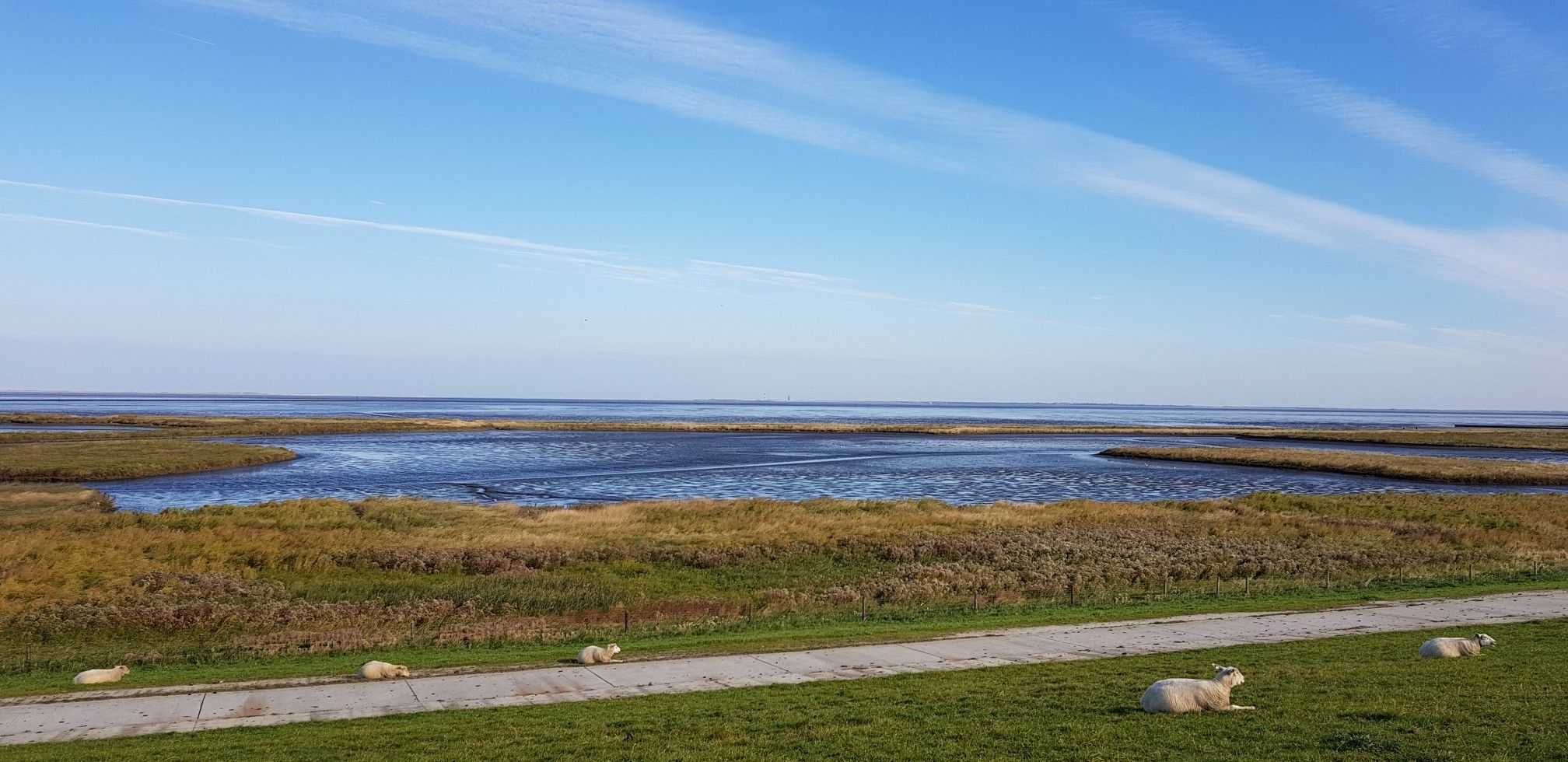
Tour de Fries in Germany — Friesland's most beautiful sides
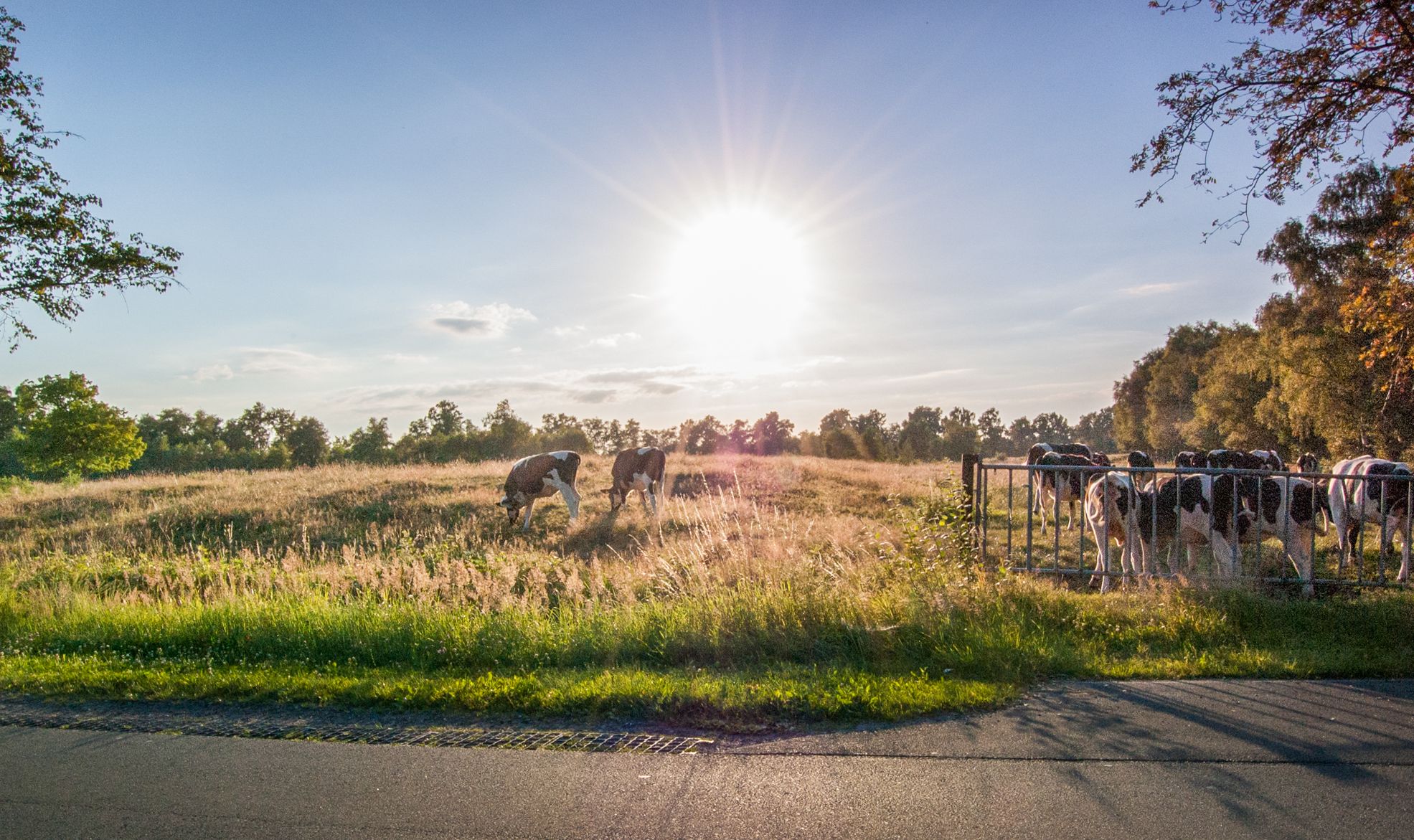
The Jade Trail in Ammerland – Hiking in Northern Germany
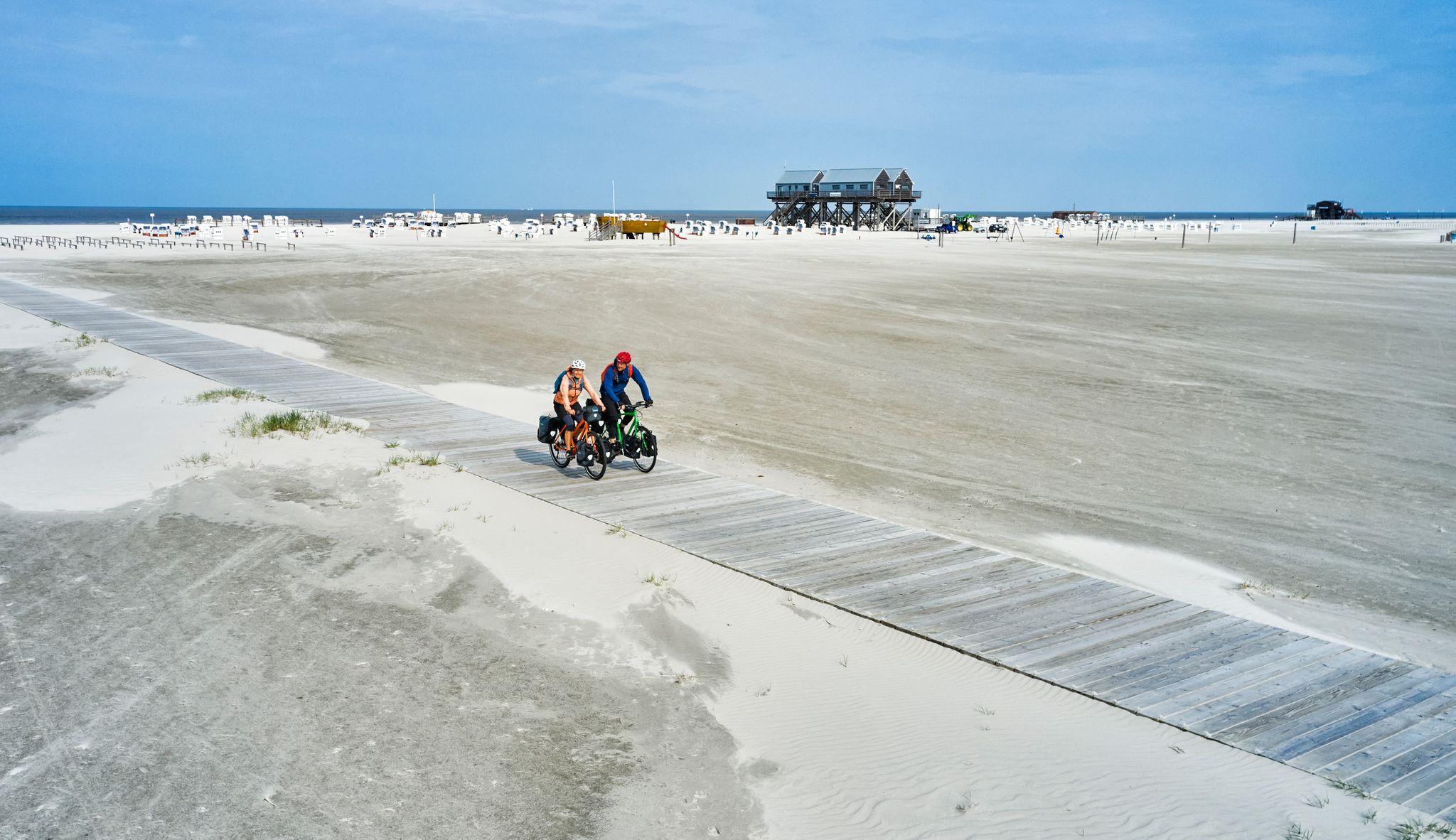
Nine hundred kilometres of pure freedom – North Sea Cycle Route
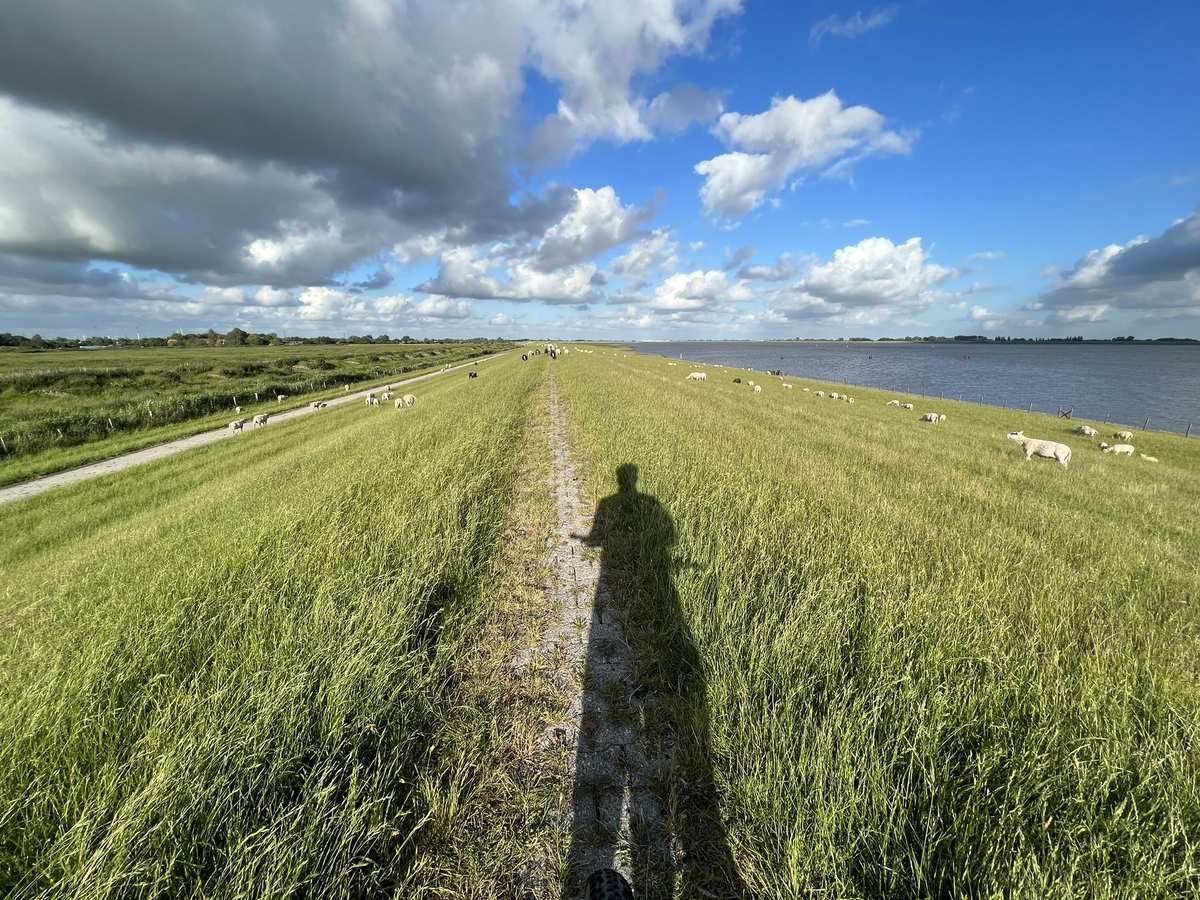
Cycling through East Frisia in Germany – Frisian Army Trail
For real coastal lovers — long-distance hiking on Germany’s Störtebeker Trail
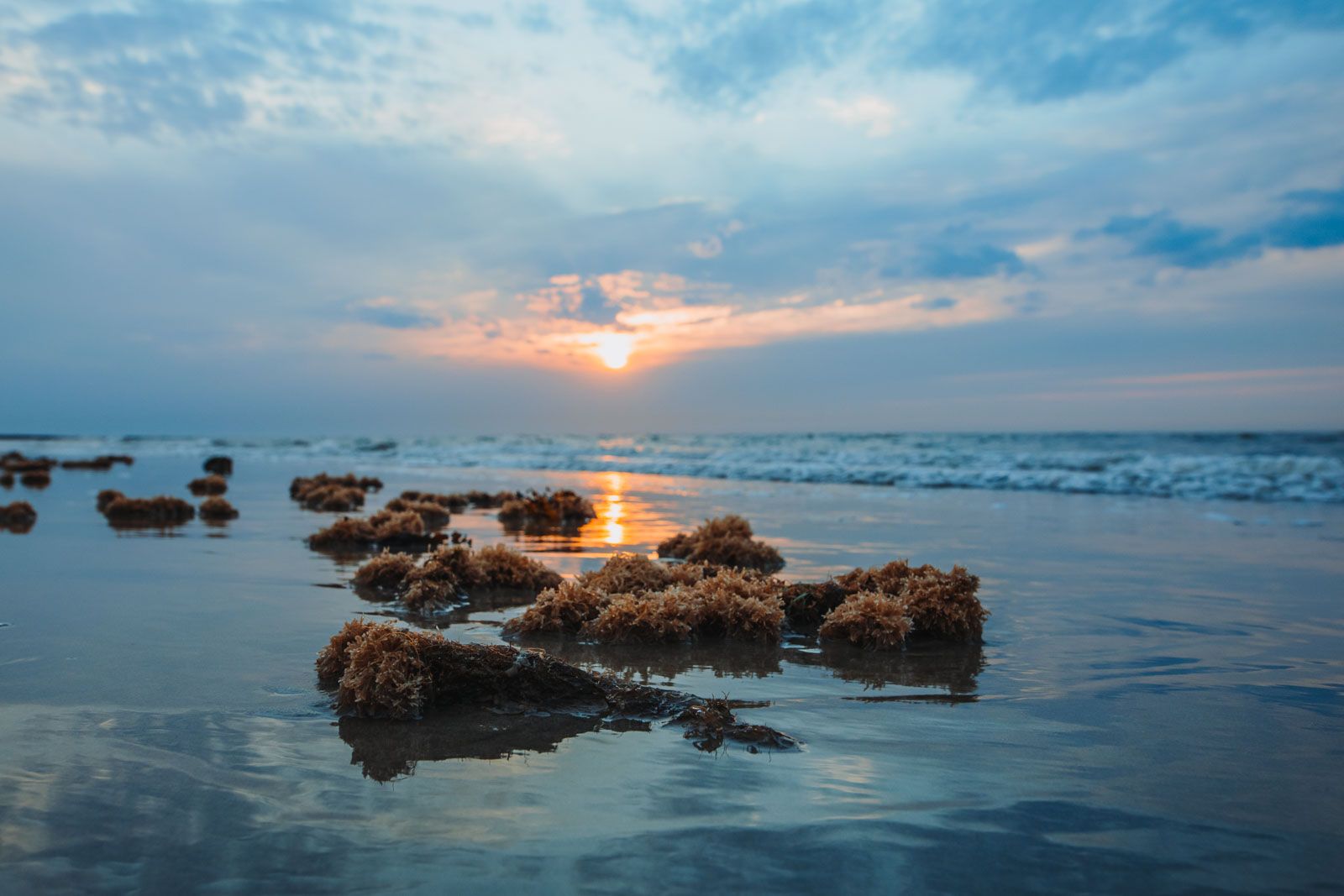
Sand between your toes — hiking on Germany’s East Frisian Islands
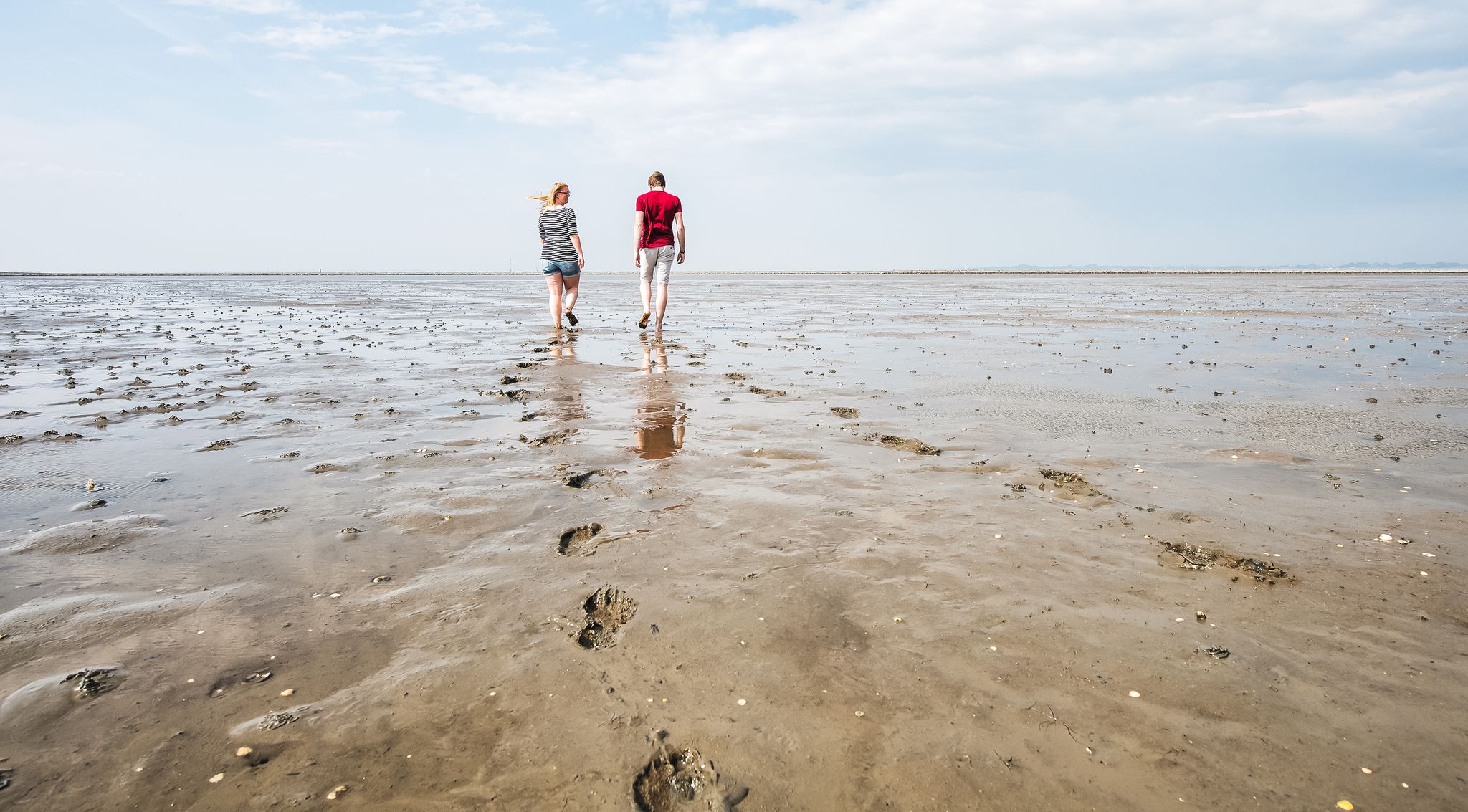
Hiking on the seabed of the North Sea year round
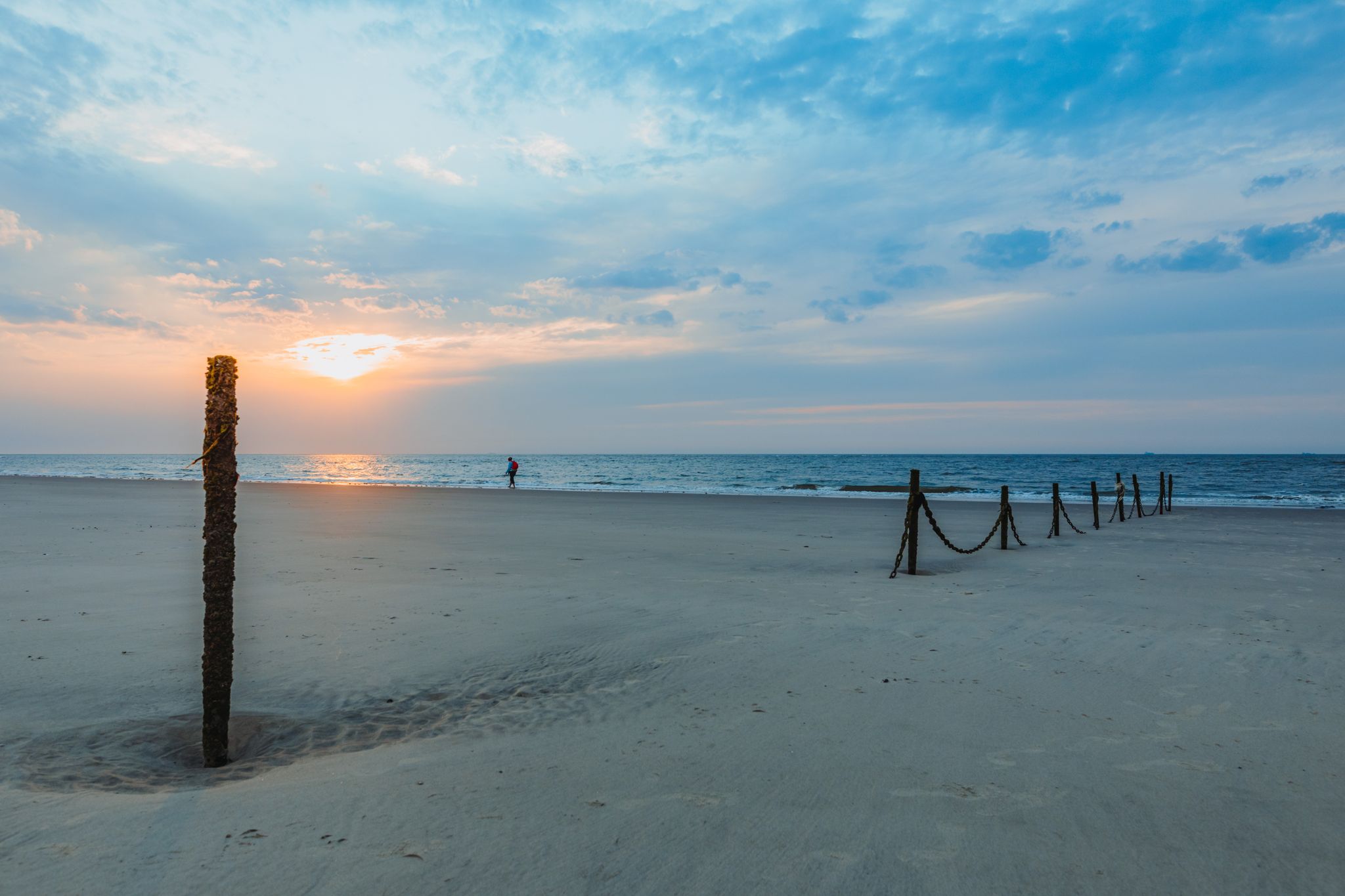
D-Route 1: North Sea Coast Route
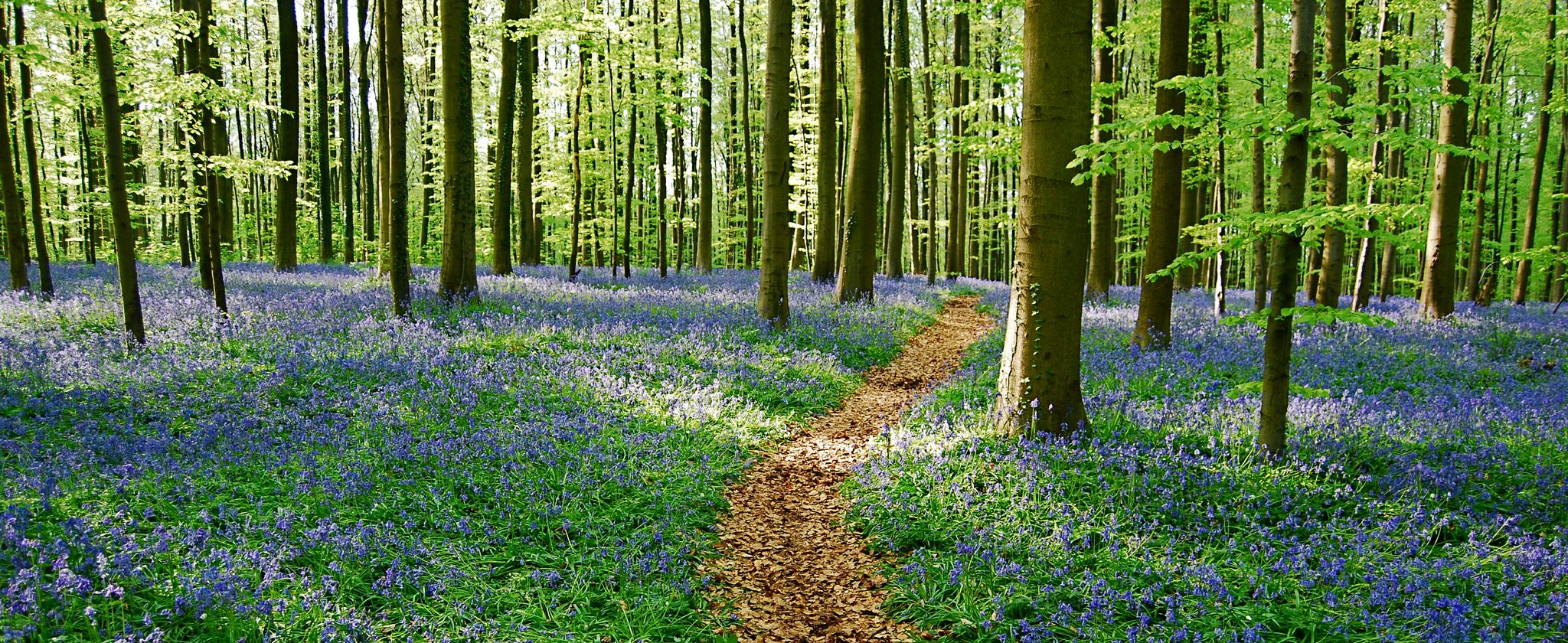
Little adventures for the whole family
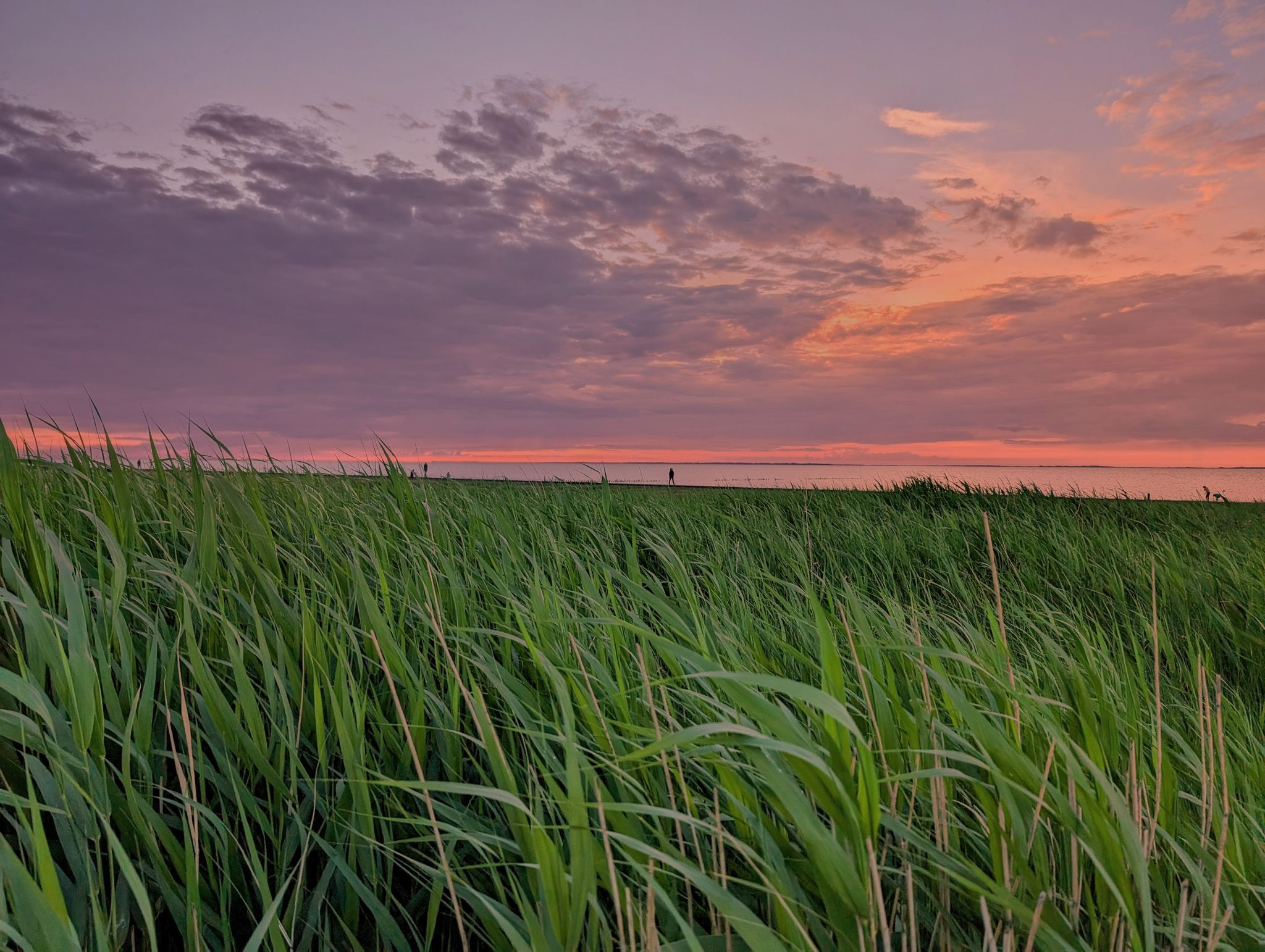
Fahrradtouren im Nordseeheilbad Carolinensiel-Harlesiel & umzu
Other adventures in Friesland (District)


Tips from the Community

Very beautiful forest. It's really fun to ride through the forest. I can only recommend it 👍
0
0

The I/32 quiet zone on Wangerooge is a specially protected area within the Lower Saxony Wadden Sea National Park. The strictest regulations apply here to protect sensitive habitats and nesting birds. The quiet zone may be entered all year round exclusively on the designated, approved paths. Leaving the paths is strictly forbidden to protect nature. In the entire National Park, including the quiet zones, dogs must always be kept on a leash. Actions that cause noise or disturb wildlife in their natural behavior are not permitted.
0
0

The "Frisian Cathedral" is a sculpture commemorating the victims of past storm surges and a memorial to the constant threat to our coast from the sea. Its floor plan forms a cross aligned with the four cardinal directions (cloister). The bronze bell (The Frisian Woman) in the center begins to ring during hurricane-force winds, warning people of the storm and the sea—as it has done for centuries. More information: https://www.eckartgrenzer.de/2004/der-friesendom-in-dangast/
4
0

It's great here and the birds are cute.
4
0

Ice-Man-Woman -2003 Ice-Man-Woman -Location: Varel-Hafen-Schleuse -Sculpture made of three interlocking boulders -Height: 8 meters, standing on a mound -Weight: approx. 25 tons -Other material: nose, eyes, mouth made of bronze, hat made of aluminum (Source: https://www.eckartgrenzer.de/2003/eis-mann-frau/)
8
0
Ice Man Woman Topic: The Flood (Genesis 7) The ice ages were, as the Brockhaus of 1889 put it, the floods of the north. The end of the last ice age was about 10,000 years ago. The ice masses retreated from the North German lowlands and left behind boulders, stone descendants of the granite masses of Scandinavia, which were once used by our ancestors for ritual or cultic purposes. The granite sculpture at the lock to the Jade Bay, the ice man woman, looks over the dike to the north, to the place of her origins, her homeland. Standing tall between the sea and inland waters - waters that represent the two rivers of the Bible, the Euphrates and the Tigris. So He-She is both a symbol of the flood of the north and its end. Children in particular enjoy discovering a snowman, especially in summer. But how long – considering the increasing global warming – will they be able to build snowmen and snowwomen? In this respect, the sculpture is also a memorial. The snowman is dedicated to my disabled daughter Tina, who often visits him and who enjoys it. May he bring joy to all people, disabled and non-disabled alike. (Source: https://www.eckartgrenzer.de/2003/eis-mann-frau/)
8
0

You can read useful and interesting information here.
0
1
Very nice paths. The direct route through the forest is the shorter connecting route to some of the nearby villages.
3
0
Frequently Asked Questions
Are there natural monuments in Landkreis Friesland suitable for families?
Yes, several natural monuments in Landkreis Friesland are family-friendly. For instance, the Douglas fir avenue Upjever and swamp moor Dose offers nice bike paths through the forest, perfect for a family outing. The Hunting lodge in the Neuenburg Primeval Forest serves as a resting place amidst many hiking and cycling trails, and the Eis-Mann-Frau (Stone Snowman Sculpture) at Varel Harbor Lock is considered a beautiful and worthwhile visit for all ages.
What kind of historical or cultural significance do the natural monuments in Landkreis Friesland hold?
Many natural monuments in the region have historical or cultural ties. The Hexeneiche (Witch's Oak) in Zetel, for example, is not only an ancient tree but is also associated with legends and mysterious stories, enhanced by a listening station nearby. The historic Upjeverschen Forst, part of the Douglas fir avenue Upjever and swamp moor Dose, was established in the 16th century. Additionally, the Hunting lodge in the Neuenburg Primeval Forest is a historical site, and the Friesendom Memorial in Dangast is a significant man-made monument with historical context.
Are there any accessible natural monuments for visitors with mobility considerations?
Yes, some natural monuments in Landkreis Friesland offer good accessibility. The Eis-Mann-Frau (Stone Snowman Sculpture) at Varel Harbor Lock and the Friesendom Memorial in Dangast are both categorized as wheelchair accessible. While individual trees like the Hexeneiche are publicly accessible, it's always advisable to check specific conditions for trails leading to them.
What types of natural features can I expect to see among the natural monuments?
Landkreis Friesland's natural monuments showcase a variety of features. You can find ancient, protected trees like the Hexeneiche in Zetel, the Bismarckeiche in Wangerland, and the Edelkastanie and Linde in Varel. Geological formations include erratics such as the Großer Stein in Bockhorn. Forest ecosystems like the Douglas fir avenue Upjever and swamp moor Dose and the Neuenburger Holz (where you can find a Fallen Tree Trunk) are also prominent, offering diverse habitats and landscapes.
What outdoor activities can I do near the natural monuments in Landkreis Friesland?
The region offers various outdoor activities. Near many natural monuments, you can find extensive hiking and cycling paths, especially within forested areas like the Upjeverschen Forst. For more structured activities, you can explore cycling routes such as the 'View of the Wadden Sea – View of Wangerooge loop from Schillig' or mountain biking trails like 'Hooksiel Lock – Schillig Beach loop from Hooksiel'. You can find more details on these and other routes in the Cycling in Friesland (District) and MTB Trails in Friesland (District) guides.
Are there specific viewpoints or scenic spots among the natural monuments?
Yes, the region offers several scenic viewpoints. The View of the Jade Bight provides expansive views over the Wadden Sea. The Zeteler Tief also offers a pleasant viewpoint, often near forested areas. Additionally, the Friesendom Memorial in Dangast offers a viewpoint with historical context.
What do visitors enjoy most about the natural monuments in Landkreis Friesland?
Visitors frequently appreciate the tranquility and natural beauty of the area. Many enjoy the well-maintained paths for cycling and hiking, especially through forests like Upjever. The unique character of individual monuments, such as the ancient Hexeneiche with its legends or the impressive Eis-Mann-Frau (Stone Snowman Sculpture), also receives positive feedback. The opportunity for quiet reflection and connecting with nature is a common theme.
Can I find information about wetlands or nature reserves among the natural monuments?
Absolutely. The Douglas fir avenue Upjever and swamp moor Dose encompasses the Sumpfmoor Dose, a protected nature reserve with diverse biotope types, including moor forests and wet grasslands. The Krickmeere Wetlands Restoration site also provides information boards about recultivation efforts, highlighting the region's commitment to preserving its wetland ecosystems.
Are there any unique geological formations protected as natural monuments?
Yes, the region protects several unique geological formations. The Großer Stein in Bockhorn is a notable 'Findling' (erratic boulder), valued for its natural history as a remnant of glacial periods. Other erratics in Bockhorn, such as '6 Einfahrtsteine' and '2 Steine', also hold natural monument status, showcasing the geological heritage of the area.
What kind of trees are protected as natural monuments in the region?
Landkreis Friesland protects several impressive tree species as natural monuments. These include the ancient Hexeneiche (Witch's Oak) in Zetel, known for its gnarled appearance and age, and the Bismarckeiche (Bismarck Oak) in Wangerland, a significant ancient oak. Additionally, an Edelkastanie (Sweet Chestnut) and a Linde (Lime Tree) in Varel are protected for their ecological and aesthetic value, often reaching great ages.
Is there a good time of year to visit the natural monuments in Landkreis Friesland?
The natural monuments can be enjoyed year-round, but each season offers a different experience. Spring and summer are ideal for hiking and cycling through the forests and wetlands, with lush greenery and active wildlife. Autumn brings vibrant colors to the deciduous trees like the Hexeneiche and Bismarckeiche. Even in winter, the quiet landscapes and ancient trees offer a serene experience, though some facilities might have reduced hours.
Most popular routes in Friesland (District)
Most popular attractions in Friesland (District)

Get inspired with the komoot mobile app


Didn’t find what you were looking for?
Find even more amazing natural monuments in Friesland (District) by checking out the top Highlights region by region:
Explore more
Extend your search for the best caves by checking out these guides of the top ones in Friesland (District):
