Top 20 Natural Monuments around Wörthersee
Natural monuments around Wörthersee offer diverse natural beauty in Carinthia, Austria. The region, situated between the Alps and the Adriatic, features clear turquoise waters, rolling hills, and lush forests. These natural landmarks include glacial formations, ancient lakes, and dramatic gorges. The area provides opportunities for exploring unique geological features and serene landscapes.
Best natural monuments around Wörthersee
- The most popular natural monuments is Pyramidenkogel Observation Tower, a viewpoint that offers panoramic views over Lake Wörthersee, Keutschacher See, and the…
Last updated: July 7, 2026
Pyramidenkogel Observation Tower
Highlight • Viewpoint
Translated by Google •
Tip by

Lake Wörthersee
Highlight • Lake
Translated by Google •
Tip by

Sign up now to discover places like this
Get recommendations on the best single tracks, peaks, & plenty of other exciting outdoor places.
Sign up for free
Oberer Spintikteich
Highlight • Lake
Translated by Google •
Tip by

Kathreinkogel Archaeological Site and Church
Highlight • Historical Site
Translated by Google •
Tip by

Saissersee
Highlight • Lake
Translated by Google •
Tip by

Sign up for free to discover even more natural monuments around Wörthersee.
Sign up for free
Already have an account?
Start today with a free account
Your next adventure awaits.
Login or Signup
Popular around Wörthersee
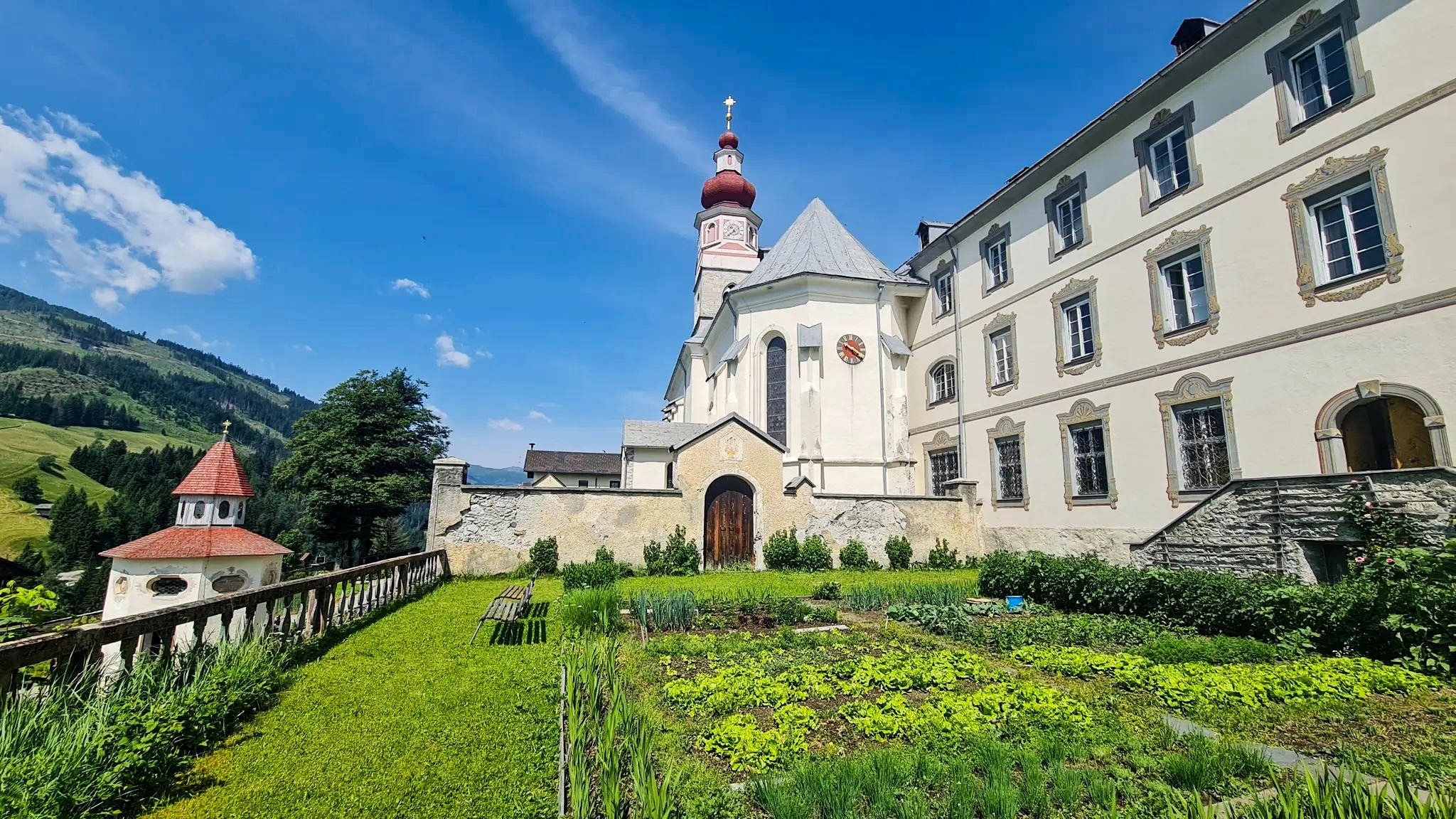
Carinthian Marian Pilgrimage Way – Wonder and find yourself
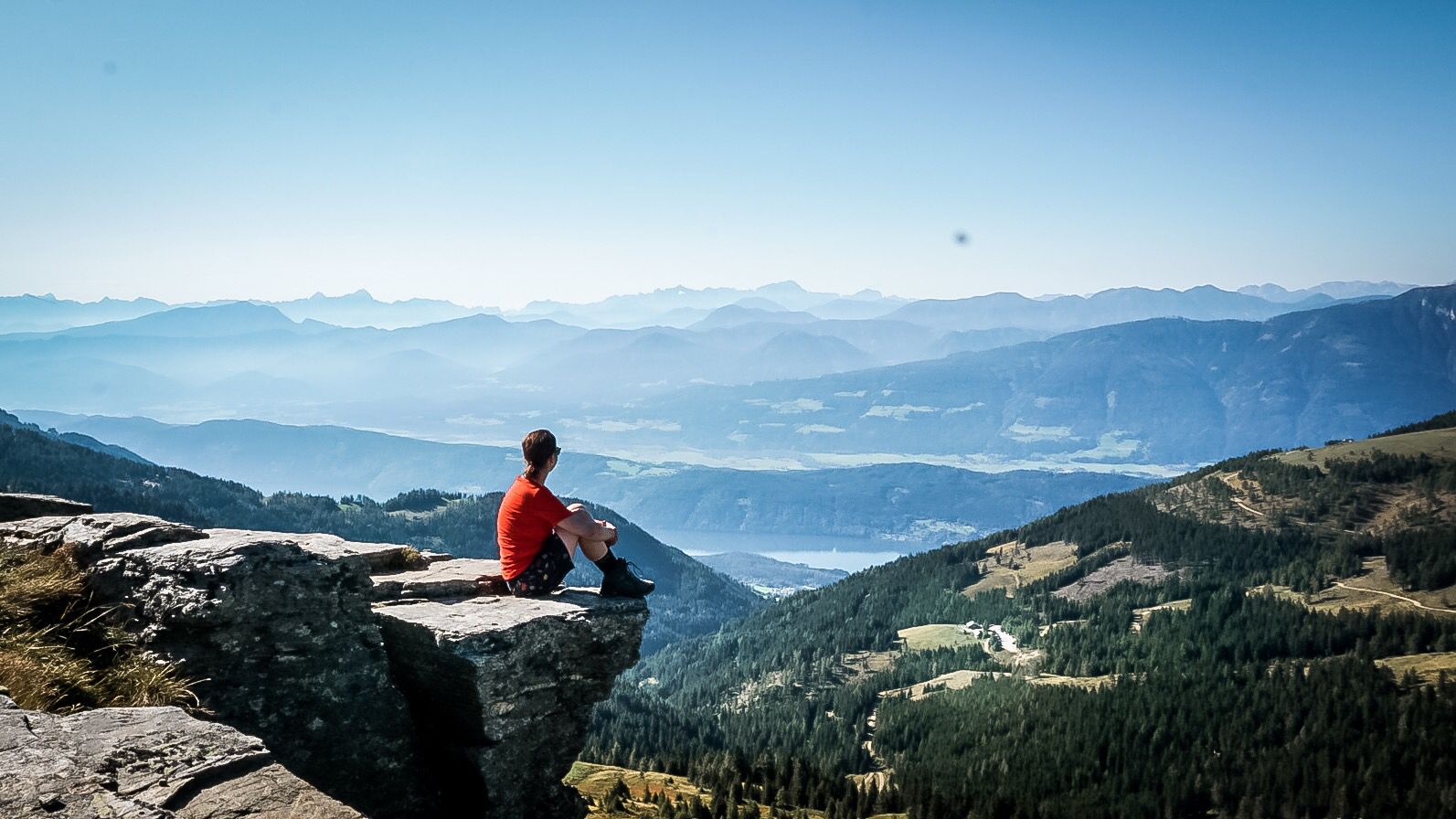
Alpe-Adria-Trail: My long-distance hike from the glacier to the sea
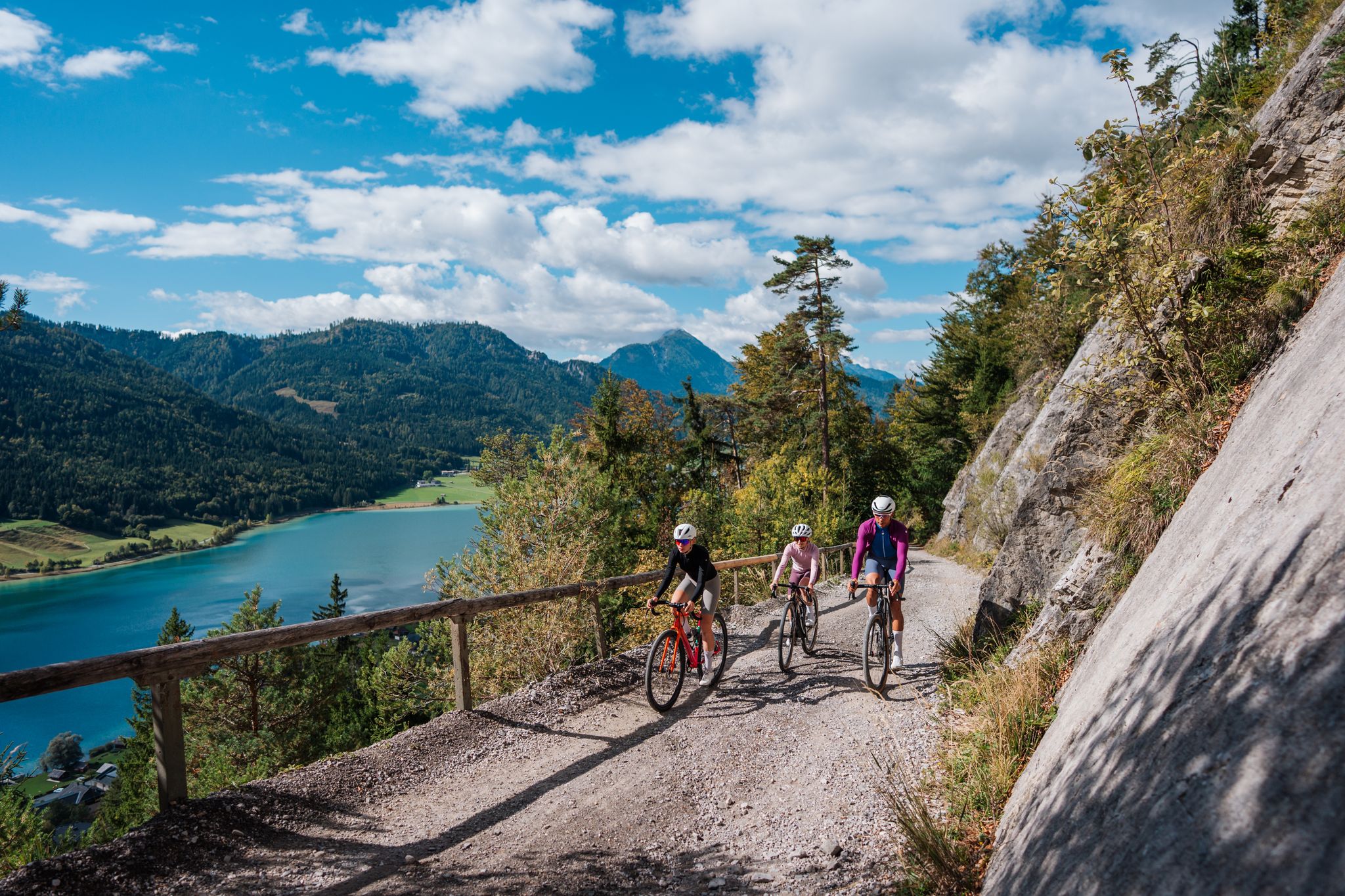
Gravel Carinthia
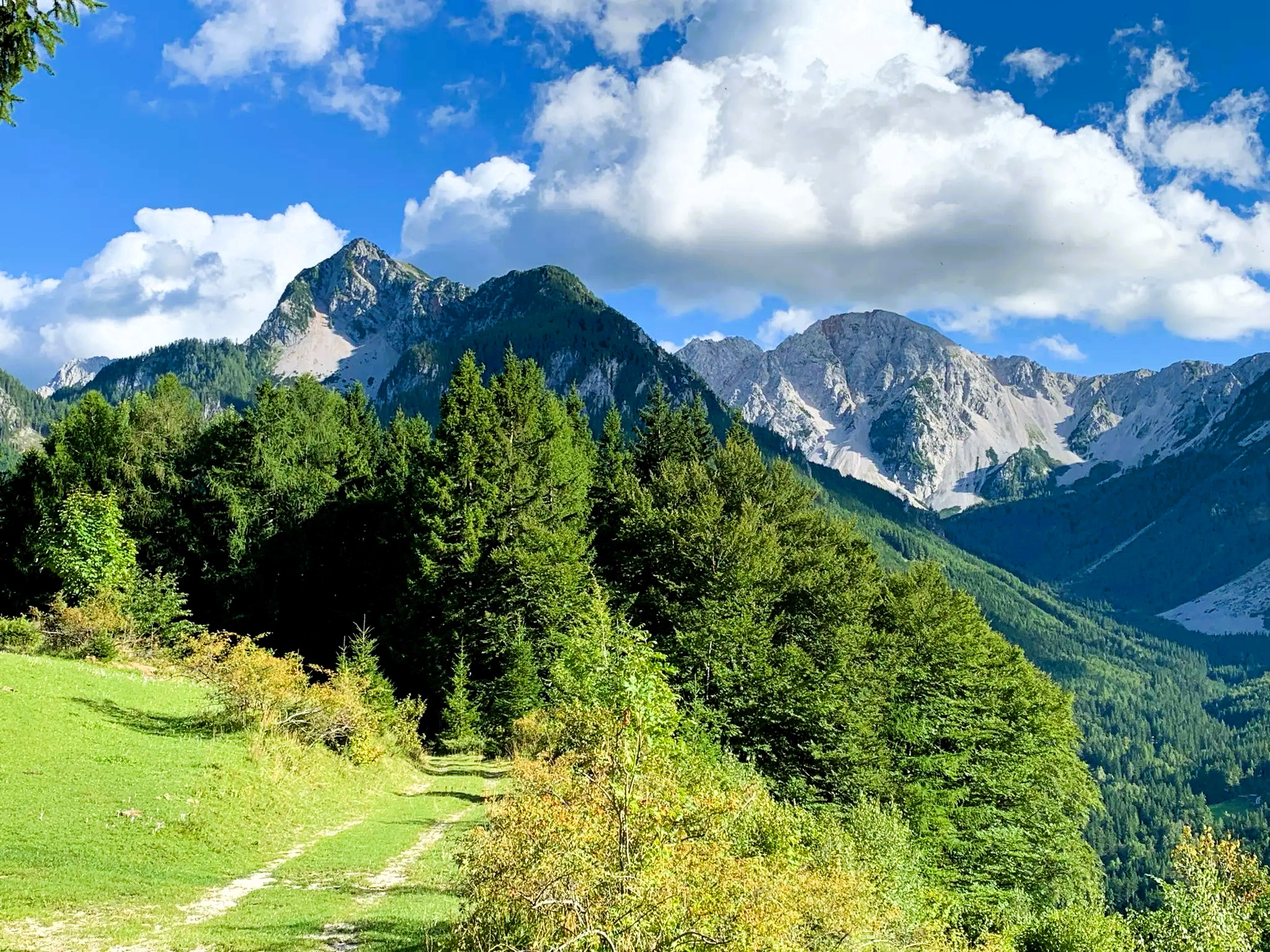
Hiking at Wörthersee – varied trails between lakes and peaks
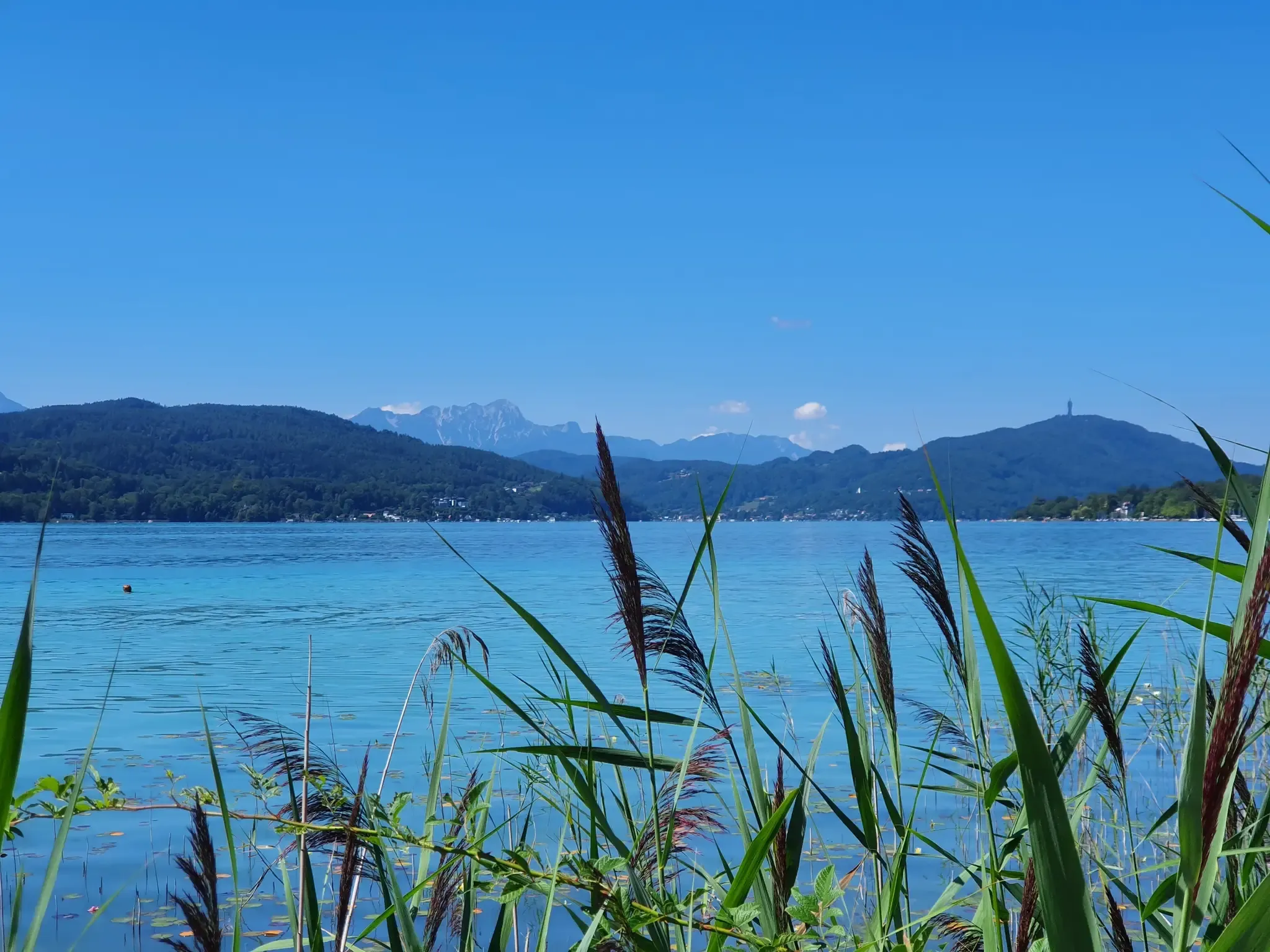
Dreamy rides around Wörthersee for leisure cyclists and gravel enthusiasts
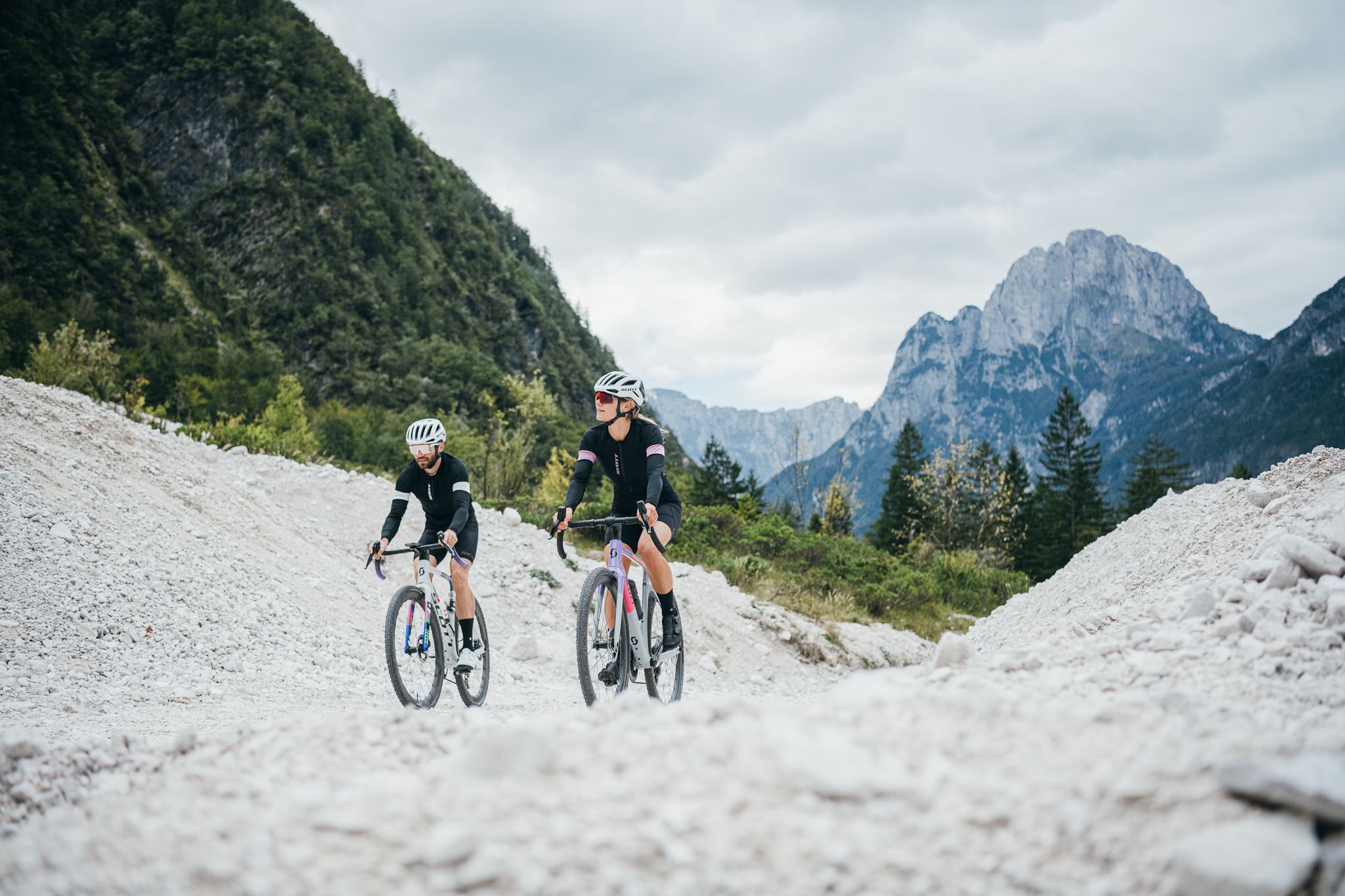
Cross-border riding fun with the W-Gravel Open Routes
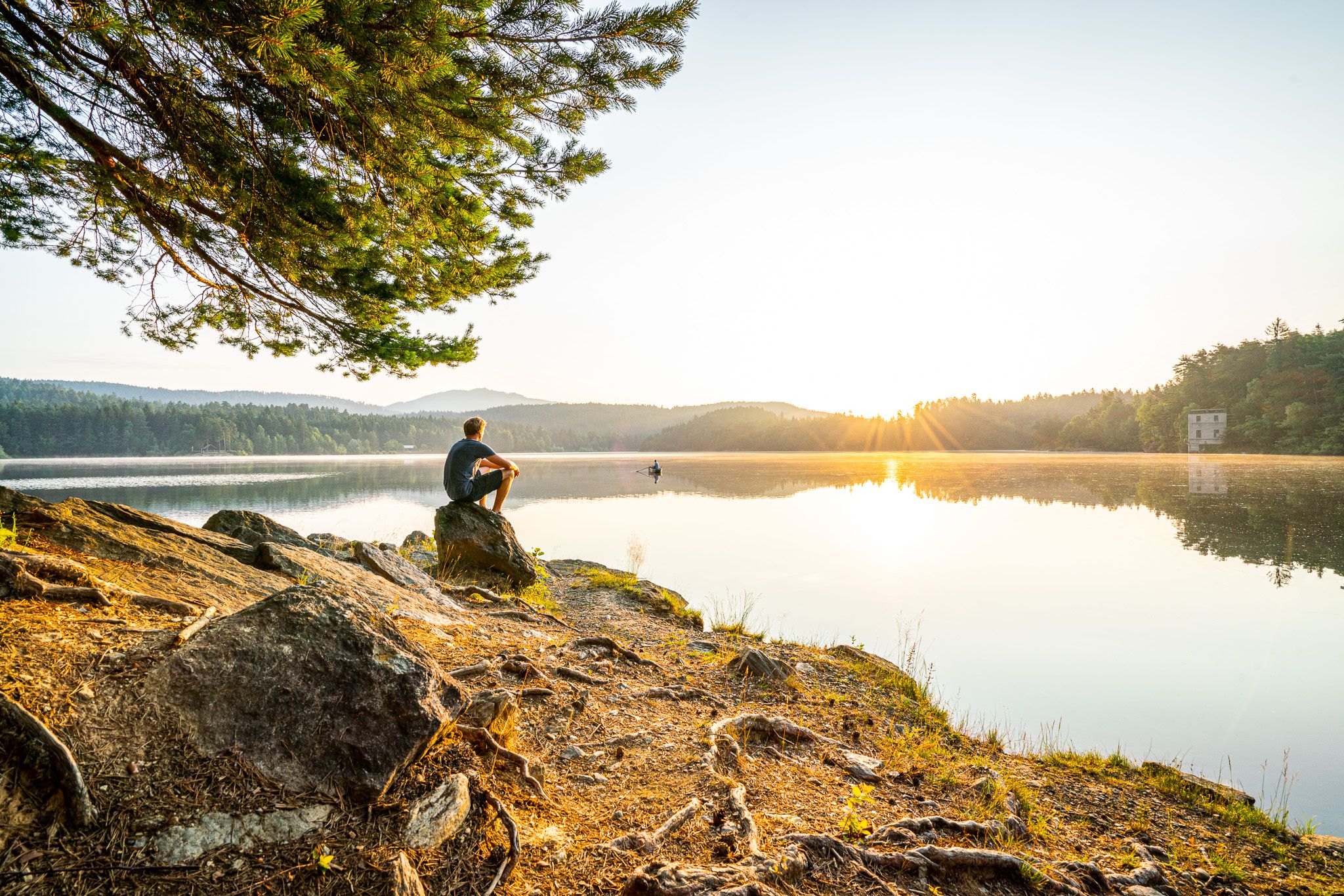
Experience Wörthersee – hiking with views of turquoise-blue
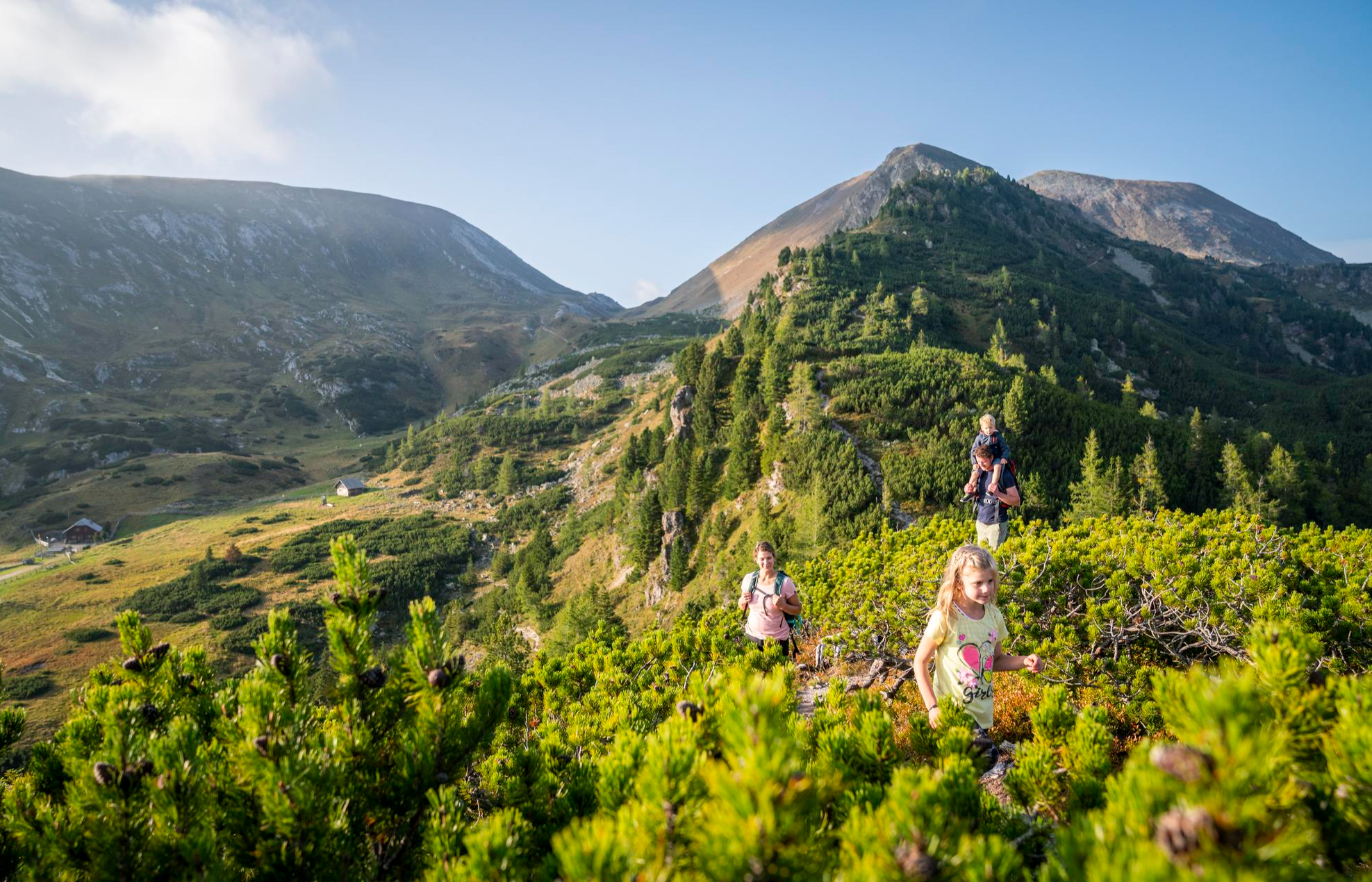
Joyous adventures experienced together – family hiking in Carinthia
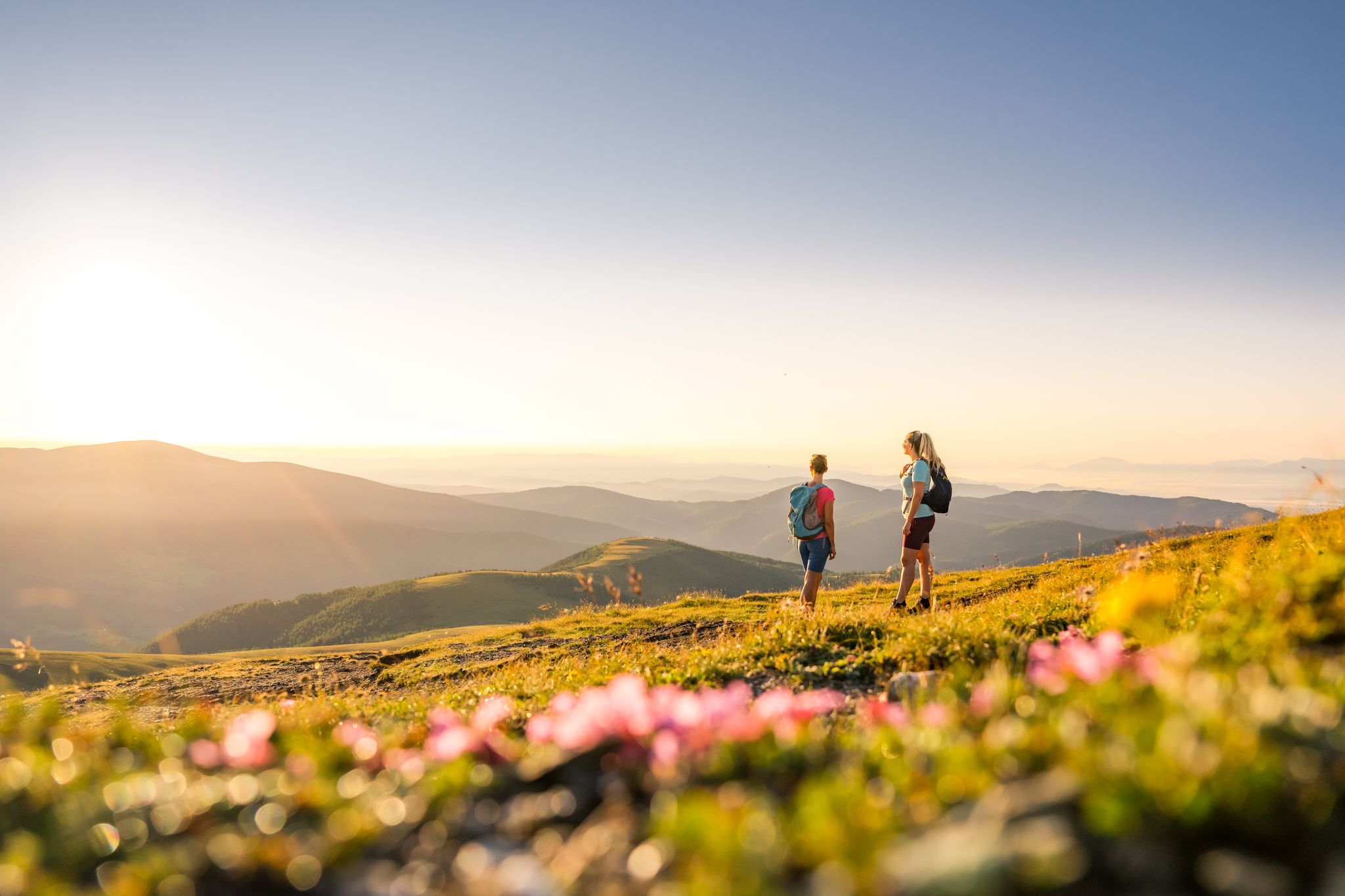
Spectacular and historic – long-distance hiking in Carinthia
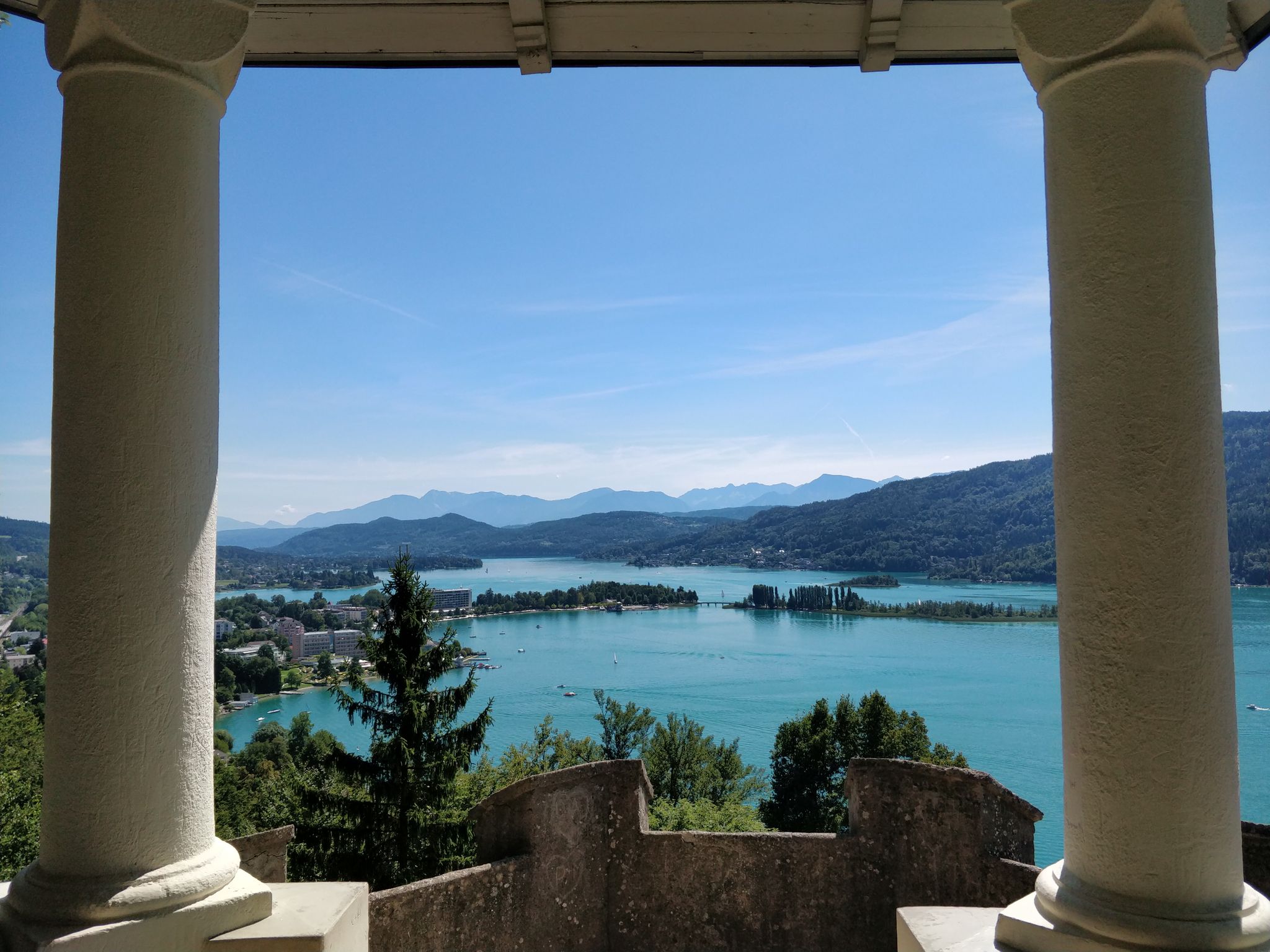
Circular hike with Mediterranean flair at Lake Wörthersee
Other adventures around Wörthersee


Tips from the Community

…a mostly well-developed cycle path leads around the Wörthersee, only on the south bank are there still gaps! 🚴♂️
3
0

This beautifully situated and popular bathing pond is located south of Lake Wörthersee.
2
0

It lies there quietly, almost too quiet for a summer day. The Upper Spintik Pond, this artificially created body of water south of Lake Wörthersee, makes no noise – and that's precisely why you remember it. No sign that shouts, no hustle and bustle that intrudes. Instead: reflections in the calm, like inked watercolors of a landscape. A place where the word "romantic" doesn't sound kitsch, but rather of moss, patches of light, and a dip in warm water that shines like liquid green. Busloads rarely stray here. Instead: a narrow path shaded by old trees, a bench with a view that's almost too beautiful to just sit on. And if you dare – over there by the tree with the supporting branches and the rope – you can jump into the water like you did in your childhood. Without a lifeguard, but with plenty of happiness in your stomach. It's places like this that remind us that nature doesn't have to be staged to be effective. That peace is not the absence of noise, but the re-hearing of one's own. The Spintik Pond is not a postcard image—and that's precisely why you'd rather not recommend it to others. Instead, you'd rather keep it. As a secret. For later.
5
0

On the Kathreinkogel, huts of various dimensions were found wherever natural depressions in the steep slopes provided absolute protection from the wind. A remarkable farm site dating to the 12th/11th century BC was uncovered on a western slope terrace. The most important find is a prehistoric vertical loom.
0
0
Opening Hours of the House of Archaeology Mid-June to September 30th, 10:00 a.m. to 4:00 p.m. (Closed in rainy weather - the information board at the Kreuzwirt parking lot indicates whether the museum is open). The complex (e.g., the fort with its early Christian church, the burial ground to the southwest) is open to visitors at all times. Information is available at +49 4274 2275-22. Velden/Schiefling/Rosegg Historical Society Chairwoman: Dr. Renate Jernej
0
0

A quiet lake with an undeveloped lakeshore, a place to recharge your batteries.
0
0

As idyllic as Carinthia's largest lake appears to the viewer from the slight hill, allowing one to enjoy the scenery, its origins are linked to a legend – one with a fatal outcome for the people of that time. A wealthy town is said to have once stood on the site of today's lake, but its inhabitants probably enjoyed a rather dissolute life. According to the story, the Wörthersee Mandl appeared to the wildly revelers – one version of the story places the event on Christmas Eve – as a warning. But since they refused to convert, the Wörthersee Mandl opened a small barrel he had brought with him, from which endless, unstoppable masses of water flowed – creating today's Wörthersee and swallowing the then town.
2
0

For everyone who is traveling in Carinthia for a few days, get the Carinthia Card in this kind of travel agency!!!! You will then save a lot of money on many activities !!!! 👍🙃👊. Greetings to the community 😘
2
0
Frequently Asked Questions
What unique natural features can I explore around Wörthersee?
The Wörthersee region offers a variety of unique natural features. You can visit the Lake Wörthersee itself, known for its clear, turquoise waters and glacial origins. Explore the mysterious Meerauge Bodental, a turquoise lake fed by an underground spring, or witness the geological marvel of the Eisloch, where ice can be seen even in summer. The dramatic Tscheppaschlucht Gorge in Ferlach also offers impressive rock formations and waterfalls.
Are there any hidden natural gems or less-known spots worth visiting?
Beyond the well-known attractions, the Wörthersee region holds some quieter natural gems. The Oberer Spintikteich is an artificially created, warm moor lake south of Lake Wörthersee, offering romantic bathing bays and a tranquil atmosphere. Another peaceful spot is the Saissersee (also known as Jeserzer See), a private moor lake perfect for a refreshing dip and quiet walks.
What kind of wildlife can be observed near the natural monuments?
The Wörthersee region is home to diverse wildlife, especially around its natural monuments. The eastern shores of Lake Wörthersee are part of a Natura 2000 nature reserve, providing an important habitat for various species. Notably, moor frogs exhibit a unique blue coloration during their mating season in spring, making it a special time for wildlife observation.
Are there hiking trails suitable for different skill levels near the natural monuments?
Yes, the Wörthersee region offers numerous marked hiking trails catering to various skill levels. You can find easy walks like the Slow Trail Schaukelweg or Yoga Trail, or more challenging routes such as the Tschauko Falls – Tscheppa gorge loop. For more options, explore the Easy hikes around Wörthersee or Waterfall hikes around Wörthersee guides.
What outdoor activities can I do near the natural monuments around Wörthersee?
The natural monuments around Wörthersee are excellent starting points for various outdoor activities. You can enjoy hiking through lush forests and gorges, explore the region by road bike on routes like the Wörthersee Cycle Path, or engage in water sports on Lake Wörthersee. Swimming, scenic boat trips, and exploring unique geological formations are also popular.
Are there family-friendly natural monuments around Wörthersee?
Absolutely! Many natural monuments in the Wörthersee region are suitable for families. The Meerauge Bodental is accessible even with strollers or wheelchairs, offering a tranquil and enchanting experience. Lake Wörthersee itself is perfect for family swimming and water activities. The Pyramidenkogel Observation Tower, while a man-made structure, offers panoramic views and a slide for an extra thrill that families often enjoy.
Which natural attractions are wheelchair accessible?
The Meerauge Bodental is noted for its accessibility, even with strollers or wheelchairs, making it a serene spot for all visitors. Additionally, the Pyramidenkogel Observation Tower is designed to be wheelchair accessible, allowing everyone to enjoy its breathtaking panoramic views over the lake and mountains.
What is the best time of year to visit the natural monuments around Wörthersee?
The best time to visit depends on your interests. Summer (June to August) is ideal for enjoying the warm, turquoise waters of Lake Wörthersee and engaging in water sports. Spring offers the chance to see the unique blue moor frogs during their mating season. For hiking and exploring geological sites like the Eisloch, which retains ice even in warmer months, late spring to early autumn provides pleasant weather.
Can I visit natural monuments around Wörthersee in winter?
While some activities like swimming are seasonal, many natural monuments can still be enjoyed in winter. The Eisloch, for instance, is particularly fascinating in colder months as it showcases its unique ice formations. Winter hiking is also possible on many trails, offering a different, serene perspective of the snow-covered landscape. Always check local conditions and accessibility before planning a winter visit.
Are there historical or cultural sites near the natural monuments?
Yes, the region blends natural beauty with rich history. The Kathreinkogel Archaeological Site and Church is a significant historical site with evidence of human settlement dating back to the 7th millennium BC. Visitors can explore a Gothic church, an archaeological house, and remains of fortifications, offering a glimpse into the area's ancient past alongside its natural wonders.
Where can I find parking for natural monuments in the Wörthersee region?
Parking availability varies by specific natural monument. Generally, popular sites like the Pyramidenkogel Observation Tower and major access points for the Tscheppaschlucht Gorge or Lake Wörthersee often have designated parking areas. For smaller or more remote locations like Meerauge Bodental or Eisloch, parking might be limited to nearby trailheads or village parking. It's advisable to check specific location details before your visit.
Are natural monuments around Wörthersee dog-friendly?
Many natural areas and hiking trails around Wörthersee are dog-friendly, allowing you to explore with your canine companion. However, specific rules may apply to certain natural monuments, protected areas, or bathing spots. It's always best to keep dogs on a leash and clean up after them. Check local signage or specific attraction websites for any restrictions before your visit.
Most popular routes around Wörthersee
Most popular attractions around Wörthersee

Get inspired with the komoot mobile app


Explore more
Extend your search for the best caves by checking out these guides of the top ones around Wörthersee:
