Top 20 Natural Monuments in St. Pölten
Best natural monuments in St. Pölten provide diverse opportunities for nature observation and recreation in the capital of Lower Austria. The city features 48 designated natural monuments, including individual trees, tree groups, avenues, and area-based sites. These natural landmarks contribute to the region's rich biodiversity and offer varied landscapes for exploration.
Best natural monuments in St. Pölten
- The most popular natural monument is Summit cross on Schöpfl, a summit and viewpoint. This location offers promising views, with a nearby hut for refreshments after the visual experience.
- Another must-see spot is Hennesteck Summit Cross, a summit and viewpoint. Visitors can find a summit cross and a bench for rest, with views into the mountains slightly down the valley.
- Visitors also love Giant Spruce in Brünndlgraben, a natural monument within a forest. This impressive natural monument is approximately 45 meters high and 175 years old.
- St. Pölten is known for individual trees, tree groups, and avenues, alongside area-based natural monuments like the Siebenbründl wetland biotope. These sites showcase a variety of ecological characteristics and habitats.
- The natural monuments in St. Pölten are appreciated by the komoot community, with over 200 photos and more than 200 upvotes.
Last updated: September 26, 2026
Summit cross on Schöpfl
Highlight • Summit
Translated by Google •
Tip by

Altenwörth fish pass
Highlight • Structure
Translated by Google •
Tip by

Sign up now to discover places like this
Get recommendations on the best single tracks, peaks, & plenty of other exciting outdoor places.
Center of Lower Austria
Highlight • Monument
Translated by Google •
Tip by

Seven Boundary Stones
Highlight • Historical Site
Translated by Google •
Tip by

Waterfalls of the Pielach River
Highlight • Waterfall
Translated by Google •
Tip by

Giant Spruce in Brünndlgraben
Highlight • Natural Monument
Translated by Google •
Tip by
Schöpfl Spring and Rest Area
Highlight • Rest Area
Translated by Google •
Tip by

Hennesteck Summit Cross
Highlight • Summit
Translated by Google •
Tip by

Traisen Pottenbrunn Fish Ladder and River Restoration
Highlight • River
Translated by Google •
Tip by

Traismauer ecological showcase area
Highlight • Natural Monument
Translated by Google •
Tip by

Sign up for free to discover even more natural monuments in St. Pölten.
Already have an account?
Start today with a free account
Your next adventure awaits.
Popular around St. Pölten
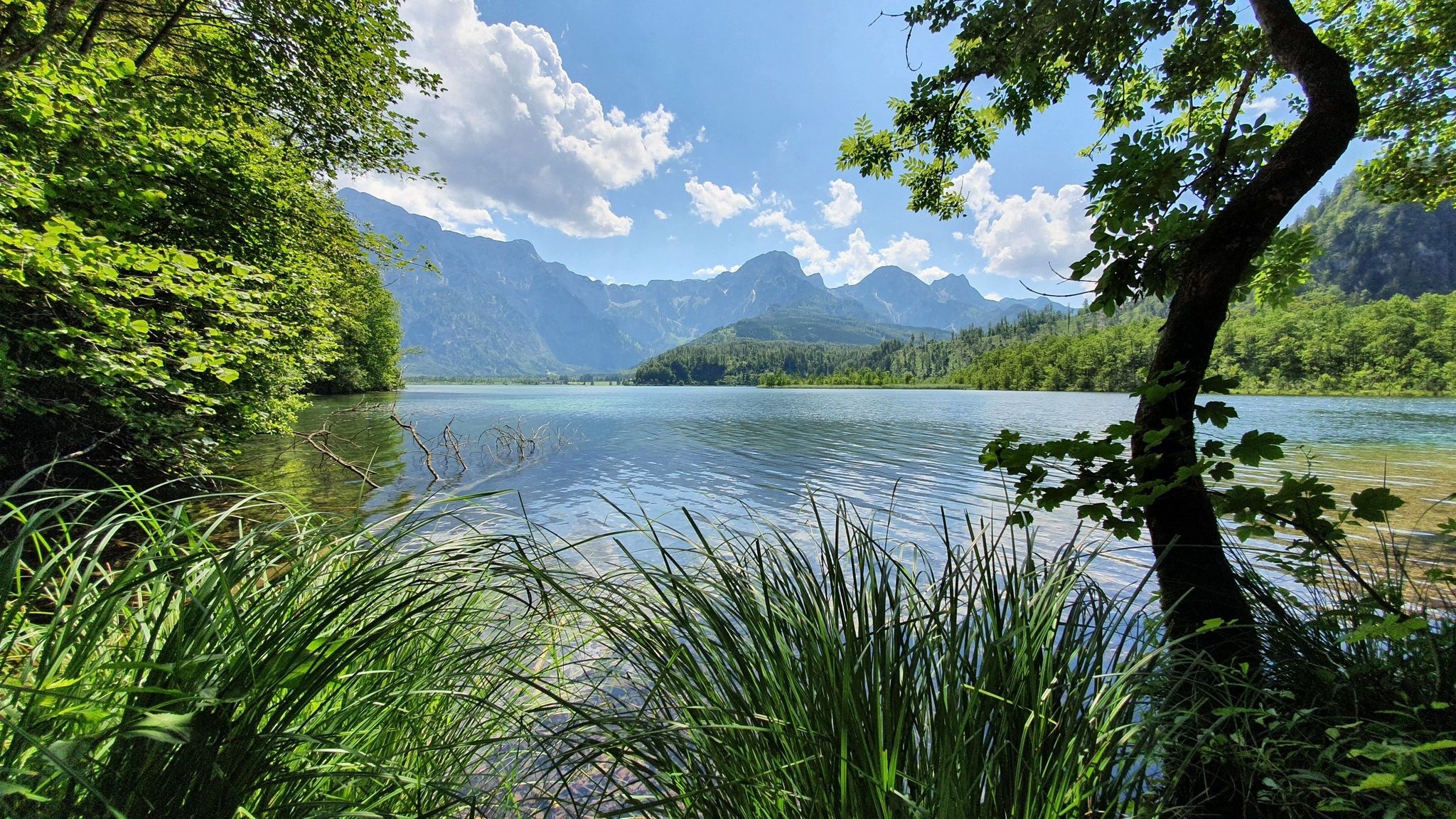
Voralpenweg 04 – From Vienna to Bad Reichenhall
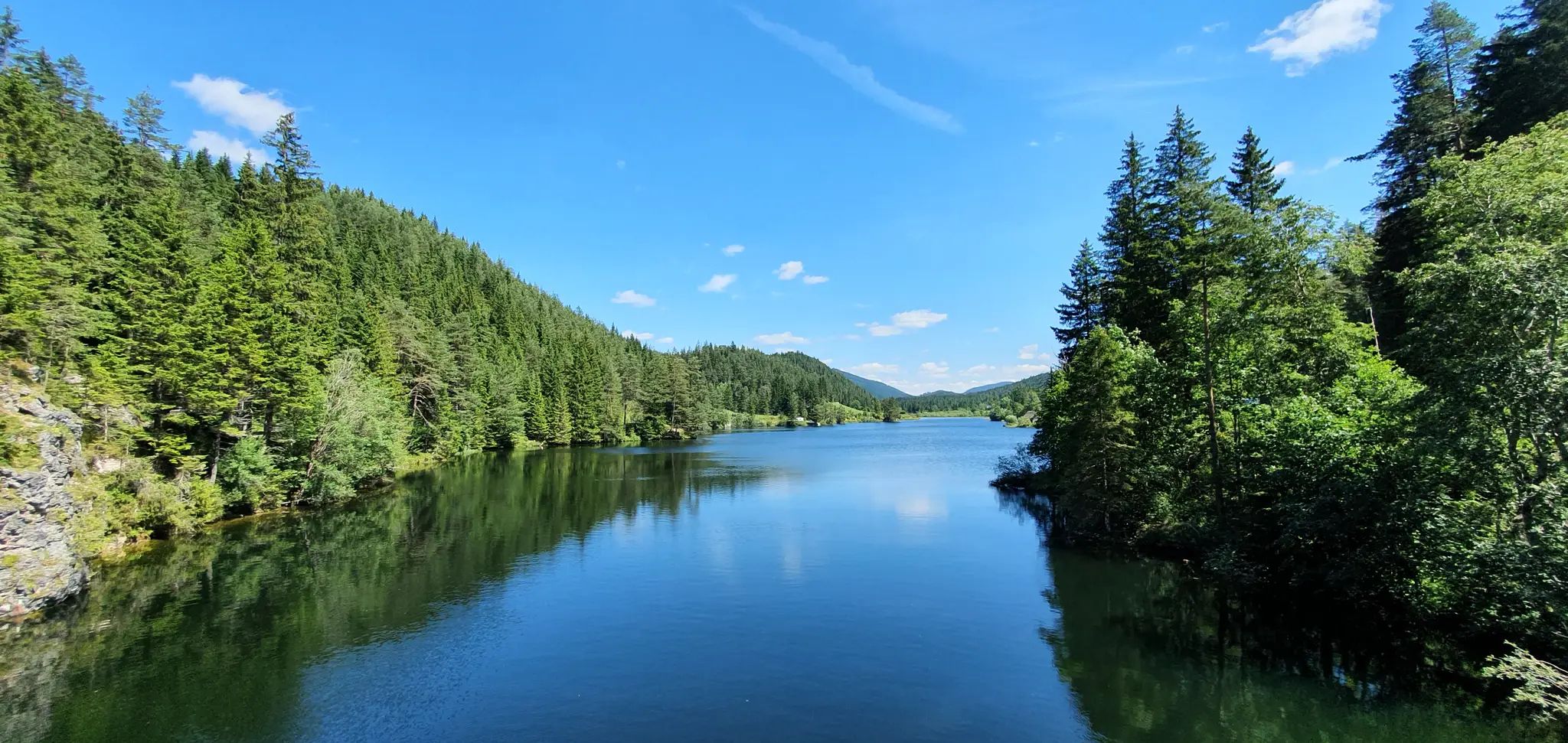
The Traisental cycle path – on a pilgrimage through the Mostviertler Alps
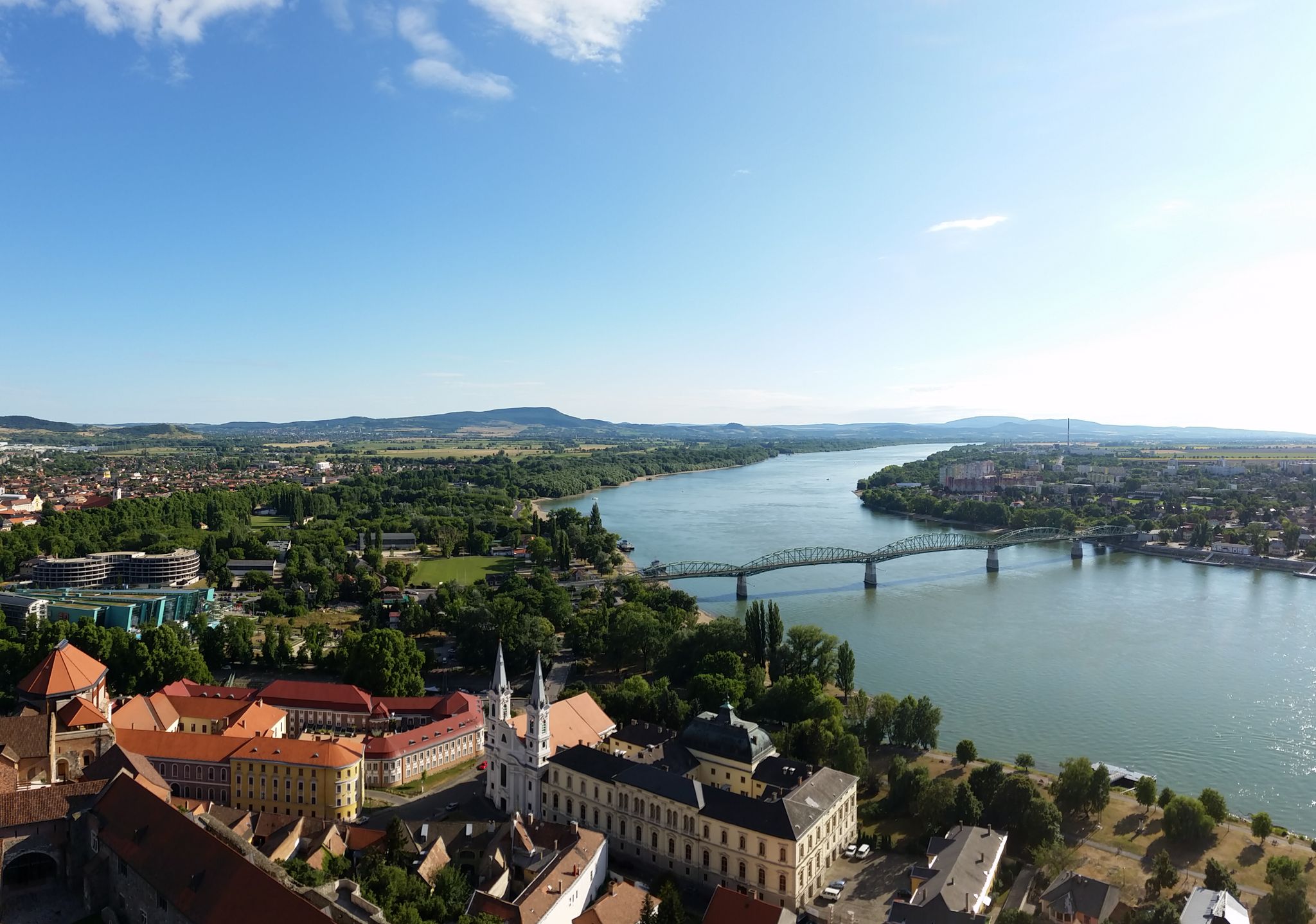
The Danube Cycle Path – From Donaueschingen to Budapest
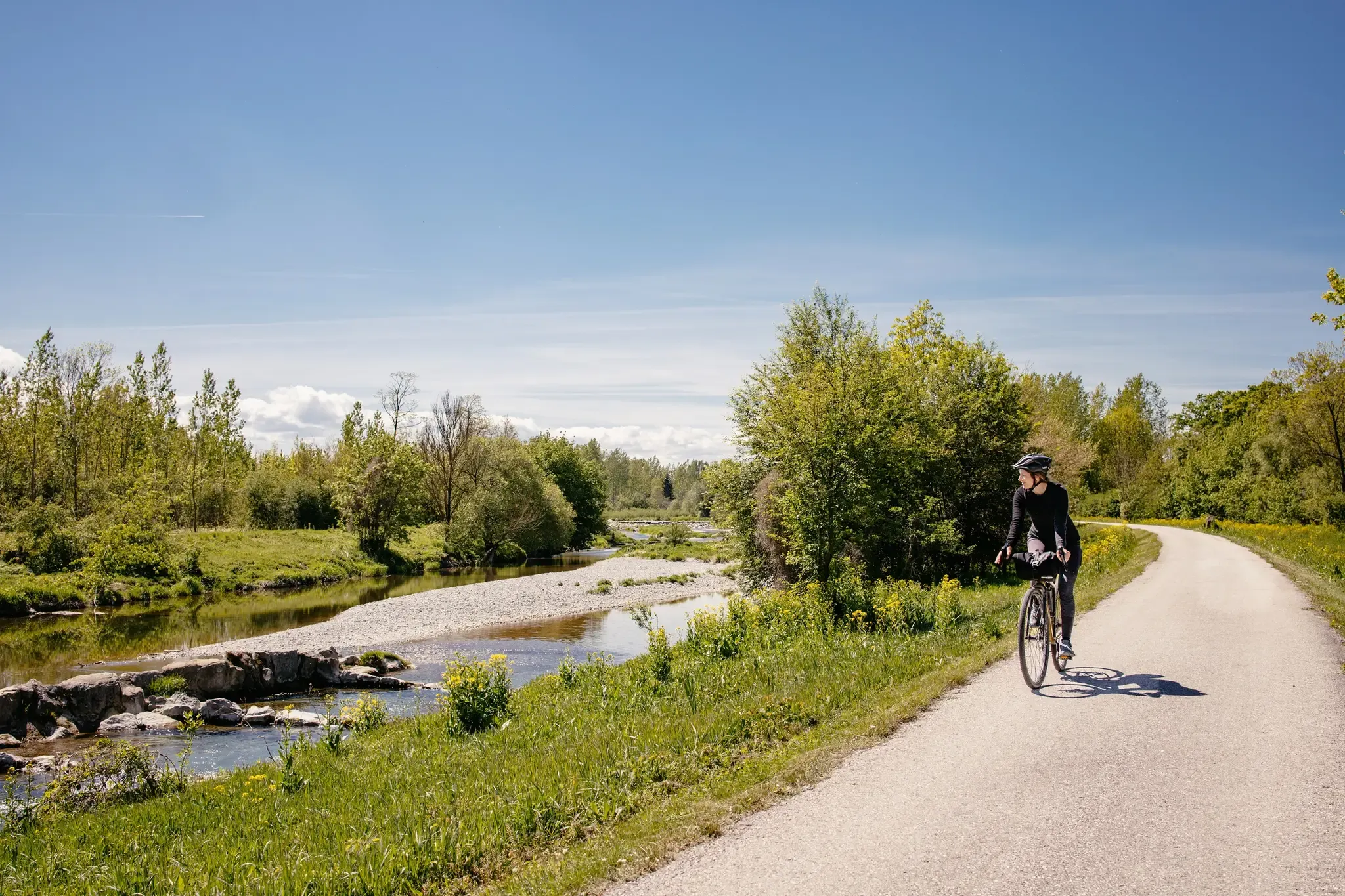
Traisental Cycle Path – river cycling through the Mostviertel Alps
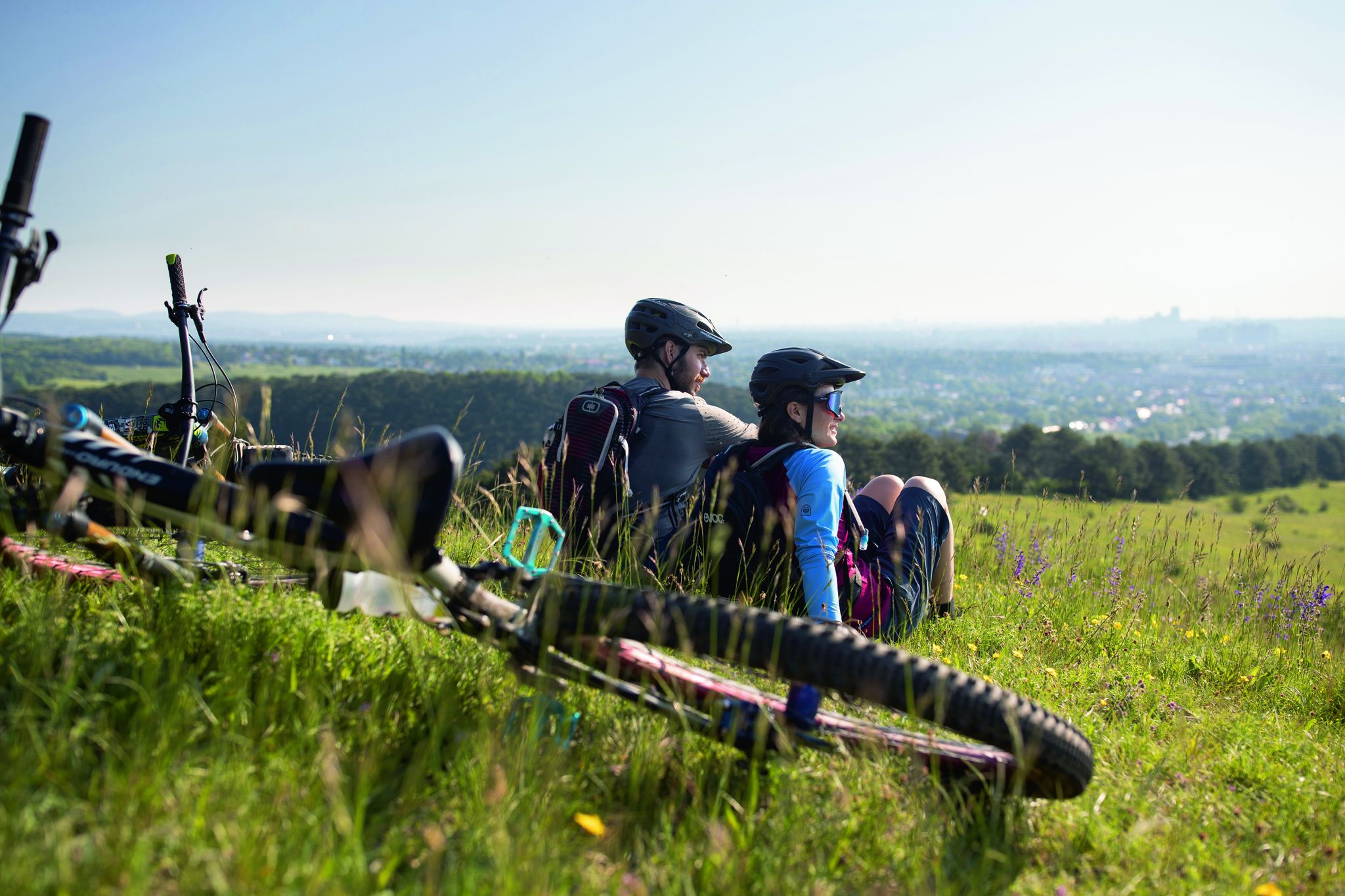
Fun, flow and elevation gain – MTB trails in the Vienna Woods
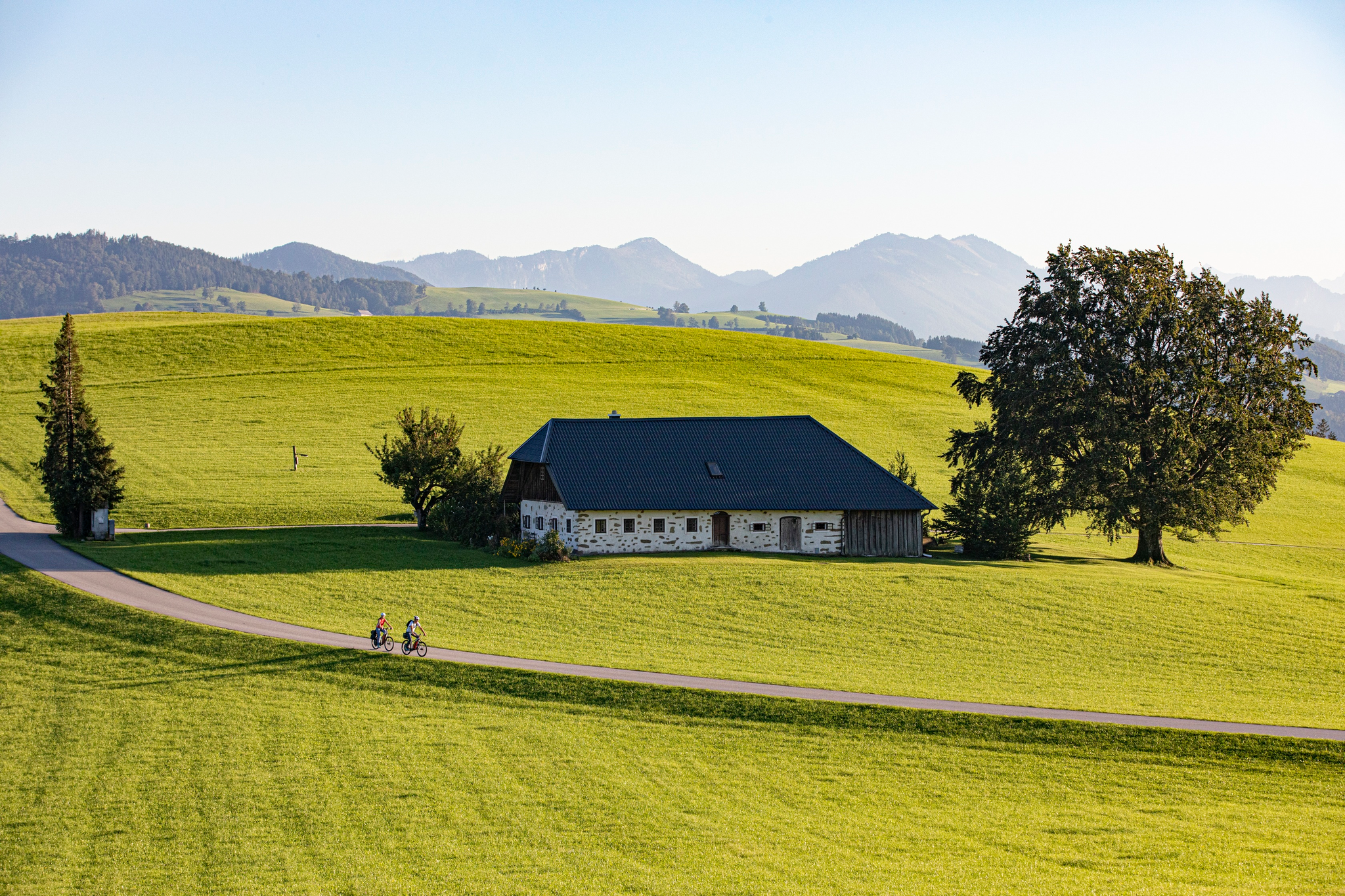
Pleasure cycling in the Mostviertel – between pear trees and vineyards
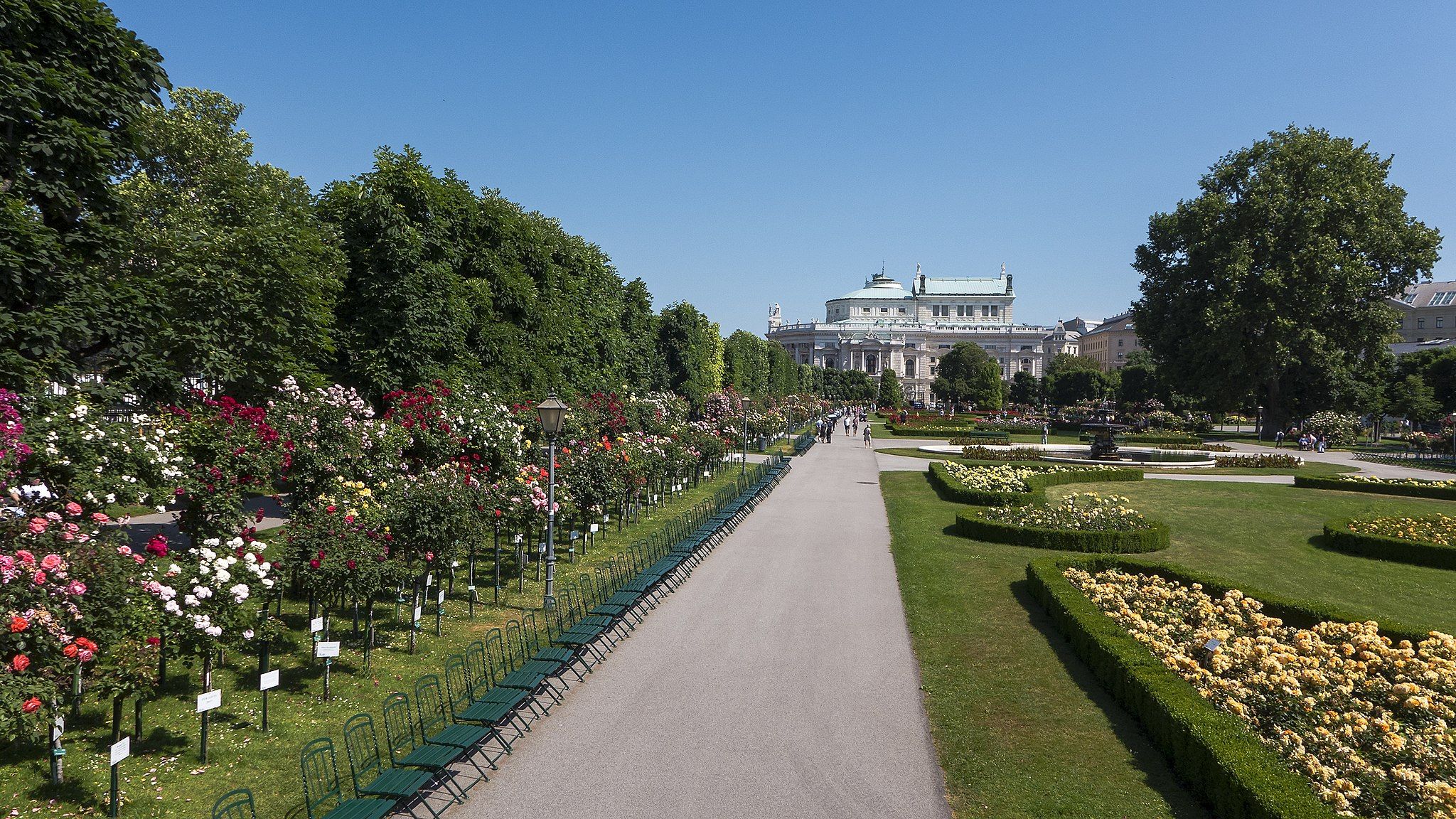
City hikes in Austria – on foot through Vienna, Wels & St. Pölten
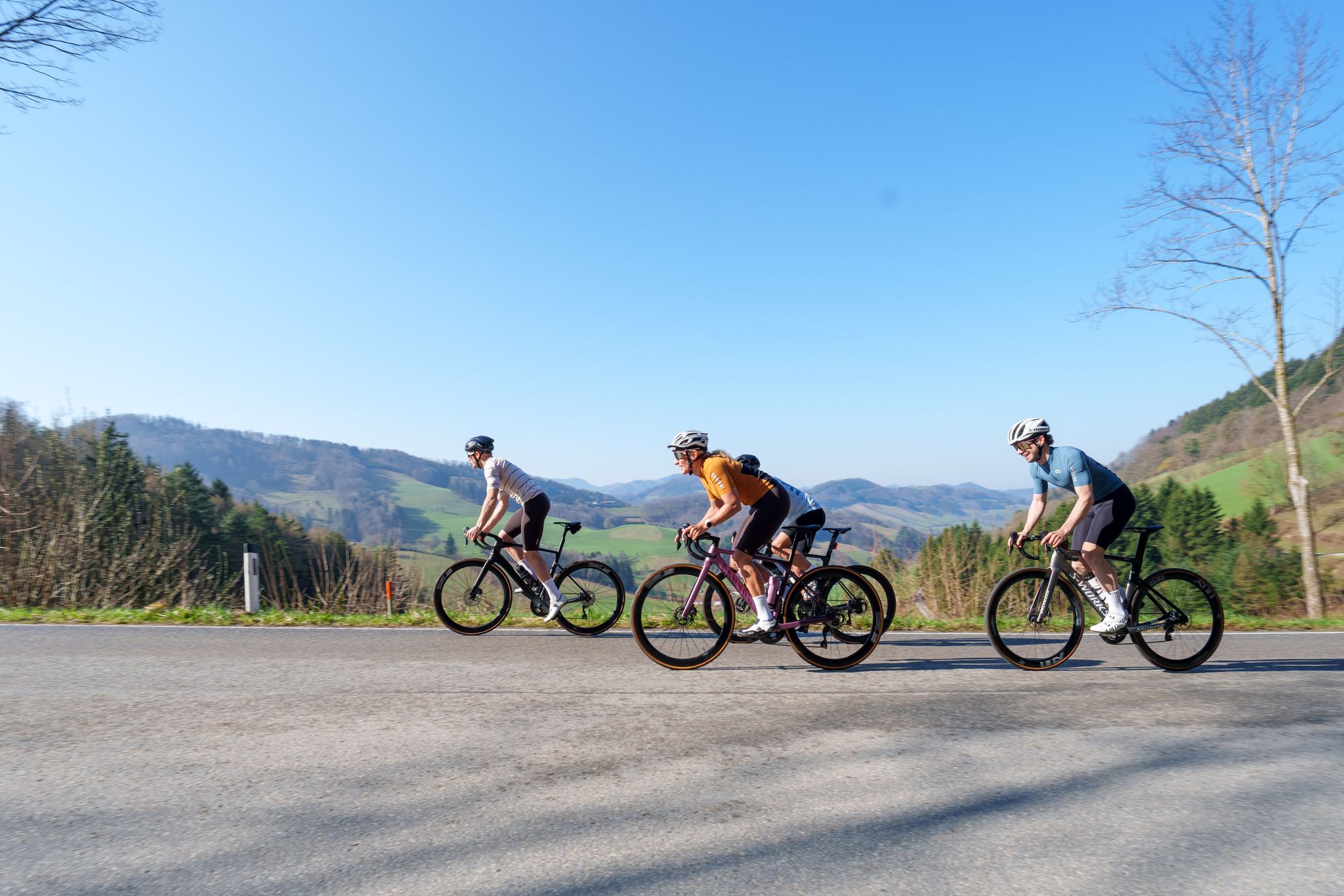
Rennrad Routen vom Feinsten
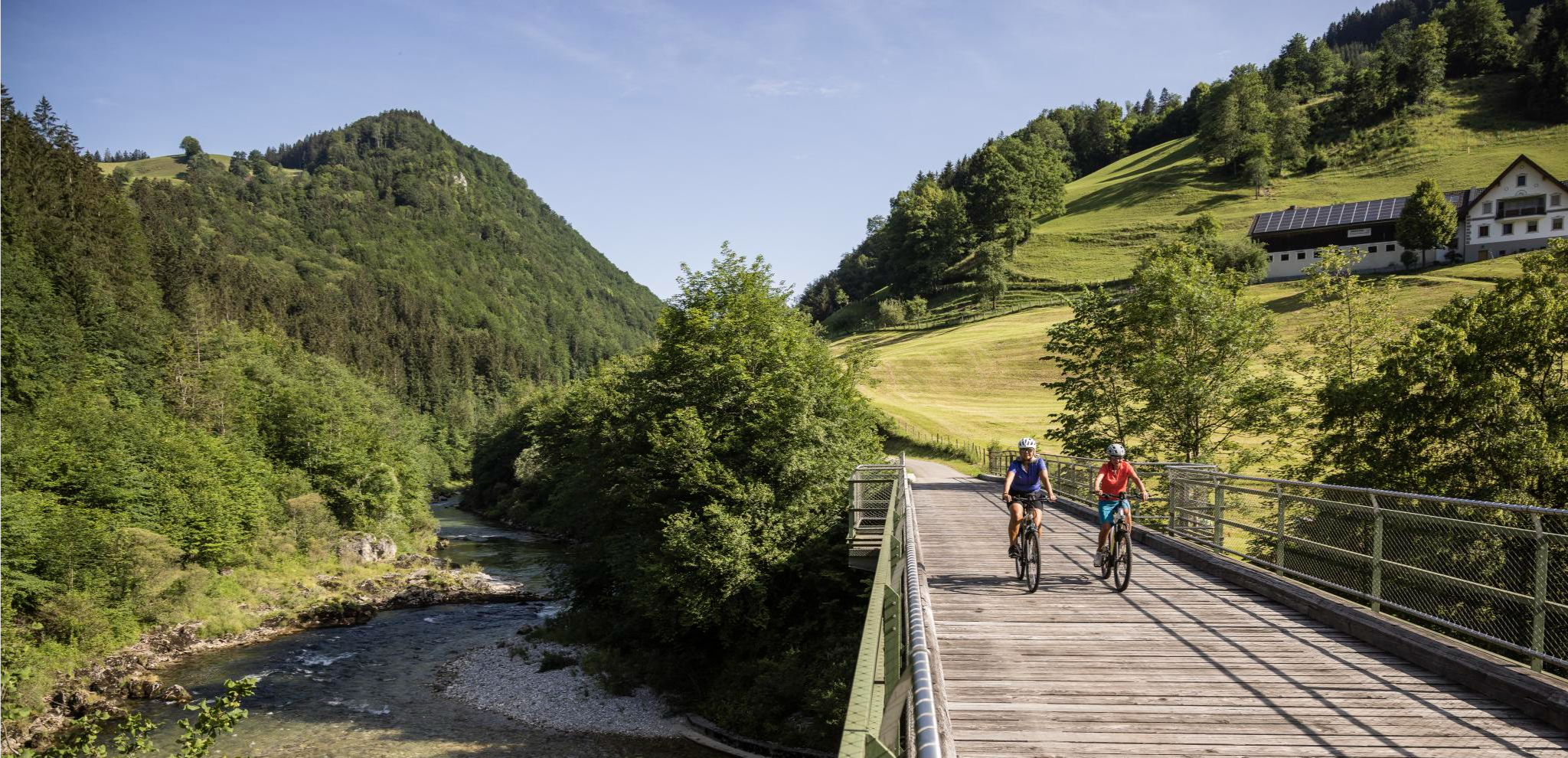
Flussradeln im Mostviertel: Genussvolle Touren entlang klarer Flüsse
Cycling in St. Pölten
Other adventures in St. Pölten


Tips from the Community

Cool loop of water, fun to watch!
2
0

Along the river, idyllic bathing spots on the Pielach, such as in Rabenstein, Hofstetten-Grünau or Weinburg, invite you to linger on hot summer days. Bathing fun in the Pielachtal at the Pielachstrand also offers relaxation.
0
0
The Pielach meanders through the valley named after it (also called Dirndltal). It has very high water quality and unique wild river sections with small waterfalls.
0
0

very well done and nice to look at
2
0

Very idyllic place
3
0

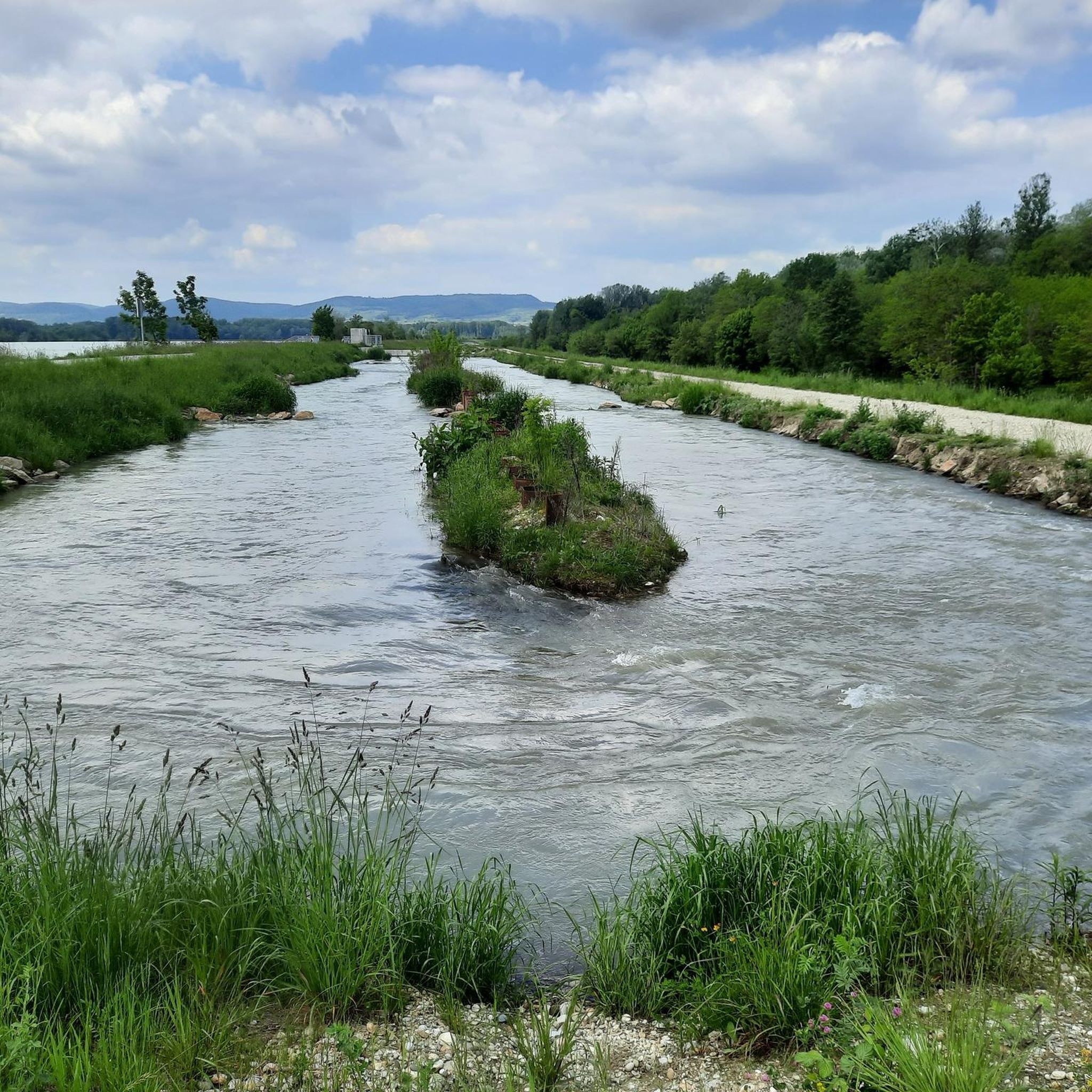
Near Pottenbrunn, the Traisen River underwent comprehensive revitalization as part of a water management pilot project. The aim was to restore the river's natural structure and improve its connectivity for aquatic life. This involved redesigning weirs, constructing near-natural bypass channels and fish ladders, and widening the riverbed. Banks were flattened and ecologically enhanced through the creation of side channels, islands, and shallow water zones. These measures not only improved the river's ecological condition but also promoted natural flood retention areas and enhanced the landscape and recreational opportunities along the Traisen.
2
0

Power station in Haspelwald
1
0

The small waterfalls are difficult to see from the path, but the dam is easily visible.
1
0
Frequently Asked Questions
What are some of the most popular natural monuments in St. Pölten?
St. Pölten offers a variety of natural monuments. Highly regarded by visitors are the Summit cross on Schöpfl, known for its promising views and a nearby hut for refreshments. Another favorite is the Hennesteck Summit Cross, which provides views into the surrounding mountains. The Giant Spruce in Brünndlgraben, an impressive 45-meter-high and 175-year-old tree, is also a must-see.
Are there family-friendly natural monuments in St. Pölten?
Yes, several natural monuments in St. Pölten are suitable for families. The Giant Spruce in Brünndlgraben offers an easy walk to an impressive natural wonder. The Traismauer ecological showcase area is another great option, providing an educational experience along the river. Additionally, the Schöpfl Spring and Rest Area is a pleasant spot for a break with fresh spring water.
What unique natural features can I observe at St. Pölten's natural monuments?
St. Pölten's natural monuments showcase diverse ecological characteristics. The **Natural Monument Siebenbründl** is a 4.2-hectare wetland biotope featuring a limestone tufa spring, species-rich flower meadows with orchids and carnations, cottongrass, and gnarled pollarded willows. Other sites include individual ancient trees like oaks and sycamores, as well as designated avenues such as the chestnut and lime avenue in Wasserburg.
What kind of hiking trails can I find near the natural monuments in St. Pölten?
You'll find a variety of hiking trails near St. Pölten's natural monuments, ranging from easy strolls to more challenging routes. For example, you can explore the hiking trails in St. Pölten, which include moderate routes like the 'Round trip to the Buchbergwarte - Vienna Woods' or more demanding options like the 'WIR Circular Hiking Trail'. For easier walks, consider routes around the Ratzersdorfer See and Großer Viehofner See, which are part of the easy hikes in St. Pölten guide.
Are there opportunities for cycling near St. Pölten's natural monuments?
Yes, St. Pölten offers excellent cycling opportunities. You can find various routes, including those suitable for road cycling, that pass by or are close to natural monuments. Explore options like the 'Danube Riverside Cycle Path – Mautern Bridge loop' or the 'St. Pölten – Ochsenburg Castle loop' by checking out the Road Cycling Routes in St. Pölten guide.
What is the best time of year to visit the natural monuments in St. Pölten?
The natural monuments in St. Pölten can be enjoyed year-round, each season offering a different charm. Spring and summer are ideal for observing the vibrant flower meadows at sites like Siebenbründl and enjoying lush greenery. Autumn provides beautiful views, especially from viewpoints like the Summit cross on Schöpfl, with colorful foliage. Even in winter, some areas offer refreshing experiences, such as the year-round spring water at the Schöpfl Spring and Rest Area.
Are there any viewpoints among the natural monuments in St. Pölten?
Absolutely. St. Pölten features several natural monuments that double as excellent viewpoints. The Summit cross on Schöpfl and the Hennesteck Summit Cross are both popular for their panoramic vistas. The Gföhlberg Summit, the second highest point in the Vienna Woods, also offers scenic views, though its rocky peak is mostly forested.
What do visitors appreciate most about the natural monuments in St. Pölten?
Visitors frequently highlight the stunning views from summit crosses like the Summit cross on Schöpfl, often paired with the convenience of nearby huts for refreshments. The sheer size and age of natural wonders like the Giant Spruce in Brünndlgraben also leave a lasting impression. Many enjoy the tranquility and biodiversity found in areas like the Siebenbründl wetland, making them perfect for nature observation and peaceful walks.
Can I reach the natural monuments using public transport?
While specific public transport details for every natural monument vary, St. Pölten has a well-developed public transport network. For detailed information on reaching specific natural monuments, it's advisable to consult local transport schedules or resources like St. Pölten Tourismus, which may offer guidance on accessibility to these sites.
Are there any historical or cultural sites integrated with the natural monuments?
While the primary focus is on natural features, some sites in the broader St. Pölten area blend natural and historical elements. For instance, the Holy Trinity Column, though a man-made monument, is recognized within the natural monument category and is wheelchair accessible. The region's natural monuments often exist within a landscape rich in history, such as ancient trees found near churchyards or along historic avenues.
How long should I plan for a visit to a natural monument in St. Pölten?
The duration of your visit depends on the specific natural monument and your planned activities. A visit to an individual tree or a viewpoint like a summit cross might take an hour or two, especially if you include a short walk. For area-based natural monuments like the Siebenbründl wetland, you could easily spend half a day exploring the biotope and enjoying nature observation. If you combine your visit with a longer hike or cycle tour, plan for several hours or even a full day.
Most popular routes in St. Pölten
Most popular attractions in St. Pölten

Get inspired with the komoot mobile app


Didn’t find what you were looking for?
Find even more amazing natural monuments in St. Pölten by checking out the top Highlights region by region:
Explore more
Extend your search for the best caves by checking out these guides of the top ones in St. Pölten:
