Top 5 Mountain Passes in the Mühlviertel
Best mountain passes in the Mühlviertel are found within Upper Austria's Mühlviertel region, characterized by rolling hills and granite formations. This area offers picturesque landscapes for scenic drives and outdoor activities. The topography, often referred to as a "hilly idyll" or "granite highlands," provides numerous routes with demanding ascents and descents. These routes offer panoramic views and opportunities to explore the region's natural beauty.
Best mountain passes in the Mühlviertel
- The most popular mountain passes is Koblberg Pass (1,044 m)…
Last updated: August 30, 2026
Oberhaag Climb
Highlight (Segment) • Climb
Translated by Google •
Tip by

Leonharder Berg
Highlight • Mountain Pass
Translated by Google •
Tip by

Sign up now to discover places like this
Get recommendations on the best single tracks, peaks, & plenty of other exciting outdoor places.
Sign up for free
Koblberg Pass (1,044 m)
Highlight • Mountain Pass
Translated by Google •
Tip by

Over the highest pass in Upper Austria
Highlight (Segment) • Mountain Pass
Translated by Google •
Tip by

Fuchsenlücke
Highlight • Natural Monument
Translated by Google •
Tip by

Start today with a free account
Your next adventure awaits.
Login or Signup
Popular around Mühlviertel
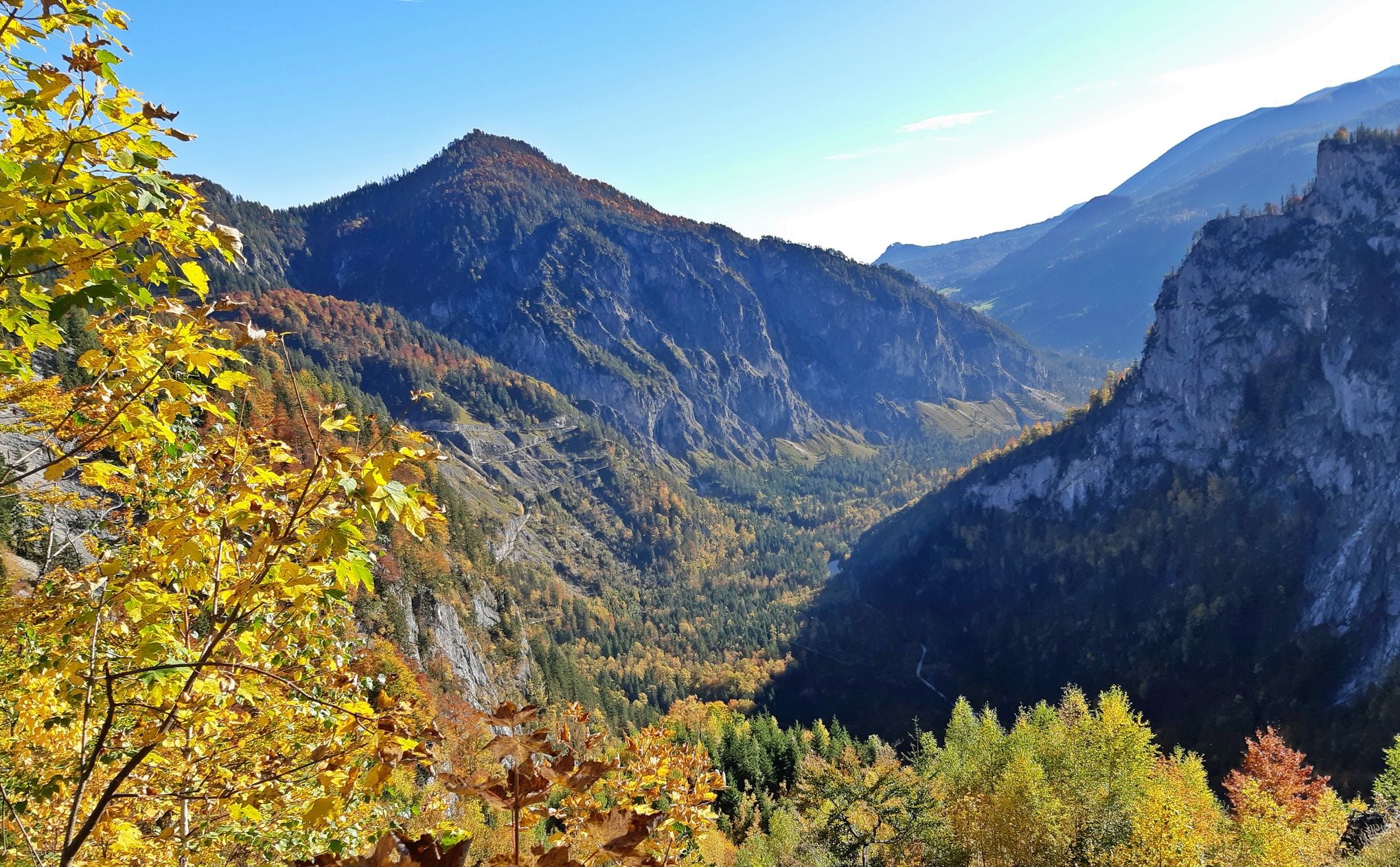
Salt Trail — On old paths through Upper Austria
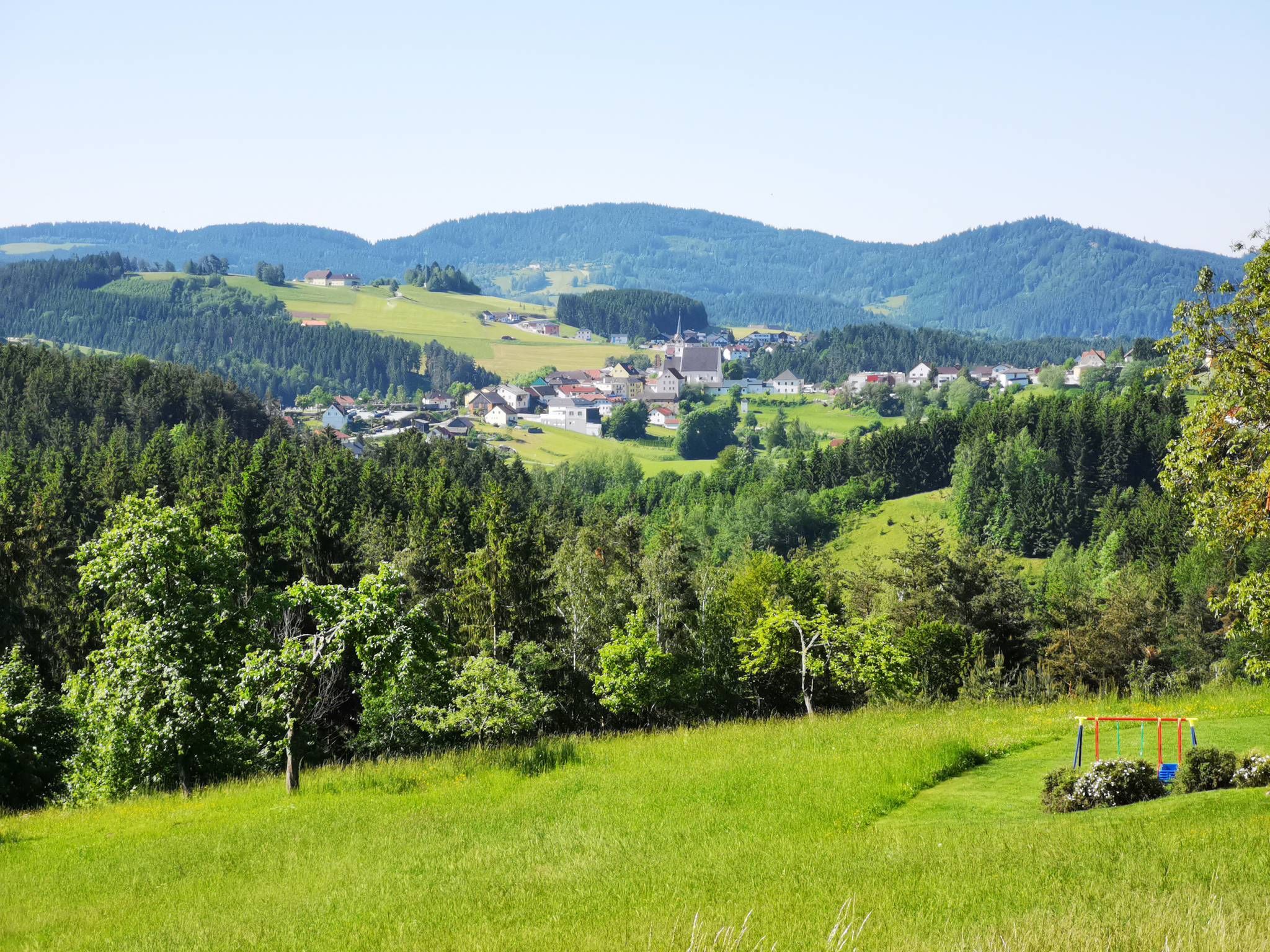
Austria's Mühlviertel Cycle Path — A hilly idyll
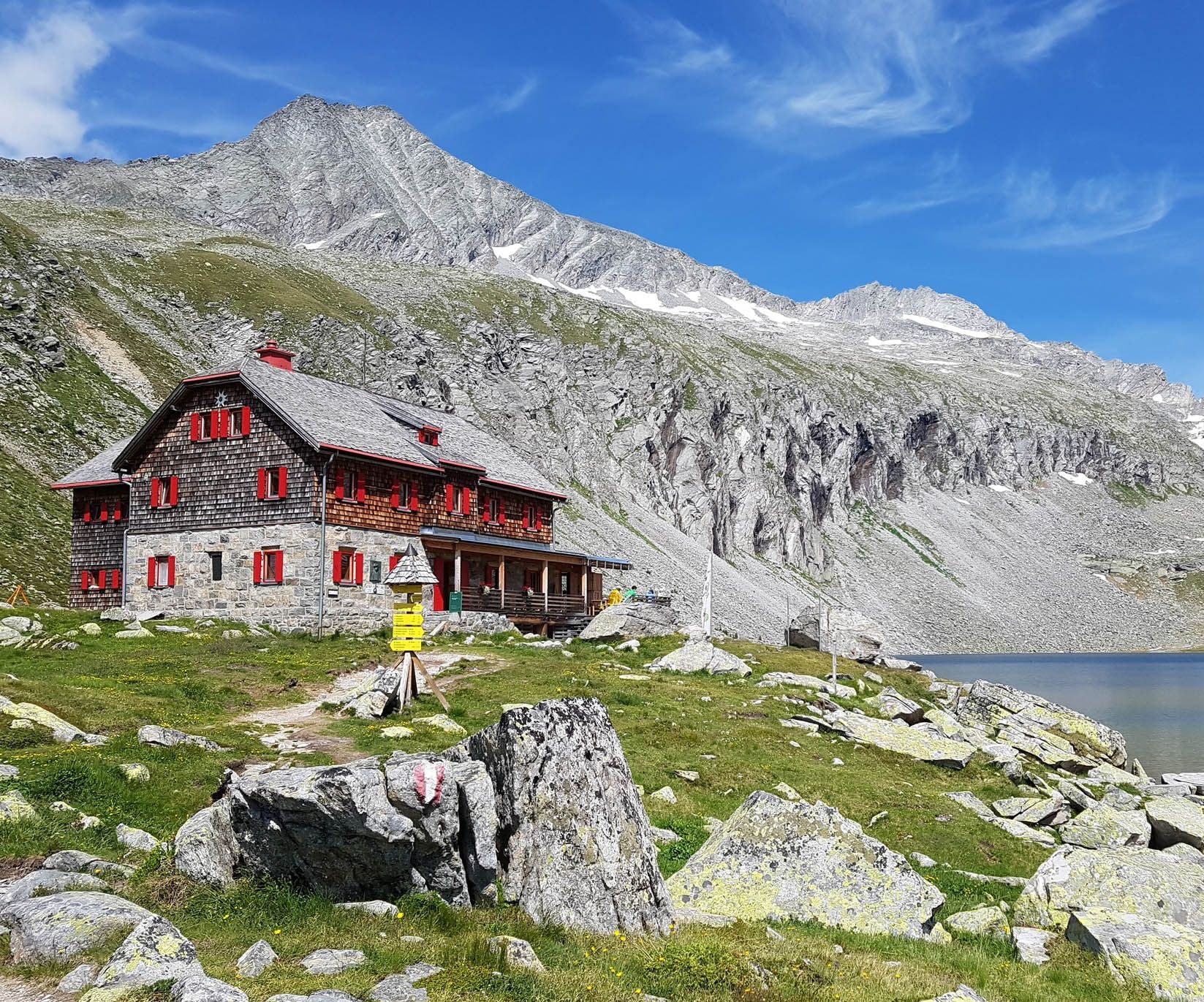
Ruperti Trail – Hike from Austria's Bohemian Forest to the Carnic Alps
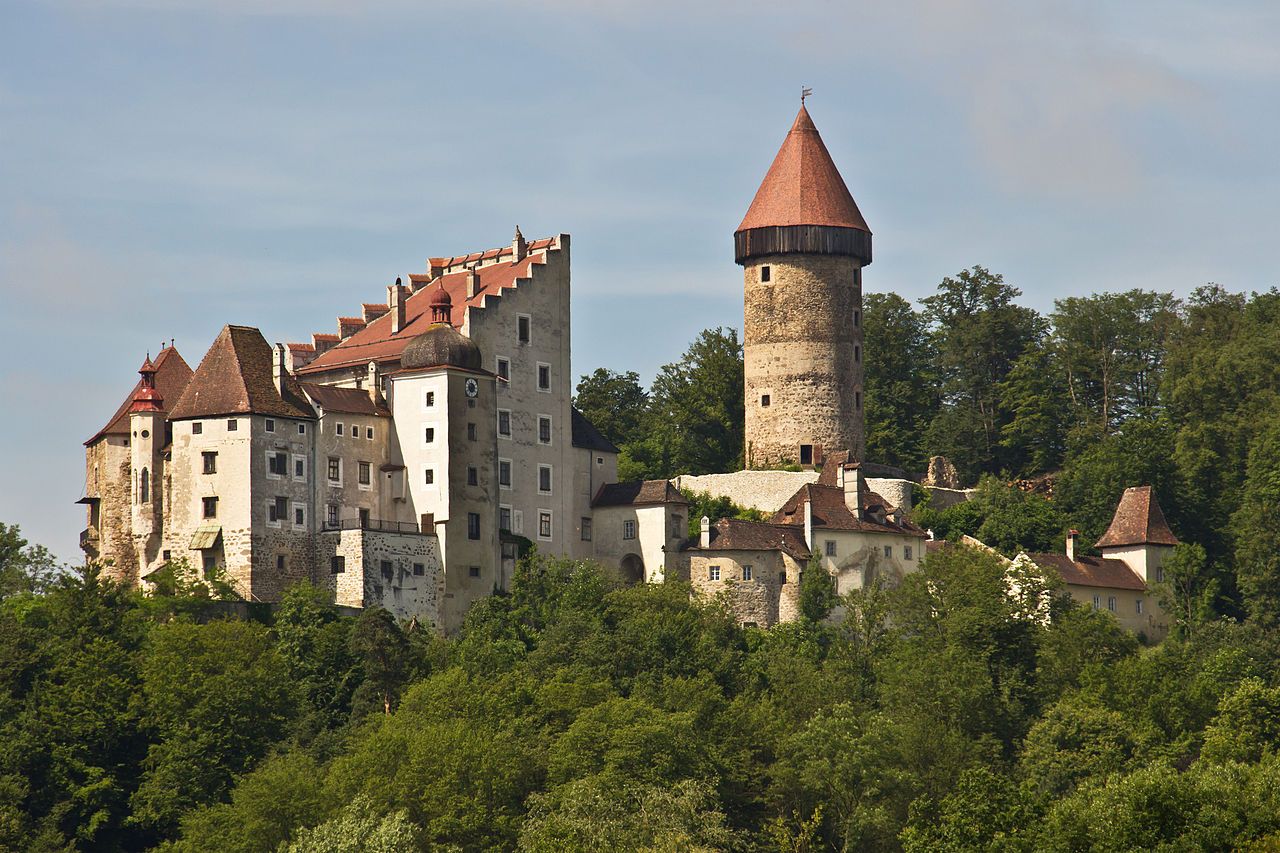
Castles & Palaces Trail – Discover the mystical Mühlviertel in Austria
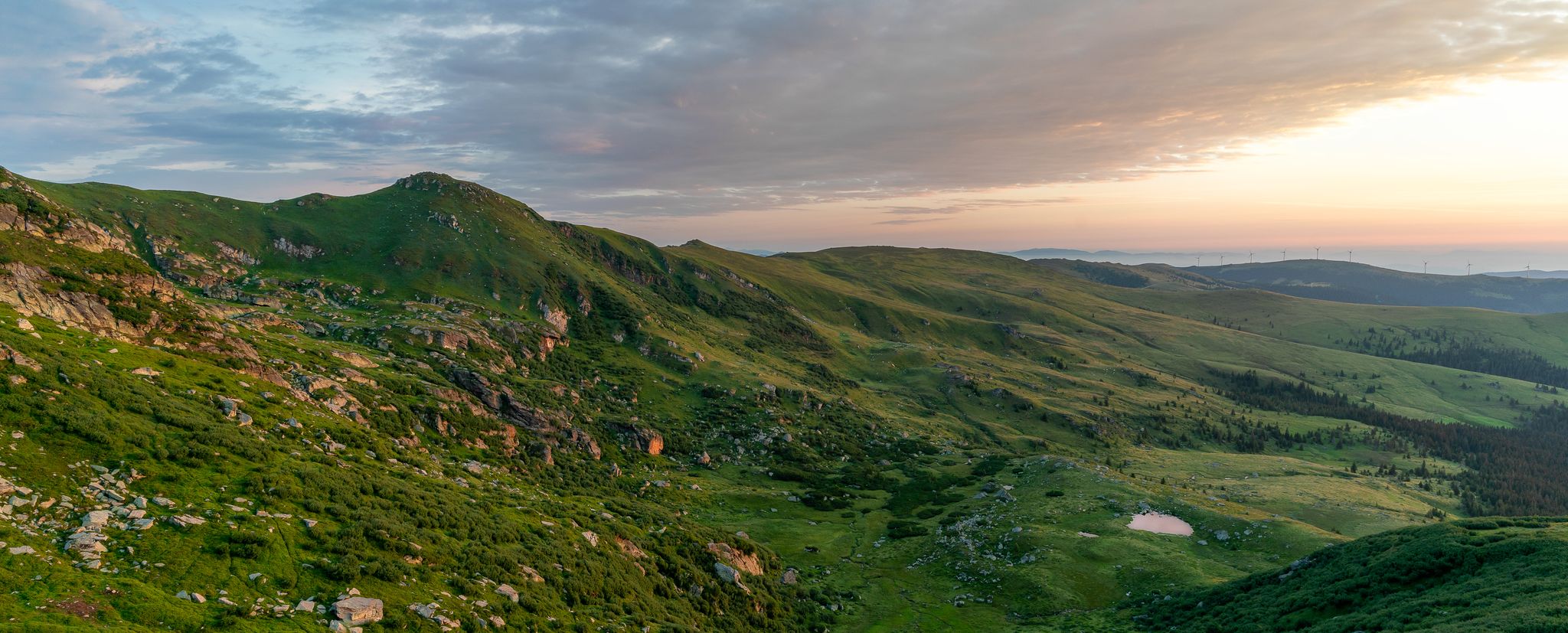
North-South Trail through Austria – Small country, big paths!
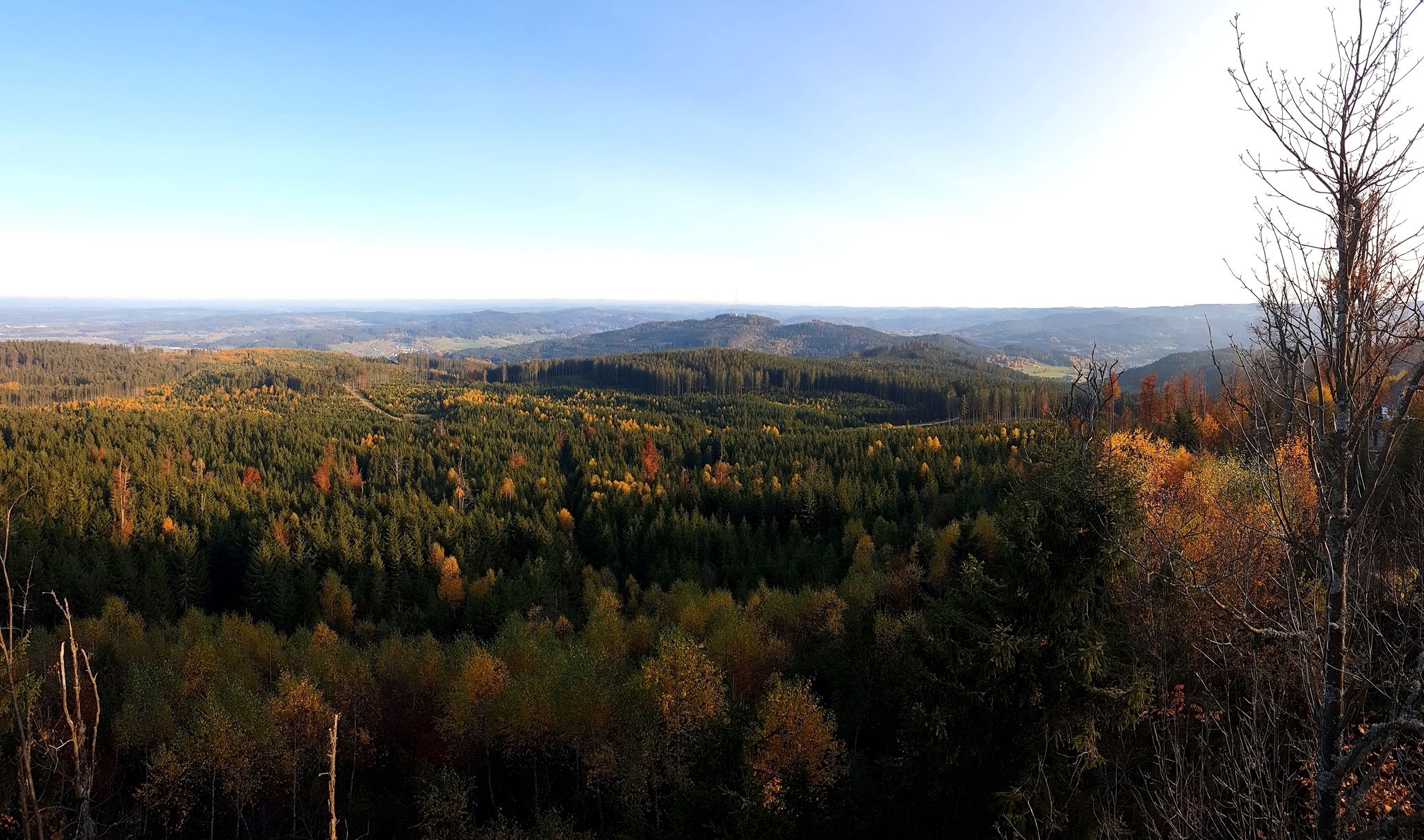
Nordwaldkamm trail – Hiking between the Czech Republic and Austria
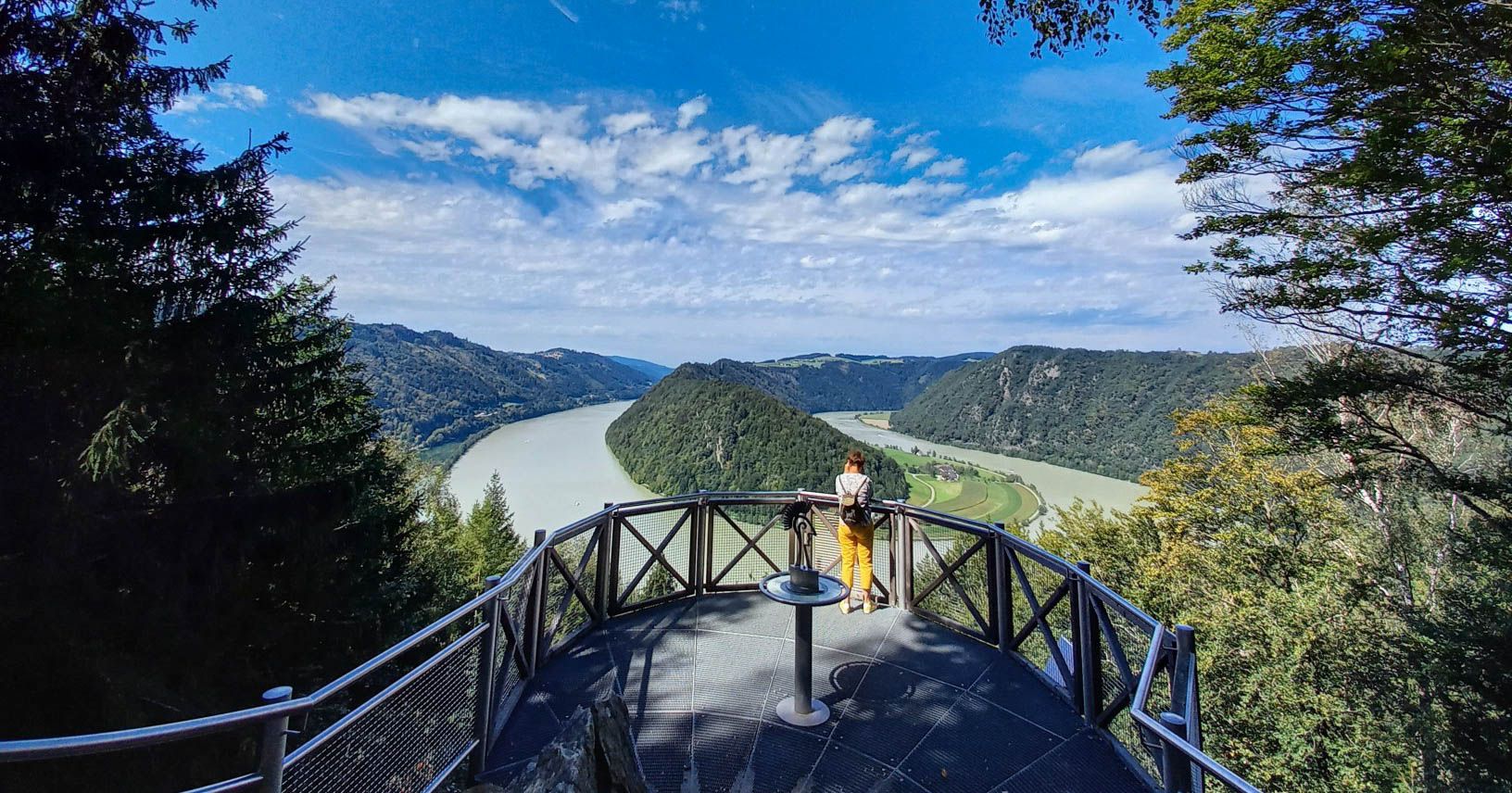
Danube Trail – Legendary long-distance hiking along the Danube River
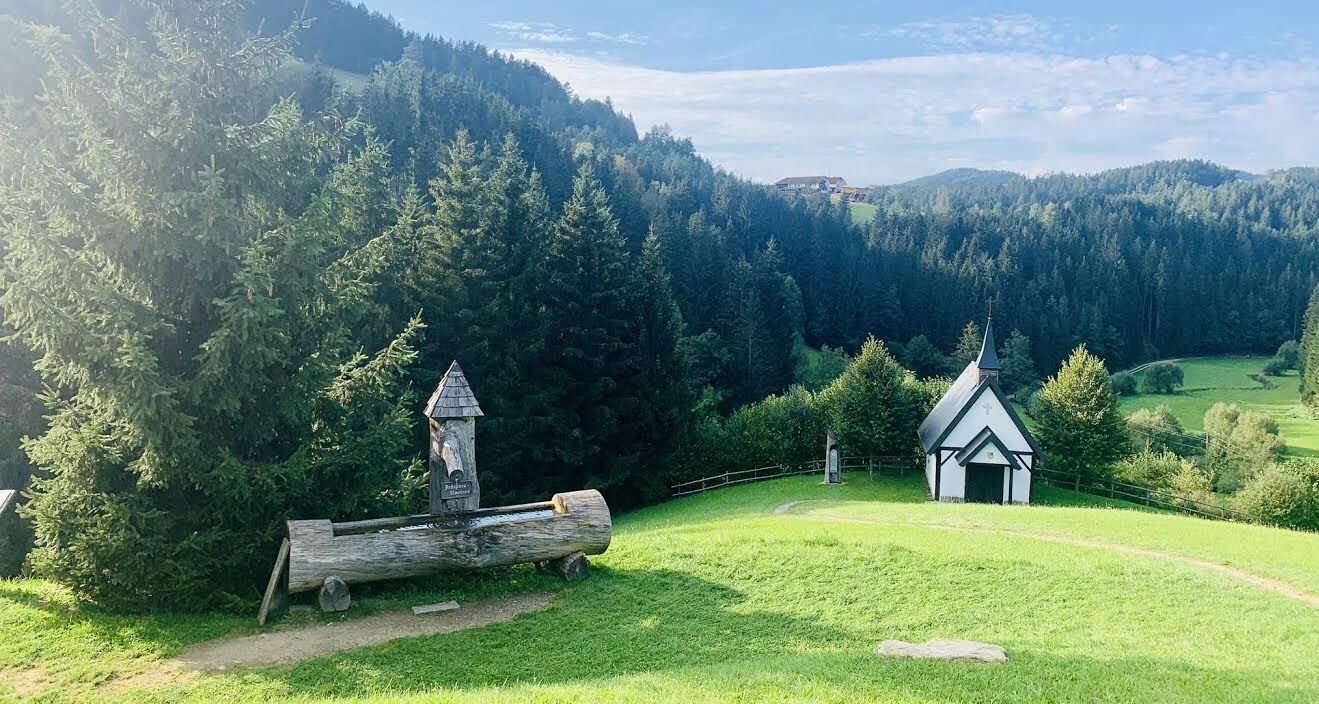
St. John's Pilgrimage Route – A spiritual path through Austria's Mühlviertel
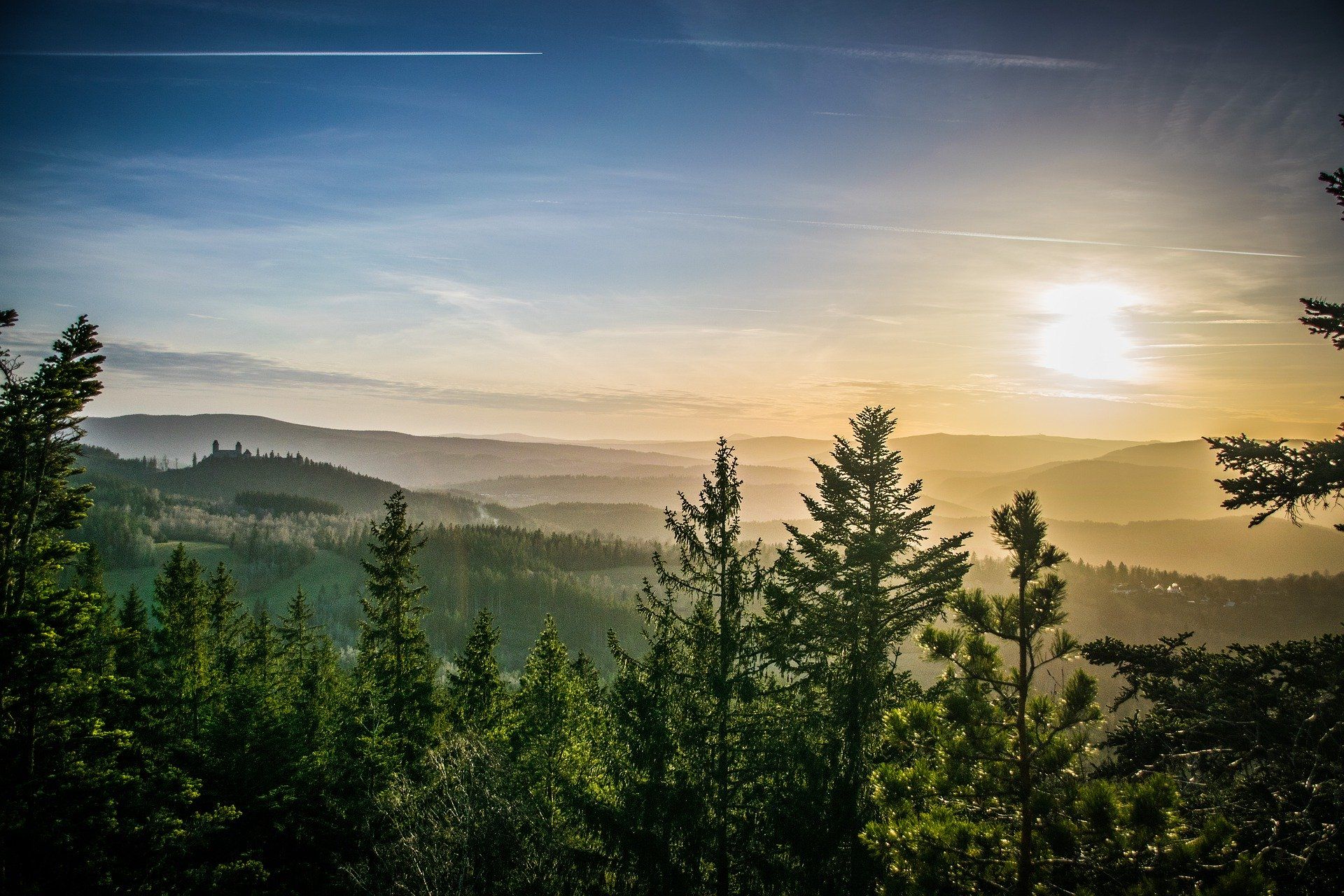
The Path of Deceleration – hiking through the Bohemian Forest
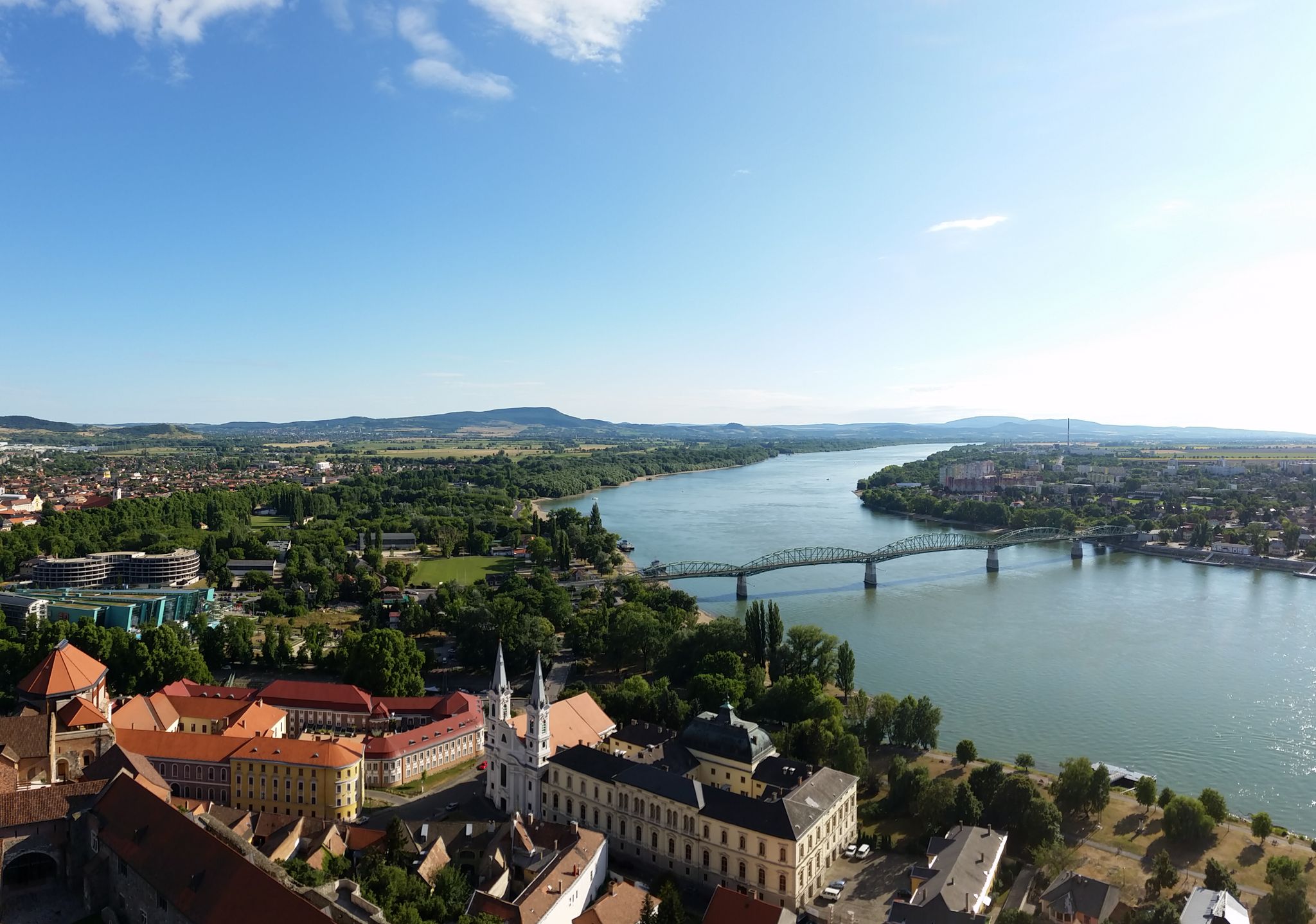
The Danube Cycle Path – From Donaueschingen to Budapest
Other adventures in the Mühlviertel


Tips from the Community

In sun and 30 degrees, a real test of character: a dead-straight road with almost continuous 8-10 percent gradient and no switchbacks whatsoever...!
0
0

Highest mountain pass road in Upper Austria is in Liebenau
1
0

Interesting rock formations at the highest pass in the Mühlviertel - the Koblbergpass at 1044 m.
2
0

At 1044 m above sea level, the Koblberg Pass is the highest pass in Upper Austria.
1
0

I can't recommend it at the moment. The road is in really bad condition, the climb is hardly fun, and we don't even need to talk about the descent, which is almost like a MTB downhill. Completely unsuitable for racing bikes or gravel bikes!
4
0

The L1445 is not in good condition. Be careful when heading south👀
2
0

Decent ascent from Haid to St. Leonhard, which is then rewarded with a long descent 🙂 however, it is better to brake a little on the tight bend. From the other side it is of course a very long climb.
2
0
Decent ascent to St. Leonhard, which is then rewarded with a long descent 🙂 however, it is better to brake a little on the tight bend
2
0
Frequently Asked Questions
What natural features and landmarks can I discover at the Mühlviertel mountain passes?
The Mühlviertel passes offer unique natural and historical landmarks. At the Koblberg Pass (1,044 m), you'll find the fascinating Fuchsenlücke, a large granite formation with accessible caves popular for climbing. The Schöneben Pass, located on the ridge of the Bohemian Forest, features the Alpenblick observation tower, offering panoramic views towards Bavaria and the Alps. Near the Oberhaag Climb, you can see the Schwedenschanze, a late medieval protective wall.
Which mountain pass is the highest in the Mühlviertel region?
The Koblberg Pass (1,044 m) holds the distinction of being the highest pass in Upper Austria, making it the highest in the Mühlviertel region as well. It's a popular spot for both walkers and cyclists.
Are there good cycling routes over the Mühlviertel mountain passes?
Yes, the Mühlviertel is known for its challenging ascents and descents, making it a great region for cycling. The Koblberg Pass (1,044 m) is considered the 'roof' of the 'Mühlviertler Hügelwelt' for road cyclists. The Leonharder Berg offers a popular 6 km ascent with hairpin bends, while the Oberhaag Climb presents challenging straights with gradients up to 14%. You can find many routes in the Cycling in the Mühlviertel and Road Cycling Routes in the Mühlviertel guides.
What kind of hiking opportunities are available near the Mühlviertel passes?
The Mühlviertel region, with its rolling hills and granite formations, offers various hiking opportunities. While the passes themselves are often traversed by roads, surrounding areas provide trails. For instance, the Koblberg Pass (1,044 m) is a popular destination for walkers. You can explore trails that lead to viewpoints and natural monuments like the Fuchsenlücke. For dedicated hiking routes, refer to the Mountain Hikes in the Mühlviertel guide.
Are there any passes in the Mühlviertel that connect to other regions or countries?
Yes, the Schöneben Pass connects the Czech region of South Bohemia with the Austrian Mühlviertel, situated on the ridge of the Bohemian Forest. Similarly, the Oberhaag Climb serves as a low-traffic connection between the Austrian Mühlviertel and the Czech South Bohemia.
What are the typical terrain and difficulty levels for cycling the Mühlviertel passes?
The Mühlviertel passes are characterized by a 'hilly idyll' with demanding ascents and marvelous descents. You can expect significant elevation changes and challenging gradients. For example, the Oberhaag Climb features sections with double-digit percentages, reaching up to 14%. The Leonharder Berg is known for its 6 km ascent and rapid descents with hairpin bends. While some roads are well-maintained, others, like parts of the L1445 near Koblberg Pass (1,044 m), can have rougher surfaces.
Are there family-friendly activities or spots near the Mühlviertel mountain passes?
Yes, the Fuchsenlücke, located at the Koblberg Pass (1,044 m), is a popular spot for families. Children enjoy climbing in its accessible caves and crevices. The pass itself is easily reachable for a stroll, making it a good option for a family outing.
What is the best time to visit the Mühlviertel mountain passes?
The Mühlviertel mountain passes are generally accessible throughout the year, but the best time depends on your preferred activity. For cycling and hiking, spring through autumn (May to October) offers pleasant weather. In winter, the Schöneben Pass transforms into a cross-country skiing center, making it ideal for winter sports enthusiasts. Always check local weather conditions before your visit.
Can I find viewpoints along the Mühlviertel mountain passes?
Absolutely. Many passes in the Mühlviertel offer stunning views. The Koblberg Pass (1,044 m) provides beautiful vistas of the surrounding Mühlviertel landscape. After a 3.5 km climb on the Leonharder Berg, you'll get a lovely view of St. Leonhard. The Schöneben Pass is home to the Alpenblick observation tower, which offers expansive views over the valley of the Große Mühl towards Bavaria and, on clear days, the Alps.
What makes the Mühlviertel mountain passes unique compared to other regions?
The Mühlviertel mountain passes, while not high-alpine, are unique for their 'hilly idyll' and 'granite highlands' character. They offer a distinct landscape of rolling hills, forests, and granite formations, providing challenging ascents and scenic descents that create a 'pass-like' experience. The region's passes, like the Koblberg Pass (1,044 m), are popular for their natural beauty and accessibility, often featuring interesting geological formations like the Fuchsenlücke.
Are there any historical sites or points of interest near the passes?
Yes, near the Oberhaag Climb, you can find the Schwedenschanze. This is a late medieval protective wall, historically built to defend against invasions by groups such as the Hussites, Swedes, and Turks, offering a glimpse into the region's past.
Most popular routes in the Mühlviertel
Most popular attractions in the Mühlviertel

Get inspired with the komoot mobile app


Explore more
See even more epic mountain passes by checking out these guides in the Mühlviertel:
