Top 20 Natural Monuments in the Rhön Mountains
Best natural monuments in the Rhön Mountains are found within a UNESCO Biosphere Reserve in the heart of Germany. This region is characterized by its volcanic past and unique ecosystems, offering a blend of geological wonders and diverse natural features. Visitors can explore a variety of sites that showcase the area's distinct landscape. The Rhön Mountains provide opportunities to experience significant natural formations and protected habitats.
Best natural monuments in the Rhön Mountains
- The most popular natural monuments is Pferdskopf…
Last updated: May 26, 2026
Wasserkuppe aviation memorial
Highlight • Monument
Translated by Google •
Tip by

Wasserkuppe with radome
Highlight • Monument
Translated by Google •
Tip by

Sign up now to discover places like this
Get recommendations on the best single tracks, peaks, & plenty of other exciting outdoor places.
Sign up for free
Guckaisee
Highlight • Lake
Translated by Google •
Tip by

Boardwalk Trail Through the Rotes Moor
Highlight (Segment) • Trail
Translated by Google •
Tip by

Milseburg Summit and Crucifixion Group
Highlight • Summit
Translated by Google •
Tip by

Golgotha group (Three Crosses) on the Kreuzberg
Highlight • Monument
Translated by Google •
Tip by

Pferdskopf Summit
Highlight • Summit
Translated by Google •
Tip by

Moor lake in the Red Moor
Highlight • Lake
Translated by Google •
Tip by

Cascade Gorge
Highlight • Gorge
Translated by Google •
Tip by

Red moor
Highlight • Natural Monument
Translated by Google •
Tip by

Sign up for free to discover even more natural monuments in the Rhön Mountains.
Sign up for free
Already have an account?
Start today with a free account
Your next adventure awaits.
Login or Signup
Popular around Rhön Mountains
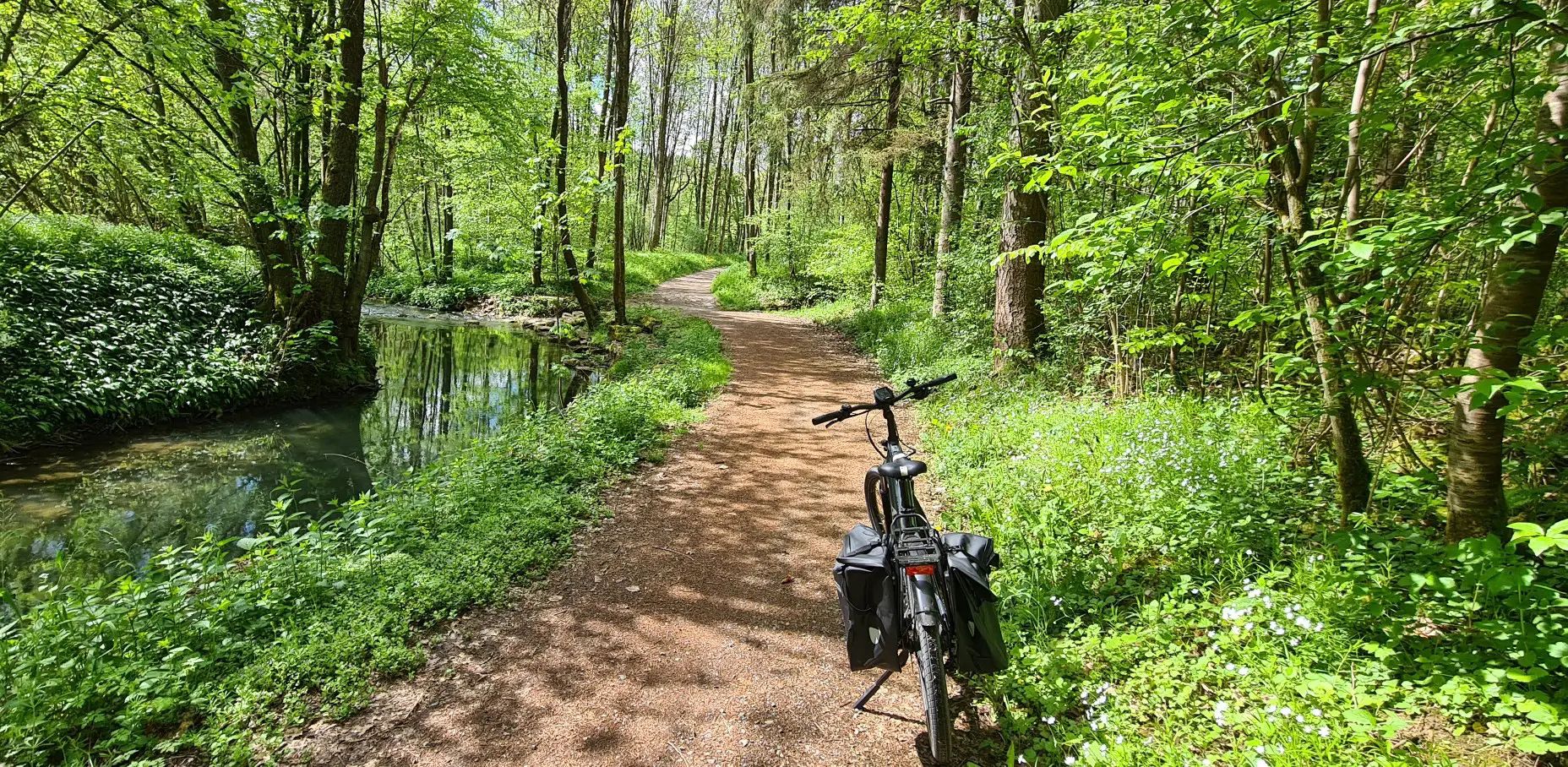
Germany's Main-Tauber-Franconian Radachter – two loops, one experience
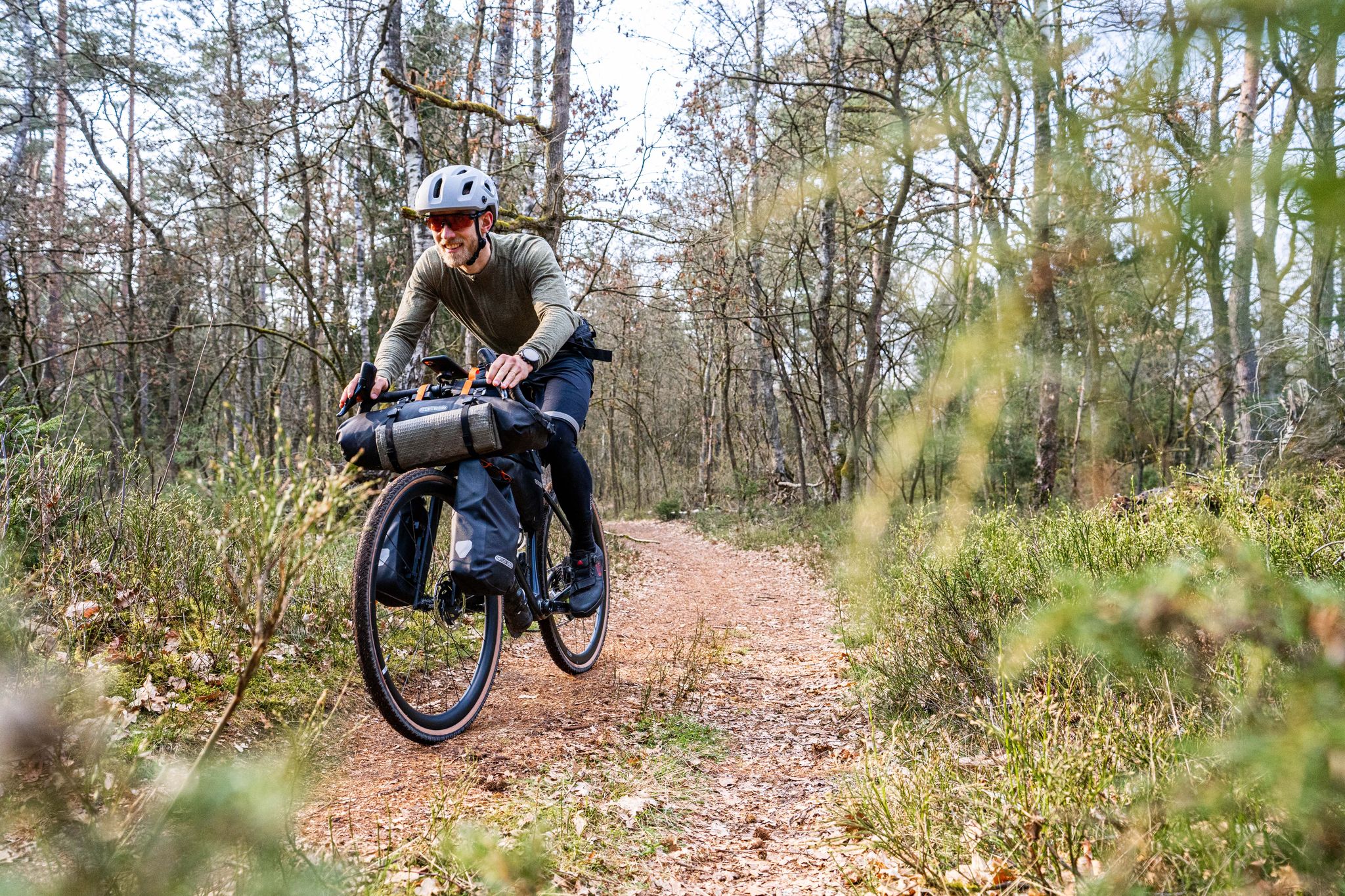
Gravel bikepacking from Hamburg to Munich
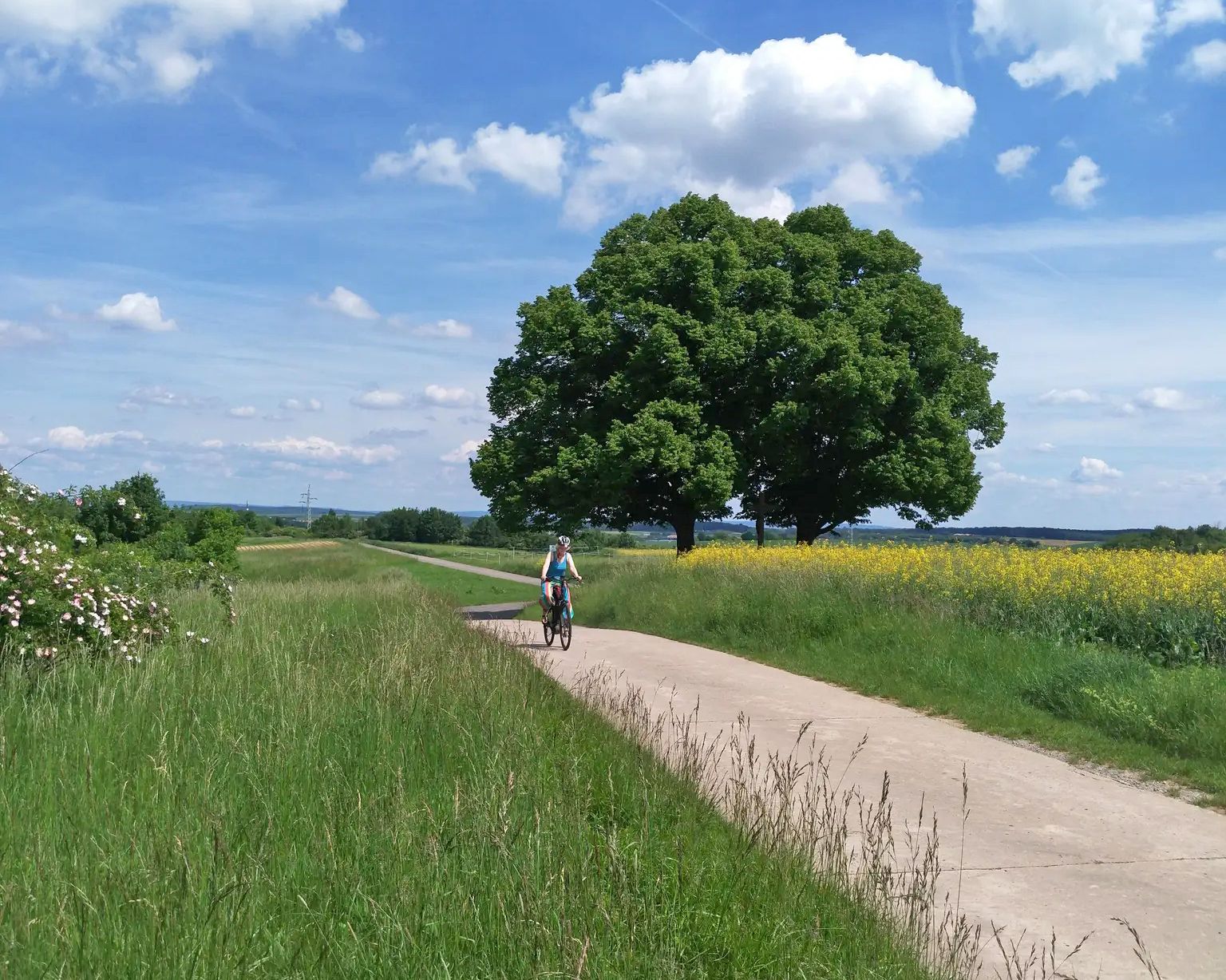
Main-Werra cycle path – From river to river
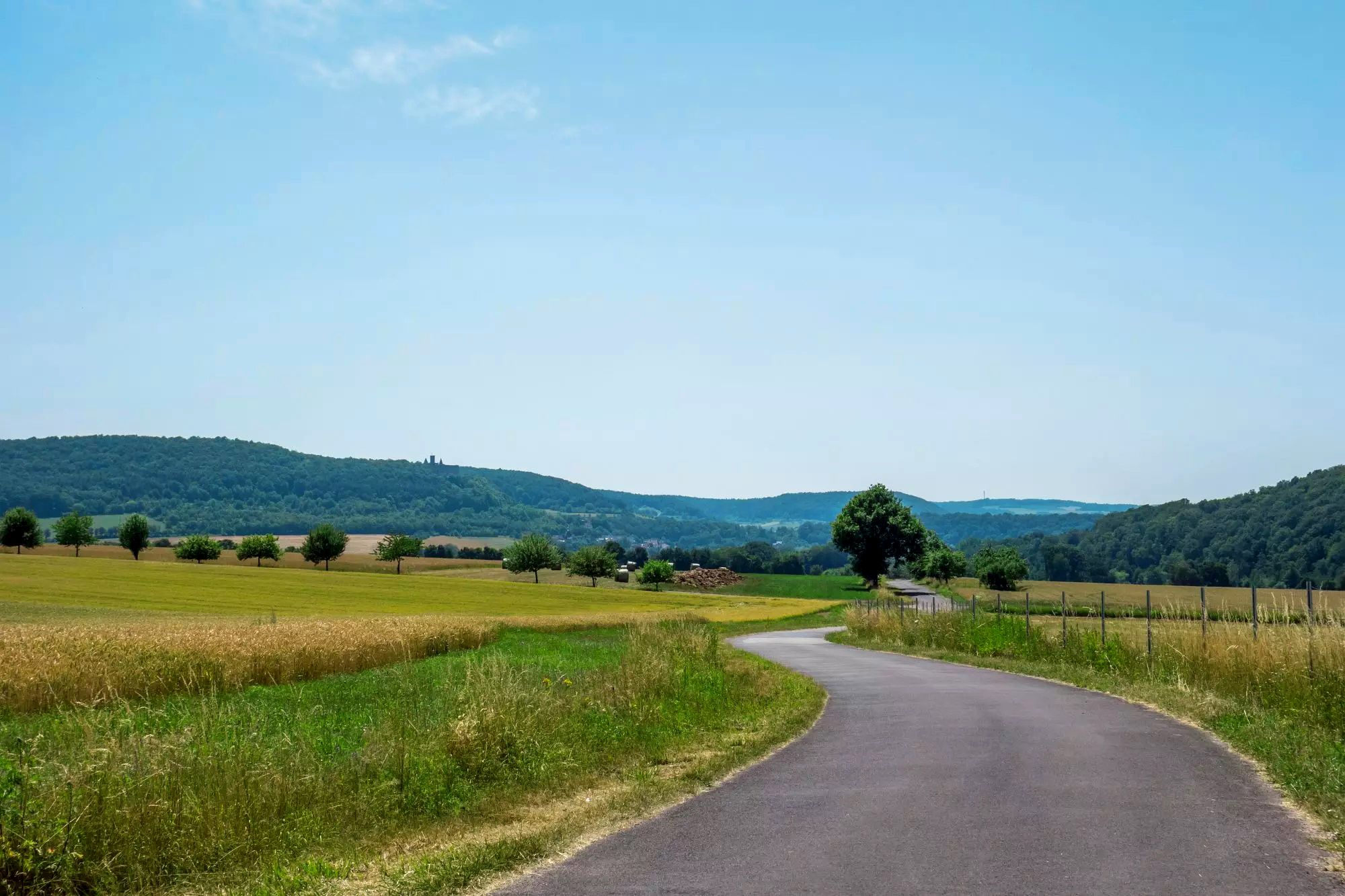
Rhön Cycleway in Germany – Cycling in the Land of Open Distances
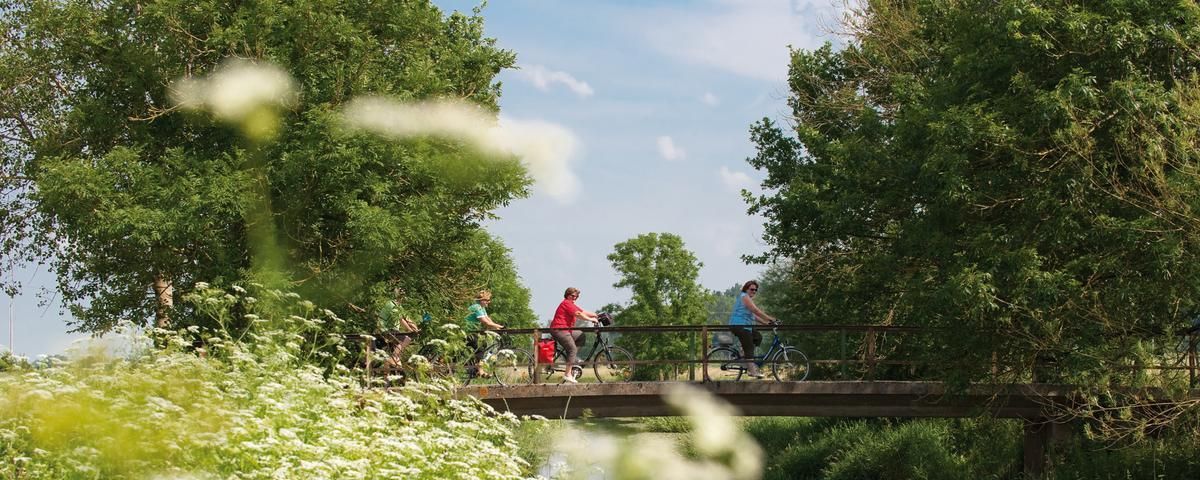
The most beautiful long-distance cycle paths in Franconia
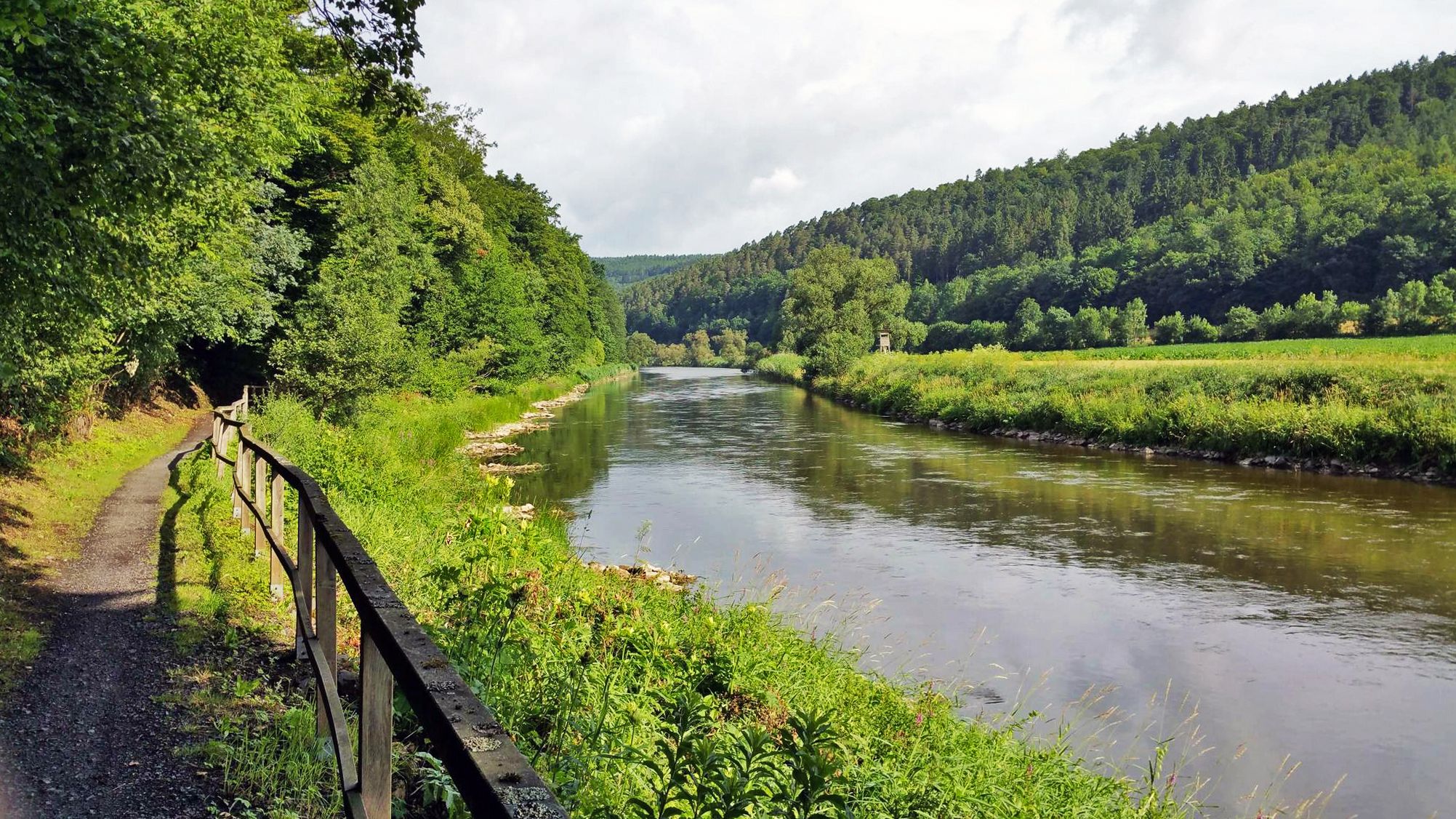
Werratal cycle path — 6 stages along the Werra to the Fulda
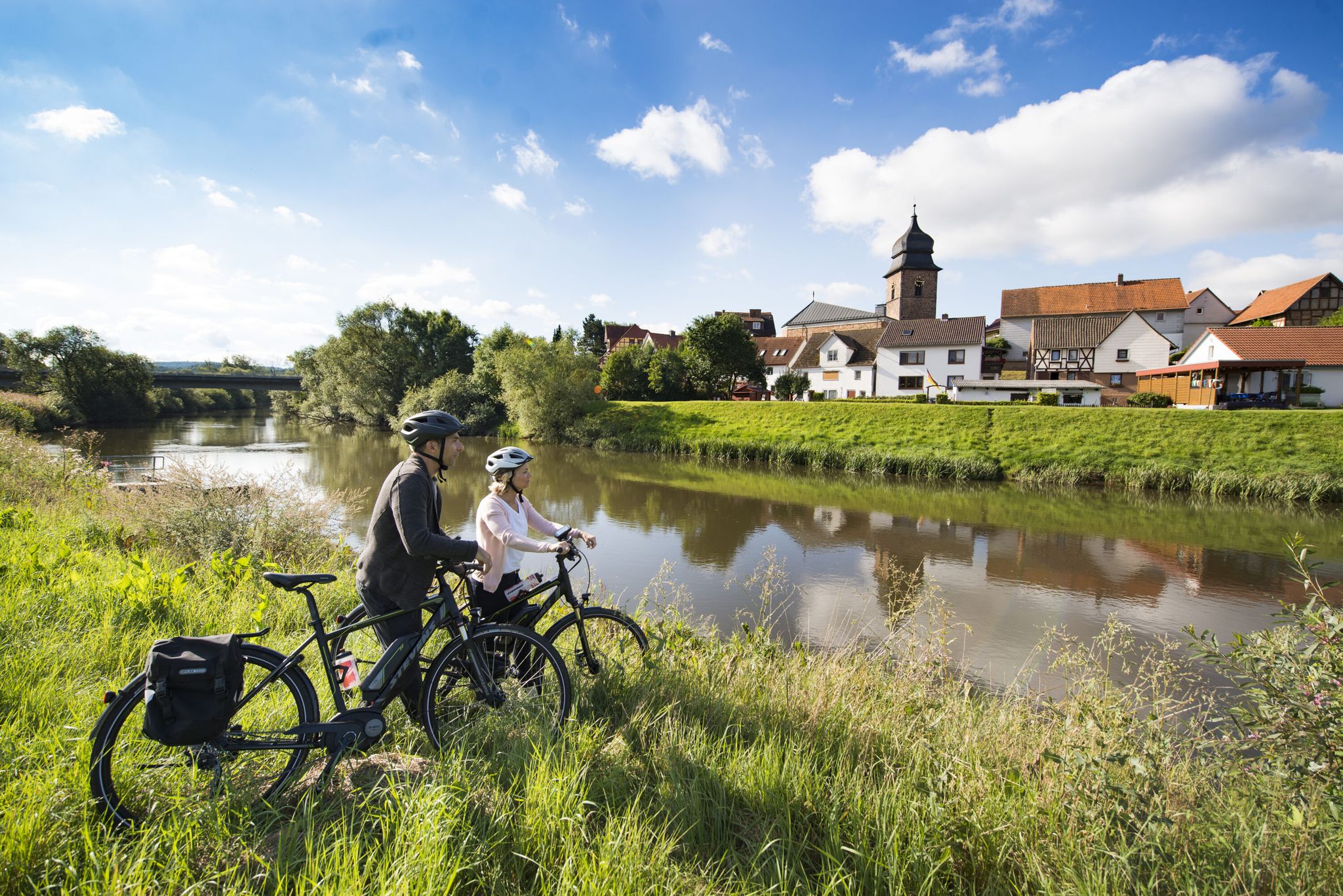
The Fulda cycle path R1 — in 5 stages from the Rhön to the Weser
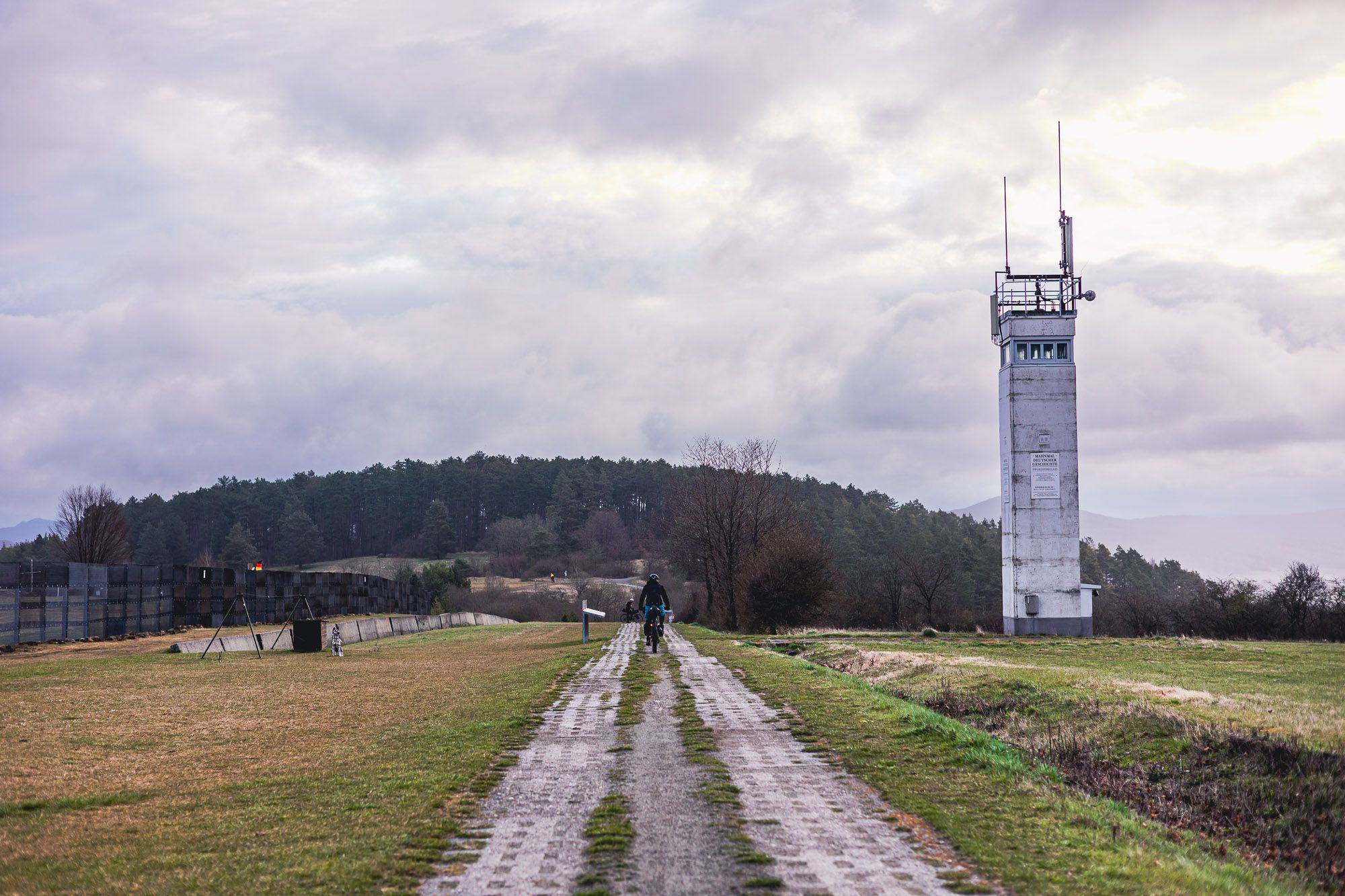
The Baltic Sea to Vogtland – 8 days along Germany's green former border
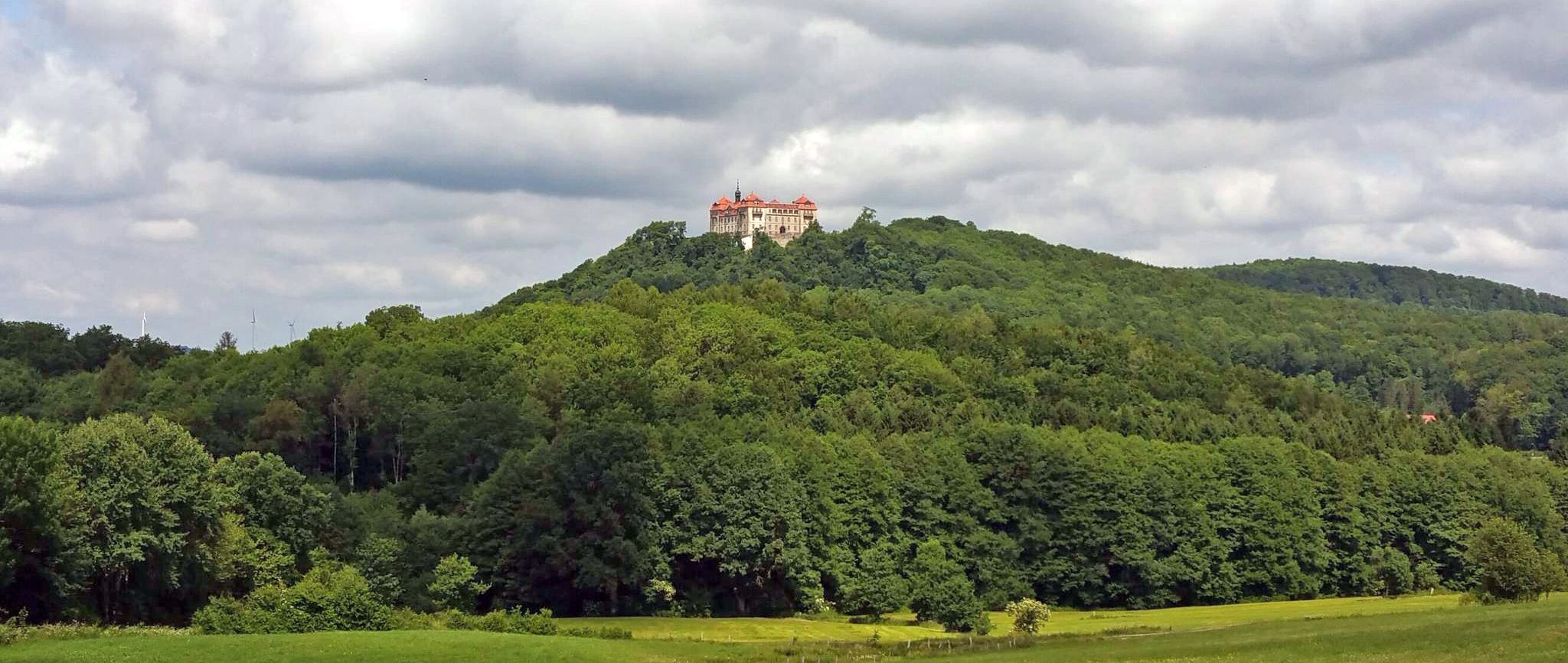
BahnRadweg Hessen — castles, palaces & beautiful nature
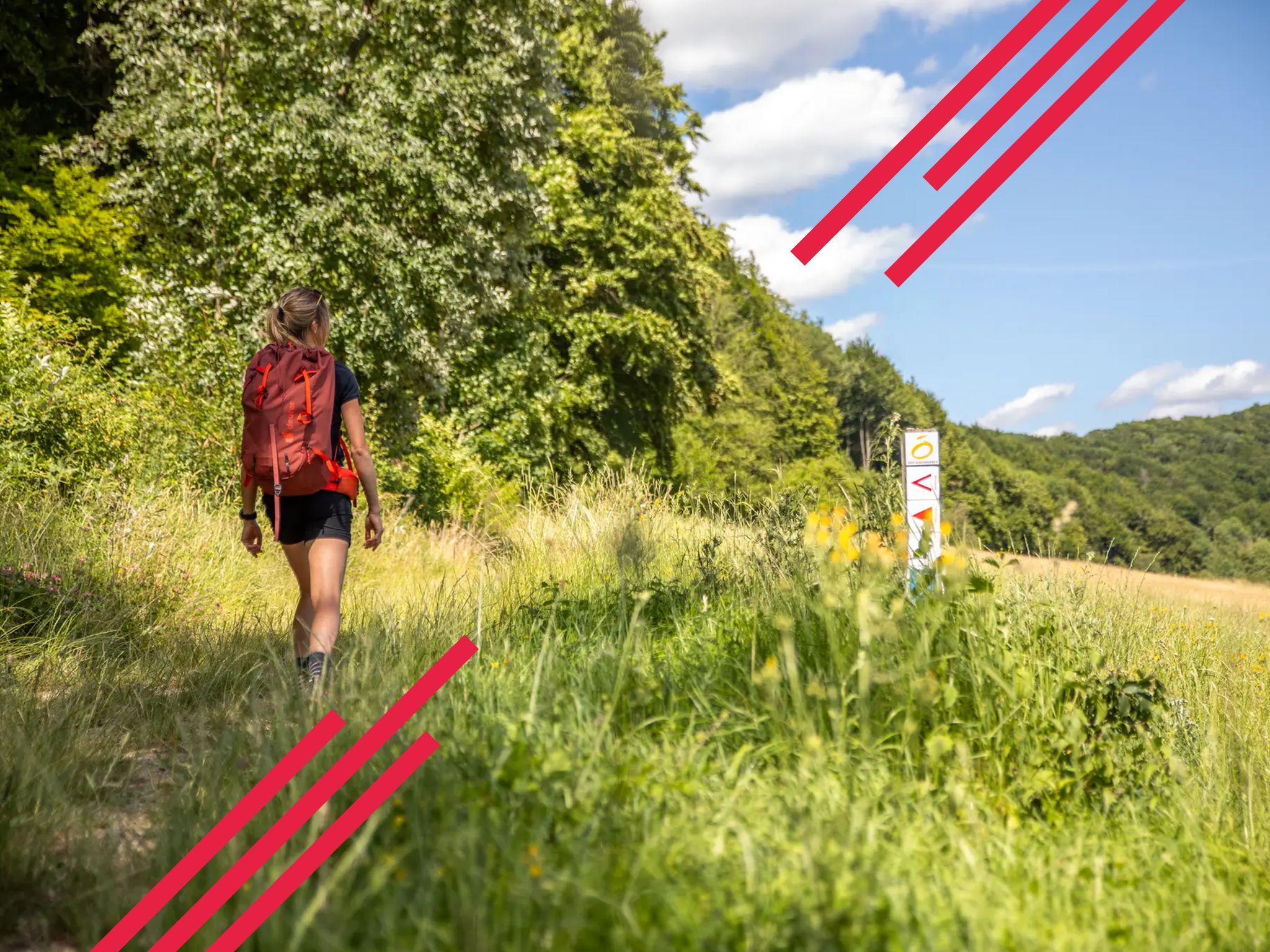
Stages of the HOCHRHÖNER Premium Hiking Trail
Other adventures in the Rhön Mountains


Tips from the Community

At 950 meters, the Wasserkuppe is the highest mountain in Hesse and the symbol of the Rhön Mountains. Up here, you can feel the freedom, as the Wasserkuppe is considered the cradle of gliding – pilots have been taking to the skies here for over 100 years. But it's not just aviators who enjoy it: In summer, you can hike or cycle across vast plateaus with magnificent views, while in winter, ski lifts, cross-country ski trails, and toboggan runs beckon. Around the summit, you'll find the Aviation Memorial, the Gliding Museum, and numerous places to stop for refreshments. The Wasserkuppe is located in the heart of the Hessian Rhön Nature Park, which, with its open highlands, beech forests, and species-rich meadows, is a paradise for nature lovers. Here, you can explore the unique landscape on premium hiking trails like the Hochrhöner or on nature trails. The nature park also boasts star parks, rare animals like the red kite and the wildcat, and botanical treasures like gentian and orchids.
2
0

One of the last raised bogs in Hesse. Peat mining was stopped here in 1986… Today, renaturation is the magic word
13
0
It's a shame that you have zero zero visibility up here in winter... so you have to concentrate on the little things
14
0
Beautiful monument on basalt… a great view in fine weather including.
13
0

The Rote Moor is also located directly on the Hochrhön hiking trail. It's just as beautiful as the Black Moor, just different. In the Red Moor there is a Carpathian birch forest, which here has its westernmost extent in Central Europe. Absolutely worth seeing.
9
0
On the round unmistakable rock mountain… the crucifixion group is visible from afar
19
0
Frequently Asked Questions
What are some of the most unique natural features to explore in the Rhön Mountains?
The Rhön Mountains, a UNESCO Biosphere Reserve, are known for their diverse natural monuments. You can explore significant moorlands like the Schwarzes Moor, a largely undisturbed raised bog with a wooden boardwalk and observation tower. Another impressive site is the Rotes Moor, featuring a circular boardwalk and a beautiful moor lake. The region also boasts volcanic formations such as the Pferdskopf Summit, offering panoramic views, and the fascinating basalt columns at the Basaltsee am Steinernen Haus.
Are there family-friendly natural monuments in the Rhön Mountains?
Yes, many natural monuments in the Rhön Mountains are suitable for families. The Rotes Moor offers a 3-kilometer circular boardwalk, with sections accessible for wheelchairs and strollers, making it easy for all ages. The Guckaisee is another great option, providing a lake for swimming and sunbathing, with catering and parking nearby. The Pferdskopf Summit is also considered family-friendly, offering great views after a short, steep path.
What kind of geological formations can I see in the Rhön Mountains?
The Rhön Mountains have a rich volcanic past, evident in many of its natural monuments. You can observe impressive basalt columns at the Basaltsee am Steinernen Haus, formed when groundwater flooded a former quarry. The Milseburg Summit is another prominent volcanic rock mountain. Additionally, the Teufelskeller at Gangolfsberg features distinctive basalt columns and a basalt block field, offering insights into the region's geological history.
What are the best natural monuments for panoramic views in the Rhön Mountains?
For breathtaking panoramic views, consider visiting the Pferdskopf Summit, which offers expansive vistas in multiple directions. The Wasserkuppe, as the highest mountain in Hesse and the Rhön, provides magnificent panoramic views, including from its Radom. The Kreuzberg, known as the 'Holy Mountain of the Franconians,' also rewards visitors with sweeping views over the Upper Sinntal and beyond.
Are there accessible natural monuments for visitors with mobility challenges?
Yes, efforts have been made to improve accessibility at some natural monuments. The Rotes Moor features a 3-kilometer circular boardwalk with renewed sections suitable for wheelchairs and strollers. Similarly, the Schwarzes Moor offers a wooden boardwalk that minimizes disturbance and is suitable for all fitness levels, including wheelchair users.
What outdoor activities can I do near the natural monuments in the Rhön Mountains?
The Rhön Mountains offer a wide range of outdoor activities. You can find numerous cycling routes, including challenging touring bicycle trails like the 'Franconian Saale Cycle Trail' and road cycling routes such as the 'View of Bieberstein Castle – Milseburg Tunnel loop'. For runners, there are moderate jogging trails like the 'An der Tränke Water Playground – Aue Pond loop'. You can explore more options on the Cycling in the Rhön Mountains, Running Trails in the Rhön Mountains, and Road Cycling Routes in the Rhön Mountains guide pages.
What is the best time to visit the natural monuments in the Rhön Mountains?
The Rhön Mountains offer different experiences depending on the season. Spring and summer are ideal for hiking and enjoying the lush landscapes of the moorlands and forests. Autumn brings vibrant colors, especially around the forested areas. In winter, sites like the Rotes Moor are popular for cross-country skiing, and the Wasserkuppe offers winter sports like snowkiting and skiing. The wooden boardwalks at the moorlands are generally accessible year-round.
Are there any historical or cultural sites associated with the natural monuments?
Yes, some natural monuments are intertwined with history and culture. The Wasserkuppe aviation memorial, located on the Wasserkuppe, commemorates fallen pilots and is a significant historical site. The Kreuzberg is famous for its monastery and traditional Klosterbier, adding a cultural dimension to its natural beauty. The Teufelskeller at Gangolfsberg also carries local folklore, with legends about the Devil creating the grotto.
Can I spot wildlife at the natural monuments in the Rhön Mountains?
The Rhön Mountains, particularly its moorlands, are rich in biodiversity. The Schwarzes Moor is home to rare animal and plant species such as black grouse, sundew, and hare's-tail cottongrass. The delicate ecosystems of the moorlands are protected, making them excellent places for observing unique flora and fauna from designated paths.
What do visitors enjoy most about the natural monuments in the Rhön Mountains?
Visitors frequently praise the stunning panoramic views from summits like Pferdskopf Summit and the Wasserkuppe. The unique experience of walking on boardwalks through the moorlands, such as the Rotes Moor, is also highly appreciated for its educational value and natural beauty. Many enjoy the combination of geological wonders, diverse landscapes, and the peaceful atmosphere these sites offer for hiking and relaxation.
Are there any natural monuments featuring water elements like lakes or springs?
Absolutely. The Basaltsee am Steinernen Haus is an idyllic lake formed in a former basalt quarry. The Moor lake in the Red Moor is another significant water feature within the Rotes Moor. Additionally, you can visit the Fulda Spring, which is the source of the Fulda River, and the picturesque Guckaisee, popular for swimming and recreation.
Can I find easy hiking trails around the natural monuments?
Yes, many natural monuments offer easy and well-maintained trails. The boardwalks through the Schwarzes Moor and Rotes Moor are excellent examples of easy, flat paths suitable for leisurely walks. While some summits like Pferdskopf Summit involve a short, steep ascent, many areas around the monuments are accessible for less strenuous hikes.
Most popular routes in the Rhön Mountains
Most popular attractions in the Rhön Mountains

Get inspired with the komoot mobile app


Explore more
Extend your search for the best caves by checking out these guides of the top ones in the Rhön Mountains:
