Top 5 Natural Monuments around Simaghis/Simaxis
Best natural monuments around Simaghis/Simaxis are found within the Province of Oristano in Sardinia, an island renowned for its diverse natural landmarks. While Simaghis/Simaxis itself is a comune, the surrounding region offers numerous natural attractions near Simaxis, shaped by geological activity over millennia. These natural sites Oristano province provide unique geological features and landscapes for exploration.
Best natural monuments around Simaghis/Simaxis
- The most popular natural monuments is Fordongianus Roman Baths, a historical site and natural monument that features ancient…
Last updated: May 9, 2026
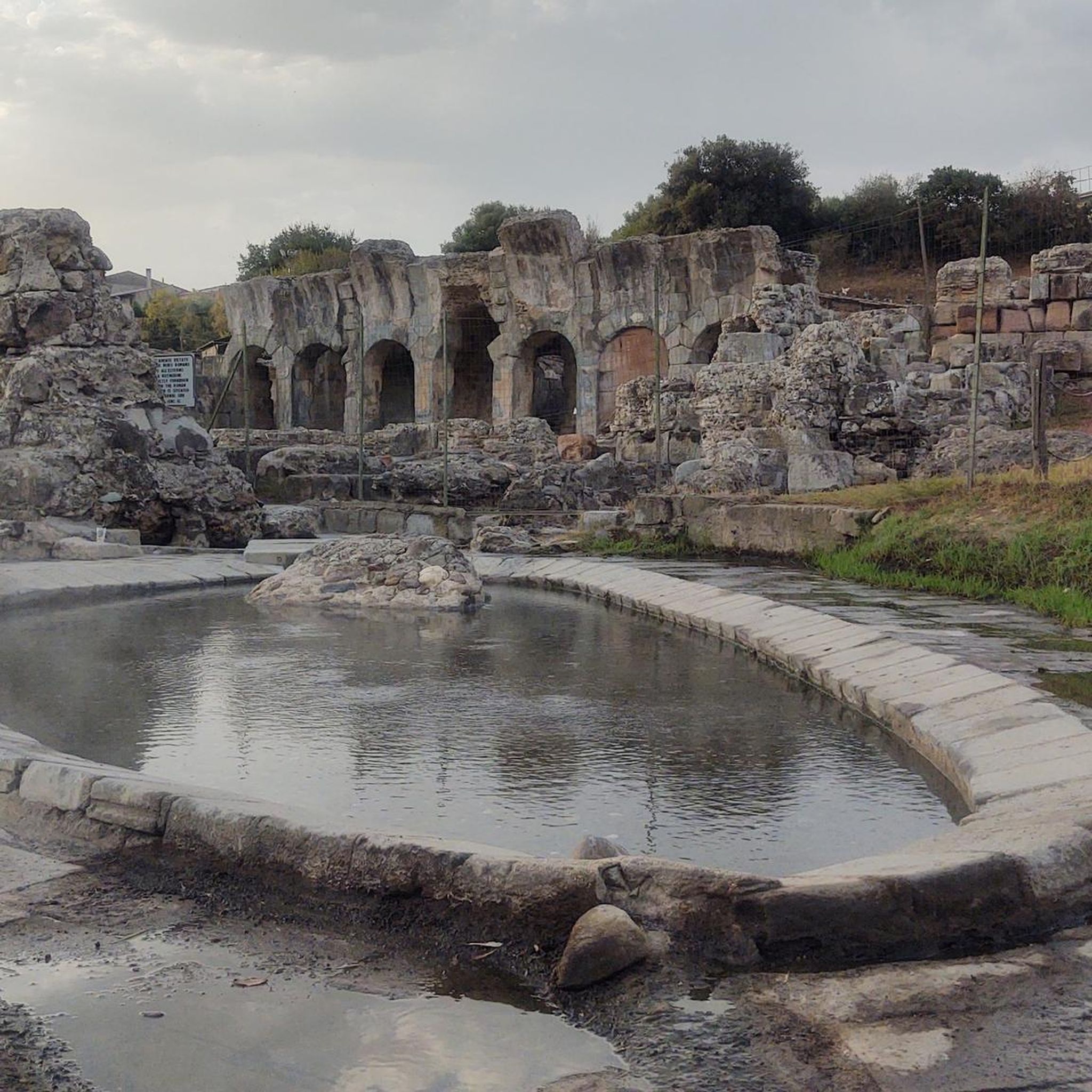
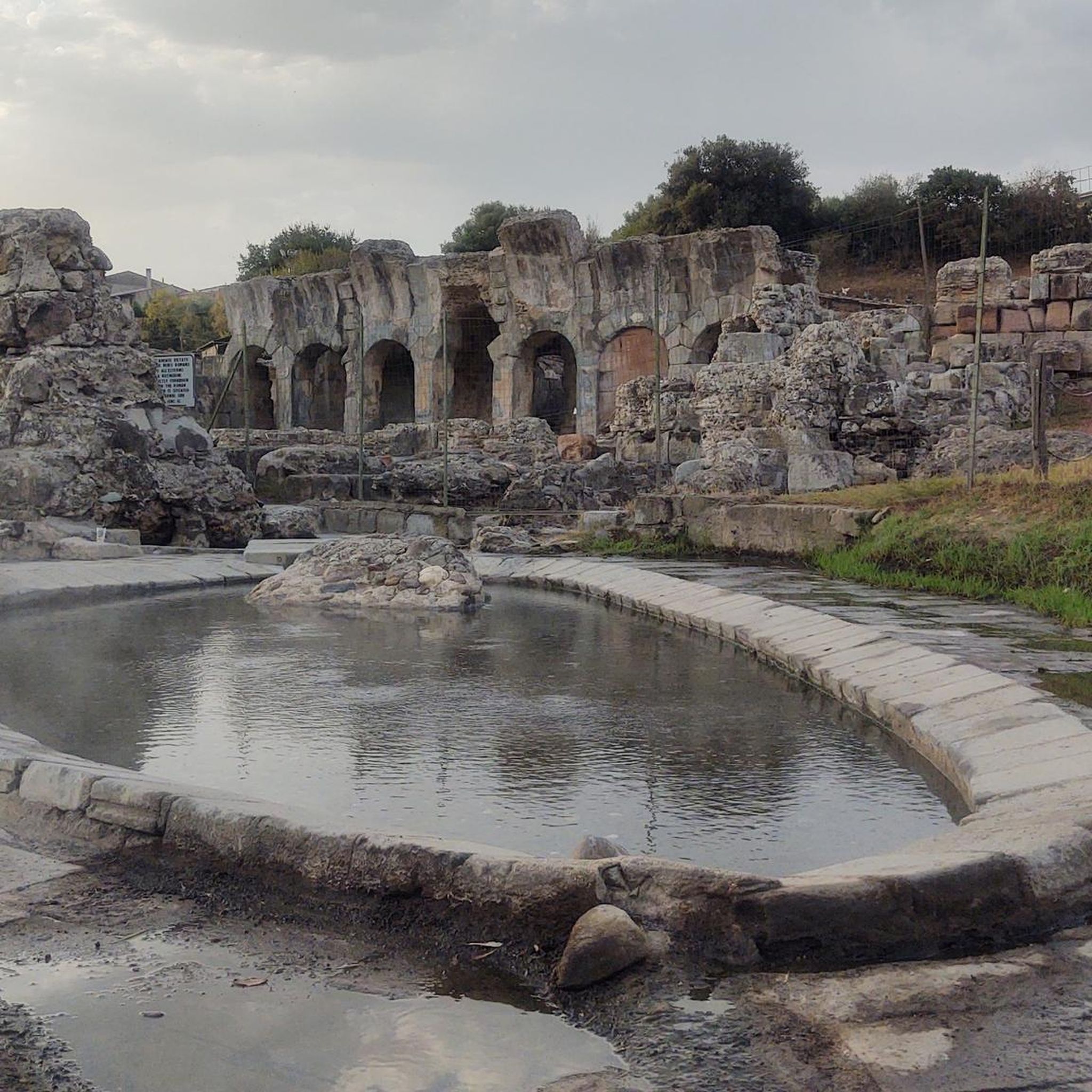
Fordongianus Roman Baths
Highlight • Historical Site
Translated by Google •
Tip by

Fonte di Zinnuri
Highlight • Natural Monument
Translated by Google •
Tip by

Sign up now to discover places like this
Get recommendations on the best single tracks, peaks, & plenty of other exciting outdoor places.
Sign up for free
Is Arutas Santas
Highlight • Natural Monument
Translated by Google •
Tip by

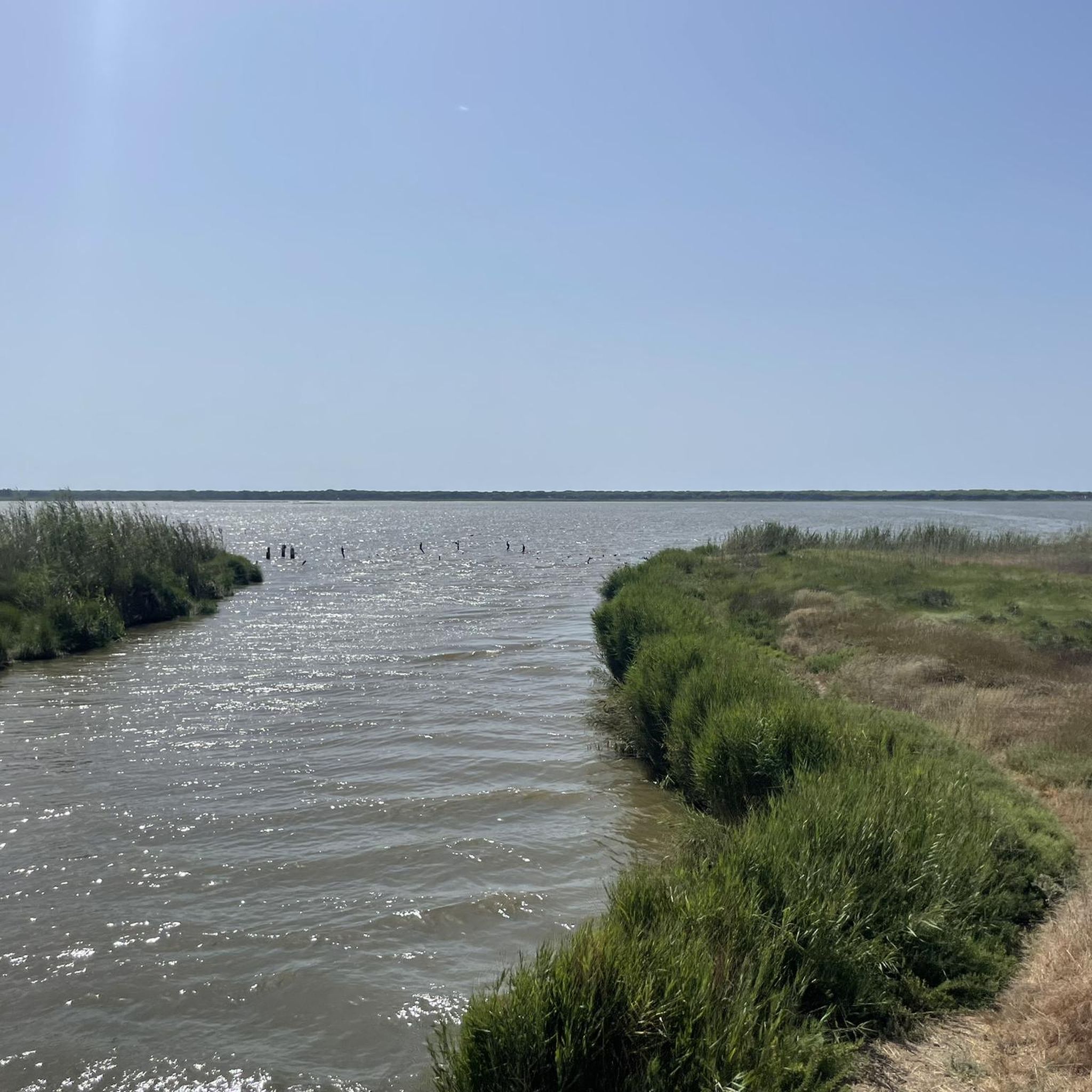
Fresh Water Spring
Highlight • Natural Monument
Translated by Google •
Tip by

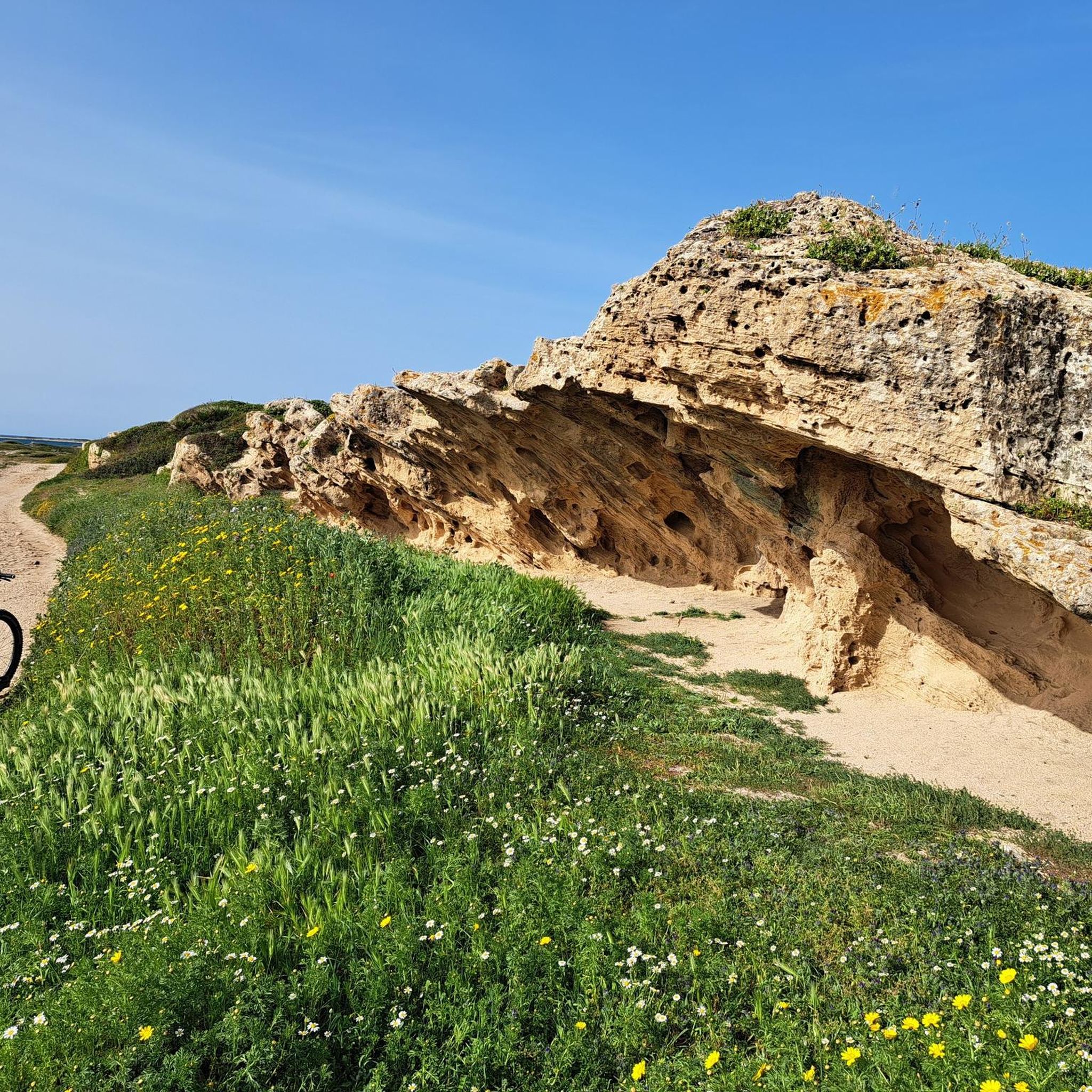
The Guardian of Monte Arci
Highlight • Natural Monument
Translated by Google •
Tip by
Start today with a free account
Your next adventure awaits.
Login or Signup

Tips from the Community


A rock that resembles a face, if viewed from the side, can be admired halfway up or down the canyons, in correspondence with the wooden fence.
0
0
Source of drinking water, often dry.
0
0
Two hard climbs in rapid sequence: the mum (even 18/20% gradient) up to pranu staddas; the Aru (with traits even over 20%). Dirt surface slippery in several sections.
0
0
A small sign indicates this source on a detour from the main road, good fresh water
0
0

The thermal baths are managed by the Cooperative Forum Traiani. Current opening times can be found here: https://www.forumtraiani.it/what-to-see/?lang=en
0
0
It was once the Forum Traiani, the most important Roman city in the island's hinterland, founded in the late Republic and becoming a marketplace between the inland communities and the Romanized population of the Gulf of Oristano under Emperor Trajan. Today Fordongianus is a small town of less than a thousand inhabitants in the Barigadu area, a renowned wellness center thanks to a thermal facility that uses saline and thermoactive water springs that flow at 56 degrees all year round and have beneficial effects on the body. A feature known to the Romans: the city is situated on the left bank of the fertile and lush valley of the Tirso, home to the warm and healing Aquae Ypsitanae, Roman baths from the 1st century AD, now an archaeological site. Two facilities can be visited, one retains a rectangular porticoed swimming pool, originally with a barrel vault, the other includes the changing room. The floor was in mosaic (you will see traces of it) and the ceiling in blue glass paste. The supply was ensured by a network of canals and a system of wells and cisterns. The importance of the thermal baths is confirmed by two statues of the god Bes, deity of health cults, and by a sacred space dedicated to the nymphs. Source: https://www.sardegnaturismo.it/en/discover/fordongianus
0
0

Nuragic spring located inside the park of the same name. There are refreshment areas and the homonymous nuraghe a little further downstream (not open to visitors, within private land).
2
0
Frequently Asked Questions
What unique geological features can I explore around Simaghis/Simaxis?
The region offers diverse geological formations. You can visit Is Arutas Santas, a spectacular basaltic rocky emergence of volcanic origin. Further afield, Sardinia boasts impressive sites like the majestic sea stack of Pan di Zucchero, the volcanic relief of Domo Andesitico di Acquafredda, and the granite formation of Bear Rock, all shaped by millennia of natural processes.
Are there any natural monuments with historical significance near Simaghis/Simaxis?
Yes, the Fordongianus Roman Baths are a prime example. This site features ancient Roman baths still enriched by naturally flowing warm waters. It was once the important Roman city of Forum Traiani and is now an archaeological site with thermal facilities, blending natural springs with historical architecture.
What are some family-friendly natural monuments in the area?
For a family-friendly outing, consider Fonte di Zinnuri. This Nuragic spring is located inside a park with refreshment areas, providing a pleasant spot for a break and exploration. Many natural sites across Sardinia are accessible and enjoyable for families, often featuring easy paths or scenic viewpoints.
Where can I find natural springs or water sources around Simaghis/Simaxis?
You can visit Fonte di Zinnuri, a Nuragic spring within a park. Additionally, there's a Fresh Water Spring indicated by a small sign off the main road, offering good fresh water, though it can sometimes be dry. Is Arutas Santas also has drinking water fountains nearby.
Are there opportunities for hiking or trekking near these natural monuments?
Yes, the broader region of Sardinia offers numerous trekking opportunities. For example, The Guardian of Monte Arci is located within a canyon area, offering scenic views and potential for exploration. Further afield, Punta Goloritze' is famously reached via a trekking route or by boat, providing a rewarding hike to a stunning white beach.
What kind of outdoor activities can I do near Simaghis/Simaxis?
Beyond visiting natural monuments, the area around Simaghis/Simaxis is excellent for various outdoor sports. You can find numerous road cycling routes, running trails, and MTB trails, catering to different difficulty levels and offering diverse landscapes to explore.
What do visitors appreciate most about the natural monuments in this region?
Visitors often highlight the unique blend of natural beauty and historical significance. The warm, therapeutic waters of the Fordongianus Roman Baths are a particular draw, as is the peaceful setting of Fonte di Zinnuri. The spectacular volcanic emergence of Is Arutas Santas also receives appreciation for its striking appearance.
Are there any natural monuments with impressive viewpoints or rock formations?
Absolutely. The Guardian of Monte Arci is a rock formation resembling a face, offering a unique sight within a canyon. Beyond the immediate vicinity, Sardinia is famous for formations like the Bear Rock near Palau, a granite rock sculpted by nature, and the dramatic limestone cliff of Pedra Longa in Ogliastra.
Can I find natural monuments that involve water features like waterfalls or sea stacks?
Yes, Sardinia is rich in such features. While not directly in Simaghis/Simaxis, you can find Su Stampu de Su Turrunu, a natural tunnel with a 16-meter waterfall and a pond. Off the coast of Iglesias, Pan di Zucchero is a magnificent sea stack, the highest in the Mediterranean, featuring caves carved by the sea.
What is the best time of year to visit the natural monuments around Simaghis/Simaxis?
The spring and autumn months are generally ideal for visiting natural monuments in Sardinia. The weather is milder, making outdoor activities like hiking and exploring more comfortable. Summer can be very hot, though coastal sites might offer a refreshing breeze. Winter is also pleasant for exploration, especially for those seeking solitude.
Are there any natural monuments that are particularly wild or remote?
For a sense of wildness, consider the natural columns of Carloforte, which symbolize a rugged landscape characterized by caves, cliffs, and ridges. Punta Goloritze' also offers a remote feel, accessible either by a challenging trek or by boat, leading to a pristine white beach.
What should I wear when visiting natural monuments in the autumn?
In autumn, it's advisable to wear layers as temperatures can vary throughout the day. Comfortable walking shoes are essential, especially if you plan to explore sites with uneven terrain or engage in light hiking. A light jacket or sweater is recommended for cooler mornings and evenings.
Most popular routes around Simaghis/Simaxis
Most popular attractions around Simaghis/Simaxis

Get inspired with the komoot mobile app


Explore more
Extend your search for the best caves by checking out these guides of the top ones around Simaghis/Simaxis:
