Top 7 Mountain Passes in Lower Franconia
Best mountain passes in Lower Franconia are characterized by low mountain ranges like the Rhön and Spessart. This region offers elevated routes with significant views and recreational opportunities. The landscape features open plateaus, dense forests, and historical sites such as monasteries and castle ruins. Visitors can explore diverse natural features and cultural landmarks across its varied terrain.
Best mountain passes in Lower Franconia
- The most popular mountain passes is Guckas Pass, a mountain pass located on the edge of…
Last updated: August 30, 2026
Guckas Pass
Highlight • Mountain Pass
Translated by Google •
Tip by

Kreuzbergsattel
Highlight • Mountain Pass
Translated by Google •
Tip by

Sign up now to discover places like this
Get recommendations on the best single tracks, peaks, & plenty of other exciting outdoor places.
Sign up for free
Watershed Rhein/Weser Parking Area
Highlight • Mountain Pass
Translated by Google •
Tip by

Johannesberg mountain pass
Highlight (Segment) • Mountain Pass
Translated by Google •
Tip by

Dornbusch Pass summit and rest area in Haßberge Nature Park
Highlight • Mountain Pass
Translated by Google •
Tip by

Hetzberg Heights
Highlight (Segment) • Mountain Pass
The rumbling, consisting of potholes, longitudinal joints and asphalt patches, is now finally a …
Translated by Google •
Tip by
Ascent to Guckaspass
Highlight • Mountain Pass
Translated by Google •
Tip by

Gräfeneuseser Steige
Highlight • Mountain Pass
Translated by Google •
Tip by

Start today with a free account
Your next adventure awaits.
Login or Signup
Popular around Lower Franconia
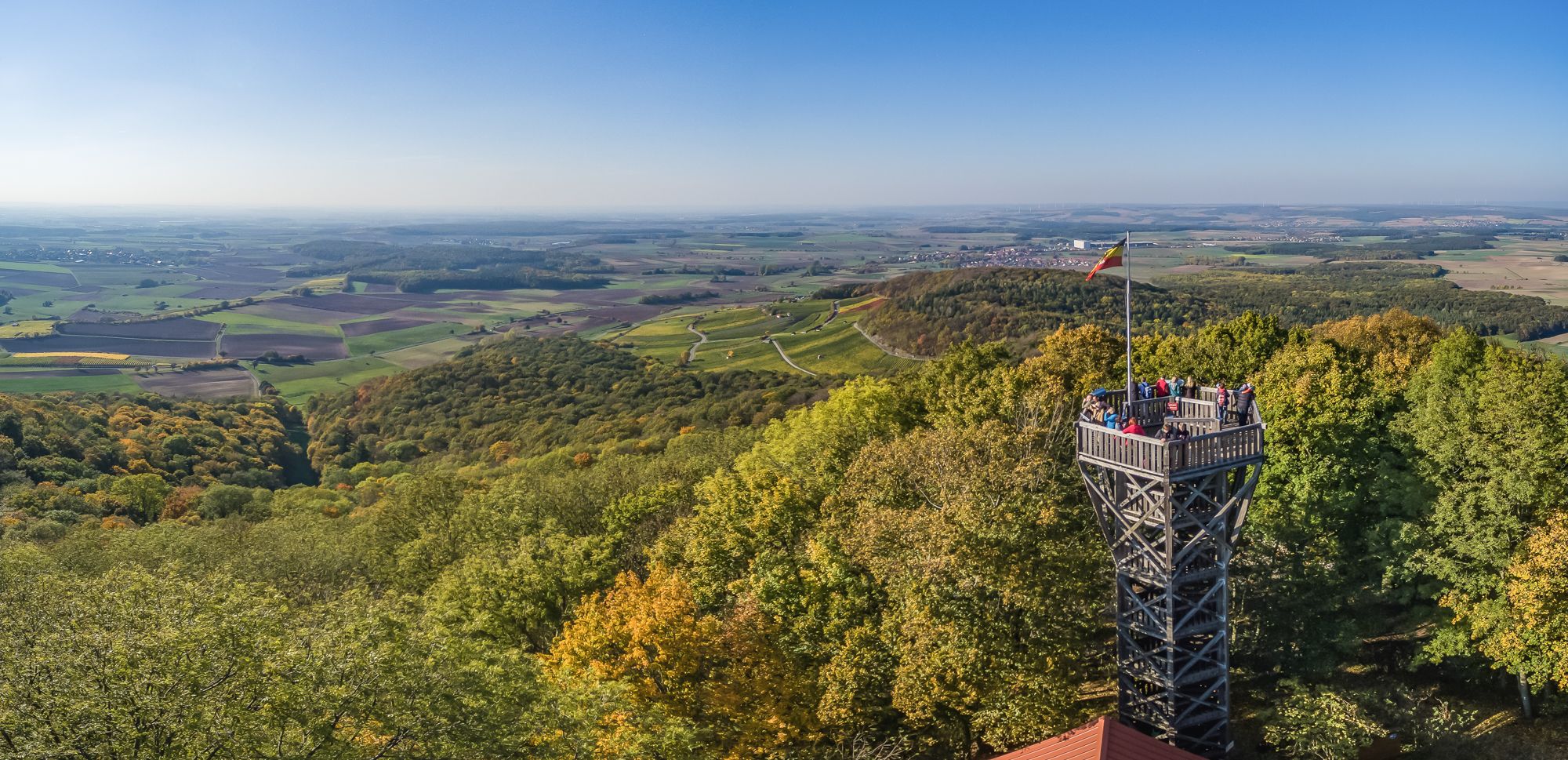
Steigerwald panorama trail — 9 days
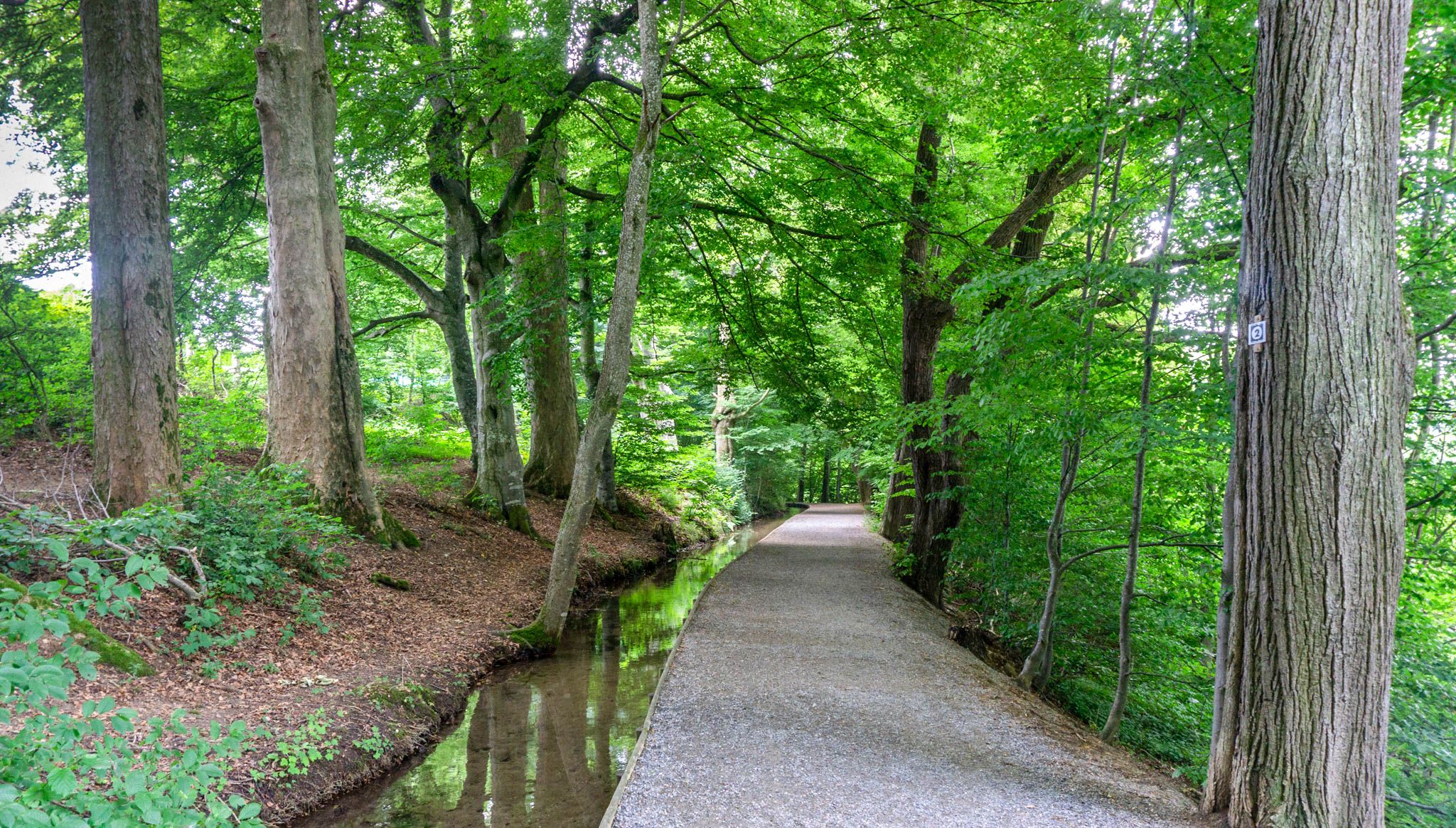
Main-Danube-Lake Constance Trail – Along iconic waters
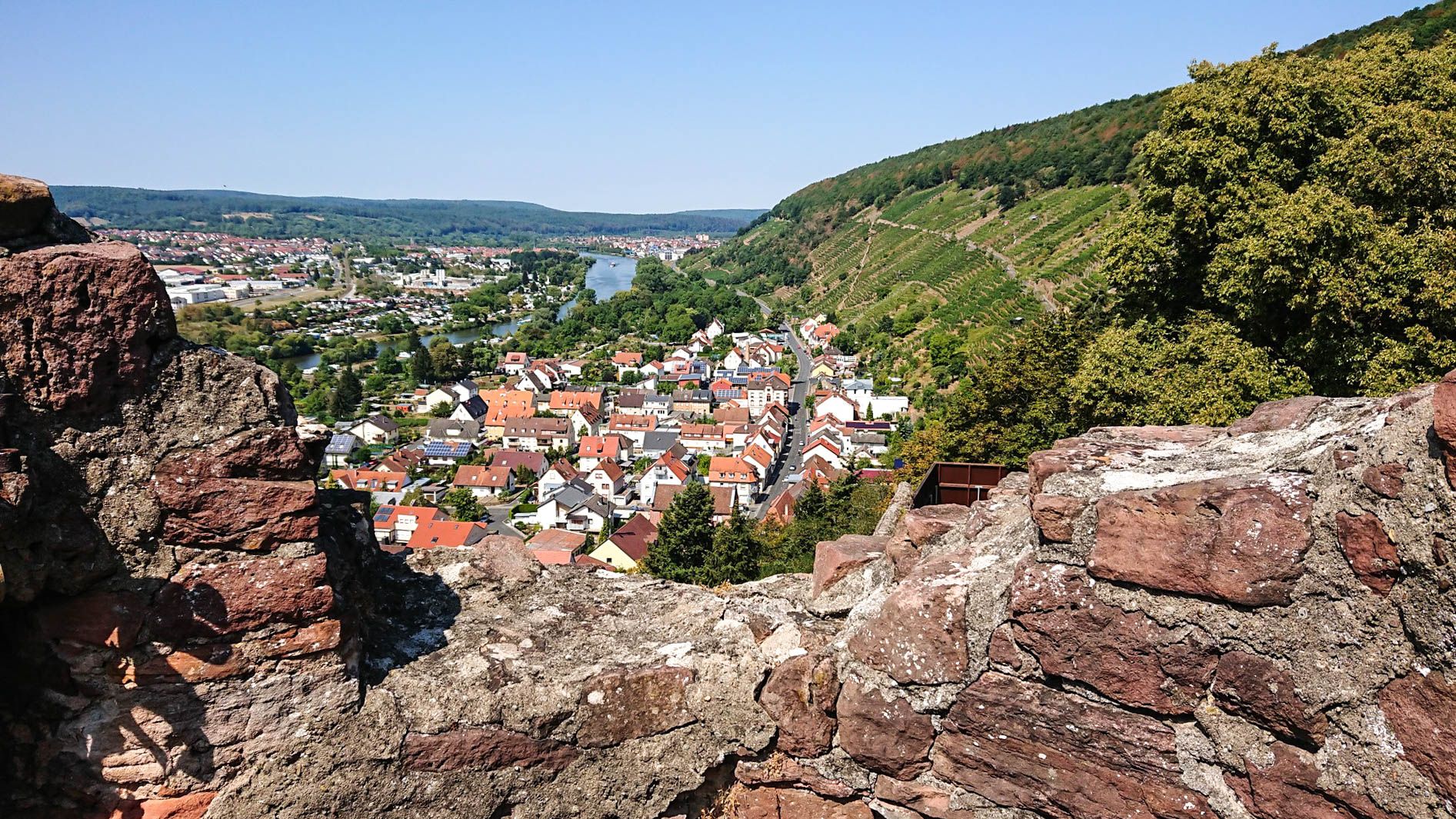
Franconian Red Wine Trail — From vineyards to the Main River
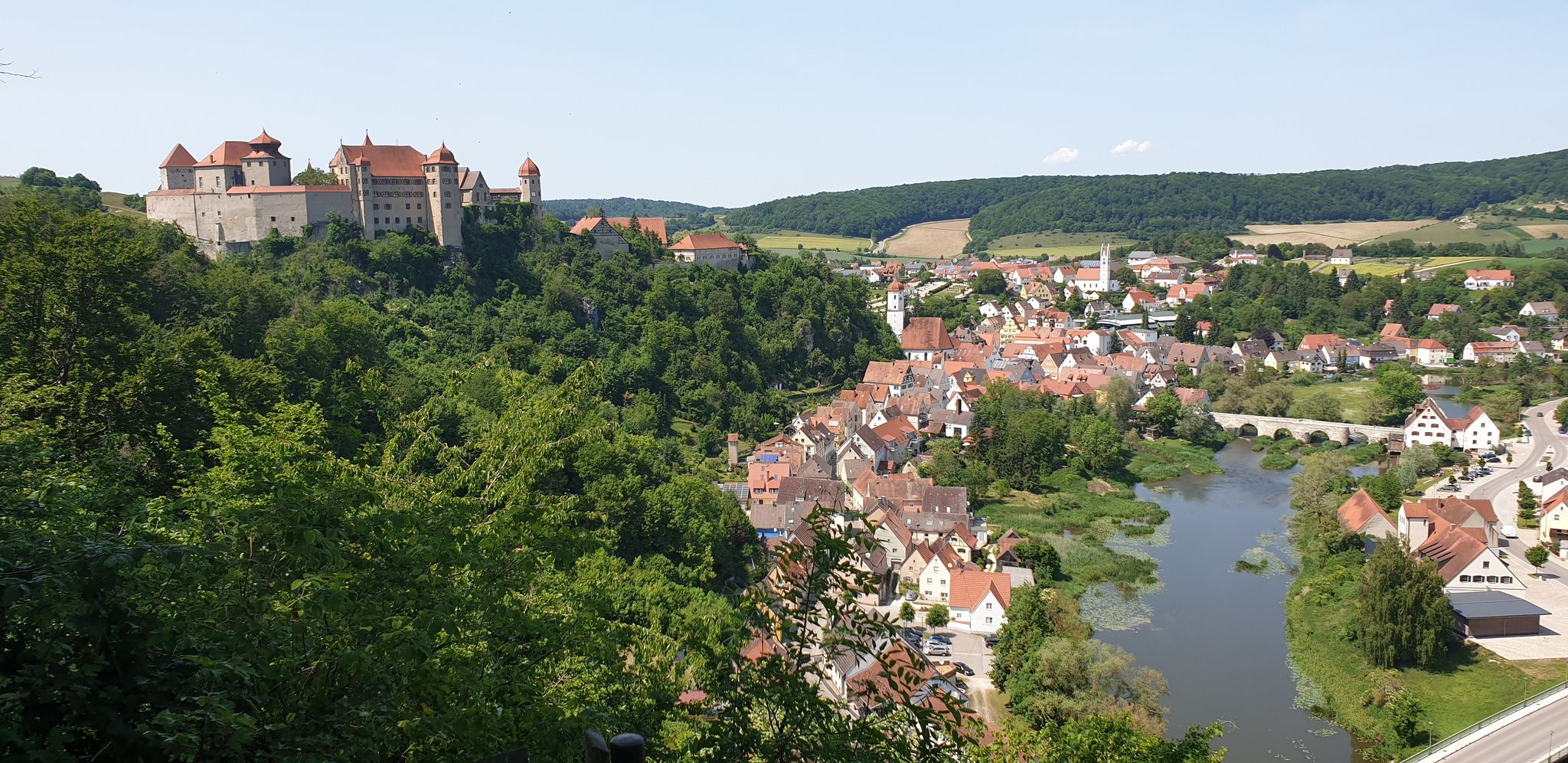
The Romantic Road – To the Pearls of Southern Germany
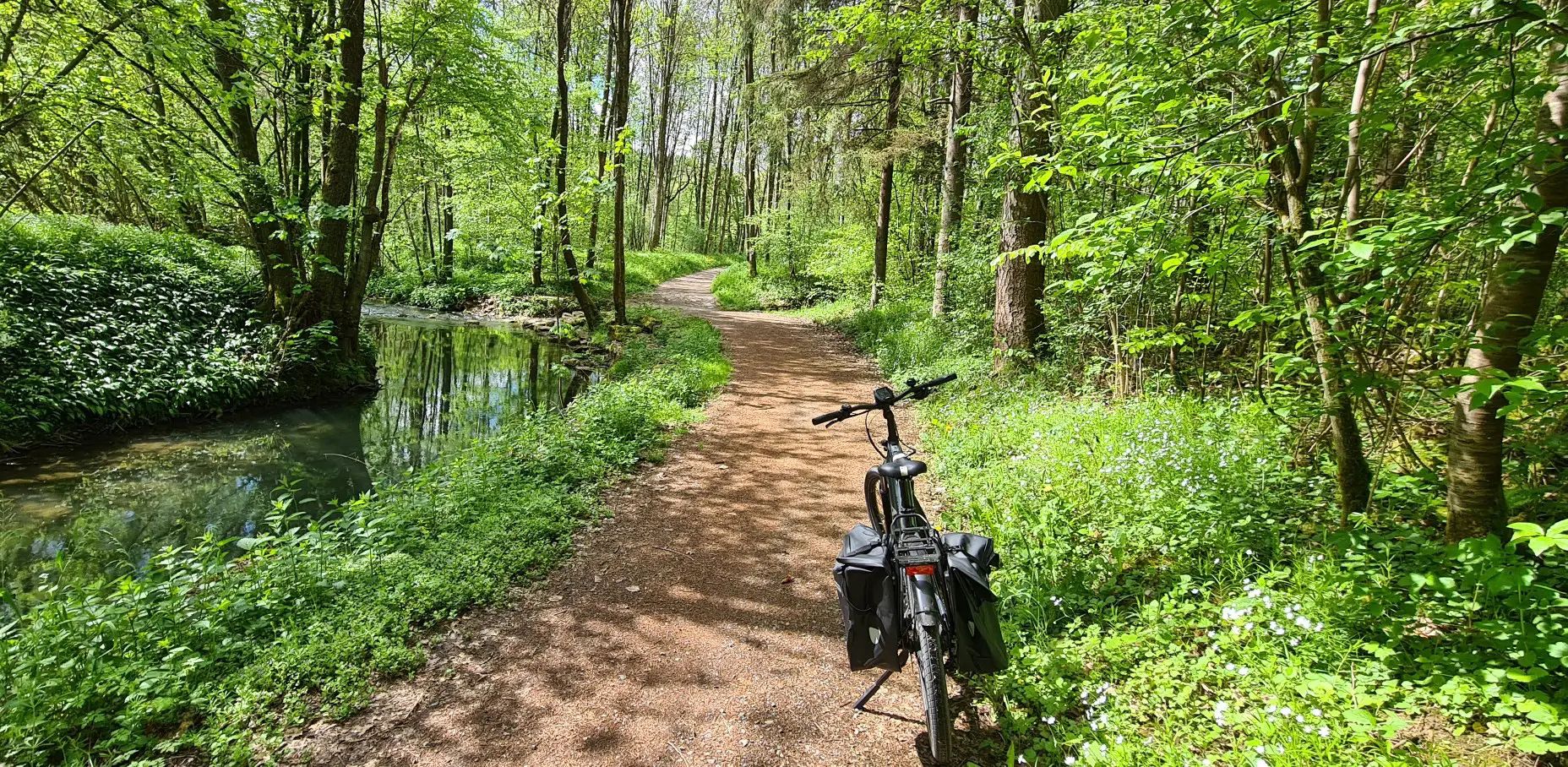
Germany's Main-Tauber-Franconian Radachter – two loops, one experience
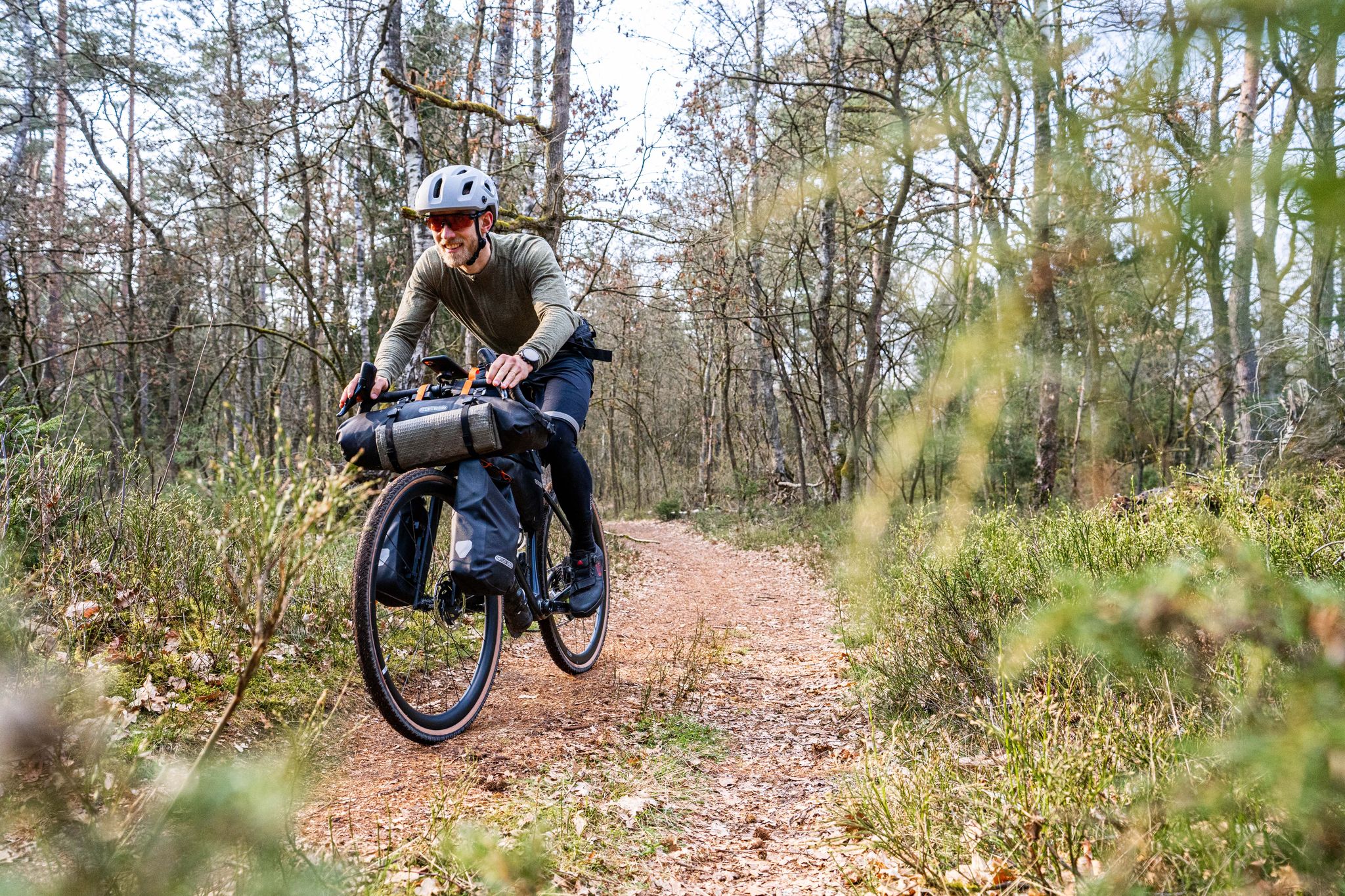
Gravel bikepacking from Hamburg to Munich
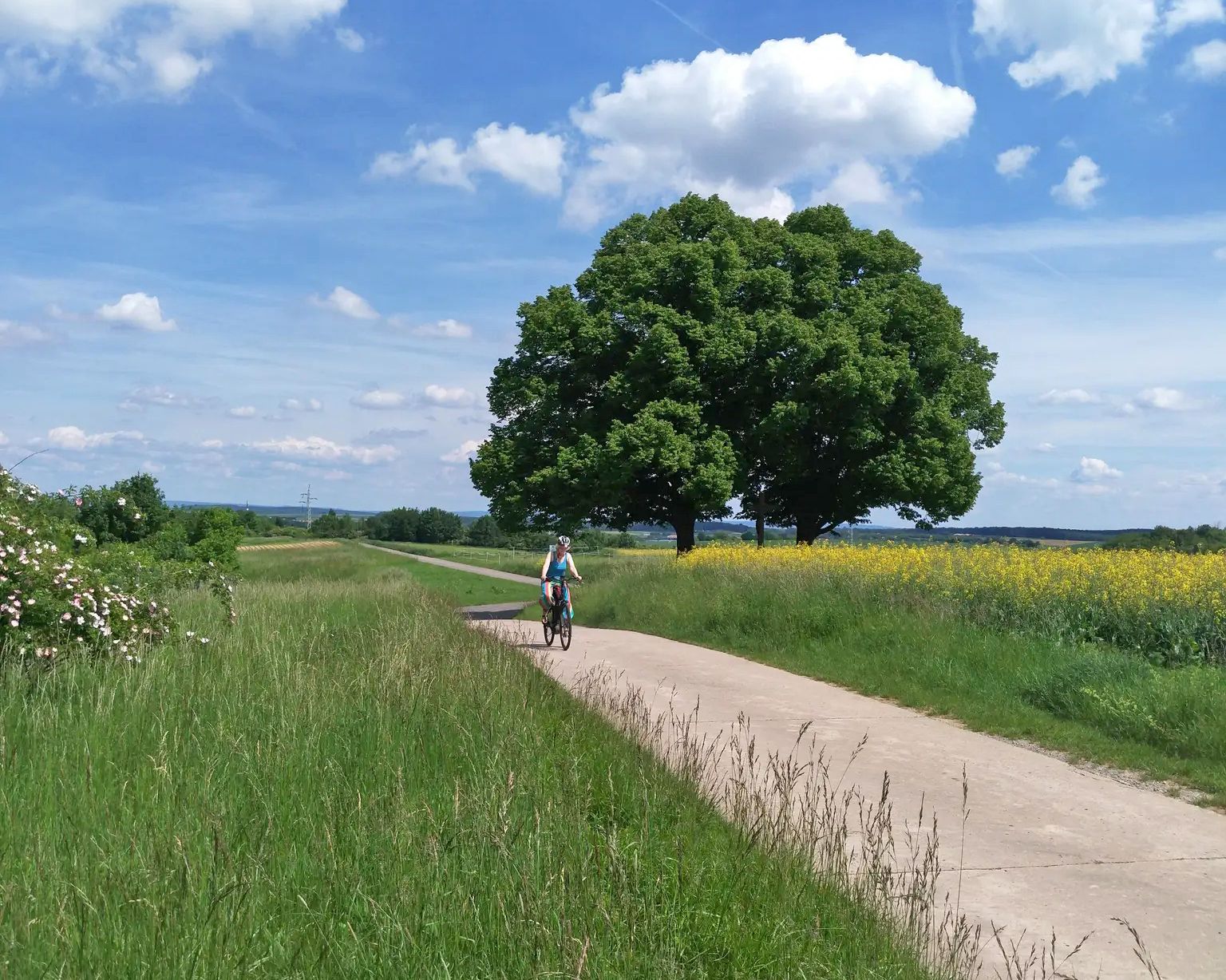
Main-Werra cycle path – From river to river
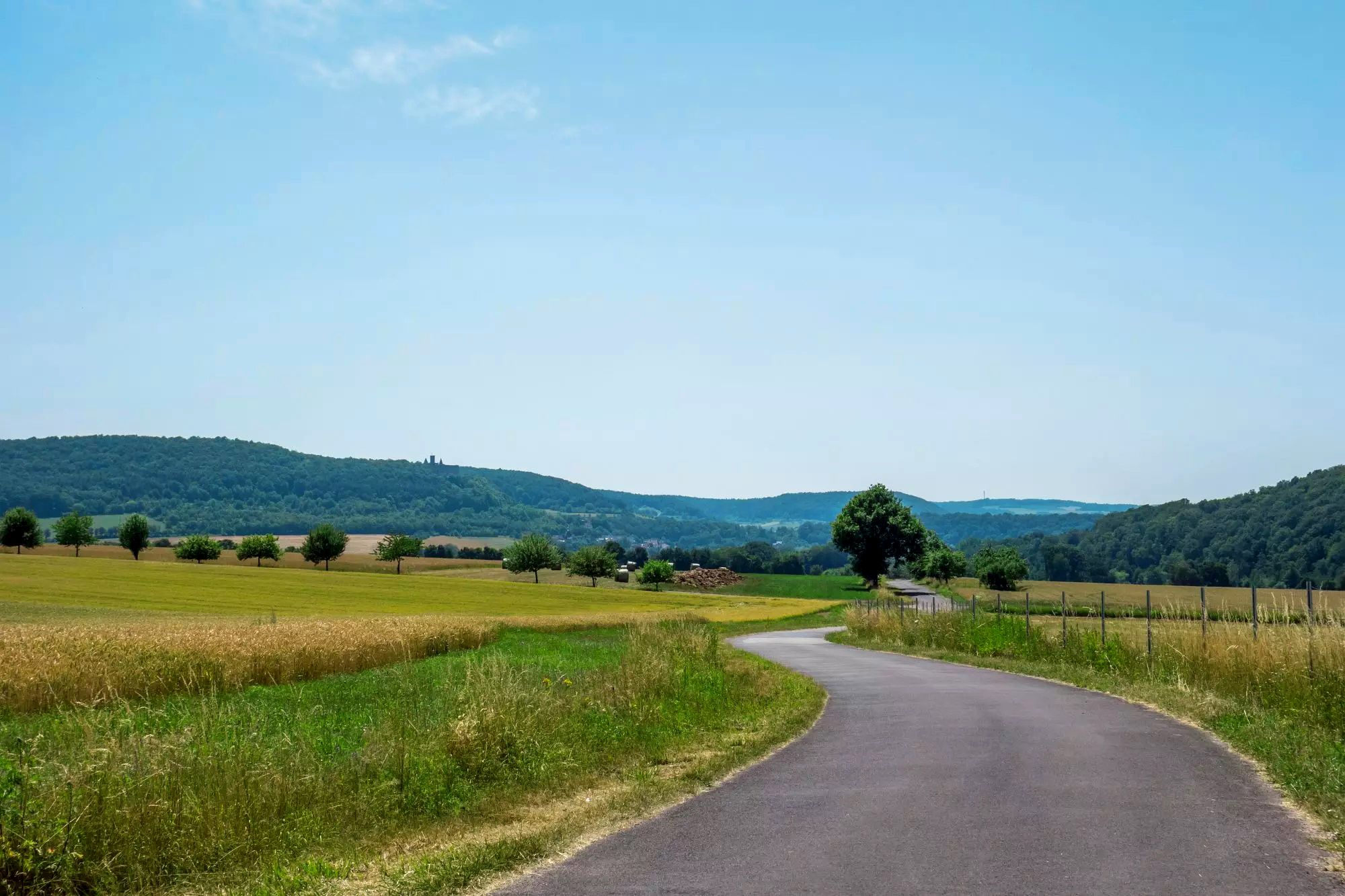
Rhön Cycleway in Germany – Cycling in the Land of Open Distances
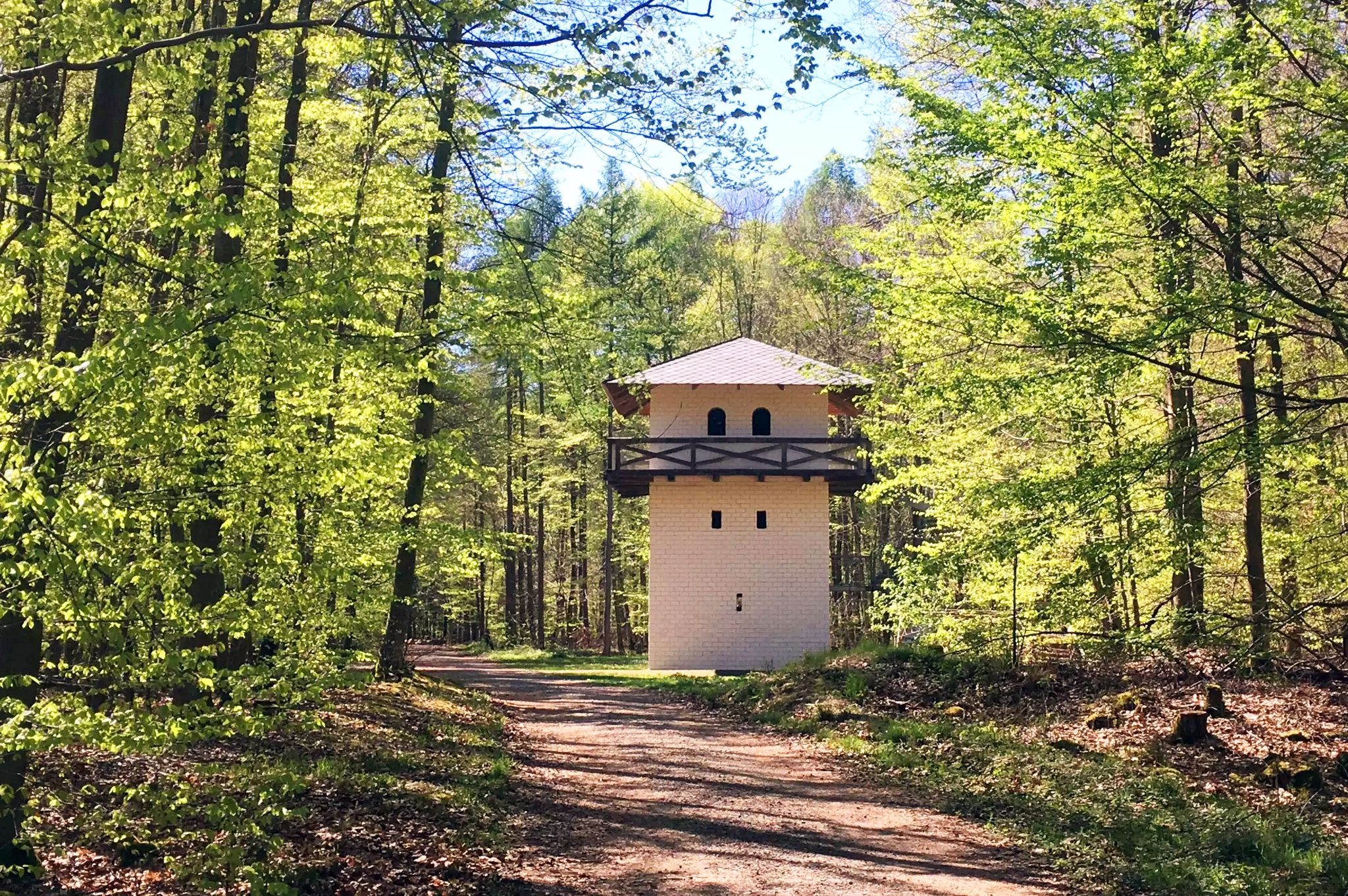
German Limes Cycle Path – Riding from the Rhine to the Danube
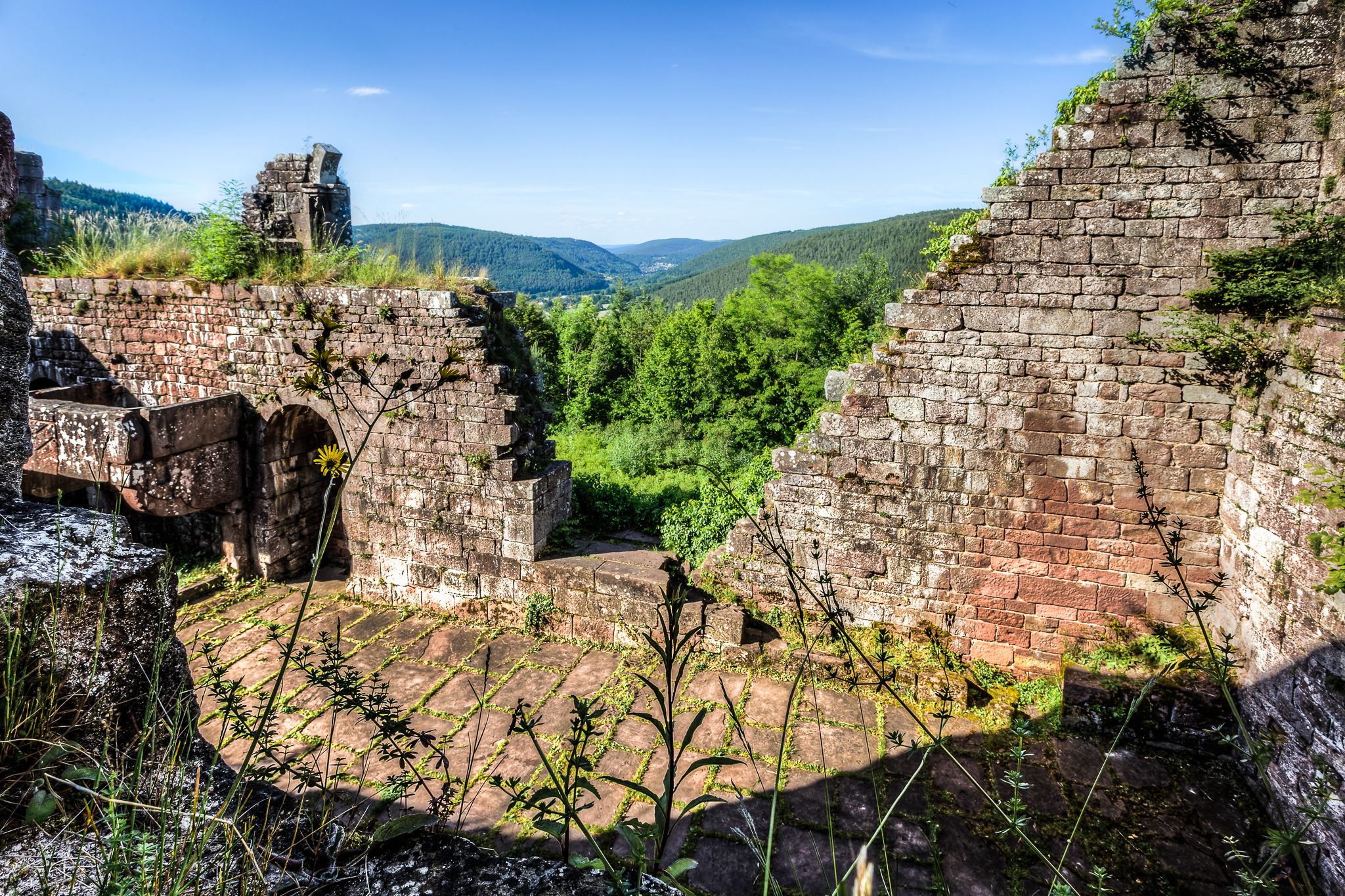
The Nibelungensteig in 7 stages – Simply legendary!
Other adventures in Lower Franconia


Tips from the Community

The sign indicates the course of the former border between the Kingdom of Bavaria and the Duchy of Coburg-Gotha.
0
0

Beautiful views into the distance and of the nearby Kreuzberg and Arnsberg mountains. Anyone who still has the energy at this point should tackle the last few meters to the Kreuzberg summit. The path is paved all the way to the summit, making it suitable for road bikes.
0
0

Very nice climb with a moderate gradient. Unfortunately the asphalt is not always in the best condition. But it's still okay uphill.
0
0

On the St2317 state road, you can once again enjoy a good ride on winding roads. The rumbling, consisting of potholes, longitudinal joints and asphalt patches, is now finally a thing of the past. The connection between the B26 and Heigenbrücken has been completely renovated after three months of construction. A top-quality asphalt road now winds its way for just over 5 kilometers. To the left and right, the Bösbornkopf, Hetzberg, Schwarzkopf and Falkenberg mountains provide shade and cooling with their trees. The highlight of the section is certainly the 180° bend that creates an Alpine feeling at the foot of the descent. A passage in the beautiful Spessart for which you can sometimes take a detour!
1
0
The Guckapass - named after the nearby 750 meter high mountain "Kleiner Guckas" - is located at an altitude of about 630 meters. The climb with an average gradient of 8% is easy to manage. The ST2267 is well developed, there is some traffic, so some caution is required.
3
0
The Guckapass - named after the nearby 750 meter high mountain "Kleiner Guckas" - is located at an altitude of about 630 meters. The climb with an average gradient of 8% is easy to manage. The ST2267 is well developed, there is some traffic, so some caution is required.
1
0


A beautiful, easy-to-ride, mostly steady climb with good asphalt and only moderate traffic. From up here you have the view into the distance that is typical of the Rhön. Anyone traveling in the area should put the route on their to-do list.
0
0
Frequently Asked Questions
What are some of the most notable mountain passes or elevated areas to visit in Lower Franconia?
Lower Franconia features elevated routes primarily in the Rhön and Spessart mountains. Notable spots include the Guckas Pass, located on the edge of the Rhön biosphere reserve, and the Kreuzbergsattel, which offers expansive views. The Dornbusch Pass summit and rest area in Haßberge Nature Park is a family-friendly option. Beyond these, the Rhön's Kreuzberg (home to a historic monastery) and Heidelstein, and the Spessart's Zabelstein (with castle ruins) offer similar experiences.
What kind of natural features can I expect to see around Lower Franconia's mountain passes?
The region is characterized by diverse landscapes. In the Rhön, you'll find distinctive open landscapes, high plateaus like the "Lange Rhön" with unique flora and fauna, and dense beech forests. The Spessart is known for its densely forested low mountain ranges. Many passes offer panoramic viewpoints, such as those from Kreuzbergsattel and Hetzberg Heights, providing extensive views over the surrounding forests and valleys.
Are there historical or cultural sites near the mountain passes in Lower Franconia?
Yes, many elevated areas in Lower Franconia have cultural and historical significance. For instance, the Kreuzberg in the Rhön is home to a historic monastery that has been brewing beer since the 18th century. The Zabelstein in the Spessart features castle ruins, adding a historical dimension to its scenic vistas. The region's routes often traverse areas with a rich past.
What outdoor activities can I do near these mountain passes?
The mountain passes and elevated areas in Lower Franconia are excellent for various outdoor activities. You can enjoy scenic drives, hiking, and cycling. The Rhön and Spessart regions offer numerous well-maintained trails. For hiking, consider routes like the Schwarzes Moor Nature Trail or the Marienbrünnlein – Kreuzberg Summit loop. Cyclists can explore routes like the Main Cycle Path or gravel biking trails in the Hassberge Hills. You can find more details on these activities in our guides for easy hikes, mountain hikes, and gravel biking in Lower Franconia.
Are there family-friendly mountain passes or areas suitable for children in Lower Franconia?
Yes, some areas are particularly suitable for families. The Dornbusch Pass summit and rest area in Haßberge Nature Park is noted as family-friendly, offering facilities and parking, making it a convenient starting point for hikes. The general landscape of the Rhön and Spessart, with their well-maintained trails and scenic spots, also provides many options for family outings.
What is the best time to visit the mountain passes in Lower Franconia?
The best time to visit largely depends on your preferred activities. Spring and autumn offer pleasant temperatures for hiking and cycling, with vibrant foliage in autumn. Summer is ideal for enjoying the open landscapes and outdoor activities, though it can be busier. While winter hiking is possible, some routes might be challenging due to snow or ice, especially at higher elevations like the Rhön.
What are the typical terrain and difficulty levels of the mountain passes in Lower Franconia?
The mountain passes in Lower Franconia are generally part of low mountain ranges, meaning they offer more gentle climbs compared to high-alpine passes. For example, the Guckas Pass has an average gradient of 8%, making it easy to manage. While some routes feature winding roads and intermediate trails, the overall difficulty is moderate, suitable for a range of fitness levels. The region also offers easy hikes, as detailed in our Easy hikes in Lower Franconia guide.
Are there specific regulations or permits needed for hiking or cycling in these areas?
In protected areas like the UNESCO biosphere reserve Rhön core zone, strict path restrictions apply. Hiking, mountain biking, or cycling is only permitted on designated paths to protect the sensitive flora and fauna. Always stick to official trails and cycle paths. No specific permits are generally required for recreational use on marked trails outside of these core zones.
What do visitors enjoy most about the mountain passes in Lower Franconia?
Visitors frequently highlight the great views and pleasant climbs. The Kreuzbergsattel is praised for its expansive vistas, making it a popular spot for a rest. The Guckas Pass is appreciated for its relaxed ascent and location near the Rhön biosphere reserve. The overall appeal lies in the combination of scenic drives, well-maintained hiking trails, and the opportunity to experience nature and history.
Can I find accommodation or places to eat near the mountain passes?
Yes, the regions around the mountain passes, particularly the Rhön and Spessart, offer various options for accommodation, cafes, and pubs. The Kreuzberg Monastery, for example, provides traditional Franconian hospitality and its famous beer. Many towns and villages throughout Lower Franconia cater to tourists, offering places to stay and dine after a day of exploring the elevated routes.
How accessible are the mountain passes by public transport or car?
Many mountain passes and elevated areas in Lower Franconia are accessible by car, with parking spaces often available at popular starting points for hikes, such as the Dornbusch Pass summit and rest area. Public transport options may vary by location, with some areas being more remote. It's advisable to check local transport schedules for specific destinations within the Rhön or Spessart regions.
Most popular routes in Lower Franconia
Most popular attractions in Lower Franconia

Get inspired with the komoot mobile app


Didn’t find what you were looking for?
Find even more amazing mountain passes in Lower Franconia organized by region:
Explore more
See even more epic mountain passes by checking out these guides in Lower Franconia:
