Top 7 Mountain Passes around Sant Pere De Torelló
Mountain passes around Sant Pere De Torelló are situated within a rugged mountainous landscape, offering diverse outdoor opportunities. This region, nestled between the Ter and Fluvià river basins, is known for its prominent peaks and challenging routes. The area provides a variety of experiences for mountain enthusiasts, from challenging climbs to panoramic viewpoints. It is part of the Osona region, characterized by its natural beauty and varied terrain.
Best mountain passes around Sant Pere De Torelló
- The most popular mountain…
Last updated: July 6, 2026
Coll de Bracons
Highlight • Mountain Pass
Translated by Google •
Tip by

Coll de Canes (1120 m)
Highlight • Mountain Pass
Translated by Google •
Tip by

Sign up now to discover places like this
Get recommendations on the best single tracks, peaks, & plenty of other exciting outdoor places.
Sign up for free
Col de Bas
Highlight • Mountain Pass
Translated by Google •
Tip by

La Trona Road
Highlight • Mountain Pass
If you are finishing in Vic, then you can find a …
Tip by

Collada de Collfred
Highlight • Mountain Pass
Tip by

Sign up for free to discover even more mountain passes around Sant Pere De Torelló.
Sign up for free
Already have an account?
Start today with a free account
Your next adventure awaits.
Login or Signup

Tips from the Community


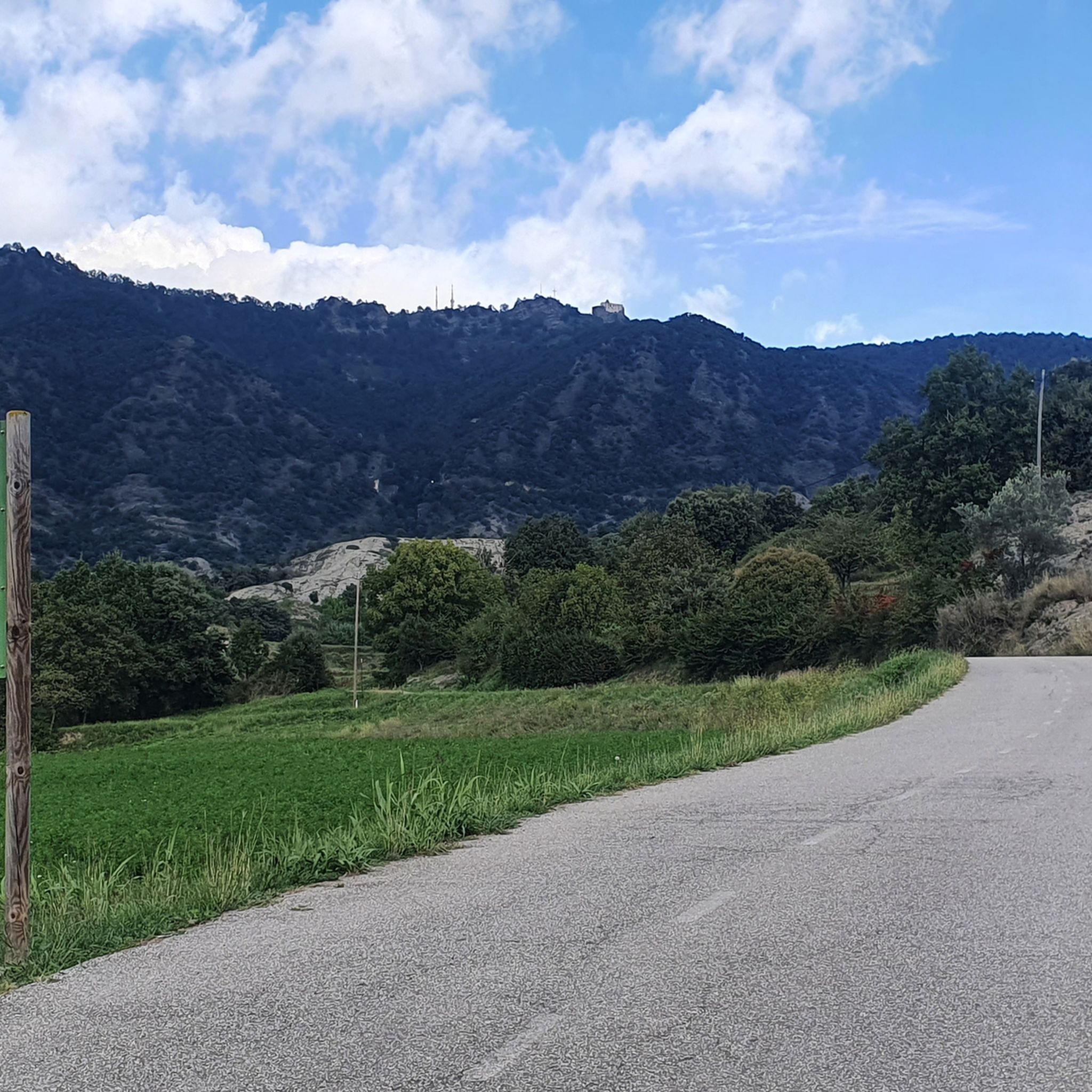
It is a nice climb because of the tradition of the port, because of the views there are, I recommend that if you go down, be careful because of the sharp curves and the narrow road.
0
0

Side road to avoid the tunnel. Recommended route for cyclists.
0
0
Use this road to avoid the tunnel on the main road. It is steep, though.
0
0


The Coll de Canes is a port that connects Ripoll with Olot. The eastern slope, which starts from Olot, is harder than the two western slopes. It is a constant 12km at 5-6%, with some ramps in the final part that are somewhat harder. It is a port to pick up the pace and enjoy climbing. There are two slopes that come from the west: the Ripoll slope and the Sant Joan de les Abadesses slope, through the Coll de Santigosa. Both are more extended than the west slope and are very pleasant and enjoyable, especially because of the landscape that surrounds them. I leave you the link of the altimetries published by @cyclingcols --> cyclingcols.com/col/Canes
0
0
The Coll de Canes is a port that connects Ripoll with Olot. The eastern slope, which starts from Olot, is harder than the two western slopes. It is a constant 12km at 5-6%, with some ramps in the final part that are somewhat harder. It is a port to pick up the pace and enjoy climbing. There are two slopes that come from the west: the Ripoll slope and the Sant Joan de les Abadesses slope, through the Coll de Santigosa. Both are more extended than the west slope and are very pleasant and enjoyable, especially because of the landscape that surrounds them. I leave you the link of the altimetries published by @cyclingcols --> http://www.cyclingcols.com/col/Canes
0
0
Together with the Collada de Collfred they are the great ports in the area in terms of hardness. The port of Bracons has 2 completely different aspects. The best is the eastern slope, but I recommend facing both at some point in your life. - The eastern slope, which starts from the Vall d'en Bas, is 8 km long, the last 7 km at an average of 9%. The final kms are the hardest and most constant at 10%. The panoramic views of the Vall d'en Bas are continuous. It's a door! - The west slope, which starts from Torelló, is very irregular with the first 14km with a continuous up and down, where you gain height little by little. From this point, starting from Sant Andreu de la Volta, the slope rises radically, leaving 5km ahead on average at 7%, with a full km at 10%. I leave you the link with the altimetry of the port by @cyclingcols --> http://www.cyclingcols.com/col/Bracons
1
0
Frequently Asked Questions
Which mountain passes offer the most challenging climbs for cyclists near Sant Pere de Torelló?
For a challenging cycling experience, Coll de Bracons is renowned for its steep gradients and numerous turns, with some ramps reaching 14%. It's considered one of the toughest asphalted mountain passes in La Garrotxa. Another demanding option is Collada de Collfred, which offers a gloriously rewarding climb, particularly from the La Garrotxa side with irregular but wicked steep gradients.
Where can I find the best panoramic views from the mountain passes in the Sant Pere de Torelló area?
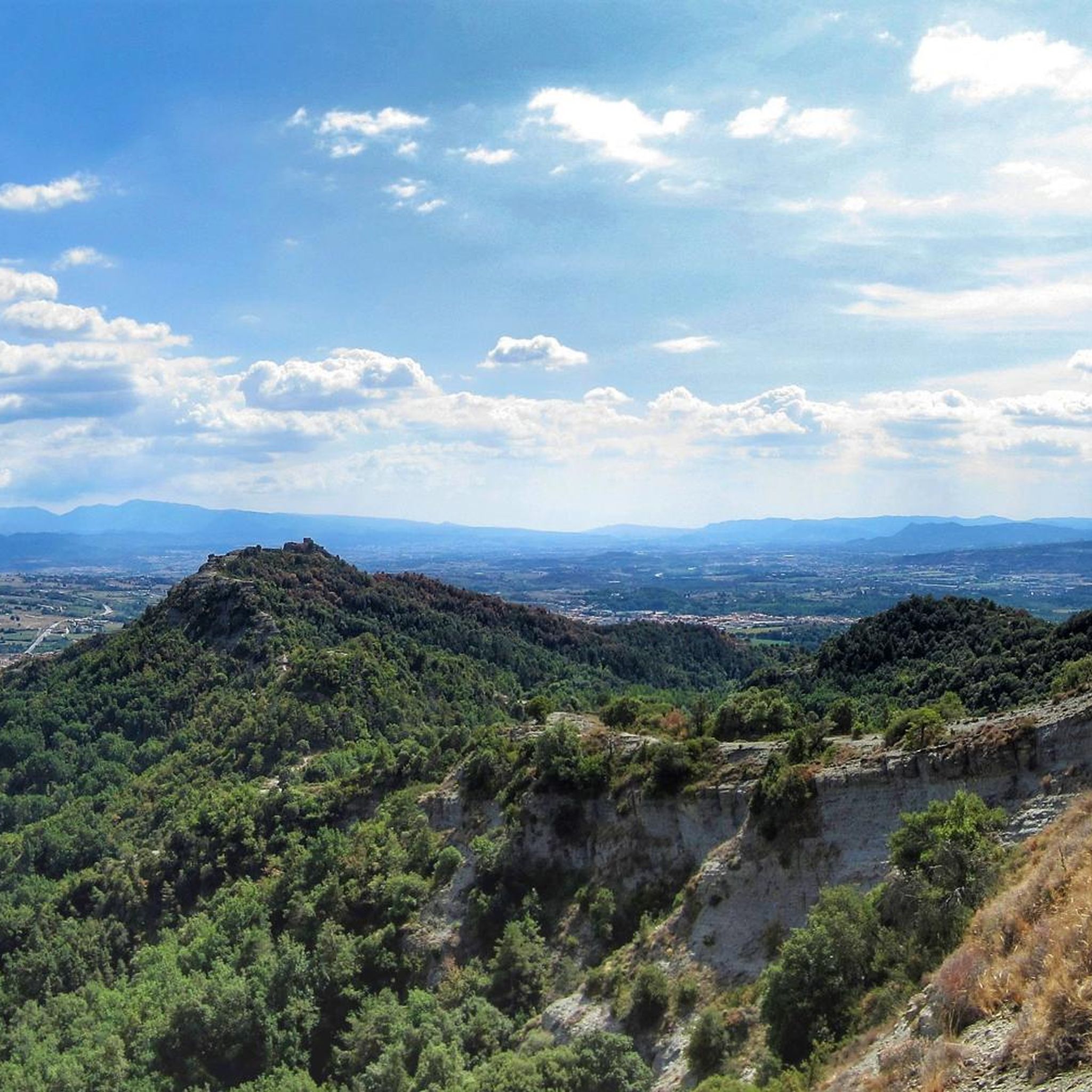
Many passes offer spectacular vistas. From Coll de Bracons, you can enjoy views of the Puigsacalm massif, the Vall d'en Bas, and the Garrotxa Volcanic Zone. Col de Bas also provides spectacular views of Puigsacalm and the surrounding mountains when descending towards Olot. Additionally, La Trona Road is known for its fantastic views of Osona.
Are there any historical or culturally significant sites accessible from the mountain passes?
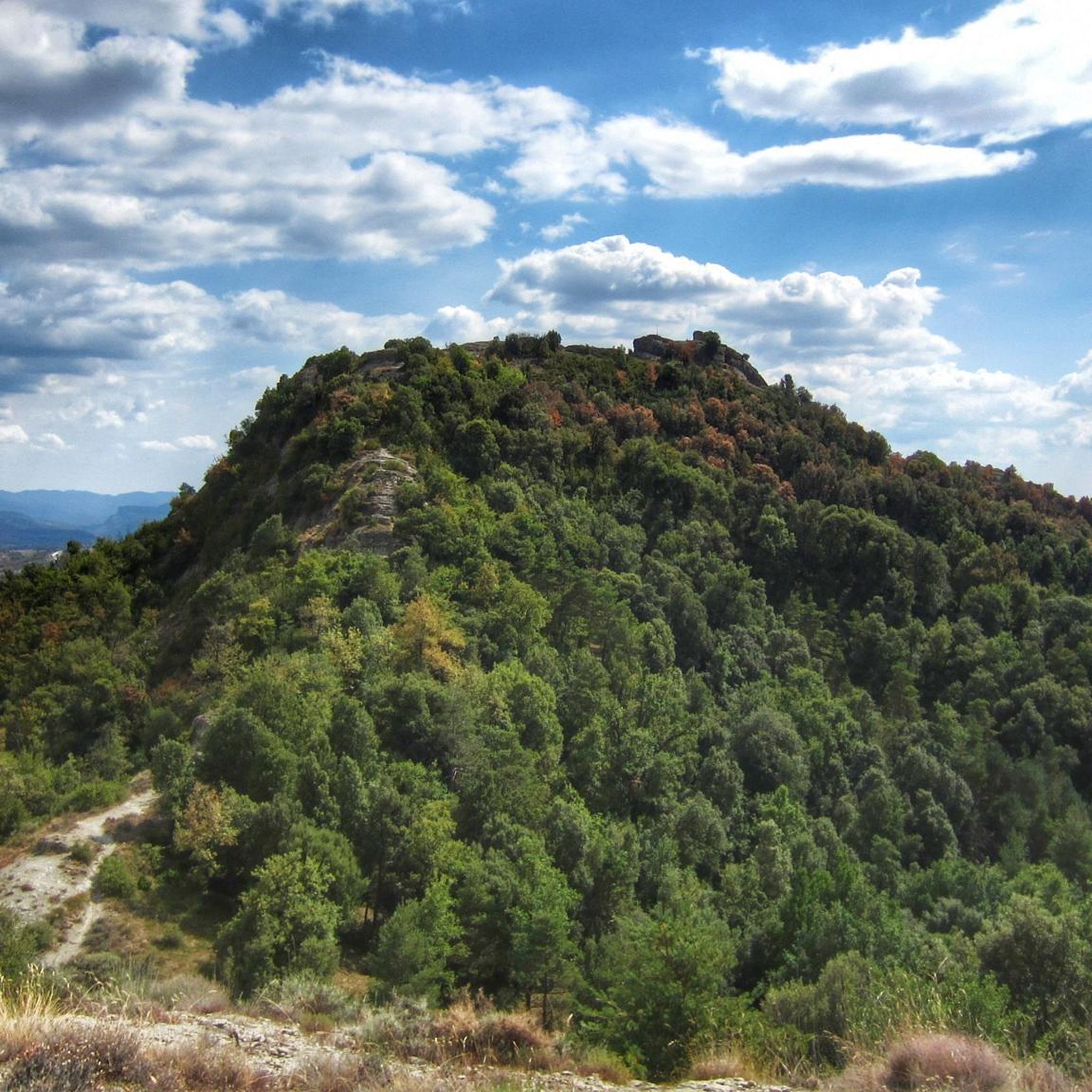
While not a pass itself, the Bellmunt Sanctuary is a highly significant historical site located at 1,247 meters within Sant Pere de Torelló. It once housed the Castle of Sa Reganyada and offers one of the most impressive panoramic outlooks in the Osona region. Various routes, including those from Sant Pere de Torelló, lead to its summit, providing a cultural and historical experience alongside your mountain adventure.
What outdoor activities can I do around the mountain passes near Sant Pere de Torelló?
The region offers diverse outdoor activities. You can find numerous cycling routes, including challenging road cycling and touring bicycle options. For runners, there are dedicated running trails. Many passes also serve as starting points for hiking. For example, Coll de Bracons is a common starting point for hiking to the iconic Puigsacalm mountain. You can explore more options in the Cycling around Sant Pere De Torelló, Running Trails around Sant Pere De Torelló, and Road Cycling Routes around Sant Pere De Torelló guides.
What are the seasonal considerations for visiting the mountain passes around Sant Pere de Torelló?
Most mountain passes are generally open year-round. However, in winter, short-term closures can occur, especially at higher elevations like Collada de Bracons, due to hazardous weather conditions such as snow or ice. It's always advisable to check local weather forecasts and road conditions before planning a winter visit.
Are there any mountain passes suitable for beginners or those looking for an easier experience?
Yes, some passes offer a more moderate experience. Coll de Canes (1120 m) is described as a relatively simple port with a smooth, not too steep, descent. La Trona Road also features soft climbs, making it enjoyable for various skill levels.
What do visitors enjoy most about the mountain passes around Sant Pere de Torelló?
Visitors frequently praise the spectacular views and the quality of the roads for cycling. Many appreciate the challenging nature of climbs like Coll de Bracons, especially the newly asphalted sections. The scenic curves and good asphalt of routes like La Trona Road are also highly enjoyed, whether ascending or descending.
Is parking available at the mountain passes?
Yes, parking is generally available at or near many of the mountain passes. For instance, Coll de Bracons is noted to have parking facilities. It's always a good idea to check specific highlight details or local information for precise parking locations and availability before your trip.
Can I find accommodation or places to eat near the mountain passes?
While specific cafes or accommodations directly at every pass might be limited, the broader region around Sant Pere de Torelló and nearby towns offers options. For example, the Cabrera (Osca de Cabrera Rocky Ridge), a prominent peak in the vicinity, has a restaurant where visitors can spend the night, offering both food and lodging with awesome views.
Which mountain passes are known for their unique natural features, like volcanic zones?
Coll de Bracons offers views of the Garrotxa Volcanic Zone. Similarly, Col de Bas marks the entrance to the Garrotxa Volcanic Zone Natural Park, providing a unique natural landscape to explore.
Are there any dog-friendly hiking options around the mountain passes?
While specific dog-friendly designations for each pass are not detailed, the mountainous and natural terrain around Sant Pere de Torelló generally welcomes dogs on trails, especially if kept on a leash. Many hiking routes, such as those leading to Puigsacalm from Coll de Bracons, are popular with dog owners. Always ensure to follow local regulations regarding pets in natural parks or protected areas.
How long does it typically take to hike or cycle some of these mountain passes?
The duration varies greatly depending on the pass, your chosen activity, and your fitness level. For cyclists, a challenging climb like Coll de Bracons can take a few hours for the ascent and descent. Hiking to peaks like Puigsacalm from a pass can be a half-day or full-day excursion. Shorter, easier passes like Coll de Canes might be completed in a couple of hours.
Most popular routes around Sant Pere De Torelló
Most popular attractions around Sant Pere De Torelló

Get inspired with the komoot mobile app


Explore more
See even more epic mountain passes by checking out these guides around Sant Pere De Torelló:
