Top 16 Natural Monuments around Chalvington With Ripe
Best natural monuments around Chalvington With Ripe are found within a landscape rich in natural beauty and historically significant features. This civil parish in the Wealden District of East Sussex is surrounded by diverse natural attractions. Visitors can explore prominent hills, significant chalk figures, and areas of high ecological value. The region offers a variety of natural sites, from ancient landmarks to wildlife havens.
Best natural monuments around Chalvington With Ripe
- The most popular natural monument is Long Man of…
Last updated: October 10, 2026
Long Man of Wilmington
Highlight • Monument
Tip by

Firle Beacon summit
Highlight • Summit
Tip by
Sign up now to discover places like this
Get recommendations on the best single tracks, peaks, & plenty of other exciting outdoor places.
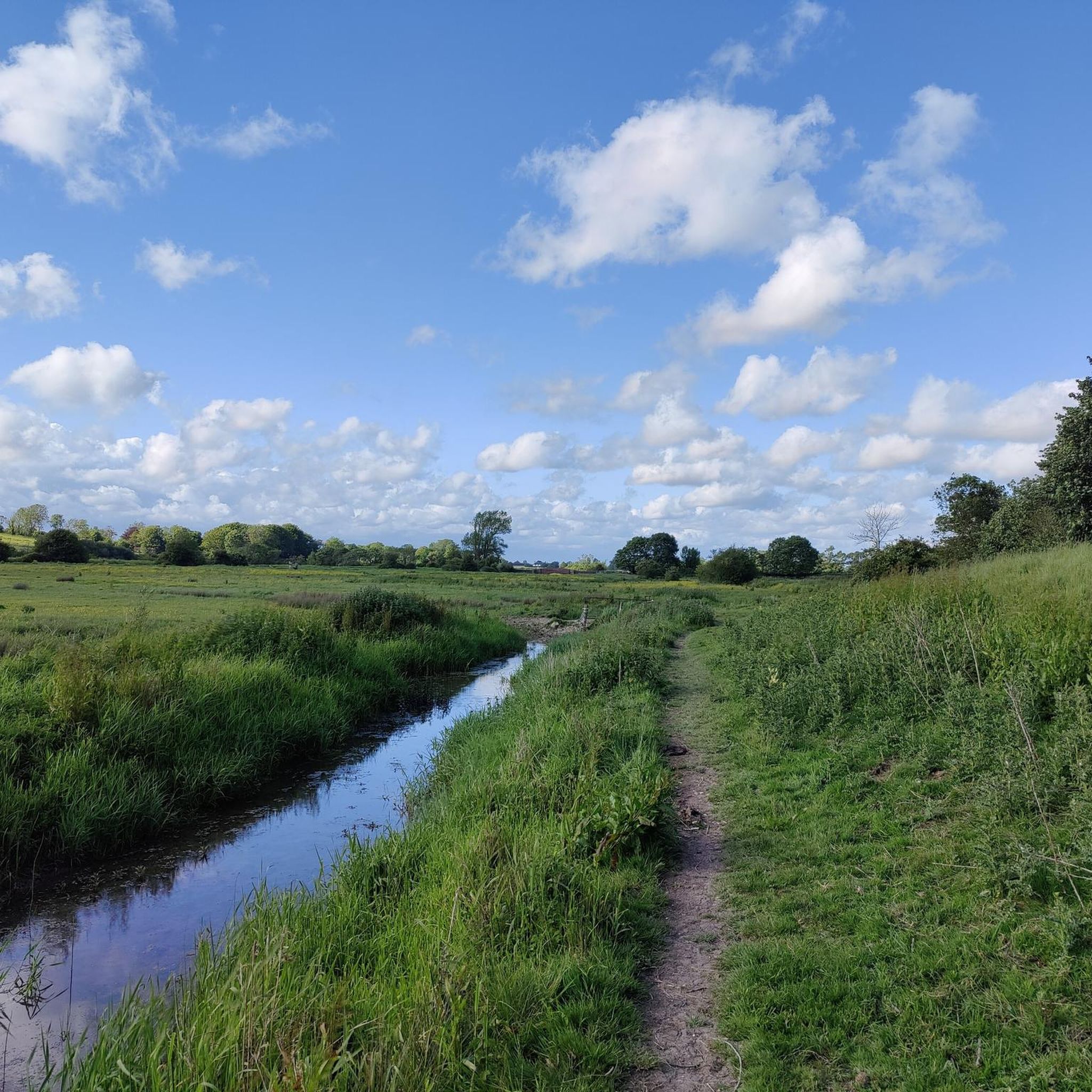
Lewes Brooks
Highlight • Natural Monument
Tip by

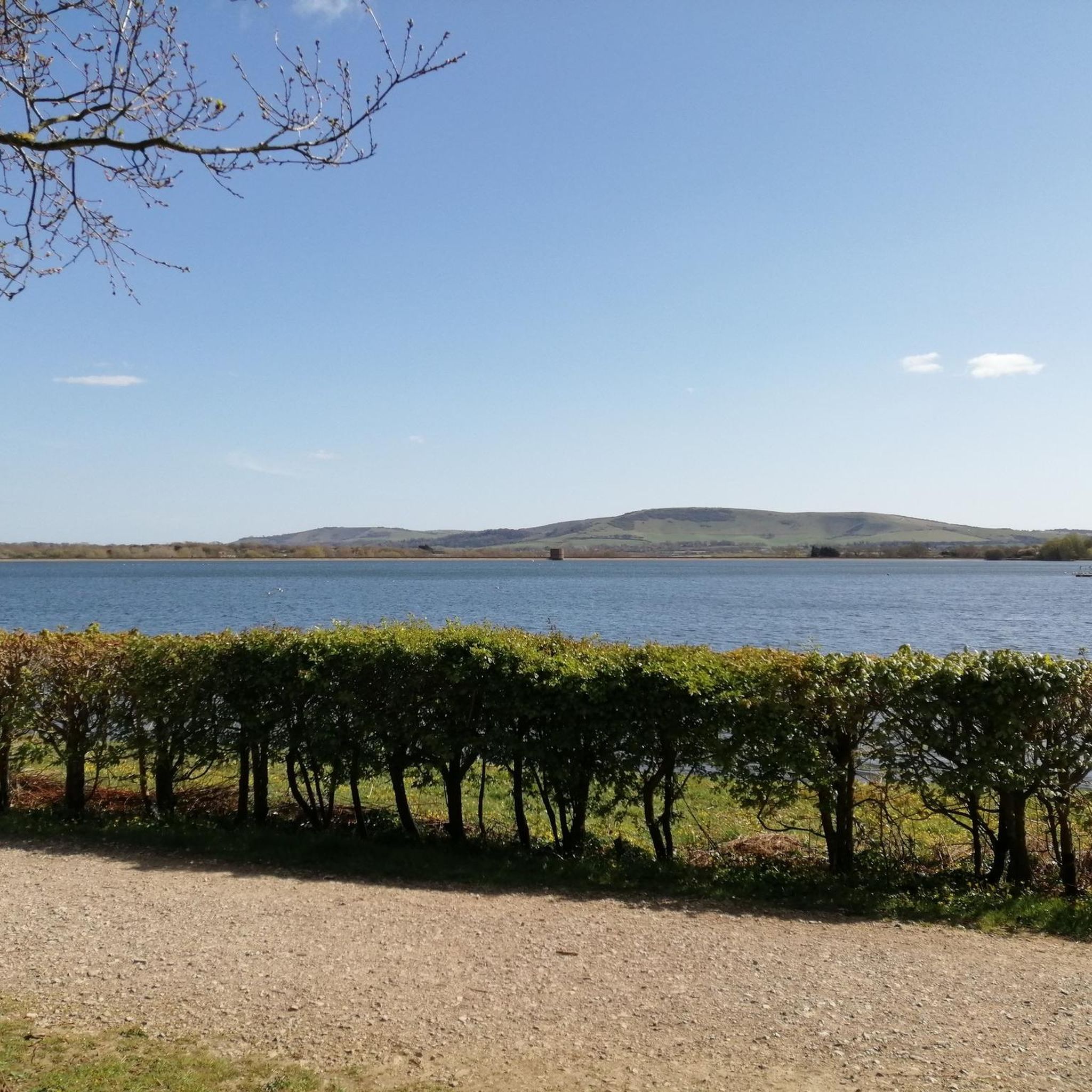
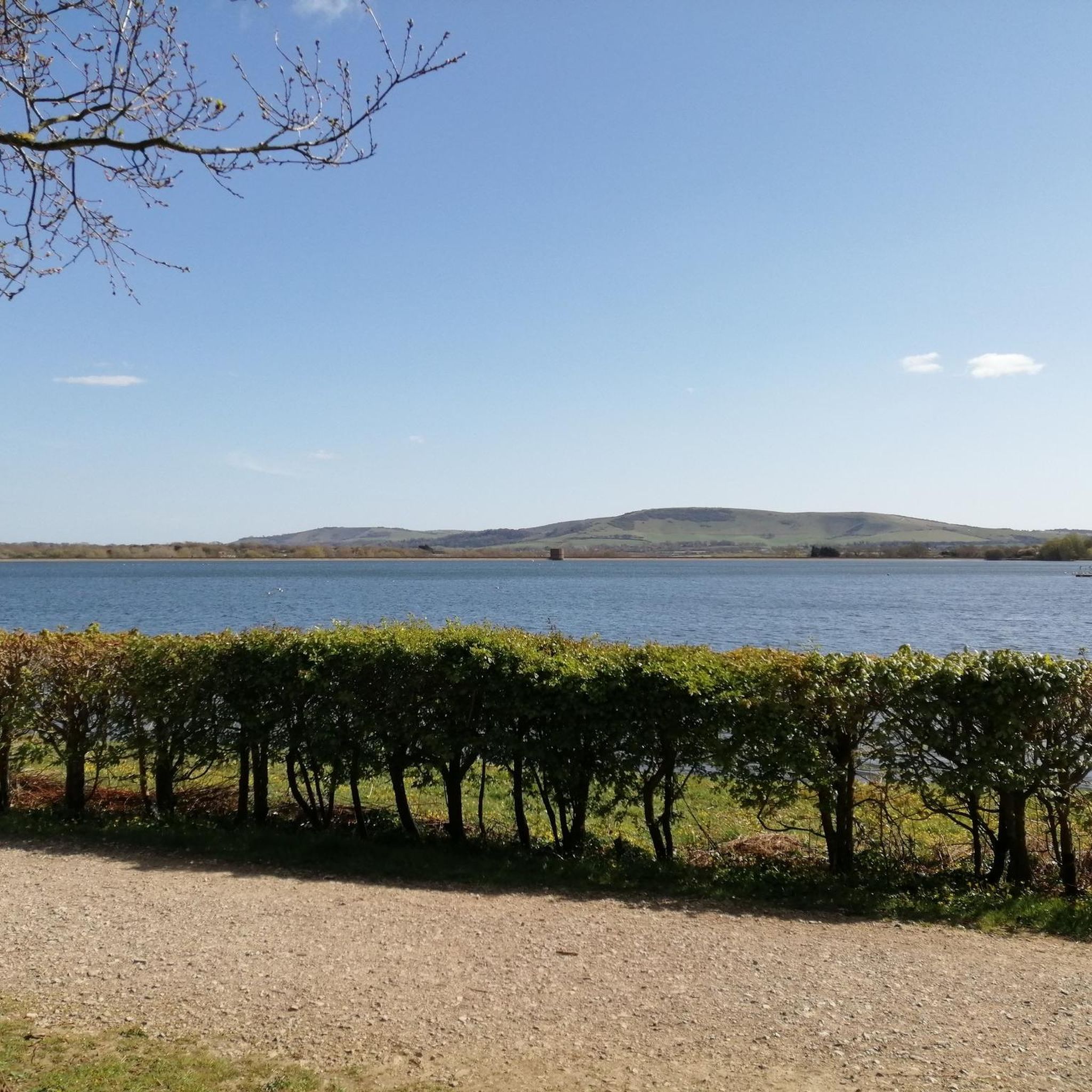
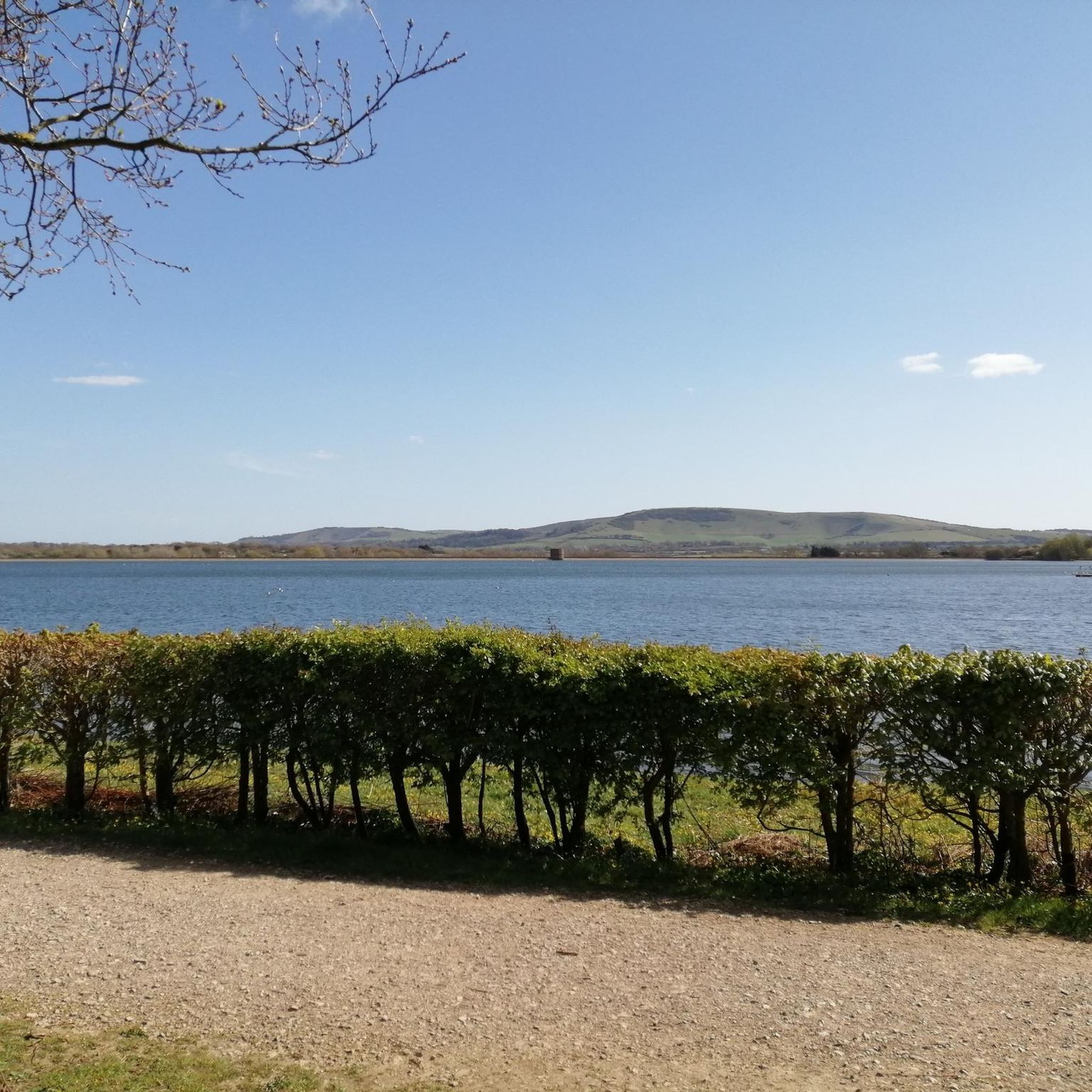
Arlington Reservoir
Highlight • Natural Monument
Tip by

South Downs Way at Windover Hill
Highlight (Segment) • Natural Monument
Windover Hill is …
Tip by

Sign up for free to discover even more natural monuments around Chalvington With Ripe.
Already have an account?
Start today with a free account
Your next adventure awaits.

Tips from the Community

sticky clay mud. this is very hard during very wet season
0
0

I can recommend visiting the Long Man of Wilmington (it isn't an ancient Fertility symbol more an artificial 17th century tourist attraction, more fool, the faux American witches I saw there several years ago). However I can't recommend leaving the Long Man pub down the road, at 7.30pm, in January, several days after it snowed and then several days of negative temperatures froze it in place, and then climb straight up past it. There is a path but we decided that would take far too long to divert to it. It was not surprisingly steep.
0
0

Keeping watch over the South Downs, The Long Man of Wilmington is one of Sussex’s most iconic features. At 72 metres, he’s the largest depiction of a human figure in Europe and a Scheduled Ancient Monument.
0
0
The Long Man of Wilmington cut into the chalk of the South Downs, has baffled archaeologists and historians for hundreds of years. Many people are convinced that he is prehistoric, whilst others believe that he is the work of an artistic monk from the nearby Priory created between the 11th and 15th centuries. There has been a lot of speculation as to his purpose. A fertility symbol? An Ancient warrior maybe? Early 18th century folly? An early representation of a Millwall fan?? No one knows? Visitors can view him from afar or walk across his form on the side of the Downs.
1
0

This is a fantastic open stretch of the South Downs Way with spectacular panoramic views. It’s part of a bridleway running over the top of Windover Hill. Windover Hill is famous for the Longman of Wilmington (or the ‘Wilmington Giant’), a huge figure carved into the slopes. The human figure is 235 feet (72 m) tall and holds two ‘staves’.
0
0
An amble up Firle Beacon in the South Downs of southern England. It is 217 metres high and is a Marilyn. It commands a far-reaching view. It is a trig pointed summit and a designated Marilyn.
3
0

Originally thought to be from the Bronze Age, the 'old man' (sometimes called the Willmington Giant) is actually from around the 16th Century. No less impressive though as you ride by. Well worth a stop to take it in.
0
0
Frequently Asked Questions
What are some of the most popular natural monuments to visit near Chalvington With Ripe?
Visitors frequently enjoy the iconic Long Man of Wilmington, a mysterious hill figure carved into the chalk slopes. Another favorite is Firle Beacon summit, offering extensive panoramic views across the South Downs. The View of the Cuckmere meanders is also highly appreciated for its scenic river views.
Are there any natural monuments suitable for families with children?
Yes, several natural monuments are family-friendly. Arlington Reservoir is a great option, offering easy circular walks and abundant wildlife spotting opportunities. The View of the Cuckmere meanders also provides a gentle setting for families to enjoy the landscape.
What kind of wildlife can I expect to see at the natural monuments?
The region is rich in wildlife. Arlington Reservoir is a designated Local Nature Reserve and Site of Special Scientific Interest, known for its diverse birdlife, including cormorants, great crested grebes, and various waterfowl. Firle Beacon's chalk grassland is also a Site of Special Scientific Interest, supporting a variety of flora, including rare species like the early spider orchid.
Are there historical or archaeological sites among the natural monuments?
Absolutely. The Long Man of Wilmington is a Scheduled Ancient Monument with debated origins, potentially dating back to prehistoric times. Firle Beacon summit also holds historical significance with Neolithic long barrows and several round barrows visible on and around its summit.
What geological features can be explored in the area?
The region offers interesting geological formations. Eridge Rocks Nature Reserve, though a bit further afield, features majestic sandstone rock outcrops and giant boulders up to ten meters high, resulting from 135-million-year-old weathering effects. The chalk landscape of the South Downs, where the Long Man of Wilmington is carved, is also a significant geological feature.
Are there hiking or walking routes near these natural monuments?
Yes, the area is excellent for walking. You can find numerous trails, including those around Firle Beacon summit and a circular walk around Arlington Reservoir. For more detailed hiking options, explore the MTB Trails around Chalvington With Ripe guide, which includes routes like the 'Long Man of Wilmington – Firle Beacon summit loop'.
What other outdoor activities are available near the natural monuments?
Beyond hiking, the area is popular for cycling. You can find various road cycling routes in the Road Cycling Routes around Chalvington With Ripe guide, and gravel biking options in the Gravel biking around Chalvington With Ripe guide. Firle Beacon is also a popular spot for gliding activities when northerly winds prevail.
Is there an ancient yew tree in the vicinity that is considered a natural monument?
Yes, in the village of Wilmington, near the Long Man, stands the remarkable Wilmington Yew Tree. This ancient tree, located beside St Mary & St Peter's Church, is believed to be between 1,600 and 2,000 years old, predating the church itself, making it a significant natural landmark.
What do visitors particularly enjoy about the natural monuments around Chalvington With Ripe?
Visitors consistently praise the extensive panoramic views from spots like Firle Beacon summit. The mystery and scale of The Long Man of Wilmington also captivate many. The tranquility and rich biodiversity, especially at places like Arlington Reservoir, are also highly valued.
Are there any less crowded natural monuments for a quieter experience?
While popular sites can attract visitors, exploring the trails around Eridge Rocks Nature Reserve can offer a more secluded experience, especially outside peak times. Its unique geological features and woodland setting provide a distinct atmosphere away from the more well-known chalk figures and beacons.
Can I find natural monuments that are dog-friendly for walks?
Many of the natural areas and trails around Chalvington With Ripe are dog-friendly, particularly the open spaces of the South Downs. For instance, the walks around Firle Beacon summit are generally suitable for dogs, though it's always advisable to keep them on a lead, especially near livestock or ground-nesting birds.
What is the best time of year to visit the natural monuments?
The natural monuments can be enjoyed year-round. Spring and summer offer vibrant flora and longer daylight hours, ideal for extensive walks and wildlife spotting. Autumn brings beautiful colors to the landscape. Even in winter, many sites, like the prominent hill figures and beacons, offer crisp views, though some paths might be muddy.
Most popular routes around Chalvington With Ripe
Most popular attractions around Chalvington With Ripe

Get inspired with the komoot mobile app


Explore more
Extend your search for the best caves by checking out these guides of the top ones around Chalvington With Ripe:
