Cedar Breaks National Monument
Cedar Breaks National Monument
Top 4 Natural Monuments in Cedar Breaks National Monument
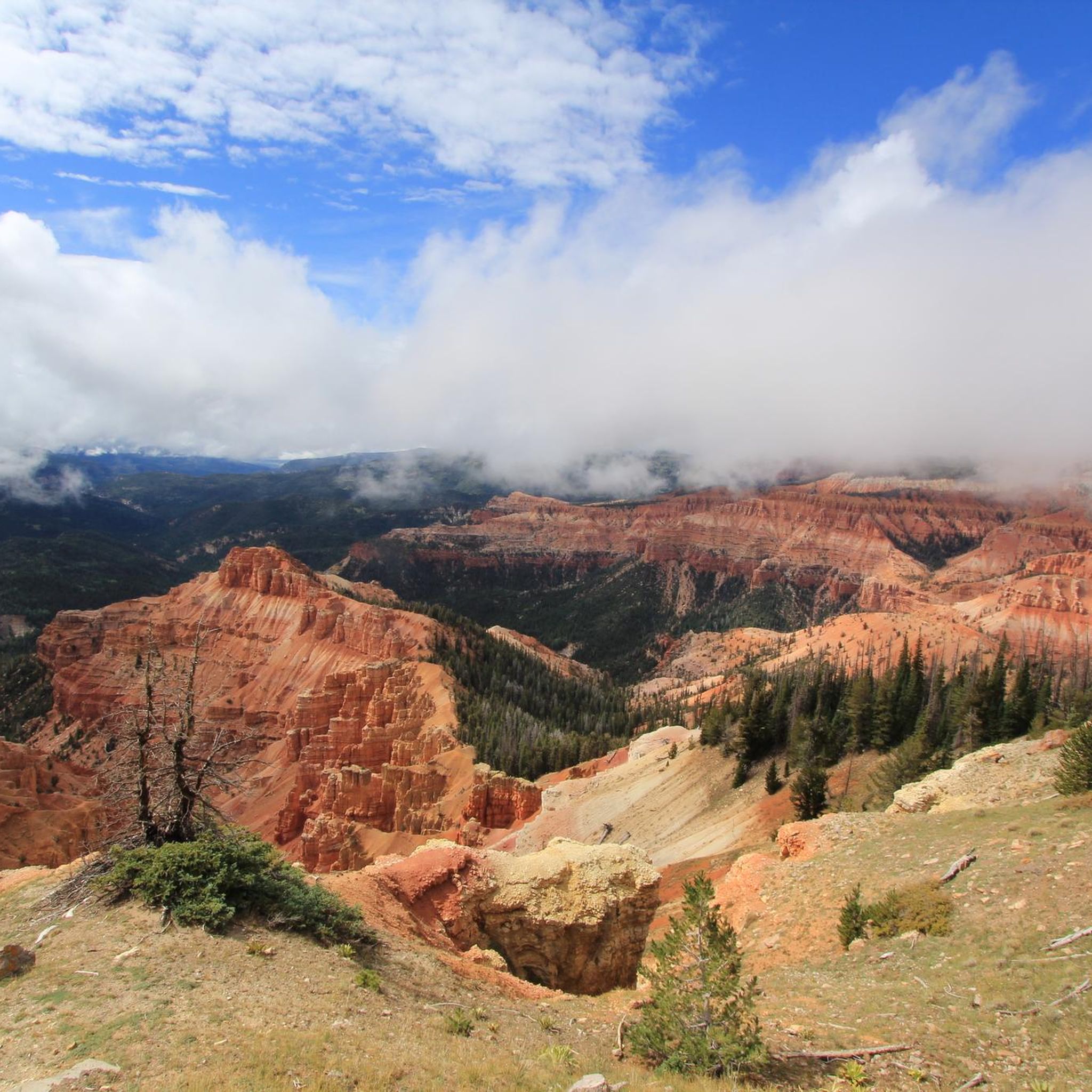
Best natural monuments in Cedar Breaks National Monument are found within a vast natural amphitheater carved into the Markagunt Plateau. This geological formation is approximately 3 miles wide and over 2,000 feet deep, displaying a palette of reds, oranges, and purples from iron and manganese minerals. The monument's rim sits at an elevation of around 10,000 feet, offering distinct views of hoodoos, spires, and arches. It is recognized as an International Dark Sky Park, providing opportunities for stargazing.
Best natural…
Last updated: October 10, 2026
Cedar Breaks National Monument
Highlight • Natural Monument
Tip by

Point Supreme
Highlight • Viewpoint
Translated by Google •
Tip by

Sign up now to discover places like this
Get recommendations on the best single tracks, peaks, & plenty of other exciting outdoor places.
Point Supreme Overlook
Highlight • Viewpoint
Tip by
Chessmen Ridge Overlook
Highlight • Viewpoint
Translated by Google •
Tip by
North View Overlook
Highlight • Viewpoint
Tip by

Start today with a free account
Your next adventure awaits.
Popular around Cedar Breaks National Monument

Tips from the Community

Chessmen Ridge Overlook is a quick but worthwhile pause along the high plateau, giving you a clear look into the deep, sculpted canyons of Cedar Breaks. It’s an easy pull-off with easy access to the viewpoint. The elevation here keeps things crisp, so it’s a good place to gauge the weather before committing to the next stretch.
0
0
Cedar Breaks National Monument sits high on the Markagunt Plateau, offering riders a striking reward after the long climb from Cedar Canyon. The rim overlooks a massive amphitheater of red and orange hoodoos, similar to Bryce Canyon but far quieter and more intimate. Expect cooler temperatures and strong winds at the top, and take advantage of the overlook pullouts for a break. The views here are some of the best you’ll get on two wheels in southern Utah.
0
0

Great place to pull off UT 143 to get a great view of the Kodachrome Basin. There is a small parking area, but no benches or restrooms here.
0
0

The Cedar Breaks National Monument is located on the west side of the Paunsaugunt-Plateaus. You might know the much more famous "brother" Bryce Canyon on the east side. The bizarre red sandstone formations in this small park might remind you of those in Bryce Canyon.
0
0

Each vantage point has its own new perspective into the depths of Cedar Breaks NM
0
0
Cedar Breaks National Monument is mostly left out, firstly because it is a bit off the standard routes, you can only get a view of Cedar Breaks NM from above and Bryce Canyon is more spectacular and Bryce Canyon is easy to hike down and into the hoodoos.
0
0
The Cedar Breaks National Monument is located on the west side of the Paunsaugunt-Plateaus. You might know the much more famous "brother" Bryce Canyon on the east side. The bizarre red sandstone formations in this small park might remind you of those in Bryce Canyon. If you want to hike, there are a few nice and short trails to discover the area. There is also a campground close by.
4
0
Beautiful overlook over the red sandstone formations of Cedar Breaks National Monument. If you have been to Bryce Canyon, you might think, that these look similar to those in Bryce. And in fact, the formations are the counterpiece to the ones on the eastside of this plateau.
3
0
Frequently Asked Questions
What are the best viewpoints to experience the Cedar Breaks amphitheater?
The Cedar Breaks amphitheater is best viewed from several overlooks along the scenic drive. Point Supreme is the primary overlook with a visitor center, offering expansive views. For a different perspective, Chessmen Ridge Overlook provides a look down into the unique "Chessmen" formations. North View Overlook offers broad vistas, and Sunset View is ideal for capturing the evening light on the formations.
What unique geological formations can I see at Cedar Breaks National Monument?
Cedar Breaks National Monument is renowned for its immense natural amphitheater, carved into the Markagunt Plateau. You'll see a vibrant landscape of hoodoos, spires, columns, arches, and pinnacles, all displaying a stunning palette of reds, oranges, and purples. These formations are a result of millions of years of erosion on the colorful Claron Formation, which consists of limestone, sandstone, dolomite, and siltstone layers.
Are there any ancient trees to see in Cedar Breaks National Monument?
Yes, along the rim of Cedar Breaks National Monument, particularly visible on the Alpine Pond Trail and the Spectra Point Hiking Trail, you can find ancient bristlecone pines. These incredibly resilient trees are among the oldest living organisms on Earth and contribute to the unique high-alpine ecosystem of the monument.
What are some popular hiking trails in Cedar Breaks National Monument?
Popular hiking trails include the Spectra Point/Ramparts Overlook Trail, a four-mile round trip that gets you closer to the red rock formations. The Alpine Pond Trail is a two-mile loop through wildflower meadows and forests, leading to a spring-fed pond. You can find more details on these and other routes in the Hiking in Cedar Breaks National Monument guide.
Are there easy or family-friendly hikes available?
Yes, Cedar Breaks National Monument offers several easy and family-friendly options. The Alpine Pond Trail is a gentle two-mile loop, and many of the overlooks, such as Point Supreme, have paved paths with accessible views. For more options, consult the Family-friendly hikes in Cedar Breaks National Monument guide.
What is the best time of year to visit Cedar Breaks National Monument?
The best time to visit Cedar Breaks National Monument is typically during the summer months, from late May to mid-October, when the scenic drive and facilities are fully open. The high elevation (around 10,000 feet) provides cooler summer temperatures, averaging around 65 degrees Fahrenheit, making it a pleasant escape from the heat. Summer also brings vibrant wildflower displays.
What is the elevation of Cedar Breaks National Monument?
Cedar Breaks National Monument sits at a high elevation, with the rim averaging around 10,000 feet (approximately 3,000 meters). The highest overlook, Chessmen Ridge Overlook, is at 10,461 feet (3,188 meters).
What kind of wildlife can I expect to see?
Due to its high-alpine environment, Cedar Breaks National Monument is home to various wildlife. You might spot mule deer, marmots, and a variety of bird species. The wildflower meadows, especially along trails like the Alpine Pond Trail, are excellent places for wildlife viewing.
Is Cedar Breaks National Monument accessible for visitors with limited mobility?
Many of the main overlooks, including Point Supreme, offer paved paths and accessible viewing areas, allowing visitors with limited mobility to enjoy the stunning views of the amphitheater. For specific accessibility information, it's always best to check the official National Park Service website for Cedar Breaks.
Are dogs allowed on trails in Cedar Breaks National Monument?
Pets are generally allowed on paved trails and at overlooks, but typically not on unpaved hiking trails within National Monuments to protect wildlife and natural resources. Always check the specific regulations at the visitor center or on the official NPS website for the most current pet policies.
What other outdoor activities can I do near the natural monuments?
Beyond enjoying the natural monuments, the surrounding area offers excellent opportunities for outdoor activities. You can explore various hiking routes, from easy strolls to more challenging treks. For mountain biking enthusiasts, there are several trails available. Discover more in the Hiking in Cedar Breaks National Monument and MTB Trails in Cedar Breaks National Monument guides.
What do visitors enjoy most about Cedar Breaks National Monument?
Visitors frequently highlight the monument's breathtaking, colorful sandstone formations, often comparing them favorably to Bryce Canyon but with a more intimate and less crowded experience. The high elevation provides a refreshing escape from summer heat, and the clear night skies make it an exceptional spot for stargazing. Many appreciate the diverse perspectives offered by the various overlooks and the beauty of the wildflower meadows.
Most popular routes in Cedar Breaks National Monument
Most popular attractions in Cedar Breaks National Monument

Get inspired with the komoot mobile app


Explore more
Extend your search for the best caves by checking out these guides of the top ones in Cedar Breaks National Monument:
