Petroglyph National Monument
Petroglyph National Monument
Top 5 Natural Monuments in Petroglyph National Monument
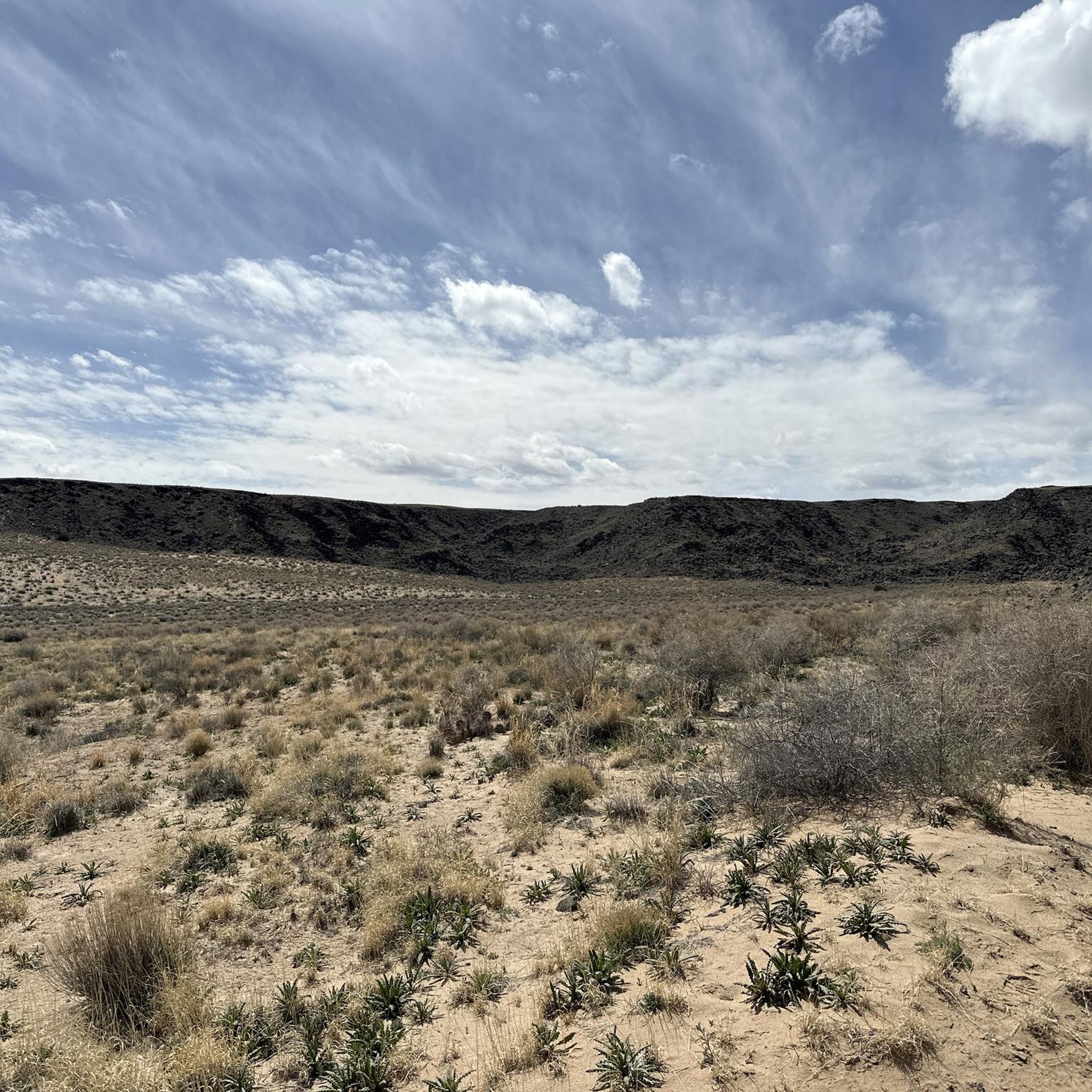
Natural monuments in Petroglyph National Monument showcase a landscape shaped by ancient volcanic activity. The monument features a 17-mile volcanic basalt escarpment and five dormant fissure volcanoes, which are significant geological formations. These natural features provided the canvas for thousands of petroglyphs carved by Ancestral Pueblo peoples and early Spanish settlers. The area offers opportunities to explore unique rock formations and understand the region's geological and cultural history.
Best natural monuments in Petroglyph National Monument
- The most popular natural monuments…
Last updated: July 6, 2026
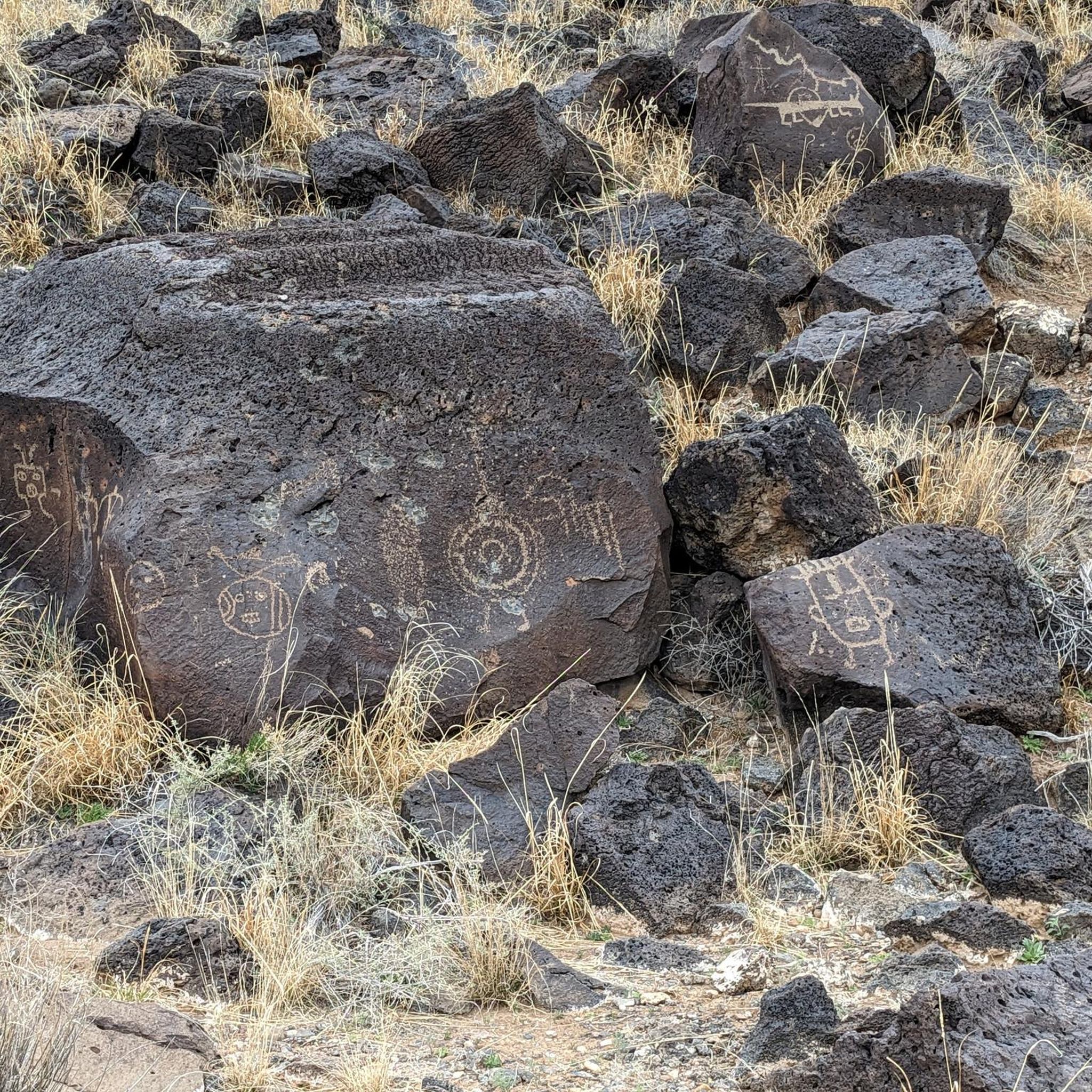
Petroglyphs at Rinconada Canyon Trail
Highlight • Historical Site
Tip by

Black Volcano
Highlight • Volcano
Tip by

Sign up now to discover places like this
Get recommendations on the best single tracks, peaks, & plenty of other exciting outdoor places.
Sign up for free
Petroglyphs of Piedras Marcadas Canyon
Highlight • Historical Site
Translated by Google •
Tip by

Petroglyph National Monument
Highlight • Natural Monument
Tip by
JA Volcano
Highlight • Volcano
Tip by

Start today with a free account
Your next adventure awaits.
Login or Signup
Popular around Petroglyph National Monument
Historic Route 66 – curiosities, selfie spots and diners
Running Trails in Petroglyph National Monument
Hiking in Petroglyph National Monument
Road Cycling Routes in Petroglyph National Monument

Gravel biking in Petroglyph National Monument

MTB Trails in Petroglyph National Monument
Cycling in Petroglyph National Monument
Other adventures in Petroglyph National Monument

Tips from the Community

A beautiful and easy trail where you can see hundreds of petroglyphs up close.
0
0

The Petroglyphs are all over the 1st part of the loop. We came upon multiple snakes and some lizards along the trail.
0
0

You can see up to 300 petroglyphs in this area of the Petroglyph National Monument, which is one of the largest petroglyph sites in the US. The designs range from different periods, with some of them etched on the volcanic rocks over 700 years ago.
0
0

This area preserves one of North America's largest petroglyph sites. Petroglyphs are cultural designs and symbols carved into volcanic rock by Native Americans around 400–700 years ago. It's a perfect place to take a break and appreciate the history of this area.
0
0
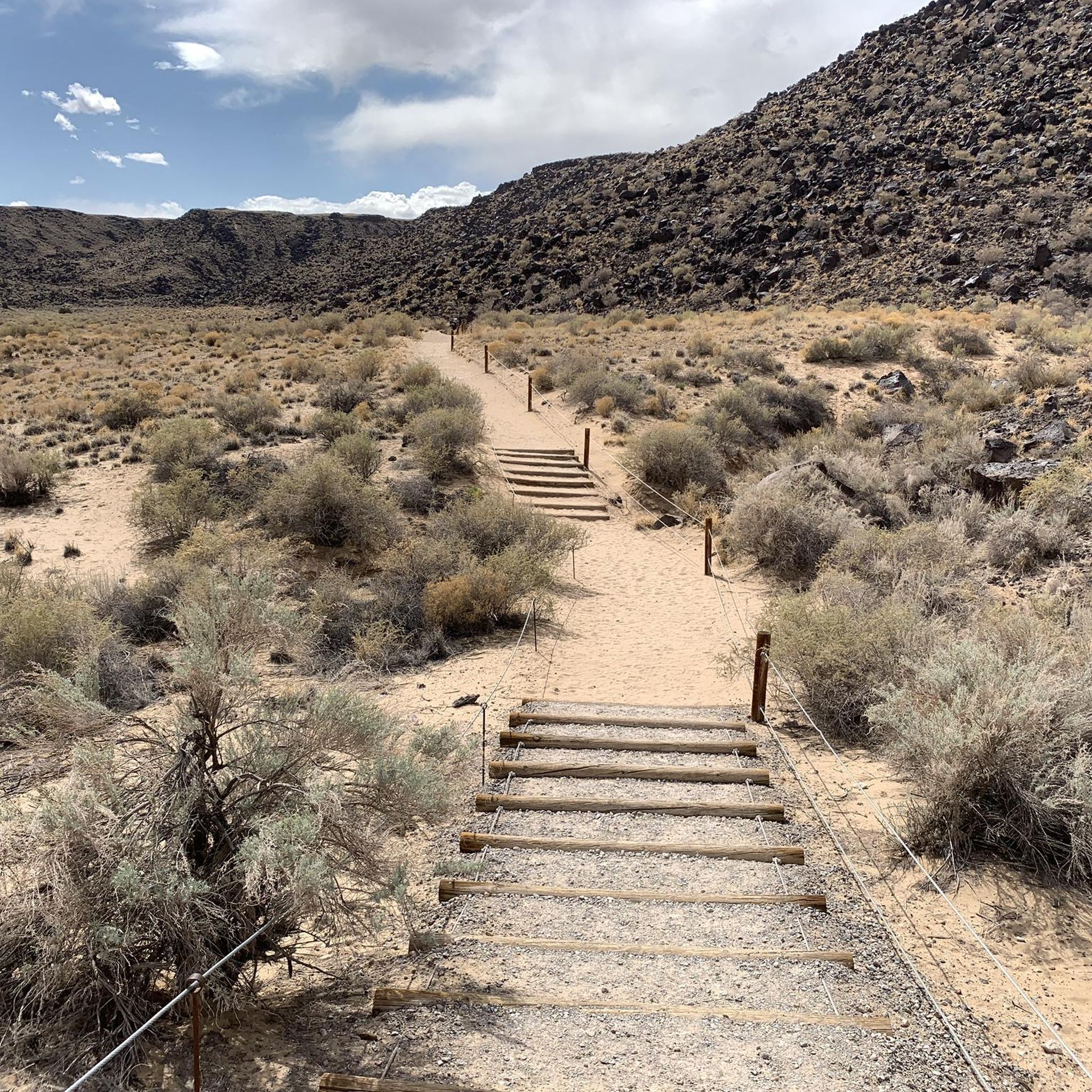
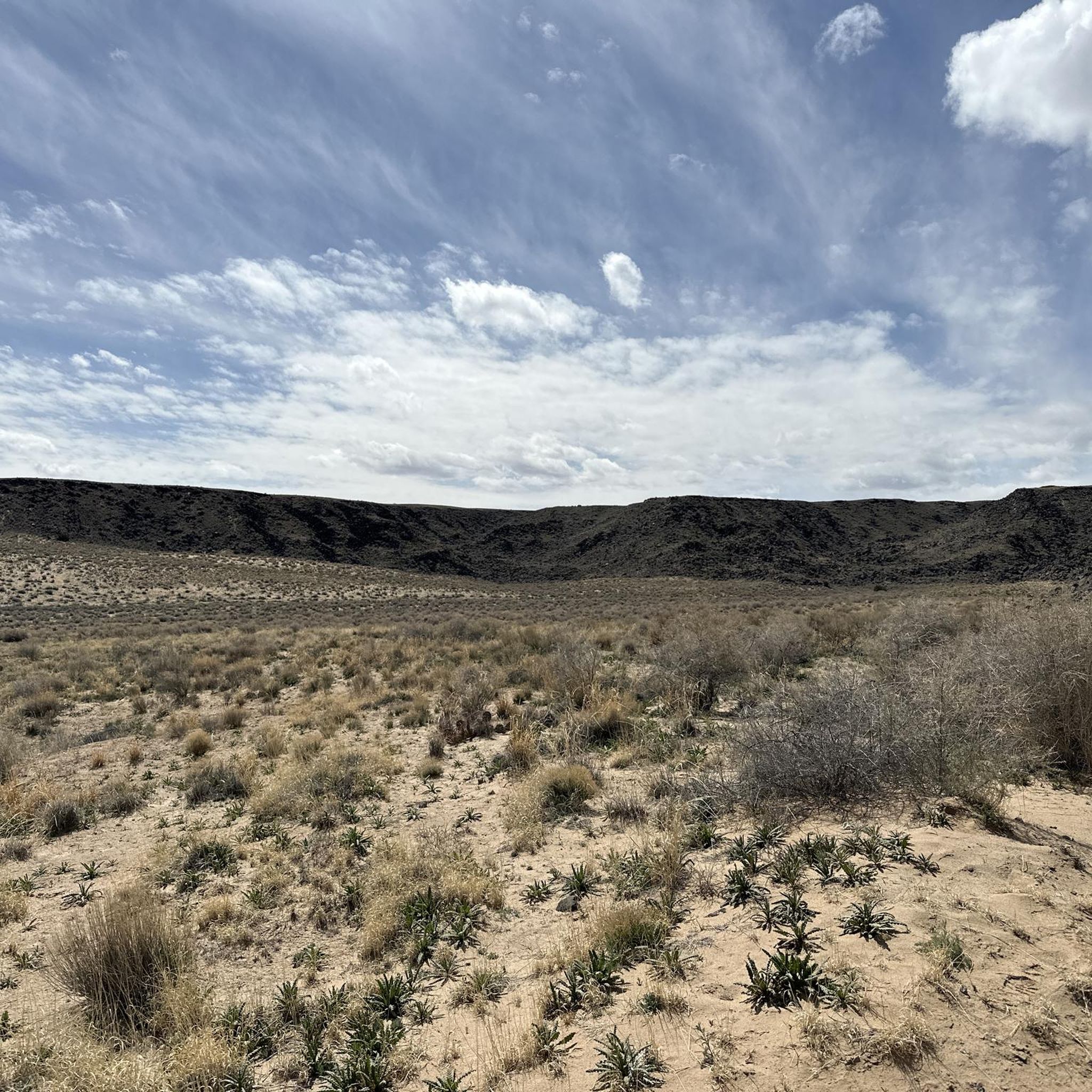
This is one of the inactive volcanoes within Albuquerque's volcanic field. From this location, you can see Vulcan to the north and JA volcano to the south.
0
0

Looking south, you will see JA Volcano. Spin 180 degrees, and you will see the tallest volcano around, Vulcan.
0
1
Climb to the top of the volcano to look at the volcanic sedimentary rocks. You can also see Taylor Ranch and Albuquerque in the distance.
0
0

Easy, short walk along the Rinconada Canyon. Try to spot some Petroglyphs!👍
0
0
Frequently Asked Questions
What are the primary natural features that define Petroglyph National Monument?
Petroglyph National Monument is characterized by a 17-mile volcanic basalt escarpment and a chain of five dormant fissure volcanoes. These geological formations, including the Butte, Bond, Vulcan, Black, and JA volcanoes, were formed between 155,000 and 200,000 years ago and provide a dramatic backdrop to the landscape.
Which natural monuments offer the best opportunities to see petroglyphs?
The volcanic basalt escarpment is the primary canvas for the monument's petroglyphs. You can see thousands of carvings at sites like Petroglyphs at Rinconada Canyon Trail, where up to 300 petroglyphs are visible, and Petroglyphs of Piedras Marcadas Canyon, which offers close-up views of hundreds of designs.
Can I hike up any of the volcanoes within the monument?
Yes, the Volcanoes Day Use area offers opportunities for hiking and exploring the unique formations. You can take moderate hikes partway up the cones, such as near Black Volcano or Vulcan on the Volcanoes Trail, to experience the rugged volcanic landscape and enjoy expansive views.
What unique geological formations can I expect to see at Petroglyph National Monument?
Beyond the volcanoes, you'll encounter extensive basalt escarpments and boulders. These rocks developed a dark, glossy 'desert varnish' over thousands of years, which was then chipped away by Ancestral Pueblo peoples and early Spanish settlers to create the petroglyphs. You can also observe 'reverse topography' where ancient lava flows now form elevated mesas.
Are there easy hiking trails to explore the natural monuments?
Yes, there are several easy hiking trails available. For example, the Rinconada Canyon Trail is an easy, short walk where you can spot numerous petroglyphs. You can find more options and details in the Easy hikes in Petroglyph National Monument guide.
What outdoor activities are available near the natural monuments?
Besides hiking, the area around Petroglyph National Monument offers various outdoor activities. You can explore road cycling routes, such as those detailed in the Road Cycling Routes in Petroglyph National Monument guide, or try gravel biking, with options found in the Gravel biking in Petroglyph National Monument guide.
How did the natural landscape influence the creation of the petroglyphs?
The volcanic basalt escarpment provided the perfect 'canvas' for the petroglyphs. The dark, iron-rich basalt developed a desert varnish over time. Ancestral Pueblo peoples and early Spanish settlers carved their designs by chipping away this dark layer to reveal the lighter rock beneath, creating the thousands of petroglyphs seen today.
What is the best time of year to visit Petroglyph National Monument?
While specific seasonal recommendations aren't provided, visiting during cooler months (fall, winter, early spring) is generally more comfortable for hiking and exploring the outdoor sites, as the desert can get very hot in summer. Always check the weather forecast before your visit.
Are there family-friendly natural monuments or trails to visit?
Yes, several areas are considered family-friendly. Both Petroglyphs at Rinconada Canyon Trail and Petroglyphs of Piedras Marcadas Canyon are noted for being family-friendly, offering easy trails to view the petroglyphs up close.
What do visitors enjoy most about the natural monuments in Petroglyph National Monument?
Visitors appreciate the unique blend of natural geology and cultural history. The opportunity to see thousands of ancient petroglyphs on volcanic rocks, explore dormant volcanoes, and experience the stark beauty of the desert landscape are frequently highlighted. The easy access to historical sites and trails makes it a popular destination for appreciating both nature and history.
Is there parking available at the natural monument sites?
Yes, parking is available at the various visitor access points within Petroglyph National Monument, such as Boca Negra Canyon, Rinconada Canyon, and the Volcanoes Day Use area. It's advisable to check the official park website for specific parking details and any potential fees.
Most popular routes in Petroglyph National Monument
Most popular attractions in Petroglyph National Monument

Get inspired with the komoot mobile app


Explore more
Extend your search for the best caves by checking out these guides of the top ones in Petroglyph National Monument:
