Top 16 Natural Monuments in South Devon Aonb
Best natural monuments in South Devon Aonb showcase a protected landscape characterized by diverse environments. This region features rugged coastlines, serene estuaries, and ancient woodlands. The area includes approximately 97 kilometers of the South West Coast Path, offering dramatic coastal views and opportunities for exploration. Its natural features contribute to its status as a nationally important protected landscape.
Best natural monuments in South Devon Aonb
- The most popular natural monuments is Berry Head Headland & Lighthouse, a dramatic headland and historical site. It is home to the largest guillemot colony along the south coast of England and offers views of the English Riviera coastline.
- Another must-see spot is Prawle Point, a viewpoint and natural monument. This is the southernmost point of Devon, offering dramatic coastal views and opportunities for birdwatching.
- Visitors also love South Sands Beach, a natural monument and beach. It is located in an Area of Outstanding Natural Beauty and is sheltered from sea winds.
- South Devon Aonb is known for its rugged coastlines, serene estuaries, and ancient woodlands. The region offers a variety of natural monuments to see and explore, from dramatic cliffs to unique ecosystems.
- The natural monuments in South Devon Aonb are appreciated by the komoot community, with more than 40 upvotes and over 15 photos shared by visitors.
Last updated: June 22, 2026
Prawle Point
Highlight • Viewpoint
Tip by

Gallants Bower Civil War Fort Ruins
Highlight • Viewpoint
The fort was built by the Royalists to help defend Dartmouth from the Roundheads. The fiercest fighting occurred in 1646 when the Roundheads attacked and defeated the town, then the castle and finally the last remaining Royalists surrendered from here.
The National Trust look after the area now and the fort is a scheduled ancient monument.
Tip by

Sign up now to discover places like this
Get recommendations on the best single tracks, peaks, & plenty of other exciting outdoor places.
Sign up for free
Berry Head Headland & Lighthouse
Highlight • Historical Site
Translated by Google •
Tip by

South Sands Beach
Highlight • Natural Monument
Translated by Google •
Tip by

Ancient Yew Tree of St Mary & St Gabriel Church
Highlight • Natural
Tip by
Sign up for free to discover even more natural monuments in South Devon Aonb.
Sign up for free
Already have an account?
Start today with a free account
Your next adventure awaits.
Login or Signup
Popular around South Devon Aonb
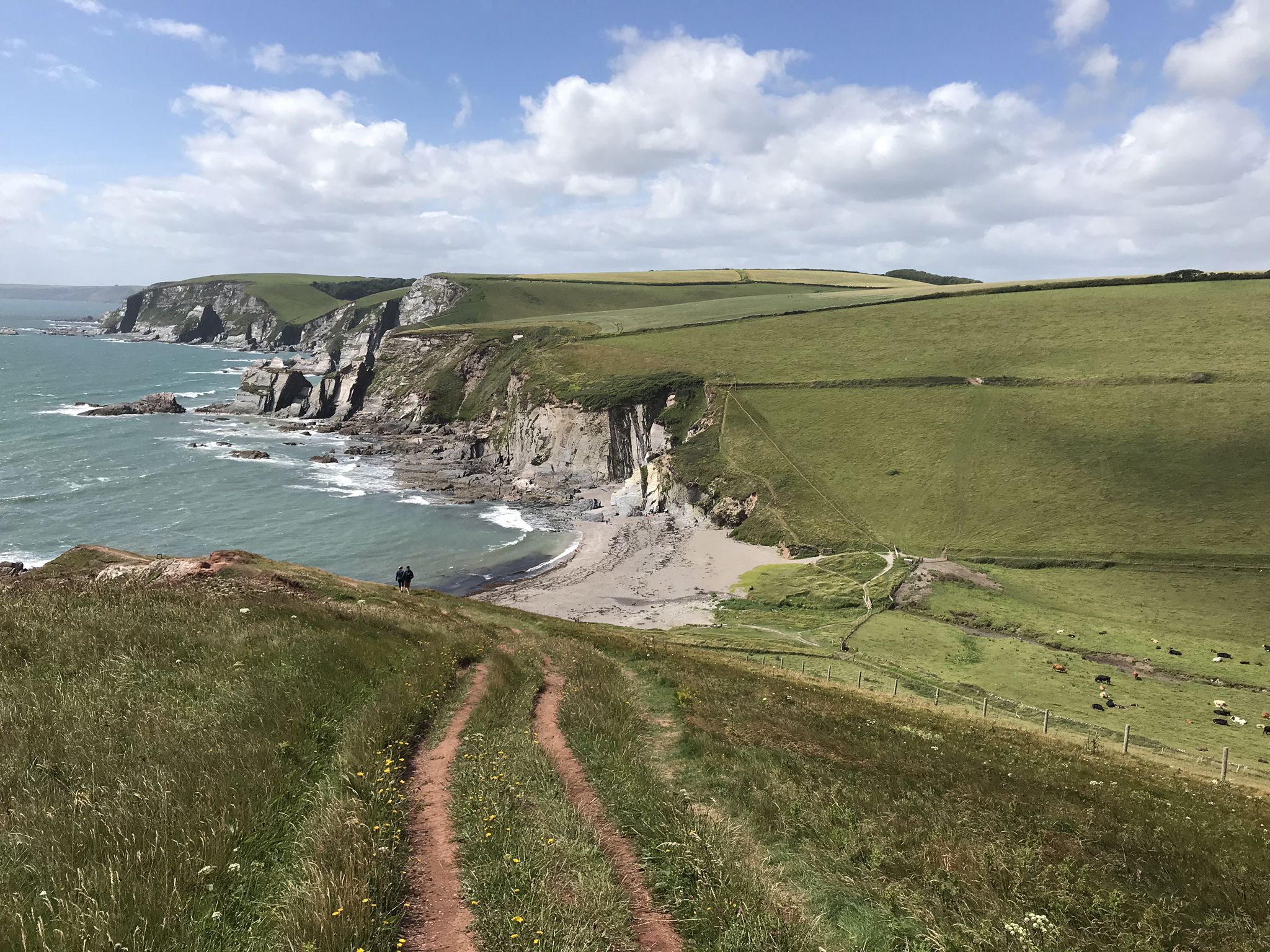
E9 Plymouth to Dover — An epic exploration of England's south coast
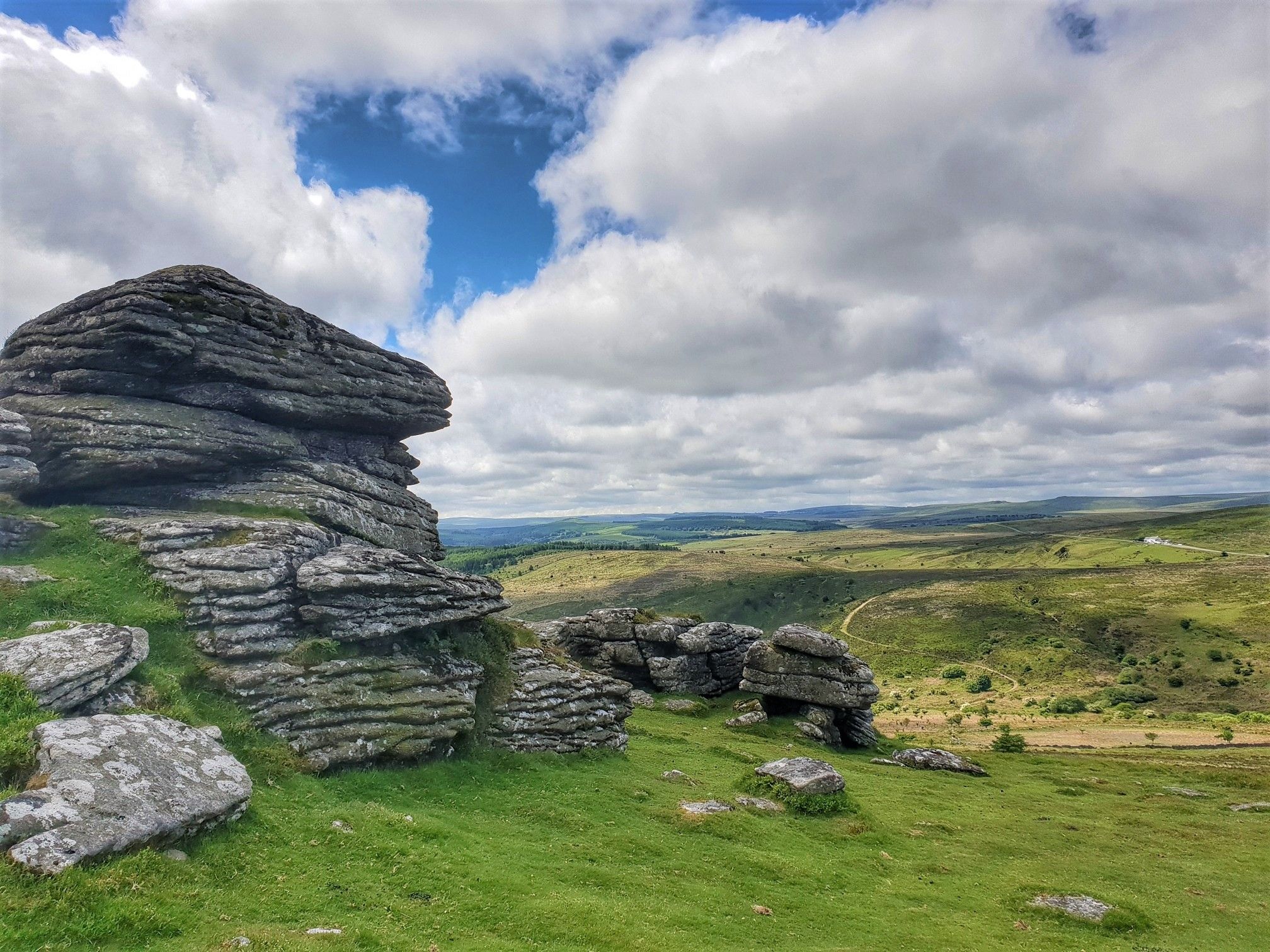
Two Moors Way — Wild coast-to-coast over Dartmoor and Exmoor
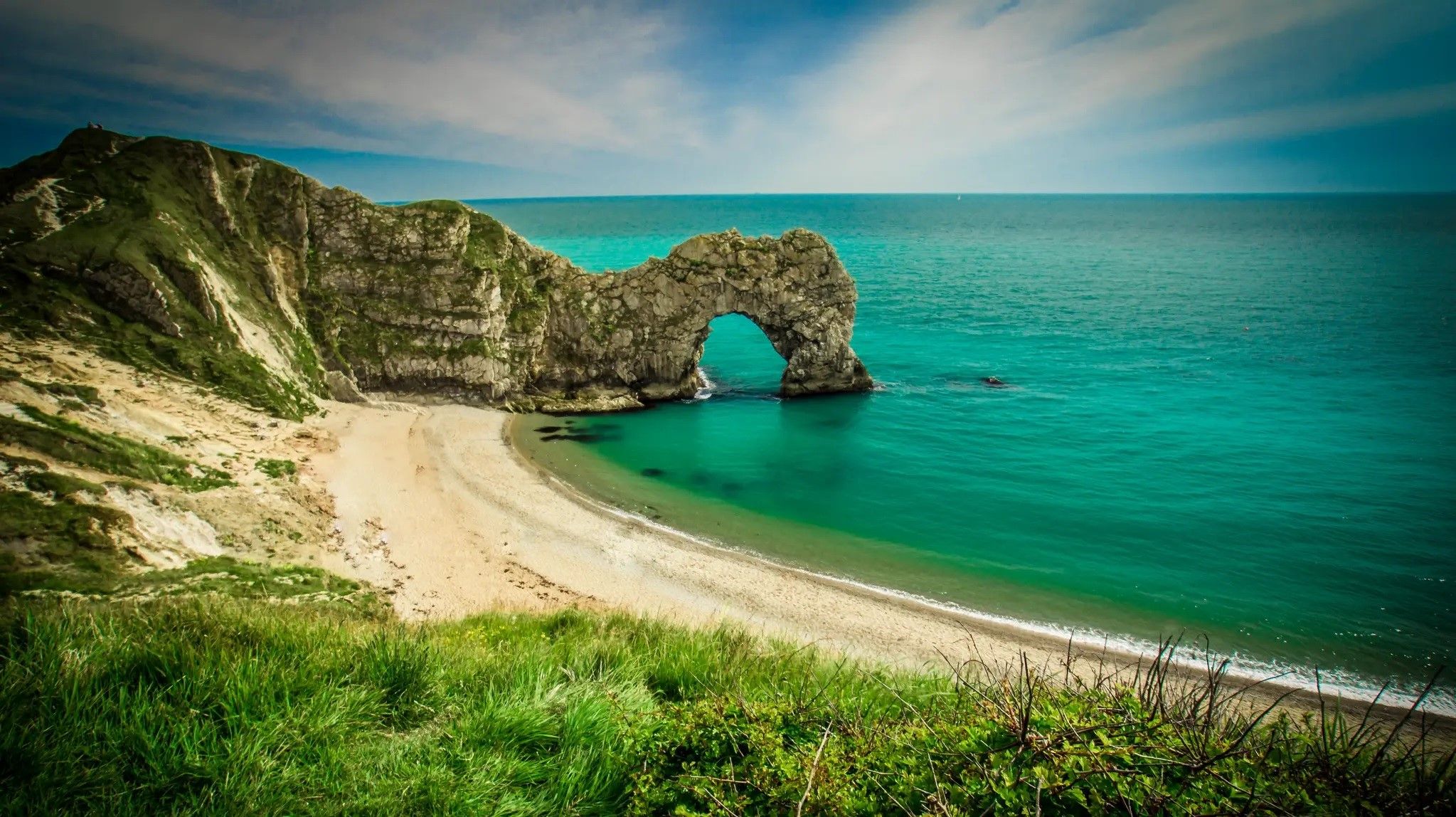
South West Coast Path — Part 4 — Conquer Britain's longest trail
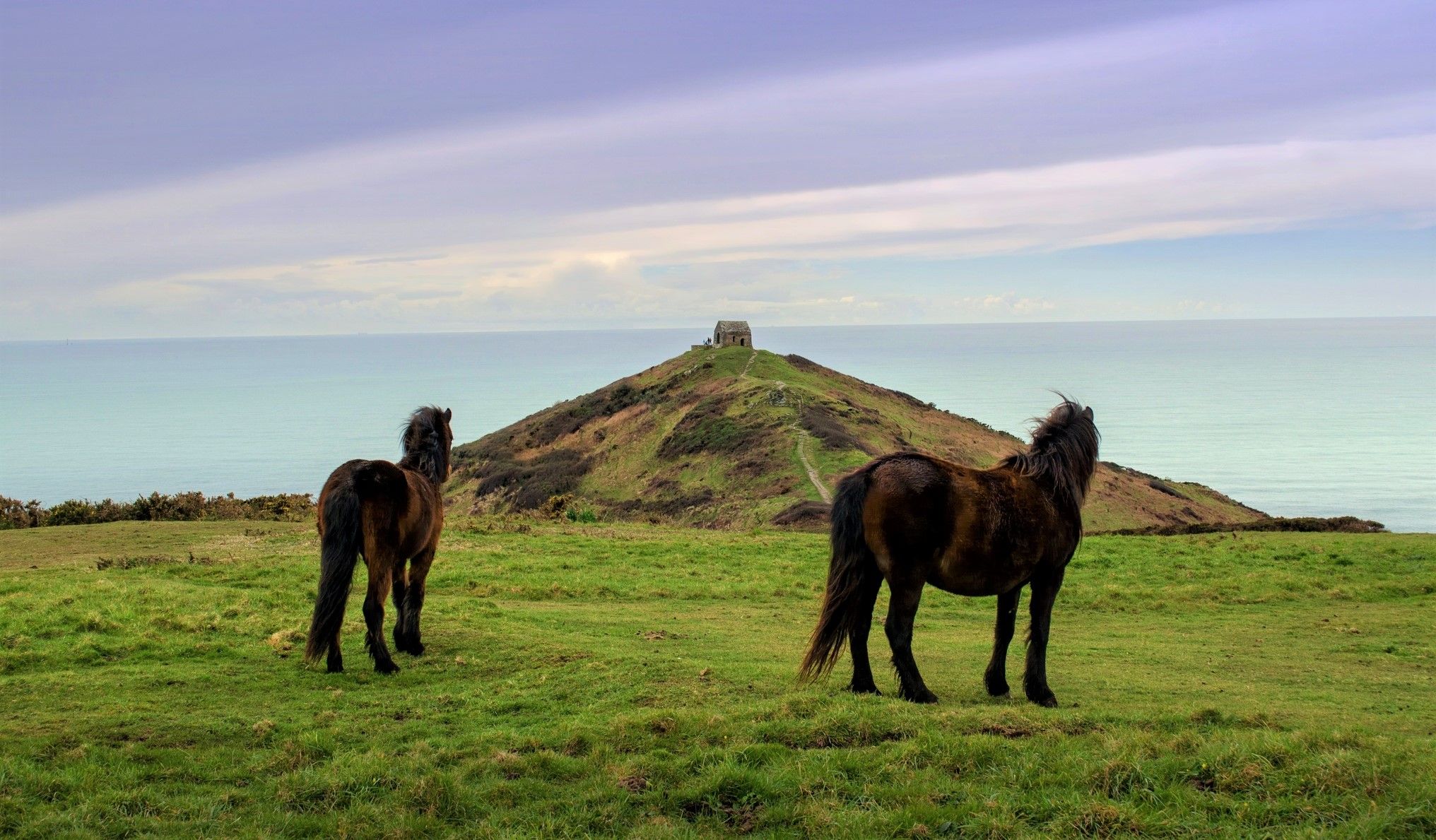
South West Coast Path — Part 3 — Conquer Britain's longest trail
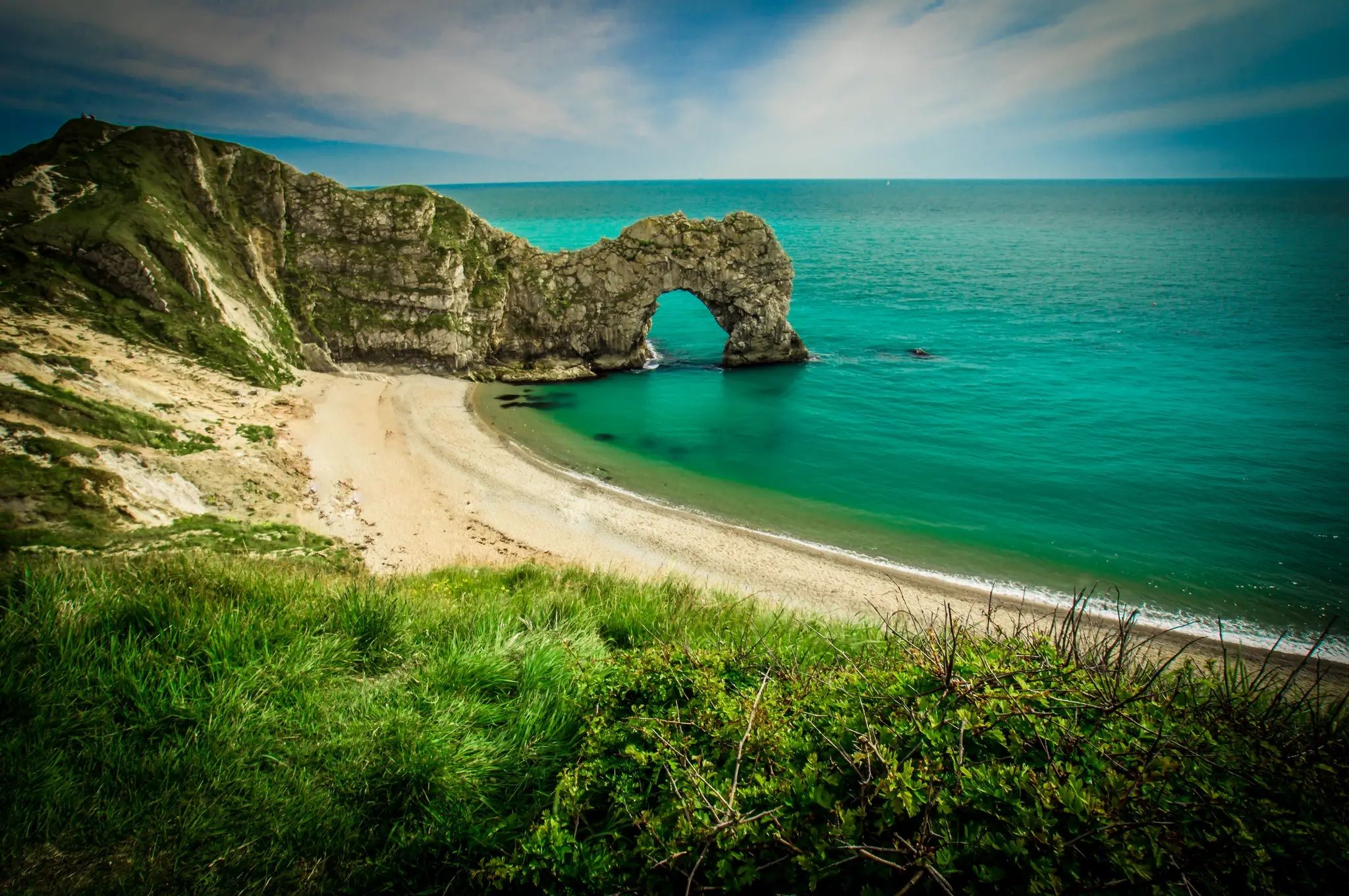
South West Coast Path — Explore Britain's longest trail
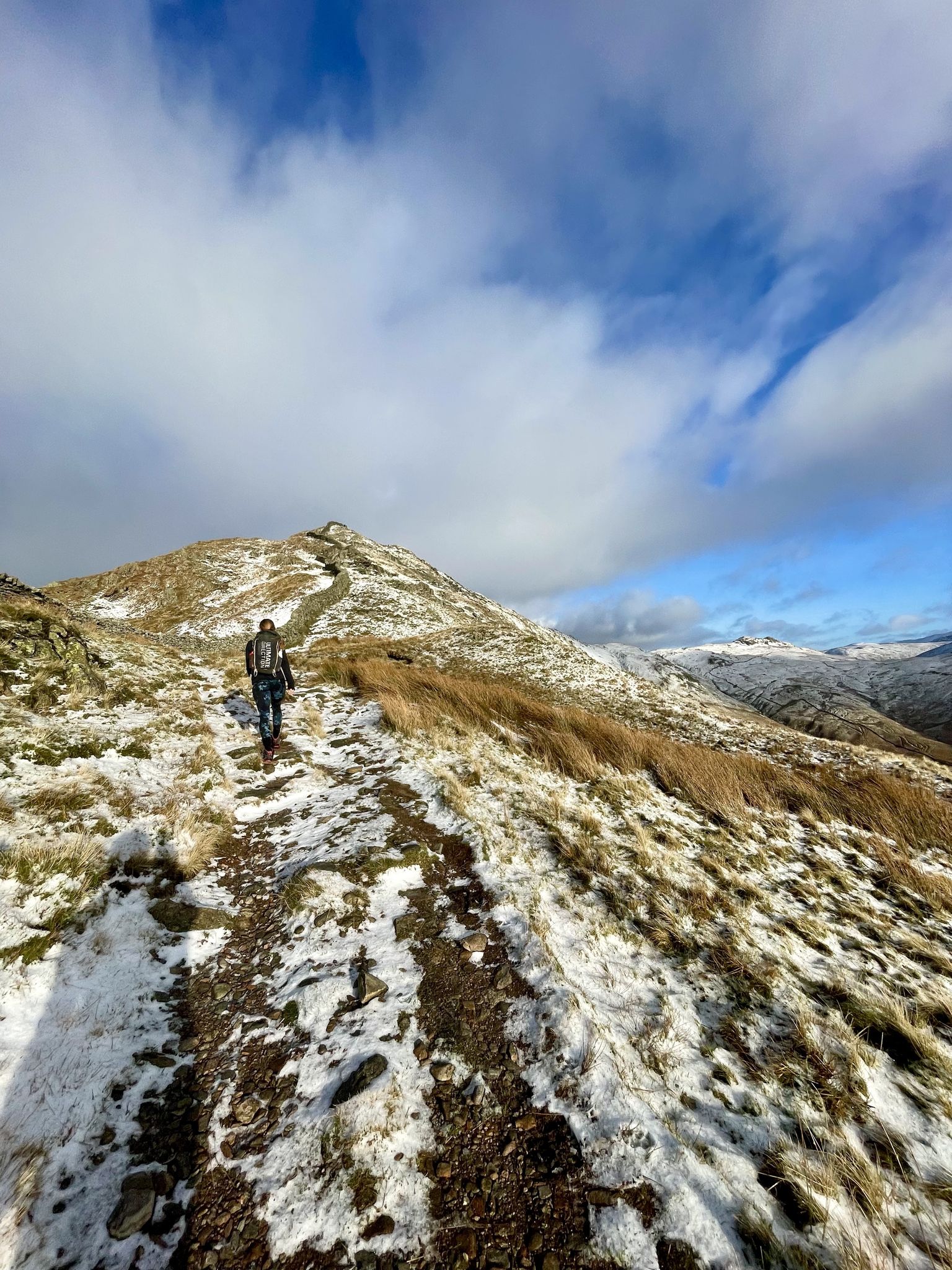
Walk Britain – 90 car-free adventures in England, Wales and Scotland
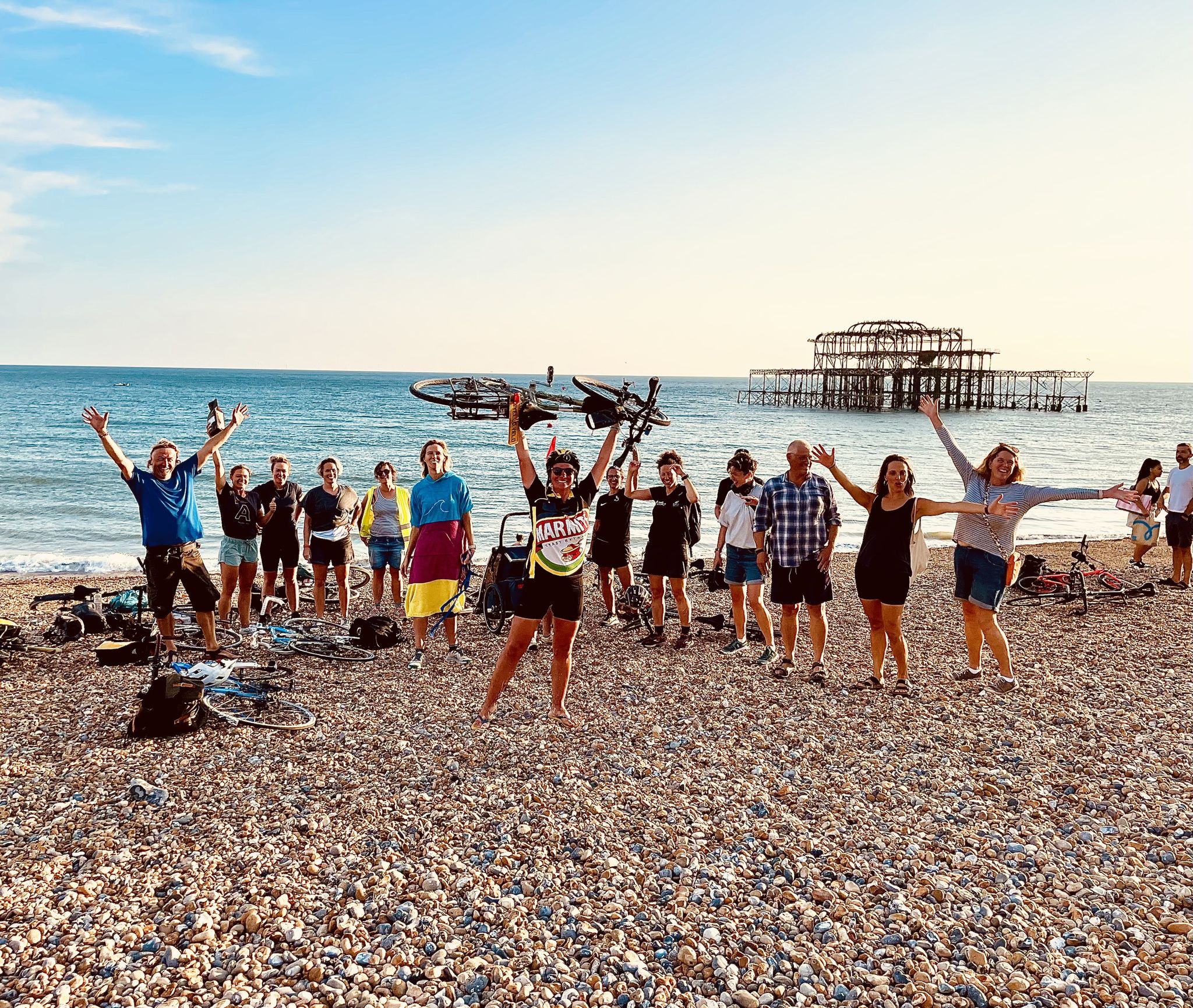
Around the edge in 80 days — cycling the coastline of Britain
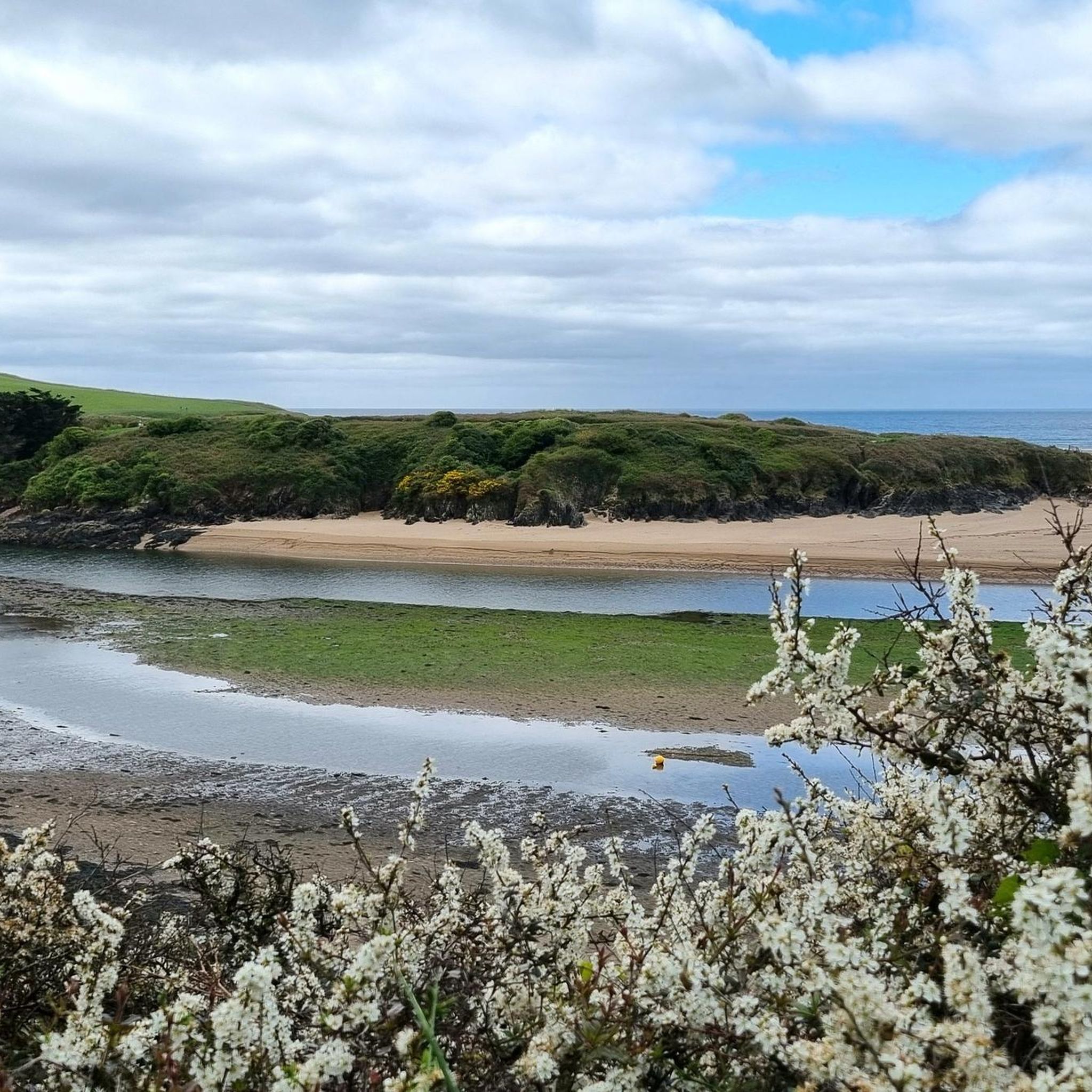
Hiking in South Devon Aonb
Running Trails in South Devon Aonb
Road Cycling Routes in South Devon Aonb
Other adventures in South Devon Aonb


Tips from the Community

Have a coffee on the terrace of the South Sands Hotel. Wonderful views.
0
0

The first church was built here in 1086. Even then, the "centuries-old yew tree" was mentioned - its age is now estimated at 1200 - 1400 years. Legend has it that anyone who manages to walk backwards around it 7 times will have one wish granted. In any case, it is a beautiful, ancient tree that looks pretty healthy and that you just want to hug!
2
0

We were able to see dolphins at the end of the headland. A great experience!
7
0

Prawle Point is the southernmost point of Devon. There is a coastguard lookout point here with an interesting information board. The South West Coast Path passes here and the running is excellent in both directions.
0
0
The Yew in the churchyard of St Mary & St Gabriel is thought to be between 1,000 and 2,000 years old. The carved wooden slices are from a Leyland Cyprus, they depict the important church events that would have happened in the last 2,000 years.
1
0


There are certainly many highlights here, the special being the South Sands Ferry. There is no dock at the South Sand. A kind of tractor drives into the water there, where the ferry then docks. Very picturesque!
2
0

Visitors‘ center is open at Prawle Point Seawatch Station.
0
0
Frequently Asked Questions
What types of natural features can I expect to see in the South Devon National Landscape?
The South Devon National Landscape is renowned for its diverse natural features. You can explore rugged coastlines and dramatic cliffs, serene estuaries like the Salcombe-Kingsbridge Estuary, and ancient woodlands. Key areas include the undeveloped coastline around Bolt Head and Prawle Point, and the unique ecosystems of the River Dart Estuary.
Are there any significant wildlife spotting opportunities among the natural monuments?
Yes, the region offers excellent opportunities for wildlife watching. Berry Head Headland & Lighthouse is home to the largest guillemot colony on the south coast of England and is a great spot for observing seals, dolphins, and rare bats. Prawle Point is a haven for birdwatchers, especially during migration seasons, where you might spot buzzards, ravens, and cirl buntings. Slapton Ley National Nature Reserve is also a prime location for birdwatching, being the largest freshwater lake in the South West.
What are some of the most dramatic coastal natural monuments to visit?
For dramatic coastal scenery, consider visiting Prawle Point, the southernmost point in Devon, offering stunning views and rugged cliffs. The area around Bolt Head and Bolberry Down also features 10 kilometers of dramatic cliffs and expansive panoramic views. Berry Head Headland & Lighthouse provides breathtaking vistas of the English Riviera coastline.
Are there any ancient woodlands or unique trees to explore?
Yes, the South Devon National Landscape is home to ancient oak woodlands, particularly in the Dart Valley and along the wooded creeks of the River Yealm. These 'temperate rainforests' are rich in mosses and lichens. Additionally, you can visit the Ancient Yew Tree of St Mary & St Gabriel Church, which is estimated to be between 1,000 and 2,000 years old, offering a glimpse into the region's deep history.
Are there family-friendly natural monuments in the South Devon National Landscape?
Many natural monuments in the region are suitable for families. South Sands Beach is a sheltered and unspoilt beach, perfect for a relaxing family day. Berry Head Headland & Lighthouse offers accessible paths and fascinating wildlife, making it enjoyable for all ages. The Ancient Yew Tree of St Mary & St Gabriel Church is also a unique and interesting stop for families.
Can I bring my dog to the natural monuments in South Devon?
Many natural areas and trails within the South Devon National Landscape are dog-friendly, especially coastal paths and woodlands. However, it's always best to check specific site regulations, particularly for nature reserves or areas with sensitive wildlife, where dogs may need to be on a lead or restricted during certain seasons. Always ensure your dog is under control and clean up after them.
What is the best time of year to visit the natural monuments in South Devon?
The South Devon National Landscape can be enjoyed year-round, but each season offers a different experience. Spring (April-May) brings wildflowers and migrating birds, while summer (June-August) is ideal for coastal walks and water activities. Autumn (September-October) offers beautiful foliage in the woodlands and continued bird migration. Winter provides a quieter, dramatic coastal experience, though some facilities might have reduced hours.
Are there any natural monuments with historical significance?
Yes, the region is rich in history. Gallants Bower Civil War Fort Ruins offers a glimpse into 17th-century conflict with its well-preserved earthworks and commanding views. Berry Head Headland & Lighthouse features Napoleonic-era fortifications. The Ancient Yew Tree of St Mary & St Gabriel Church stands as a living monument to centuries of local history.
What outdoor activities can I do near the natural monuments in South Devon?
The South Devon National Landscape offers a wide range of outdoor activities. You can enjoy extensive hiking along the South West Coast Path, explore various cycling routes, or try mountain biking. Water-based activities like sailing, paddleboarding, and kayaking are popular in the estuaries. For more detailed route information, you can explore guides such as Hiking in South Devon Aonb or MTB Trails in South Devon Aonb.
Are there specific hiking trails recommended around these natural monuments?
Absolutely. The South West Coast Path offers numerous sections with stunning views. For example, a walk from East Prawle to Prawle Point is full of dramatic scenery. You can also find trails around Berry Head Headland & Lighthouse. For more options, check out the Hiking in South Devon Aonb guide, which includes routes like the 'Gara Point & Revelstoke Drive loop' and 'Bolt Head & Salcombe Castle loop'.
Can I find opportunities for water-based activities near the estuaries?
Yes, the estuaries are perfect for water-based activities. The Salcombe-Kingsbridge Estuary and the River Dart Estuary are ideal for sailing, paddleboarding, and kayaking. These areas provide unique perspectives on the landscape and are havens for wading birds and other wildlife. Many local providers offer equipment rental and guided tours.
What do visitors particularly enjoy about the natural monuments in South Devon?
Visitors frequently praise the breathtaking coastal views and the sense of tranquility found in the South Devon National Landscape. Many enjoy the opportunities for wildlife spotting, such as seeing dolphins at Berry Head Headland & Lighthouse. The unspoilt nature of places like South Sands Beach and the dramatic coastline around Prawle Point are also highly appreciated. The historical elements, like the Civil War fort ruins, add another layer of interest.
Are there natural monuments suitable for those seeking less crowded experiences?
While popular spots can attract visitors, many areas within the South Devon National Landscape offer quieter experiences, especially outside peak season or by exploring less-trafficked trails. The ancient woodlands and some sections of the coastal path, particularly further from main towns, can provide a more secluded natural encounter. Exploring the upper reaches of the River Dart Estuary also offers a deeply atmospheric and tranquil setting.
Most popular routes in South Devon Aonb
Most popular attractions in South Devon Aonb

Get inspired with the komoot mobile app


Explore more
Extend your search for the best caves by checking out these guides of the top ones in South Devon Aonb:
