Northumberland Coast Aonb
Northumberland Coast Aonb
Top 13 Natural Monuments around Northumberland Coast Aonb
Best natural monuments around Northumberland Coast Aonb showcase a 64 km stretch of dramatic coastal scenery, significant geological formations, and exceptional wildlife. This area features a unique blend of sandy beaches, rocky outcrops, and internationally important wildlife habitats. Its diverse landscape provides opportunities for exploring natural features and observing coastal ecosystems. The region's designation as a National Landscape highlights its natural beauty and importance.
Best natural monuments around Northumberland Coast Aonb
- The most popular natural monuments is Holy Island (Lindisfarne)…
Last updated: May 25, 2026
Holy Island (Lindisfarne)
Highlight • Historical Site
Tip by

Low Newton Beach
Highlight • Beach
Tip by

Sign up now to discover places like this
Get recommendations on the best single tracks, peaks, & plenty of other exciting outdoor places.
Sign up for free
Emmanuel Head Navigation Beacon
Highlight • Monument
Tip by

Long Heugh Limestone Escarpment
Highlight • Natural Monument
Tip by

Pilgrims' Way to Holy Island
Highlight (Segment) • Trail
Tip by

Sign up for free to discover even more natural monuments around Northumberland Coast Aonb.
Sign up for free
Already have an account?
Start today with a free account
Your next adventure awaits.
Login or Signup
Popular around Northumberland Coast Aonb
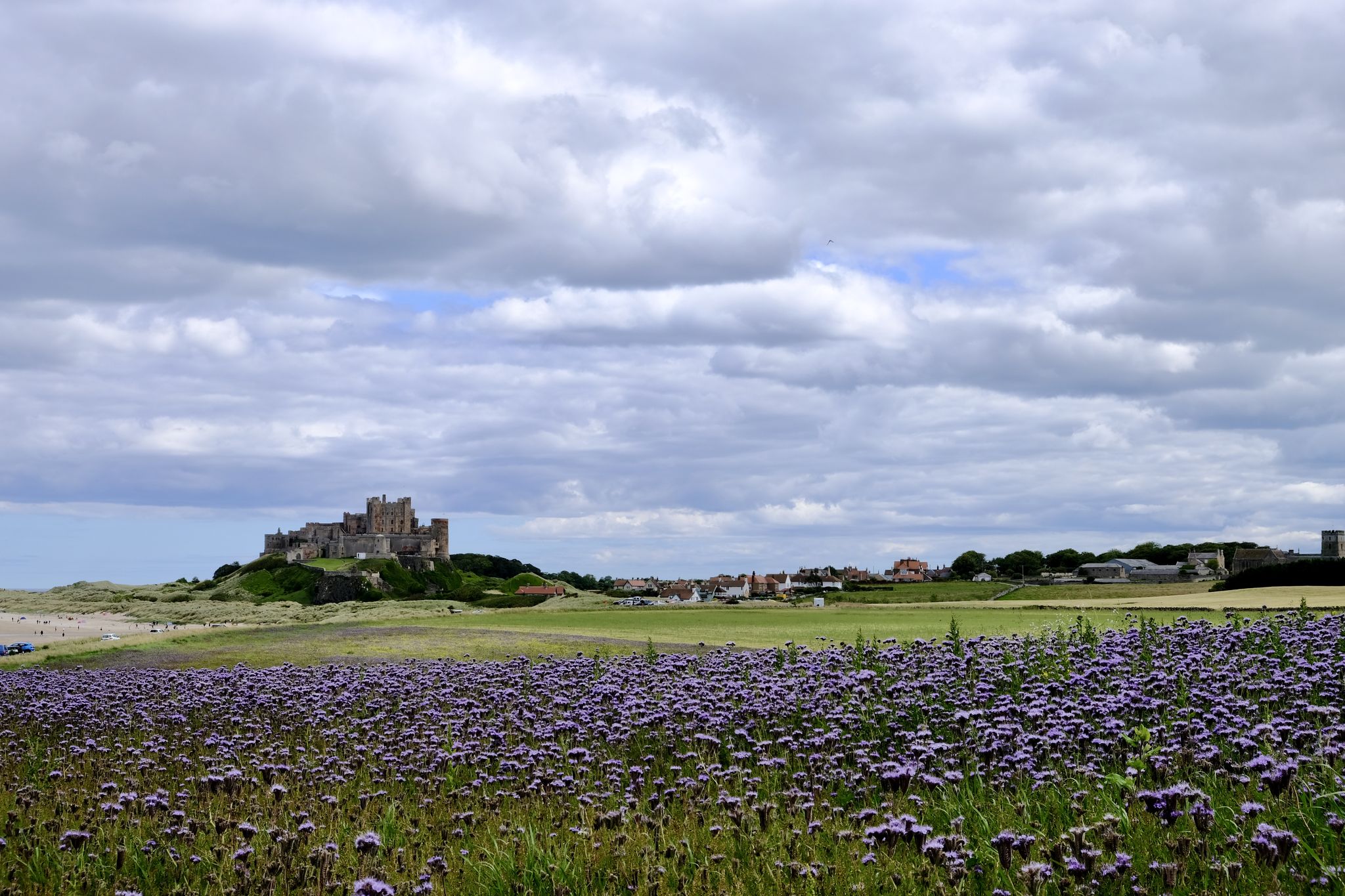
Hike the Northumberland Coast Path – Castles and coastlines
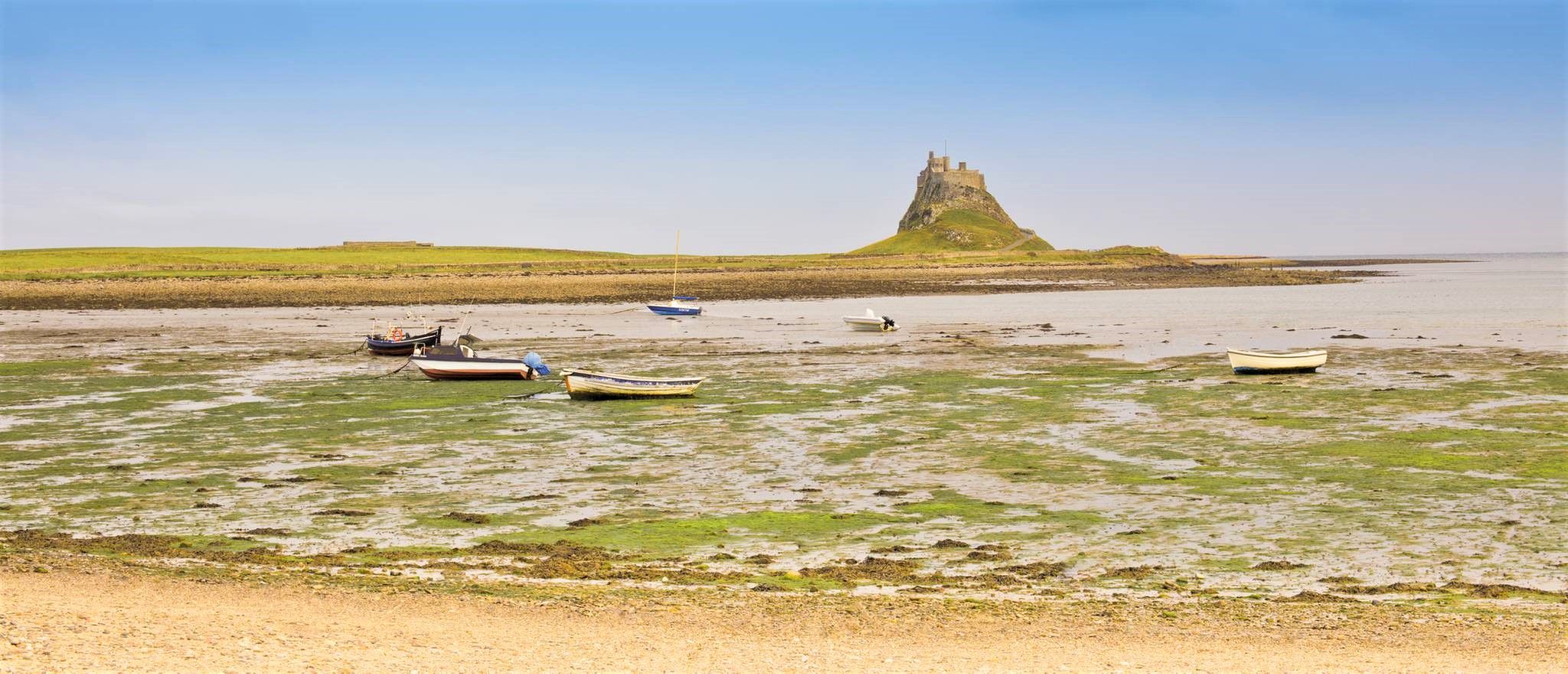
St Oswald's Way — Hike Northumberland's heavenly coast and wild heart
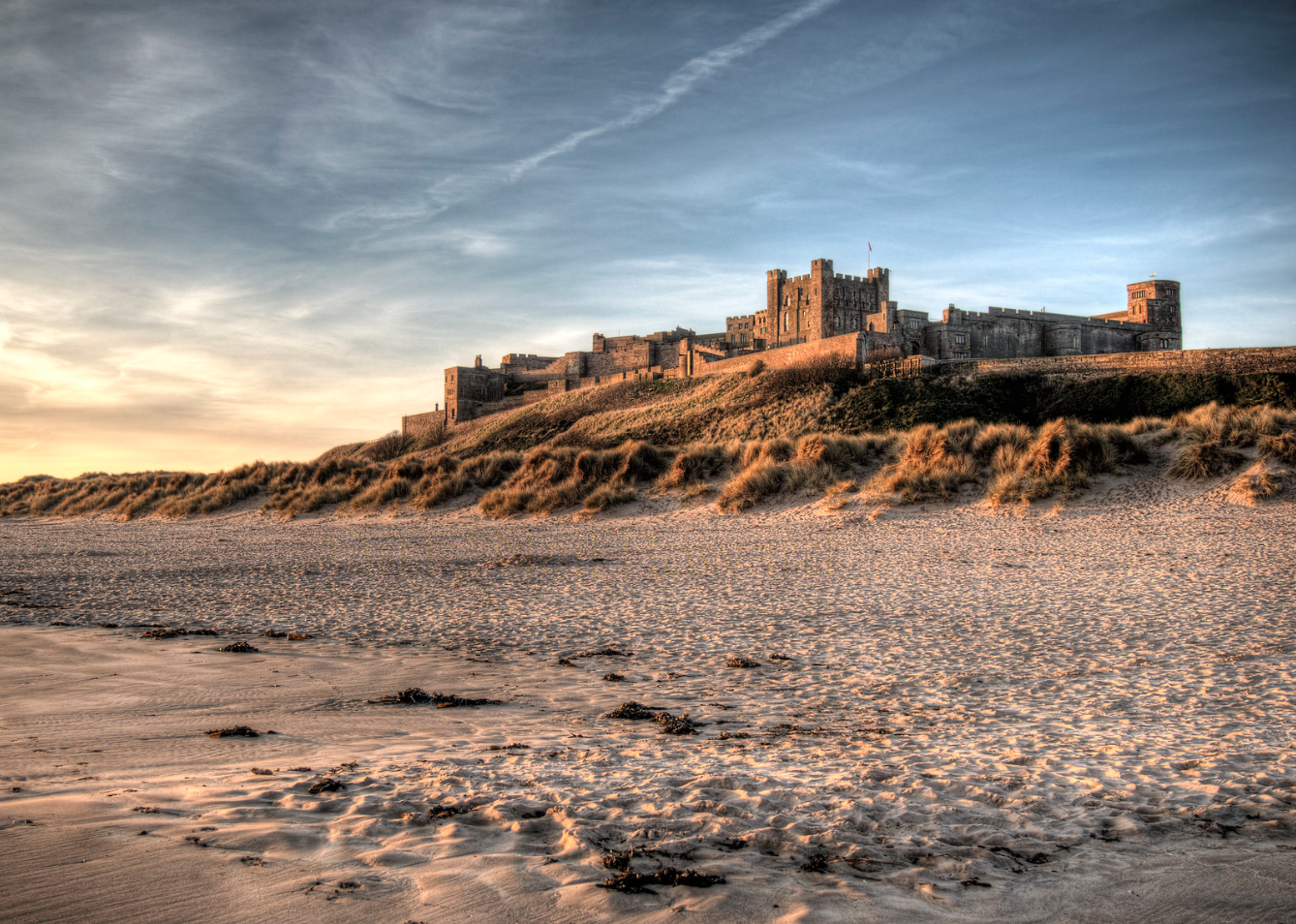
Coast and Castles – cycle in the footsteps of legends and kings
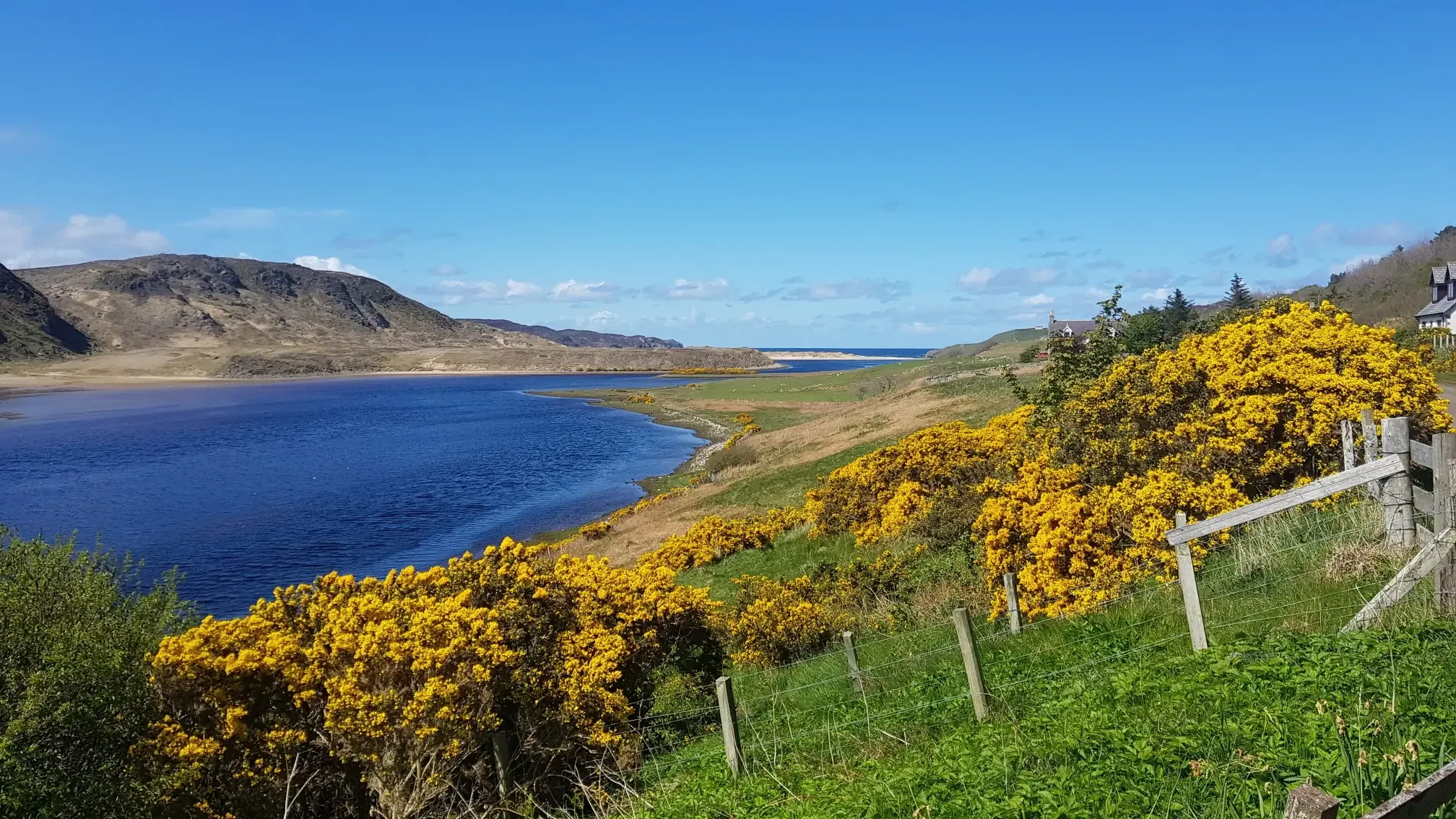
A fantastic journey along Britain’s entire East Coast – NCN 1

Walk Britain – 90 car-free adventures in England, Wales and Scotland

Around the edge in 80 days — cycling the coastline of Britain
The best of Barefoot Britain — Awesome routes off the beaten track
Hiking around Northumberland Coast Aonb
Running Trails around Northumberland Coast Aonb
Cycling around Northumberland Coast Aonb
Other adventures around Northumberland Coast Aonb


Tips from the Community

Emmanuel Head is one of those quirky, unexpected gems on Holy Island. The stark white pyramid looks almost out of place at first, but it’s actually steeped in history – built in 1810, it’s the oldest surviving daymark in England. Sailors would have used it as a navigational aid to guide them safely around the island’s treacherous coast, long before modern lighthouses and GPS. The walk out there is lovely, with wide-open views across the dunes, sea and Lindisfarne Castle in the distance. Standing by it, with seabirds wheeling overhead and the waves rolling in, you really get a sense of the island’s long connection with the sea. A peaceful, slightly off-the-beaten-path highlight – and a great photo stop too!
0
0


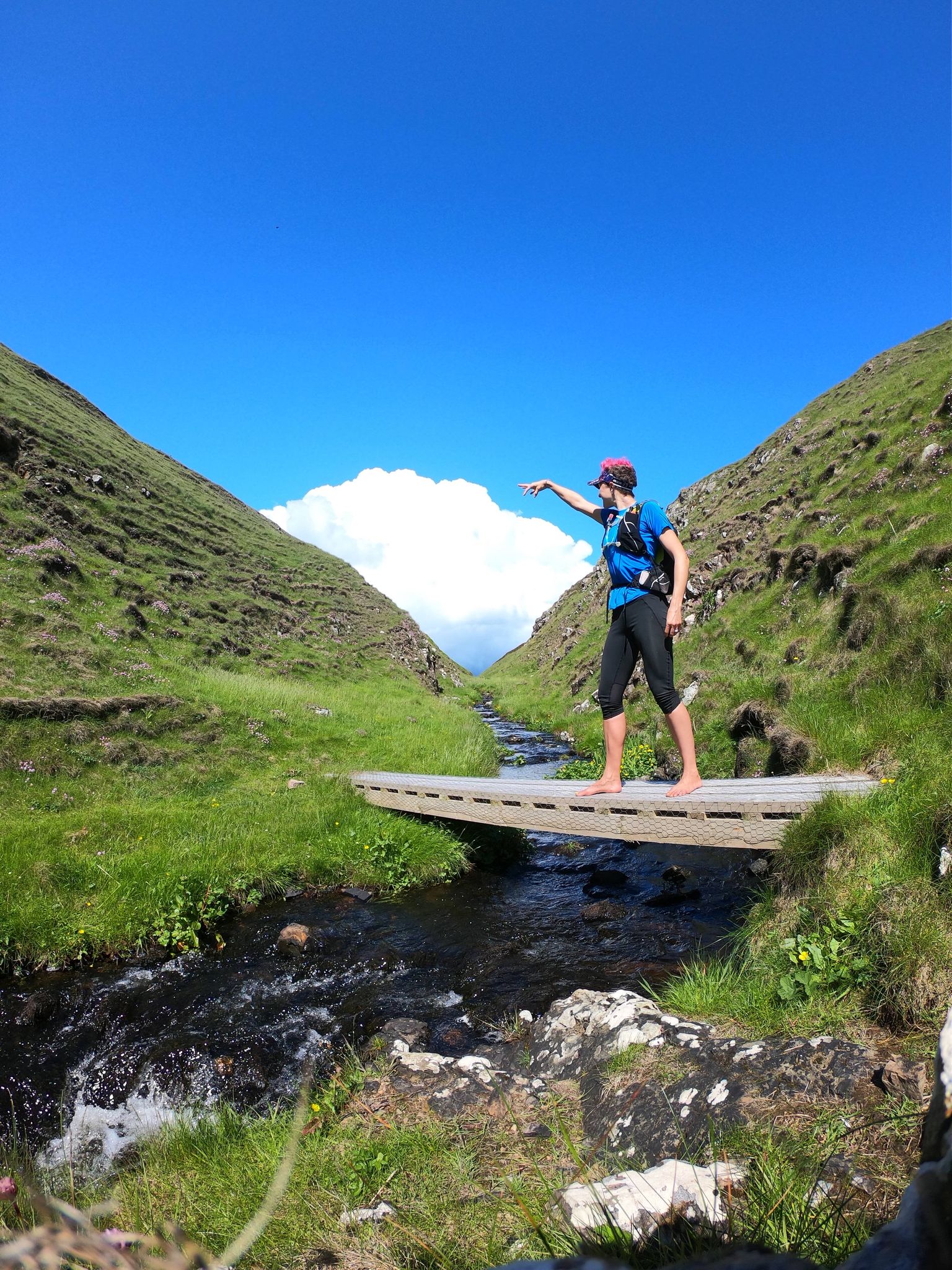
definitely walk the pilgrim's way to Holy Island. it is muddy and slippery in places but you can walk it barefoot. I found walking poles essential in the mud.
0
1

In the mid-13th century, Newton-by-the-Sea was part of the barony of Vesci, initially held by John Viscount for one knight's fee. Ownership passed through notable figures including Simon de Montfort and Edmund of Lancaster. By 1725, it became part of the Barony of Embleton and saw ownership by the Forster family, who built Newton Hall in the late 18th century for Joseph Forster. Low Newton, or Newton Seahouses, emerged in the early 19th century as a community for fishermen. The National Trust now manages some of these cottages, as well as the Coastguard Station, built around 1828. In the 19th century, Newton-by-the-Sea had around 250 residents. By 1895, it was a township of 1,211 acres with a population of 220. Today, the parish has about 135 dwellings, home to a mix of residents, holiday homeowners, and visitors. Many residents commute to nearby towns or Newcastle. The National Trust owns much of the coastal land and part of The Square at Low Newton.
0
0


amazing experince, when you need to check tides time before any trip
1
0

The daymark on Emmanuel Head is a visual aid for boats navigating these waters. It's also a great target for a coastal run around the island. Look out for dolphins and seals out to sea.
1
0
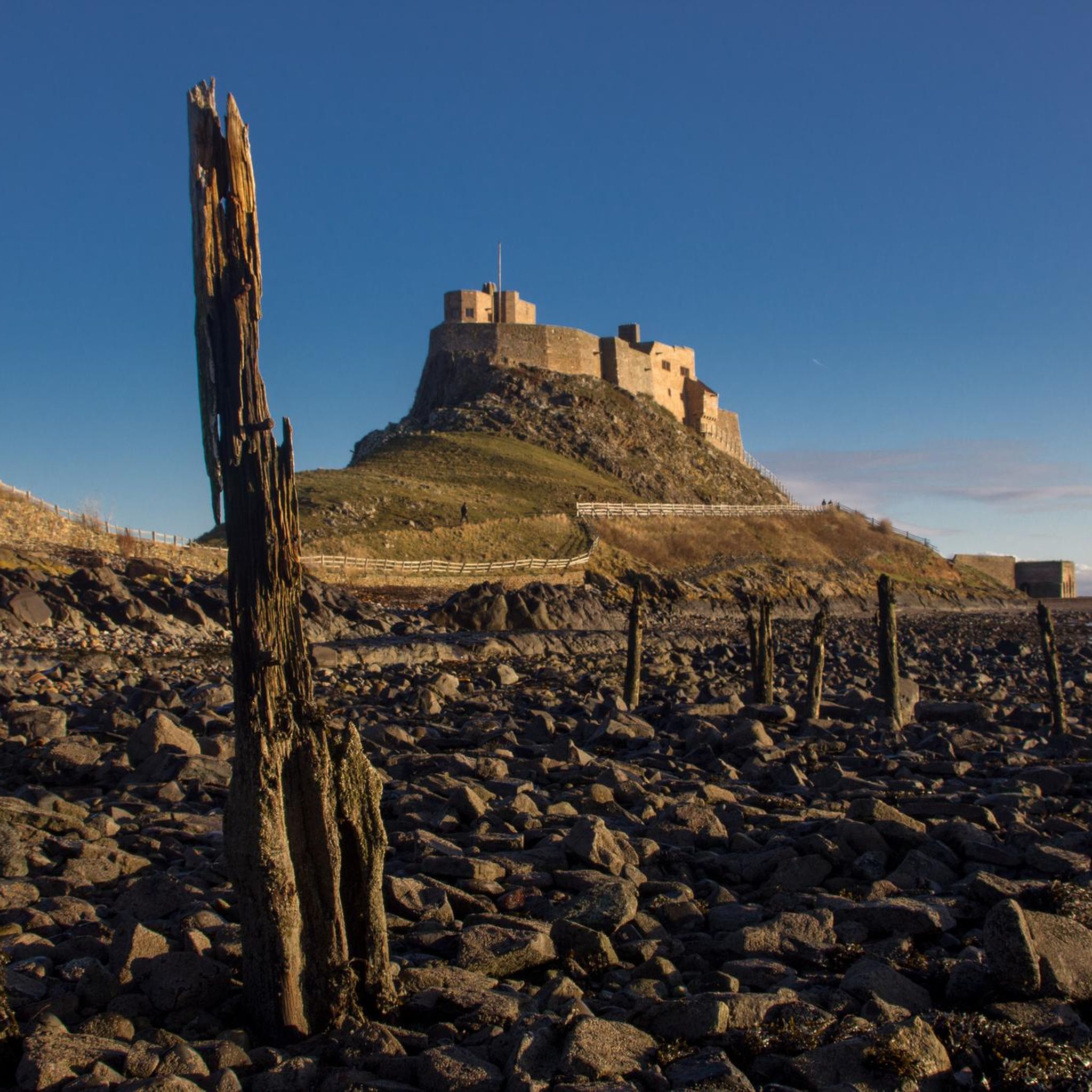
A small settelment on Holy Island accessed by a tidal causway so don't get stuck! The National Trust manage Lindisfarne Castle which is an amazing place to visit while you're here. There is also a ruined Benedictine Abbey. The island is great for sea birds and also has a seal population. The settelment has a small selection of cafes, pubs and a shop where you can get snacks, supplies or a meal.
0
0
Frequently Asked Questions
What unique geological features can I explore along the Northumberland Coast AONB?
The Northumberland Coast AONB is rich in geological wonders. You can explore the dramatic formations of the Great Whin Sill, an ancient basalt intrusion that forms striking headlands and coves, and provides the bedrock for iconic sites like the Farne Islands. Another fascinating spot is Greymare Rock, a unique, twisted geological formation near Dunstanburgh Castle, showcasing the effects of heat and pressure from the Whin Sill's creation. Additionally, the Long Heugh Limestone Escarpment offers impressive cliffs and rock faces.
Where can I experience exceptional wildlife viewing among the natural monuments?
For unparalleled wildlife viewing, a boat trip to the Farne Islands is highly recommended. These islands are an internationally important seabird sanctuary, hosting thousands of puffins, guillemots, and terns, as well as one of Britain's largest grey seal colonies. You can observe these species up close, especially during breeding season. Additionally, the intertidal flats around Holy Island (Lindisfarne) are a crucial feeding and breeding ground for numerous bird species, making it a haven for birdwatchers.
Are there family-friendly natural monuments to visit in the Northumberland Coast AONB?
Yes, several natural monuments are suitable for families. Holy Island (Lindisfarne) offers a unique experience with its tidal causeway, castle, and priory, alongside opportunities for birdwatching. Low Newton Beach is another great option, providing wide sandy shores for walks and exploration, with a nature reserve nearby. The extensive coastal sand dunes also offer a serene landscape for family walks and play.
What kind of outdoor activities can I do near these natural monuments?
The Northumberland Coast AONB offers a variety of outdoor activities. You can enjoy easy hikes, such as the Dunstanburgh Castle loop from Craster or the Bamburgh Castle & Beach loop. For cycling enthusiasts, there are routes like the North Sea Cycle Route: Bamburgh and Lucker Loop. Gravel biking options are also available, including the Druridge Bay Country Park loop. Many of these routes offer scenic views of the coastline and its natural monuments.
Where can I find impressive coastal viewpoints and potentially spot marine life?
For stunning coastal views and the chance to spot marine life, head to the Emmanuel Head Navigation Beacon. This viewpoint is known for potential sightings of dolphins and seals along the coast. The dramatic cliffs of the Great Whin Sill also offer numerous vantage points for panoramic views of the rugged coastline and the North Sea.
What is unique about visiting Holy Island (Lindisfarne) as a natural monument?
Holy Island (Lindisfarne) is unique due to its tidal causeway, which makes access dependent on tide times, adding to the adventure. The island is characterized by extensive intertidal mudflats, salt marshes, and sand dunes, making it a crucial feeding and breeding ground for numerous bird species. Beyond its natural beauty, it also hosts Lindisfarne Castle and Priory, blending natural and historical significance.
Are there any natural monuments that are particularly good for walking on sandy beaches?
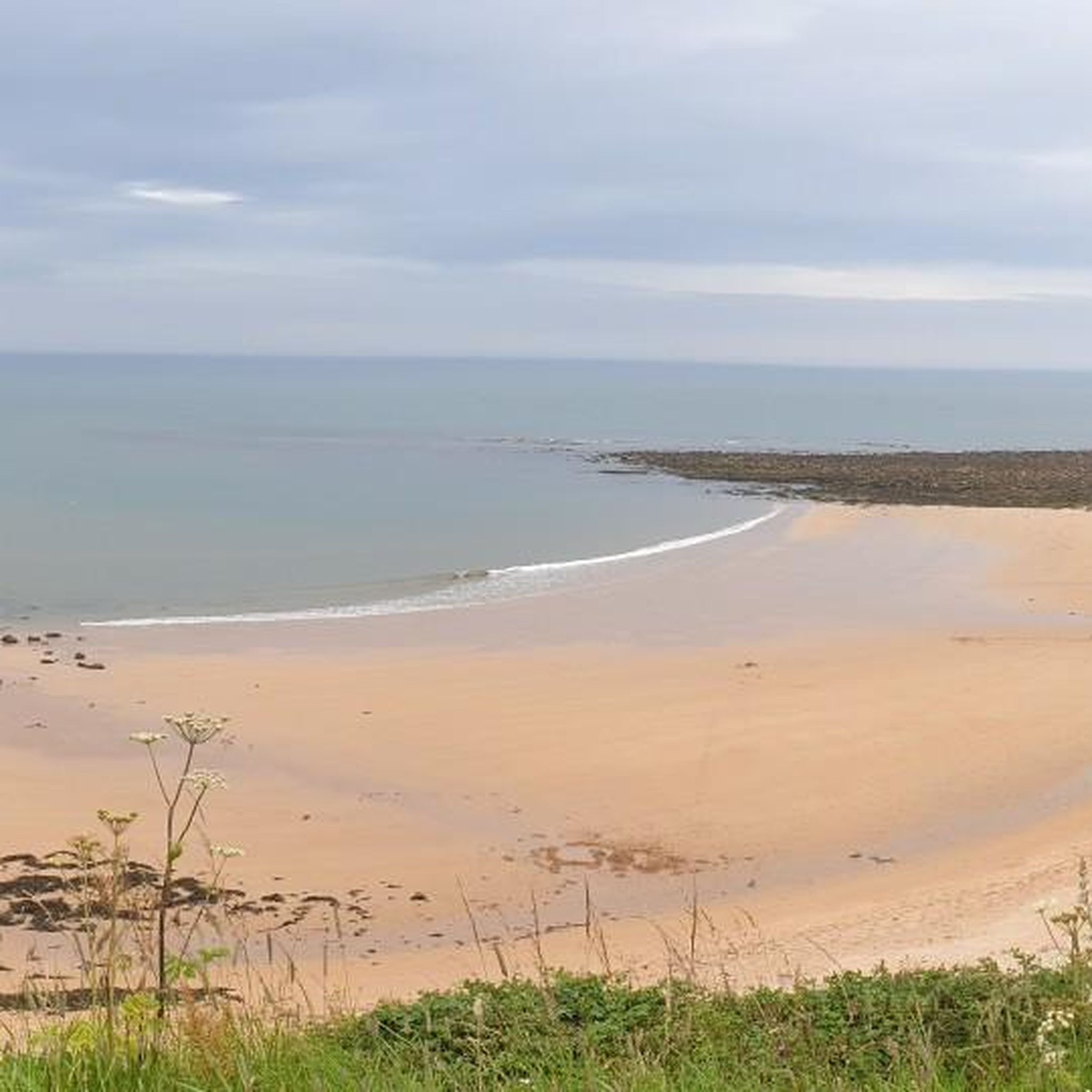
Yes, the Northumberland Coast AONB is famous for its wide, sandy beaches backed by extensive sand dunes. Low Newton Beach is an excellent example, where you can walk along the sand towards Embleton or explore the nearby nature reserve. The coastal sand dunes themselves provide a serene and picturesque landscape for walking and exploration, offering a sense of wild solitude.
What is the best time of year to visit the natural monuments in Northumberland Coast AONB?
The best time to visit often depends on your interests. For seabird breeding season and puffin sightings on the Farne Islands, late spring to mid-summer (May to July) is ideal. For general walking and enjoying the coastal scenery, late spring, summer, and early autumn offer pleasant weather. The sand dunes come alive with color in spring, and the intertidal areas are excellent for birdwatching during migration seasons (spring and autumn).
Can I explore sea caves along the Northumberland Coast AONB?
Yes, the Northumberland Coast AONB features partly submerged sea caves. These can be found in the sandstone cliffs north of Berwick and within the limestone formations at Howick. Exploring these caves offers a glimpse into the geological processes shaping the coastline and provides opportunities to discover fascinating marine ecosystems in a unique setting.
What do visitors enjoy most about the natural monuments in this region?
Visitors frequently praise the dramatic coastal scenery, the exceptional wildlife viewing opportunities, and the unique geological formations. Many appreciate the chance to observe puffins and seals up close on the Farne Islands, the serene beauty of the coastal sand dunes, and the unique experience of visiting Holy Island (Lindisfarne) with its tidal access. The blend of natural beauty with historical sites also adds to the appeal.
Are there specific trails or paths that offer good views of the Great Whin Sill?
The Northumberland Coast Path, which runs the length of the AONB, offers numerous sections with excellent views of the Great Whin Sill. This path often follows the coastline, allowing you to see where the hard basalt rock meets the sea, forming dramatic cliffs and headlands. Specific sections around Bamburgh and Dunstanburgh castles are particularly good for appreciating this geological feature, as these castles are built upon its resistant bedrock.
How can I find out about tide times for visiting Holy Island (Lindisfarne)?
Visiting Holy Island (Lindisfarne) requires careful planning due to its tidal causeway. You must check the safe crossing times before your visit. For up-to-date information on tide times and safe crossing periods, it is essential to consult official sources such as Visit Northumberland or local council websites, as these times change daily.
Most popular routes around Northumberland Coast Aonb
Most popular attractions around Northumberland Coast Aonb

Get inspired with the komoot mobile app


