Fyfield Down National Nature Reserve
Fyfield Down National Nature Reserve
Top 3 Natural Monuments in Fyfield Down National Nature Reserve
Best natural monuments in Fyfield Down National Nature Reserve feature a unique collection of sarsen stones, large silicified sandstone boulders that form a distinctive geological landscape. This area, part of the Avebury World Heritage Site, is recognized for its abundance of these stones, some dating back 5 to 10 million years. The natural monuments here also hold significant historical value, having been used by Neolithic people to construct nearby prehistoric sites like Stonehenge and Avebury. Fyfield Down offers a tangible connection to ancient civilizations through its natural features.
Best natural monuments in Fyfield Down National Nature Reserve
- The most popular natural monuments is Valley of Stones, an other natural feature known for its landscape of sarsen stones. These geological features, locally known as 'Grey Wethers', were used for building in the Neolithic Age, including for Stonehenge and Avebury.
- Another must-see spot is Toad Stone (Valley of Stones), an other natural monument. Visitors can expect to find a distinctive sarsen stone within the Valley of Stones that resembles a toad.
- Visitors also love The Polisher Stone (Neolithic Axe-Polishing Stone), a historical site. This rare example of a stone used to polish stone axes shows clear grooves and a smooth dished area from prehistoric tool finishing.
- Fyfield Down National Nature Reserve is known for its sarsen stones, ancient historical sites, and unique geological formations. The area offers a variety of natural monuments to see and explore, from individual boulders to extensive stone fields.
- The natural monuments in Fyfield Down National Nature Reserve are appreciated by the komoot community, with 3 upvotes and 9 photos shared by visitors.
Last updated: July 6, 2026
Valley of Stones
Highlight • Natural
Those bizarre rocks are locally known as 'Grey Wethers' because they are often mistaken for a flock of sheep in misty weather.
But their other name has an even more fascinating origin!
These geological features are officially known as Sarsen Stones. Most likely deriving from Wiltshire vernacular for 'Saracen'. Historians think Knight Templars named them as such because they were alien to the soft chalk of the North Wessex Downs.
But the name has a more sinister meaning. It stems from the Crusades against Islamic rule, during which they called Muslims Saracens. This word was also used for anything that was 'foreign'.
'Grey Wethers' were used for building in the Neolithic Age!
And thus, it is time to fall into the prehistoric rabbit hole as deep as 6000 years!
According to The National Trust information board, these stones were used to erect Stonehedge and Avebury!
Tip by

Toad Stone (Valley of Stones)
Highlight • Natural
Tip by
Sign up now to discover places like this
Get recommendations on the best single tracks, peaks, & plenty of other exciting outdoor places.
Sign up for free
The Polisher Stone (Neolithic Axe-Polishing Stone)
Highlight • Historical Site
It is claimed to be a particularly fine example of a grinding bench for shaping, whetting, and polishing stone axe-heads, and to compare with many Neolithic and Bronze Age examples in France
Tip by
Herepath
Highlight (Segment) • Natural
Tip by

Start today with a free account
Your next adventure awaits.
Login or Signup
Popular around Fyfield Down National Nature Reserve
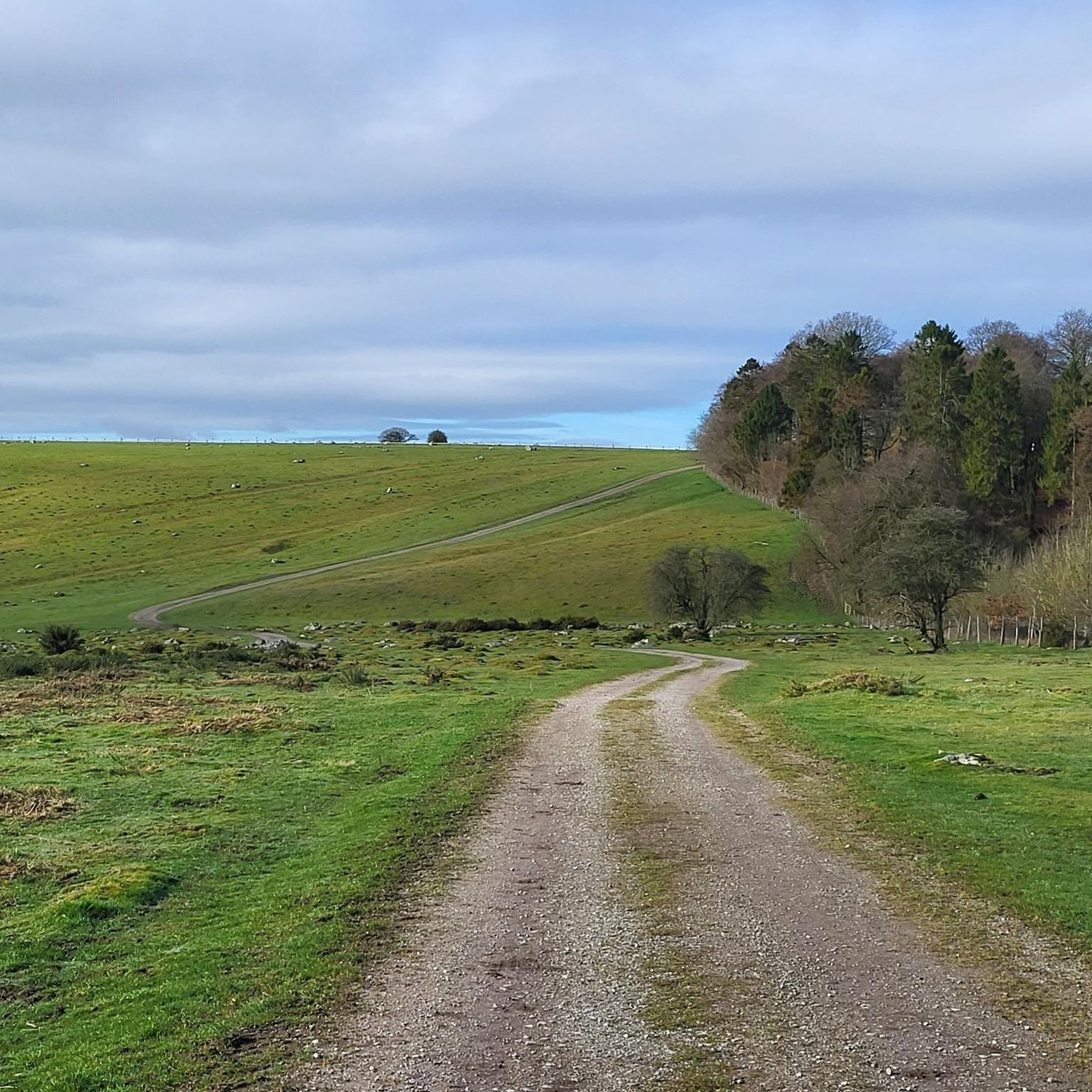
MTB Trails in Fyfield Down National Nature Reserve
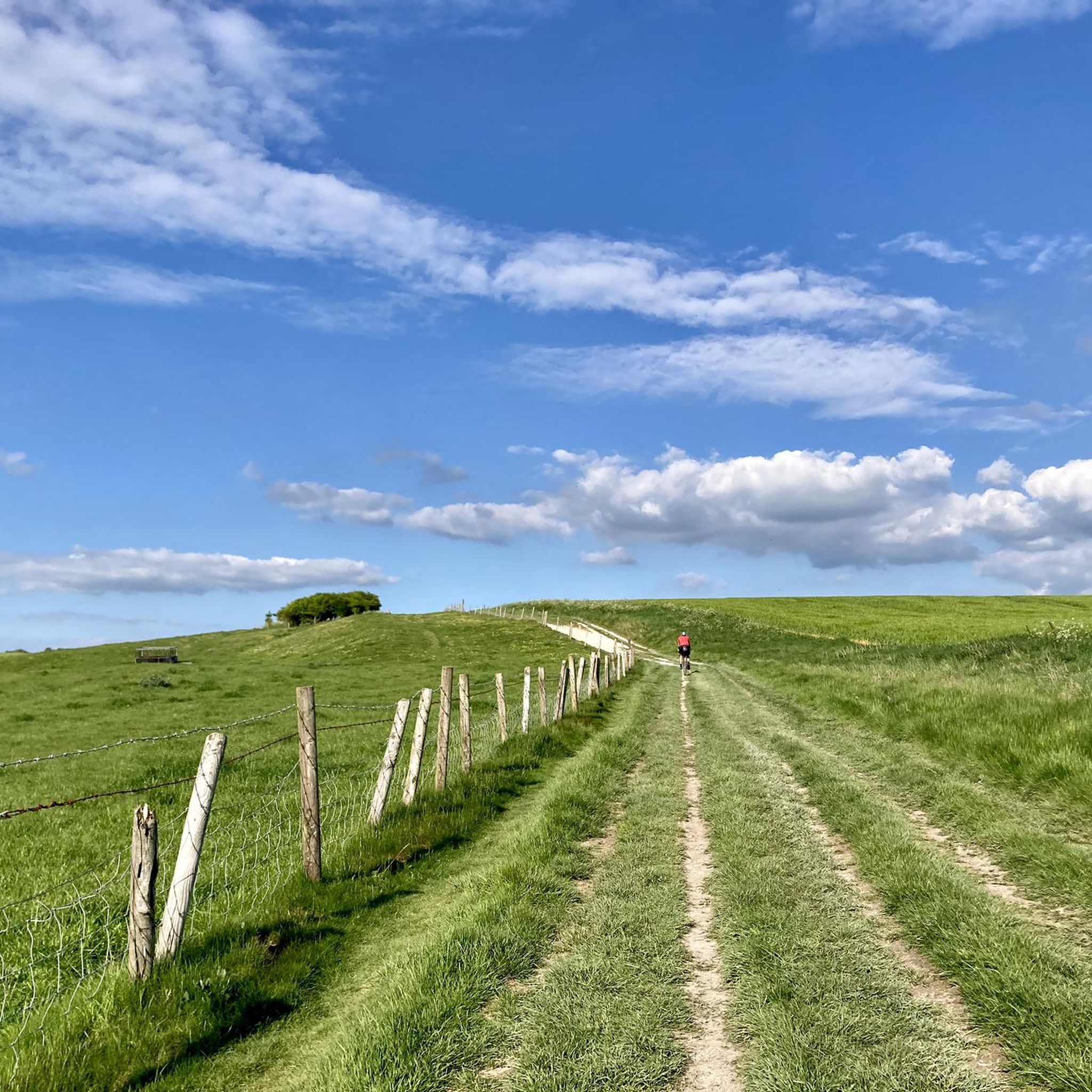
Running Trails in Fyfield Down National Nature Reserve
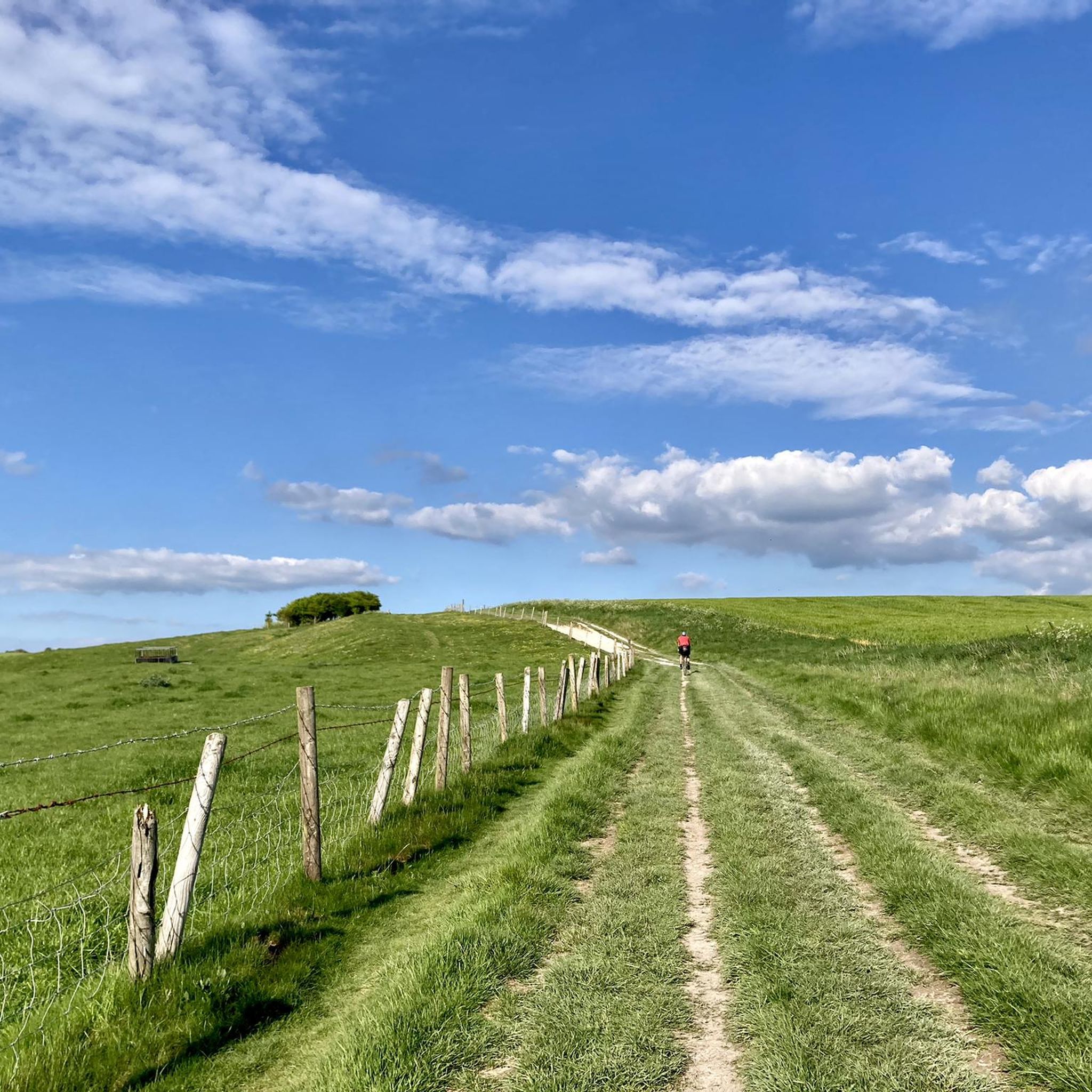
Road Cycling Routes in Fyfield Down National Nature Reserve
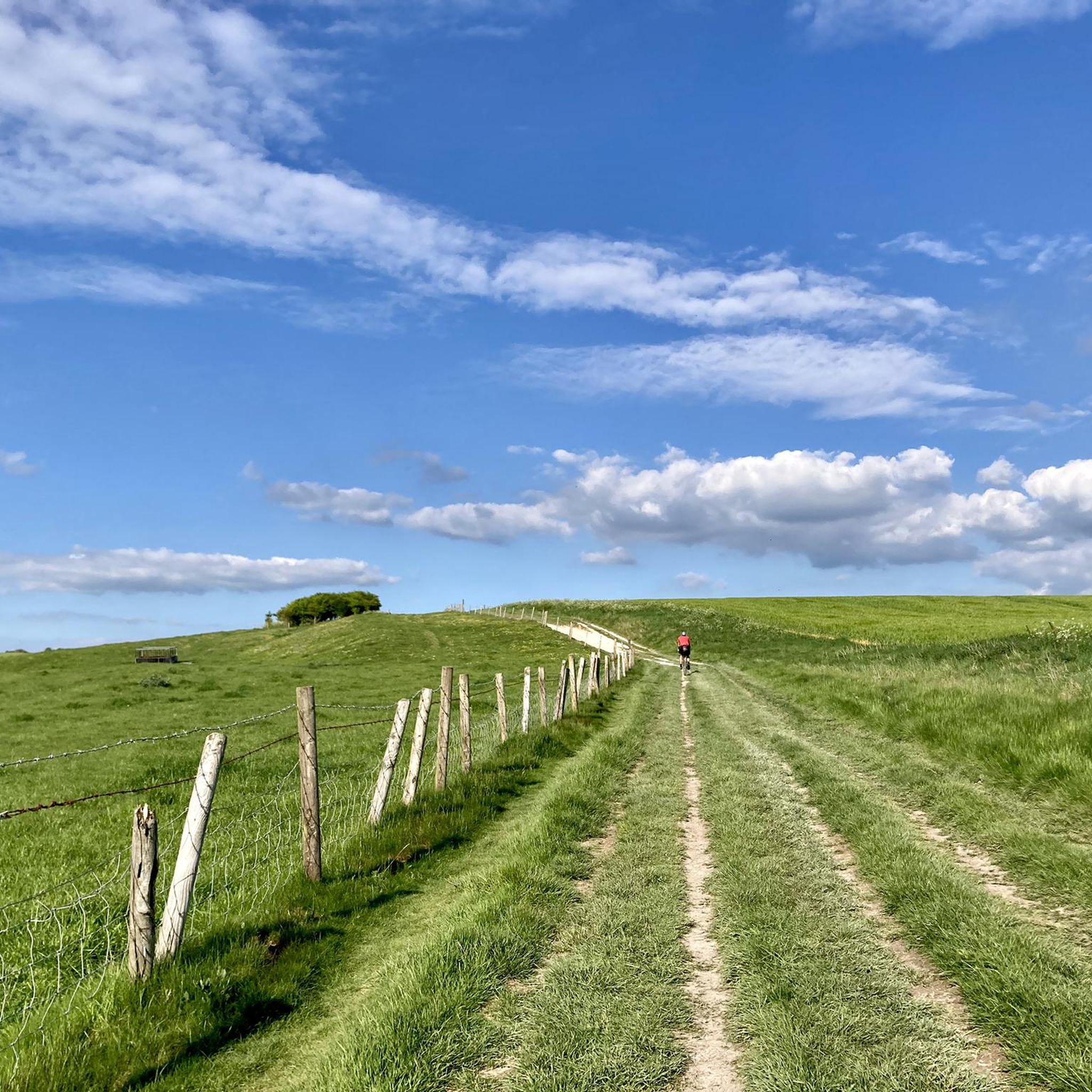
Hiking in Fyfield Down National Nature Reserve
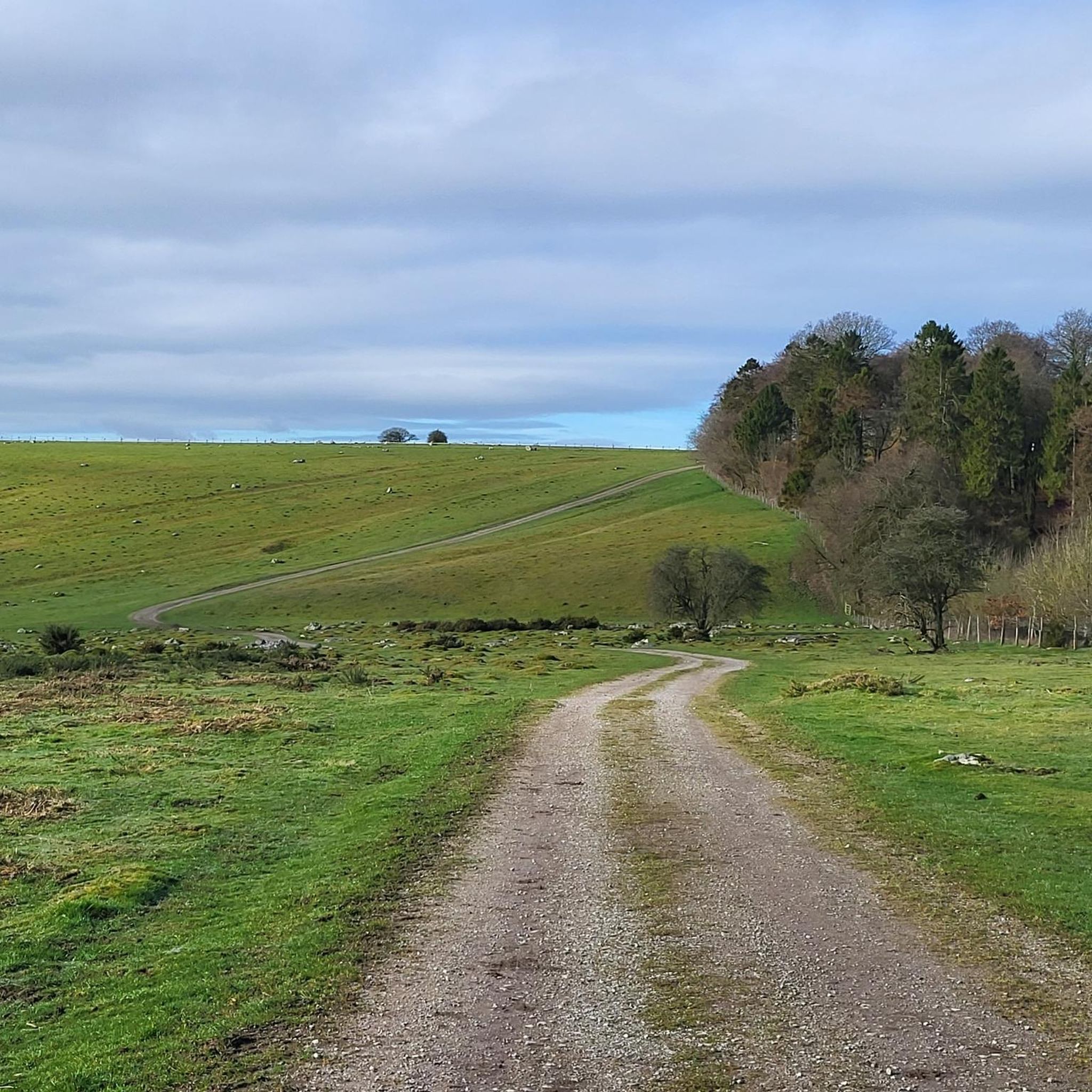
Cycling in Fyfield Down National Nature Reserve
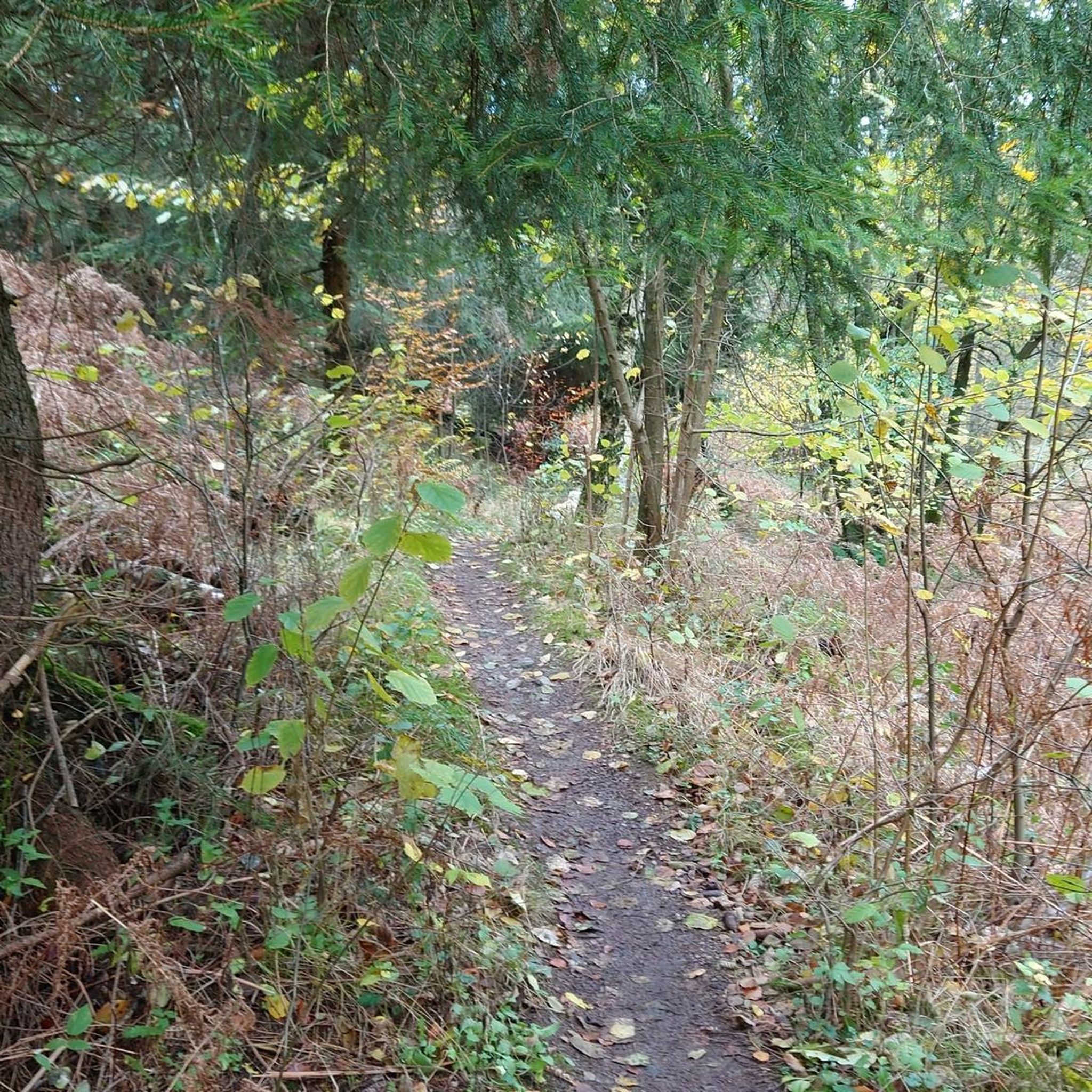
Gravel biking in Fyfield Down National Nature Reserve
Tips from the Community

Possibly a fallen standing stone, the Polisher is a very rare example of a stone used to polish stone axes. Associated with the nearby beaker settlement, the stone clearly shows the grooves and smooth dished area where axes were highly finished, perhaps to become high status ceremonial gifts. It is claimed to be a particularly fine example of a grinding bench for shaping, whetting, and polishing stone axe-heads, and to compare with many Neolithic and Bronze Age examples in France
0
0
The magical Toad looking Sarcen stone is something to behold. Can be found along the Valley of Stones.
0
0
The Valley of Stones in Wiltshire is a landscape of sarsen stones, a type of hard grey sandstone, that's known for its Neolithic monuments. Those bizarre rocks are locally known as 'Grey Wethers' because they are often mistaken for a flock of sheep in misty weather. But their other name has an even more fascinating origin! These geological features are officially known as Sarsen Stones. Most likely deriving from Wiltshire vernacular for 'Saracen'. Historians think Knight Templars named them as such because they were alien to the soft chalk of the North Wessex Downs. But the name has a more sinister meaning. It stems from the Crusades against Islamic rule, during which they called Muslims Saracens. This word was also used for anything that was 'foreign'. 'Grey Wethers' were used for building in the Neolithic Age! And thus, it is time to fall into the prehistoric rabbit hole as deep as 6000 years! According to The National Trust information board, these stones were used to erect Stonehedge and Avebury!
0
0

Frequently Asked Questions
What makes the natural monuments in Fyfield Down unique?
Fyfield Down is home to England's best assemblage of sarsen stones, often called the 'Grey Wethers' because they resemble a flock of sheep. These large, hard silicified sandstone boulders, some up to 3.5 meters across, were formed millions of years ago and deposited by glacial action. You can find them in distinctive 'river' or 'valley train' formations, particularly dense in the Valley of Stones.
What is the historical significance of the sarsen stones in Fyfield Down?
These natural sarsen stones were a crucial resource for Neolithic people. They were quarried and used to construct famous prehistoric monuments nearby, including Stonehenge and the Avebury stone circle. You can also see The Polisher Stone, a rare example of a prehistoric grinding bench used for shaping and polishing stone axe-heads.
Are there walking trails to explore the natural monuments in Fyfield Down?
Yes, Fyfield Down offers a peaceful hiking experience with extensive downs to explore. You can find various walking paths that lead you through the landscape of sarsen stones. For specific routes, consider exploring the hiking guide for Fyfield Down National Nature Reserve, which includes routes like the 'Devil's Den Dolmen – Valley of Stones loop'.
What kind of wildlife can I expect to see at Fyfield Down?
Beyond the sarsen stones, Fyfield Down's chalk grassland ecosystem supports diverse wildflowers, invertebrates, and birds. The stones themselves host a nationally important and rich flora of lichens, including species unique to sarsen stones like Buellia saxorum. You might also spot characteristic chalk grassland species such as round-headed rampion, frog orchid, and chalk milkwort, alongside birds like skylarks and yellowhammers.
Is Fyfield Down suitable for families with children?
Yes, Fyfield Down can be a great place for families to explore. The unique geological landscape and historical connections offer an engaging outdoor experience. For family-friendly walks, check out the family-friendly hikes guide, which includes routes like the 'Avebury Stone Circle – Silbury Hill loop'.
Can I bring my dog to Fyfield Down?
Fyfield Down is generally dog-friendly, offering open spaces for walks. However, as it is a Site of Special Scientific Interest (SSSI) and home to grazing livestock, it's important to keep dogs under close control, preferably on a lead, especially near sheep or ground-nesting birds.
What are some of the most prominent natural monuments to visit in Fyfield Down?
Key natural monuments include the Valley of Stones, where you'll find a dense concentration of sarsen stones. Within this valley, look out for the distinctive Toad Stone, a sarsen stone with a magical toad-like appearance. Don't miss The Polisher Stone, which reveals ancient human activity.
What is the best time of year to visit Fyfield Down?
Fyfield Down offers a unique experience year-round. Spring and summer bring vibrant wildflowers to the chalk grasslands, while autumn provides beautiful colors. Winter can offer a stark, atmospheric landscape, especially when the 'Grey Wethers' are shrouded in mist. For peaceful exploration, visiting outside of peak holiday periods is often recommended.
Are there options for cycling near the natural monuments?
Yes, there are cycling opportunities in the wider area around Fyfield Down. You can explore routes designed for various skill levels. For traffic-free options, consult the traffic-free bike rides guide for Fyfield Down National Nature Reserve, which features routes like the 'Marlborough Town Centre – Ramsbury Distillery Company loop'.
How accessible are the natural monuments in Fyfield Down?
The terrain at Fyfield Down is largely open downland, which can be uneven and includes grassy paths. While some areas may be accessible, many paths are not paved and can be challenging for wheelchairs or those with limited mobility. It's best to be prepared for natural, unpaved surfaces.
Where can I find parking when visiting Fyfield Down?
Parking options are typically available at designated points around the perimeter of Fyfield Down. Specific parking areas may vary, so it's advisable to check local signage or online maps for the most convenient access points before your visit.
Most popular routes in Fyfield Down National Nature Reserve
Most popular attractions in Fyfield Down National Nature Reserve

Get inspired with the komoot mobile app


Explore more
Extend your search for the best caves by checking out these guides of the top ones in Fyfield Down National Nature Reserve:
