Top 10 Natural Monuments in Parque Nacional Cotopaxi
Best natural monuments in Parque Nacional Cotopaxi are found within the Ecuadorian Andes, a region characterized by its high-altitude landscapes and prominent volcanoes. The park is dominated by its majestic peaks and glacial lagoons, offering diverse natural features. This area holds cultural significance for indigenous peoples, who consider "Taita" Cotopaxi a protective deity. The terrain includes stratovolcanoes, páramo ecosystems, and glacial meltwater lakes.
Best natural monuments in Parque Nacional Cotopaxi
- The most popular natural monuments is Limpiopungo Lagoon, a…
Last updated: July 6, 2026
Limpiopungo Lagoon
Highlight • Lake
Translated by Google •
Tip by

Trailhead for Rumiñahui Central and North
Highlight • Trail
Translated by Google •
Tip by

Sign up now to discover places like this
Get recommendations on the best single tracks, peaks, & plenty of other exciting outdoor places.
Sign up for free
Wild horses in Cotopaxi National Park
Highlight • Natural
Translated by Google •
Tip by

Wildlife in Cotopaxi National Park
Highlight • Natural
Translated by Google •
Tip by

View of Limpiopungo Lagoon and Cotopaxi
Highlight • Lake
Translated by Google •
Tip by

Sign up for free to discover even more natural monuments in Parque Nacional Cotopaxi.
Sign up for free
Already have an account?
Start today with a free account
Your next adventure awaits.
Login or Signup
Popular around Parque Nacional Cotopaxi
Other adventures in Parque Nacional Cotopaxi

Tips from the Community

It's an excellent viewpoint, both for Limpiopungo Lagoon and for Rumiñahui and Cotopaxi Volcano. Because of the cold, you'll need to wear a coat.
0
0

A beautiful circular path leads around the lagoon and great animal sightings are possible.
0
0

Easy, flat tour that circles the lagoon in the rather barren but beautiful landscape of Ecuador.
1
0

Nice circular hike around the lake
0
0

Take a quick breather at 3878 m
0
0

A beautiful lagoon that you can also walk around from the parking lot. When the weather is nice, you have a good view of the Cotopaxi.
2
0

Nice to look at. Especially the mare with her twins. Very very rare!
0
0

We were surprised that we found wild horses here.
0
0
Frequently Asked Questions
What are some key natural monuments to visit in Parque Nacional Cotopaxi?
Beyond the well-known Limpiopungo Lagoon, the majestic Cotopaxi Volcano itself is the park's centerpiece, offering breathtaking views and a challenging ascent to the José Rivas Refuge. Another significant monument is the Rumiñahui Volcano, accessible via the Trailhead for Rumiñahui Central and North, which provides an excellent alternative for hikers seeking panoramic Andean vistas without the technical demands of Cotopaxi's summit.
What natural features can I expect to see in Parque Nacional Cotopaxi?
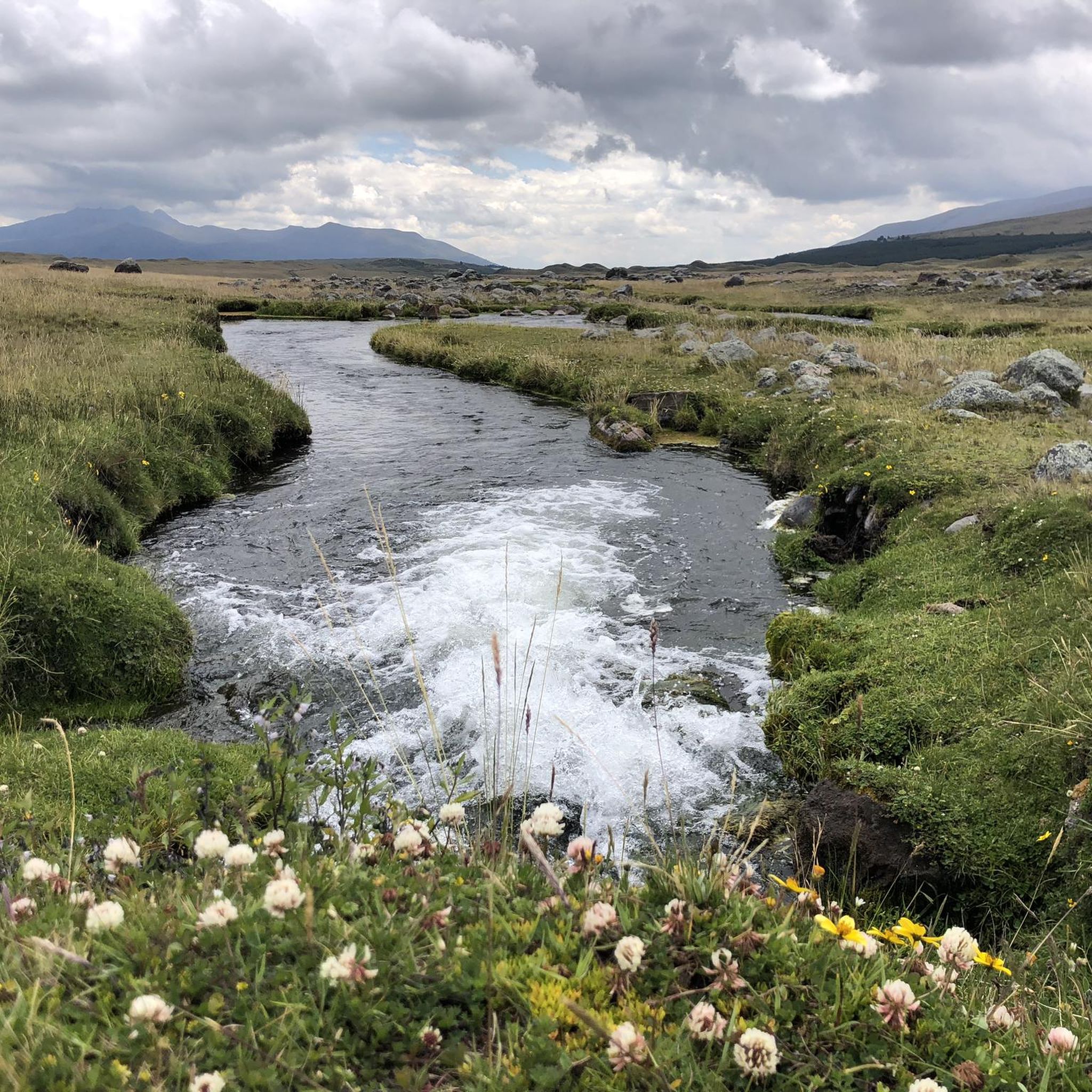
Parque Nacional Cotopaxi is characterized by its dramatic stratovolcanoes, high-altitude glacial lagoons, and unique páramo ecosystems. You'll encounter snow-capped peaks like Cotopaxi, serene lakes such as Limpiopungo Lagoon, and vast grasslands where specialized flora thrives. The park's landscape is a result of ancient volcanic activity and glacial sculpting.
Are there family-friendly natural monuments in Parque Nacional Cotopaxi?
Yes, several natural monuments are suitable for families. The Limpiopungo Lagoon offers a flat and accessible trail, perfect for a leisurely stroll with stunning reflections of the surrounding peaks. Additionally, areas where you can spot Wild horses in Cotopaxi National Park are often enjoyed by families, providing opportunities for wildlife viewing.
What wildlife can I expect to see near the natural monuments?
The park is home to diverse wildlife adapted to the high-Andean environment. Near Limpiopungo Lagoon, birdwatchers can spot species like the Andean Teal, Silvery Grebe, and Andean Gulls, with the majestic Andean Condor often soaring overhead. In the surrounding páramo, you might encounter wild horses, Andean deer, llamas, and even Andean foxes. Keep an eye out for Wildlife in Cotopaxi National Park as you explore.
What outdoor activities can I do near these natural monuments?
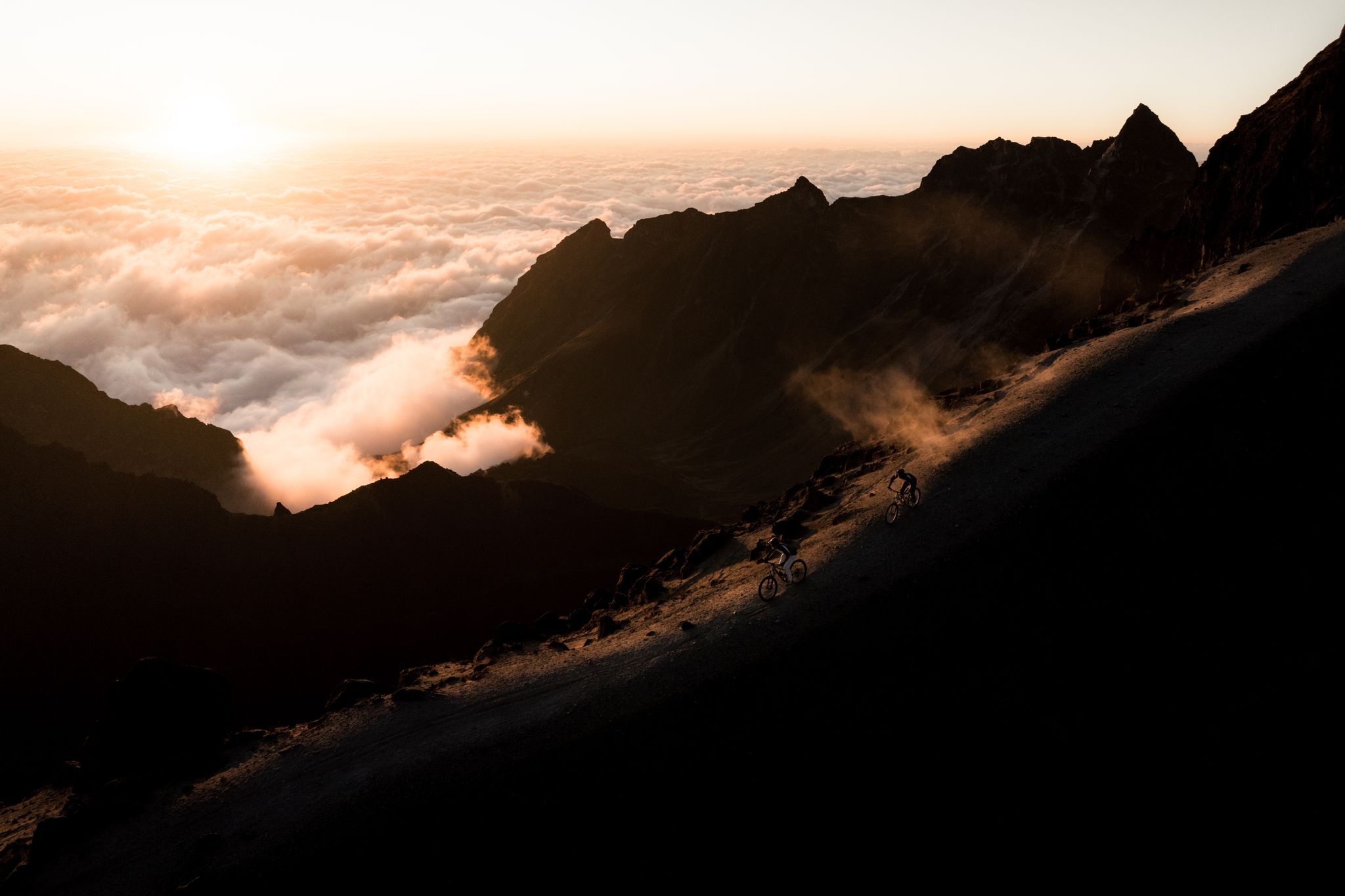
Parque Nacional Cotopaxi offers a range of outdoor activities. Hiking is very popular, with trails around Limpiopungo Lagoon and routes leading up Rumiñahui Volcano. For those seeking more challenging adventures, mountaineering on Cotopaxi is an option. Mountain biking is also available, with various trails throughout the park. You can find more details on specific routes in the Hiking in Parque Nacional Cotopaxi and MTB Trails in Parque Nacional Cotopaxi guides.
Are there easy hiking trails around the natural monuments?
Yes, there are several easy hiking options. The circular path around Limpiopungo Lagoon is flat and accessible, making it ideal for a relaxed walk and acclimatization. You can find more easy routes in the Easy hikes in Parque Nacional Cotopaxi guide, which includes trails like the Hiking loop from El Boliche.
What is the best time to visit Parque Nacional Cotopaxi for natural monuments?
The dry season, typically from June to September, is often considered the best time to visit. During these months, you'll generally find clearer skies, offering the best chances to see the snow-capped volcanoes, especially Cotopaxi, without cloud cover. However, weather in the Andes can be unpredictable, so always be prepared for changing conditions.
What should I wear when visiting natural monuments in Parque Nacional Cotopaxi?
Due to the high altitude and variable Andean weather, layering is key. Bring warm clothing, including a waterproof and windproof outer layer, even during the dry season. Sturdy hiking boots are essential for trails, and don't forget sun protection (hat, sunglasses, sunscreen) as the UV radiation is strong at this elevation.
Are permits required to visit natural monuments in Cotopaxi National Park?
Access to Parque Nacional Cotopaxi generally requires an entrance fee, which covers visits to its natural monuments. It's advisable to check the latest regulations and fees with the park authorities or local tour operators before your visit, as requirements can change.
What do visitors enjoy most about the natural monuments in Parque Nacional Cotopaxi?
Visitors frequently highlight the stunning panoramic views, especially of Cotopaxi Volcano reflected in Limpiopungo Lagoon. The opportunity for wildlife spotting, such as wild horses and various bird species, is also a major draw. Many appreciate the accessible trails, like the one around Limpiopungo, for their ease and beauty, while others enjoy the challenge and rewarding vistas from higher elevations like Rumiñahui.
How long should I plan for visiting the natural monuments in Parque Nacional Cotopaxi?
For a comprehensive visit to key natural monuments like Limpiopungo Lagoon and viewpoints for Cotopaxi and Rumiñahui, a full day is recommended. This allows time for leisurely walks, wildlife observation, and enjoying the scenery without rush. If you plan on longer hikes or attempting the José Rivas Refuge, you might need more time.
Are there cafes or amenities near the natural monuments?
Within Parque Nacional Cotopaxi, amenities are limited but available. There are usually small shops or cafes near the main entrance or at specific points like the Tambopaxi Lodge. It's always a good idea to bring your own snacks and water, especially if you plan to venture onto longer trails, as facilities might not be directly adjacent to every natural monument.
Most popular routes in Parque Nacional Cotopaxi
Most popular attractions in Parque Nacional Cotopaxi

Get inspired with the komoot mobile app


Explore more
Extend your search for the best caves by checking out these guides of the top ones in Parque Nacional Cotopaxi:
