Parque Nacional Iztaccíhuatl-Popocatépetl
Parque Nacional Iztaccíhuatl-Popocatépetl
Top 6 Natural Monuments in Parque Nacional Iztaccíhuatl-Popocatépetl
Best natural monuments in Parque Nacional Iztaccíhuatl-Popocatépetl include towering volcanoes and significant mountain passes. This protected area, established in 1935, features Mexico's second and third highest peaks, Popocatépetl and Iztaccíhuatl. The landscape offers diverse ecosystems, ranging from pine and fir forests to alpine meadows. The park holds cultural significance, with ancient sites like Cerro Tláloc, and provides opportunities for hiking and observing geological formations.
Best natural monuments in Parque Nacional Iztaccíhuatl-Popocatépetl
- The most popular natural monuments is Frozen Waterfall,…
Last updated: July 5, 2026
Frozen Waterfall
Highlight • Waterfall
Translated by Google •
Tip by

Shark Head Rock
Highlight • Natural Monument
Translated by Google •
Tip by

Sign up now to discover places like this
Get recommendations on the best single tracks, peaks, & plenty of other exciting outdoor places.
Sign up for free
Iztaccíhuatl Summit
Highlight • Summit
Tip by

Popocatépetl Volcano
Highlight • Volcano
Translated by Google •
Tip by

Summit of Popocatépetl
Highlight • Summit
Tip by

Sign up for free to discover even more natural monuments in Parque Nacional Iztaccíhuatl-Popocatépetl.
Sign up for free
Already have an account?
Start today with a free account
Your next adventure awaits.
Login or Signup
Popular around Parque Nacional Iztaccíhuatl-Popocatépetl
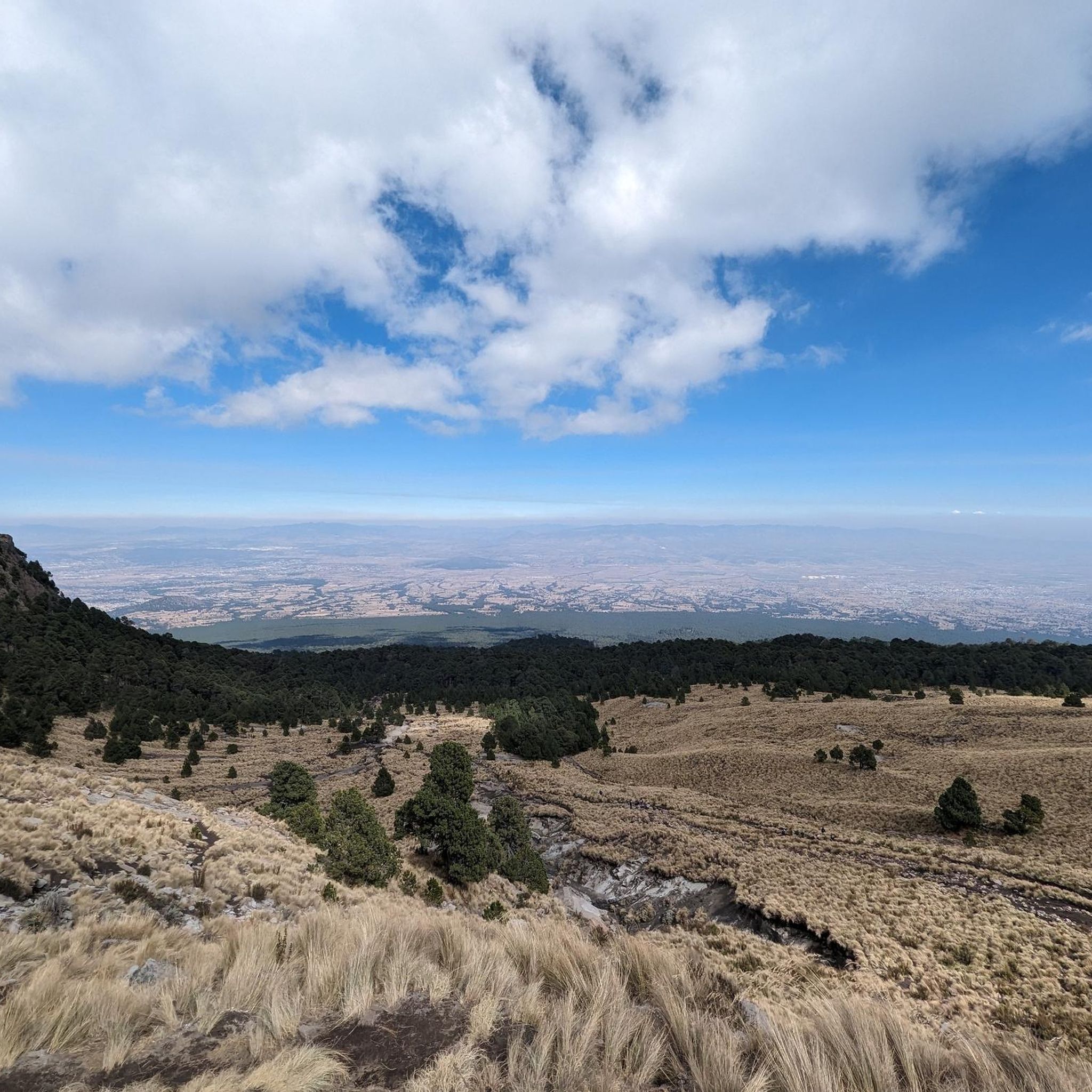

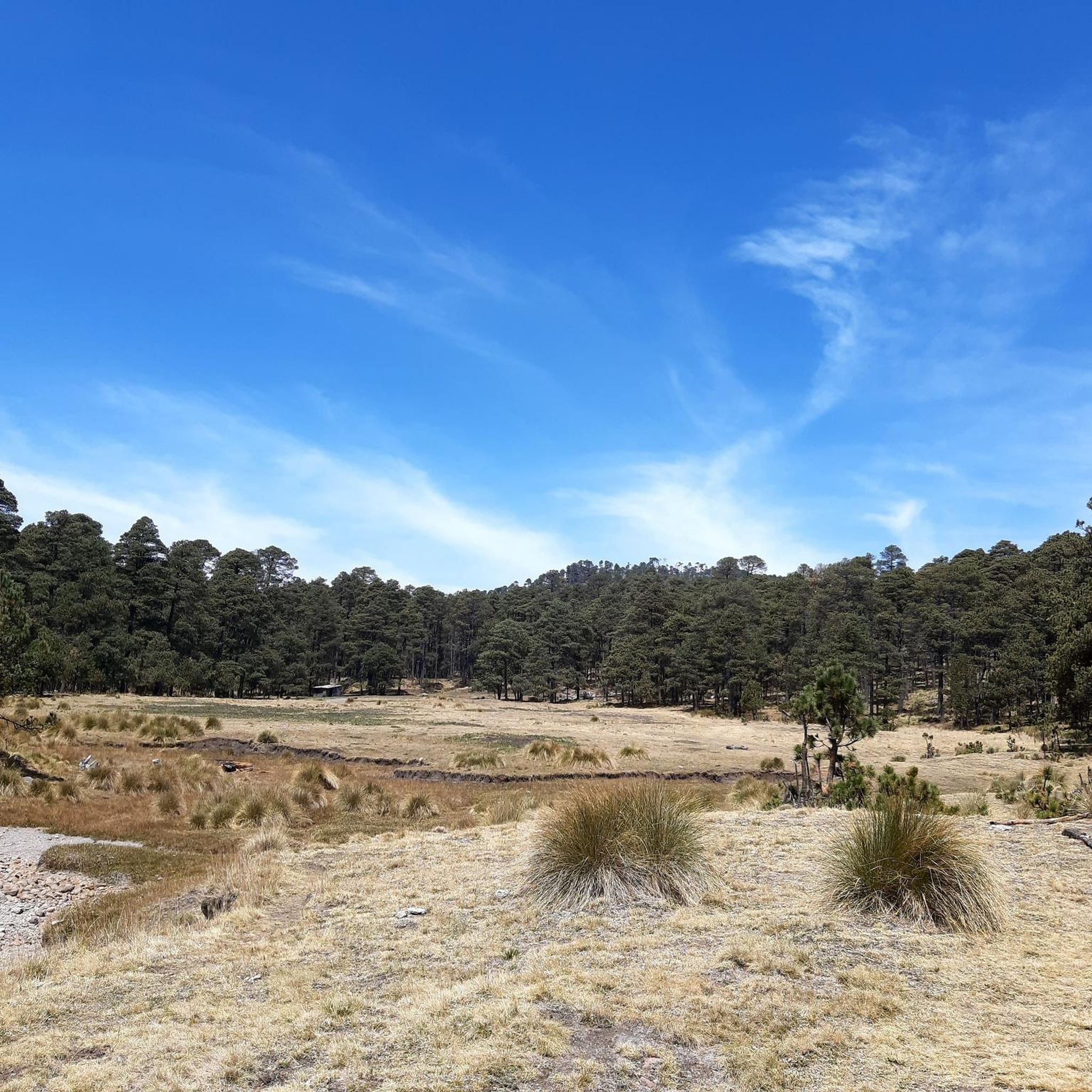
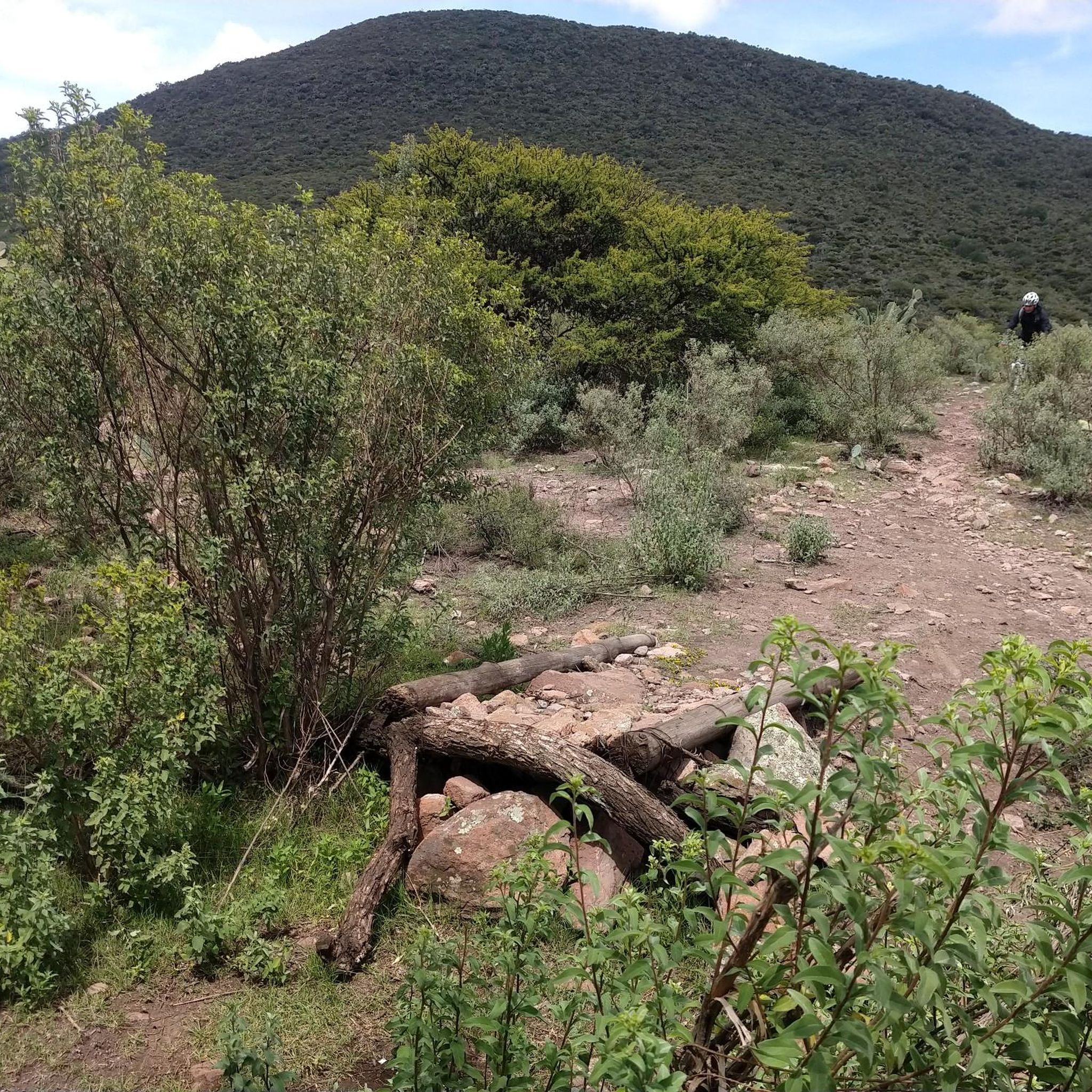
Tips from the Community

A beautiful waterfall that, in colder weather, offers a stunning picture of its frozen waters.
0
0
An iconic rock for its shark shape, it is a reference point for the route to the Otis McAllister refuge.
0
0


The air is getting quite thin once you get closer to the top. Allow yourself enough time to get up there. We had to take a lot of breaks and needed around 4 to 5 hours to get there!
1
0

Carolina is absolutely right. Wen you are going up Izta and dawn breaks upon you the views across to the continually smoking Popo is amazing. Every time you turn back to take a picture you just have this marvellous volcano as a back drop. I simply love Mexico, its people and its mountains!
2
0
Iztaccíhuatl (alternative spellings include Ixtaccíhuatl, or either variant spelled without the accent) (Nahuatl pronunciation: [istakˈsiwat͡ɬ] (About this soundlisten) or, as spelled with the x, [iʃtakˈsiwat͡ɬ] (About this soundlisten)), is a 5,230 m (17,160 ft) dormant volcanic mountain in Mexico located on the border between the State of Mexico and Puebla within Izta-Popo Zoquiapan National Park. It is the nation's third highest, after Pico de Orizaba at 5,636 m (18,491 ft), and Popocatépetl at 5,426 m (17,802 ft). The name "Iztaccíhuatl" is Nahuatl for "White woman", reflecting the four individual snow-capped peaks which depict the head, chest, knees and feet of a sleeping female when seen from east or west. Iztaccíhuatl is to the north of its twin Popocatépetl, to which it is connected by the high altitude Paso de Cortés. Depending on atmospheric conditions Iztaccíhuatl is visible much of the year from Mexico City some 70 km (43 mi) to the northwest. The first recorded ascent was made in 1889, though archaeological evidence suggests the Aztecs and previous cultures climbed it previously. It is the lowest peak containing permanent snow and glaciers in Mexico.
4
0

The access to the Popo is closed due to its constant activity, but the view from the Izta is amazing.
2
0
Frequently Asked Questions
What are some unique natural monuments to explore in Parque Nacional Iztaccíhuatl-Popocatépetl?
Beyond the iconic volcanoes, you can discover unique natural monuments like the Frozen Waterfall, which offers a stunning visual experience in colder weather. Another distinctive spot is Shark Head Rock, an iconic formation known for its distinctive shape and serving as a reference point for routes to the Otis McAllister refuge.
What is the significance of the Iztaccíhuatl and Popocatépetl volcanoes?
The Popocatépetl Volcano, known as 'The Smoking Mountain,' is Mexico's second-highest and one of the most active globally, offering a dramatic natural spectacle from a safe distance. Iztaccíhuatl Summit, or 'The Sleeping Woman,' is Mexico's third-highest peak, an extinct or dormant volcano popular for challenging hikes and mountaineering, with its snow-capped peaks resembling a reclining woman.
Are there any historical or archaeological natural sites within the park?
Yes, Cerro Tláloc, located in the northern part of the park, is a significant natural monument that also serves as an archaeological site. It features an ancient Aztec pyramid at its summit, which was considered sacred to the rain god Tláloc by Nahuan peoples. This combines natural beauty with rich cultural history.
What kind of wildlife can I expect to see around the natural monuments?
The park's diverse ecosystems support various wildlife. At lower elevations, you might spot white-tailed deer, rabbits, and armadillos. More elusive species like bobcats and coyotes also inhabit the area. The varied vegetation, from pine and fir forests to alpine meadows, provides habitats for these animals.
What is the best time of year to visit the natural monuments in Parque Nacional Iztaccíhuatl-Popocatépetl?
The dry season, generally from November to May, is often considered the best time to visit. During these months, the weather is typically clearer, offering better visibility of the volcanoes and making hiking conditions more favorable. However, colder weather can enhance the visual experience of features like the Frozen Waterfall.
Are there family-friendly natural monuments or activities in the park?
Paso de Cortés is an excellent option for families. This historic mountain pass offers accessible trails and panoramic views of both Iztaccíhuatl and Popocatépetl. It's a great spot for nature photography and volcano viewing from a safe distance, and includes a visitor center and picnic areas.
What are the difficulty levels for hiking the natural monuments in the park?
Hiking difficulties vary significantly. While areas like Paso de Cortés offer accessible trails, ascents to summits like Iztaccíhuatl Summit are considered challenging and require mountaineering experience. Cerro Tláloc offers a long but relatively non-technical hike. Always check specific trail conditions and prepare accordingly.
Do I need a permit to visit or hike certain natural monuments?
Access to the summit of Popocatépetl is restricted due to its constant activity, and no permits are issued for climbing it. For other areas, especially for mountaineering on Iztaccíhuatl, it's advisable to check with park authorities or local guides regarding any required permits or registration, as regulations can change.
What outdoor activities can I do near these natural monuments?
The park offers a range of outdoor activities. You can find numerous cycling routes, such as the 'Route of the Volcanoes' loops, and running trails like the 'Refugio Apatlaco loop.' For mountain biking, there are challenging routes like the 'Paso de Cortés Monument – La Joya Pass' loop. You can explore more options on our guides for Cycling, Running, and MTB Trails in the region.
Where can I find accommodation or food near the natural monuments?
While specific accommodations are not listed within the immediate vicinity of all monuments, areas around Paso de Cortés often serve as a base camp for climbers and visitors, and you may find visitor services there. For more extensive options, nearby towns like Amecameca offer restaurants and cafes.
What should I pack for hiking in the Parque Nacional Iztaccíhuatl-Popocatépetl?
Given the high altitudes and varying conditions, it's essential to pack layers of clothing, including warm jackets, waterproof outer shells, and appropriate hiking boots. Sun protection (hat, sunglasses, sunscreen), plenty of water, high-energy snacks, and a first-aid kit are also crucial. For higher elevations, consider specialized gear for cold and potential snow.
What do visitors enjoy most about the natural monuments in Parque Nacional Iztaccíhuatl-Popocatépetl?
Visitors frequently highlight the breathtaking views of the volcanoes, especially the dramatic sight of the active Popocatépetl from a safe distance, and the challenging yet rewarding ascents of Iztaccíhuatl. The unique geological formations like Shark Head Rock and the seasonal beauty of the Frozen Waterfall are also highly appreciated.
Most popular routes in Parque Nacional Iztaccíhuatl-Popocatépetl
Most popular attractions in Parque Nacional Iztaccíhuatl-Popocatépetl

Get inspired with the komoot mobile app


Explore more
Extend your search for the best caves by checking out these guides of the top ones in Parque Nacional Iztaccíhuatl-Popocatépetl:
