Top 7 Natural Monuments in Algonquin Provincial Park
Best natural monuments in Algonquin Provincial Park are found within this vast wilderness area, renowned as Ontario's first provincial park and one of Canada's oldest. The park's landscape is shaped by its unique geology and post-glacial features, including over 2,400 lakes and 1,200 kilometers of streams. It lies in a transition zone where northern coniferous forests meet southern deciduous forests, supporting diverse ecosystems and wildlife. This collective grandeur of interconnected waterways, diverse forests, and glacially carved landscapes defines its natural…
Last updated: August 15, 2026
Beaver Pond Trail
Highlight (Segment) • Trail
Translated by Google •
Tip by

Boardwalk Over Beaver Meadow, Algonquin Provincial Park
Highlight • Viewpoint
Translated by Google •
Tip by
Sign up now to discover places like this
Get recommendations on the best single tracks, peaks, & plenty of other exciting outdoor places.
Sign up for free
Centennial Ridges Lookout
Highlight • Viewpoint
Tip by

Jack Lake
Highlight • Lake
Tip by
Bryant's Bluff
Highlight • Viewpoint
Tip by
Sign up for free to discover even more natural monuments in Algonquin Provincial Park.
Sign up for free
Already have an account?
Start today with a free account
Your next adventure awaits.
Login or Signup
Other adventures in Algonquin Provincial Park

Tips from the Community

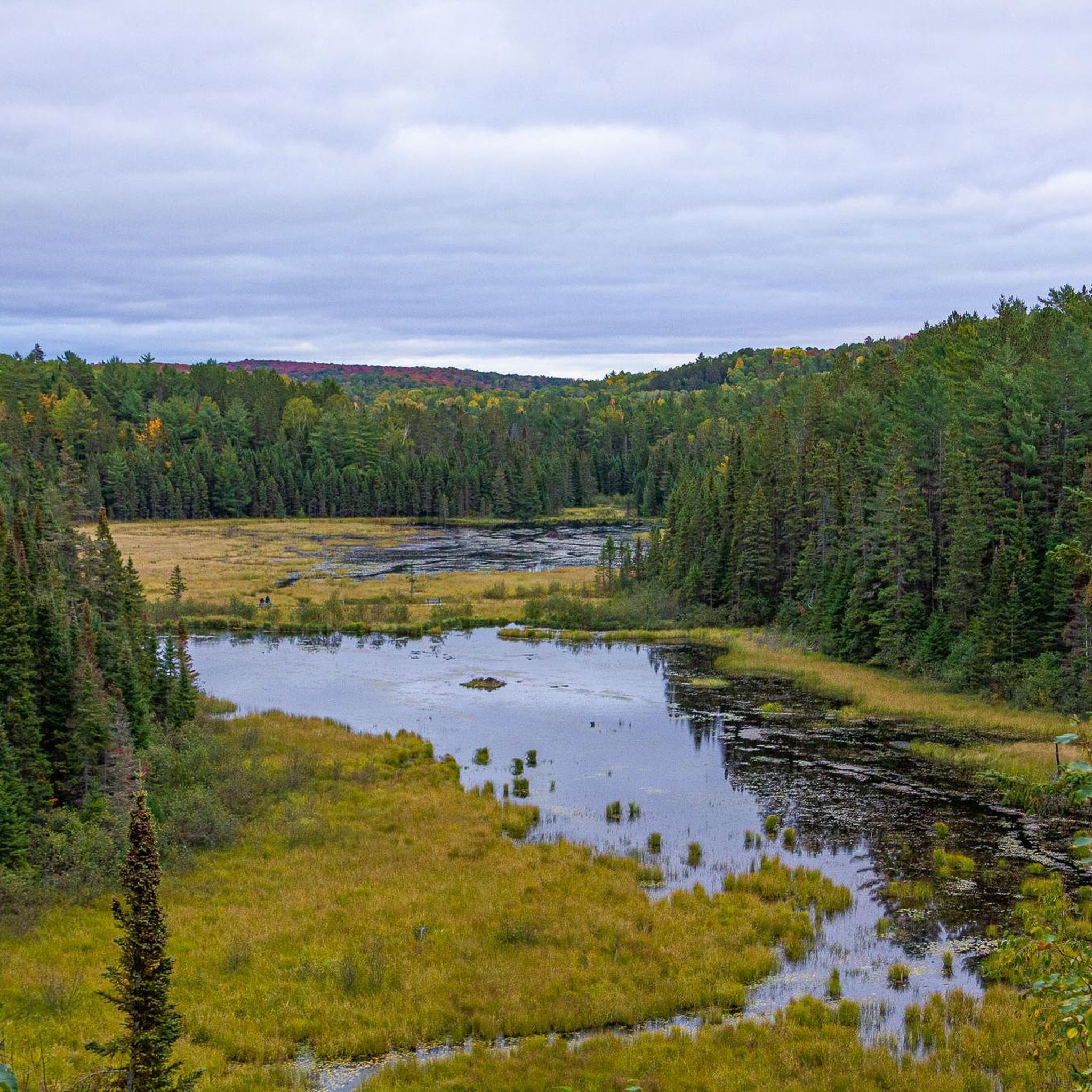
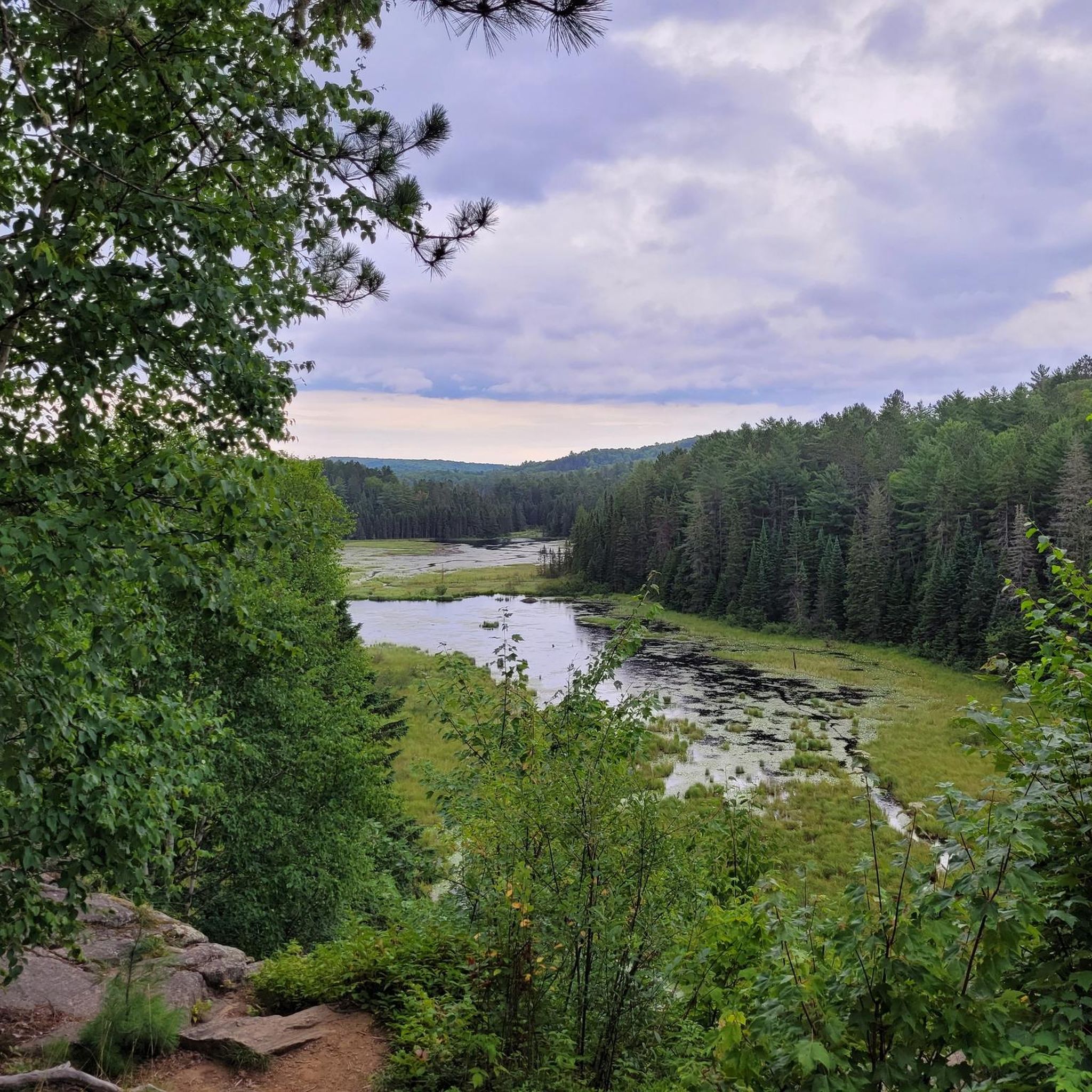
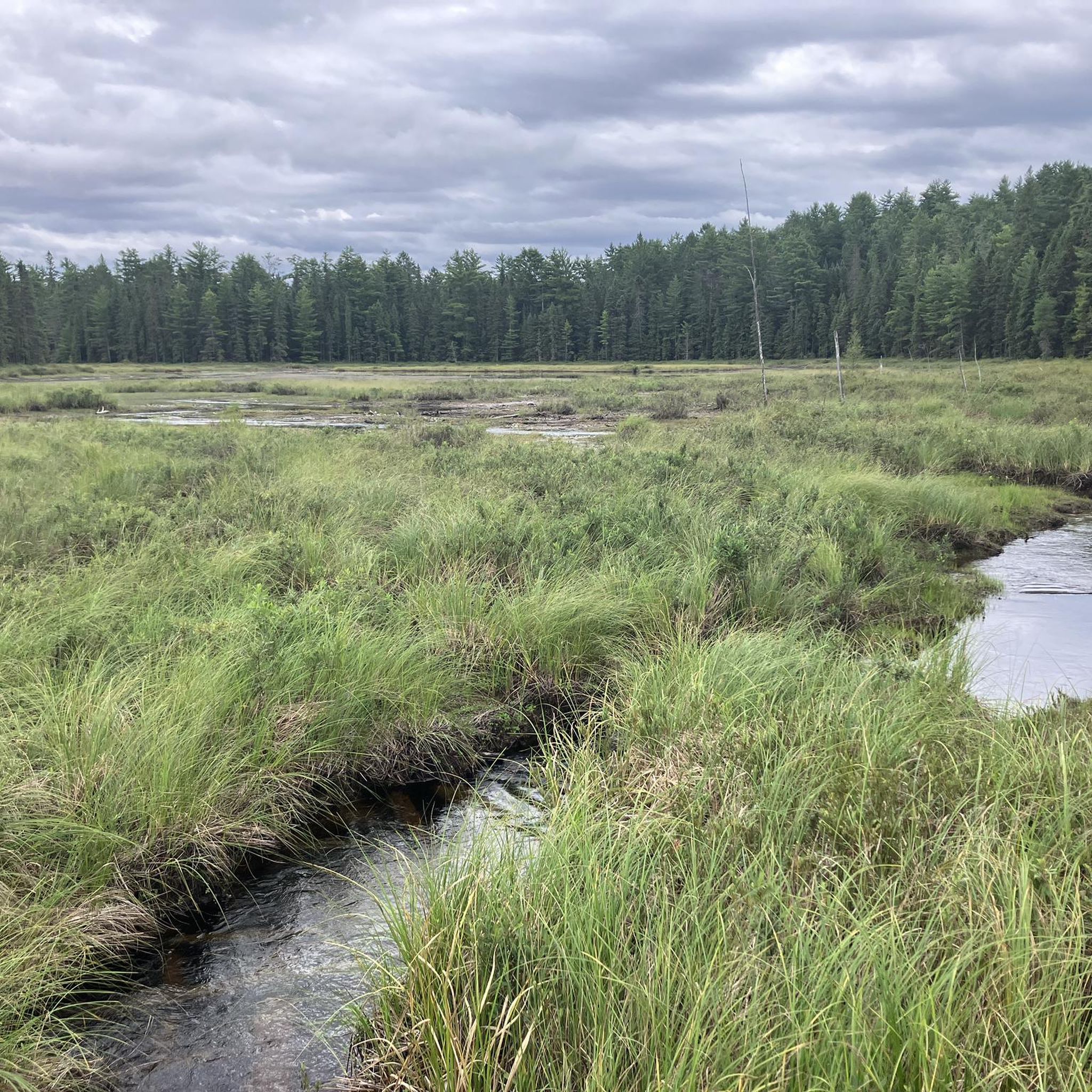
Beautiful view with a bench that invites you to linger. The work of the beavers is clearly visible as the dammed water is above the bridge.
0
0

The beaver meadow was created after the original forest was flooded by the work of beavers long ago and the area was transformed into a beaver pond.
2
0
At the outlook of Jack Lake, in fall (Indian Summer) you have great views on the colourful forests in Algonquin.
3
0
There are great views of Algonquin from the Founders’ Ridge in particular during "Indian Summer" season.
3
0
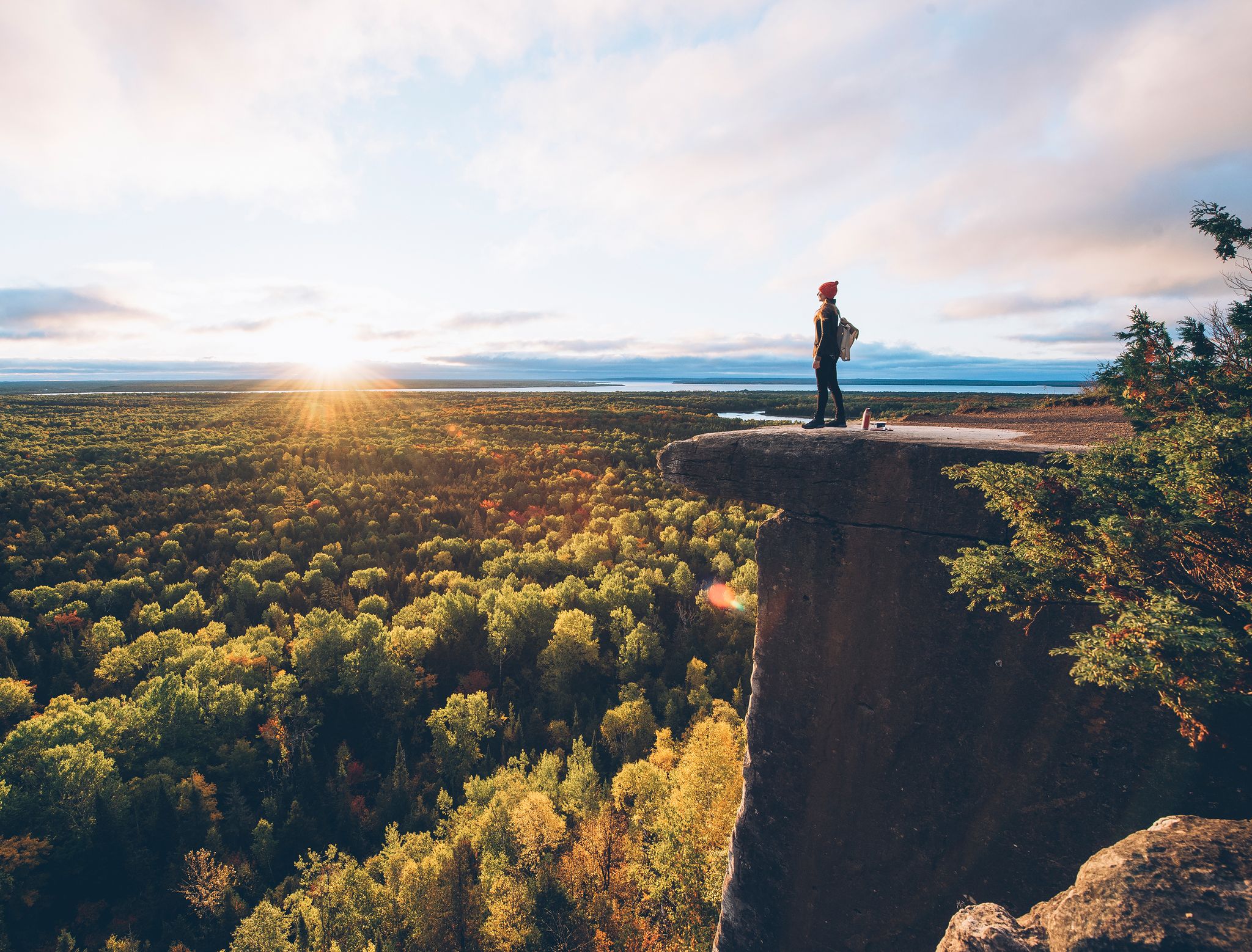
In 1984 the cliff at Bryant’s Bluff was chosen as one of the places to re-introduce Peregrine Falcon back to Algonquin Park.
3
0

Very idyllic
1
0

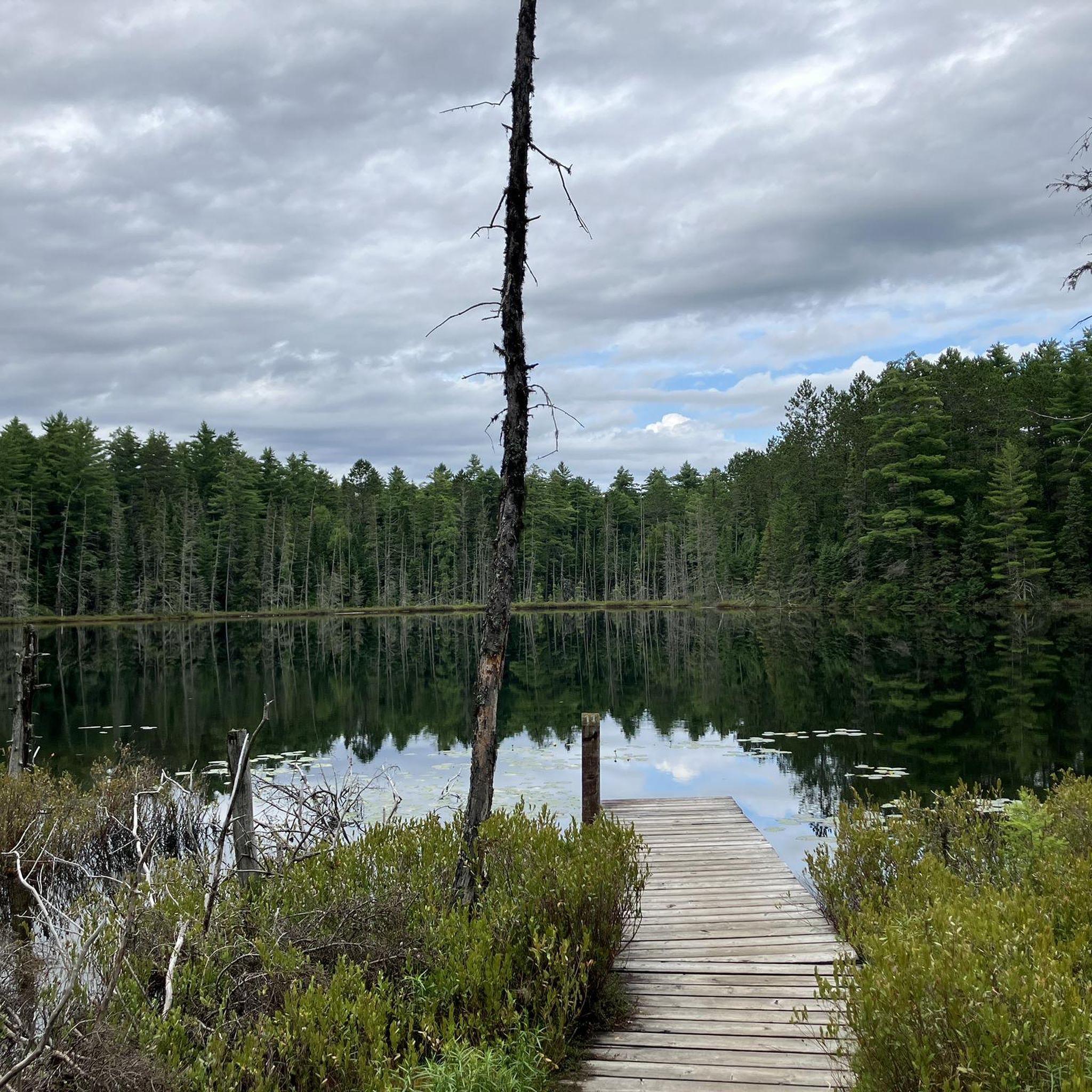
Over this jetty you have access to the meadow landscape with the beaver and a magnificent view of the consequences of the damming of the river by beavers.
3
0
It is a very large, fantastically beautiful park, which offers many opportunities for outdoor activities.
5
1
Frequently Asked Questions
What are some of the most popular natural monuments to visit in Algonquin Provincial Park?
Visitors frequently enjoy the Lookout Viewpoint in Algonquin Provincial Park, which offers fantastic views of the park and Lake of Two Rivers. Another favorite is the Beaver Pond Trail, an accessible loop where you can observe beaver dams and their impact on the landscape.
Are there family-friendly natural monuments in Algonquin Provincial Park?
Yes, Algonquin Provincial Park offers several family-friendly natural monuments. The Beaver Pond Trail is an accessible loop perfect for families, allowing observation of beavers. Jack Lake is also considered family-friendly, offering beautiful views, especially during fall.
What unique geological features can I expect to see in Algonquin Provincial Park?
Algonquin Provincial Park's landscape is a direct result of glacial activity. You'll find rocky, ice-smoothed hills, irregular basins, and thousands of lakes and rivers carved by retreating glaciers. Trails often lead to scenic viewpoints from elevated ridges, showcasing these ancient geological processes. The park's unique position where northern coniferous and southern deciduous forests meet also creates diverse ecosystems.
What outdoor activities can I do near the natural monuments in Algonquin Provincial Park?
Algonquin Provincial Park offers a wide range of outdoor activities. You can explore numerous hiking trails, with options like the moderate Track and Tower Trail offering panoramic views. Cycling is also popular, with routes such as the easy Lake of Two Rivers loop. For runners, there are trails like the moderate Bat Lake loop. Find more details on these activities in the hiking, cycling, and running guides for the park.
When is the best time to visit Algonquin Provincial Park for its natural monuments?
The park is beautiful year-round, but the fall season (Indian Summer) is particularly spectacular. During this time, the diverse forests, which include both northern coniferous and southern deciduous trees, display vibrant colors, making it a prime location for photography and experiencing fall foliage. The outlook at Jack Lake is especially noted for its colorful forest views in autumn.
Can I see wildlife near the natural monuments in Algonquin Provincial Park?
Yes, Algonquin Provincial Park is renowned for its wildlife. The park supports species like moose, Eastern wolves, beaver, and various bird species. The Beaver Pond Trail is an excellent spot to observe beavers and their active dams. Wildlife viewing opportunities are abundant throughout the park, especially near waterways and diverse forest ecosystems.
Are there any natural monuments in Algonquin Provincial Park known for historical significance?
While Algonquin Provincial Park is primarily celebrated for its natural beauty, some sites hold ecological significance. For instance, Bryant's Bluff was chosen in 1984 as a re-introduction site for Peregrine Falcons, highlighting conservation efforts within the park's natural landscape.
What kind of views can I expect from the viewpoints in Algonquin Provincial Park?
The viewpoints in Algonquin Provincial Park offer expansive and breathtaking vistas. From the Lookout Viewpoint, you can enjoy magnificent views of the park's vast wilderness and the Lake of Two Rivers. Other elevated spots like Rocky Top Viewpoint provide sweeping views over the extensive forest and lake landscape, showcasing the park's glacially carved terrain.
What are the typical trail difficulties for exploring natural monuments in Algonquin Provincial Park?
Trail difficulties vary, catering to different fitness levels. For example, the Beaver Pond Trail is an accessible loop, suitable for an easy walk. Many viewpoints, such as the Lookout Viewpoint and Rocky Top Viewpoint, are reached via intermediate trails that may involve some elevation gain but are generally manageable for most visitors.
How can I experience the extensive waterways of Algonquin Provincial Park?
Algonquin Provincial Park boasts over 2,400 lakes and 1,200 kilometers of streams and rivers. These waterways are ideal for canoeing, kayaking, and fishing. Paddling through these interconnected systems is often the only way to access certain interior areas, offering a deep immersion into the park's wilderness. The serenity and stunning reflections, especially during fall, are a major draw.
What makes Algonquin Provincial Park's forests unique?
Algonquin Provincial Park is situated in a transition zone where northern coniferous forests meet southern deciduous forests. This unique blend results in a rich diversity of tree species and five major habitat types, including maple hills, white pine forests, and spruce bogs. This composition creates breathtaking scenery, particularly vibrant during the fall, and supports a wide variety of plant and animal life.
Most popular routes in Algonquin Provincial Park
Most popular attractions in Algonquin Provincial Park

Get inspired with the komoot mobile app


Explore more
Extend your search for the best caves by checking out these guides of the top ones in Algonquin Provincial Park:
