Top 4 Natural Monuments in Parque Nacional Del Este
Best natural monuments in Parque Nacional Del Este are found within Cotubanamá National Park, a protected area in the Dominican Republic. This region features diverse landscapes, including mainland karst formations and marine zones like Saona Island. The park is notable for its ancient cave systems, pristine beaches, and vibrant coral reefs. It holds ecological and cultural significance, preserving both natural beauty and Taíno heritage.
Best natural monuments in Parque Nacional Del Este
- The most popular natural monuments is Upside-Down Tree…
Last updated: July 5, 2026
Chicho II Cave
Highlight • Cave
Translated by Google •
Tip by

Rode Pasa Arriba Trail
Highlight • Trail
Translated by Google •
Tip by

Sign up now to discover places like this
Get recommendations on the best single tracks, peaks, & plenty of other exciting outdoor places.
Sign up for free
Upside-Down Tree (Árbol Patas Arriba)
Highlight • Natural Monument
Translated by Google •
Tip by
Taíno Cave Pool
Highlight • Cave
Translated by Google •
Tip by

Bat Cave
Highlight • Cave
Translated by Google •
Tip by

Start today with a free account
Your next adventure awaits.
Login or Signup
Popular around Parque Nacional Del Este
Tips from the Community

Really cool. This trail is not in the map but absolutely worth doing!
0
0
Really cool hike. Especially if you take the footpath from the end of the first parking space (there are two large signs)
0
0

The Cueva del Chicho is one of the most important underground caves in the country. Located in the Cotubanamá National Park, the crystal clear aquamarine waters draw many visitors. There are also numerous petroglyphs attesting to the Taino presence at this site. You can dive in the fresh blue waters that resemble a lake. If you are a certified cave diver, you can go deep diving with licensed operators in Bayahibe or La Romana.
0
0


Many only look into the cave from above and turn around (the water is so clear that you can hardly see it from the outside) - big mistake! Swimming is quite unproblematic, the rocks are such that you can easily get in and out without bathing shoes. But good lighting is very important (I always have a headlamp and flashlight with me)!
0
0
I cannot give the exact position because there is no GPS reception in the cave. But shortly before the end of the main cave there is - quite well camouflaged - on the right a second, almost as big cave! But for that you definitely need more than just a mobile phone flashlight, it is absolutely dark! But then you have the cave to yourself, with more stalactites and lots of bats!
3
0

Take a torch with you
3
1
Frequently Asked Questions
What are some of the most unique natural monuments to visit in Parque Nacional Del Este?
Parque Nacional Del Este is home to several unique natural monuments. One notable site is the Upside-Down Tree (Árbol Patas Arriba), a tree that continued to grow even after being toppled by a hurricane, giving it a distinctive appearance. Another is the Chicho II Cave, which features an underground lake with crystal-clear waters and ancient Taíno petroglyphs.
Are there any natural monuments with historical or cultural significance in the park?
Yes, the park is rich in historical and cultural significance, particularly related to the indigenous Taíno people. The Chicho II Cave is known for its ancient Taíno petroglyphs. Additionally, Cueva de Berna, another important cave in the park, boasts an extensive collection of over 300 petroglyphs and pictographs, offering a profound glimpse into Taíno art and history. The Padre Nuestro Ecological and Archaeological Trail also provides insight into past local practices through a replica of a charcoal site.
What kind of natural features can I expect to see in Parque Nacional Del Este?
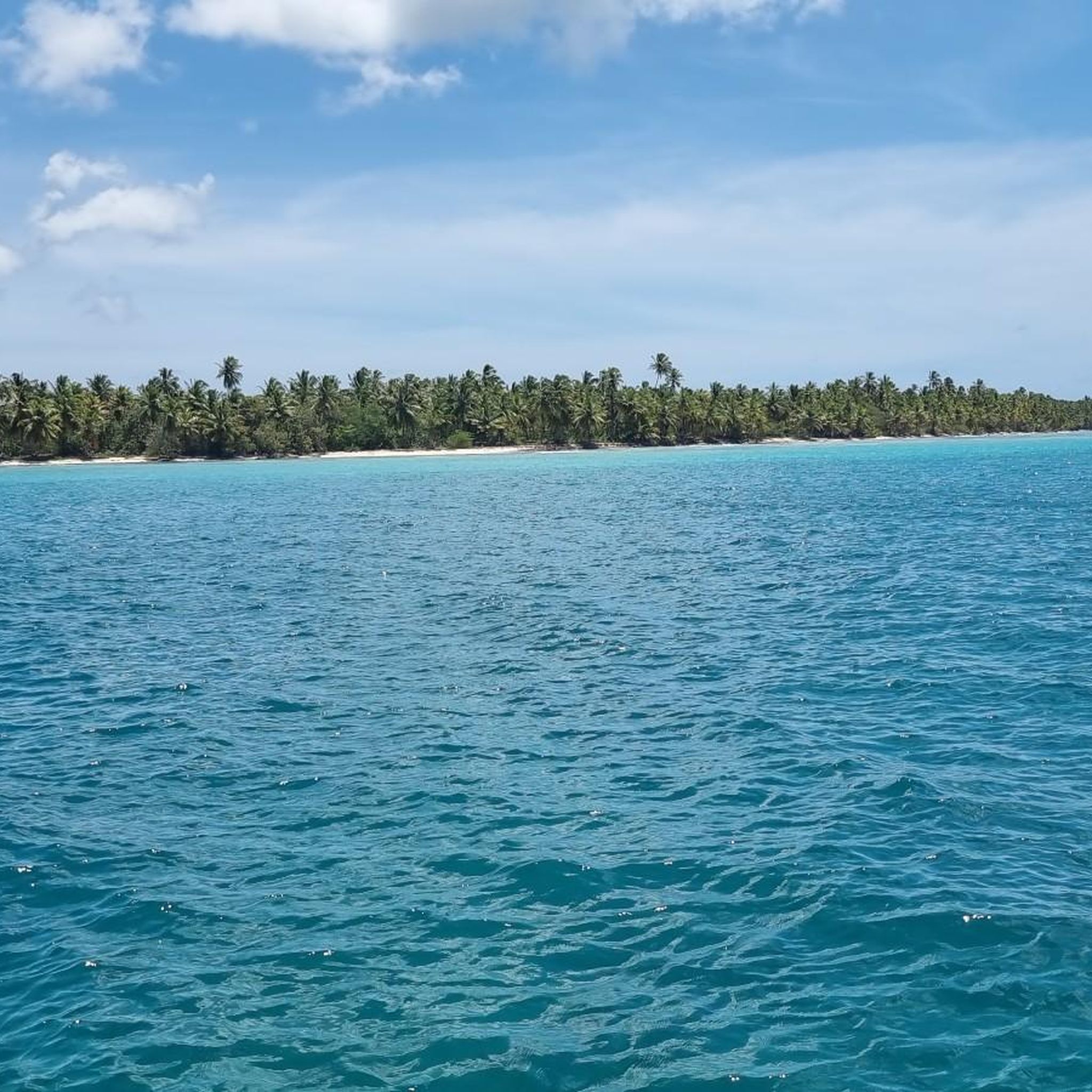
Parque Nacional Del Este offers a diverse range of natural features. You can explore unique karst rock formations, extensive cave systems, and pristine white-sand beaches, especially on Saona Island. The marine areas are home to vibrant coral reefs teeming with diverse life. The park also encompasses subtropical rainforests, dry forests, and mangroves, supporting a rich biodiversity including various plant species like orchids and tall cacti.
Are there family-friendly natural monuments or activities in Parque Nacional Del Este?
Many areas within Parque Nacional Del Este are suitable for families. Saona Island, with its pristine beaches and the shallow Piscina Natural (a sandbar known for starfish), offers relaxing and engaging experiences for all ages. Exploring accessible caves like Chicho II Cave (with its swimming opportunity) can also be an exciting family adventure, though care should be taken on slippery descents.
What are the best opportunities for wildlife spotting in the park?
Parque Nacional Del Este is excellent for wildlife spotting. The diverse ecosystems, including subtropical rainforests, dry forests, and mangroves, support over 500 species of flowers and 112 bird species, some endemic to the Caribbean. The marine areas, particularly around Saona Island and the coral reefs, are home to dolphins, manatees, and various fish species. Saona Island is also a crucial nesting site for sea turtles (hawksbill, green, and leatherback) from March through November.
Are there hiking trails to natural monuments in Parque Nacional Del Este?
Yes, there are several trails that lead to or showcase the natural monuments. The Rode Pasa Arriba Trail, for instance, leads over karst rock formations directly to a cave, featuring diverse plant life. The Padre Nuestro Ecological and Archaeological Trail is another 1.9 km path through indigenous forest, towering cacti, and various caves. For more hiking options, you can explore the Hiking in Parque Nacional Del Este guide.
What is the best time of year to visit the natural monuments in Parque Nacional Del Este?
The nesting season for sea turtles on Saona Island runs from March through November, making this a particularly interesting time for wildlife enthusiasts. Generally, the Dominican Republic enjoys warm weather year-round, but the dry season (typically December to April) offers more stable weather conditions, which can be ideal for exploring caves, trails, and enjoying the beaches without as much risk of rain.
What should I wear or bring when exploring the natural monuments, especially caves?
When exploring caves like Chicho II Cave or Bat Cave, it's advisable to bring a headlamp or a strong flashlight, as some areas are absolutely dark. Bathing shoes are recommended for caves with water to prevent injury on stones. For trails, comfortable walking shoes are essential. Light, breathable clothing is suitable for the tropical climate.
Are there any challenging natural monuments or trails for experienced adventurers?
For those seeking a more challenging experience, the Bat Cave is categorized as challenging and requires a strong light source beyond a mobile phone flashlight due to its absolute darkness and extensive stalactites. The park's karst landscapes also offer varied terrain for exploration. You can find more challenging routes in the Hiking in Parque Nacional Del Este guide.
What are some popular outdoor activities near the natural monuments?
Beyond exploring the natural monuments themselves, the area offers various outdoor activities. Hiking is very popular, with trails ranging from easy to moderate. You can find numerous options in the Hiking in Parque Nacional Del Este guide, including loops around Bayahibe. Running is another great way to experience the region, with several routes detailed in the Running Trails in Parque Nacional Del Este guide. Snorkeling and scuba diving are also popular activities to explore the vibrant coral reefs.
Do I need a permit or special access to visit the natural monuments in Parque Nacional Del Este?
As Parque Nacional Del Este is a protected area (Cotubanamá National Park), there is typically an entrance fee required to access the park and its natural monuments. It's always advisable to check with local authorities or official park websites for the most current information regarding permits, fees, and any specific access requirements for certain areas or activities within the park.
Where can I find easy hiking trails suitable for beginners near the natural monuments?
For beginners or those looking for less strenuous walks, there are several easy hiking options available. Many of these trails offer a chance to experience the park's natural beauty without significant difficulty. You can find a selection of easy routes, such as the Heart of Bayahibe loop from Dominicus, in the Easy hikes in Parque Nacional Del Este guide.
Most popular routes in Parque Nacional Del Este
Most popular attractions in Parque Nacional Del Este

Get inspired with the komoot mobile app


Explore more
Extend your search for the best caves by checking out these guides of the top ones in Parque Nacional Del Este:
